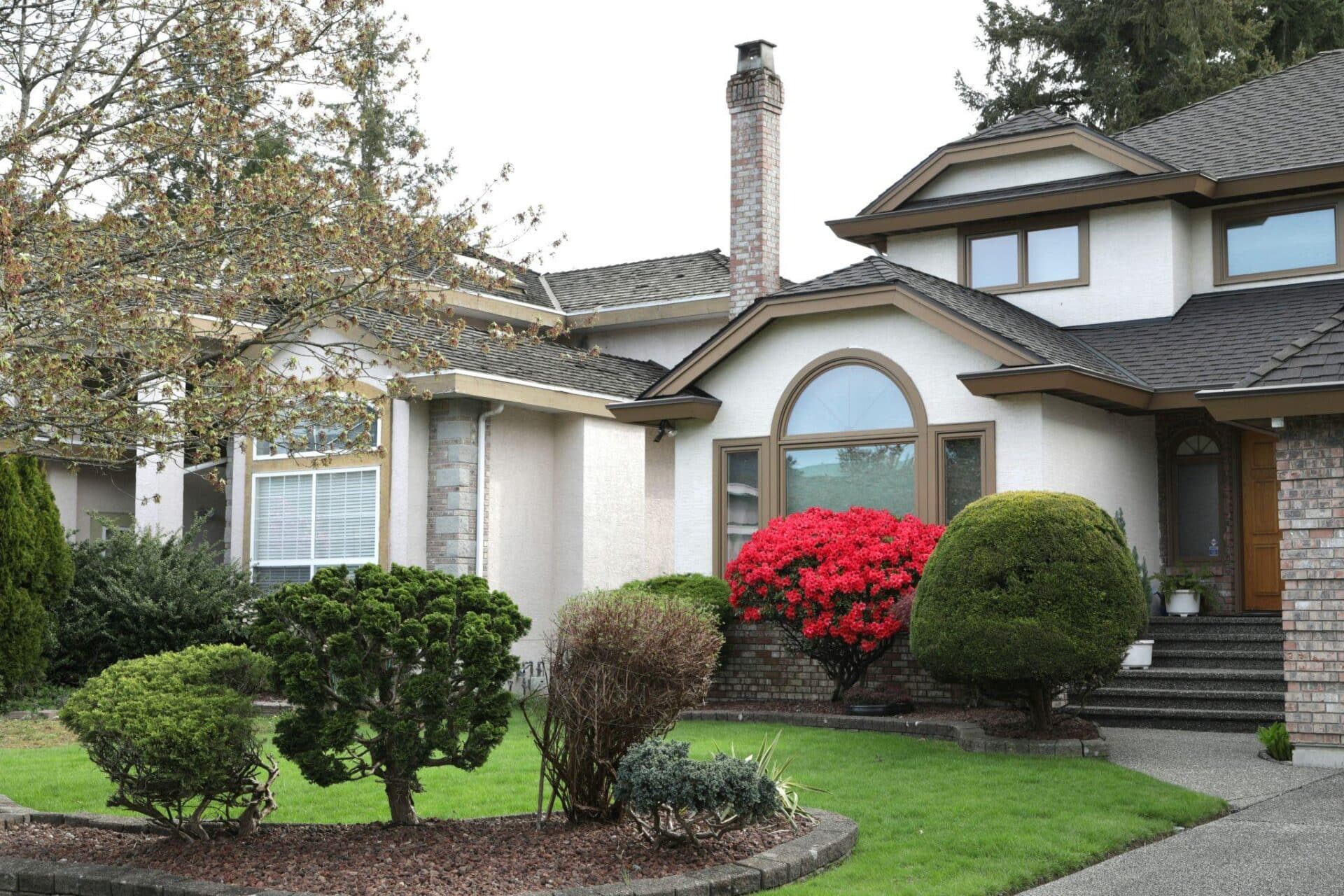

Last autumn, I stood across the road from my house and saw every tired detail at once. The trim around the front door was peeling, the lawn looked thin, and old paint tins were still stacked by the side gate.
It was not a great first impression, but I fixed it over two weekends without spending a fortune.
The fastest reset usually comes from three jobs: shaping the garden, repainting the worn surfaces, and clearing the waste properly. Get those right, and the whole front of the house feels better looked after.
Key Takeaways
Start with the fixes people notice first, then spend on the jobs that protect the house.
- Prioritise quick street-appeal wins before big renovations. Lawn edging, fresh mulch, and a repainted front door make a clear difference for a modest spend.
- Plant natives in cooler months. Autumn to early winter gives roots time to settle before summer heat, which cuts watering later.
- Paint only in the right conditions. Avoid temperatures at or below 10 degrees and humidity above 85 percent.
- Treat older paint with care. Lead-based coatings were common before 1970, so prep work needs proper dust control.
- Book waste removal early. If a skip bin will sit on public land, most councils want a permit first.
- Take before-and-after photos. They show what worked and make the next round of maintenance easier to plan.
Plan First: A 60-Minute Exterior Audit
A short audit helps you spend time and money where they will show up first.

Stand across the road, take a photo, and write down every detail that pulls your eye for the wrong reason. Look at the letterbox, path edges, garden shape, door colour, gutters, and any stained render or flaking trim.
Then rank each item on a simple impact-and-effort grid. Lawn edging is usually high impact and low effort. Repainting the full facade is high impact but needs more time, gear, and dry weather.
Set rough budget bands before you buy anything. Zero to 250 dollars usually covers cleanup, edging, and small repairs. About 250 to 750 dollars gets you mulch, tubestock, which are small nursery plants, plus brushes and fillers. Around 750 to 2,000 dollars can cover a pressure clean, a front-door repaint, and basic planting. Above that, it may be smarter to compare Landscapers in Melbourne with a fixed design-and-install quote from Love It Landscaping for a drought-tolerant native front yard that cuts watering to a few minutes a week once established, which makes ongoing upkeep far simpler for busy households through summer and early autumn when weekends are already full.
Finish by checking the forecast and choosing two mild weekends with low humidity. Keep a backup date in case rain rolls in.
Landscaping That Lifts Street Appeal
Clean lines, simple planting, and better ground cover can lift the whole front yard in a day.

Tidy the verge, replace dead plants with small tubestock, top up the mulch, and place two solid pots by the entry. These small updates often work best when paired with the simple outdoor organisation and maintenance habits covered in helpful home and garden articles.
Define Edges and Shapes
A crisp edge instantly makes a yard look maintained. Use a half-moon edger along paths and garden beds, then lay 50 to 75 millimetres of mulch inside the beds.
Keep mulch 200 to 400 millimetres away from walls and timber. That gap helps reduce trapped moisture and lowers the chance of damage over time.
Choose Climate-Fit Plants
Local natives are the safest place to start because they suit local rainfall, soil, and heat. In Western Australia, the Water Corporation says Waterwise-labelled plants, once established in improved soil, usually need watering no more than every four days in summer and less in cooler months.
Group plants by height and water needs so your garden is easier to maintain. In bushfire-prone areas, keep shrubs away from windows, vents, and other weak points. Dense planting close to the house can also increase fire risk, so leave breathing room near the walls.
Planting Windows
Across much of Australia, autumn to early winter is the best time to plant natives. The roots settle in before the harshest heat arrives, which gives new plants a better chance through their first summer.
Spring can also work, but it usually needs more follow-up watering. Skip midsummer planting in hot regions unless you can water closely for several weeks.
Quick Weekend Wins
Tidy the verge, replace dead plants with small tubestock, top up the mulch, and place two solid pots by the entry. These are small jobs, but together they make the front door feel more inviting.
If your time is tight, fixed quotes still help you compare scope, plant choice, installation timing, and likely upkeep before you decide whether to tackle the front yard yourself or hire help.
Once the beds are edged and planted, take a final walk to note any chipped trim, stained gutters, or tired door surrounds. That quick check keeps the next stage focused and stops fresh garden work from being splashed during prep.
Exterior Painting That Lasts
Good prep and the right weather matter more than speed.
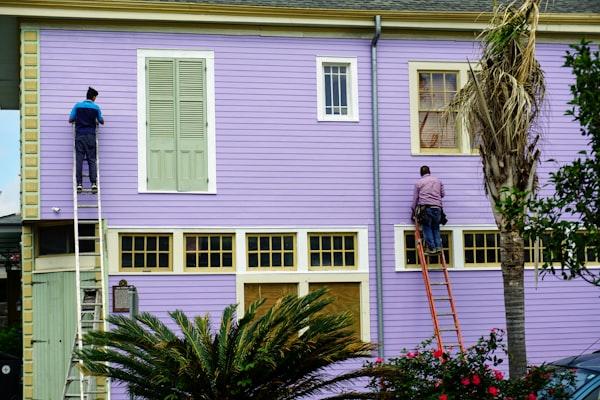
A rushed paint job can peel within a season. Taking longer on washing, scraping, sanding, and priming usually saves money because the finish lasts.
Prep Checklist
Wash surfaces with sugar soap, scrape off loose paint by hand, and sand lightly where the edges feel rough. Fill gaps, spot-prime bare timber, and mask carefully before you open the topcoat.
Most of the final look comes from prep, not the last coat, so price the job only after the washing, scraping, sanding, filling, masking, primer, access needs, likely repairs, surface repairs, coatings, timing, access limits, weather windows, and ladder work are clear on paper and easy to compare side by side across quotes without guessing. In WA’s harsh sun, colour longevity matters, so ask Consummo Painting for a fast professional spec and quote from professional exterior painters in Perth if you want two-storey weatherboards finished safely, neatly, and on schedule through a harsh summer.
Safety Checks for Older Homes
Lead-based paint was common in Australian homes built before 1970. The allowed lead content fell to 0.1 percent in 1997 and to 0.009 percent in 2021, so older coatings deserve lead-safe handling.
Avoid dry sanding unless you have proper dust control. Wear a P2 respirator, contain the work area, and test the coating if you are unsure. If the surface is high up or badly damaged, paying for a trained crew may cost less than buying the right safety setup.
Be just as careful with old fibro products. Using high-pressure water on asbestos-containing cement, such as old fences or roofs, is illegal in every Australian state. If asbestos is possible, stop and call a licensed professional.
Weather Window
Paint makers such as Dulux say not to apply exterior paint at or below 10 degrees, or when the surface may drop below that while drying. Most systems also warn against painting when relative humidity is above 85 percent or when the surface is cool enough to collect moisture.
Start on the shaded side of the house and follow the sun. That simple step helps the paint level out better and reduces flashing, which is when patches dry with a different sheen.
Application Tips
Keep a wet edge, apply at least two coats, and follow the recoat times on the tin. Back-roll large areas if the product allows it, because that can even out the finish.
Low-sheen paint works well on walls because it hides surface defects better than higher-gloss products. Use gloss on trims and the front door where you want a harder, cleaner-looking finish.
In Western Australia, strong sun can punish dark colours and weak prep very quickly. For two-storey weatherboards or hard-to-reach areas, get a clear written scope before you commit to doing it yourself.
Cleanup, Waste, and Recycling
A clear waste plan keeps the site safer and stops the job from dragging out.
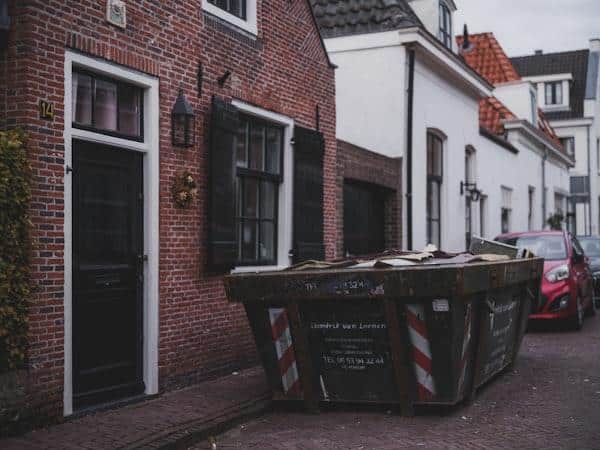
Mess builds faster than most homeowners expect, especially when you are trimming plants, scraping paint, and opening bags of mulch at the same time. Sort early and the final cleanup becomes much easier.
Sort as You Go
Separate green waste, clean fill, metal, and general mixed waste as you work. Problem wastes, including paint, chemicals, gas bottles, and batteries, need dedicated drop-off programs rather than kerbside bins or mixed skips.
Skip Bins and Permits
Choose the bin size by task, not by guesswork. A 2 to 4 cubic metre bin usually suits a garden cleanup. A 4 to 8 cubic metre bin is better for light renovation waste.
Load the bin evenly and never overfill past the rim. Confirm the accepted materials before delivery, because green waste, heavy rubble, and mixed waste are often priced and handled differently.
Before you book delivery, confirm access, mixed-waste rules, driveway clearance, drop-off timing, and exactly where the bin will sit, especially on narrower Upper North Shore streets where parked cars, trades, delivery windows, and garden work can easily compete for space outside the home through the day. Use 7 Skip Bins to find skip bins in Hornsby sized for mixed renovation waste, and remember you will need a council permit if the bin sits on a nature strip, footpath, or road shoulder.
Donate and Reuse
List spare pavers, old pots, and usable fixtures on local marketplaces instead of sending them straight to landfill. If council rules allow it, compost green waste or chip branches for garden mulch.
Safety Essentials
A neat result is never worth a fall, dust exposure, or an electrical shock.

Working at height is a known hazard on exterior jobs. Safe Work Australia expects risk controls for tasks such as ladder use, so follow the 4-to-1 angle rule, keep the ladder on firm ground, maintain three points of contact, and never lean past the side rails.
Wear safety glasses and sturdy hand protection for general work. Use a P2 respirator when sanding or when lead dust may be present. Make sure outdoor power tools run through RCD protection, which means a residual current device that cuts power quickly during a fault.
Region-Aware Tips
Local weather changes what you plant, when you paint, and how much upkeep you will need.
Melbourne and Victoria: Cool, changeable weather makes autumn a strong planting season. Neutral paint colours also tend to sit well in softer winter light.
Perth and Western Australia: High UV and long summer heat push painting into early morning or late afternoon. Waterwise natives and lighter colours can also reduce stress on the garden and the facade.
Sydney North Shore: Humid summers and steady leaf litter mean you need clear gutters, breathable mulch, and plants that cope well with damp air and part shade.
Conclusion
Small exterior jobs add up fast when you do them in the right order.
A sharper garden outline, paint applied in the right conditions, and a simple cleanup plan can change how your home looks from the street. Pick one weekend for prep, one for finishing work, and enjoy the difference every time you pull into the driveway.
FAQs
These quick answers cover the questions that usually come up before the work begins.
What Should I Do First If I Only Have One Day?
Edge the lawn, pull weeds, top up the mulch, and clean the front entry. Those quick jobs usually create the biggest visible change in the least time.
Is It Worth Repainting If I Might Sell Next Year?
Yes. Fresh, neutral exterior paint improves first impressions and can make buyers feel the home has been better maintained.
Do I Need Permission to Plant the Nature Strip?
Usually, yes. Many Australian councils want approval for nature strip planting beyond basic grass, so check the local rules before you dig.
Can I Pressure-Wash My Old Fence or Roof?
Not if it may contain asbestos. High-pressure washing of asbestos cement is illegal in every Australian state, so stop and get licensed advice first.

With a Master’s in Architecture from the University of California, Berkeley, Mitchell Green has spent over two decades dedicated to the study and practical application of home fixture design. His career started in an architectural firm, providing him a strong foundation in the structural and aesthetic aspects of home interiors. Mitchell brought his comprehensive knowledge to our platform, where he has been an influential voice in our home fixtures and fittings section. Since 2018, he has been guiding our readers through the intricacies of selecting and installing fixtures, combining technical know-how with design flair. In his spare time, Mitchell is a keen photographer, capturing architectural details and design elements, an interest that complements his professional focus.