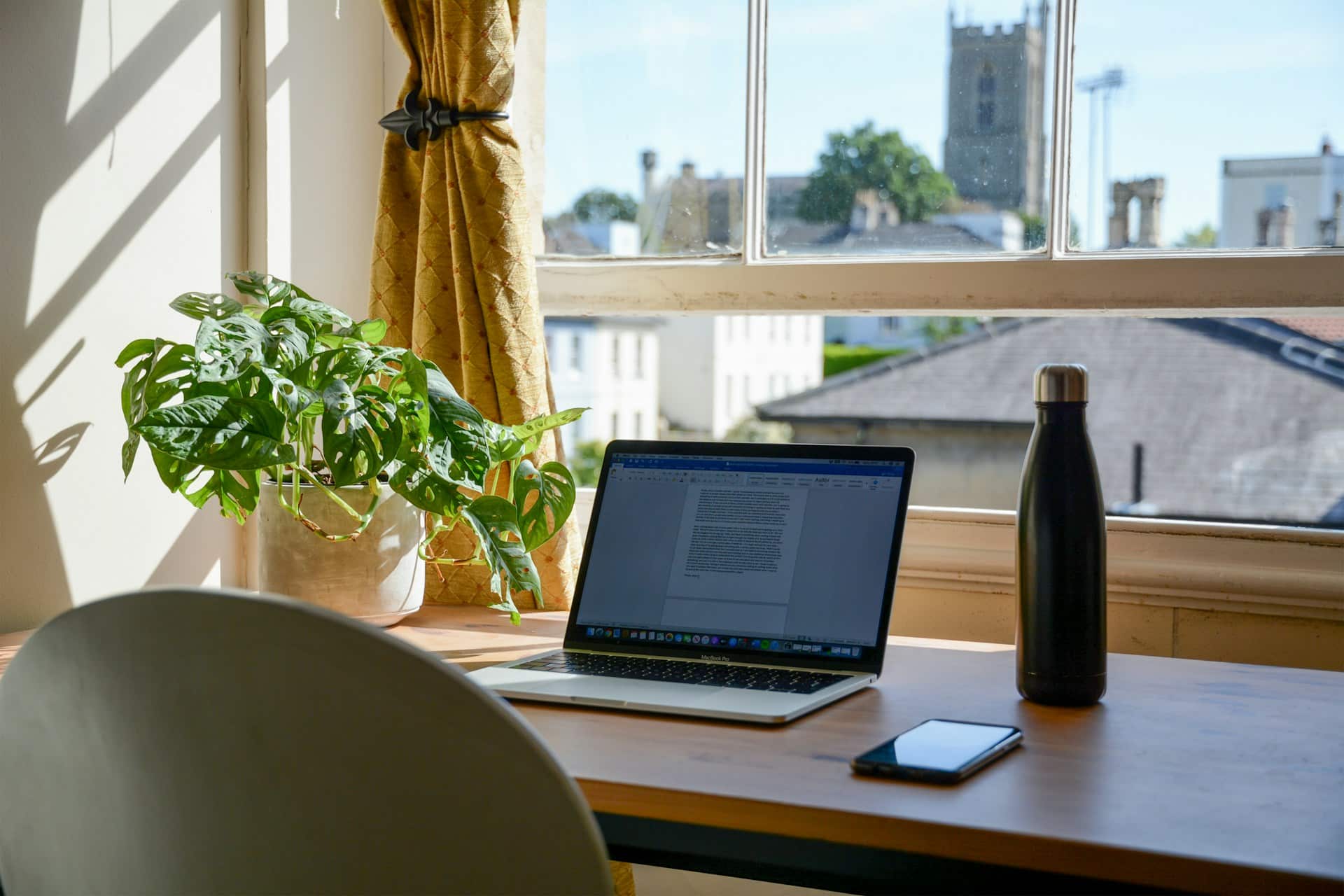

A home office should support your work without making your home feel like a workplace all day. The right layout, furniture, lighting, storage, and colors help you stay organized and comfortable. Whether you work remotely, study, manage a small business, or need a quiet space for occasional tasks, a thoughtful design makes the room easier to use.
Before choosing furniture, consider how much space you have and how you use your desk. EClife offers home interior inspiration across different rooms and decorating styles. You can explore EClife for ideas on layouts, furniture combinations, materials, and room organization.
1. Choose a Desk That Fits Your Routine
The desk is the main working surface, so choose one based on your daily tasks. If you use multiple monitors, select a wider desk with enough depth for your equipment. If your work mainly involves writing or a laptop, a compact desk might be enough.
Avoid choosing a desk solely because it looks attractive. Check its height, storage capacity, cable management, and available working space. A properly sized desk also leaves more room for comfortable movement.
2. Place Your Desk Near Natural Light
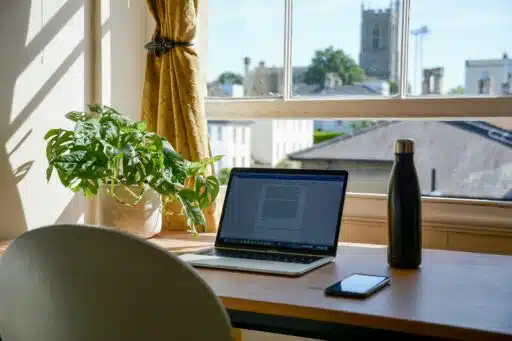
Natural light makes a home office feel brighter and more inviting. If possible, position your desk near a window so you receive daylight while working.
Avoid placing the monitor directly in front of a bright window because reflections can cause eye strain. A position perpendicular to the window often provides a better balance.
Use curtains or blinds to control strong sunlight during the afternoon. Add a desk lamp for cloudy days and evening work.
3. Use Built-In and Vertical Storage
A messy desk makes it harder to maintain an organized workspace. Use shelves, cabinets, drawers, and wall-mounted storage to keep documents and equipment under control.
Vertical shelving works particularly well in smaller rooms because it uses wall space without taking much floor area. Closed cabinets are useful for items you do not need every day, while open shelves provide quick access to frequently used materials.
You can also use labeled boxes and organizers to separate documents, stationery, electronics, and personal items.
4. Choose an Ergonomic Chair
Your chair affects comfort during long work sessions. Look for adjustable height, suitable lumbar support, comfortable cushioning, and armrests that allow your shoulders to remain relaxed.
Your feet should rest comfortably on the floor, while your monitor should sit at a height that allows you to keep your neck in a neutral position.
A stylish chair is useful, but comfort should remain the priority. The best home office chair is one that supports your working posture throughout the day.
5. Create a Calm Color Scheme
Color influences the visual character of your workspace. Neutral colors such as white, beige, gray, and soft brown provide a simple background that works with different furniture styles.
If you want more personality, introduce color through an accent wall, artwork, shelving, curtains, or accessories. Green and blue tones work well in many study environments, while warm wood tones create a more comfortable appearance.
The goal is to create a room where you feel focused without making the space feel sterile.
6. Separate Work From Relaxation
If your office shares space with a bedroom, living room, or dining area, create a clear visual boundary between work and personal activities.
A small rug beneath the desk, a shelving unit, a different wall color, or a compact room divider can define the office zone. This approach works especially well in apartments and smaller homes.
When the workday ends, keeping work equipment organized within its designated area also makes it easier to transition back to personal time.
7. Explore Different Study Room Styles
Your home office does not need to follow a single design style. A modern workspace might feature streamlined furniture and neutral colors. A minimalist office might use only essential furniture. A natural design can combine wood, plants, and warm textures.
EClife’s home office design ideas collection provides examples of study and workspace interiors that can help you compare different layouts and styles before designing your own room.
Looking at completed interiors also helps you identify practical details, such as desk placement, shelving arrangements, lighting choices, and furniture proportions.
Final Thoughts
A productive home office starts with practical planning. Measure the room before buying furniture, choose a desk that fits your work, provide adequate storage, and pay attention to lighting and seating comfort.
You can then personalize the space with colors, artwork, plants, and decorative accessories. Even a small workspace becomes more functional when every item has a clear purpose.
Whether you prefer a minimalist study, a modern office, or a warm wood-focused workspace, reviewing different interior examples gives you a useful starting point. With the right combination of comfort, organization, and style, your home office can become a practical part of your home rather than an improvised work corner.

Holding a Master’s in Architecture from the University of Texas at Austin, Emily Rodriguez has dedicated more than two decades to the art and science of building renovation. Starting her journey in historic preservation, she developed a profound respect for blending old with new in building design. Emily became a vital part of our team in 2019, renowned for her insightful and innovative renovation tips. She has been leading our DIY home improvement series since ever since, where she shares her wealth of knowledge in turning outdated spaces into modern havens. When not engaged in writing or consulting, Emily is a passionate advocate for heritage conservation and enjoys exploring vintage architecture, a hobby that complements her professional expertise.