
Laundry costs can add up quickly, especially when using single-use dryer sheets for every load. These small items seem cheap at first, but over time, they become an ongoing expense that many households want to reduce.
Homemade dryer sheets offer a simple and budget-friendly alternative that is easy to switch to. They are reusable, require only a few basic materials, and help reduce daily household waste.
This small change can make laundry routines more cost-effective and practical without adding extra effort.
This blog covers simple DIY methods, the materials needed, and helpful tips to keep clothes soft, fresh, and static-free without relying on store-bought options.
What are Homemade Dryer Sheets and How to Use Them?
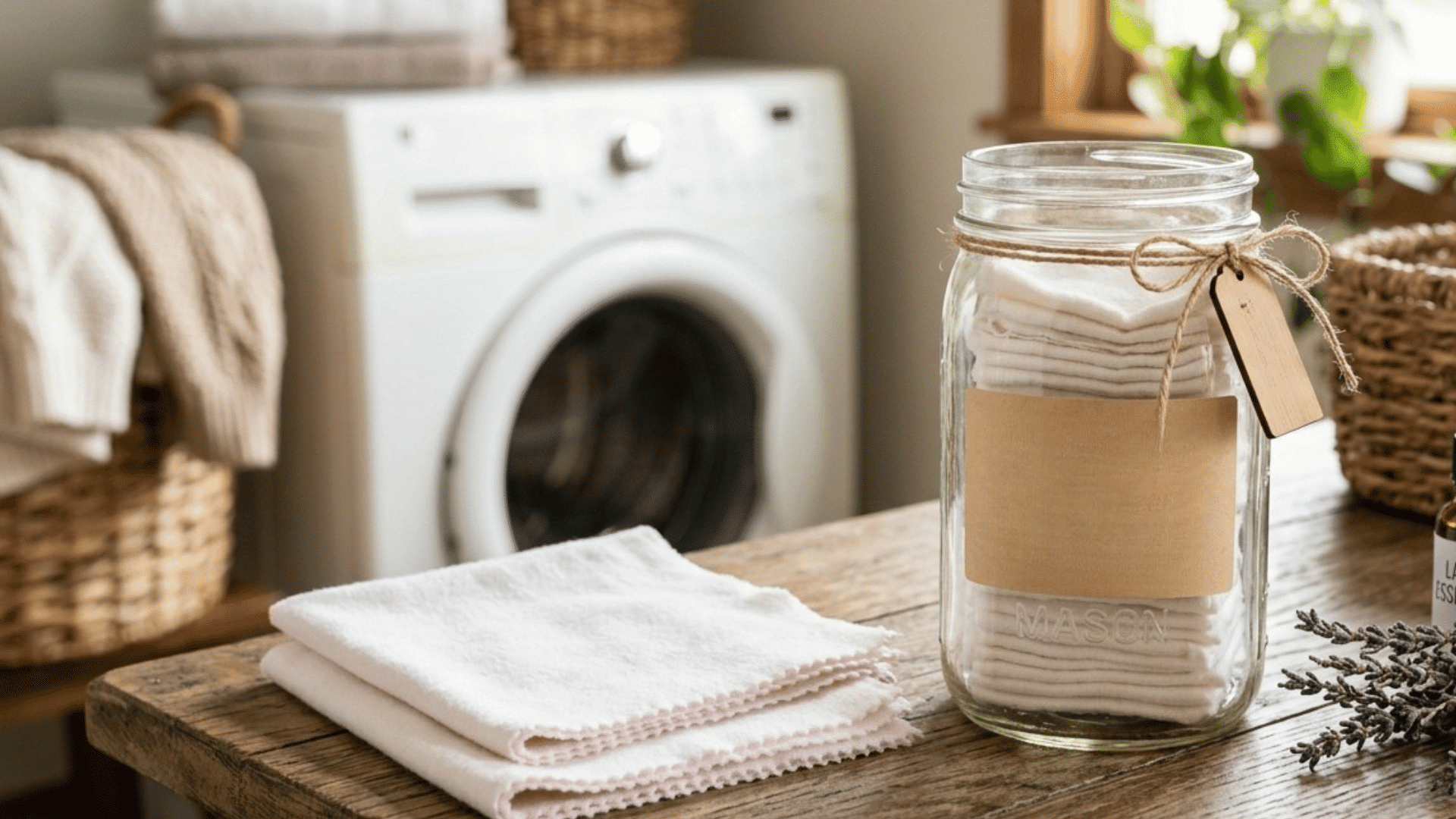
Homemade dryer sheets are reusable fabric pieces used in place of disposable dryer sheets. They are typically made from soft materials, such as old t-shirts or towels, and can be used multiple times.
These DIY sheets help soften clothes, reduce static, and add a light, fresh scent to your laundry. Unlike store-bought options, they are not thrown away after one use, making them more eco-friendly and cost-effective.
Using them is simple: just add one cloth to your dryer along with your laundry. For larger loads, using two pieces can improve results and maintain softness.
After each use, the same cloth can be reused until it loses its effectiveness. When needed, you can refresh it by reapplying your solution, making it a practical and long-lasting laundry option
Benefits of Making Your Own Dryer Sheets at Home
Switching to homemade dryer sheets is a simple way to save money and reduce everyday waste. They also give you more control over the ingredients used in your laundry routine.
- Gentle on Sensitive Skin: A safer option for kids and those with allergies, as it avoids harsh chemicals.
- Easy to Make: Requires basic items like fabric scraps and simple household ingredients.
- Customizable: You can adjust the scent and ingredients to your preferences.
These dryer sheets made at home are generally safe when used correctly and in the right amounts. Simple ingredients like diluted vinegar help reduce static without damaging fabrics.
If using fabric softener or essential oils, keep quantities low to avoid buildup or staining. Testing on a small load first helps ensure they work well with your clothes and dryer
Materials Needed for DIY Dryer Sheets
You only need a few simple items to make DIY dryer sheets at home, most of which are already available in your laundry area or can be easily found.
| Material | Description |
|---|---|
| Old cotton t-shirts, towels, or cloth scraps | Used as reusable fabric sheets for the dryer |
| Fabric softener or white vinegar | Helps soften clothes and reduce static |
| Airtight container or jar | Stores soaked cloth pieces to keep them fresh |
| Essential oils (lavender, lemon, etc.) | Adds a light, pleasant scent to laundry |
| Spray bottle | Used for spraying a solution on dry cloth pieces |
| Scissors | Helps cut fabric into small, usable squares |
How to Make Dryer Sheets Easily at Home?
Making it is quick and simple, using basic materials already at home to create a reusable and cost-saving laundry solution.
Step 1: Cut the Fabric Pieces
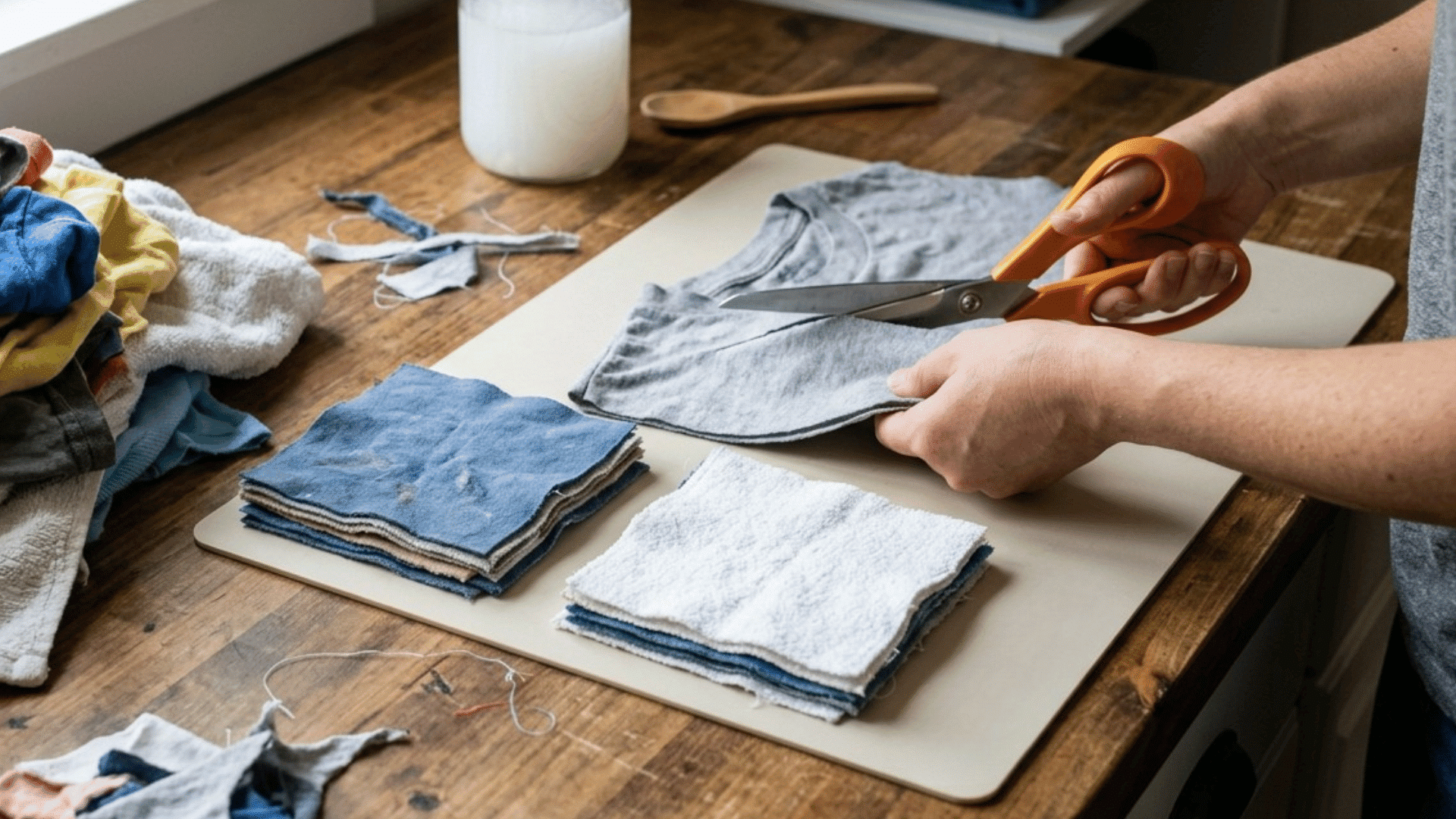
Start by choosing old cotton t-shirts, towels, or any soft fabric available at home. Cut the material into small, even-sized squares so they are easy to handle and fit well inside the dryer.
Make sure the fabric is clean and lint-free before cutting. Soft cotton works best because it absorbs the solution properly and releases it evenly during drying.
Preparing multiple pieces at once helps create a reusable set that can be used for many laundry loads without needing frequent replacements.
Step 2: Prepare the Solution
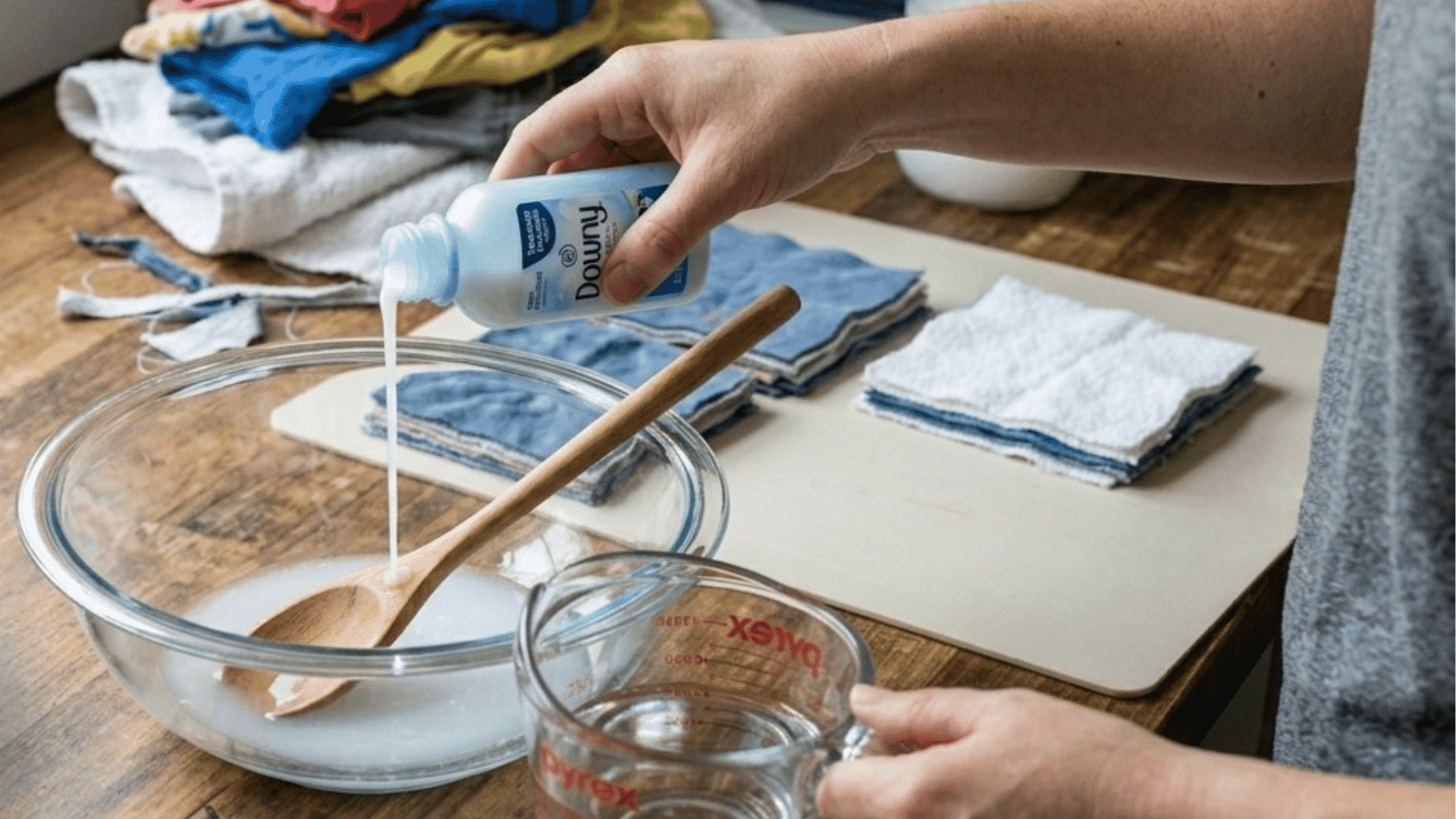
In a bowl or container, mix fabric softener and water in a 1:1 ratio to create a balanced and mild solution. Stir it well so the mixture blends evenly and does not separate.
Diluting the softener helps prevent buildup on clothes while still providing softness and a light scent. Adjust the quantity based on the number of cloth pieces you are preparing.
Keeping the mixture mild ensures it remains safe for regular use and does not leave heavy residue on clothes after drying.
Step 3: Soak and Wring the Cloths
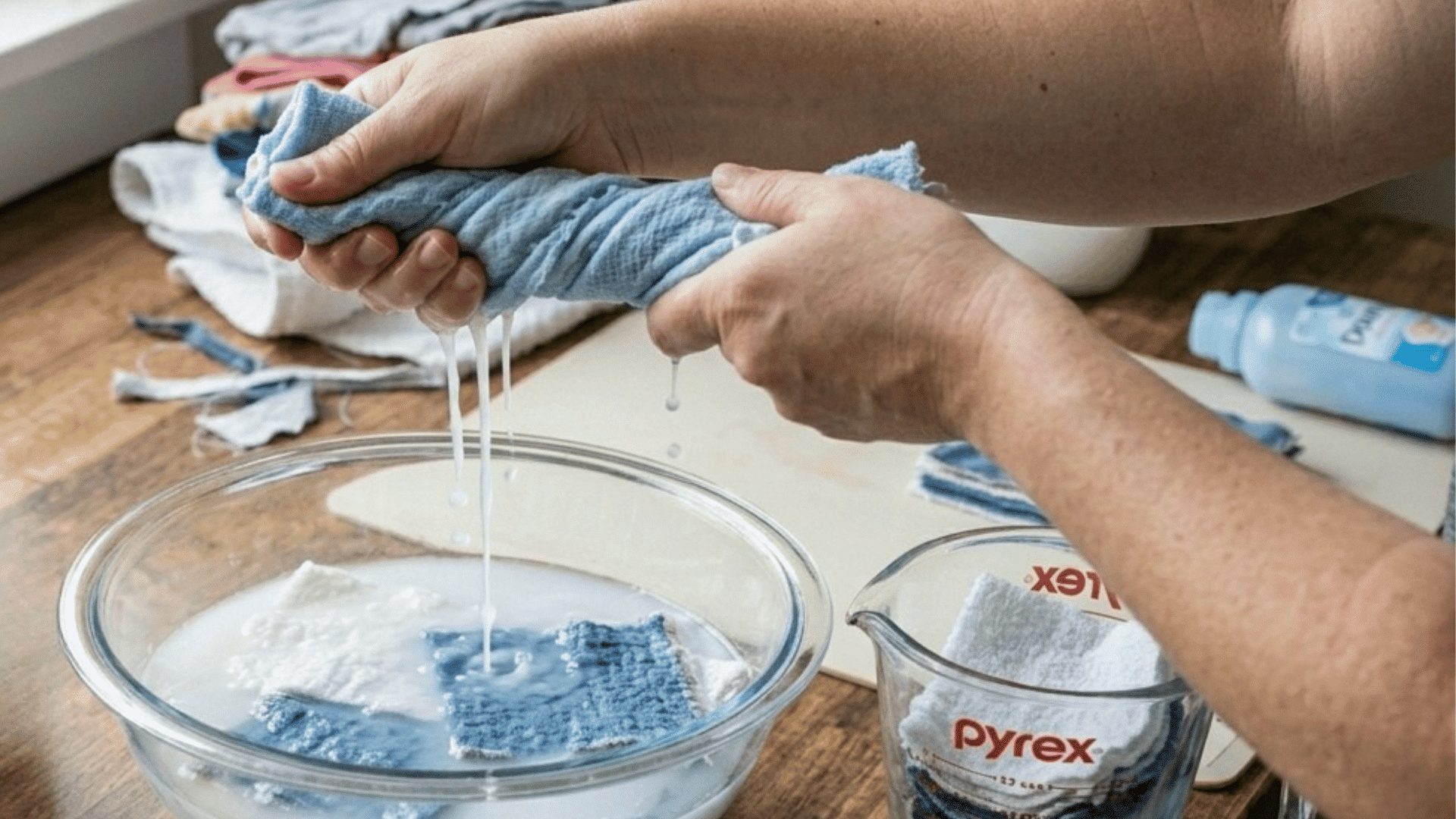
Place the cut fabric pieces into the prepared solution and allow them to soak fully for a few minutes. This helps the cloth absorb the liquid evenly from all sides.
Once soaked, remove each piece and gently wring out the excess liquid so it is damp but not dripping. Avoid over-soaking, as too much liquid can leave marks on clothes during drying.
This step ensures the cloth holds just enough solution to work effectively without causing any unwanted residue.
Step 4: Store Properly for Later Use
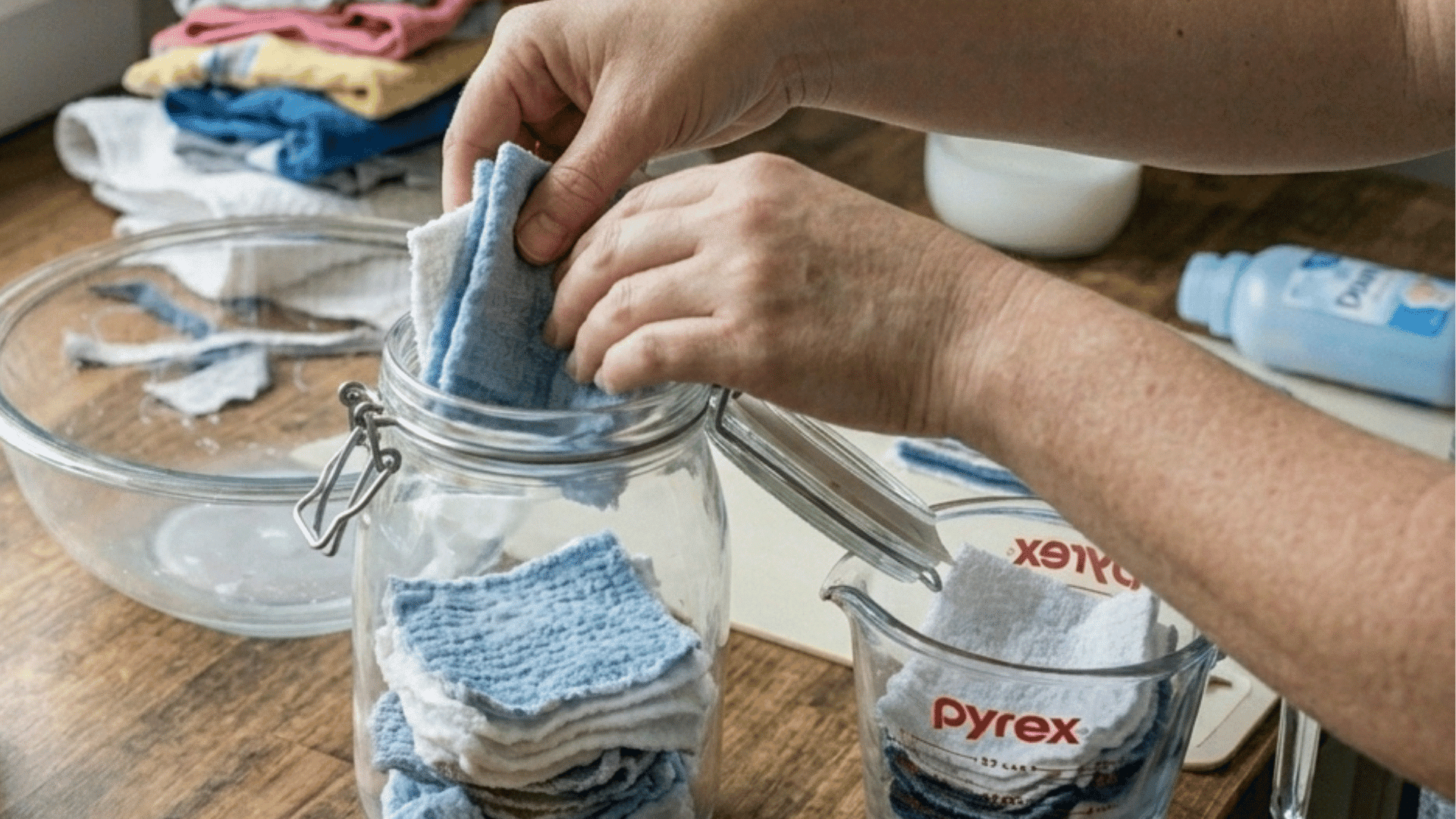
Place the damp cloth pieces into an airtight container or jar to keep them fresh and ready for use. A sealed container helps maintain moisture and prevents the solution from drying out quickly.
Store it in a cool, dry place near your laundry area for easy access. Keeping the clothes properly stored also makes the process more convenient during regular laundry routines and helps maintain their effectiveness over time.
Step 5: Use and Reuse in the Dryer
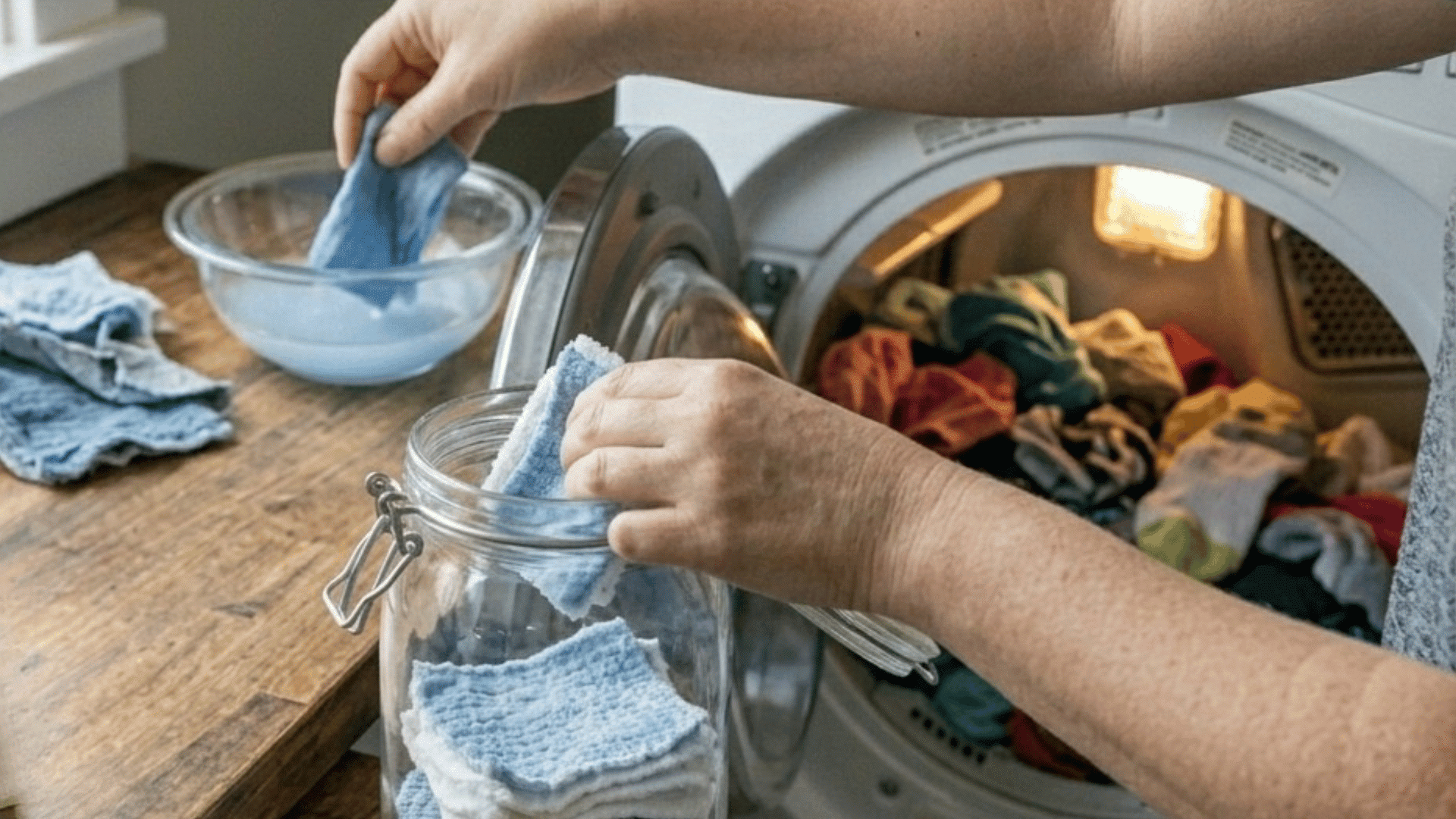
When doing laundry, take one cloth from the container and toss it into the dryer with your clothes. Use one piece for a normal load and two for larger loads if needed.
After the cycle, the cloth can be reused multiple times until it loses its scent or effectiveness. Once it dries out, simply soak it again in the solution to refresh it.
This reuse process makes it a practical and long-lasting option for everyday laundry.
Tips to Get the Best Results
A few simple tips can help improve the effectiveness of homemade dryer sheets and keep your laundry fresh, soft, and static-free.
- Use Distilled Water: Prevents residue buildup and keeps cloths fresh longer.
- Keep the Cloth Slightly Damp: Avoid excess moisture to ensure proper drying and no marks.
- Choose Soft, Lint-Free Cotton: Helps evenly absorb and release the solution.
- Mix a Balanced Solution: Use light amounts of vinegar and essential oils to avoid buildup.
- Wring out Excess Liquid: Cloth should never be dripping wet before use.
- Use Mild Essential Oils: Add a small amount for a light, fresh scent without staining.
- Store in An Airtight Container: Keeps clothes ready to use and maintains fragrance.
- Refresh Regularly: Reapply the solution after a few uses to maintain effectiveness.
- Wash Cloths Occasionally: Keeps them clean and improves long-term performance.
Final Thoughts
Homemade dryer sheets made with the fabric softener method are a simple and practical way to upgrade your laundry routine.
This method is easy to follow, uses basic materials, and delivers consistent results with minimal effort.
The reusable cloth pieces help reduce waste while keeping clothes soft, fresh, and static-free. Once prepared, they can be used again and again, making them both cost-saving and convenient.
With just a little prep, it’s easy to keep laundry clean and fresh without relying on disposable products. Adjust the solution strength as needed to match your preference.

James McLaren, with a rich background in architecture from the University of Manchester, has been contributing his expertise to the world of creative construction and home innovation for over 20 years. His journey began as a project manager for a leading construction firm, where he honed his skills in bringing complex designs to life. James joined our platform as a freelancer in 2019, quickly becoming a favorite for his insightful and practical advice. He has been a pivotal force to our wing ever since, bringing our readers a blend of technical know-how and creative flair. Beyond his professional life, James is an avid woodworker and enjoys restoring vintage furniture, a hobby that complements his professional insights beautifully.