
Concrete has long been valued for its strength, durability, and versatility, but today’s homeowners are discovering that it can offer much more than a practical surface. With the right combination of finishes, colors, textures, and patterns, concrete can become an important part of an outdoor design rather than simply the material beneath it.
From patios and walkways to driveways and pool decks, decorative concrete can complement a home’s architecture, define outdoor living areas, and add visual interest to spaces that might otherwise feel unfinished. Homeowners also have more design choices than ever, making it possible to create everything from subtle, natural-looking surfaces to bold statement pieces.
Understanding the available options can help you choose a concrete design that balances appearance, functionality, maintenance, and long-term durability.
Concrete Doesn’t Have to Be Plain Gray
Traditional gray concrete remains popular for good reason. It is clean, relatively affordable, and works well with almost any architectural style. However, homeowners who want something more distinctive can choose from numerous decorative options.
Concrete can be colored, stained, stamped, polished, brushed, textured, or combined with decorative aggregates. These techniques can dramatically change how a finished surface looks.
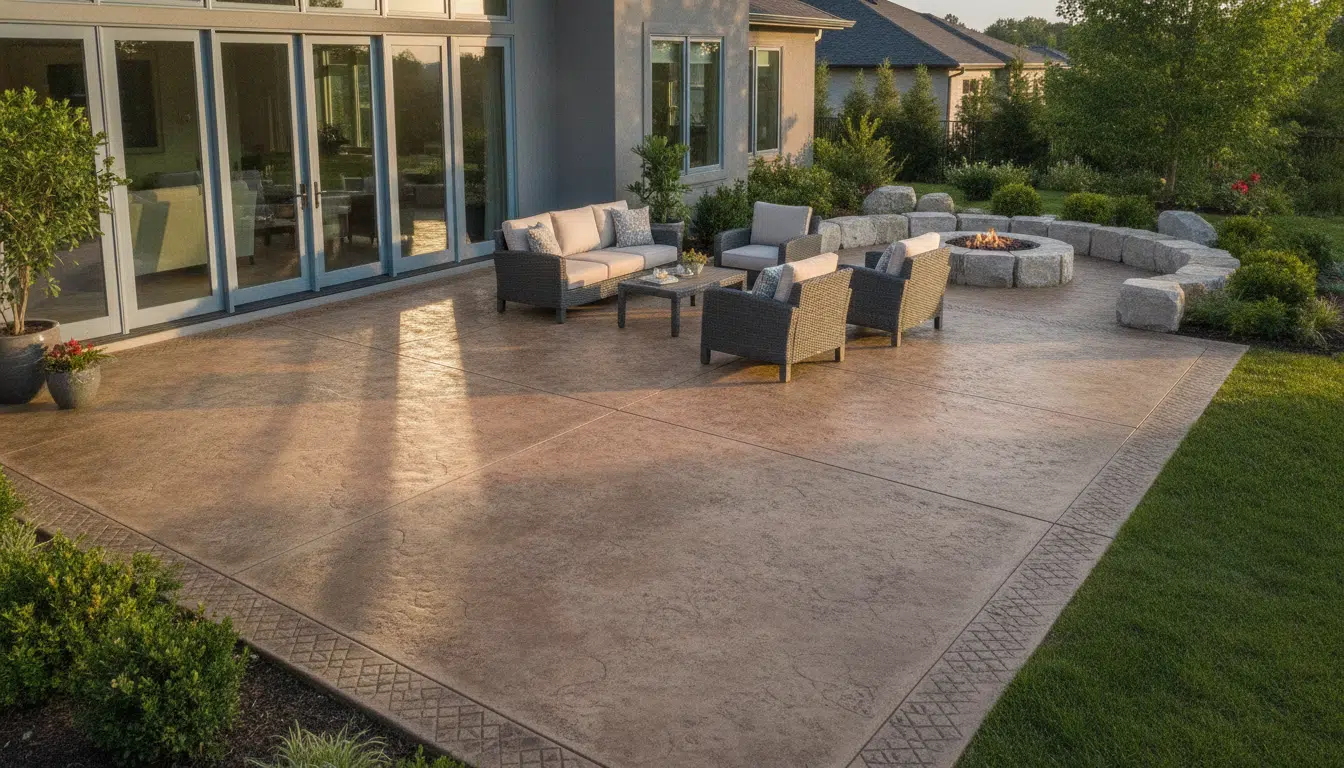
For example, a warm earth-toned patio can complement a brick or stone home, while a darker charcoal finish may pair well with contemporary architecture. A stamped surface can add texture and pattern to an outdoor living area, while exposed aggregate can create a more natural appearance.
The goal isn’t necessarily to make concrete look elaborate. Sometimes a subtle change in color or texture is enough to make an outdoor space feel much more intentional.
Use Color to Connect Indoor and Outdoor Spaces
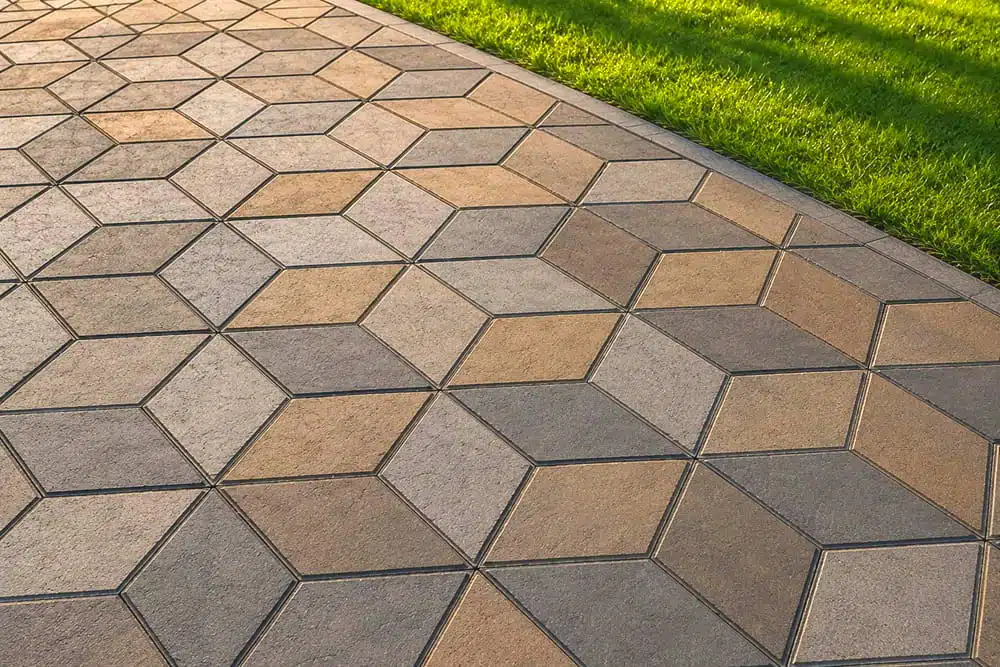
One of the most effective ways to make a patio or other outdoor area feel like an extension of the home is to coordinate its colors with the surrounding architecture.
Consider the home’s siding, brick, stone, roofing, trim, and other prominent exterior features. Rather than attempting to match one of these colors exactly, choosing a complementary tone can create a more cohesive appearance.
A house featuring warm beige or brown tones, for example, might pair well with tan, sandstone, or muted brown concrete. Homes with cooler gray, white, or black exteriors may work particularly well with charcoal, slate, or gray finishes.
You can also consider the colors used immediately inside the home. When a patio is visible through large windows or sliding doors, coordinating the indoor and outdoor palettes can make the transition between the spaces feel more natural.
Explore Integral Color and Concrete Stains
There are several ways to add color to concrete, and the method can affect both appearance and longevity.
Integral color involves adding pigment to the concrete mixture before it is poured. Because the color extends throughout the concrete rather than simply sitting on its surface, it can provide a consistent appearance.
Concrete stains, on the other hand, are applied to cured concrete. Depending on the product and application method, stains can produce anything from subtle translucent variations to more consistent colors.
Staining can be particularly useful when updating an existing concrete patio or other surface that is structurally sound but visually dated.
Because concrete itself varies, homeowners should understand that colors may not look exactly like a printed sample. Testing colors and reviewing actual completed projects can provide a better idea of the finished appearance.
Add Character With Stamped Concrete
Stamped concrete is one of the most recognizable decorative concrete options.
While the concrete is still workable, specialized tools are used to press patterns and textures into the surface. The resulting appearance can resemble materials such as natural stone, slate, brick, or individual pavers.
Color can then be incorporated to further enhance the pattern.
Stamped concrete is especially popular for patios because it provides homeowners with substantial design flexibility while maintaining the continuous characteristics of a poured concrete surface.
Patterns should generally complement the scale and style of the property. A highly intricate design may look impressive in a large outdoor entertainment area but feel overly busy on a narrow walkway.
For many homes, relatively simple patterns and restrained color combinations provide an attractive result that is less likely to look dated as design trends change.
Create Texture With Exposed Aggregate
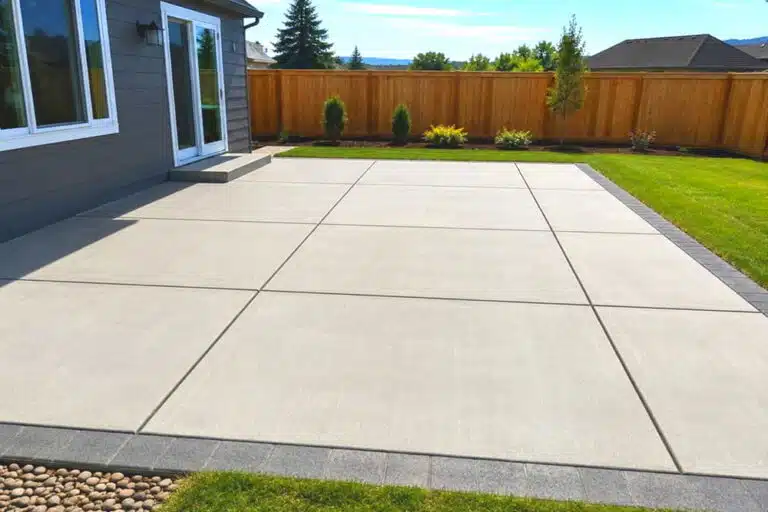
Another option is exposed aggregate, which reveals some of the stone or aggregate contained within the concrete.
Instead of having a completely smooth cement surface, the finished concrete displays small stones throughout the top layer. Different aggregate selections can produce dramatically different appearances.
Exposed aggregate works particularly well in outdoor environments because its texture can visually complement landscaping, stonework, and other natural materials.
It can be used for patios, walkways, driveways, and other exterior surfaces. The added surface texture may also be desirable in areas where traction is important, although the exact finish should always be selected with the intended use in mind.
Define Outdoor Areas With Borders and Contrasting Colors
Decorative concrete doesn’t require treating an entire surface the same way.
Borders are an effective way to add visual interest without overwhelming the design. A patio, for instance, could feature a relatively simple center area surrounded by a darker stamped border.
The same concept can be applied to driveways and walkways.
Contrasting sections can also visually define different areas of a larger outdoor space. A dining area might have a slightly different finish from a seating area, helping create the feeling of separate “rooms” without physical walls.
This technique can be particularly effective in larger backyards where one continuous concrete surface might otherwise feel monotonous.
Give Patios More Personality
Patios provide some of the best opportunities to experiment with decorative concrete because they function as outdoor living spaces.
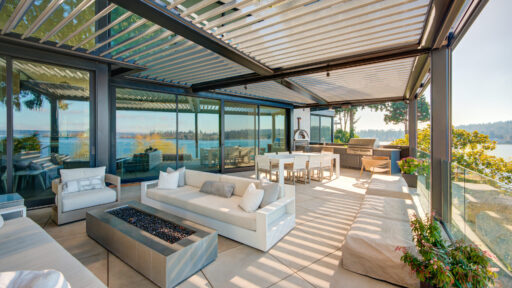
Furniture, outdoor kitchens, fire features, landscaping, lighting, and concrete can all work together as parts of the same design.
Before selecting a finish, consider how the patio will actually be used. A family primarily using the space for casual dining may have different priorities than someone designing an elaborate entertainment area around a pool or outdoor kitchen.
Homeowners planning a new patio may benefit from discussing these goals with a company such as Billings Concrete Works before settling on a specific finish.
Don’t Forget the Driveway
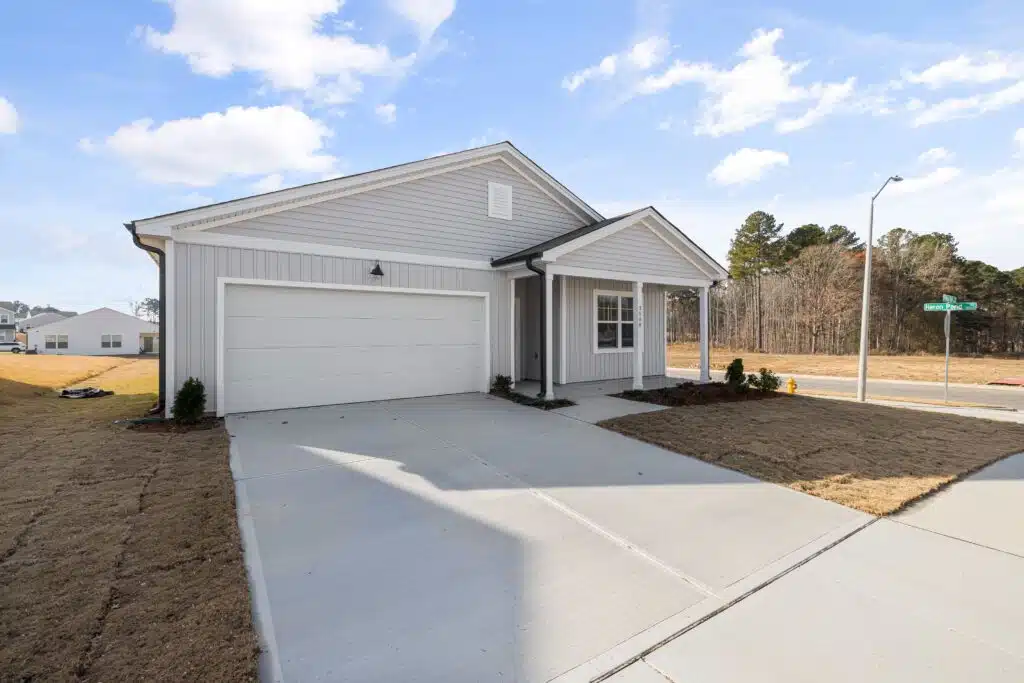
The driveway often represents one of the largest visible surfaces at the front of a home, yet its appearance is sometimes treated as an afterthought.
Decorative concrete can turn the driveway into a deliberate component of the home’s exterior design.
That doesn’t necessarily mean using an elaborate stamped pattern across the entire driveway. A simple border, subtle color variation, textured finish, or decorative section near the entrance may be enough to provide visual interest.
The driveway can also be coordinated with nearby walkways, front steps, retaining walls, and landscaping to create a consistent appearance from the street to the front door.
For homeowners thinking about curb appeal, these details can make the entire front of the property feel more polished.
Balance Appearance With Practical Considerations
Decorative concrete should look good, but appearance shouldn’t be the only consideration.
Outdoor concrete is exposed to sunlight, moisture, temperature changes, dirt, chemicals, and regular foot or vehicle traffic. Some decorative surfaces may require periodic sealing or other maintenance to preserve their appearance.
Climate also matters. Concrete installed in an area with significant freeze-thaw cycles faces different challenges than concrete exposed to prolonged heat and intense sunlight.
Slip resistance is another important consideration, particularly around pools, steps, and other areas frequently exposed to water.
Before choosing a decorative finish solely from a photograph, ask how it performs in the environment where it will actually be installed.
Keep the Overall Design Cohesive
With so many colors, stamps, textures, and decorative options available, it can be tempting to incorporate several into one project.
Usually, restraint produces a better result.
Choose a small palette of complementary colors and materials and repeat them throughout the outdoor space. For example, a patio color could coordinate with stone used around a fire pit, while the patio border might echo a darker color found in the home’s trim.
Landscaping can then soften the hard surfaces and introduce additional natural color.
This approach creates variety without making the outdoor area feel visually disconnected.
Transforming an Everyday Material Into a Design Feature
Concrete remains one of the most practical materials for outdoor surfaces, but practicality no longer requires settling for a plain appearance.
Color can help connect outdoor spaces to a home’s architecture. Stamping can introduce texture and pattern. Exposed aggregate can provide a natural look, while borders and contrasting finishes can define different areas and add character.
The best results come from considering aesthetics and performance together. The ideal finish should complement the property while also making sense for the surface’s intended use, local climate, maintenance requirements, and budget.
Whether you’re creating a new patio, updating a driveway, improving a walkway, or developing an entire backyard living area, thoughtful choices about concrete color and finish can transform an ordinary hardscape into a purposeful part of the home’s overall design.

Robert Thompson, a proud alum of the University of Oregon with a degree in Landscape Architecture, has been a leading figure in outdoor space enhancement for over 17 years. He started his career with a landscape design firm, gaining invaluable experience creating functional and attractive outdoor living areas. Robert joined our website in 2018, where he quickly became known for his innovative yet practical advice on outdoor renovations. He has been the chief editor of our deck and patio section ever since then, helping readers transform their outdoor spaces into personal retreats. When not drafting designs or writing, Robert is an avid kayaker, often drawing inspiration from nature for his creative projects.