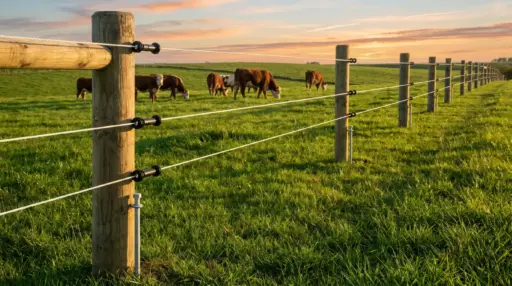
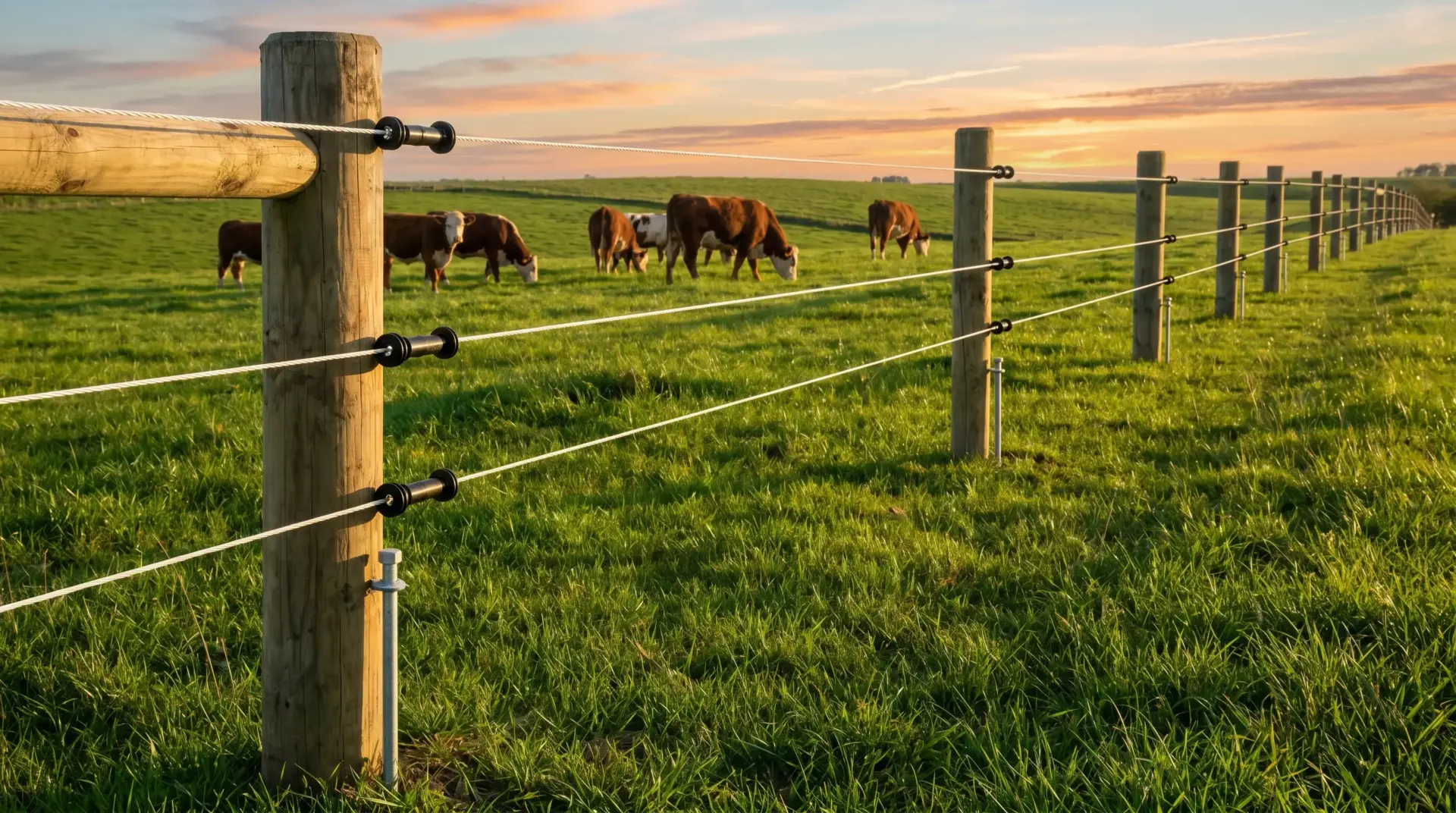
A well-built perimeter lowers injury risk, protects crops, and reduces the need for repeated stress checks at night. Reliability matters for animal behavior because inconsistent pulses teach livestock to test boundaries. Planning starts with basic measurements, soil moisture notes, and a realistic view of vegetation pressure. With a short checklist and a few minutes of setup math, our homes can select parts that work together, stay stable through seasons, and remain straightforward to service.
Start With a Practical Inventory
Before buying, write down fence type, strand count, total energized distance, and gate locations. Many setups need an energizer, conductor, insulators, corner hardware, and grounding pieces to function as a single system. For compatible sizing and fewer return trips, dependable electric fence supplies can be chosen by matching each part to voltage goals, terrain, and maintenance pace, rather than impulse purchases.
Match Joules to Total Charged Length
Fence length means every hot strand, not the map distance. Four energized wires around one mile equals four miles under load. Output joules should cover that total, plus expected grass contact and future extensions. Adequate capacity keeps the pulse meaningful at far corners where animals test first. Oversizing still requires proper grounding, because energy cannot flow well when the return path is weak.
Prioritize Grounding for Consistent Shock
Grounding often decides whether contact feels sharp or barely registers. Use galvanized ground rods, tight clamps, and clean metal-to-metal contact. Place rods where soil stays damp longer, then space them apart to improve current return during dry weather. A proper lead-out cable helps prevent leakage before the fence line begins. Regular checks for corrosion, loose connections, and broken wires avoid silent failures.
Choose Conductor by Visibility and Load
Conductor choice shapes training speed and daily stability. High-contrast strands improve visual recognition, reducing panic hits and tangled limbs. Polywire, tape, rope, and netting each respond differently to wind, snow, and tension. Thicker conductors usually carry charge farther, but extra weight can sag portable posts. Consider vegetation load, because frequent stem contact demands stronger delivery and more frequent trimming.
Select Posts and Insulators by Stress Points
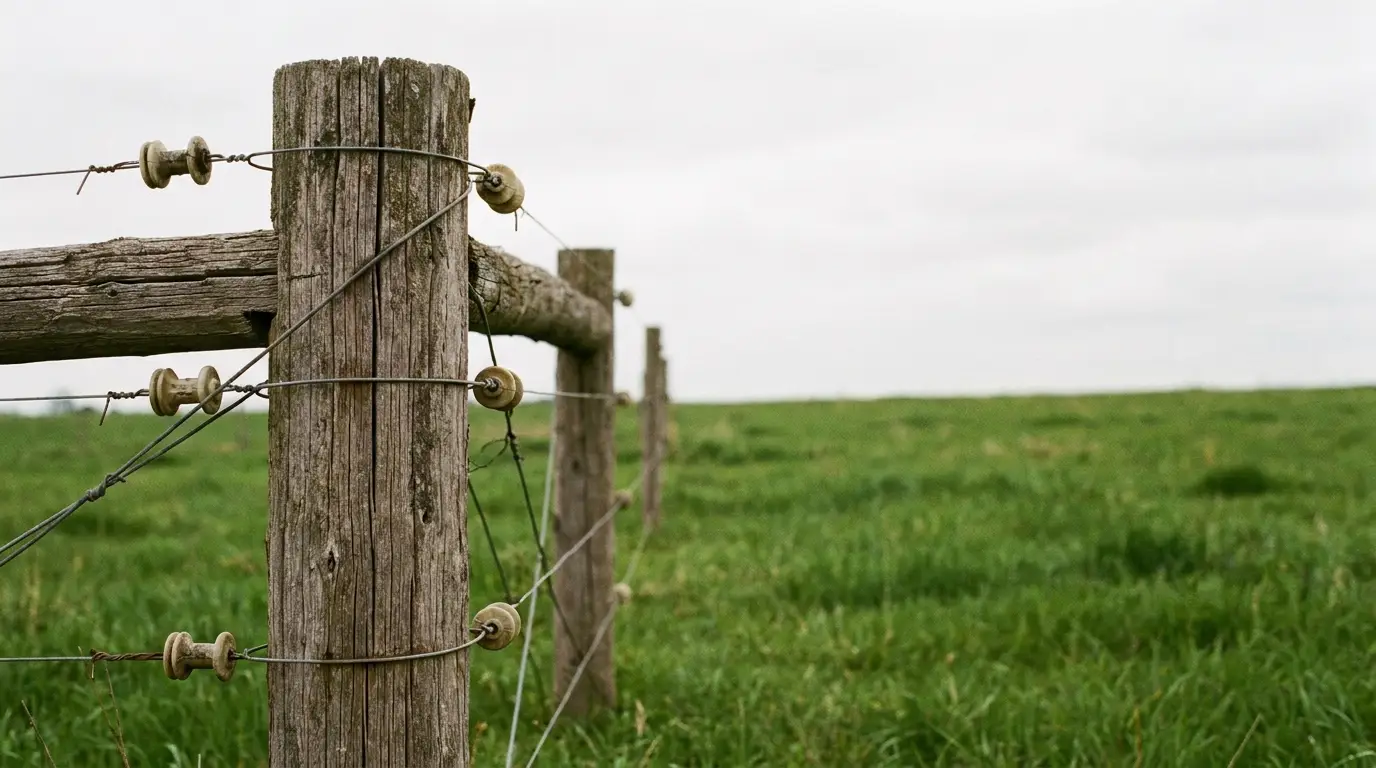
Corners and gate ends take the highest tension, so stronger posts belong there. Line posts can be lighter when spacing stays even, and the ground remains smooth. Insulators must match conductor type, keeping hot strands separated from metal. Sun-brittled plastic or cracked housings leak current and drain voltage. Keeping spare insulators, clips, and fasteners on hand shortens repair time during breaks.
Plan Gates and Access Without Voltage Loss
Gates should open smoothly while preserving an unbroken electrical path. Use insulated handles, quality gate anchors, and underground cable for drive-through lanes. Each splice adds resistance, so connections must stay tight, dry, and clean. Quick-connect fittings help rotational grazing moves without tool delays. Practical placement matters too, because a convenient opening reduces the need to climb over wires, limiting falls and accidental snaps.
Pick the Right Power Source for Location
Power choice depends on outlet access, shade, movement frequency, and winter conditions. Plug-in units suit fixed boundaries near buildings. Battery or solar options suit remote paddocks, but capacity must match energizer draw and local daylight hours. Cold temperatures reduce battery output, so reserve matters. Simple routines help, such as cleaning panels, checking terminals for oxidation, and charging on a schedule.
Use Simple Tools to Verify Performance
A fence tester turns guesswork into readings that guide repairs. Regular checks help catch faults before animals learn the line is negotiable. Start at the energizer, then measure mid-run, corners, and the far end. A sudden drop often points to vegetation contact, a failed splice, or a compromised insulator. Keeping a tester near the entry encourages quick checks during feeding.
Evaluate Materials With a Short Durability Checklist
Efficient purchasing favors parts that tolerate sun exposure, rain, manure, and repeated handling. Look for corrosion-resistant hardware, strong clips, and conductor fibers that resist fraying under tension. For netting, inspect filament count, post stiffness, and spike design for soil grip. Replacement pieces should be easy to source, because breaks happen. Clear manuals and warranty terms reduce downtime when a component fails.
Conclusion
Reliable fencing comes from matched parts, realistic sizing, and routine verification, not guesswork. A brief inventory, correct joule selection, and strong grounding prevent most weak-pulse problems. Visible conductors, durable insulators, and sensible gates reduce wear while supporting safer animal movement. Power choices should fit the site’s constraints, including shade and cold. With periodic tester readings and durability screening, properties can keep boundaries consistent and repairs predictable.

Certified Veterinary Technician Ethan Brooks has cared for companion animals in clinics and shelters for 13 years. Joining us in 2025, he shares health advice, training hacks, and product reviews that keep pets happy and owners informed. Off duty, Ethan rehabilitates injured wildlife and competes in agility trials with his border collie, Scout.