
Candle wax can drip onto a table, carpet, wall, jar, or favorite piece of clothing before you notice it. I have learned that rushing to wipe warm wax usually spreads the mess and makes cleanup harder.
The safest first step is to let it cool, identify the surface, and choose either cold or gentle heat.
This guide explains how to remove candle wax from glass, holders, jars, clothing, walls, tile, stone, countertops, and other household materials.
Before starting, gather supplies, read care labels, and test your chosen method on a hidden area to prevent scratches, stains, or finish damage.
How to Remove Candle Wax Quickly
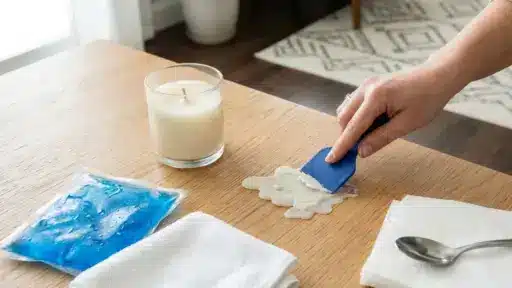
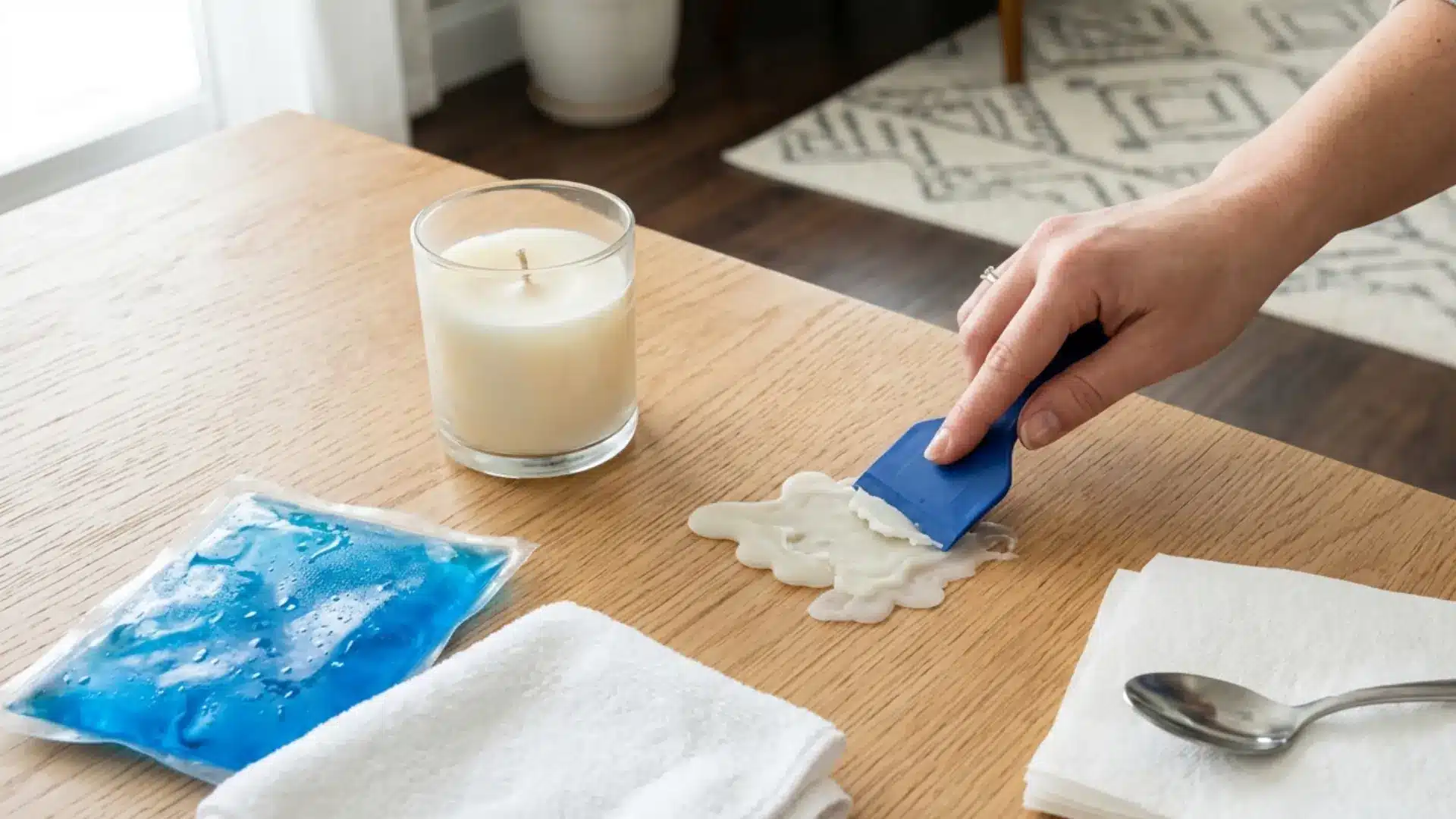
To remove candle wax quickly, let it cool and harden before touching it. Once firm, lift the thick wax with a plastic scraper, spoon, or old card.
Work gently so you do not scratch the surface or push wax deeper into fabric. Cold methods, such as an ice pack, work well on glass, jars, metal, and other hard items.
For carpet, clothing, or upholstery, low heat can help transfer leftover wax onto paper towels.
After the wax is gone, clean any oily or colored mark with a surface-safe cleaner. Always test heat, tools, and cleaners on a hidden spot first.
The Carpet and Rug Institute’s wax removal guidance also recommends testing cleaning products in a hidden area before treating a visible carpet stain.
Check the Surface Before You Begin
Before removing candle wax, I always check the surface first because each material needs a different method.
Hard surfaces such as glass, metal, sealed tile, ceramic, and some stone usually allow cooled wax to be lifted with a plastic scraper, followed by warm soapy water.
Soft materials like carpet, upholstery, clothing, and tablecloths may hold wax between the fibers, so gentle heat or cold may be needed before stain treatment.
Painted walls, finished wood, leather, natural stone, and delicate fabric need extra care. Avoid sharp blades, strong solvents, too much water, and high heat, which can cause lasting damage or marks.
Gather the Right Cleaning Supplies
Keep these supplies ready before removing candle wax:
- Vaseline petroleum jelly
- Goo Gone adhesive remover
- Microfiber towels
- Clean white cloths
- White paper towels
- Plain brown paper strips
- Clothing iron with a low heat setting
- Hair dryer
- Hot water
- Heat-safe container
- Plastic scraper or old card
- Smooth-edged spoon
- Protective gloves
- Mild dish soap
- Soft-bristle brush
- Vacuum cleaner
Check the surface care instructions before using heat or cleaning products. Test each product on a hidden area first.
Avoid razor blades, sharp knives, rough scrubbers, excessive heat, and strong solvents because they may scratch the material, weaken finishes, or spread colored wax.
How to Remove Candle Wax: Easy Steps
The video explains five simple methods for lifting hardened candle wax from furniture, carpets, metal, and other household surfaces.
Step 1: Soften Hardened Wax With Vaseline
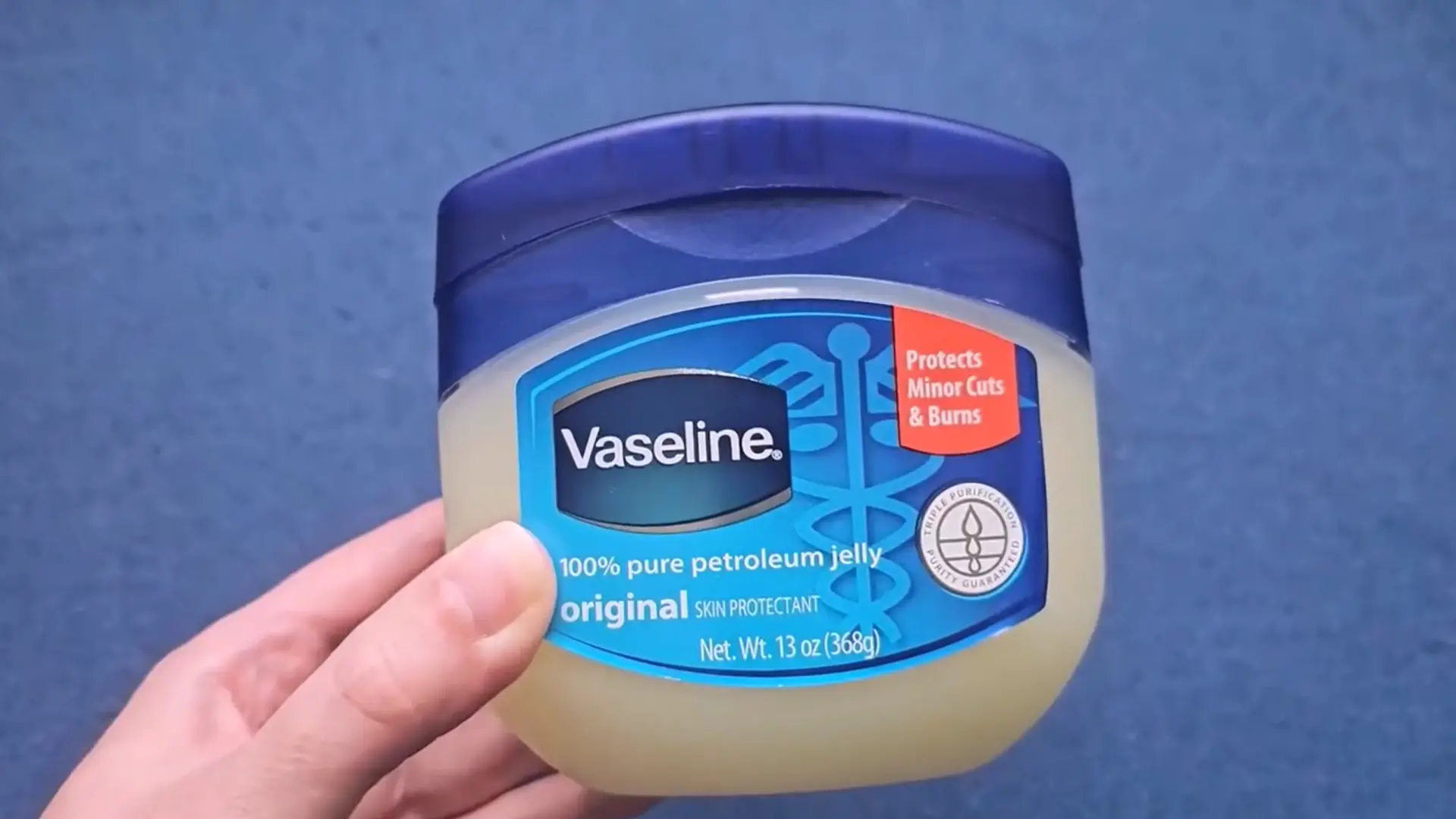
First, allow the candle wax to harden completely because cleaning melted wax may spread it. Apply a small amount of Vaseline to a microfiber towel and rub it over the wax.
Cover the full area, then leave it for 10 to 15 minutes. Gently lift the edges with your fingers or towel until the wax comes up easily in chunks.
Step 2: Use Hot Water on Furniture
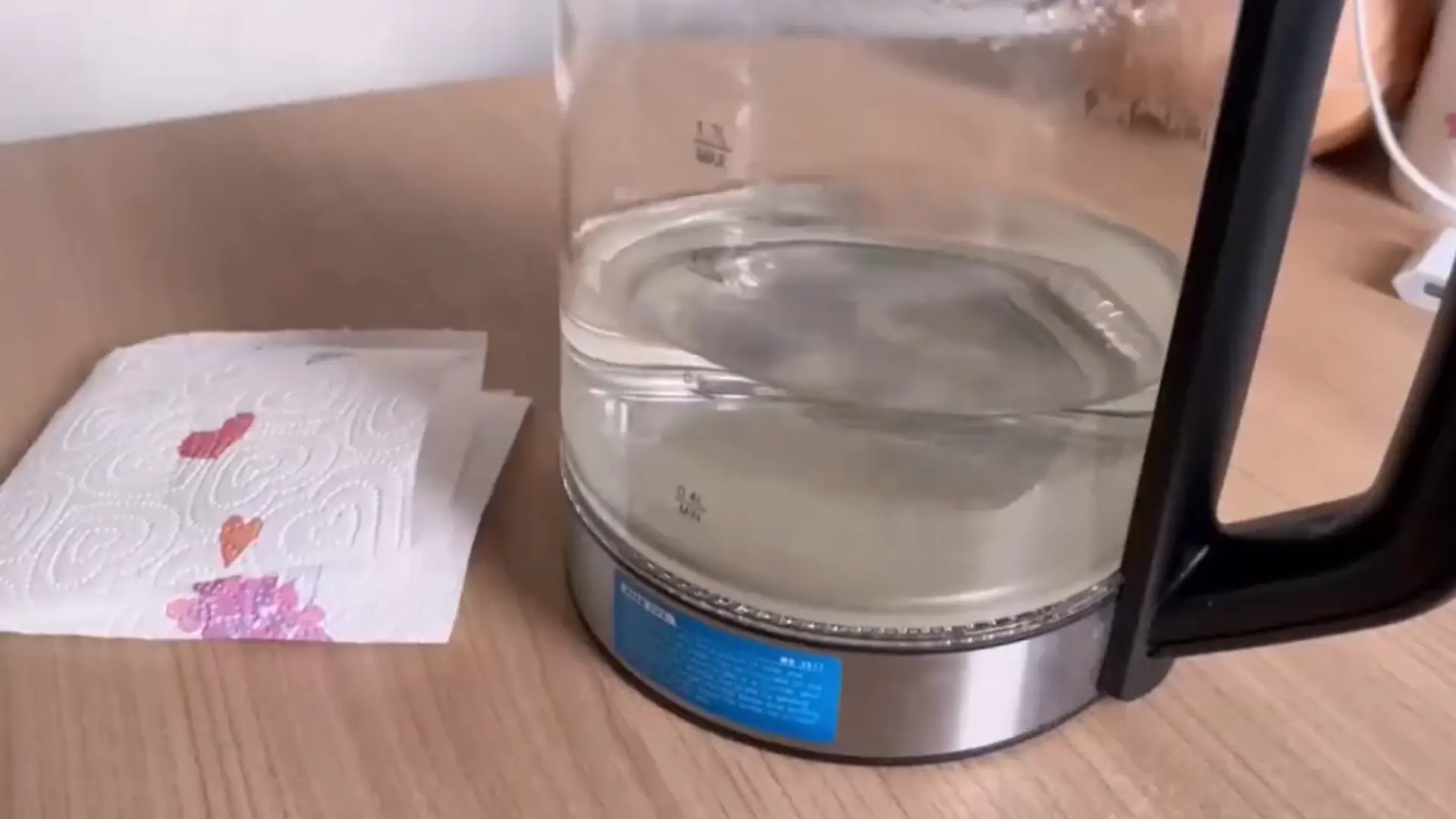
Place a paper towel directly over the hardened wax stain on the furniture. Pour a small amount of hot water over the towel so the heat begins loosening the wax.
Press the towel firmly and keep it flat against the surface. After a short time, wipe away the wax. Repeat with a fresh towel and more hot water if needed.
Step 3: Apply Goo Gone Adhesive Remover
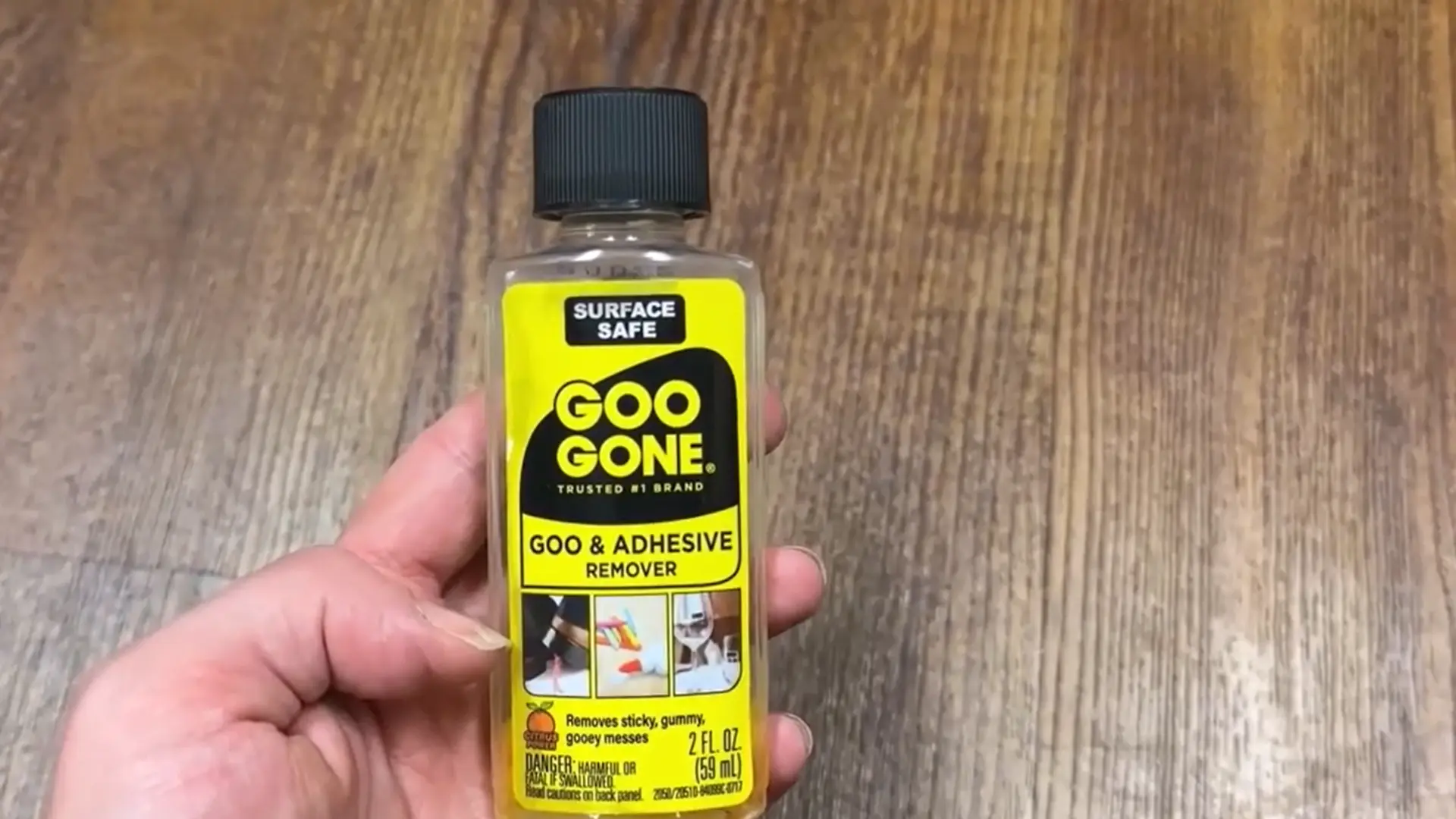
Apply a small amount of Goo Gone adhesive remover to a clean cloth. Gently rub the cloth over the candle wax until the wax starts lifting from the surface.
The video says this method can be used on different surfaces, including carpet. Continue rubbing until the wax is removed and the affected area looks clean and free from visible residue.
Step 4: Remove Carpet Wax With an Iron
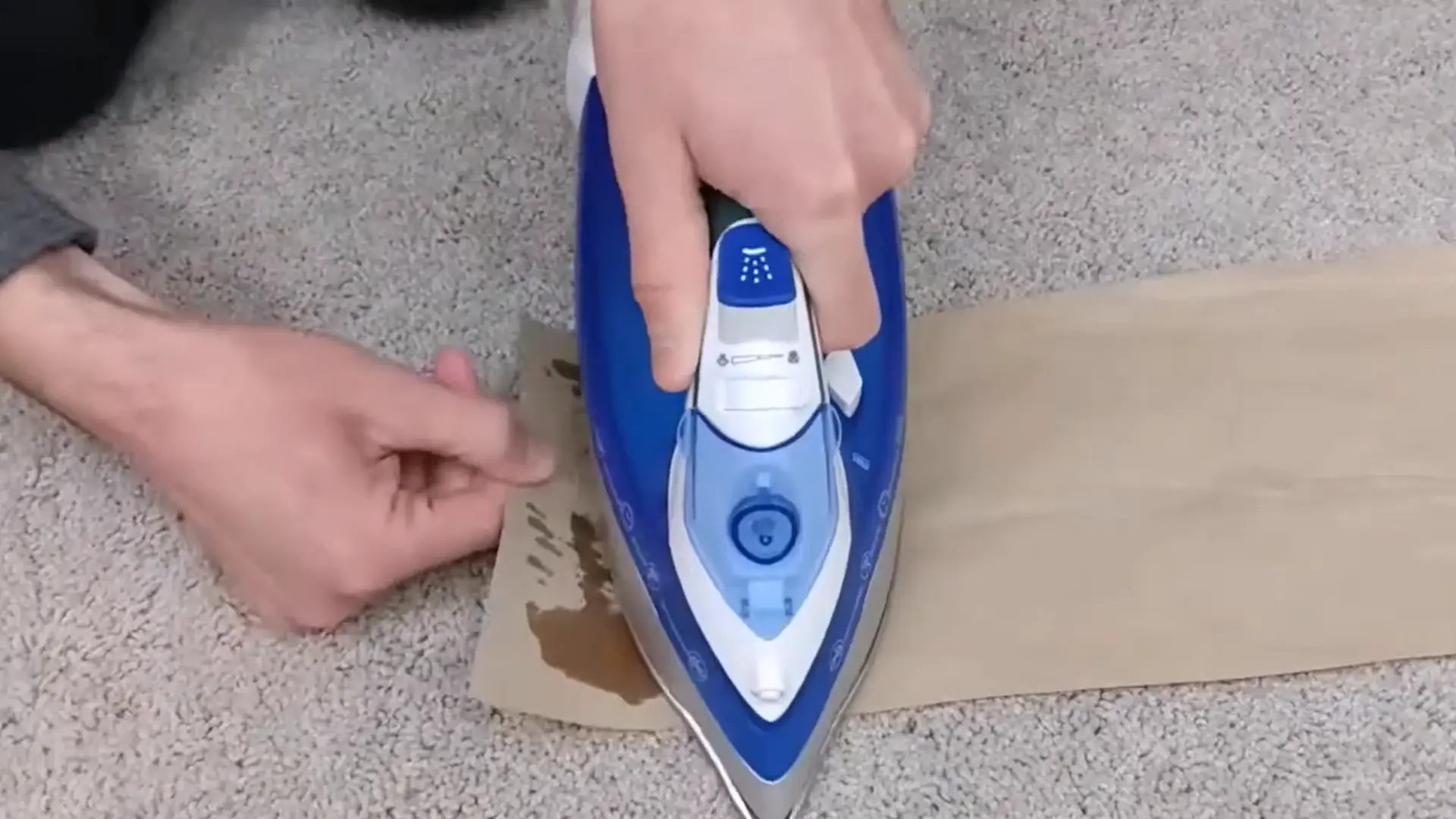
Place a paper strip directly over the candle wax on the carpet. Set a clothing iron to low heat and place it over the paper. Slowly pull the paper from under the iron so it absorbs melted wax.
Repeat with fresh paper strips until they stop collecting wax. Apply pressure for stubborn spots, then continue until the residue is gone.
Step 5: Melt Wax on Metal With a Hair Dryer
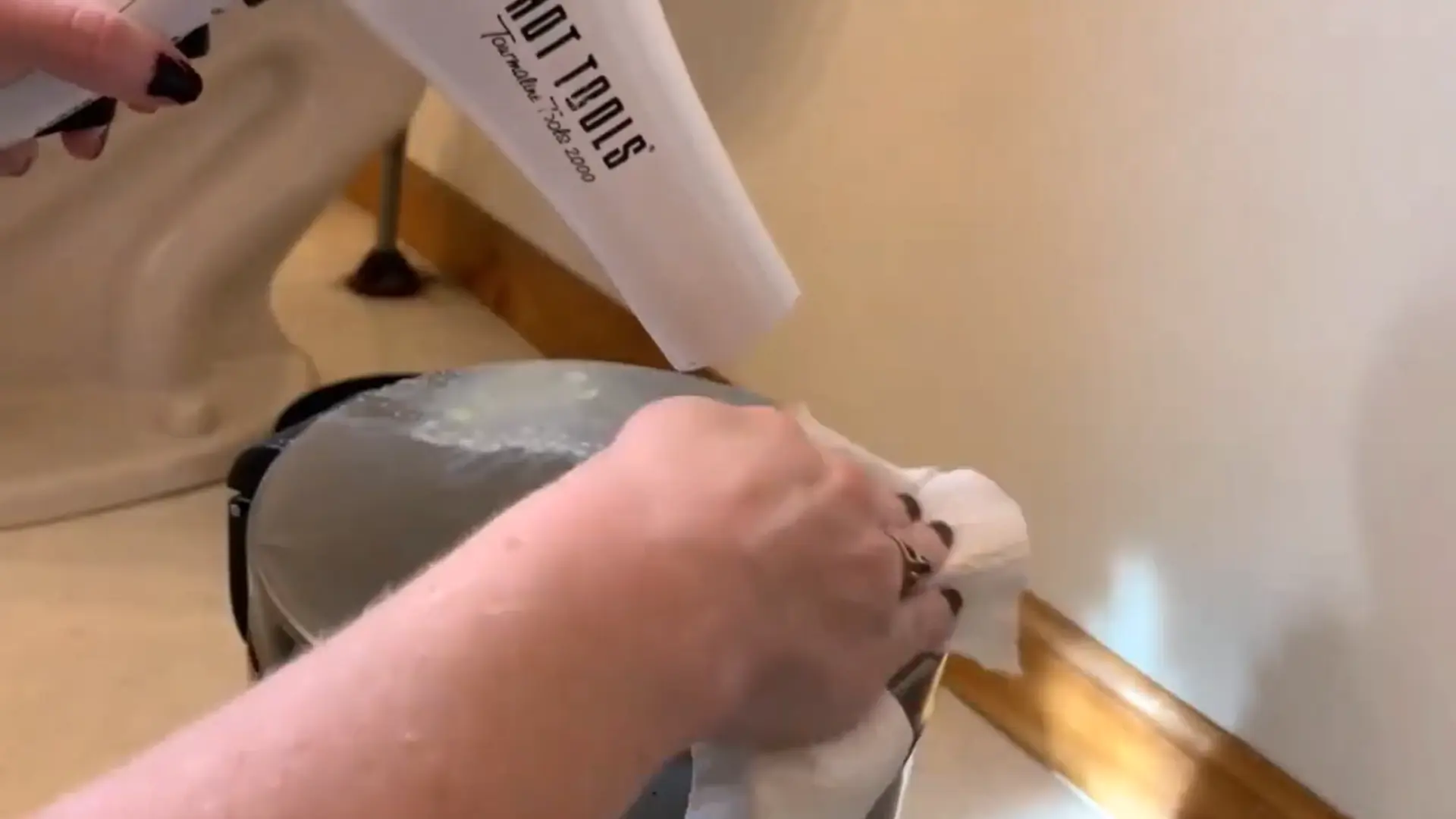
Aim a hair dryer at candle wax stuck to a metal surface. Turn it on and direct warm air over the wax until it begins to melt. Wipe the softened wax away with a paper towel.
Continue heating and wiping the area until all visible wax is removed and the metal surface appears clean, smooth, and completely free from residue.
Check out this video by Top To Bottom Cleaning for a more visual guide:
Note: The methods shown in the video may not suit every material. Test Vaseline, Goo Gone, hot water, an iron, or a hair dryer on a hidden area first.
Follow the surface care instructions, use only low heat, and avoid boiling water on wood, glass, or finished furniture unless the manufacturer confirms it is safe.
How to Remove Candle Wax From Glass
To remove candle wax from glass, first hold a sealed ice pack against the spot until the wax becomes firm.
Gently lift it with a plastic scraper held at a low angle, using light pressure to avoid scratches. Next, mix warm water with a small amount of mild dish soap.
Wipe the area with a soft cloth, then dry it using a clean, lint-free towel.
Apply glass cleaner only after the waxy film is gone. For frosted or textured glass, use a soft toothbrush to clean grooves and patterns. Avoid metal tools because they can scratch the glass surface.
How to Clean Wax From Candle Holders
Use a method that matches the holder’s material and shape to prevent cracks, stains, or finish damage.
- Place a freezer-safe holder in the freezer for about one hour, then lift the hardened wax with a plastic tool.
- Set a heat-safe holder in a bowl of warm water to soften thick wax around the base.
- Keep water away from wood, glued decorations, electrical parts, and delicate glass.
- Use a wooden craft stick or cotton swab to clean narrow openings and small grooves.
- Wash suitable holders with warm soapy water and dry metal pieces immediately.
Work gently to keep the candle holder clean and undamaged.
How to Remove Wax From a Candle Jar
To remove wax from a candle jar, I let the jar reach room temperature before placing it in the freezer.
Once the wax hardens, I loosen the edges with a spoon or plastic tool, and it often lifts out in one piece. A warm-water bath also works for heat-safe jars, but never pour boiling water into cold glass.
Next, loosen the metal wick base with a blunt tool. After checking the jar coating, use warm soapy water or a little rubbing alcohol for leftover adhesive.
Wash with dish soap, remove label residue, and let the jar dry completely before reuse.
How to Remove Candle Wax From Clothing and Fabric
Use these steps for washable clothing, tablecloths, curtains, and removable fabric covers.
- Let the wax cool, then bend the fabric gently and lift hardened pieces with a dull spoon.
- Place white paper towels above and below the stain, then press with a warm iron at a fabric-safe setting.
- Replace the towels as they absorb the wax.
- Apply laundry detergent or fabric-safe stain remover to any oily or colored mark.
- Wash the item at the warmest temperature allowed on the care label.
- Check the stain before using the dryer.
Take silk, velvet, wool, antique, beaded, or dry-clean-only fabrics to a professional.
How to Remove Candle Wax From Walls
When candle wax lands on a wall, I first let it harden before trying to remove it. I lift raised pieces gently with a plastic card, using light pressure to protect the paint.
For thin residue, I hold a hair dryer several inches away and keep it moving while blotting the softened wax with a clean white cloth.
On washable paint, I use diluted dish soap and a barely damp sponge, then dry the area. I avoid scrubbing flat paint because it may leave a shiny patch.
For wallpaper, test a hidden spot and avoid excess water or high heat.
Remove Wax From Tile, Stone, and Countertops
To remove candle wax from tile, stone, or countertops, first let it harden and lift it with a plastic scraper.
Clean ceramic and porcelain tile with warm water and mild dish soap. Use a soft brush to clear wax from grout lines and textured areas.
For granite or marble, choose a stone-safe cleaner and avoid vinegar, lemon juice, or other acidic products that may damage the finish.
On laminate countertops, scrape gently and wipe with mild soap. Do not place a hot iron directly on laminate.
Blot softened residue carefully so it does not spread deeper into grout or surface grooves.
Common Candle Wax Removal Mistakes
Avoid these mistakes to protect the surface and remove the wax more safely.
| Mistake | Solution |
|---|---|
| Wiping wax while it is hot | Let the wax cool and harden before lifting it gently. |
| Using excessive heat | Use the lowest safe heat setting and keep the heat source moving. |
| Scraping with knives or blades | Use a plastic scraper, old card, or smooth spoon instead. |
| Applying cleaner over thick wax | Remove the solid wax first, then treat the remaining stain. |
| Skipping a hidden-area test | Test heat and cleaning products on a small unseen spot first. |
| Rubbing colored wax stains | Blot the stain with a clean white cloth instead of rubbing it. |
| Putting stained fabric in the dryer | Check that all oil and dye are gone before machine drying. |
Working carefully helps prevent scratches, discoloration, heat damage, and stains from spreading.
Prevent Future Candle Wax Spills
A few simple habits can reduce wax drips and make candle use safer around the home.
- Choose sturdy candle holders with wide bases and place them on flat surfaces away from edges.
- Set candles on a heat-resistant tray, plate, or washable mat to catch dripping wax.
- Trim the wick to the length recommended by the manufacturer for a steadier burn.
- Keep candles away from fans, windows, air vents, pets, children, and busy walkways.
- I use a candle snuffer instead of blowing strongly, which may scatter hot wax.
These steps help protect furniture, floors, walls, and fabrics from spills.
When to Call a Cleaning Professional
Professional cleaning may be the safest choice when candle wax covers a large carpeted area or affects silk, velvet, wool, antique fabric, unfinished wood, or valuable furniture.
Call an expert if the upholstery label shows an X code, since these materials may not tolerate water or common cleaners.
You should also seek help when heat or solvents could damage the finish, or when earlier cleaning attempts have spread the stain.
Stop working immediately if the surface loses color, feels different, becomes dull, or shows visible damage.
Acting early can prevent a small wax mark from becoming harder and more expensive to repair.
Final Thoughts
Removing candle wax becomes much easier when I slow down, identify the surface, and choose a method that will not cause damage.
I have found that allowing the wax to cool and harden first prevents spreading and makes the thick pieces easier to lift. After that, gentle cold, low heat, mild soap, or a surface-safe cleaner can remove the remaining residue.
I always check care instructions and test the method on a hidden area before treating a visible spot.
Sharp blades, boiling water, strong solvents, and excessive heat can scratch surfaces, weaken finishes, or push wax deeper into fabric. If the material changes color, texture, or shine, I stop immediately.
Delicate clothing, valuable furniture, unfinished wood, and large carpet stains may need professional cleaning.
With the right method and patience, I can remove most candle wax safely while protecting the item underneath. Share your experience in the comments below.
Frequently Asked Questions
Can Scented Candle Wax Leave an Oily Mark?
Yes. Fragrance oils and added dyes may remain after wax is removed. Blot the area with cleaner, then let it dry before deciding whether another treatment is needed.
Why Does Wax Sometimes Reappear on Carpet?
Wax may remain below the visible carpet fibers and rise as the area warms. Repeat the low heat transfer method with fresh paper until no residue appears on the surface.
How Should Removed Candle Wax Be Disposed Of?
Let collected wax cool fully, place it in household trash, and never pour melted wax into sinks or toilets because it can harden inside pipes and cause stubborn blockages later.
Can Candle Jars Be Reused for Food Storage?
Avoid reusing old candle jars for food unless the manufacturer confirms they are food safe. Fragrance residue, coatings, chips, or heat damage may make the container unsuitable for edible storage.

With a Master’s in Architecture from the University of California, Berkeley, Mitchell Green has spent over two decades dedicated to the study and practical application of home fixture design. His career started in an architectural firm, providing him a strong foundation in the structural and aesthetic aspects of home interiors. Mitchell brought his comprehensive knowledge to our platform, where he has been an influential voice in our home fixtures and fittings section. Since 2018, he has been guiding our readers through the intricacies of selecting and installing fixtures, combining technical know-how with design flair. In his spare time, Mitchell is a keen photographer, capturing architectural details and design elements, an interest that complements his professional focus.