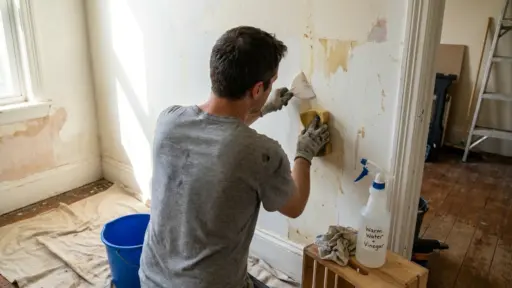
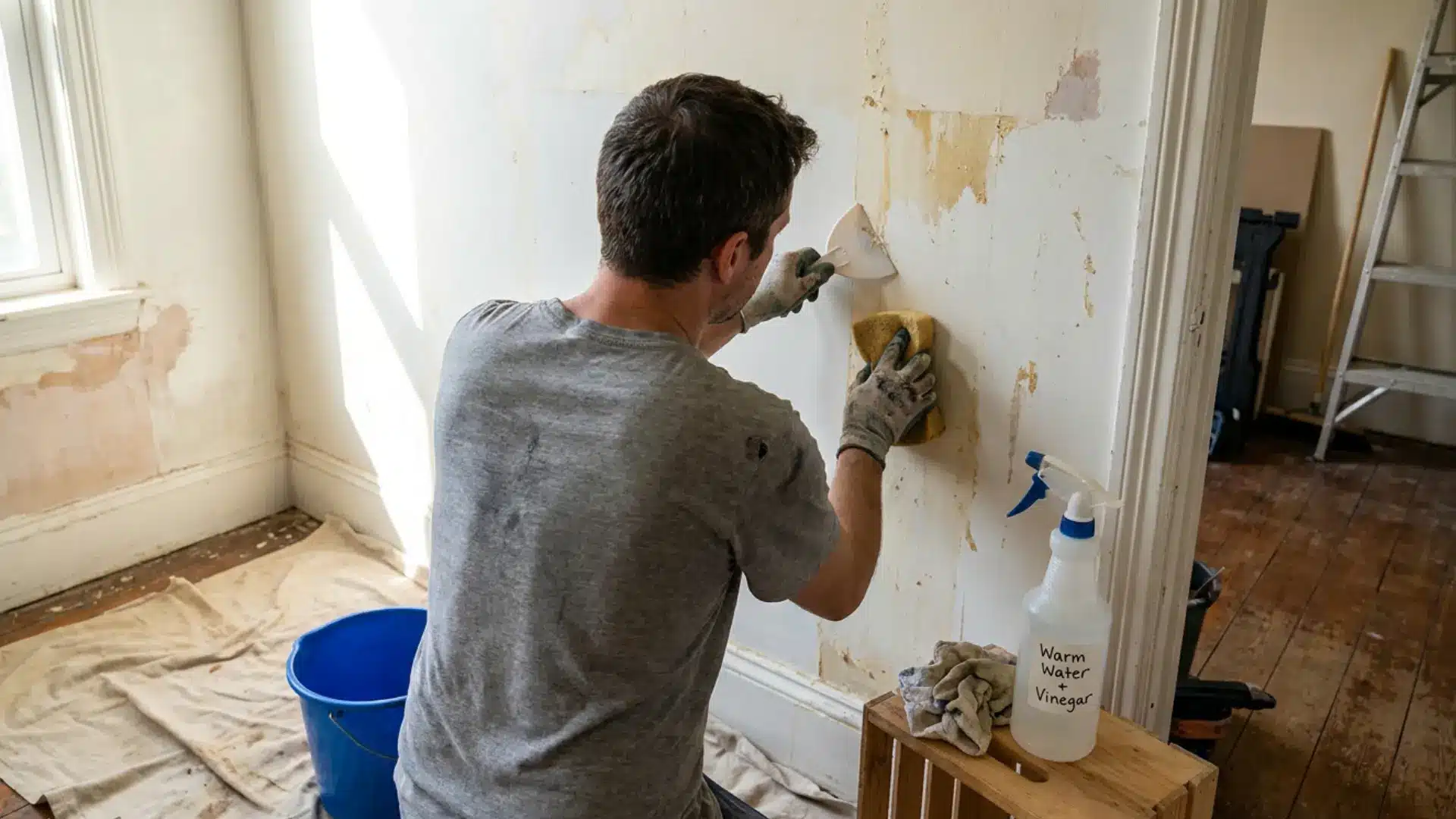

Removing old wallpaper can feel like a big win, but the job is not always over once the paper comes down.
Many walls still have sticky wallpaper glue left behind, and that residue can make primer, paint, or new wallpaper sit badly on the surface.
I have seen walls look clean at first, but after touching them, they still felt tacky and uneven. That is why I always think it is better to clean the glue properly before moving ahead.
The good news is that you do not need fancy tools for most walls. Warm water, dish soap, vinegar, a sponge, and gentle scraping can usually do the job when you work slowly in small sections.
How to Remove Wallpaper Glue: Quick Answer
If you want the quickest answer, start with warm water, a little dish soap, a sponge, and a plastic scraper. I like this method first because it is cheap, gentle, and less likely to damage drywall.
Wet a small section, wait a few minutes, then scrape the softened glue slowly. Warm water and soap are enough when the glue feels light, thin, or slightly sticky. If the wall still feels gummy after a few passes, try a vinegar solution or a wallpaper adhesive remover.
In my opinion, it is better to repeat gentle cleaning than to rush into harsh scraping and risk causing damage.
Why Leftover Wallpaper Glue Should Not Stay on Walls
Leftover wallpaper glue should not stay on walls because it can affect the final look of your paint or primer. Even if the wall looks clean from a distance, dried glue can leave shiny patches, sticky spots, or raised areas.
When you paint over it, the finish may look uneven instead of smooth. Glue can also stop paint from bonding properly, which may lead to peeling, bubbling, or cracking later.
Primer can hide some stains, but it will not fix a rough glue layer underneath. That is why cleaning the wall first gives you a smoother and longer-lasting result.
Tools and Supplies You Need Before Starting
Before you start removing wallpaper glue, keep the right tools close so the job goes more smoothly and is less messy.
- Basic cleaning supplies: Use warm water, dish soap, vinegar, a spray bottle, a bucket, clean rags, and sponges.
- Safe scraping tools: A plastic putty knife works best because it can lift softened glue without cutting into the wall.
- Safety items: Wear gloves, cover the floor with drop cloths, and protect outlets before using water near the wall.
Having these supplies ready saves time and helps you clean the glue without damaging drywall, plaster, trim, or flooring.
How to Remove Wallpaper Glue in 5 Simple Steps
Have you removed your old wallpaper only to find stubborn glue residue left behind? Don’t worry, we’re showing you how to remove wallpaper glue in just five simple steps. Let’s get started
Step 1: Gather Your Supplies Before You Begin
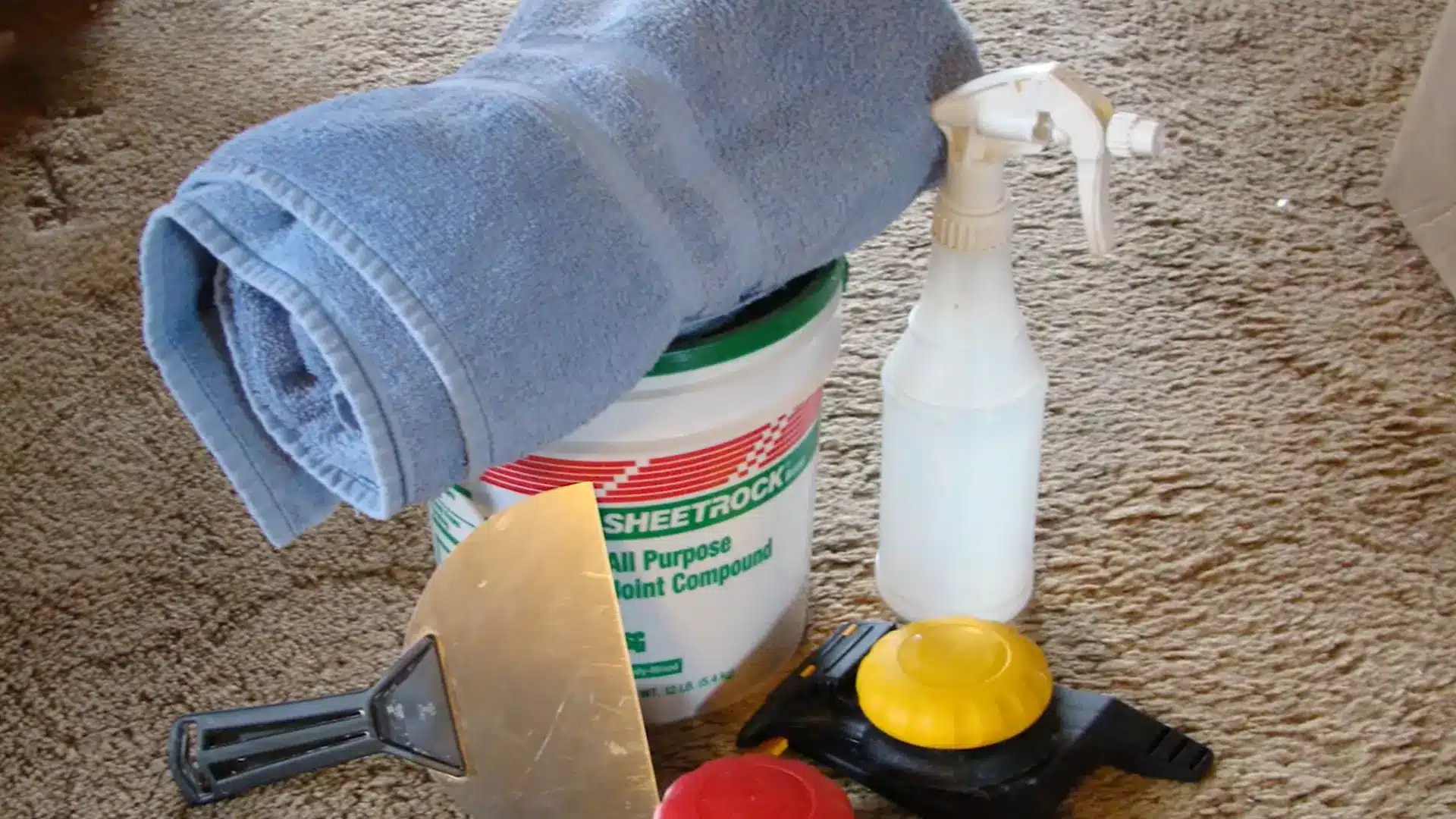
Before you start, collect all the supplies you need, so you do not have to stop in the middle of cleaning.
Keep warm water, white vinegar, dish soap, a sponge or cloth, a plastic scraper, a bucket, a spray bottle, towels, and a drop cloth ready.
I prefer using a plastic scraper because it is safer for walls than a metal one. Having everything nearby makes the process smoother and less messy.
Step 2: Protect Your Space
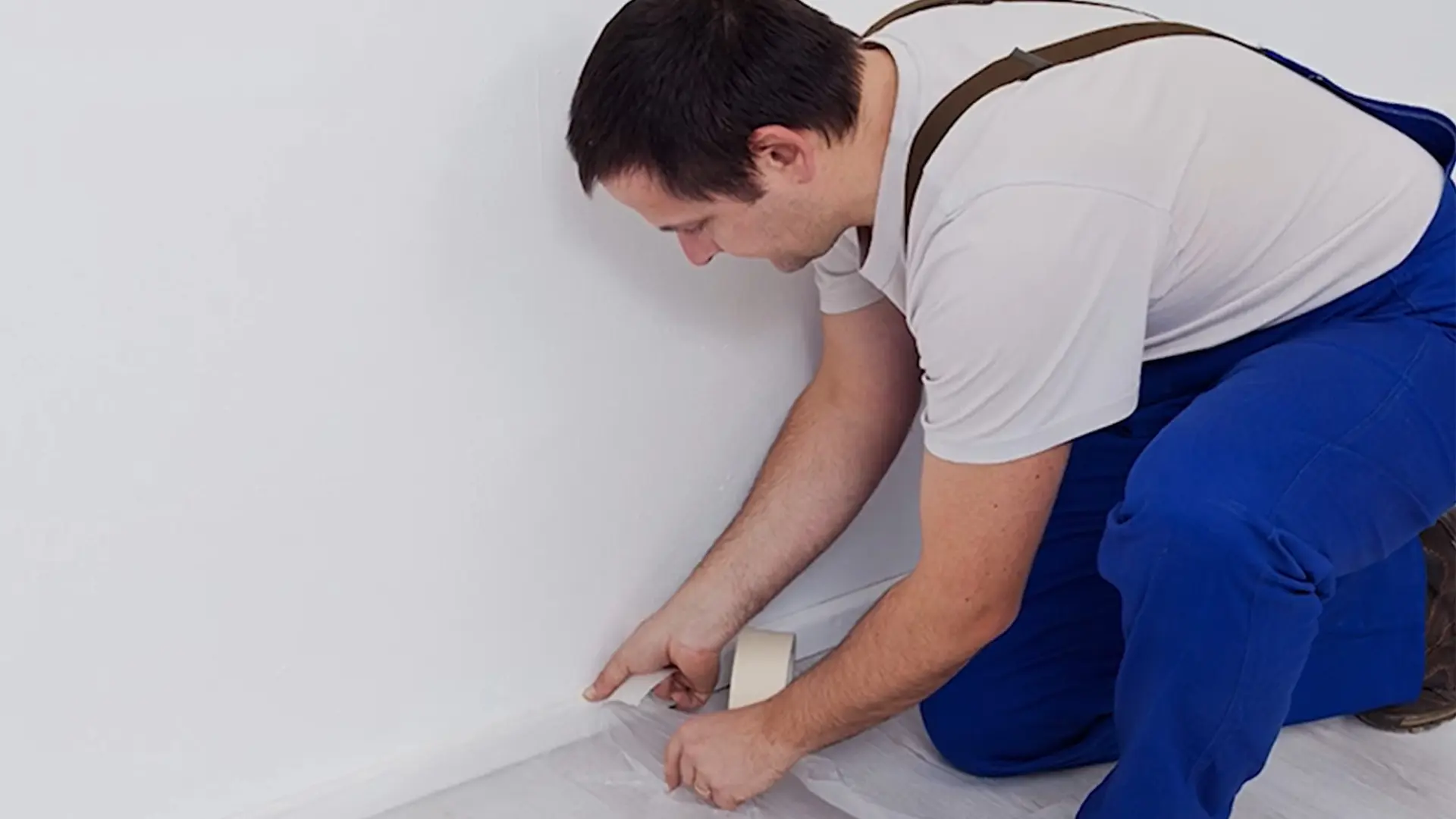
Before spraying any solution on the wall, protect the area around you. Lay a drop cloth or plastic sheet on the floor to catch water, glue pieces, and dirt.
Move small furniture away from the wall, and cover anything that cannot be moved.
You should also keep towels close for drips. This step may feel small, but it saves a lot of cleanup later and helps protect floors, trim, and nearby items.
Step 3: Prepare Your Cleaning Solution
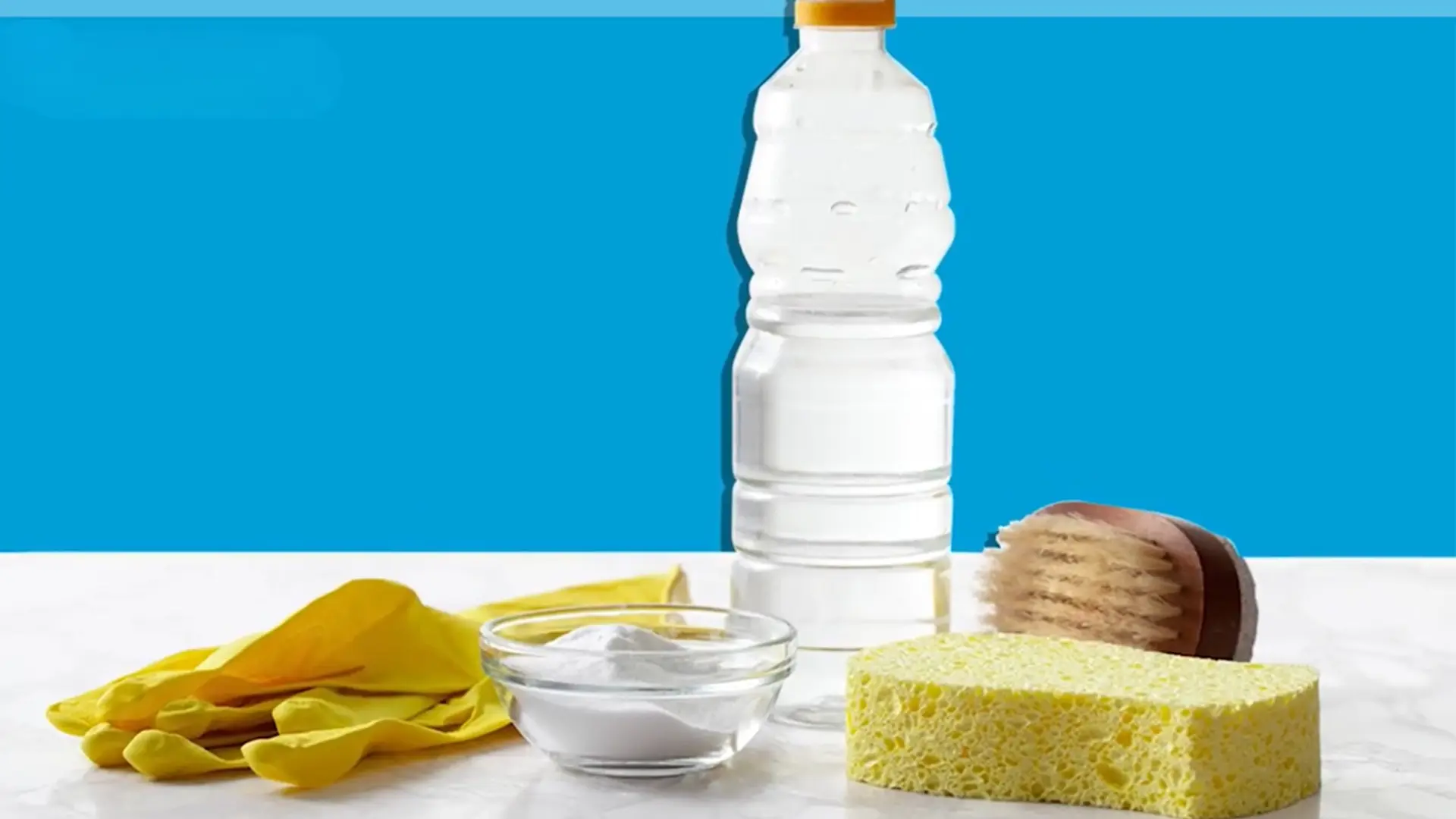
Now mix a simple cleaning solution to soften the wallpaper glue. Add equal parts warm water and white vinegar to a bucket, then add a few drops of dish soap.
The warm water helps loosen the glue, vinegar cuts through sticky residue, and dish soap helps break it down.
Pour the solution into a spray bottle for easy use. I like this mix because it is simple, cheap, and gentle for most walls.
Step 4: Apply and Soak the Spray Solution
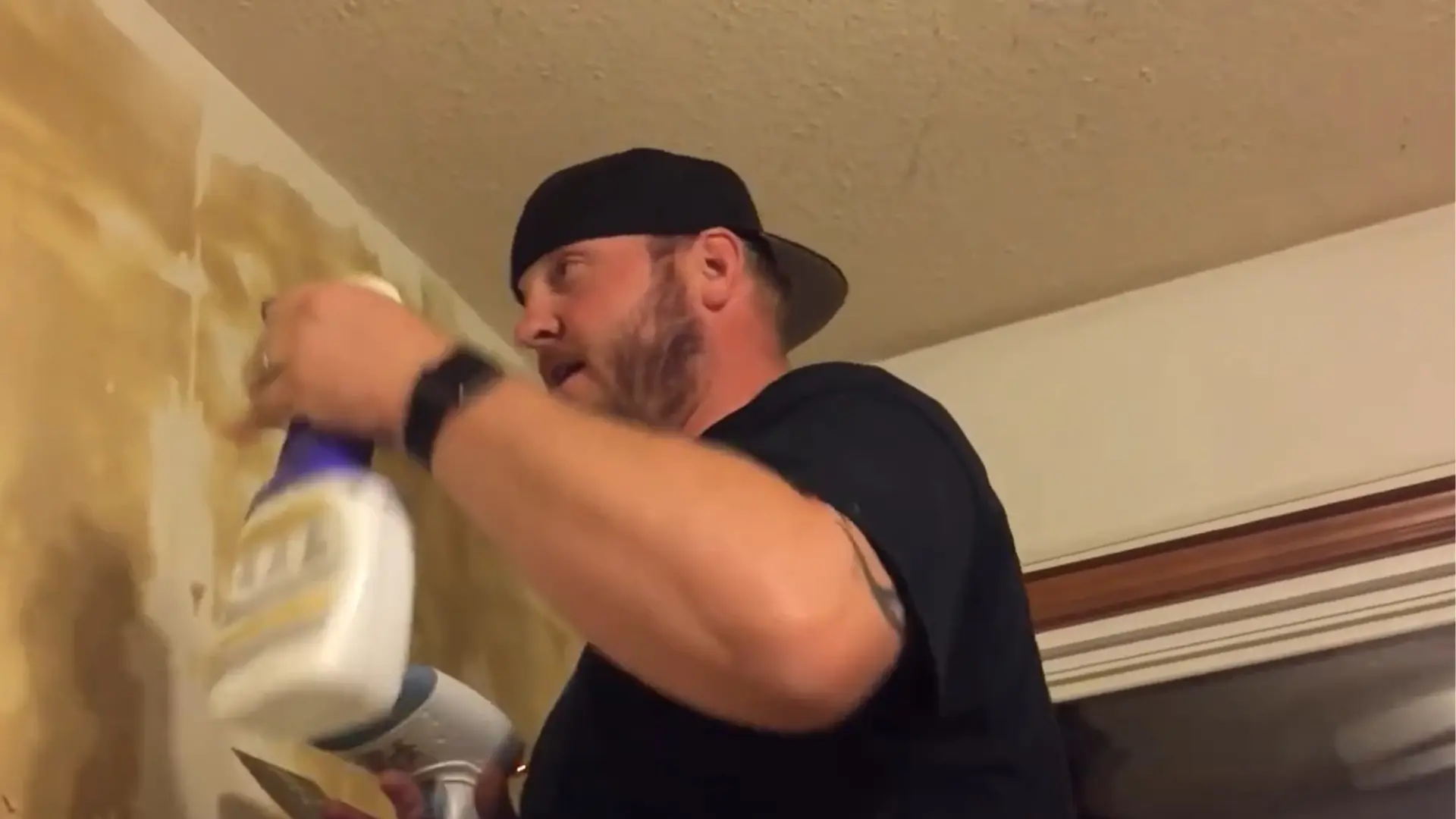
Spray the cleaning solution directly onto the wallpaper glue residue. Work in small sections so the wall does not get too wet, especially if you are cleaning drywall.
Make sure the sticky area is damp, then let it sit for about 10 to 15 minutes. This waiting time helps soften the glue, making it easier to remove.
Do not rush this step because softened glue is much easier to scrape off.
Step 5: Scrape and Clean
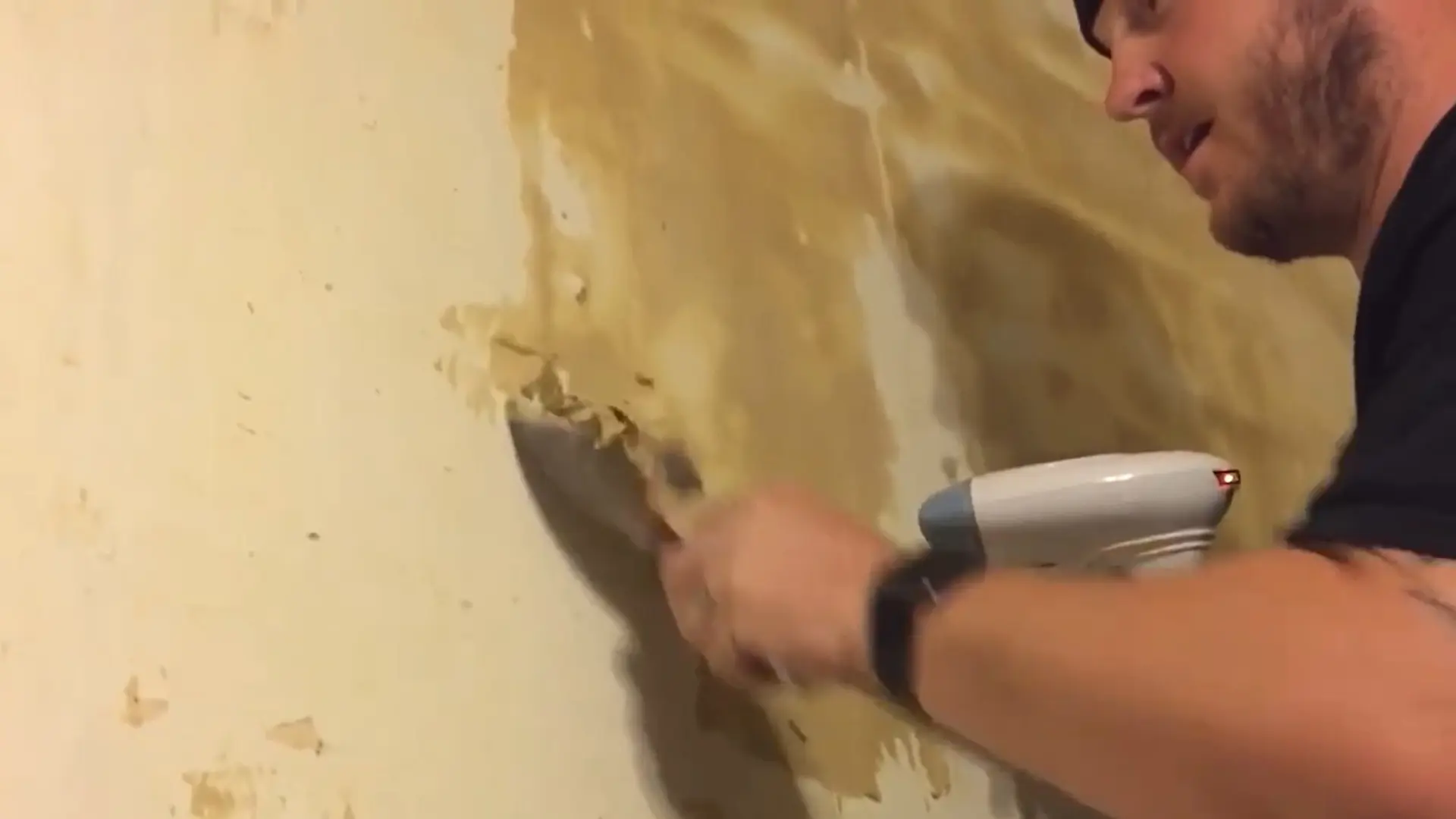
After the glue has softened, use a plastic scraper or putty knife to gently lift it from the wall. Hold the scraper at a low angle and avoid pressing too hard, especially on drywall.
Once the thicker glue comes off, wipe the area with a sponge or cloth dipped in the cleaning solution.
Rinse with clean water afterward to remove leftover residue. Let the wall dry fully before primer, paint, or new wallpaper.
Disclaimer: This video is for general DIY guidance only. Always test any cleaning solution on a small hidden area first, use proper safety gear, and avoid soaking drywall. If your wall is badly damaged, moldy, or unsafe, contact a professional before continuing.
Best Homemade Solutions for Removing Wallpaper Glue
Homemade Solutions Can Work Well for Wallpaper Glue when the Residue is Light or Medium.
- Warm Water and Dish Soap: This is My First Choice Because It is Gentle, Cheap, and Easy to Mix. It Helps Loosen Thin Glue without Being Too Harsh on the Wall.
- Vinegar and Water: Mix equal parts of warm water and vinegar. Vinegar Helps Break down Residue and Makes Scraping Easier.
- Dish Soap, Vinegar, and Warm Water: This Mix Works Well When Plain Soap Water Isn’t Enough.
In My Opinion, Homemade Solutions are Best to Try First Before Using Stronger Chemical Removers.
How to Remove Wallpaper Glue from Drywall
Removing Wallpaper Glue from Drywall Needs a Lighter Touch Because Drywall Can Absorb Water Quickly. I Always Use Less Water and Work in Small Sections so the Wall Does Not Become Soft or Weak.
A Damp Sponge is Better than Soaking the Surface. Once the Glue Loosens, Scrape Gently with a Plastic Putty Knife, Especially Around Torn Paper.
If You Press Too Hard, the Paper Layer Can Peel More. After the Glue is Gone, Let the Wall Dry Fully. If Any Areas Feel Soft, Rough, or Damaged, Patch and Sand Them Before Adding Primer or Paint.
How to Remove Wallpaper Glue from Plaster Walls
Plaster Walls Are Usually Stronger Than Drywall, So They Can Handle a Little More Moisture During Glue Removal.
- Why Plaster Handles Moisture Better: Plaster is Harder and Denser, so a Damp Sponge or Remover Solution is Less Likely to Damage It Quickly.
- Clean in Light Passes: Older Plaster Can Still Crack or Loosen, so I Like to Clean One Small Area at a Time Rather Than Scrub Too Hard.
- Patch After Cleaning: Once the Wall is Dry, Fill Cracks, Chips, or Loose Spots Before Primer.
Taking Your Time Helps the Plaster Stay Firm and Gives the Wall a Smoother Finish.
How to Remove Stubborn Wallpaper Glue
Stubborn Wallpaper Glue May Need More than One Round of Cleaning, so Do Not Rush the Process. Start by Spraying or Sponging Warm Water or Remover Solution onto a Small Section Again.
Let It Sit for a Few Minutes so the Glue Can Soften Before Scraping. If the Glue is Thick, Old, or Very Hard, a Wallpaper Steamer Can Help Loosen It More Quickly.
Move the Steamer Slowly and Avoid Holding It in One Spot Too Long. Use a Stronger Wallpaper Stripper only when Simple Methods Fail. I Think Gentle Repeat Cleaning is Safer than Forcing the Glue off and Damaging the Wall.
Mistakes to Avoid When Removing Wallpaper Glue
These common mistakes can slow down wallpaper glue removal, but each one is easy to fix with the right method.
| Mistake | Solution |
|---|---|
| Soaking the wall too much | Use a damp sponge or light spray instead of soaking the wall. Work in small sections, especially on drywall, so the surface does not become soft or weak. |
| Using metal scrapers too hard | Use a plastic scraper first and hold it at a low angle. Scrape gently so you do not scratch plaster or tear the drywall paper. |
| Painting before the wall is clean | Check the wall for sticky spots, shiny patches, or rough glue residue before painting. Clean and rinse the surface fully so primer and paint can bond better. |
| Skipping the final rinse | Wipe the wall with clean water after removing the glue. This helps remove leftover soap, vinegar, or remover that could affect the final paint finish. |
Careful cleaning, gentle scraping, and a clean final rinse help the wall stay smooth and ready for primer or paint.
How to Know the Wall Is Ready for Primer or Paint
You Can Tell the Wall is Ready for Primer or Paint when It Feels Clean, Dry, and Smooth. I Always Run My Hand Lightly over the Surface After It Dries, Because Touch Can Reveal Glue Spots That Are Hard to See.
If the Wall Feels Sticky, Rough, or Shiny in Patches, It Needs More Cleaning. There Should Be No Gummy Areas Left, Especially near Corners, Seams, and Trim.
The Surface Should Also Look Even Once Dry, without Wet Marks or Raised Glue Lines. In My Opinion, Waiting a Little Longer Before Painting is Better than Rushing and Ending Up with a Poor Finish.
When to Call a Professional?
Professional help may be necessary when wallpaper removal exposes serious wall damage, stubborn adhesive, moisture problems, or surfaces that continue to peel, crack, or crumble.
- Call an expert if drywall paper tears across large areas or exposes weakened gypsum underneath.
- Seek help when deep plaster cracks, water stains, mold, or soft wall sections suddenly appear.
- Hire a professional for very old, thick adhesive covering several rooms or resisting normal cleaning.
- Stop and call a pro if the wall peels, crumbles, or feels unstable during cleanup.
Getting professional help early can prevent further damage, reduce repair time, and leave the wall ready for a smoother paint or wallpaper finish later on.
Final Thoughts
Removing Wallpaper Glue Takes Patience, but It is Not a Hard Project when You Follow the Steps One by One.
Start with a Gentle Cleaning Solution, Soften the Glue, Scrape Carefully, Rinse the Wall, and Let It Dry Fully Before Adding Primer or Paint.
I Personally Think the Drying and Checking Stage is Just as Important as the Scraping Because Even a Small Sticky Patch Can Ruin the Final Finish.
Drywall Needs Less Water, While Plaster Can Handle a Little More Care and Cleaning. Before You Paint, Run Your Hand over the Wall and Make Sure It Feels Smooth.
If This Helped You, Comment Below with the Toughest Part of Your Wallpaper Removal Project.
Frequently Asked Questions
What Removes Wallpaper Glue the Fastest?
Warm water with dish soap usually works fastest for light glue because it softens residue quickly. For thicker glue, let the solution sit longer, then scrape gently with a plastic tool.
Can Baking Soda Help Remove Wallpaper Glue?
Yes, baking soda can help with small sticky spots. Mix it with a little water, make a soft paste, rub lightly, then wipe the area clean with a damp cloth.
Can Wallpaper Glue Damage New Paint?
Yes, wallpaper glue can damage new paint by blocking proper bonding. It may leave bumps, stains, peeling, or uneven shine, especially if the wall was not rinsed well first.
Can I Use a Magic Eraser on Wallpaper Glue?
You can use a Magic Eraser on tiny glue spots, but be gentle. Heavy scrubbing may dull the surface, mark paint, or damage fragile drywall paper.

With a Master’s in Architecture from the University of California, Berkeley, Mitchell Green has spent over two decades dedicated to the study and practical application of home fixture design. His career started in an architectural firm, providing him a strong foundation in the structural and aesthetic aspects of home interiors. Mitchell brought his comprehensive knowledge to our platform, where he has been an influential voice in our home fixtures and fittings section. Since 2018, he has been guiding our readers through the intricacies of selecting and installing fixtures, combining technical know-how with design flair. In his spare time, Mitchell is a keen photographer, capturing architectural details and design elements, an interest that complements his professional focus.