
Shopping for new windows can feel overwhelming and that is putting it mildly. Dozens of styles, brands, and price points all competing for your attention makes it easy to second-guess yourself before you even begin.
If you are a US homeowner looking for a reliable, low-maintenance option, the hung window is one of the smartest choices you can make.
Whether you are upgrading an older home or outfitting a new build, this guide cuts through the noise. You will find clear differences between single and double configurations, top-rated product picks, where to buy across major US retailers, and what installation actually costs.
What Is a Hung Window?
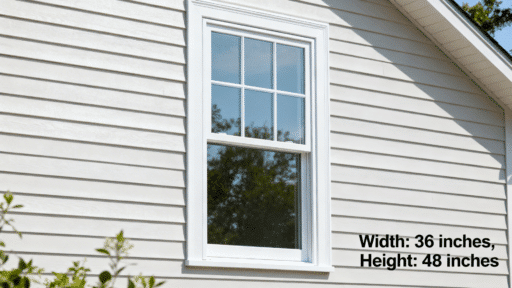
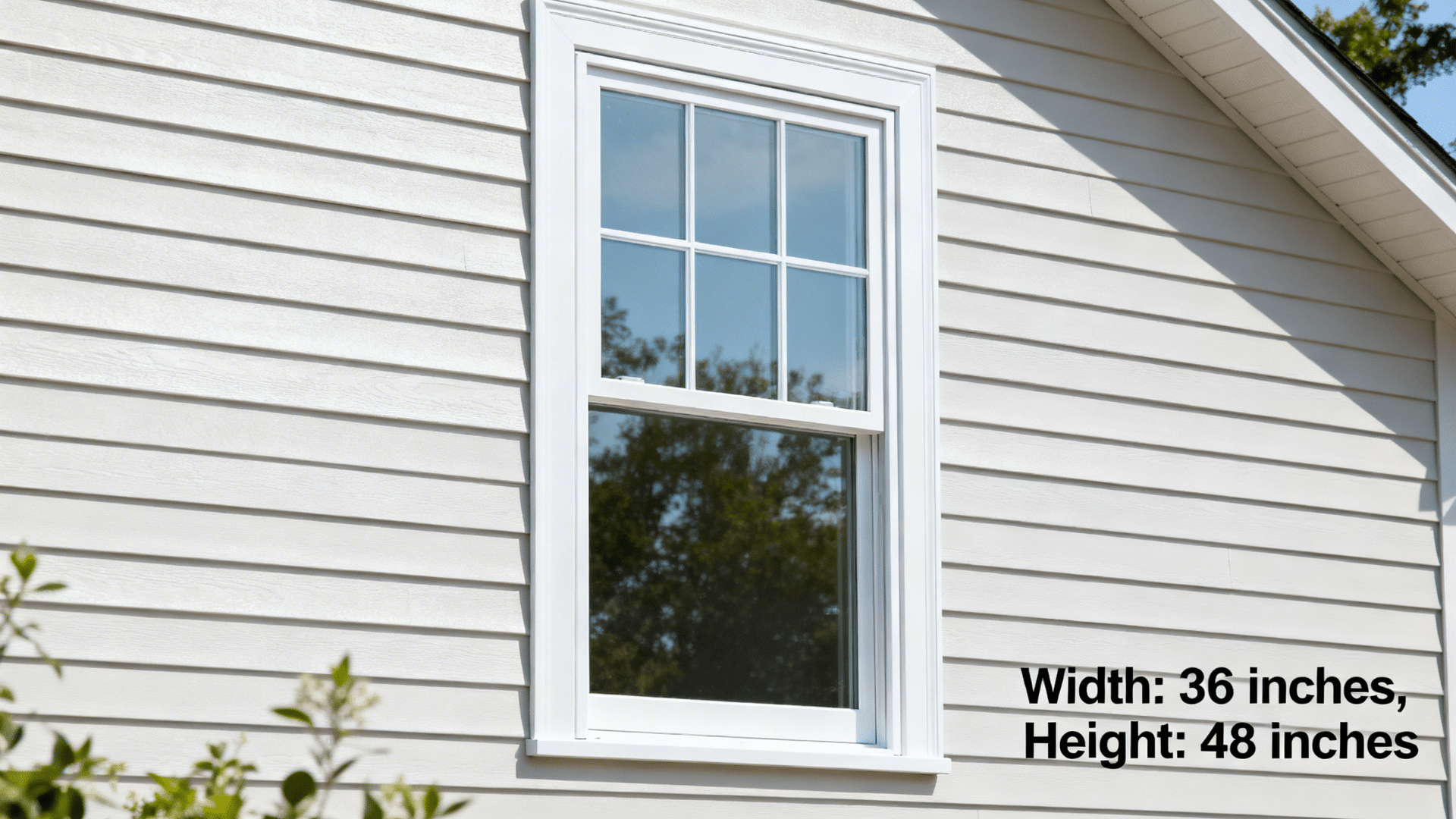
A hung window is a vertically sliding window where one or both sashes, the movable glass panels inside the frame, travel up and down to open. It stands as one of the oldest and most widely used window designs in American residential construction.
Simple to operate, easy to source, and available across nearly every material and price range, it has earned its place in homes from coast to coast.
There are two primary types, and the difference between them matters more than most buyers realise.
Single Hung
In a single hung design, only the bottom sash opens. The top stays fixed. This simpler mechanism comes at a lower price, making it a practical choice for rooms that do not require heavy ventilation, such as guest bedrooms or bathrooms.
- Typical cost: $150–$400 per window
- Best for: Budget installs, secondary rooms, rental properties
- Key drawback: Limited airflow; harder to clean from inside
Double Hung
A double-hung window allows both the top and bottom sashes to slide freely. That single difference opens up real advantages: better airflow, tilt-in cleaning on most modern models, and greater flexibility in how you ventilate any room in the house.
- Typical cost: $250–$850 per window
- Best for: Living rooms, kitchens, family homes
- Key drawback: Slightly higher upfront cost
What to Look for Before You Buy
Selecting the right hung window goes well beyond picking a price point. Several factors directly affect energy performance, longevity, and how much you spend on upkeep over the years. Here is what deserves careful attention before you commit.
Frame Material: The frame is the structural backbone of any window. Each material carries different trade-offs:
- Vinyl is the most popular choice across the US. Affordable, low-maintenance, and well-insulating. Price: $150–$500
- Wood Warm, classic aesthetic. Requires regular sealing or painting to stay in good condition. Price: $300–$800
- Fiberglass: The most durable option available. Handles extreme temperatures without warping. Price: $400–$1,000
- Aluminum Slim, modern profile. Less thermally efficient than the alternatives. Price: $200–$600
For most homeowners doing a straightforward replacement, vinyl strikes the best balance of value and performance.
Glass Type: Do not overlook the glass. Double-pane insulated glass with a Low-E (low-emissivity) coating is now the standard in US residential construction. It reflects summer heat and retains winter warmth a direct contributor to lower energy bills year-round.
ENERGY STAR Certification and the 2025 Tax Credit: Under IRS Section 25C of the Inflation Reduction Act, ENERGY STAR-certified exterior windows may qualify for a federal tax credit of up to $600. That is real money back, simply for making an energy-smart purchase. .
Standard Sizes vs. Custom: Most US retailers carry standard residential sizes, which keeps both costs and lead times down. Custom sizing is available from most brands, but costs more and ships more slowly. Always measure your rough opening before placing an order.
Warranty: A limited lifetime warranty is the baseline for any reputable brand. Be cautious of anything under 10 years, as it often signals lower build quality or a manufacturer that is not confident in its own product.
Best Hung Windows in Top Product Picks
Six products. Honest assessments. Every pick was evaluated on build quality, energy performance, pricing, and verified feedback from US buyers.
1. Andersen 400 Series
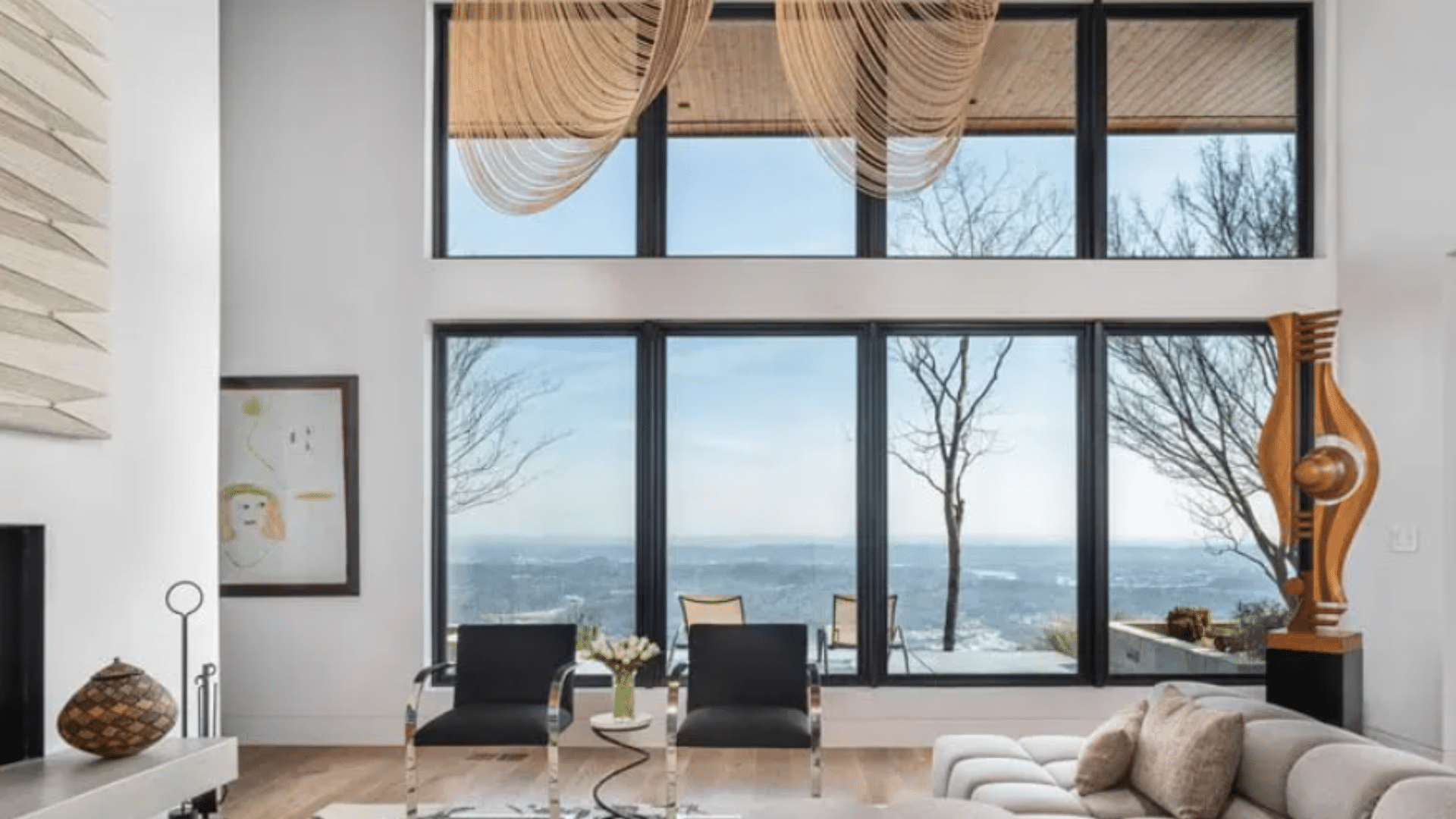
The Andersen 400 Series is widely considered the gold standard in American residential windows. Its Fibrex composite frame offers strong insulation and long-term durability, along with reduced outside noise and easy tilt-wash cleaning.
Specific Product: Tilt-Wash Double-Hung Window Model TW2442 (also available: TW24310, TW2852; Casement and Picture window variants)
- Best for: Long-term investment and premium performance
- Price range: $450–$850 per window
- Frame: Fibrex composite
- Glass: Double-pane Low-E
- Warranty: Limited lifetime
- Available at: Lowe’s
- Pros: Premium construction, low maintenance, ENERGY STAR certified, excellent sound reduction
- Cons: Higher price point; professional installation recommended
2. Pella 250 Series
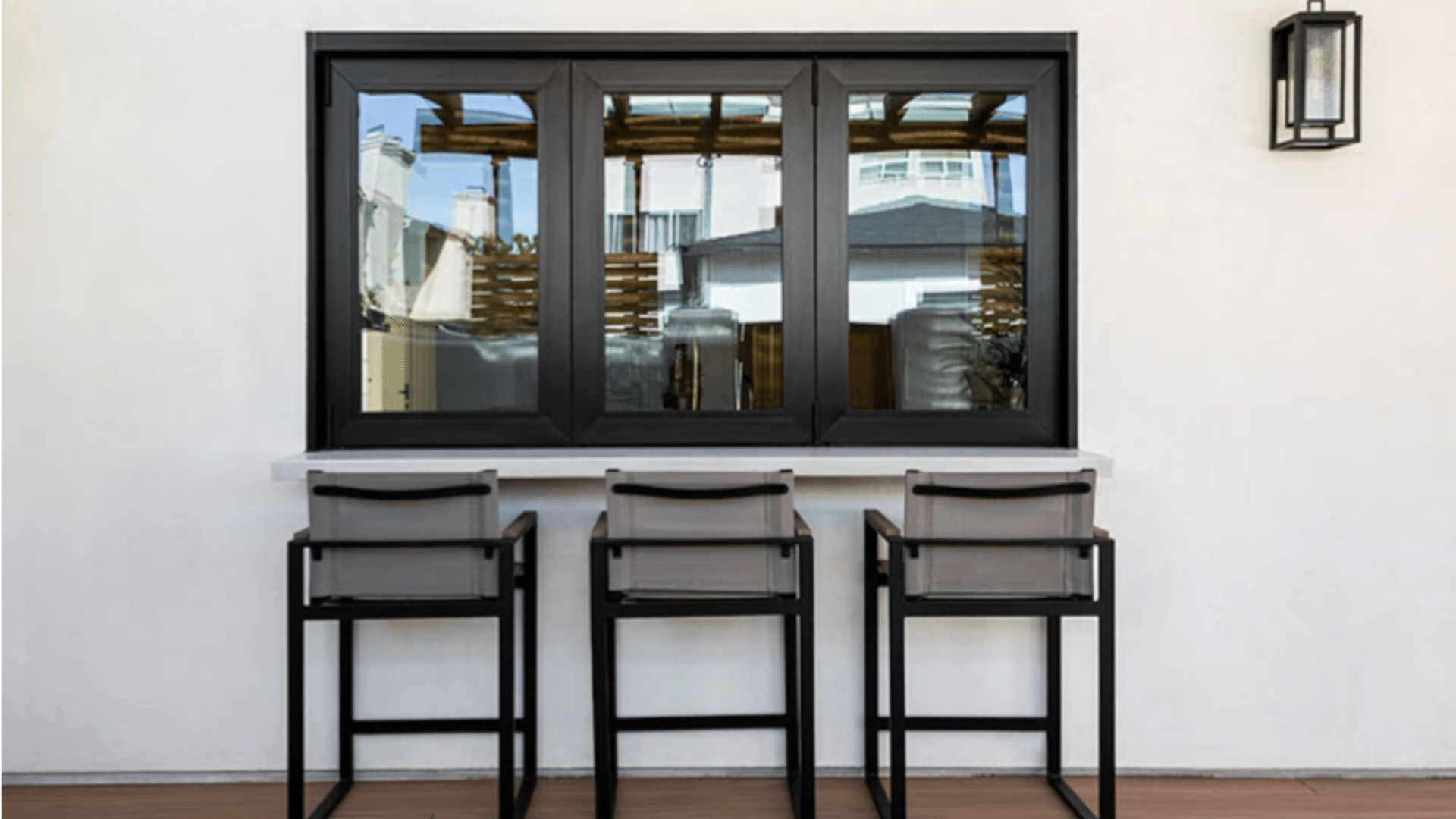
Pella’s 250 Series offers a balance between price and performance. It combines solid energy efficiency with a design that adds warmth and character compared to basic vinyl options.
Specific Product: 250 Series Double-Hung Window (also available: Casement 250, Sliding 250)
- Best for: Style + performance at a mid-range price
- Price range: $300–$650 per window
- Frame: Wood interior/aluminum exterior
- Glass: Double-pane Low-E
- Warranty: Limited lifetime
- Available at: Home Depot, Pella
- Pros: Strong energy performance, attractive finish, good value
- Cons: Wood interior needs occasional maintenance
3. Simonton Reflections 5500
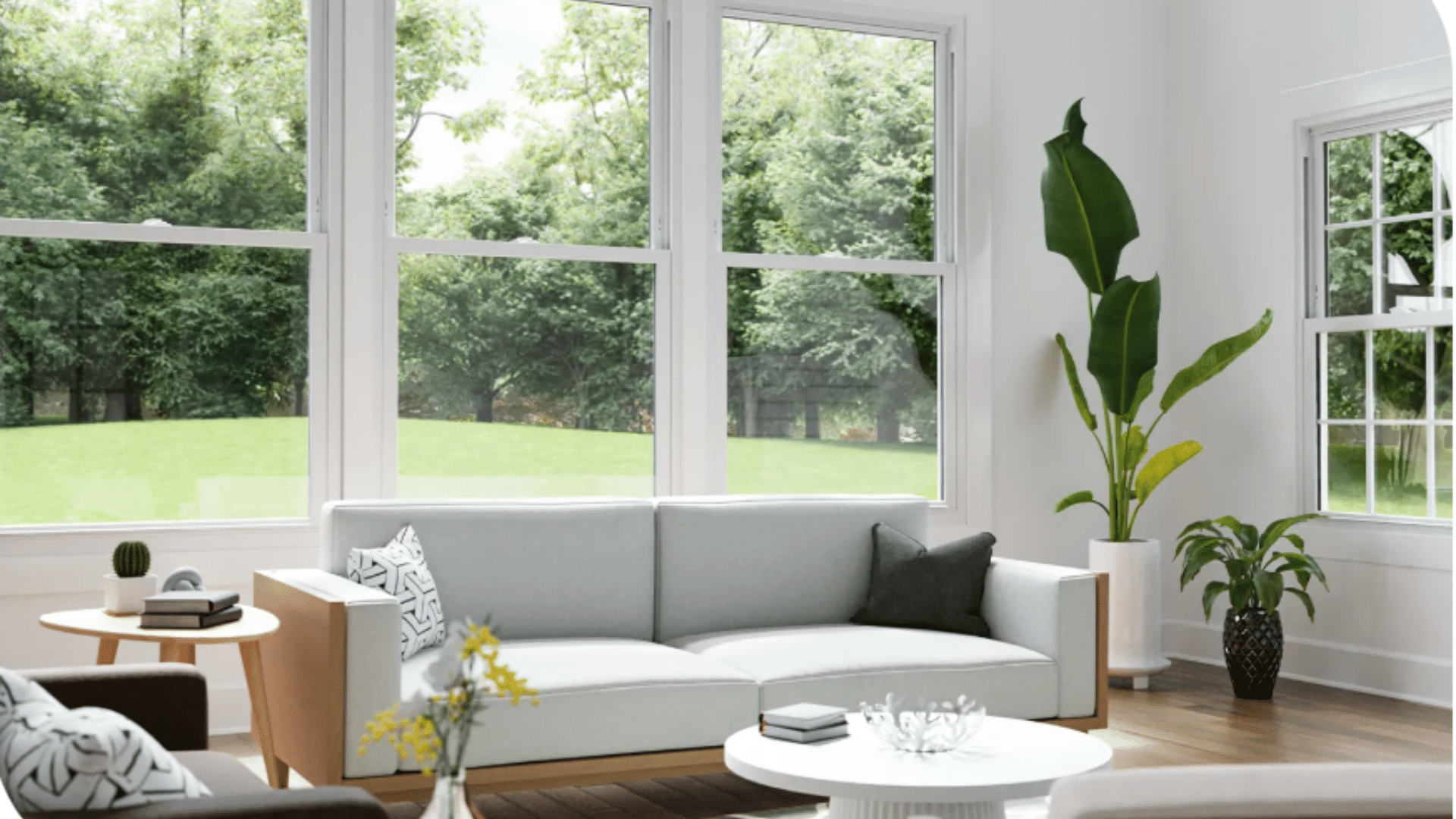
The Simonton 5500 is a practical choice for replacing multiple windows. Its vinyl build and tilt-in sashes make cleaning and upkeep simple.
Specific Product: Reflections 5500 Double-Hung (5500 DH) /5500 Casement)
- Best for: Full-home window replacements on a budget
- Price range: $200–$420 per window
- Frame: Full vinyl
- Glass: Double-pane Low-E
- Warranty: Limited lifetime
- Available at: Home Depot
- Pros: Affordable, energy efficient, easy to clean
- Cons: Limited color and finish options
4. JELD-WEN V-2500 Series

The JELD-WEN V-2500 is a simple and dependable option for tight budgets. It covers the basics without unnecessary extras.
Specific Product: V-2500 Series Single-Hung Vinyl Window (V-2500 SH)
- Best for: Budget projects and rental properties
- Price range: $150–$300 per window
- Frame: Vinyl
- Glass: Double-pane Low-E
- Warranty: 10-year limited
- Available at: Home Depot, Lowe’s
- Pros: Very affordable, widely available, decent efficiency
- Cons: Only the bottom sash opens, limited airflow
5. Milgard Tuscany Series
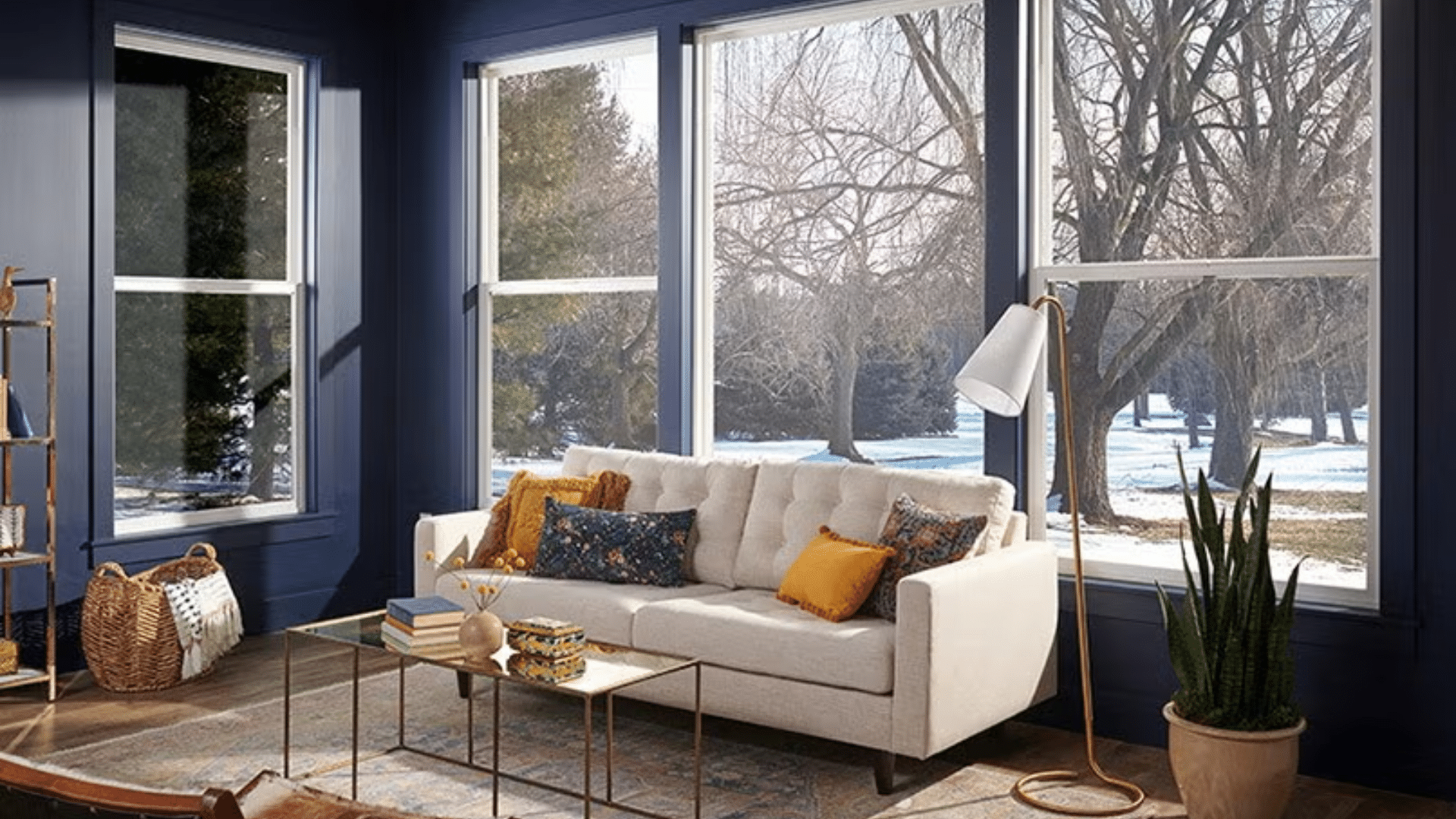
Milgard’s Tuscany Series is built for durability in tougher climates, especially in the western US. It’s known for long-lasting performance and strong warranty coverage.
Specific Product: Tuscany Series V300 Single -Hung Window,V300 Sliding, V300 Casement, V300 Awning)
- Best for: Hot and dry climates
- Price range: $350–$750 per window
- Frame: Fiberglass
- Glass: Double-pane Low-E
- Warranty: Full lifetime (includes glass)
- Available at: Milgard, local dealers
- Pros: Durable, strong warranty, climate-resistant
- Cons: Not widely available in big-box stores
Where to Buy a Hung Window in the US
Finding the right product is only half the equation. Knowing where to purchase and what each retailer does well saves time, money, and frustration.
Home Depot: Home Depot carries the widest in-store selection of any US retailer, including its own exclusive American Craftsman brand alongside JELD-WEN, Pella, and Simonton. They also offer professional installation through their in-store service desk, which is convenient for anyone who would rather hand the project off to a qualified installer.
Lowe’s: Lowe’s is the primary retail destination for Andersen products in the US and also stocks a solid Pella range. Pricing is competitive, and their installer network covers most of the country. Check for seasonal promotions, spring and fall tend to bring the best deals on windows.
Menards: An excellent choice for buyers in the Midwest. Menards stocks its own ProLine series alongside other brands, and pricing frequently undercuts both Home Depot and Lowe’s. If there is a location within driving distance, it is worth a visit before committing elsewhere.
Window World / Window Depot: These are full-service replacement specialists rather than traditional retailers. If you are replacing every hung window in a home, they offer volume pricing, on-site measuring, and end-to-end installation often more cost-effective than coordinating everything through a big-box store.
Online Retailers: Platforms like Windowrama and eWindowParts serve buyers looking for custom sizes or hard-to-find configurations. However, windows are fragile in transit and online return policies vary widely. Buy in-store whenever circumstances allow.
Installation and Replacement: What to Expect
Before purchasing anything, it is worth understanding what the installation process actually involves. Costs and complexity vary significantly depending on whether you are doing a brand-new install or replacing an existing unit.
Signs Your Current Windows Need Replacing
Watch for these common warning signals:
- Drafts around the frame even when the sash is fully closed
- Fog or condensation between the glass panes is a reliable sign of seal failure
- Visible rot, warping, or discoloration on the frame
- Unexplained spikes in monthly energy bills
- Increasing difficulty operating the sash up or down
Insert Replacement vs. Full-Frame Replacement
These are two very different projects, and understanding which applies to your situation prevents budget surprises.
- Insert (pocket) replacement. The new unit slides into the existing frame. Lower cost ($200–$600 installed), less disruption, and faster to complete. Best when the existing frame remains structurally sound.
- Full-frame replacement. Everything comes out: the window, the frame, and the surrounding trim. More involved ($500–$1,200 installed), but necessary when rot, water damage, or a size change is part of the equation.
Conclusion
Every home improvement decision comes with a real cost, and windows are no exception. But a well-chosen hung window does far more than fill a wall opening.
It manages airflow, reduces energy loss, adds aesthetic value, and directly contributes to how your home feels to live in every single day.
Start with what matters most to you. Budget? The JELD-WEN V-2500 is hard to beat. Long-term quality? Andersen 400 Series. Full-home replacement on a tight timeline? Simonton 5500, available at Home Depot today.
And don’t overlook the 2025 ENERGY STAR tax credit of up to $600, just for buying smart.

Holding a Master’s in Architecture from the University of Texas at Austin, Emily Rodriguez has dedicated more than two decades to the art and science of building renovation. Starting her journey in historic preservation, she developed a profound respect for blending old with new in building design. Emily became a vital part of our team in 2019, renowned for her insightful and innovative renovation tips. She has been leading our DIY home improvement series since ever since, where she shares her wealth of knowledge in turning outdated spaces into modern havens. When not engaged in writing or consulting, Emily is a passionate advocate for heritage conservation and enjoys exploring vintage architecture, a hobby that complements her professional expertise.