
Starting an indoor vegetable garden is a simple way to grow fresh food at home, even if you only have a small space.
Many beginners start with easy plants like lettuce, herbs, spinach, and microgreens because they grow well indoors and do not need much care.
With over years of experience in horticulture and plant care,
I have worked on turning urban spaces into healthy green areas using practical and eco-friendly gardening methods.
My background in horticulture has helped me understand what works best for beginners as well as experienced growers.
In this guide, I will share simple tips for setting up an indoor vegetable garden, choosing the right vegetables, and avoiding common mistakes so you can grow healthy plants indoors all year.
What is an Indoor Vegetable Garden?
An indoor vegetable garden is a small space inside your home where you grow vegetables, herbs, or greens in containers. It is a better way than planting them outside.
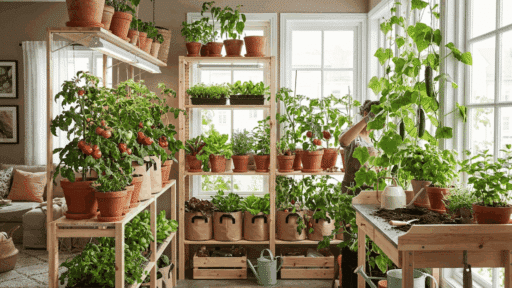
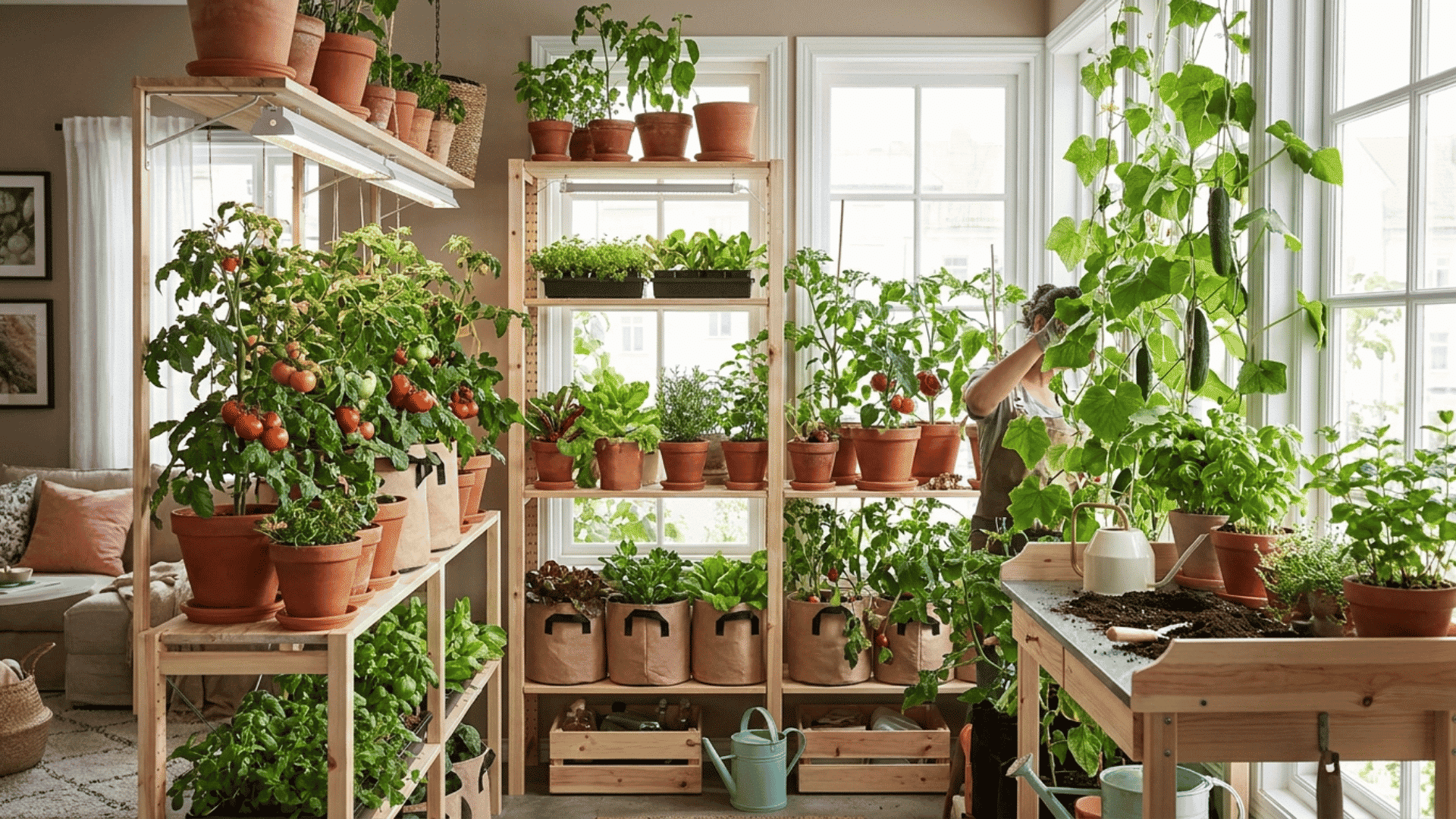
Many people grow indoor vegetables near sunny windows, on shelves, kitchen counters, or under grow lights.
Indoor gardening is popular with people who live in apartments, have limited outdoor space, or want fresh vegetables during every season.
Some plants, like lettuce, spinach, herbs, and microgreens, grow especially well indoors because they need less space and grow quickly.
Indoor vegetable gardens can be as simple as a few pots on a windowsill or a larger setup with shelves and lighting.
Beginners often start small with easy plants before growing more vegetables over time.
Benefits of Growing Vegetables Indoors
Growing vegetables indoors has become popular because it is simple, practical, and beginner-friendly. Here are some of the biggest benefits:
- Fresh Vegetables Anytime: You can pick herbs, greens, and small vegetables right from your home for daily meals.
- Works Well in Small Spaces: Indoor gardening is great for apartments, kitchens, and homes without backyards.
- Year-Round Growing: Many vegetables can be grown indoors year-round.
- Less Exposure to Harsh Weather: Indoor plants stay protected from heavy rain, heat, and cold temperatures.
- Relaxing Daily Activity: Many people enjoy watering and caring for plants after a busy day.
- Good for Beginners: Simple vegetables like lettuce, basil, and spinach are easy to grow indoors.
- Cleaner, More Controlled Setup: Indoor plants are easier to monitor for watering, lighting, and pest control.
How to Start an Indoor Vegetable Garden
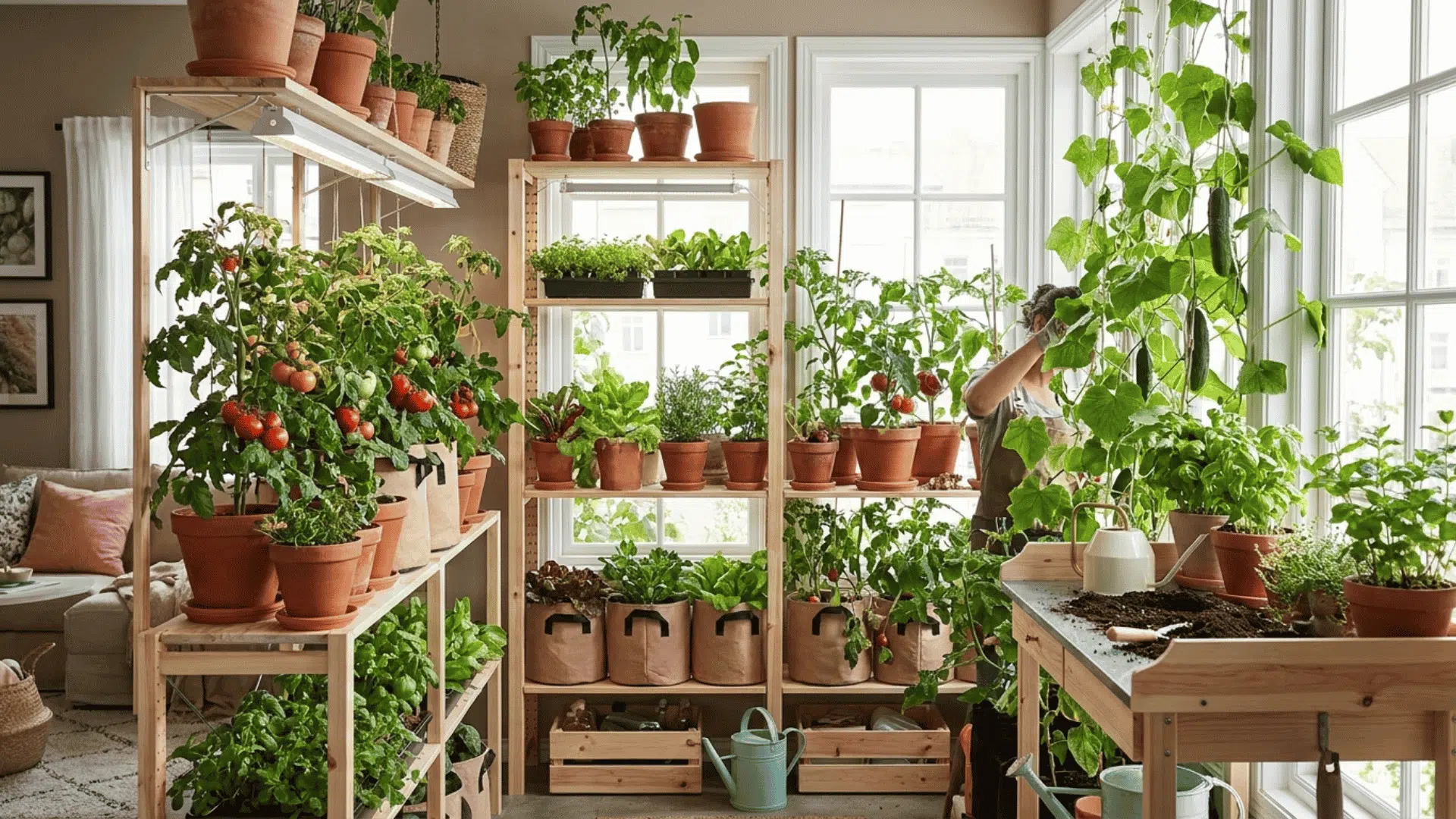
Starting an indoor vegetable garden is easier when you begin with simple plants and basic supplies. A few containers, good soil, sunlight, and regular watering are enough for most beginners.
1. Pick Easy Vegetables for Beginners
Start with vegetables that grow quickly and need less space.
| Vegetable | Why It’s Good for Beginners |
|---|---|
| Lettuce | Fast-growing |
| Spinach | Easy to care for |
| Basil | Grows well indoors |
| Green onions | Can regrow after cutting |
| Microgreens | Quick harvest |
Tips:
- Start with 2–3 plants only: Starting with a small number makes indoor gardening easier to manage. It also helps beginners learn watering, lighting, and plant care without feeling overwhelmed.
- Leafy greens usually grow best indoors: Vegetables like lettuce, spinach, and kale grow quickly, need less space, and usually adjust well to indoor conditions, making them a good choice for first-time gardeners.
2. Choose the Right Containers and Soil
Use containers with drainage holes so extra water can escape.
Best choices:
| Soil Type | Best Use |
|---|---|
| Potting mix | Everyday indoor gardening |
| Seed-starting mix | Growing seeds |
Tip: Avoid heavy garden soil indoors.
3. Seeds vs Starter Plants
Beginners often wonder if they should grow vegetables from seeds or buy starter plants.
Both options can work well indoors, but they offer different benefits depending on your experience level and how quickly you want results.
Starter plants are often easier for beginners because they are already growing and usually stronger than young seedlings.
They also help new gardeners avoid some common problems that happen during seed germination, such as weak sprouts or uneven growth.
Seeds are still a good choice if you enjoy watching the full growing process from the beginning.
4. Light and Water Basics
Indoor vegetables need the right balance of sunlight and watering to grow healthy and strong inside your home.
- Place plants near a sunny window: Indoor vegetables usually grow better with several hours of natural sunlight each day. Bright windows help plants stay healthy and support stronger leaves and stems.
- Water when the topsoil feels dry: Checking the top layer of soil before watering helps prevent overwatering and keeps moisture levels balanced for healthy growth.
- Avoid overwatering: Too much water can weaken roots and cause yellow leaves or root damage. Containers with drainage holes help remove extra water.
- Rotate pots for even growth: Turning pots every few days helps plants grow evenly instead of leaning toward one side where the sunlight is strongest.
Best Vegetables to Grow Indoors
Some vegetables grow better indoors because they need less space and are easier to manage in containers. Beginners usually get the best results with fast-growing and low-maintenance plants.
| Vegetable Type | Best Indoor Vegetables | Why They Grow Well Indoors |
|---|---|---|
| Leafy Greens | Lettuce, Spinach, Kale, Arugula | Grow quickly and need little space |
| Herbs | Basil, Mint, Parsley, Chives | Easy to maintain and useful for cooking |
| Small Vegetables | Radishes, Green Onions, Baby Beetroot, Microgreens | Good for containers and beginner-friendly |
| Tomatoes and Peppers | Cherry Tomatoes, Dwarf Tomatoes, Mini Peppers, Chili Peppers | Grow well indoors with enough light |
Indoor Vegetable Garden Care Tips
Indoor plants stay healthier when they get the right amount of water, light, and regular care. Small changes in your routine can help vegetables grow stronger and last longer indoors.
How to Prevent Weak Plants
Indoor plants can become weak when they do not receive enough light, airflow, or space to grow properly. Weak plants often look thin, pale, or stretched toward the nearest light source.
Giving your vegetables the right growing conditions can help them grow stronger and healthier indoors.
Things to know:
- Place plants near a sunny window. Bright sunlight supports healthy leaves and stems.
- Rotate pots every few days. Turning containers helps plants grow evenly on all sides.
- Use grow lights if sunlight is limited. Extra lighting helps indoor vegetables grow better in darker spaces.
- Avoid overcrowding plants. Proper spacing improves airflow and allows plants to receive enough light.
Weak plants often look thin, pale, or stretched toward the nearest light source.
Simple Pest Control Tips
Indoor plants can still attract small pests like aphids or whiteflies. Easy ways to control pests:
- Check leaves regularly: Look at both sides of the leaves every few days for small insects, holes, sticky spots, or color changes. Finding pests early makes them easier to control before they spread to other plants.
- Remove damaged leaves: Cut off yellow, dry, or heavily damaged leaves using clean scissors. This helps the plant focus its energy on healthy growth and can also stop pests from spreading further.
- Wipe leaves with clean water: Gently cleaning leaves with water helps remove dust, small insects, and sticky buildup. Clean leaves can also absorb light better, which supports healthier plant growth indoors.
- Keep plants spaced apart for airflow: Leaving space between plants improves air circulation and lowers the chance of mold, fungus, and pest problems. Crowded plants often trap moisture and make it easier for insects to spread.
Watering Mistakes to Avoid
Watering is one of the most important parts of indoor gardening, but it is also where many beginners make mistakes.
Too much or too little water can quickly affect plant growth and lead to weak roots, yellow leaves, or damaged vegetables.
Indoor plants usually need a balanced watering routine because containers dry differently depending on sunlight, room temperature, and plant size.
Common watering mistakes:
- Watering Every Day without Checking the Soil: Some plants still have enough moisture in the soil and do not need daily watering.
- Leaving Pots Sitting in Extra Water: Too much standing water can damage roots and increase the chance of root rot.
- Using Containers without Drainage Holes: Extra water needs a way to escape, so the soil does not stay overly wet.
- Allowing Soil to Become Completely Dry: Dry soil can weaken plants and slow growth.
A simple way to avoid most watering problems is to touch the top layer of soil before watering. If it still feels moist, wait another day before adding more water.
Small Space Indoor Gardening Ideas
You do not need a large area to grow vegetables indoors. Many plants grow well in compact spaces with simple setups.
| Indoor Gardening Idea | Best Plants | Why It Works Well |
|---|---|---|
| Windowsill Gardens | Basil, Mint, Lettuce, Green Onions | Gets natural sunlight and saves space |
| Shelf and Counter Setups | Herbs, Spinach, Small Greens | Keeps plants organized in small homes |
| Growing Microgreens Indoors | Broccoli, Radish, Mustard Greens | Needs very little space and grows quickly |
Final Thoughts
Starting an indoor vegetable garden is one of the easiest ways to enjoy fresh vegetables at home without needing a large outdoor space.
Even a small windowsill, shelf, or kitchen counter can become a good place for growing herbs, leafy greens, and other beginner-friendly plants.
Many people start with simple vegetables like lettuce, basil, spinach, or microgreens because they grow quickly and are easier to maintain indoors.
The key is to keep your setup simple in the beginning.
Choosing the right containers, giving plants enough light, and following a regular watering routine can make a big difference in plant growth.
Over time, you will better understand what works well in your home and which vegetables grow best in your space.
Indoor gardening can also become a relaxing daily habit while giving you fresh ingredients throughout the year.
Frequently Asked Questions
How Long does it Take for Indoor Vegetables to Grow?
It depends on the vegetable. Microgreens can grow in about 1–2 weeks, while lettuce and herbs may take a few weeks longer.
What Temperature is Best for Indoor Vegetable Plants?
Most indoor vegetables grow well in temperatures between 60°F and 75°F. Try to keep plants away from cold drafts and strong heat vents.
Can Indoor Vegetables Grow During Winter?
Yes, many vegetables can continue growing indoors during winter if they get enough light and proper care.
What Containers Work Best for Indoor Gardening?
Containers with drainage holes are usually the best choice because they help prevent extra water from staying around the roots.

Veronica Lee holds a Master’s degree in Landscape Architecture from Cornell University and has dedicated more than 15 years to transforming outdoor areas into artistic and sustainable spaces. Her career took off in a renowned landscape design firm, where she excelled in creating visually stunning and environmentally responsible designs. In 2019, Veronica brought her expertise to our platform, quickly becoming a key contributor to our outdoor design and sustainability sections. As the lead of our landscape innovation series ever since joining, she has inspired readers with her forward-thinking and practical approach. When not drafting designs, Veronica enjoys pottery and participates in local conservation efforts, activities that complement her professional ethos of blending art with nature.