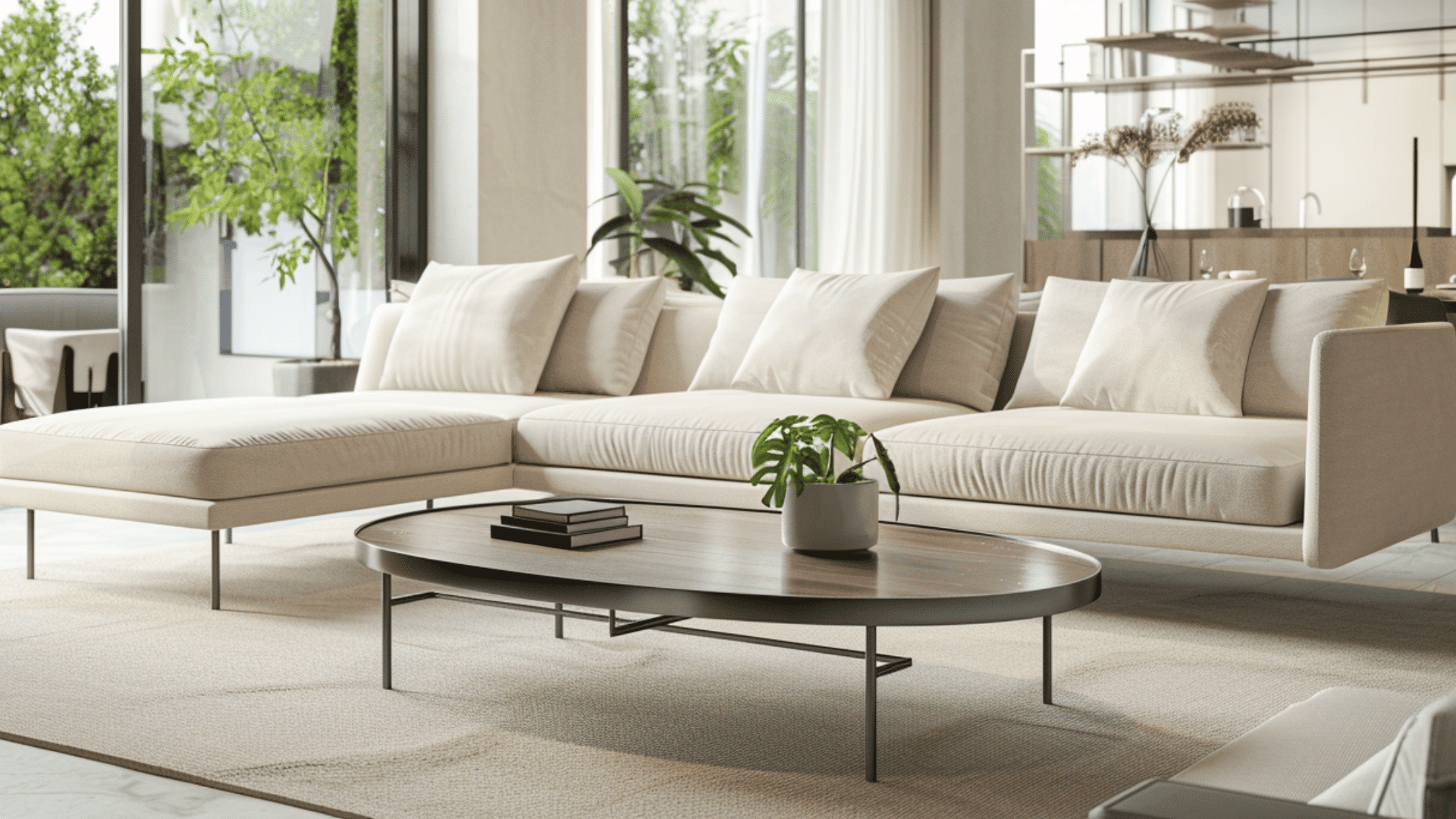

Tables play an important role in every home. They are used daily for eating, working, relaxing, and keeping things within reach.
From living rooms to bedrooms, the right table helps make each space useful and organized. Smaller options, such as side and bedside tables, add comfort without taking up much space.
Choosing from different types of tables also helps improve how a room looks and functions. This blog covers the various types and helps you choose the right one for your space.
Why Every Space Needs a Different Type of Table
Every room in your home has a different purpose, and that’s exactly why you need different types of tables to match those needs.
A dining table is designed for meals and gatherings, while a study table focuses on comfort and productivity. Using the same type of table everywhere won’t provide the functionality each space needs.
Different tables are also built with specific sizes, heights, and features to suit their environment. For example, a coffee table is low and compact for living rooms, while a console table is narrow to fit hallways or entryways.
Choosing the right table for each space not only improves usability but also improves the overall look and balance of your home.
Types of Tables that Fit Every Room and Need
The right choice can improve comfort, storage, and daily use. These ideas offer a mix of practical, useful options
that fit different rooms and needs.
1. Dining Table for Family Meals
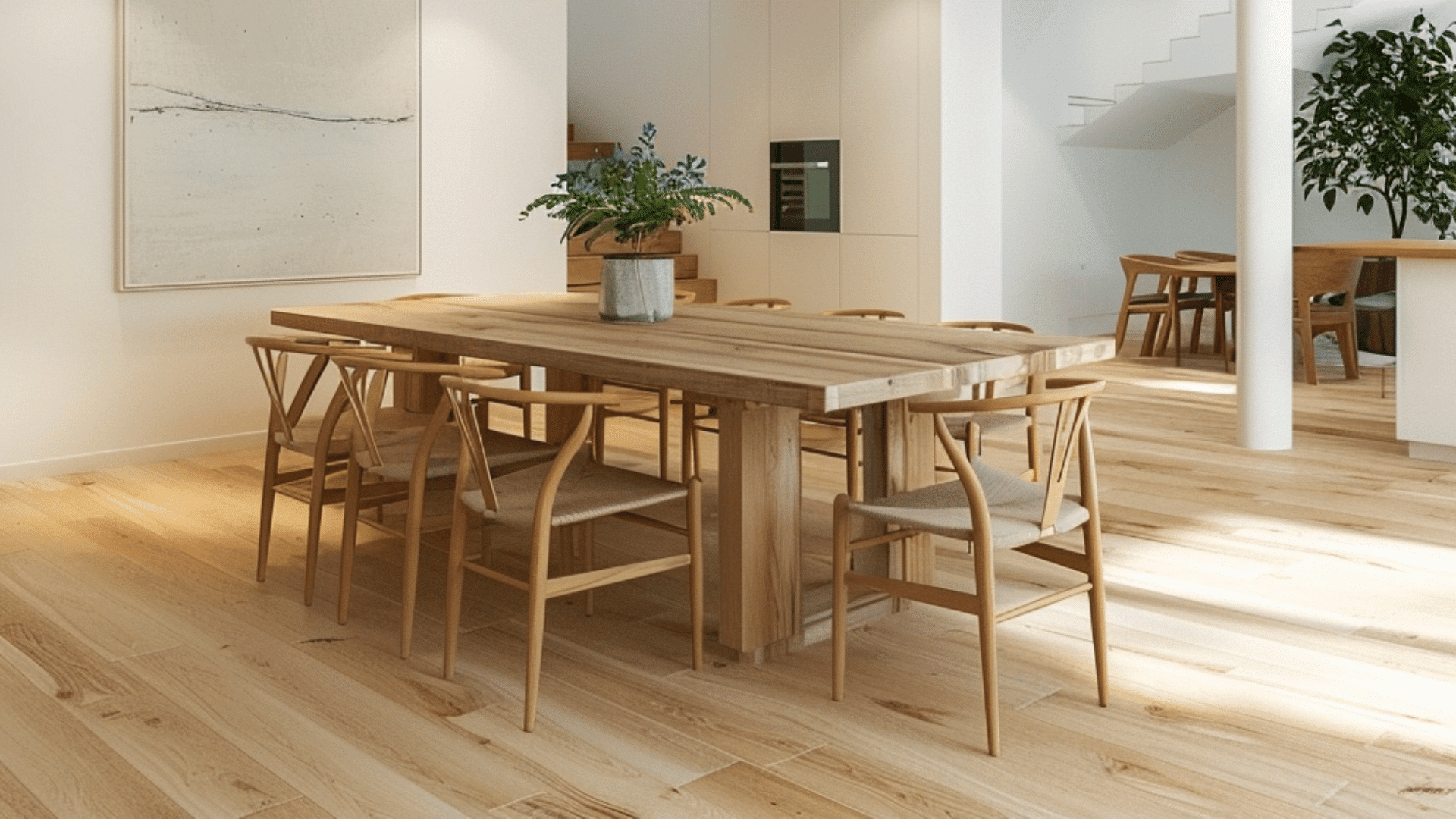
A dining table is often the largest table in the house, built with a strong and stable structure for everyday use.
It is usually placed in a central area with enough space for chairs and easy movement. It comes in shapes like rectangular or round, which can influence how the room feels and flows.
Uses:
- Used for daily meals and family gatherings
- Can double as a workspace for homework or office tasks
- Suitable for hosting small get-togethers or guests
- Acts as a central spot for conversations and shared activities
2. Coffee Table for Living Room
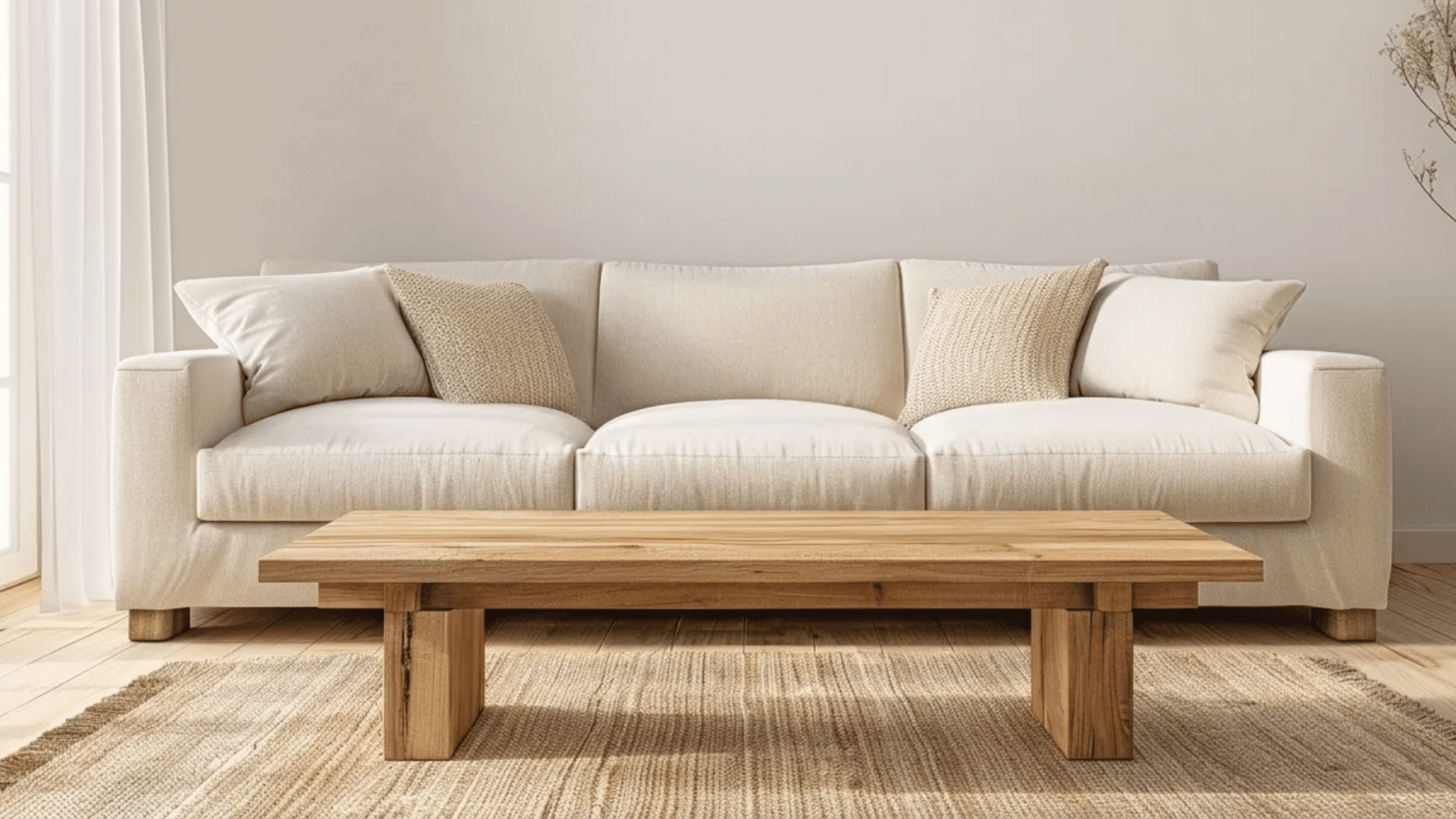
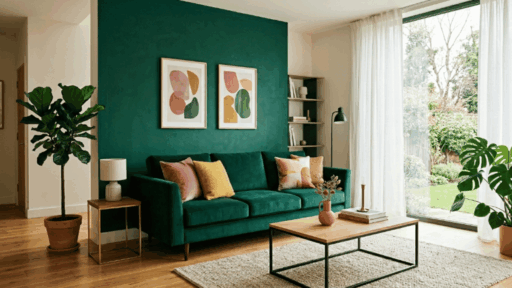
A coffee table sits in front of the sofa and supports everyday activities. It holds drinks, books, and small items within easy reach. Its low height makes it comfortable to use while seated.
Many designs include extra shelves or storage below. This table clearly defines the seating area. It also keeps the living room organized.
Uses:
- Holds drinks, snacks, and everyday items
- Keeps books, magazines, or remotes within reach
- Provides a surface for casual activities like games
- Offers extra storage with shelves or compartments
3. End Table Next to Seating
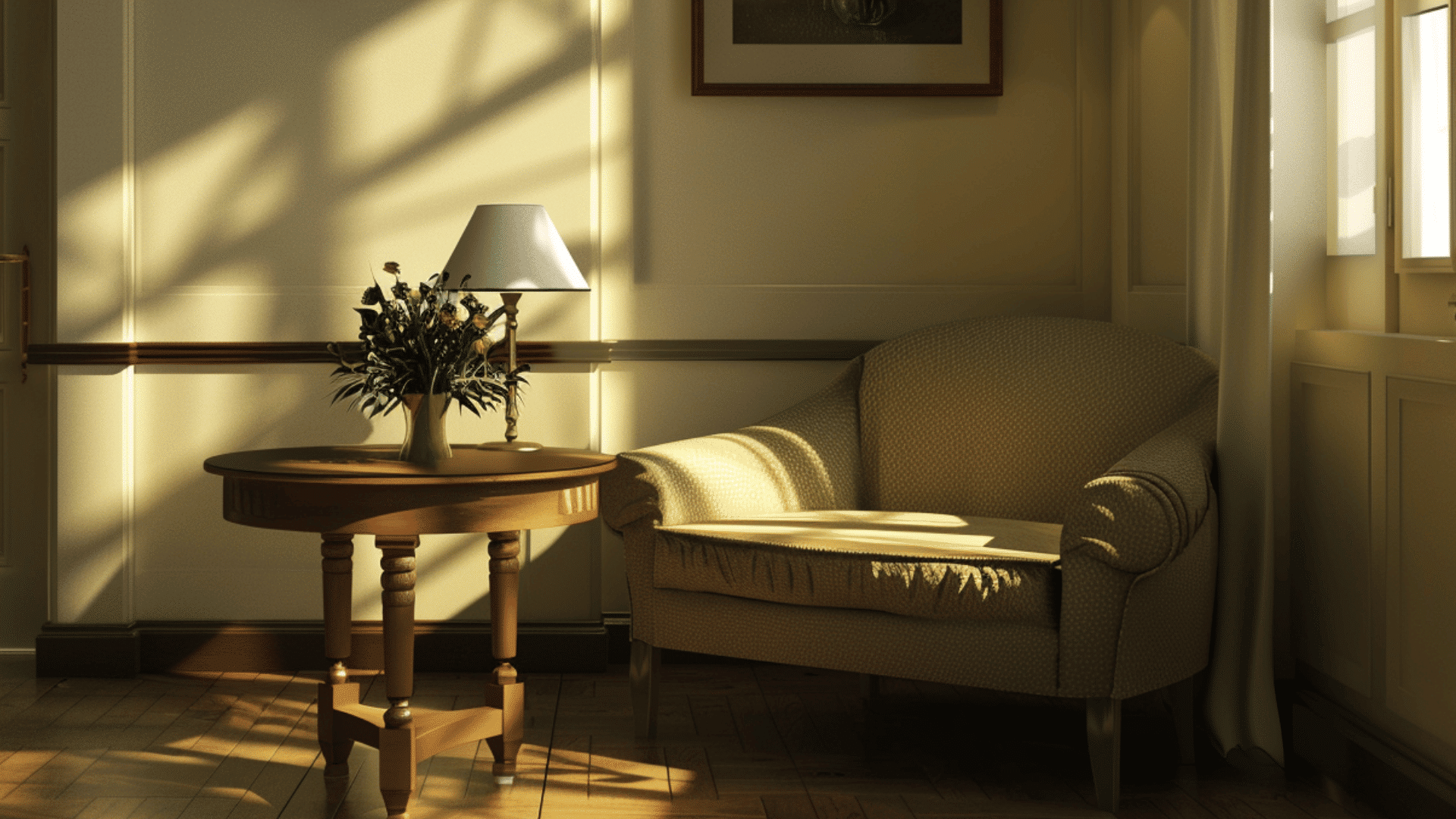
An end table is placed beside a chair or sofa for quick access. It is useful for keeping a lamp, phone, or cup nearby. Its small size makes it easy to fit in tight spaces.
It can also act as a small display spot for personal items. Many designs include drawers for extra storage. Its simple design makes it easy to match with other furniture.
Uses:
- Keeps personal items like glasses or keys nearby
- Creates symmetry when placed in pairs
- Helps manage clutter around seating zones
- Offers hidden storage for small accessories
4. Console Table for Styling
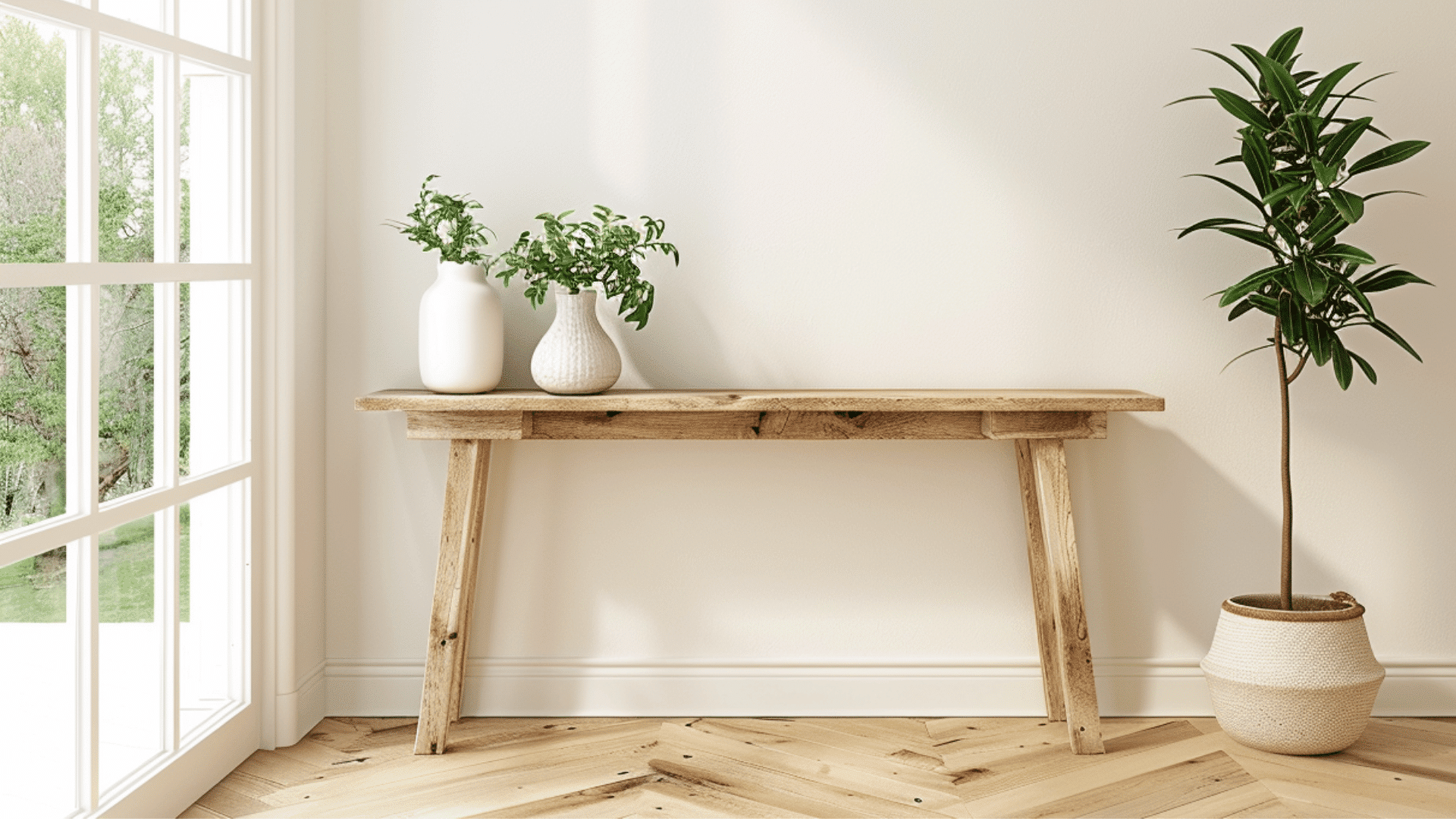
A console table is long and narrow, often placed against a wall. It is commonly used near entryways to hold keys or daily items. Its slim design makes it suitable for narrow spaces.
It can also be placed behind a sofa for extra surface space. This table helps organize items near the entrance. It also gives empty walls a clean, structured look.
Uses:
- Acts as a drop-off spot for entryway items
- Displays decorative pieces along walls
- Fills narrow spaces without blocking movement
5. Bedside Table with Storage Space
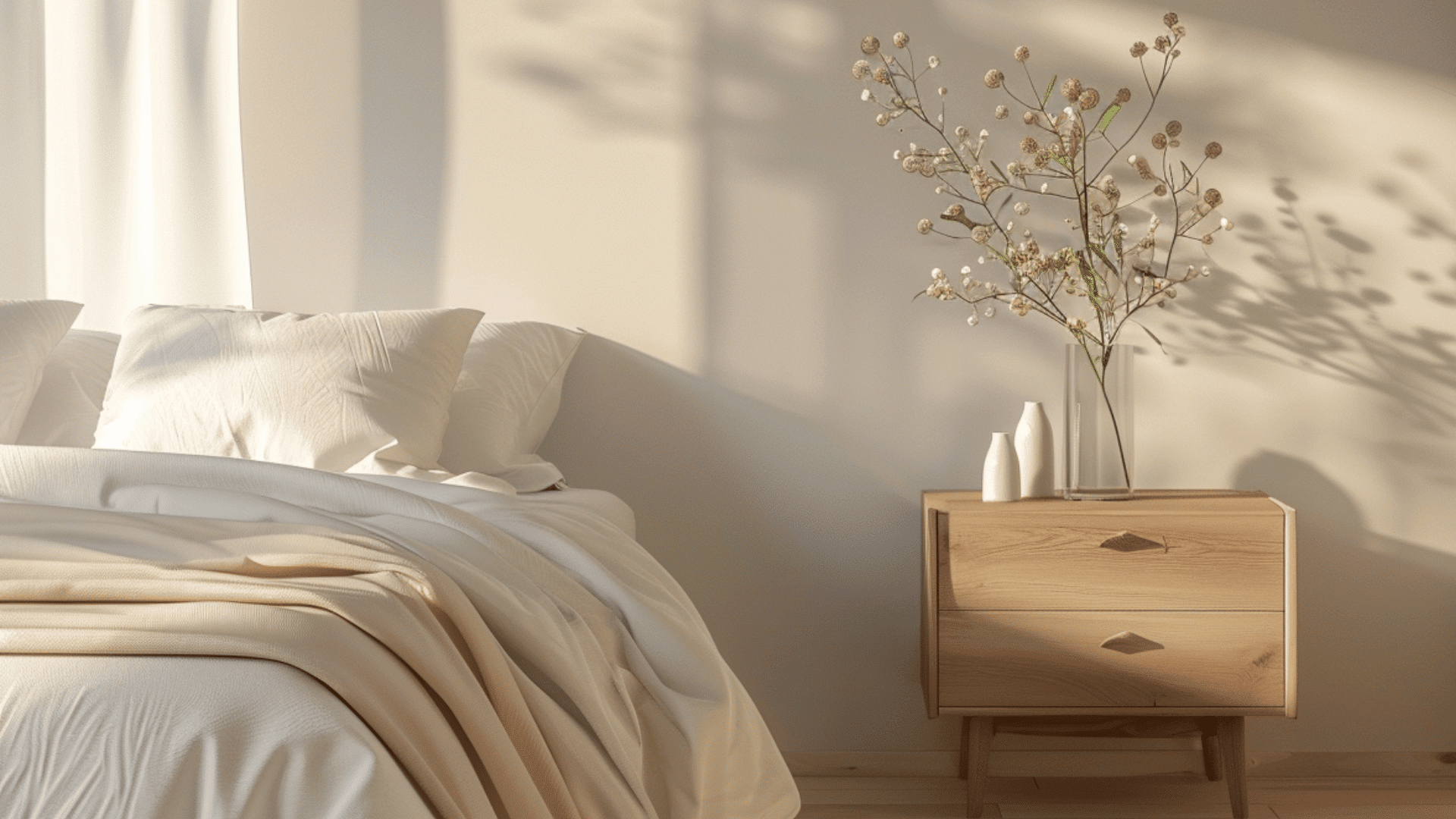
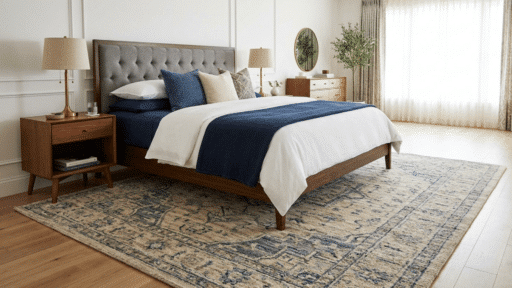
A bedside table sits next to the bed, keeping essentials close. It often includes drawers or shelves for storage. Items like books, glasses, and chargers can be kept within reach.
This table supports daily routines, such as reading or relaxing. It also holds a lamp for soft lighting. A compact design works best in smaller bedrooms.
It helps keep nighttime items in one place. This reduces the need to get up often during the night. It also keeps the bedroom looking neat and organized.
Uses:
- Keeps nighttime essentials within arm’s reach
- Stores personal items like chargers or journals
- Holds items needed during rest hours
6. Nesting Tables for Flexible Setup
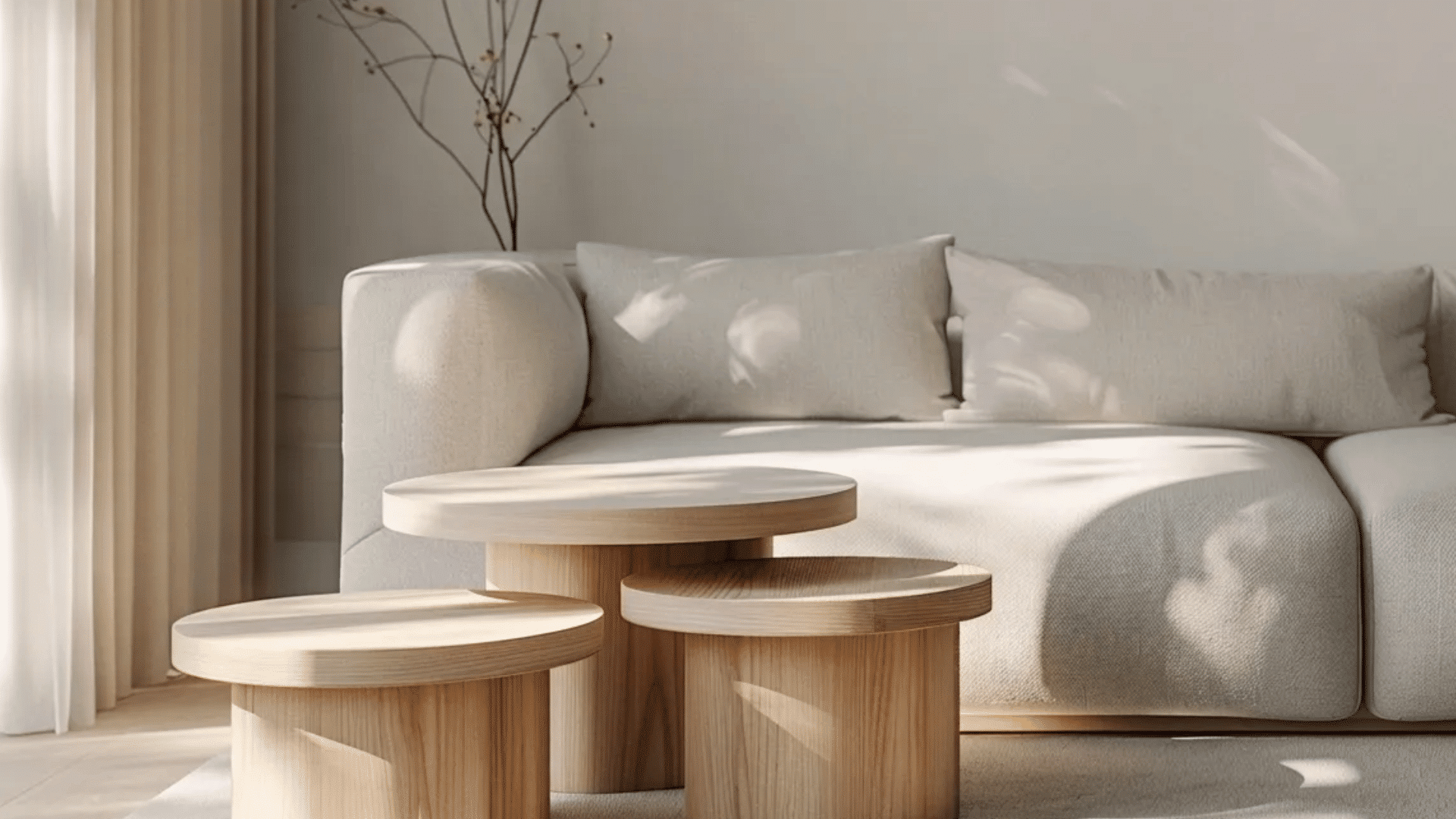
Nesting tables come in sets and can be stacked together. They are useful when extra surface space is needed. Each piece can be used separately or stored together.
This makes them ideal for small homes. They can be moved easily from one room to another. These types of tables are a smart choice for flexible layouts.
Uses:
- Expands surface space only when required
- Allows separate use in different areas
- Saves space when stacked together
- Adapts to changing room needs
- Works as temporary tables for guests
7. Outdoor Table for Patio or Balcony
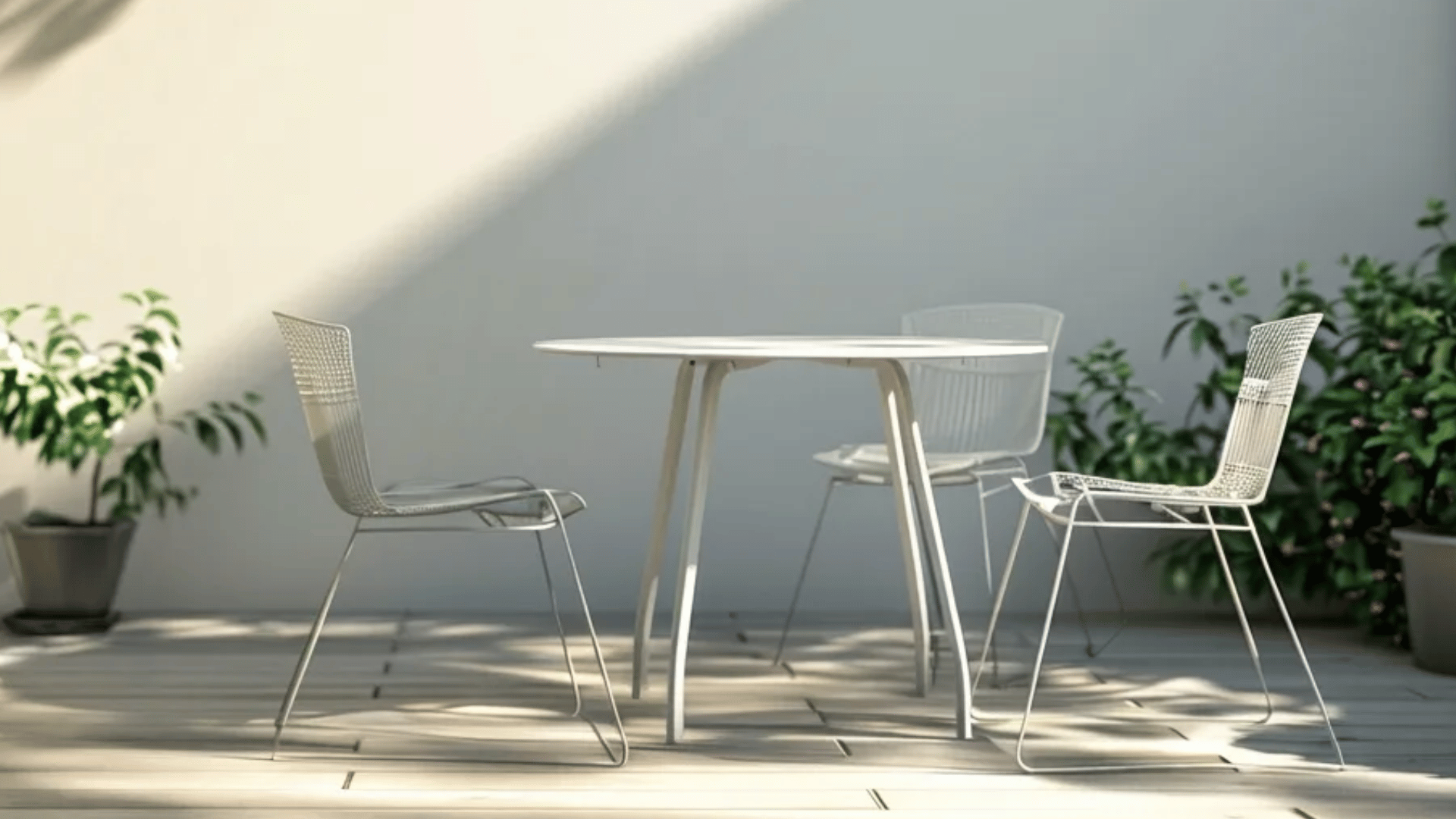
An outdoor table is made to handle sun, rain, and dust. It is used in patios, balconies, or garden areas. Materials like metal or treated wood improve durability.
It can be paired with chairs or benches to complete the setup. Some designs include foldable features for easy storage. It also helps make outdoor areas more usable.
Uses:
- Supports outdoor dining setups
- Holds gardening tools or planters
- Creates a spot for morning tea or coffee outside
- Completes patio seating arrangements
8. Ottoman Style Table with Soft Top
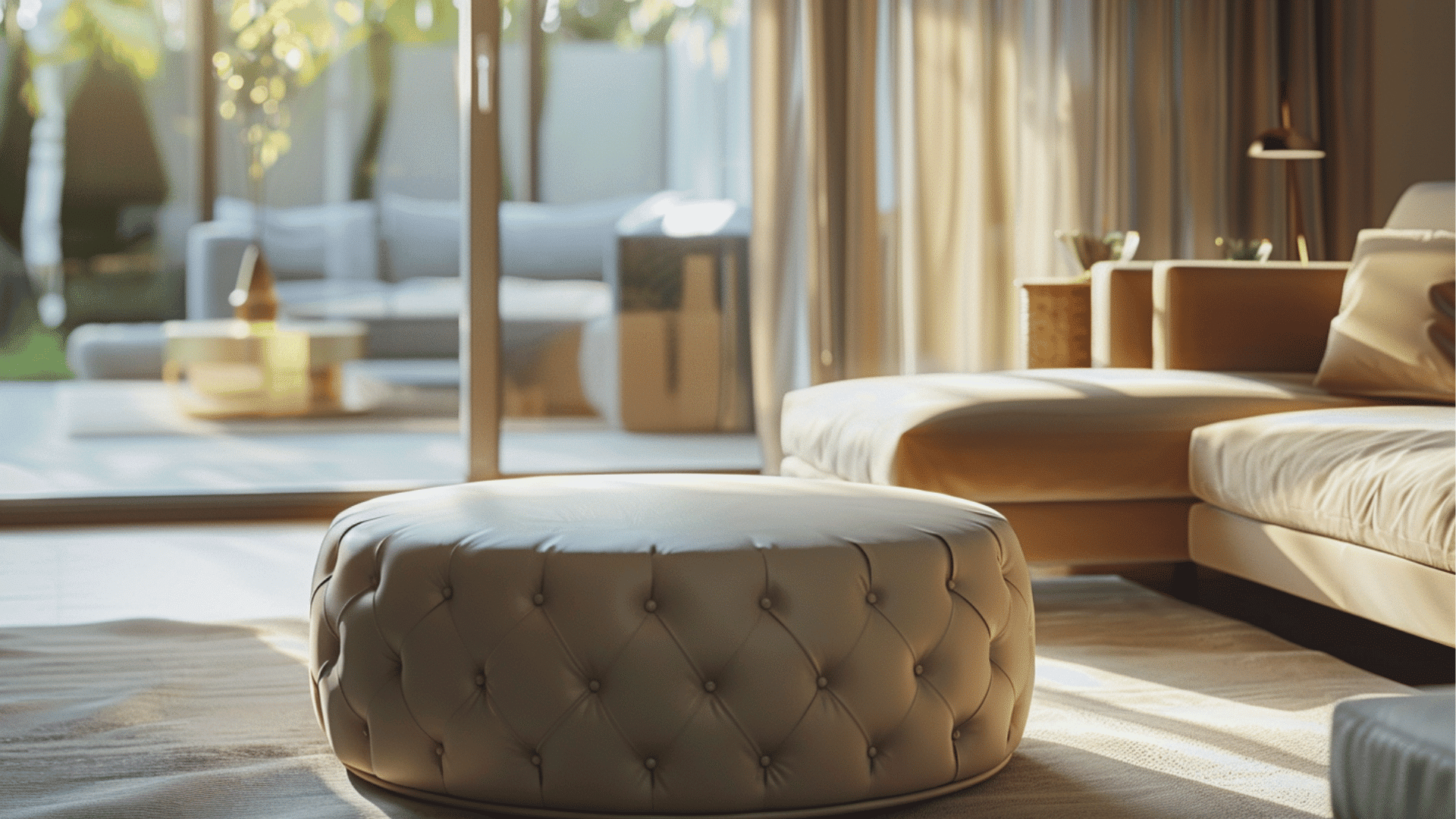
This table has a padded top and serves multiple purposes. It can be used as a footrest or extra seating. A tray can be added on top for drinks or books.
This design works well in relaxed living spaces. It adds comfort along with function. Soft edges also make it safer for homes with kids.
Uses:
- Supports trays for light serving
- Softens the look of seating areas
- Adds safety with cushioned edges
9. High-Top Table with Bar Seating
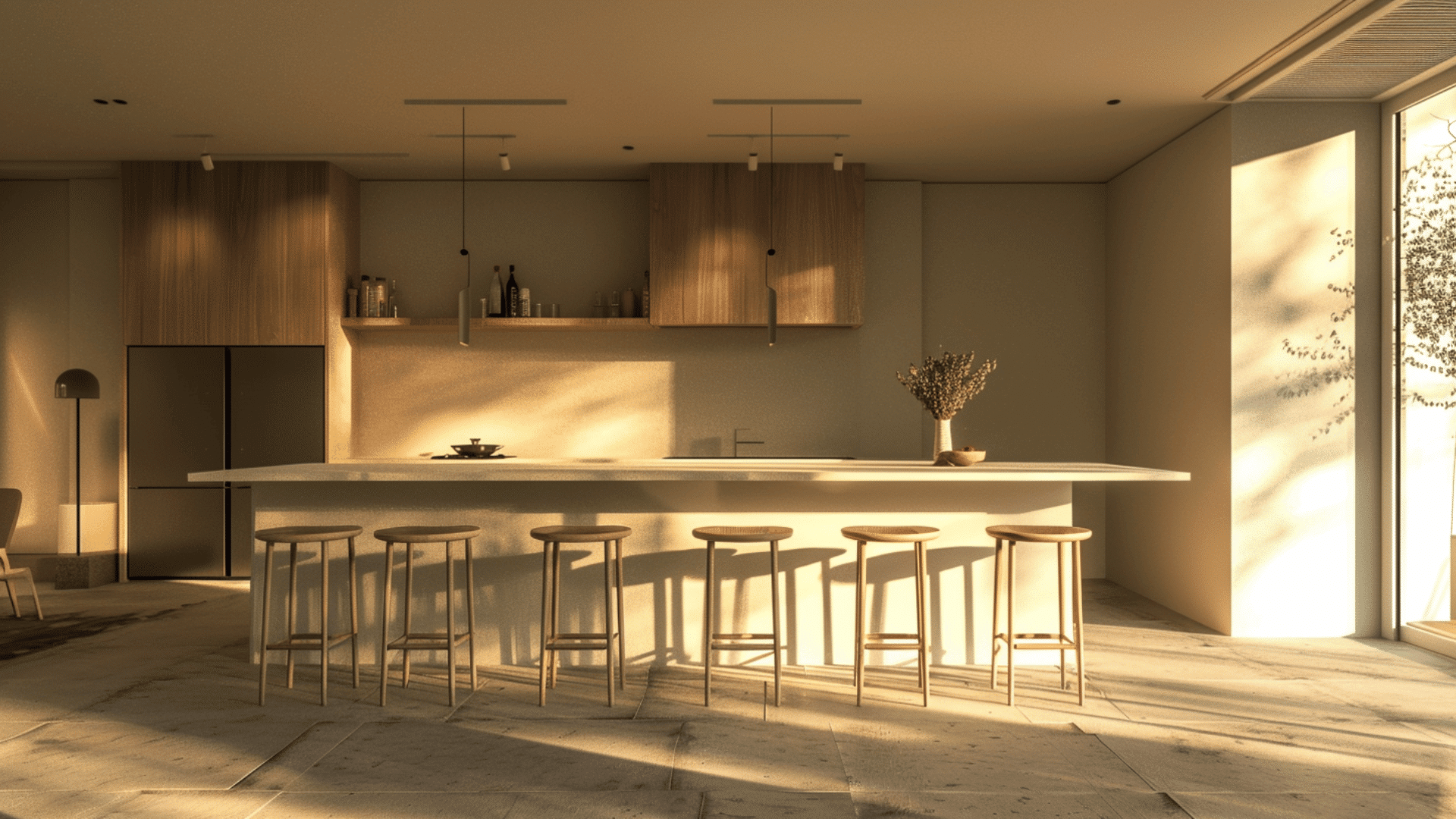
A high-top table is taller than a standard table and pairs well with stools. It is often used for quick meals or casual seating. This setup works well in small kitchens or corners.
It creates a more upright seating position. It also takes up less floor space compared to large dining setups. These types of tables suit modern, compact homes.
Uses:
- Creates a casual dining spot in small areas
- Encourages standing conversations
- Works as a compact breakfast station
- Adds vertical interest to room layouts
10. Drink Table with Compact Surface
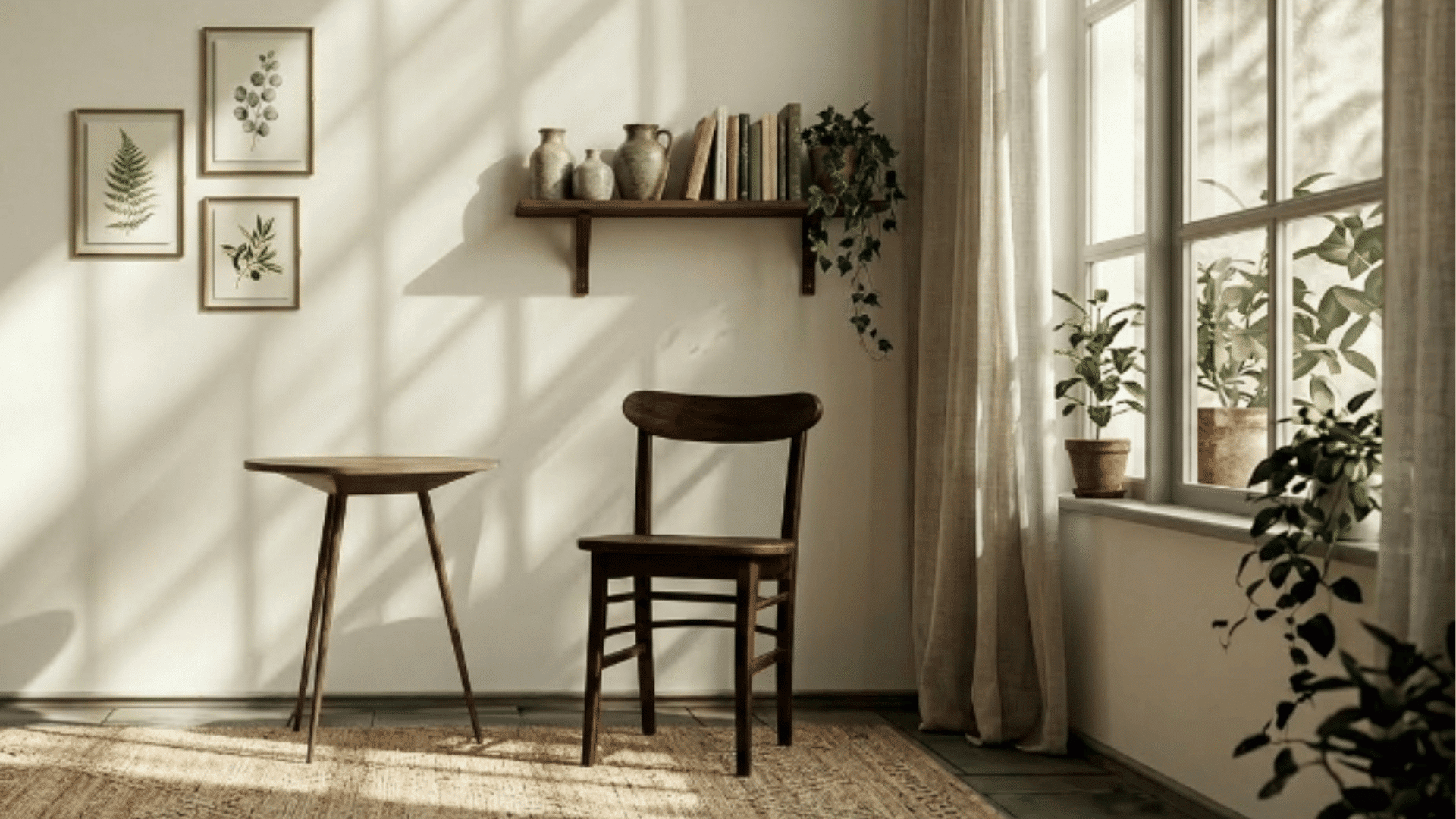
A drink table is very small and designed for a single purpose. It does not take up much room but adds convenience. It is easy to move and place anywhere needed. It works well in small seating areas with limited space.
Uses:
- Holds a single beverage beside seating
- Fits into narrow or unused gaps
- Provides quick access without clutter
- Moves easily between rooms
- Supports minimal setups
11. Pedestal Table with Single Base
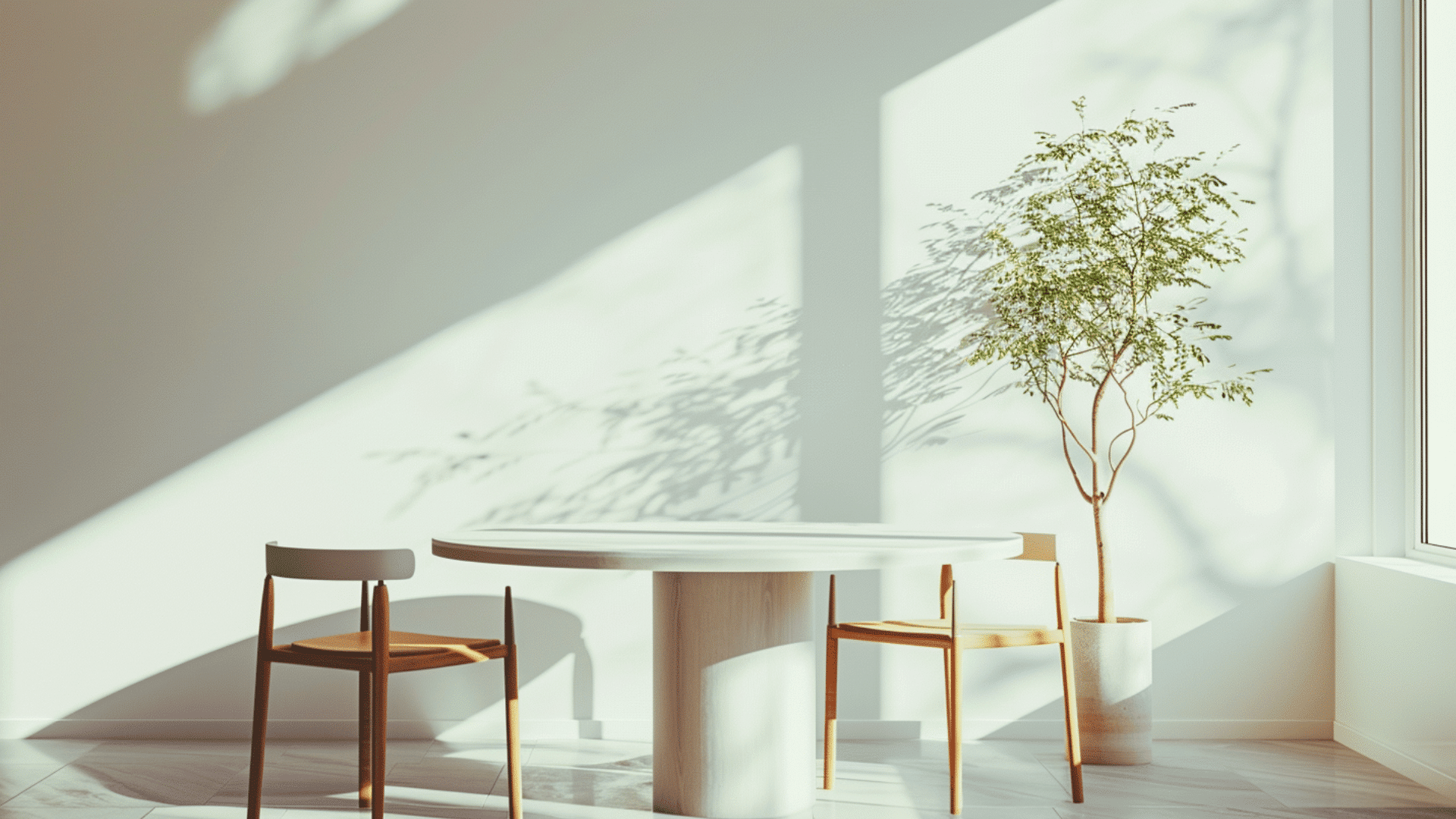
A pedestal table stands on a single central base rather than four legs. This design allows more legroom and flexible seating. It is often used in dining or small seating areas.
These types of tables offer both function and a layout. It allows chairs to slide in without obstruction. It also gives the room an open feel.
Uses:
- Maximizes legroom for seating comfort
- Fits well in compact dining areas
- Simplifies cleaning underneath
- Supports small group seating
12. Extendable Table for Extra Guests
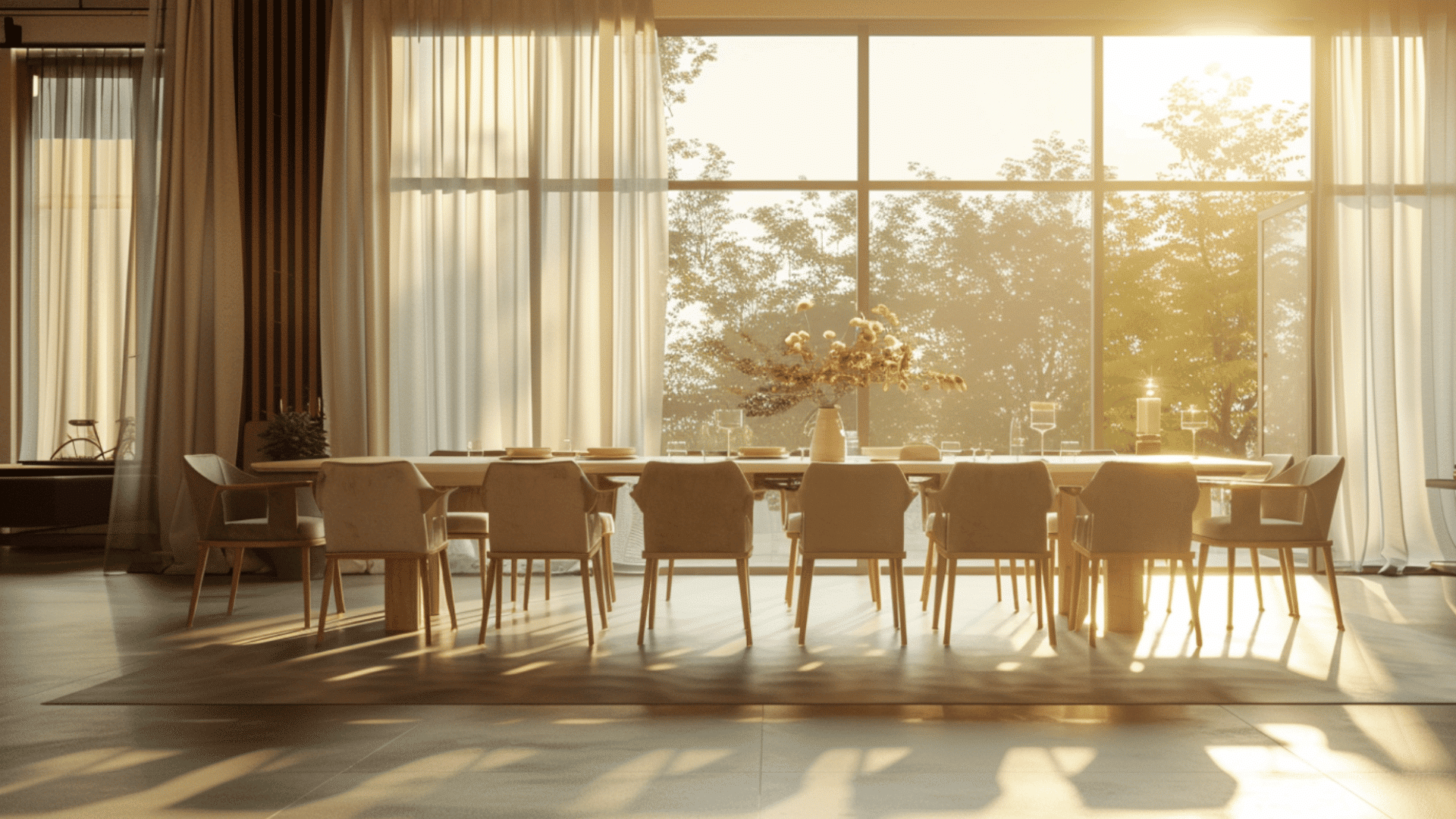
An extendable table can expand when needed. It is useful for hosting guests without the need for extra furniture. the extra sections can be added quickly.
This helps save space on regular days. It can be used as a standard table when not extended. It is a practical option for growing families. It also supports both daily use and special occasions.
Uses:
- Adjusts size based on daily use
- Reduces the need for additional tables
- Supports both regular meals and events
- Helps manage space efficiently
13. Accent Table for Decorative Use
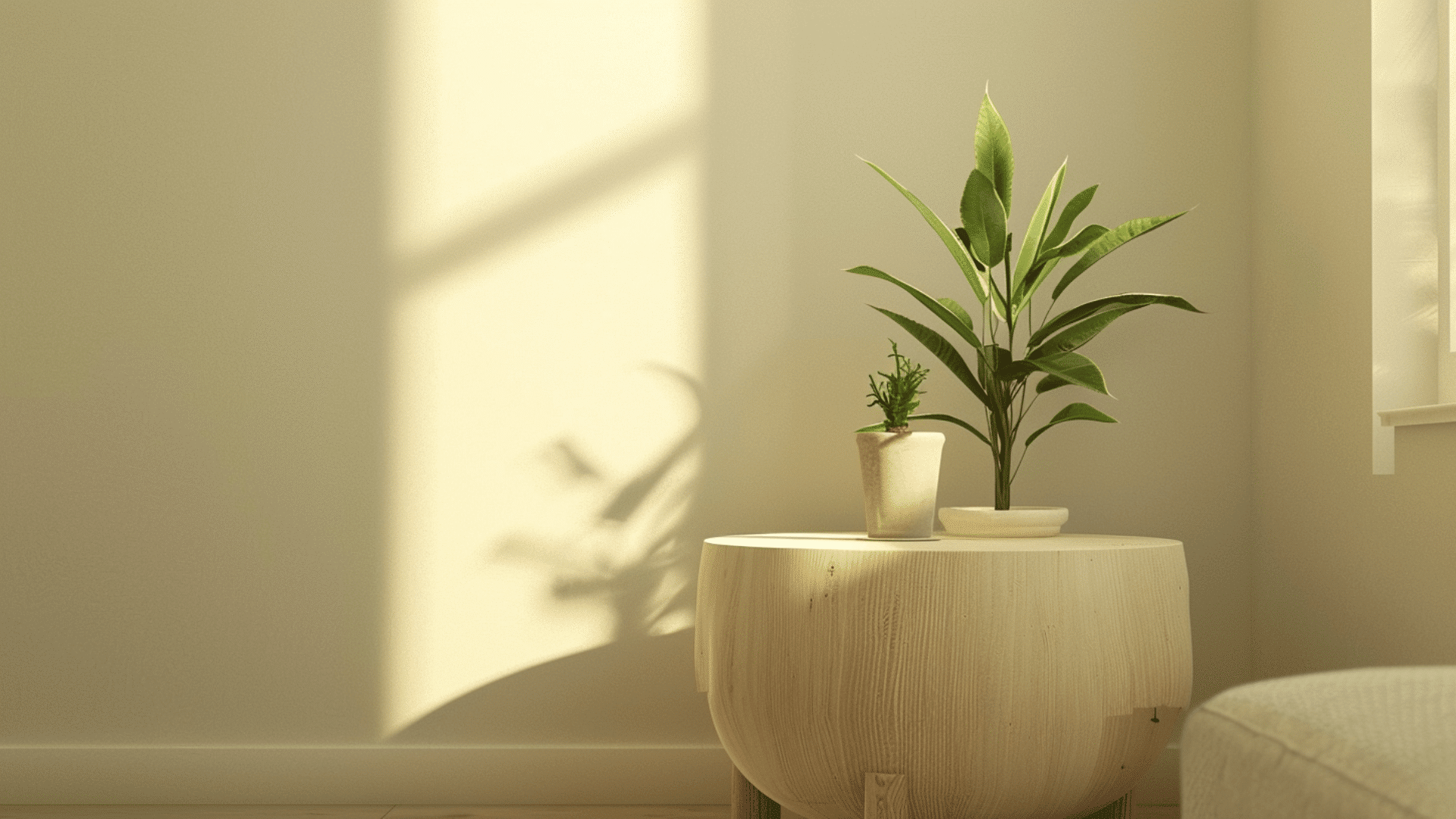
An accent table is primarily used for display. It is usually placed in corners or near walls. This table adds detail to empty spaces.
It can highlight certain areas of a room without taking up much space. Many designs come in unique shapes and finishes.
Uses:
- Highlights decor pieces in empty corners
- Adds detail to unused spaces
- Supports lightweight decorative items
- Breaks up plain wall areas
- Completes room styling
14. Folding Table for Easy Storage
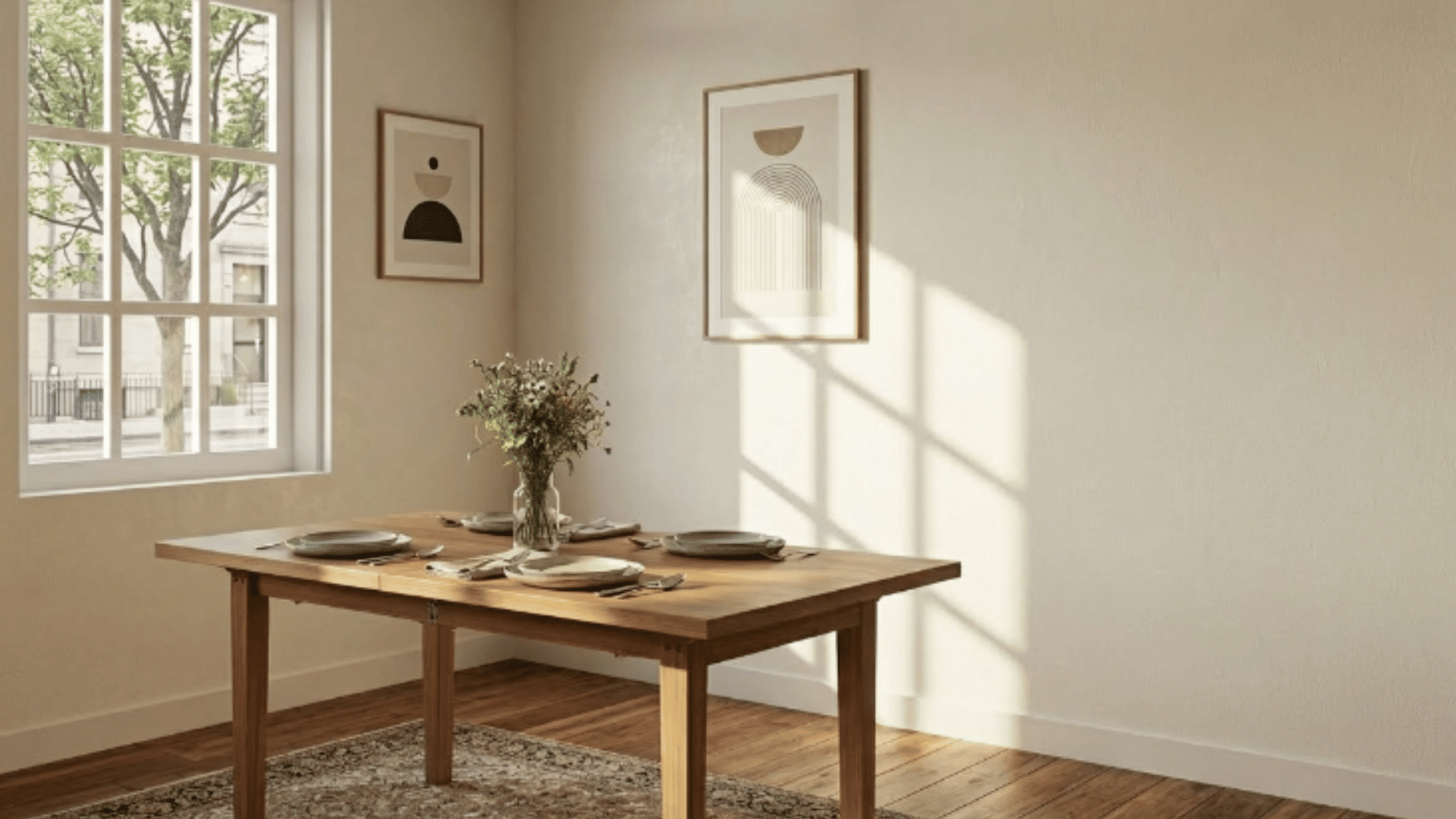
A folding table can be collapsed and stored when not needed. It is useful for temporary setups, such as events or extra seating. This design works well in homes with limited space.
It can be opened and closed quickly. It is also easy to carry and move around. It provides a quick solution without taking up permanent space.
Uses:
- Sets up quickly for temporary needs
- Stores away when not in use
- Works for events or extra seating
- Moves easily between spaces
- Saves room in compact homes
15. Side Table Next to Seating
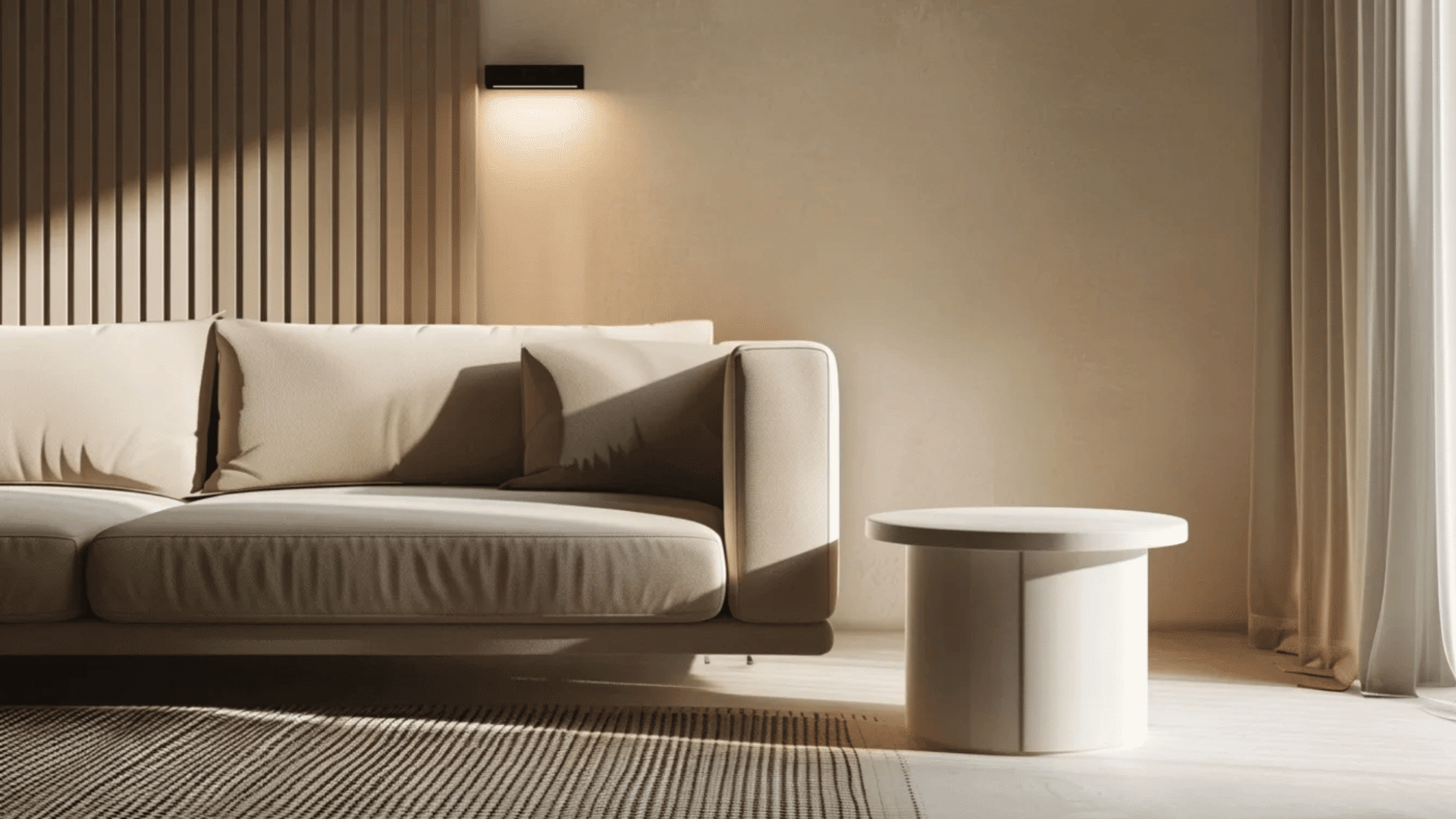
A side table is a small and practical piece placed next to a sofa or chair. It helps keep everyday items like a phone, book, or drink within easy reach.
It also adds balance to seating arrangements by filling empty gaps beside furniture. Many designs come with simple shelves or drawers for extra storage.
Uses:
- Keeps daily items close to seating areas
- Supports small decor or lighting pieces
- Fills gaps beside furniture neatly
- Adds function to unused corners
How to Choose the Right Table for Your Space
Choosing from differenttypes of tables becomes easier when you focus on space, purpose, and daily use.
| Factor | What It Means | Why It Matters |
|---|---|---|
| Check the Room Size | Measure available space and allow room for movement | Prevents overcrowding and blocked pathways |
| Think About the Purpose | Decide how the table will be used daily | Helps choose the right type quickly |
| Pick the Right Shape | Choose between round, rectangular, or other shapes | Affects layout, flow, and space usage |
| Match the Style | Align table design with existing furniture | Keeps the room balanced and cohesive |
| Focus on Height & Proportion | Ensure table height fits with nearby furniture | Improves comfort and usability |
| Look for Storage Options | Choose tables with drawers or shelves | Adds extra storage in small spaces |
| Consider Flexibility | Opt for foldable or extendable designs | Adapts to changing needs and saves space |
Conclusion
Tables help shape how a home works day to day. Each one adds value in different ways, from saving space to making daily tasks easier.
The right choice depends on how a room is used and how much space is available. Looking at different types of tables makes it easier to find options that match both function and layout.
Think about how each room is used and what is missing in each. Take a moment to review your space and see what fits best. Pick a table that supports your routine and makes daily life simpler.

Ava Taylor, holding a Bachelor’s degree in Interior Design from the Pratt Institute, has made her mark in creating engaging and functional living spaces for over 14 years. She began her career with a New York-based design studio, where she gained a reputation for her innovative and user-centric designs. Ava joined our team in 2019, bringing a blend of artistic flair and practicality to our home improvement section. Since the she has been the lead contributor to our room transformation series, inspiring readers with her unique approach to maximizing space utility and aesthetic appeal. Beyond her professional work, Ava is a passionate collector of vintage furniture, a hobby that enriches her design perspective.