
A home security alarm can turn a quiet moment into an urgent situation within seconds, but the sound of a siren is only one part of what may happen after a system detects a possible threat.
Homeowners researching professional monitoring for home security can find information about professional central-station and self-monitoring plans, communication options, remote system controls, notifications, and related security features available for compatible alarm systems.
Understanding the sequence from sensor activation to notification and possible emergency response can help homeowners know what their security system is designed to do when an alarm occurs.
The Alarm Begins With a Triggered Sensor
Most alarm events begin when a security device detects an activity that matches its programmed conditions. A door or window contact may register that an entry point has opened, while a motion detector may identify movement inside an armed area. Other devices can detect events such as broken glass, smoke, heat, or potentially dangerous environmental conditions.
The control panel receives the signal from the triggered device and processes it based on how the system has been configured. Depending on the sensor and system settings, the panel may immediately initiate an alarm or provide a short entry delay that allows an authorized person to disarm the system.
This distinction helps prevent normal entry through designated doors from being treated the same way as unexpected activity elsewhere in the property.
The Siren Alerts People at the Property
When the control panel confirms an alarm condition, an indoor or outdoor siren may activate to draw immediate attention to the event. The noise can warn occupants that something requires attention and may also discourage an intruder from remaining inside the property. Some systems can produce different sounds depending on whether the event involves security, fire, or another type of emergency.
A siren is useful for people who are close enough to hear it, but its reach is naturally limited. If nobody is home, occupants are sleeping deeply, or neighboring properties are some distance away, the alarm could receive little immediate attention. This is one reason connected communication has become an important part of many modern security systems.
The System Communicates Beyond the Home
Connected alarm systems can transmit information through technologies such as an internet connection, a cellular network, or a combination of communication paths.
This connection allows an alarm event to travel beyond the control panel rather than remaining only as a local warning. The exact communication method depends on the equipment, monitoring arrangement, and services associated with the system.
Using more than one communication path can also provide additional resilience in some installations. For example, a system configured with both internet and cellular communication may have an alternative way to transmit information if one connection becomes unavailable. Homeowners should understand which communication technologies their equipment uses and whether their setup includes backup communication.
Notifications Can Reach the Homeowner
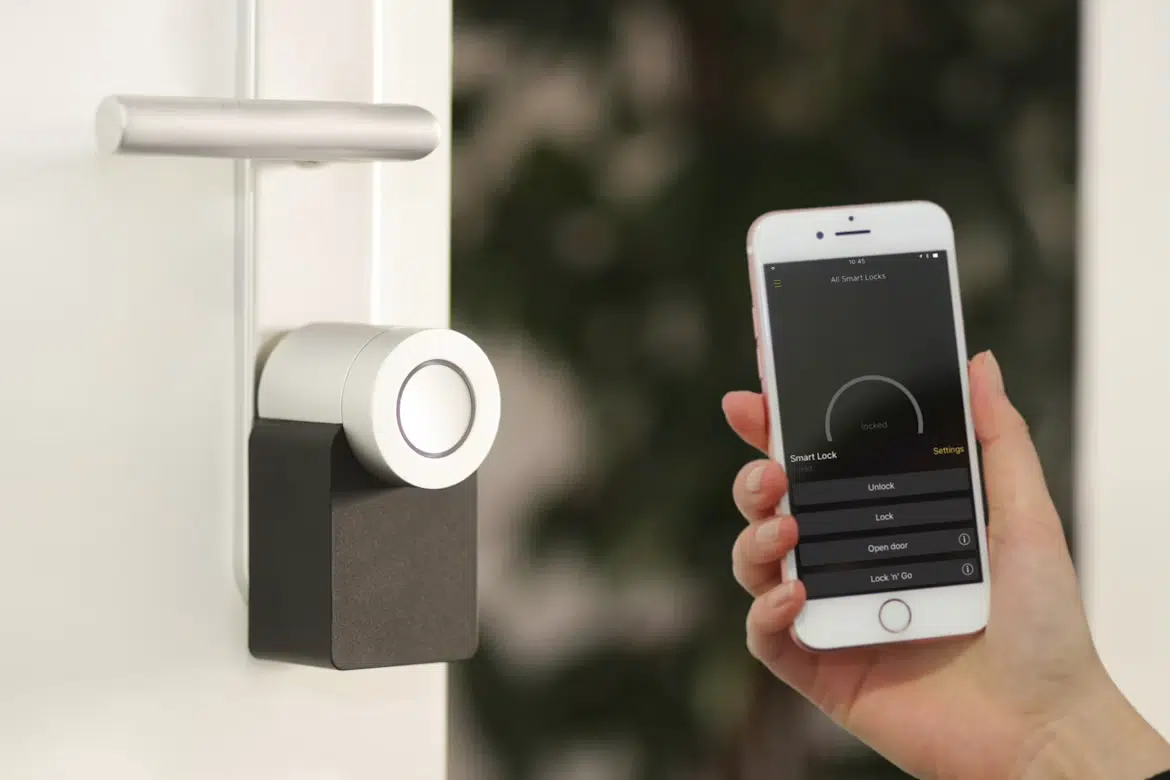
Modern security platforms may send alerts to a smartphone or other connected device when certain events occur. Depending on the system and service, these notifications can identify that an alarm was triggered and may provide information about the sensor or zone involved. Remote access can also allow users to check system status or review other available information without being physically present at the property.
Notifications can be particularly valuable when homeowners are at work, traveling, or otherwise unable to hear the alarm themselves.
However, receiving an alert does not automatically mean that emergency services have been contacted or that someone else is responding to the event. The next steps depend heavily on whether the system is self-monitored or connected to a professional monitoring service.
A Monitoring Center May Receive the Signal
With professional monitoring, an alarm signal can be transmitted to a monitoring center where trained operators handle incoming events according to established procedures. The operator may attempt to contact the homeowner or another authorized person to determine whether the alarm represents a genuine emergency. Verification procedures can vary depending on the alarm type, monitoring provider, local requirements, and information available.
If the situation appears to require emergency assistance, the monitoring center may contact the appropriate emergency service in accordance with its procedures. This provides another layer of response when the homeowner cannot immediately see or respond to an alert.
It is important to remember that monitoring does not guarantee a particular emergency response time, since dispatch and arrival depend on circumstances outside the security provider’s control.
False Alarms Need to Be Handled Carefully
Not every alarm signal represents a burglary or emergency, and false alarms can occur for several reasons. Someone may enter without disarming the system, a sensor may be triggered accidentally, or equipment may require maintenance or adjustment. Understanding how to cancel or verify an accidental alarm can help homeowners respond appropriately when a mistake occurs.
Regular maintenance can also reduce avoidable alarm events and help security equipment continue operating as intended. Homeowners should replace batteries when required, investigate recurring sensor problems, keep contact information current, and make sure authorized users understand basic system operation. Changes to doors, windows, furniture, pets, or household routines may also make it necessary to review sensor placement or settings.
Preparation Matters Before an Alarm Happens
The middle of an alarm event is not the ideal time to learn how a security system works. Household members should know how to arm and disarm the system, recognize important alerts, and follow the appropriate procedure if an alarm activates accidentally. Emergency contacts and notification settings should also be reviewed periodically so outdated information does not interfere with communication.
Homeowners should understand what their particular monitoring plan includes rather than assuming every service operates in the same way. Features such as cellular communication, remote controls, video capabilities, automation, notifications, and central-station monitoring can vary between plans and equipment. Reviewing these details in advance provides a clearer understanding of what should happen when a sensor eventually triggers an alarm.
Conclusion
What happens after a home security alarm goes off depends on the equipment, communication method, monitoring arrangement, and type of event involved. A triggered sensor may lead to a local siren, remote notifications, transmission to a monitoring center, verification procedures, and potentially contact with emergency services when appropriate.
Knowing how these stages work before an emergency occurs can help homeowners use their security systems more effectively and respond with greater confidence when an unexpected alarm demands their attention.

Tommy Hardy, an alumnus of the Georgia Institute of Technology with a degree in Mechanical Engineering, has been a go-to figure in residential upkeep and innovation for over 18 years. His career commenced in a leading home appliance manufacturing company, where he mastered the intricacies of household systems. Joining our platform in 2020, Tommy quickly became a reader favorite for his practical and easy-to-follow guides. He took the helm of our DIY section in 2019, consistently delivering content that empowers homeowners. Beyond his professional pursuits, Tommy is a passionate gardener and enjoys woodworking, skills enhancing his hands-on approach to home care.