
Why Your Electricity Bill Can Feel Confusing
Have you ever opened your electricity bill and felt unsure what it all means?
You’re not alone. Many people see numbers and terms like “kWh” but don’t know how they affect the final cost.
Most people just look at the total amount and move on, without really understanding what’s driving it.
The good news is, it’s much simpler than it sounds.
Once you understand one key thing – kWh – your bill starts to make a lot more sense.
What Does kWh Mean in Simple Terms?
kWh stands for kilowatt-hour.
It measures how much electricity you use over time.
Think of it like this:
- Running a heater for 1 hour uses a set amount of kWh
- Using your oven adds more
- Leaving lights on all day also adds up
- Charging devices, running TVs, and using appliances all contribute
Every time you use power, you are adding to your kWh usage.
It’s not just about what you use, it’s about how long you use it for.
Why kWh Matters More Than You Think
kWh is one of the biggest factors that affects your bill.
The more kWh you use, the more you pay.
What makes this tricky is that usage builds up in the background. You don’t always notice it happening day to day.
Small habits can increase your usage without you realising:
- Leaving appliances on standby
- Running heating or cooling longer than needed
- Using appliances more often
- Charging multiple devices at once
These small things don’t seem like much on their own.
But over time, they add up and can have a big impact on your bill.
How kWh Shows Up on Your Bill
Your electricity bill shows your total kWh usage.
It also includes:
- Cost per kWh
- Total usage for the billing period
- Daily supply charges
This is how your final bill is calculated.
Your usage (kWh) is multiplied by your rate, then supply charges are added on top.
This is why understanding your usage matters, it’s the part you can actually control.
If you want a clearer picture of your electricity costs, looking at real examples can help make sense of your usage and where your bill compares.
What Uses the Most Electricity in Your Home
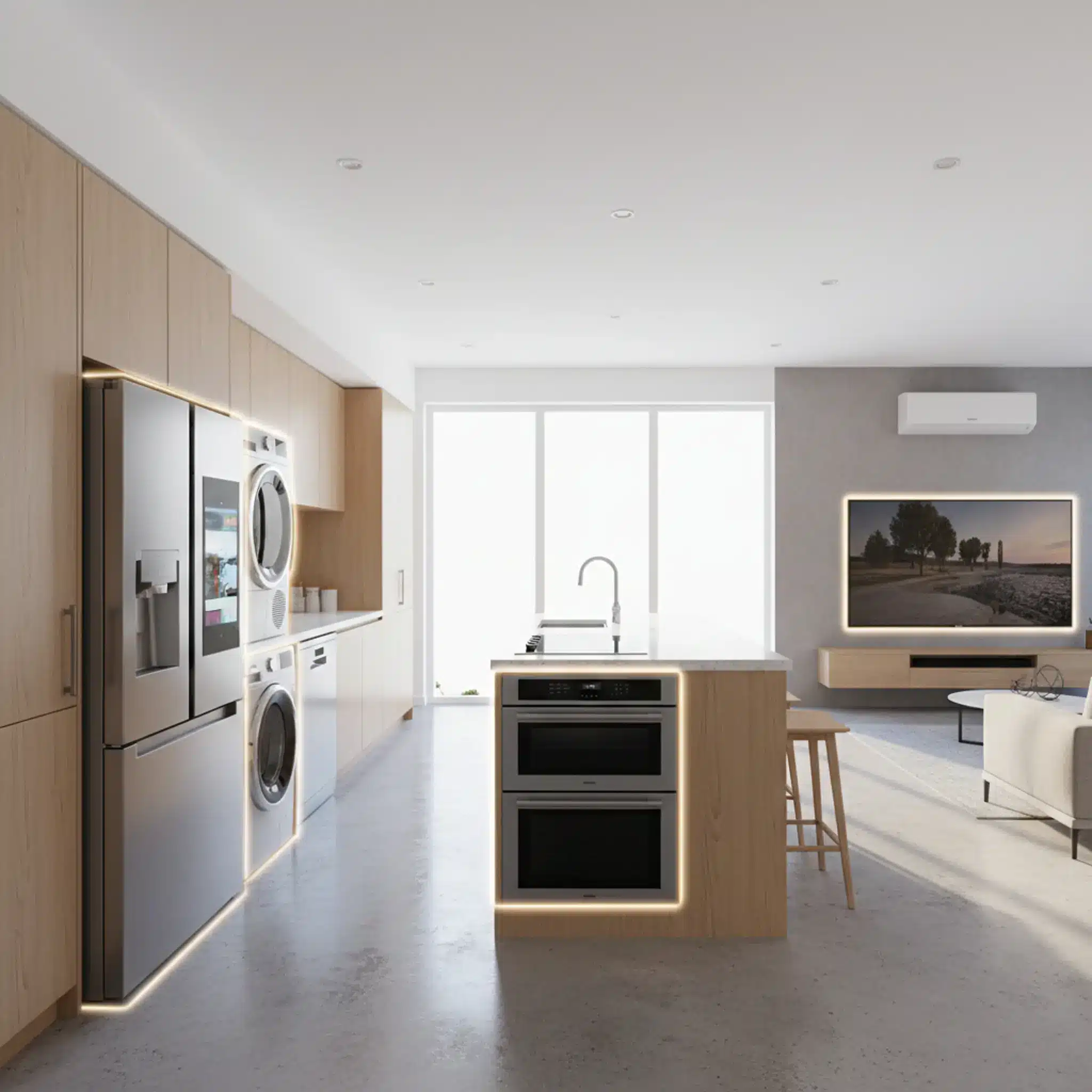
Some appliances use more electricity than others.
The biggest ones are usually:
- Air conditioning and heating
- Hot water systems
- Ovens and kitchen appliances
- Washing machines and dryers
These can quickly increase your usage, especially when used regularly or for long periods.
Heating and cooling alone can make up a large portion of your bill during peak seasons.
It’s not about avoiding these – it’s about being aware of how often you use them.
What Most People Don’t Realise About Electricity Use
Many people don’t realise how much power they use each day.
A lot of electricity usage comes from things that aren’t obvious.
Common things people miss:
- Appliances still using power on standby
- Heating and cooling running longer than expected
- Small habits adding up over time
- Seasonal changes increasing usage
- More time spent at home increasing daily usage
These can have a big impact on your bill without you noticing.
That’s why electricity bills can sometimes feel higher than expected, even when nothing seems different.
Simple Ways to Reduce Your Electricity Usage
You don’t need to make big changes to save money.
Start with simple steps:
- Turn appliances off at the wall
- Use energy-efficient appliances
- Run appliances during off-peak times
- Adjust your thermostat slightly
- Use natural light during the day
- Only run washing machines and dishwashers with full loads
Small changes can lead to real savings.
Over time, these habits can significantly reduce your kWh usage.
How to Know If Your Usage Is High
It can be hard to tell if you’re using too much electricity.
You can check by:
- Comparing your current bill to past bills
- Looking at seasonal changes
- Thinking about how many people live in your home
- Noticing any changes in appliance use
If your usage seems high, it’s worth taking a closer look.
Even small increases in daily habits can lead to noticeable changes in your bill.
Why Understanding kWh Helps You Stay in Control
Once you understand kWh, your bill becomes easier to manage.
You can:
- Make better decisions about your usage
- Spot unusual increases early
- Adjust habits before costs rise
- Understand where your money is going
It gives you more control over your electricity use.
Instead of guessing, you can make simple changes that actually make a difference.
A Simple Way to Stay in Control of Your Bill
kWh might seem small, but it plays a big role in your bill.
The more you understand it, the easier it is to manage your usage.
Even small changes can make a big difference over time.
You don’t need to change everything, just start with awareness, make a few simple adjustments, and build better habits from there.

Holding a Master’s in Architecture from the University of Texas at Austin, Emily Rodriguez has dedicated more than two decades to the art and science of building renovation. Starting her journey in historic preservation, she developed a profound respect for blending old with new in building design. Emily became a vital part of our team in 2019, renowned for her insightful and innovative renovation tips. She has been leading our DIY home improvement series since ever since, where she shares her wealth of knowledge in turning outdated spaces into modern havens. When not engaged in writing or consulting, Emily is a passionate advocate for heritage conservation and enjoys exploring vintage architecture, a hobby that complements her professional expertise.