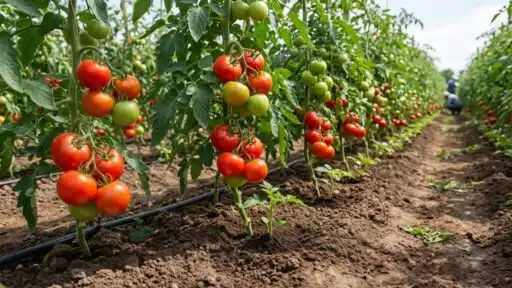
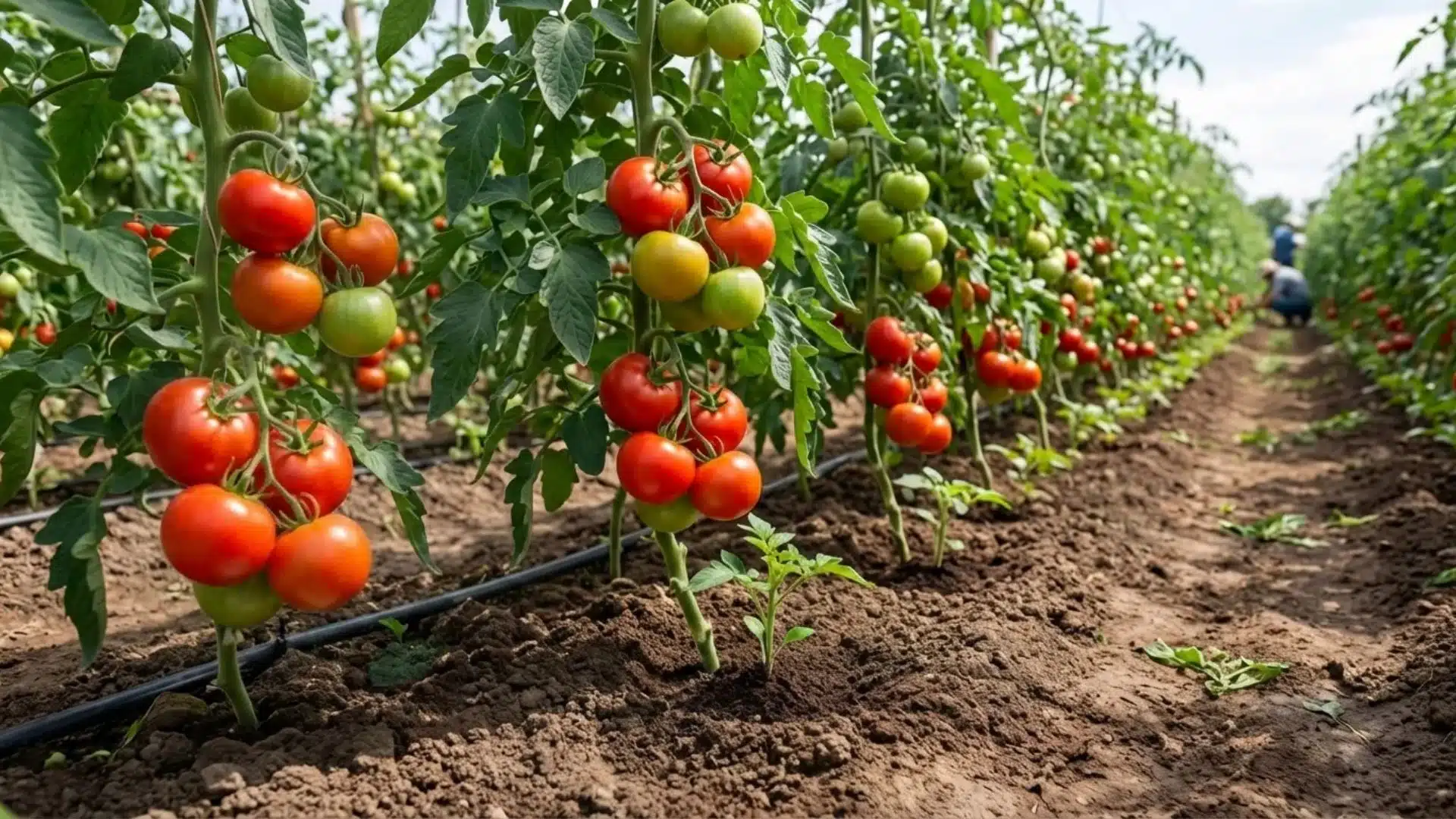

Are your tomato plants struggling to grow, even though you planted them at the “right” time? The truth is, timing can make or break your tomato harvest.
Plant them too early, and cold soil or a surprise frost can stunt growth or kill young seedlings.
Wait too long, and intense summer heat may reduce flowering and limit the number of tomatoes your plants produce. So, when is the right time to plant tomatoes? The answer depends on more than just the calendar.
Through this blog, you can know exactly when to plant tomatoes so your plants establish quickly, grow stronger, and deliver a bigger, healthier harvest.
When to Plant Tomatoes?
Knowing when should you plant tomatoes is essential for getting healthy plants and a strong harvest. Tomatoes are warm-season plants that grow best once the risk of frost has passed and temperatures are consistently warm.
In most regions, the ideal time to plant tomatoes is in spring, after the last frost date.
A good rule of thumb for deciding when to plant tomatoes is to wait until nighttime temperatures stay above 50°F (10°C) and the soil has warmed.
Planting too early can damage young plants, as tomatoes are very sensitive to cold. If you plant them at the right time, they will establish strong roots and grow quickly.
Because climate conditions vary, the optimal planting time for tomatoes can differ by location. Gardeners in colder areas usually plant later in spring, while those in warmer regions may start earlier in the season.
Best Time to Plant Tomatoes in Different Regions
The best time to plant tomatoes depends on your local climate, temperature, and frost dates. Understanding your region helps you get the timing right for a healthy harvest.
1. Texas
Texas has a warm climate, but the intense summer heat makes early planting important. Tomatoes should be planted soon after the last frost so they can grow before temperatures become too high.
- North Texas: Late March to early April
- Central Texas: Early to mid-March
- South Texas: Late January to February
Since summer temperatures can exceed optimal growing conditions, tomatoes often stop producing during peak heat.
That’s why many gardeners plant a second crop in July for a fall harvest. Choosing heat-tolerant varieties also helps improve results.
2. Southern California
Southern California offers one of the most flexible growing seasons due to its mild weather. Tomatoes can be planted earlier and grown for a longer period compared to most regions.
- Coastal Areas: February to April
- Inland Areas: March to May
Because frost is rare, gardeners can start seeds indoors during winter and transplant early.
In warmer zones, it’s even possible to grow tomatoes almost year-round. However, providing shade during extreme heat and consistent watering is important.
3. Florida
Florida’s climate allows for multiple growing seasons, but high humidity and heat can affect plant health. Timing is crucial to avoid peak summer stress.
- North Florida: February to April
- Central Florida: January to March
- South Florida: November to January
In many parts of Florida, tomatoes grow best during cooler months, such as winter and early spring. Summer planting is usually avoided due to heat, pests, and heavy rainfall.
4. Midwest (Illinois, Ohio, etc.)
The Midwest has a shorter growing season because of cold winters and late frosts. Tomatoes should only be planted when the soil is warm enough.
- Outdoor Planting: Mid-May to early June
- Start Seeds Indoors: 6–8 weeks before the last frost
Since the growing window is limited, choosing early-maturing tomato varieties can help ensure a successful harvest before the first fall frost.
5. Arizona
Arizona’s desert climate requires careful timing because extreme heat can damage tomato plants. Planting is usually done during cooler parts of the year.
- Spring Crop: February to March
- Fall Crop: July to August
Tomatoes struggle in peak summer when temperatures are too high. Providing shade, mulch, and consistent watering helps protect plants during hotter months.
6. Pacific Northwest (Washington, Oregon)
The Pacific Northwest has cooler temperatures and a shorter summer season. This means tomatoes need a bit more planning to grow successfully.
- Outdoor Planting: Late April to May
- Start seeds indoors: March
Because sunlight can be limited, choosing fast-growing or cold-tolerant varieties is helpful. Using raised beds or black mulch can also warm the soil faster and improve growth.
Best Time to Plant Tomatoes by Climate Zone
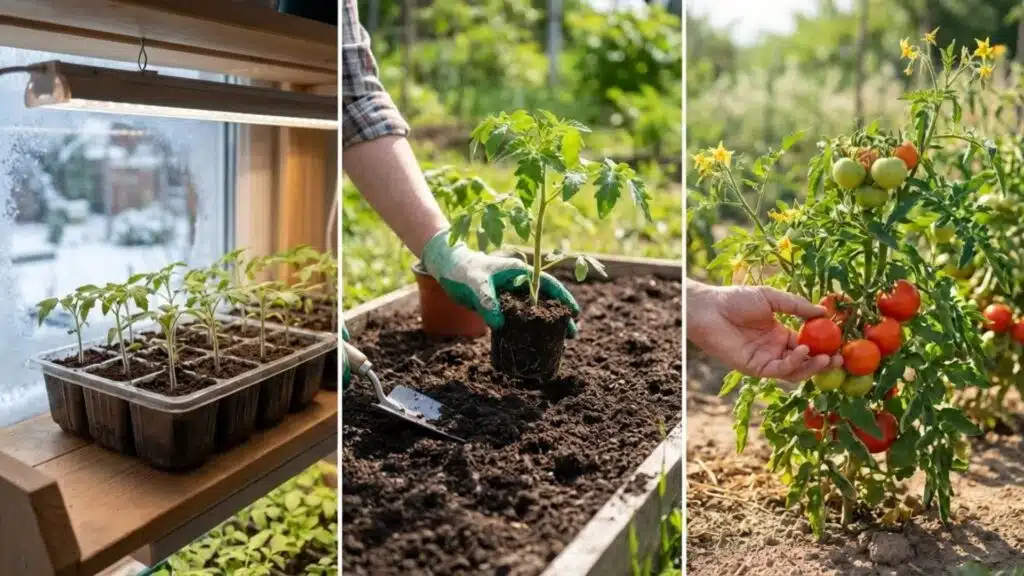
The best time to plant tomatoes depends heavily on your local climate. Understanding your region’s growing conditions helps you plant at the right time and avoid frost damage.
1. Cold Climates
Best planting time: Late spring to early summer
- Wait until the risk of frost has completely passed before planting tomatoes
- Make sure the soil has warmed up, as tomatoes struggle in cold soil
- Planting too early can lead to slow growth and weak plants
- Many gardeners start tomato seeds indoors to get an early start
- Seedlings are later transplanted outdoors once the weather becomes stable
2. Temperate Climates
Best planting time: Mid to late spring
- Tomatoes are usually planted once the soil temperatures have warmed up
- Planting should be done when the risk of frost becomes minimal
- Gardeners often check their local last frost date before planting
- Monitoring soil temperature helps ensure conditions are suitable for growth
- Seedlings can be moved outdoors once the weather is consistently warm
3. Warm Climates
Best planting time: Late winter to early spring
- Tomatoes can be planted earlier in warm regions since frost is rarely a concern
- Warmer climates usually offer a longer growing season for tomato plants
- Early planting allows tomatoes more time to grow and produce fruit
- Some regions support multiple planting cycles within the same year
- Gardeners may plant a second crop in late summer or early fall
Indoor Seed Starting Vs Outdoor Transplanting for Tomatoes
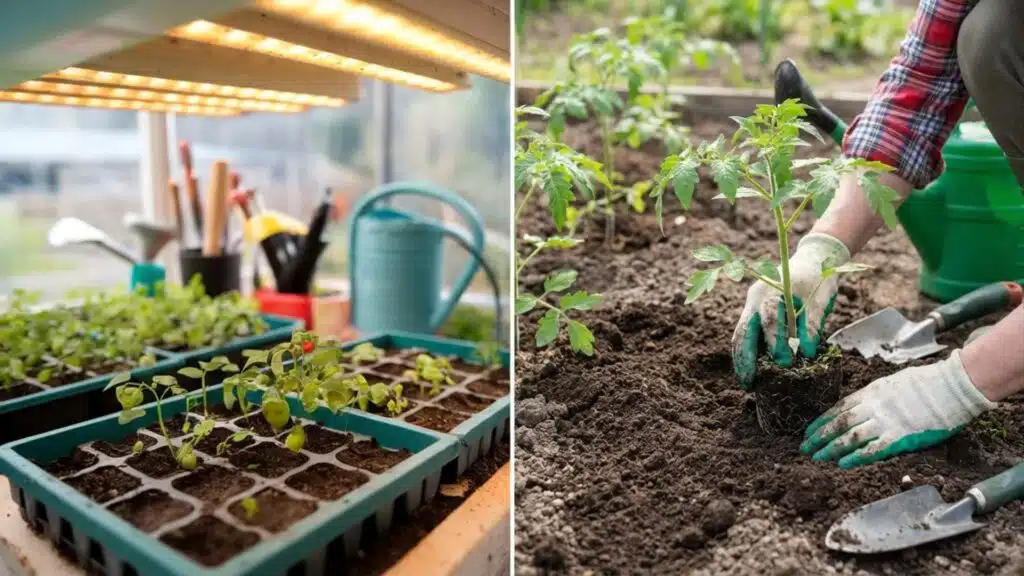
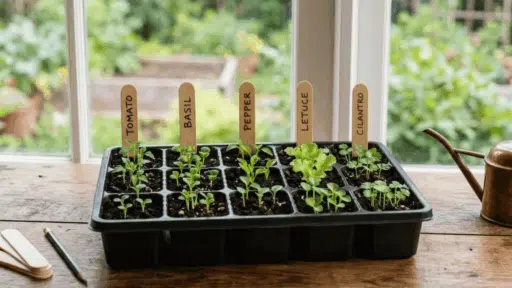
Starting tomato seeds indoors helps gardeners begin the growing process earlier under controlled conditions.
Once the seedlings become strong enough and outdoor temperatures are warm, they can be transplanted into the garden. Both methods play an important role in ensuring healthy tomato plants and a successful harvest.
| Aspect | Starting Tomato Seeds Indoors | Planting Tomato Seedlings Outside |
|---|---|---|
| Purpose | To begin growing tomatoes early, before outdoor conditions are suitable | To move established seedlings into the garden for full growth |
| Timing | Usually 6 to 8 weeks before the last expected frost date | Typically, 1 to 2 weeks after the last frost date |
| Growing Location | Indoors under controlled conditions (seed trays, pots, grow lights, or sunny windows) | Outdoors in garden beds, raised beds, or containers |
| Temperature Requirements | Warm indoor temperatures around 65 to 75°F (18 to 24°C) | Nighttime temperatures should stay above 50°F (10°C) |
| Plant Stage | Seeds are just beginning to germinate and develop seedlings | Seedlings are already 6 to 10 inches tall with several true leaves |
Signs You’re Planting Tomatoes Too Early or Too Late
Planting tomatoes at the wrong time can affect their growth and fruit production.
If planted too early, seedlings may struggle with cold temperatures and frost damage. Planting too late can shorten the growing season and reduce the overall harvest.
Signs It’s Too Early to Plant Tomatoes
Planting tomatoes too early can expose young plants to cold, slowing growth or damaging them. Since tomatoes grow best in warm weather, recognizing the signs of early planting can help protect your plants.
- Cold soil temperatures can prevent tomato roots from developing properly.
- The risk of late frost may damage or kill young tomato plants.
- Night temperatures below 50°F (10°C) can slow plant growth.
- Seedlings showing stress after transplanting, such as wilting or yellowing leaves.
Waiting until temperatures become consistently warm helps tomato plants establish strong roots and grow more successfully.
Signs It’s Too Late to Plant Tomatoes
Planting tomatoes too late in the season can limit the time plants have to grow and produce fruit before cooler weather returns.
- A shorter growing season can reduce overall fruit production.
- Extreme summer heat may affect proper fruit development.
- Plants may not mature before cooler fall temperatures arrive.
- Gardeners may need to choose fast-maturing tomato varieties if planting late.
Even if you plant later than usual, selecting early or quick-growing tomato varieties can still help you achieve a successful harvest.
Conclusion
Planting tomatoes at the right time makes a big difference in how well they grow and how much they produce.
If you’re wondering: when should you plant tomatoes? The key is to wait until after the last frost, when temperatures are warm and stable.
By choosing the right planting window for your region, you give your plants the best chance to develop strong roots and grow steadily.
Proper timing ensures healthier plants and a better tomato yield throughout the growing season. With the right preparation and care, your plants will have the best chance of producing a strong, abundant harvest.

With a Master’s in Landscape Architecture from the University of Virginia, Sophia Stephenson has dedicated the last 20 years to creating and maintaining vibrant outdoor spaces. Her professional journey started in landscape design, where she gained a reputation for innovative and sustainable approaches. Sophia became a part of our editorial team as a freelancer in 2019, offering a fresh perspective on outdoor living. Since 2020, she has been the chief for our outdoor design content, blending aesthetic appeal with environmental stewardship. In her leisure time, Sophia is a keen photographer, capturing the beauty of natural landscapes, a hobby that complements her professional expertise.