You treat the problem, the pests disappear for a few weeks, and then somehow they are back again, sometimes worse than before. This frustrating cycle is one of the most common complaints homeowners have about pest control, and it usually points to a specific gap in the approach being used rather than simply bad luck or a particularly stubborn infestation.
Understanding what actually causes pests to keep returning, rather than treating each new sighting as an isolated incident, is the key to breaking this cycle permanently. Here is a detailed, section by section look at what most homeowners are genuinely missing.
1. Treating Symptoms Without Addressing the Source
Many pest control approaches focus entirely on eliminating the pests that are currently visible, spraying where activity is seen, and setting traps where droppings appear, without ever identifying and addressing why pests were attracted to that specific location in the first place. This symptom focused approach provides temporary relief but leaves the underlying conditions that attracted pests completely unchanged.
Without addressing the actual source, whether that is a food source, a water source, or an entry point, new pests (or survivors from an incomplete treatment) simply move back in once the initial disruption from treatment has passed, restarting the cycle that so frustrates homeowners. A lasting solution therefore requires looking beyond the immediate signs of activity and identifying the conditions that continue to make the property attractive to pests.
2. Overlooked Entry Points Keep Letting New Pests In
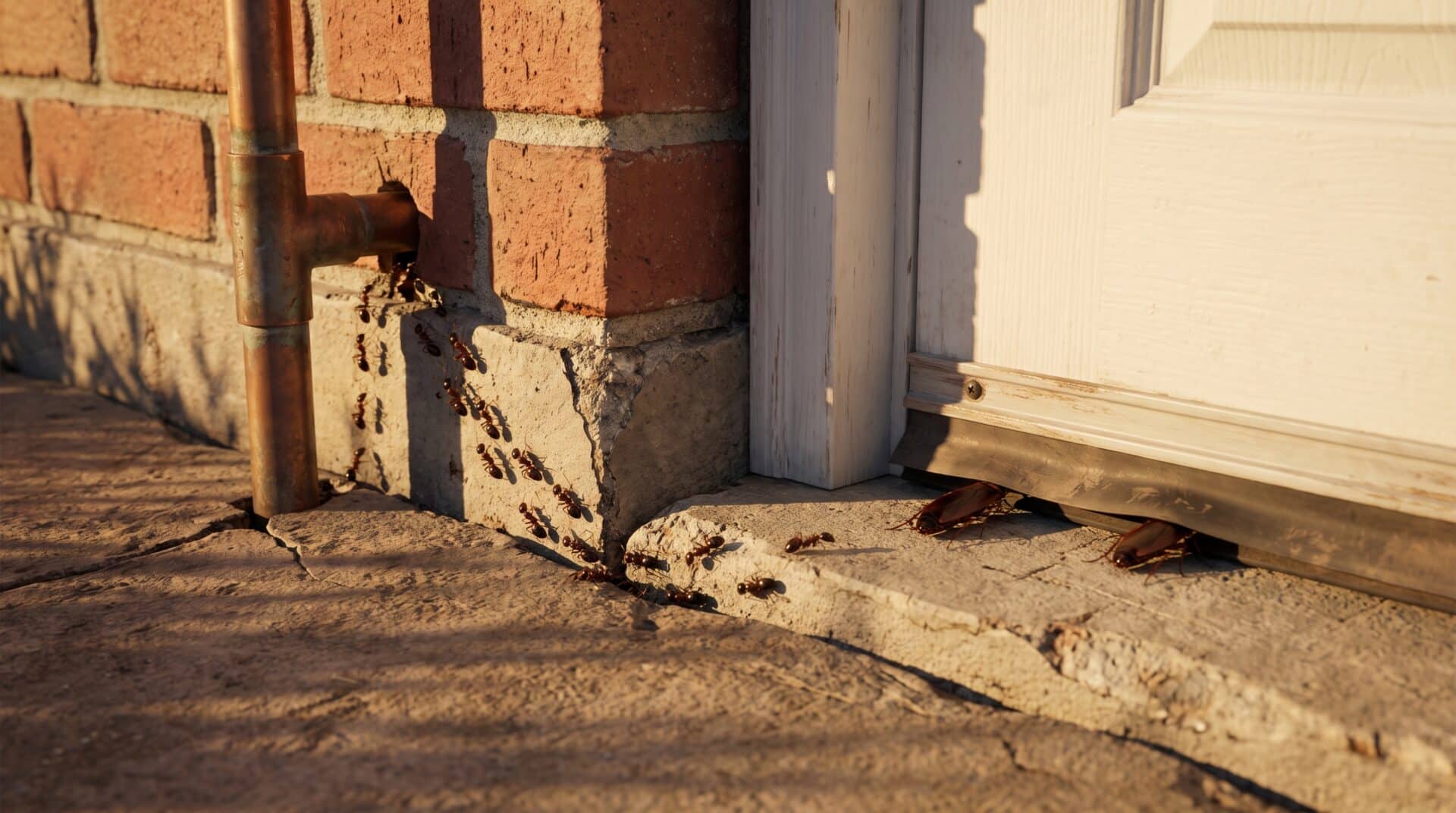
Homes have far more potential pest entry points than most owners realize, gaps around utility lines, small cracks in foundations, spaces beneath doors, and openings around window frames that seem too small to matter but are genuinely large enough for insects and even small rodents to exploit. Treating pests inside the home without sealing these entry points means new pests can continue entering even after existing ones have been eliminated.
A thorough pest control approach identifies and addresses these entry points specifically, rather than focusing exclusively on the pests already inside, which is one of the most common gaps in DIY or incomplete professional treatment approaches. Even the smallest overlooked gap can become an easy access point, making sealing these vulnerable areas an important part of long-term pest prevention.
3. Seasonal Patterns Get Missed With One Time Treatments
Many pest problems follow genuine seasonal patterns, certain insects become more active as temperatures rise, others seek shelter indoors as weather cools, and treating a pest problem once without accounting for these patterns means the underlying seasonal pressure simply continues after the initial treatment wears off. Ongoing pest control programs that account for these seasonal shifts tend to produce considerably more durable results than one time treatments that address only the current, visible problem without anticipating what typically happens as seasons change.
My A Plus Pest has built its approach specifically around this kind of seasonal awareness, recognizing that a single treatment addressing only the current infestation rarely provides lasting protection against the recurring seasonal pressure that brings pests back again and again throughout the year.
4. Attractants Around the Property Get Overlooked
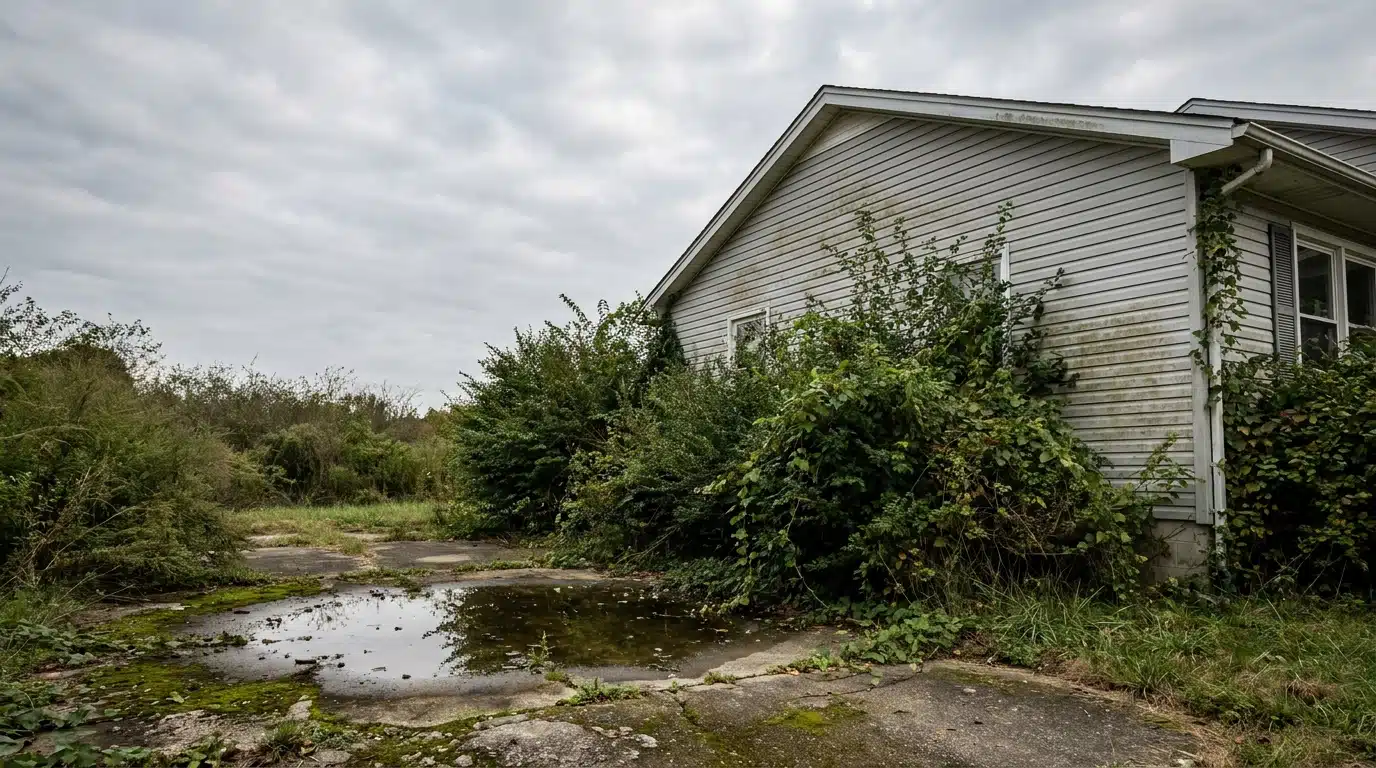
Pests are drawn to specific attractants, standing water, accessible food sources, overgrown vegetation touching the home’s exterior, and cluttered storage areas that provide shelter. Even a thorough interior treatment cannot fully solve a pest problem if these exterior attractants remain unaddressed, since they continue drawing new pests toward the property regardless of what happens inside.
Homeowners often focus entirely on interior treatment while overlooking these exterior factors, missing an opportunity to address the problem at a stage before pests ever actually enter the home in the first place. Reducing these attractants around the property can make the home less appealing to pests and help prevent recurring infestations.
5. DIY Products Often Provide Only Partial Solutions
Store bought pest control products can provide some relief for minor, isolated issues, but they frequently lack the strength, application precision, or comprehensive approach that a genuine infestation requires. Using these products repeatedly without seeing lasting results is a common sign that the underlying problem is more extensive than a surface level treatment can actually address.
This gap between DIY treatment and professional grade solutions is part of why homeowners often find themselves in a frustrating cycle of repeated store bought treatments that provide only brief, partial relief before the problem returns in full force.
6. Improper Product Selection Makes the Problem Worse
Not all pests respond to the same treatment approach, and using the wrong type of product for a specific pest can actually make an infestation harder to resolve rather than easier. Broad spectrum sprays, for example, may kill visible pests on contact but do nothing to address egg clusters, nesting sites, or colony structures that actually drive an infestation’s growth, particularly with pests like ants or cockroaches that operate as part of a larger colony rather than as isolated individuals.
This mismatch between product and pest type is one of the more common reasons homeowners feel like they have tried everything without success. A treatment that works well against one type of pest may be almost entirely ineffective against another, which is part of why accurate pest identification needs to come before treatment selection rather than after. Misidentifying the pest, or misunderstanding its behavior and life cycle, often means even a well intentioned treatment attempt was never going to solve the underlying problem.
Final Thoughts
If pests keep returning to your home despite repeated treatment attempts, the issue is very likely an incomplete approach rather than a uniquely stubborn infestation. Overlooked entry points, unaddressed exterior attractants, and treatments that fail to account for seasonal patterns are the most common reasons homeowners find themselves stuck in a frustrating cycle.
Breaking this cycle typically requires a more comprehensive approach, one that identifies and addresses the actual sources drawing pests to your property rather than simply reacting to whatever is currently visible. Getting this right the first time saves considerable frustration, and often money, compared to repeated partial treatments that never quite solve the underlying problem.

Certified Veterinary Technician Ethan Brooks has cared for companion animals in clinics and shelters for 13 years. Joining us in 2025, he shares health advice, training hacks, and product reviews that keep pets happy and owners informed. Off duty, Ethan rehabilitates injured wildlife and competes in agility trials with his border collie, Scout.