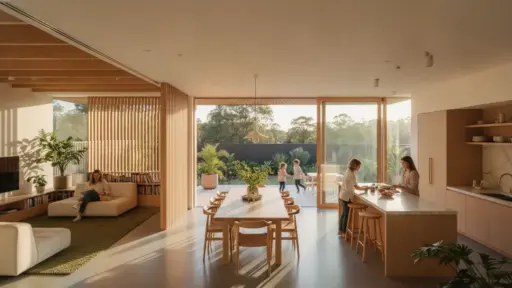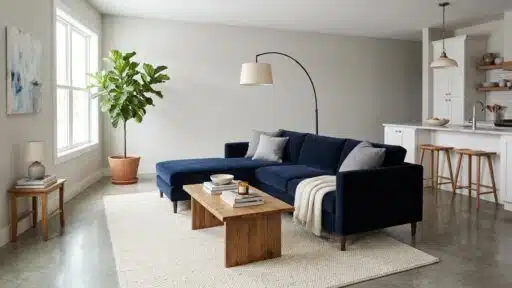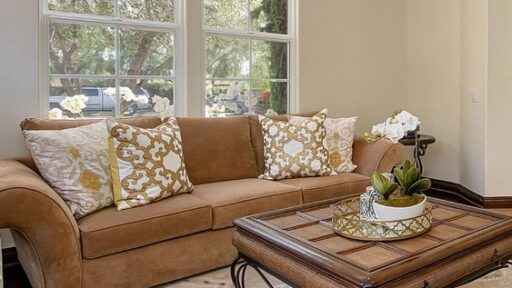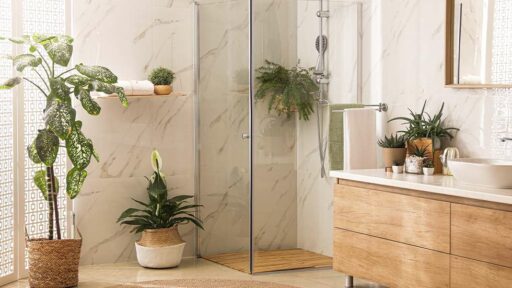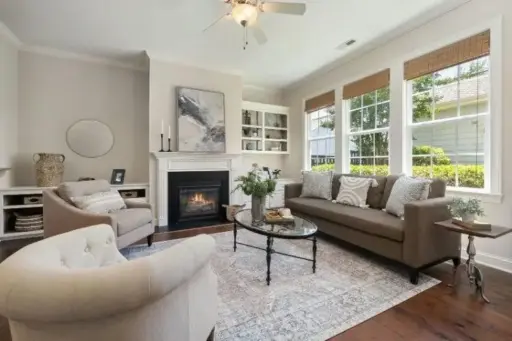
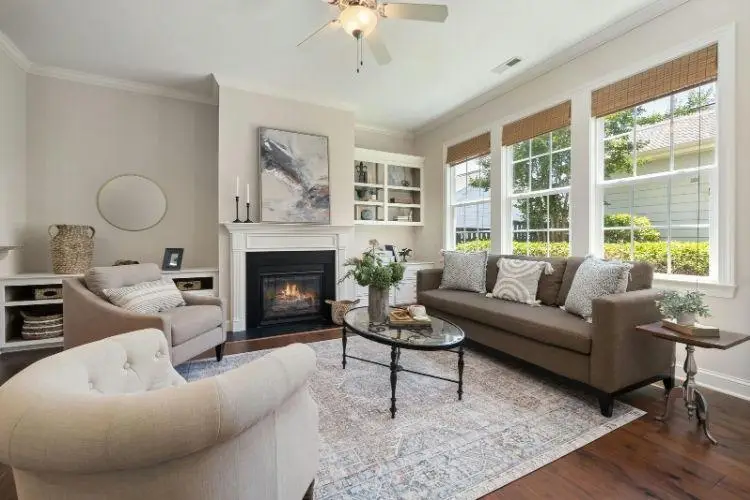

A modern living room should look considered, but it also needs to work when everyone kicks off their shoes. The best spaces make room for movie nights, quiet reading, conversation, pets, and the occasional afternoon nap.
That balance comes from more than buying a soft sofa. Scale, circulation, lighting, texture, and storage all affect how relaxed a room feels. These seven ideas focus on practical choices that create comfort without clutter.
1. Choose Seating for the Way You Relax
Start with an honest question: How do people sit in this room? Upright seating suits conversation, while deeper seats work better for curling up or watching a film. A household that often hosts friends may need a sectional or extra chair rather than one oversized sofa.
A modular option such as a Soulfa cloud couch can work when you want to change the arrangement over time. Separate units can form a chaise for everyday lounging, then shift into a more open setup when guests arrive. Soulfa also offers washable covers, which may suit homes with children, pets, or frequent visitors.
Measure before buying. Mark the sofa’s footprint on the floor with painter’s tape, including its depth. Walk around it, open nearby doors, and check the view from each seat. A sofa can fit on paper and still make the room feel cramped.
2. Create a Layout That Encourages Conversation
A television often becomes the automatic focal point, but it need not dictate the whole layout. Angle an accent chair toward the sofa, place two chairs opposite it, or use a movable ottoman to close the gap between seats. People should be able to see one another without twisting or shouting.
Keep the main walking route clear. Architect Steven Randel’s living room guidance for Houzz recommends roughly 30 to 36 inches for circulation paths. Use that as a starting point rather than a rigid rule, especially in a small home.
Avoid pushing every piece against a wall. Floating the sofa slightly forward can make the seating area feel more intentional. In an open-plan home, its back can also define the living zone without adding a divider.
3. Layer the Lighting
One ceiling fixture rarely creates a relaxing room. Use several light sources at different heights so the atmosphere can change throughout the day.
Begin with daylight. Keep bulky furniture away from windows, open curtains fully and use a mirror to carry light into a darker corner. The U.S. Department of Energy notes that thoughtful daylighting can reduce reliance on artificial lighting, although glare and heat gain still need managing.
After sunset, use a floor lamp near the sofa, a table lamp beside a reading chair and a dimmable overhead light for general brightness. Warm-toned bulbs tend to feel more restful than harsh, cool light in a lounge setting. Keep cables away from walkways.
4. Build a Calm Color Palette With Contrast
Modern doesn’t have to mean stark white and gray. Warm neutrals, muted earth tones and softened greens can create a quieter background while still feeling current.
Choose one main wall color, one upholstery tone, and one darker grounding shade. The darker note might appear in a coffee table, lamp base or picture frame. It gives pale rooms definition.
Test paint and fabric samples in the actual room. Light changes color throughout the day, and a beige that looks warm in a showroom may appear pink, yellow, or gray at home. View samples beside the flooring, sofa, and curtains before deciding.
5. Add Texture Without Filling Every Surface
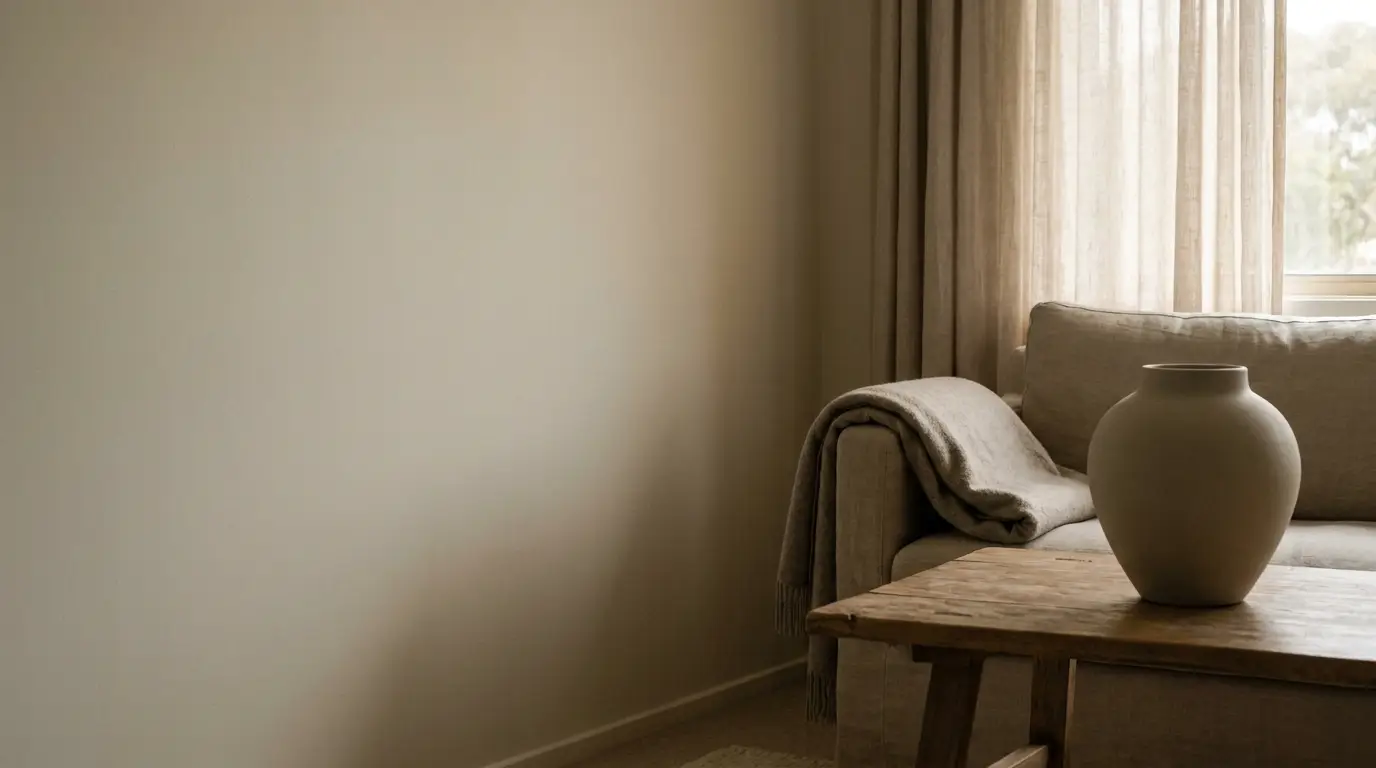
A comfortable room needs tactile variety. Linen curtains, a wool rug, a soft throw, smooth timber, and matte ceramics can make a simple palette feel layered.
Repeat a few materials rather than introducing a new finish with every object. Carry the same wood tone from a side table to a frame, or repeat the sofa color in a cushion with a different weave.
Keep large surfaces partly clear. A coffee table may only need a tray, a book, and one decorative object. Open space makes the room easier to use and gives the eye somewhere to rest.
6. Bring Nature Into the Room
Natural elements soften the straight lines and hard finishes common in modern interiors. A large plant can fill an awkward corner, while timber, stone, woven fibers, and a garden view add warmth elsewhere.
Research on residential biophilic design suggests that plants, natural materials, and other nature-linked features may support a sense of restorativeness. A 2025 study of living and bedroom spaces found that biophilic design improved participants’ ratings of perceived restorativeness.
Choose plants that suit the available light and the care you can provide. One healthy plant looks better than five struggling ones. For low-light rooms, try botanical artwork, natural textures, or a vase of branches.
7. Choose Flexible Pieces and Quiet the Clutter
Lounging becomes easier when everything has a place. Use a storage ottoman for blankets, a side table with a drawer for remotes, or a low cabinet for games and electronics. Closed storage handles daily mess; open shelves can hold the objects you enjoy seeing.
Flexible furniture helps a room adapt. Nesting tables can separate when guests need a drink surface, then tuck together afterward. A lightweight stool can serve as a footrest, extra seat, or small table. Modular seating from Soulfa follows the same principle: The room can change without replacing its main furniture.
Soft furnishings can improve the sound of a space, too. Rugs, curtains, and upholstered seating reduce the hard, echoing quality often found in rooms with bare floors. The WELL Building Standard treats acoustic comfort as part of a comfortable indoor environment.
Designer Dieter Rams put it neatly: “Good design is as little design as possible.” A living room doesn’t need more objects. It needs the right objects, placed where daily life can use them.
Conclusion
A living room made for lounging should feel easy, not overdesigned. Start with seating that suits real habits, leave comfortable routes through the room and use layered lighting to change the mood. Warm color, natural materials, and a controlled mix of textures add character without visual noise.
Let function guide the final choices. When the sofa supports the way you sit, tables are within reach, and clutter disappears quickly, the room becomes more than a polished photograph. It becomes the place everyone naturally wants to spend time.
References
- U.S. Department of Energy, “Natural Light and Daylighting.”
- International WELL Building Institute, “Acoustics WELLography.”
- Bellini et al., “Green Design in Living and Bedroom Spaces,” 2025.
- Steven Corley Randel, “Key Measurements for Your Living Room,” Houzz.
- Vitsœ, “Dieter Rams’s Ten Principles for Good Design.”

Ava Taylor, holding a Bachelor’s degree in Interior Design from the Pratt Institute, has made her mark in creating engaging and functional living spaces for over 14 years. She began her career with a New York-based design studio, where she gained a reputation for her innovative and user-centric designs. Ava joined our team in 2019, bringing a blend of artistic flair and practicality to our home improvement section. Since the she has been the lead contributor to our room transformation series, inspiring readers with her unique approach to maximizing space utility and aesthetic appeal. Beyond her professional work, Ava is a passionate collector of vintage furniture, a hobby that enriches her design perspective.