
I grew lettuce for three seasons before I figured out why it always tasted flat. Turns out, I was doing a few basic things wrong.
Good flavor doesn’t just happen. It comes down to the variety you plant, how you prep your soil, and when you pick the leaves.
Most gardening advice online is too general. It tells you to “water regularly” or “plant in full sun,” but skips the details that actually affect taste.
This article gets into the specifics. I’ll cover the best lettuce varieties for flavor, what your soil needs to get right, how heat can make lettuce turn bitter fast, and the simple harvesting tip most people miss.
Lettuce gardening doesn’t have to be complicated. But a few small changes make a real difference in what ends up on your plate.
If your lettuce has been disappointing, this guide is for you.
How to Grow Lettuce Successfully
Lettuce grows best in cool weather, loose soil, and with steady moisture. Get those three things right, and most problems stay out of the way.
Soil preparation matters most. Lettuce roots are shallow, so the top few inches need to be loose and rich in organic matter. Mix in compost before planting to improve drainage and nutrients.
Plant in early spring or fall, when temperatures range from 45°F to 65°F. Heat is the main reason lettuce turns bitter and bolts fast.
Water little and often. Soil should stay moist but never soggy.
In lettuce gardening, spacing is easy to overlook. Crowded plants compete for light and water, which weakens flavor and growth.
Keep at least 6 to 8 inches distance between plants. Harvest outer leaves first to keep the plant producing longer.
Best Lettuce Varieties and Planting Time
Not all lettuce grows the same way or tastes the same. Picking the right type and planting at the right time sets the foundation for a better harvest.
| Variety | Best Season |
|---|---|
| Black Seeded Simpson | Spring |
| Red Sails | Spring |
| Romaine | Spring & Fall |
| Little Gem | Spring & Fall |
| Boston (Butterhead) | Spring & Fall |
| Bibb (Butterhead) | Spring & Fall |
| Crisphead / Iceberg | Spring & Fall (cool only) |
| Jericho | Late Spring & Fall |
| Nevada | Late Spring & Fall |
Key takeaway:
- Spring only: Fast-maturing leaf lettuces that should be harvested before summer heat arrives.
- Spring & Fall: Varieties that tolerate mild temperature shifts in both seasons.
- Late Spring & Fall: Heat-tolerant types best planted when temperatures are unpredictably warm.
Remember: Avoid planting when daytime temperatures consistently stay above 75°F. Heat speeds up bolting and turns leaves bitter fast.
Where and How to Plant Lettuce
The right location and a little preparation before planting go a long way. Getting these basics in place early means fewer problems and better results through the season.
1. Choosing the Right Growing Spot
Lettuce does well in full sun but handles partial shade, especially as temperatures start to climb. In warmer regions, afternoon shade helps slow bolting and keeps leaves from turning bitter.
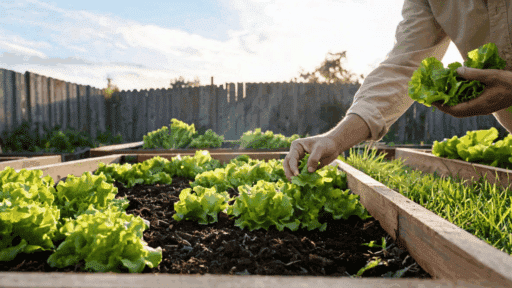
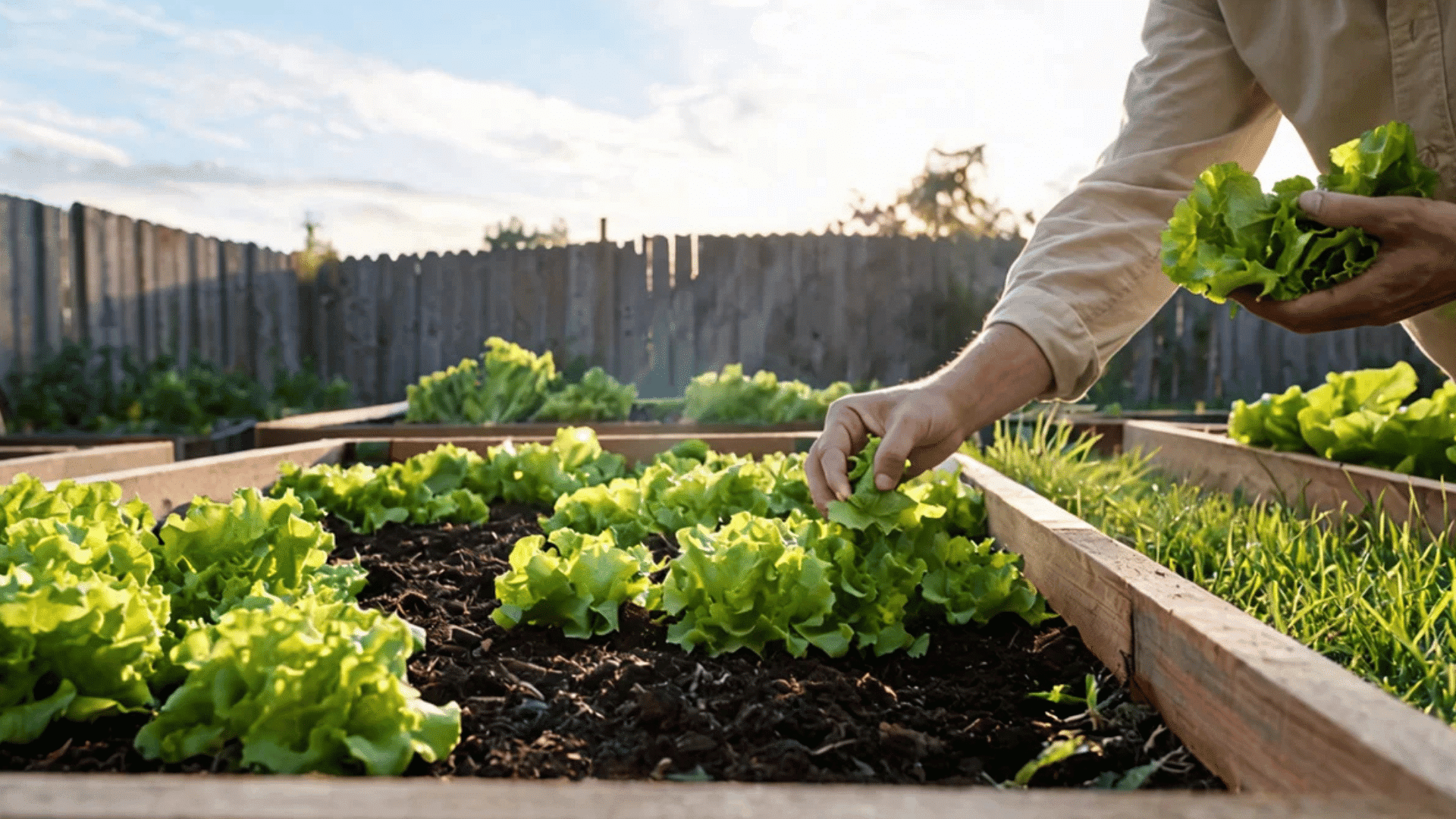
Raised beds are a strong choice; they warm up early in spring, drain well, and keep roots from sitting in wet soil. Garden rows work fine in open spaces, while containers suit patios and small balconies.
For any lettuce gardening setup, spacing matters. Give plants 6 to 8 inches apart to allow proper airflow and steady growth.
Quick Tip: In hot climates, planting on the east side of a fence or taller crops gives natural afternoon shade without blocking morning light.
2. Preparing the Soil
Loose, well-draining soil with a pH between 6.0 and 7.0 is what lettuce needs to grow. Compact or clay-heavy soil slows root development and holds too much moisture in the wrong places.
Before planting, work 2 to 3 inches of compost into the top layer. Compost improves texture, adds nutrients, and helps the soil retain just enough moisture without waterlogging.
Soggy roots lead to rot and poor-tasting leaves. A balanced moisture level, damp but never wet, directly supports better flavor and faster growth in lettuce gardening.
Things to Know:
- Use aged compost over fresh manure to avoid burning young roots
- Avoid compacting soil after mixing; keep it light and airy
3. Planting Lettuce Seeds
Start by pressing seeds ¼ inch deep once the soil reaches 40°F for direct outdoor sowing. Keep rows 12 to 18 inches apart to give plants room to fill out.
For an earlier start, sow seeds indoors 4 to 6 weeks before the last frost using shallow trays with good drainage.
Move seedlings outside gradually once temperatures stabilize.
After germination, thin seedlings to 6 inches apart to prevent crowding. Consistent seed depth and early spacing are two small steps in lettuce gardening that make a real difference at harvest time.
Growing Lettuce in Containers and Small Spaces
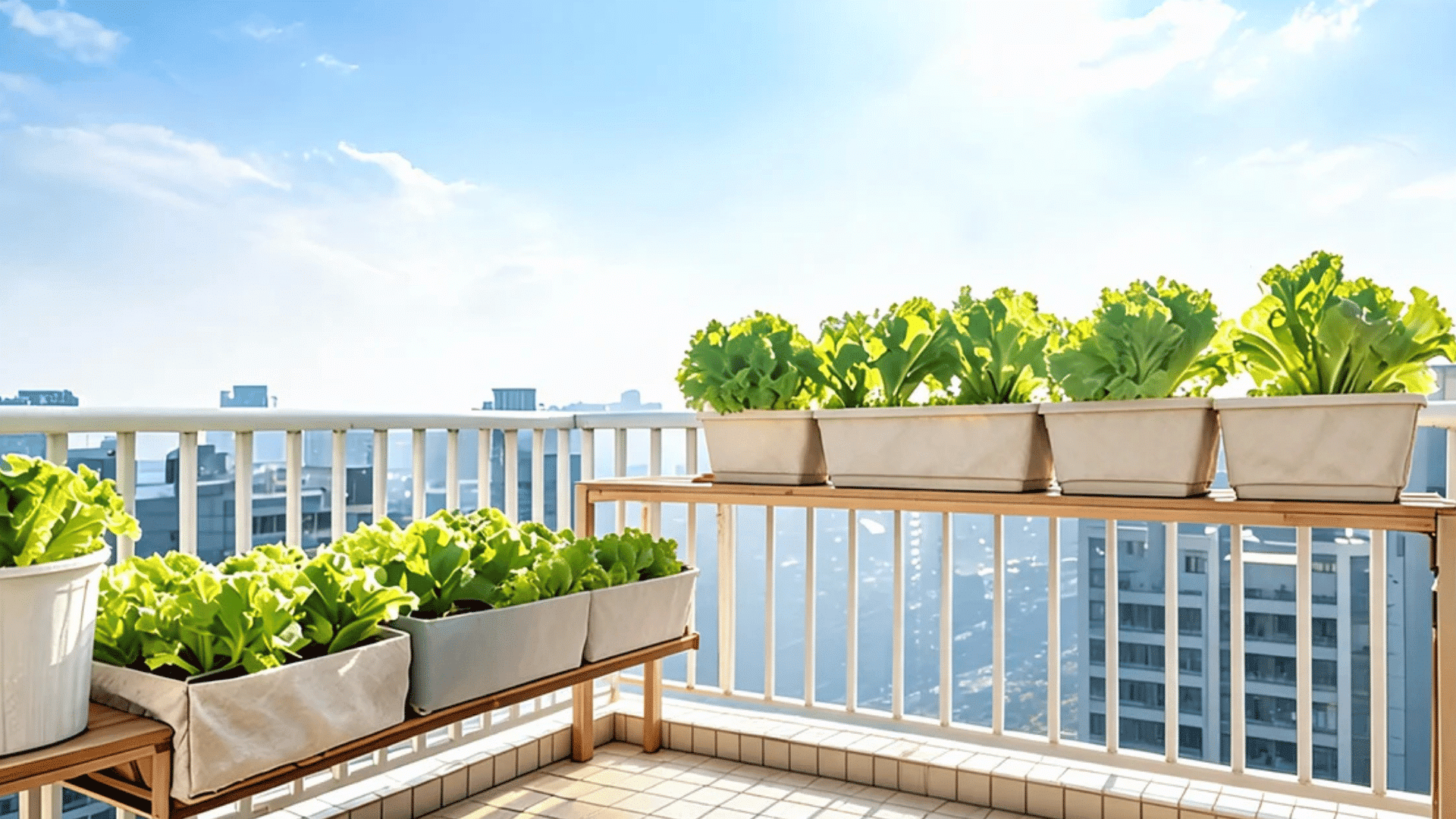
Lettuce grows well in containers and takes up very little space. A balcony, patio, or even a sunny windowsill is enough to get started.
A container at least 6 to 8 inches deep works well for leaf and butterhead varieties. Romaine and crisphead types need closer to 10 inches to develop properly.
Wider pots allow more plants per container and reduce the frequency of watering.
Potting mix matters more than most people expect. Use a lightweight mix with compost added in. Garden soil compacts too easily in pots and blocks drainage.
Container lettuce gardening on a balcony or patio needs extra attention during warm months. Pots heat up faster than the ground soil, which speeds up bolting.
Move containers to a shaded spot in the afternoon or use light-colored pots to reflect heat.
Water more frequently than in-ground plants; containers dry out fast. Check moisture daily during warm spells and water when the top inch feels dry.
How and When to Harvest Lettuce
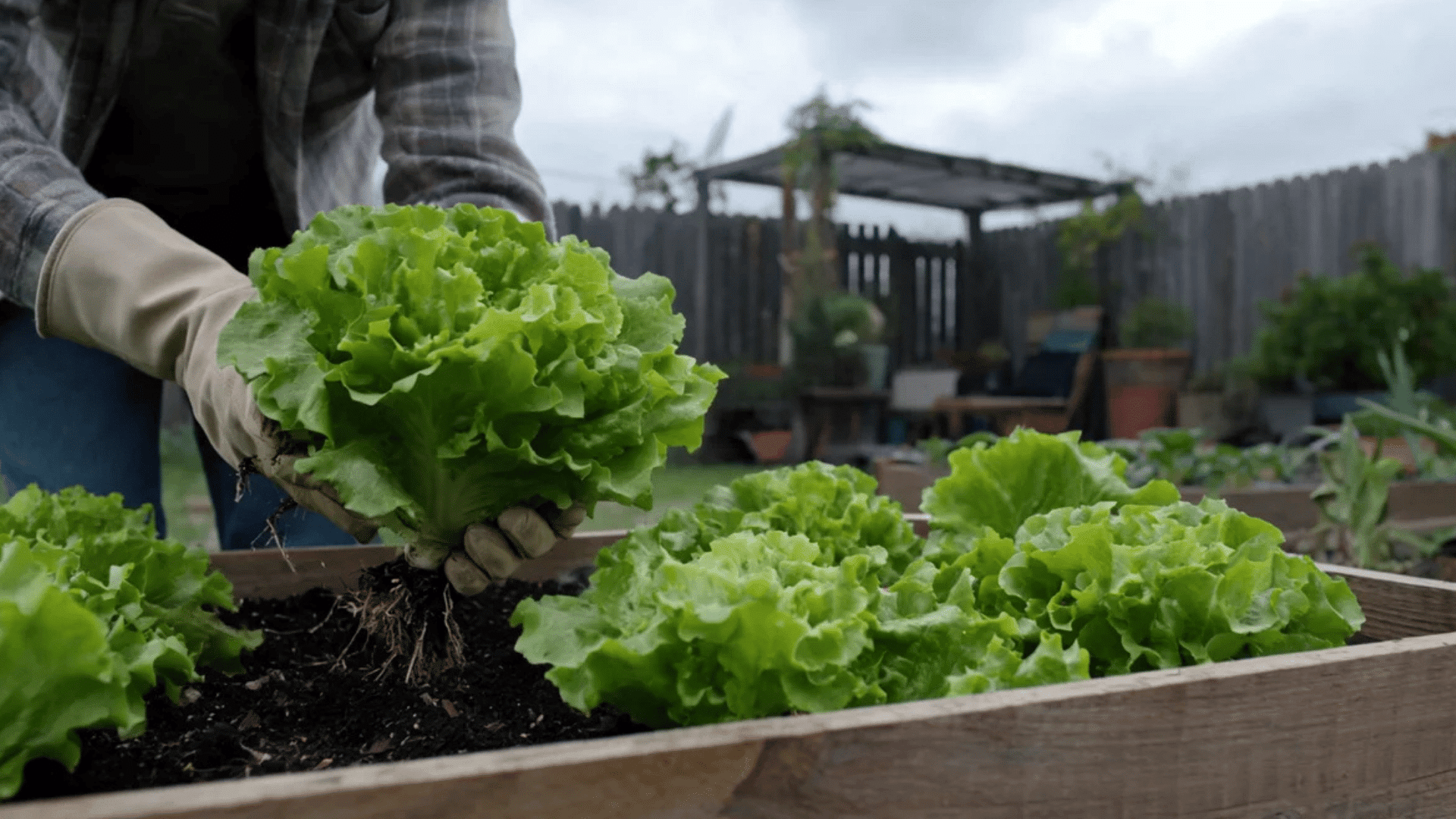
Knowing when and how to harvest makes a real difference in taste and how long the plant keeps producing. Some simple habits stretch the harvest window and keep leaves at their best.
1. Harvesting Leaf Lettuce
Start picking outer leaves once they reach 3 to 4 inches long, leaving the inner growth untouched. This cut-and-come-again method keeps the plant producing for weeks.
Work from the outside in, snapping or cutting leaves cleanly at the base. Avoid pulling, which can uproot the whole plant.
In active lettuce gardening, this approach can extend a single plant’s harvest by four to six weeks. Pick in the morning when leaves are firm and full of moisture for the best texture and flavor.
Quick Tip: Never take more than one-third of the plant at one time. Removing too much slows regrowth and stresses the plant.
2. Harvesting Full Heads
Think of harvesting a full head like reading a few clear signals the plant sends before it peaks.
The head feels firm when pressed gently, leaves are tightly packed, and the plant has reached its expected size for the variety.
Harvest before a seed stalk appears at the center, which is the first sign of bolting.
Early morning is the best time to harvest when heads are cool and crisp. Cut at the base with a clean knife.
Things to Know:
- Rinse heads in cold water immediately after cutting
- Shake off excess water and wrap loosely in a damp paper towel
- Store in the refrigerator crisper drawer in an open bag
Proper storage keeps lettuce crisp for up to 10 days. In container lettuce gardening, harvested heads stored unwashed last longer; wash only just before use to prevent early wilting.
Lettuce Gardening Care Tips
Lettuce doesn’t need much, but it does need consistency. Staying on top of a few basic care habits keeps plants healthy and leaves tasting their best.
- How Often to Water: Lettuce needs water every 2 to 3 days in mild weather and daily during warm spells. Shallow roots dry out faster than most vegetables.
- Keeping Soil Moist: Soil should feel like a wrung-out sponge, damp all the way through but never waterlogged. Uneven moisture causes tip burn and bitter leaves.
- Overwatering and Dry Soil: Both damage the plant in different ways. Overwatering leads to root rot, while dry soil speeds up bolting. Check the top inch before watering.
- Ideal Temperature Range: Lettuce grows best between 45°F and 65°F. Anything above 75°F pushes plants toward bolting and turns leaves bitter quickly.
- Preventing Heat Stress: In lettuce gardening, afternoon shade extends the growing season. Taller nearby plants or a shade cloth block the worst of the midday heat.
- Using Mulch: A 2-inch layer of straw or shredded leaves keeps roots cool, holds moisture in, and reduces the need for watering.
- Best Fertilizers for Leafy Growth: Nitrogen-rich options like blood meal or a balanced 10-10-10 fertilizer support fast, healthy leaf development early in the season.
- Avoiding Excess Fertilizer: Too much nitrogen late in the season produces fast growth but bland flavor. Apply sparingly once plants are well established.
- Organic Feeding Options: Compost tea, worm castings, and fish emulsion feed the soil slowly and improve leaf flavor without the risk of over-fertilizing.
Lettuce Gardening Mistakes and How to Fix Them
Small oversights in lettuce gardening can affect the entire crop. This table covers what goes wrong, why it happens, and what to do about it.
| Mistake | Why It Happens | How to Fix It |
|---|---|---|
| Planting in extreme heat | Temperatures above 75°F stress the plant early | Plant in spring or fall when conditions are cooler |
| Overcrowding plants | Too many seeds sown without thinning | Keep 6 to 8 inches between each plant |
| Letting the soil dry out | Infrequent watering or fast-draining containers | Check the top inch daily and water before it dries fully |
| Waiting too long to harvest | Missing the peak window before bolting starts | Harvest outer leaves early and often |
| Using poor-quality soil | Compact or nutrient-depleted ground soil | Mix in compost before planting for better texture and growth |
| Bitter-tasting leaves | Heat, bolting, or water stress | Shade plants in warm weather and keep the soil consistently moist |
| Bolting | Long days and rising temperatures trigger early flowering | Choose slow-bolting varieties like Nevada or Jericho |
| Tough or chewy leaves | Overmaturity or heat damage | Harvest regularly and avoid letting heads over-develop |
| Aphids and slugs | Warm, moist conditions attract common pests | Use neem oil for aphids; set beer traps or use copper tape for slugs |
| Powdery mildew | Poor airflow and excess moisture on leaves | Space plants well and water at the base, not overhead |
Final Thoughts
Growing lettuce that actually tastes good comes down to a handful of things done consistently: the right timing, decent soil, steady watering, and harvesting before the plant bolts.
None of it is complicated. But skipping even one of these steps shows up in the flavor.
The good news is that lettuce is forgiving. If one season doesn’t go well, the next planting is only a few weeks away. Each grow teaches something useful.
Start small, pay attention to what works in your space, and adjust from there. Over time, the process becomes second nature.
If this guide helped, or if there’s something that worked well in your own lettuce gardening experience, a variety, a trick, or a lesson learned the hard way.
Share it in the comments below.
Frequently Asked Questions
When is the Best Month to Plant Lettuce?
Early spring (March–April) or fall (September–October) lettuce thrives in cool weather between 45–65°F.
How Long does Lettuce Usually Take to Grow?
Most varieties are ready to harvest in 45–80 days from seed, depending on the type.
Can Lettuce be Grown from Lettuce?
Yes, regrowing lettuce from a store-bought base in water is possible, though seeds produce healthier, fuller plants.
What is the Easiest Lettuce Variety for Beginners?
Loose-leaf lettuce (like Black Seeded Simpson or Oak Leaf) is the most forgiving and fastest to harvest.

With a Master’s in Landscape Architecture from the University of Virginia, Sophia Stephenson has dedicated the last 20 years to creating and maintaining vibrant outdoor spaces. Her professional journey started in landscape design, where she gained a reputation for innovative and sustainable approaches. Sophia became a part of our editorial team as a freelancer in 2019, offering a fresh perspective on outdoor living. Since 2020, she has been the chief for our outdoor design content, blending aesthetic appeal with environmental stewardship. In her leisure time, Sophia is a keen photographer, capturing the beauty of natural landscapes, a hobby that complements her professional expertise.