
Home renovation projects often run behind schedule because of visible issues: late contractors, delayed cabinets, flooring problems, or unexpected structural repairs. But one area homeowners often overlook is plumbing planning. Even a small missing fitting, incorrect pipe size, or hard-to-reach shut-off valve can pause an entire renovation until the right part is found.
Whether you are remodeling a bathroom, updating a kitchen, finishing a laundry room, or replacing old fixtures, better plumbing preparation can help reduce delays, avoid unnecessary rework, and keep the project moving smoothly.
Order Plumbing Parts Before Work Begins
One of the simplest ways to prevent renovation delays is to order plumbing parts early. Many homeowners wait until demolition starts before checking what valves, fittings, supply lines, pipes, or connectors they need. By then, the timeline is already tight.
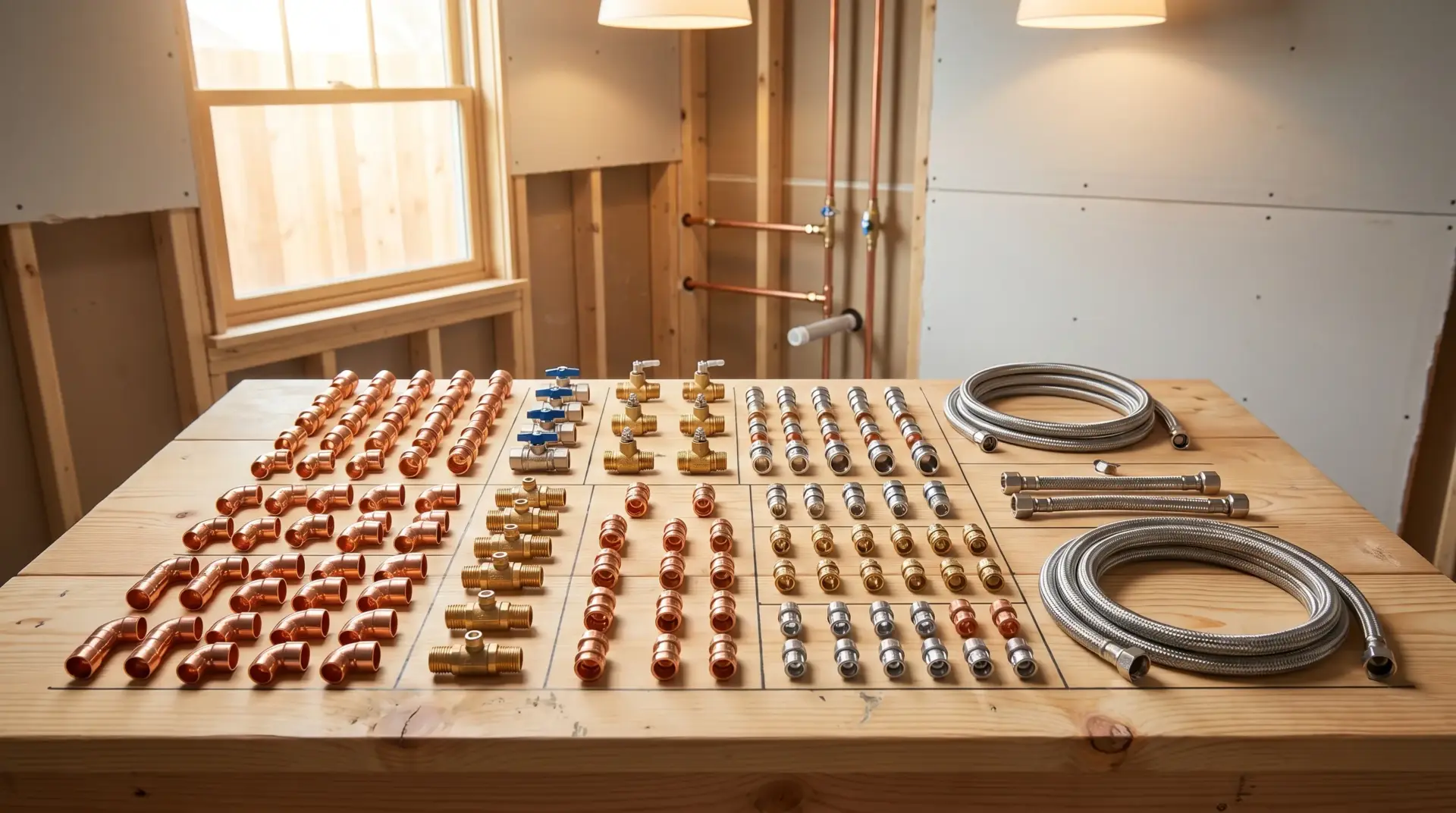
Plumbing parts are not always “one size fits all.” A bathroom vanity may need specific angle stop valves, braided supply lines, drain fittings, or compression connections. A kitchen remodel may require new shut-off valves, ice maker outlet boxes, PEX fittings, or adapters. If a part is out of stock locally, waiting several days for delivery can hold up drywall, cabinet installation, fixture installation, or inspection.
Before the renovation starts, make a basic plumbing materials list. Include visible fixture connections, rough-in parts, shut-off valves, drain components, and any replacement items for old or corroded plumbing. For homeowners and contractors who prefer ordering online, a plumbing supply store like PlumbingSell can be a useful place to source common plumbing parts before the job reaches a critical stage.
Check Pipe Sizes Early
Pipe size is one of the most common details that gets missed during renovation planning. A homeowner may know they need “a new valve” or “a new fitting,” but not whether the existing pipe is 1/2 inch, 3/4 inch, or another size. Guessing can lead to incorrect orders and wasted time.
Before buying parts, check the pipe size where the new fixture, appliance, or valve will connect. This is especially important when working with older homes, where previous repairs may have used different materials or non-standard transitions. You may find copper, PEX, CPVC, PVC, or a mix of different systems.
For supply lines, confirm both the pipe size and the fixture connection size. For drains, check the pipe diameter and whether the part is intended for DWV, sink drainage, or another application. A simple measurement before demolition can save multiple trips to the hardware store later.
Confirm Connection Types
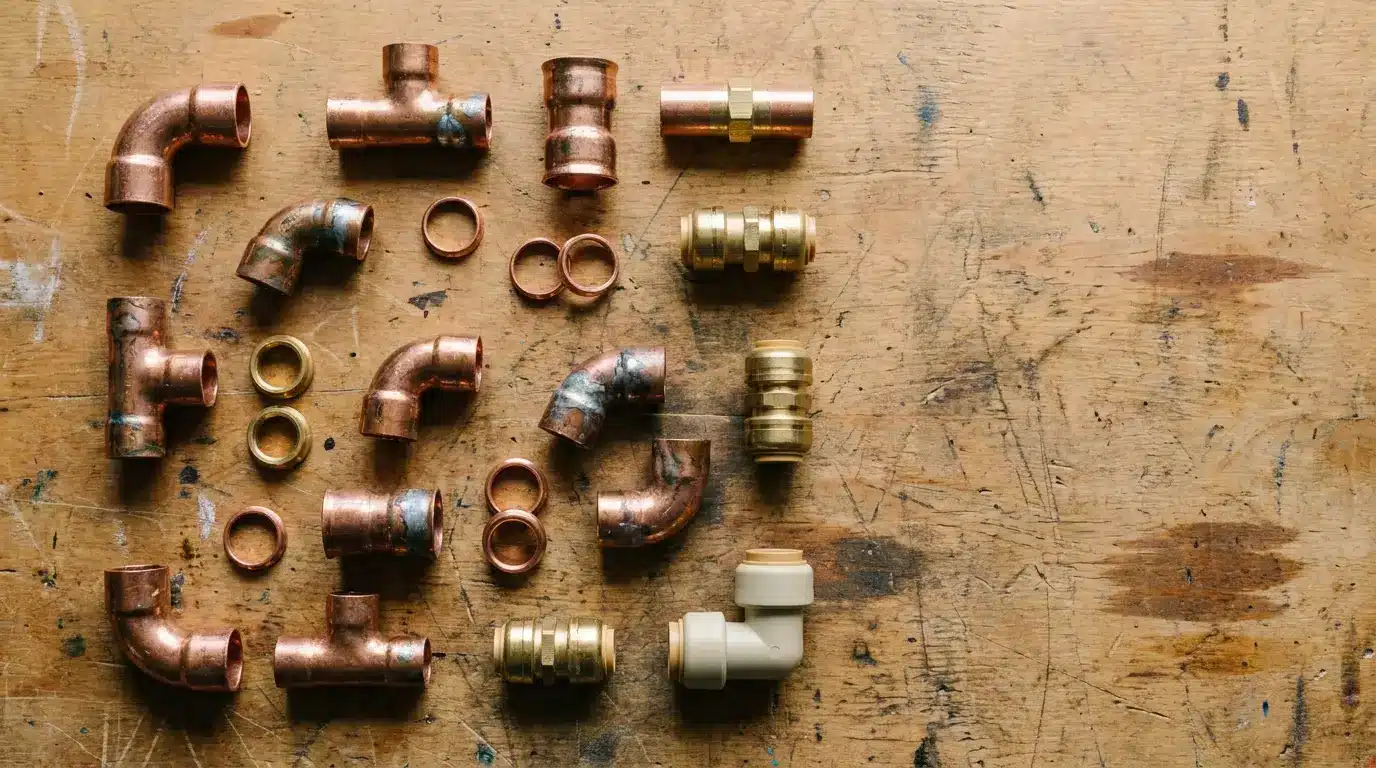
Even when the size is correct, the connection type still matters. Plumbing parts can look similar but connect in very different ways. For example, PEX-A expansion fittings are not the same as PEX-B crimp or clamp fittings. Copper sweat fittings are different from press fittings. Threaded connections, compression connections, solvent weld PVC, and push-fit parts all require different installation methods.
This detail becomes especially important during renovations because contractors often need to work quickly once walls, cabinets, or floors are opened. If the wrong connection type is ordered, the installation may stop until the correct part arrives.
Before purchasing, identify the existing plumbing system and the installation method your plumber or contractor plans to use. If you are doing a DIY-friendly project, make sure you understand which tools and fittings match your system. Do not assume that two similar-looking fittings are interchangeable.
Avoid Last-Minute Supply Problems
Last-minute supply problems can create a chain reaction across the whole renovation schedule. If a valve is missing, the plumber may not finish rough-in work. If rough-in work is not finished, inspection may be delayed. If inspection is delayed, drywall, tile, cabinets, or flooring may also be delayed.
A better approach is to plan plumbing materials around each stage of the renovation. For example:
- Before demolition, identify old valves, pipe materials, and fixture locations.
- Before rough-in, confirm pipes, fittings, boxes, drains, and valves are ready.
- Before fixture installation, prepare supply lines, traps, connectors, and shut-off valves.
- Before final inspection, check that all required plumbing components are installed and accessible.
Ordering a few essential replacement parts in advance can also help. Items like shut-off valves, supply lines, common adapters, and basic fittings are often needed when older plumbing is opened up. Having them ready can prevent small problems from becoming full-day delays.
Plan Shut-Off Access Before Renovation Starts
Shut-off access is another detail that should be planned early. During renovation, workers may need to turn water off multiple times. If shut-off valves are old, stuck, leaking, hidden behind cabinets, or difficult to reach, the project can become more complicated.
Before work begins, locate the main water shut-off and any fixture-level shut-off valves. Test whether they operate properly. If a valve feels frozen, corroded, or unreliable, it may be worth replacing it before the renovation reaches the installation stage.
This is especially important for kitchens, bathrooms, laundry rooms, and utility areas. Good shut-off access makes future maintenance easier and reduces risk if a leak occurs later. It also helps contractors work more efficiently because they do not need to waste time searching for or struggling with old valves.
A Little Planning Saves a Lot of Time
Plumbing is not always the most visible part of a renovation, but it can strongly affect the schedule. Ordering parts early, checking pipe sizes, confirming connection types, avoiding last-minute supply issues, and planning shut-off access can all help prevent unnecessary delays.
For homeowners preparing a remodel, the best time to think about plumbing is before walls are opened and fixtures are removed. A clear plan and the right materials can make the project smoother from start to finish. For common renovation plumbing supplies, fittings, valves, and related parts, homeowners can browse PlumbingSell as part of their early planning process.

Holding a Master’s in Architecture from the University of Texas at Austin, Emily Rodriguez has dedicated more than two decades to the art and science of building renovation. Starting her journey in historic preservation, she developed a profound respect for blending old with new in building design. Emily became a vital part of our team in 2019, renowned for her insightful and innovative renovation tips. She has been leading our DIY home improvement series since ever since, where she shares her wealth of knowledge in turning outdated spaces into modern havens. When not engaged in writing or consulting, Emily is a passionate advocate for heritage conservation and enjoys exploring vintage architecture, a hobby that complements her professional expertise.