
Building a deck in Washington State is not the same as building a deck in Arizona. This observation seems obvious but its practical implications are frequently underweighted in renovation planning.
The decisions that produce a beautiful, durable deck in a dry climate can produce a frustrating, expensive maintenance problem in the Pacific Northwest’s wet, grey reality. Understanding how Washington’s climate affects deck materials, construction methods, and maintenance expectations is fundamental to making renovation decisions you will not regret.
What the Pacific Northwest Climate Actually Does to Wood
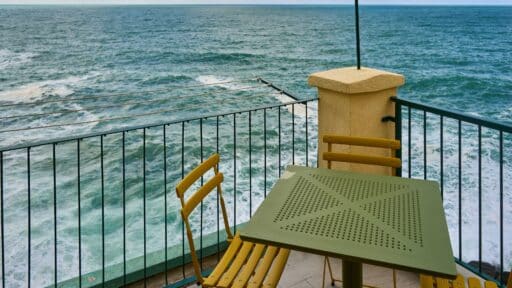
Western Washington averages over 150 days of precipitation per year across most of the Puget Sound region. That is not 150 days of heavy rain but 150 days on which some precipitation occurs, spread across months of steady grey and drizzle that keeps surfaces damp even on days that are not technically raining.
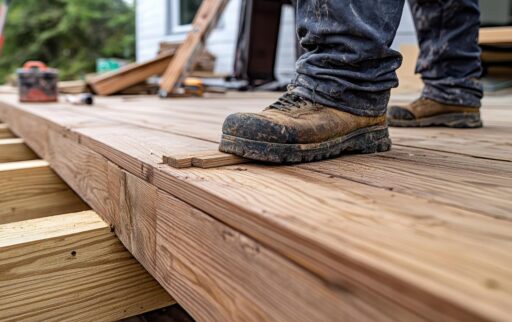
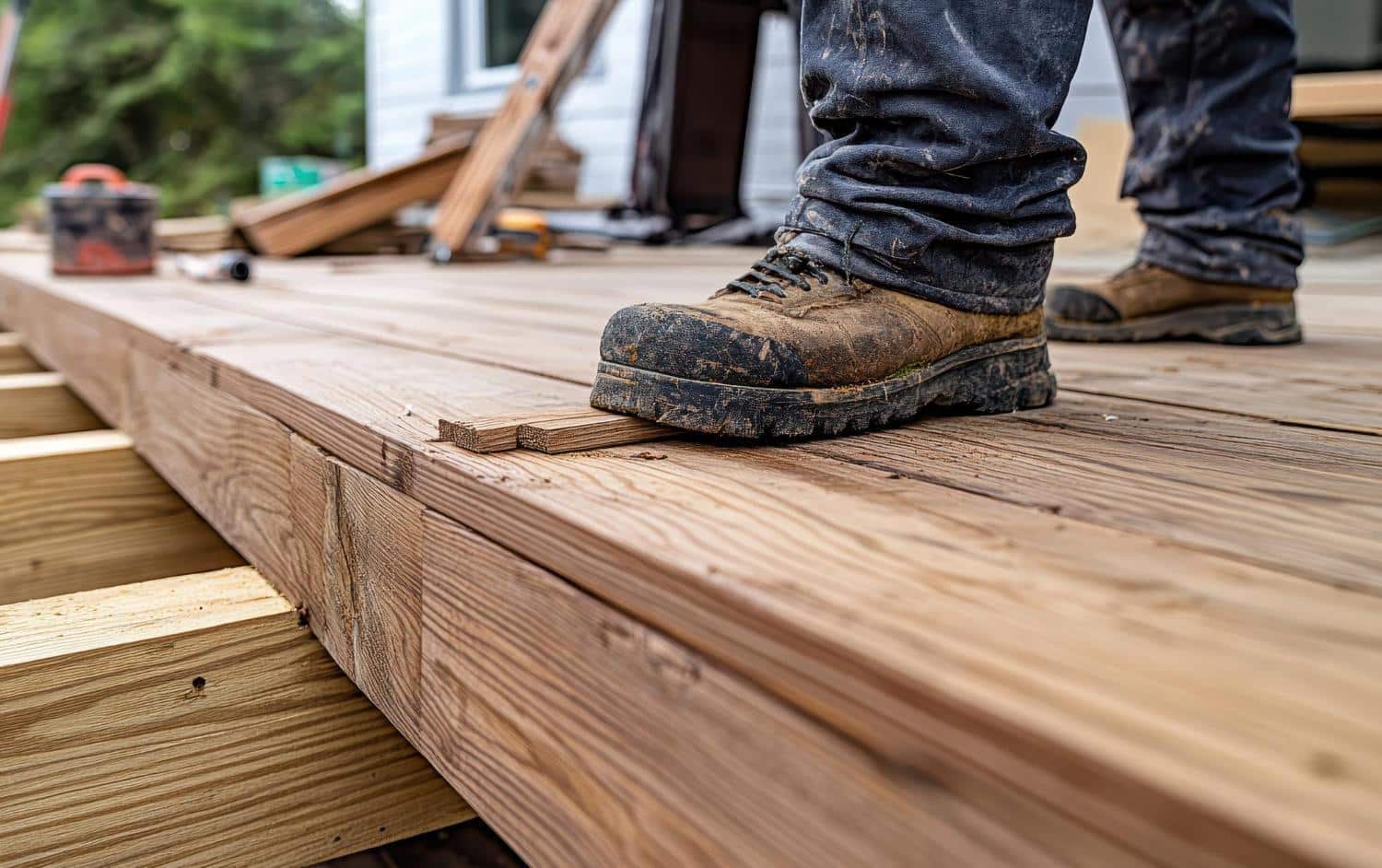
Moisture is wood’s primary enemy in deck construction. When wood absorbs moisture and then dries, it expands and contracts. Repeated over thousands of cycles, this movement causes checking, which is the surface cracking that appears on untreated deck boards, cupping and warping of individual boards, and the loosening of fasteners as the wood around them moves. A pressure-treated wood deck left unsealed in Western Washington will show visible weathering within two years and significant deterioration within five.
The mould and mildew situation compounds the moisture problem. Decks that retain moisture, particularly in shaded areas common to many Seattle and Eastside properties, develop the green algae and black mould staining that makes wood look degraded long before it is structurally compromised. Annual cleaning and biennial sealing is the minimum maintenance programme that keeps a treated wood deck presentable in this climate.
Drainage and Structural Details That Matter in Wet Climates
Beyond material selection, the structural details of deck construction in Washington State require specific attention to drainage. A deck framed without adequate slope for water runoff will hold standing water after rain events, accelerating material degradation regardless of the decking material chosen. The standard recommendation is a minimum of one-eighth inch per foot of slope away from the home, which is enough to encourage drainage without creating a noticeable pitch in the deck surface.
Post bases that allow air circulation under the post, rather than setting the post directly in or on concrete, extend post life significantly in wet climates by preventing moisture accumulation at the base. Stainless steel or hot-dipped galvanised fasteners resist corrosion in consistently damp conditions far longer than zinc-coated alternatives. These are small details that experienced contractors implement automatically and that homeowners rarely think to specify.
The deck remodel Bellevue work done by Gold Remodeling reflects this climate-aware approach, with their team specifying materials, fastener types, and drainage details appropriate to the Pacific Northwest environment rather than applying generic construction standards. Their familiarity with the specific conditions of Eastside lots, including the hillside drainage patterns and shade conditions that create the most challenging maintenance environments, shapes how they detail every deck project.
Material Decisions That Account for Washington Rain
The climate argument for composite decking in Washington is stronger than in most markets. Composite boards do not absorb moisture the way wood does. They do not check, warp, or cup from the repeated wet-dry cycling that characterises the Pacific Northwest year. They do not develop mould staining in the same way. The maintenance difference between composite and wood is meaningful everywhere but it is especially meaningful here.
When choosing composite for a Washington State deck, the distinction between capped and uncapped composite boards matters. Capped composite boards have a protective outer shell on all four sides that prevents moisture absorption at the edges as well as the face. Uncapped boards are vulnerable at the ends and edges, which compromises their moisture resistance advantage. In Washington’s climate, capped composite from a reputable manufacturer is the appropriate specification.
For homeowners committed to a natural wood aesthetic, Ipe or other high-density tropical hardwoods perform better than domestic softwoods in wet climates. Their natural oils provide some inherent moisture resistance, and their density makes them slower to absorb water than pressure-treated pine or fir. They require oiling rather than sealing, and that maintenance programme, while lighter than treated pine, is non-negotiable in the Pacific Northwest.
The Covered Deck Calculus
Washington’s climate has driven significant growth in covered deck construction. A roof over a portion of the deck, whether a simple pergola with a translucent polycarbonate panel, a fully weatherproof shed roof, or a retractable awning system, extends the deck’s usable season dramatically and reduces the maintenance burden by keeping the deck surface dry.
The covered deck question involves both cost and permitting. A simple pergola may not require a permit, while a structurally attached roof cover almost certainly will. The structural connection to the home requires careful detailing to prevent the water infiltration that a poorly executed covered deck addition can introduce.
Fine Homebuilding magazine has documented the covered outdoor room trend extensively across the Pacific Northwest, noting that the combination of a well-built covered deck with outdoor heating and appropriate lighting essentially creates a three-season room without the cost of full enclosure. For Washington homeowners who want to maximise their outdoor space while managing the climate reality, the covered deck represents the most practical return on investment.
The decision to go covered or open should be made as part of the initial design rather than added later. Retrofitting a cover to an existing open deck involves the structural complexity of connecting to an already-completed structure, which is more expensive and less elegant than designing for coverage from the start. If covered outdoor space is the eventual goal, build it that way from the beginning.

Holding a Master’s in Architecture from the University of Texas at Austin, Emily Rodriguez has dedicated more than two decades to the art and science of building renovation. Starting her journey in historic preservation, she developed a profound respect for blending old with new in building design. Emily became a vital part of our team in 2019, renowned for her insightful and innovative renovation tips. She has been leading our DIY home improvement series since ever since, where she shares her wealth of knowledge in turning outdated spaces into modern havens. When not engaged in writing or consulting, Emily is a passionate advocate for heritage conservation and enjoys exploring vintage architecture, a hobby that complements her professional expertise.