
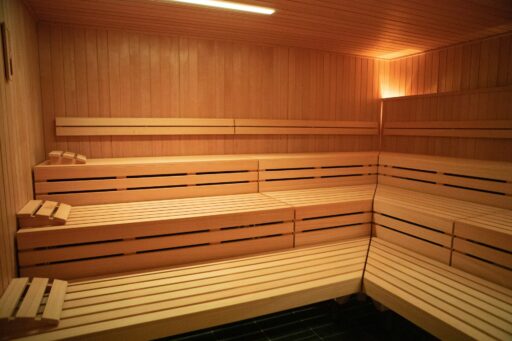
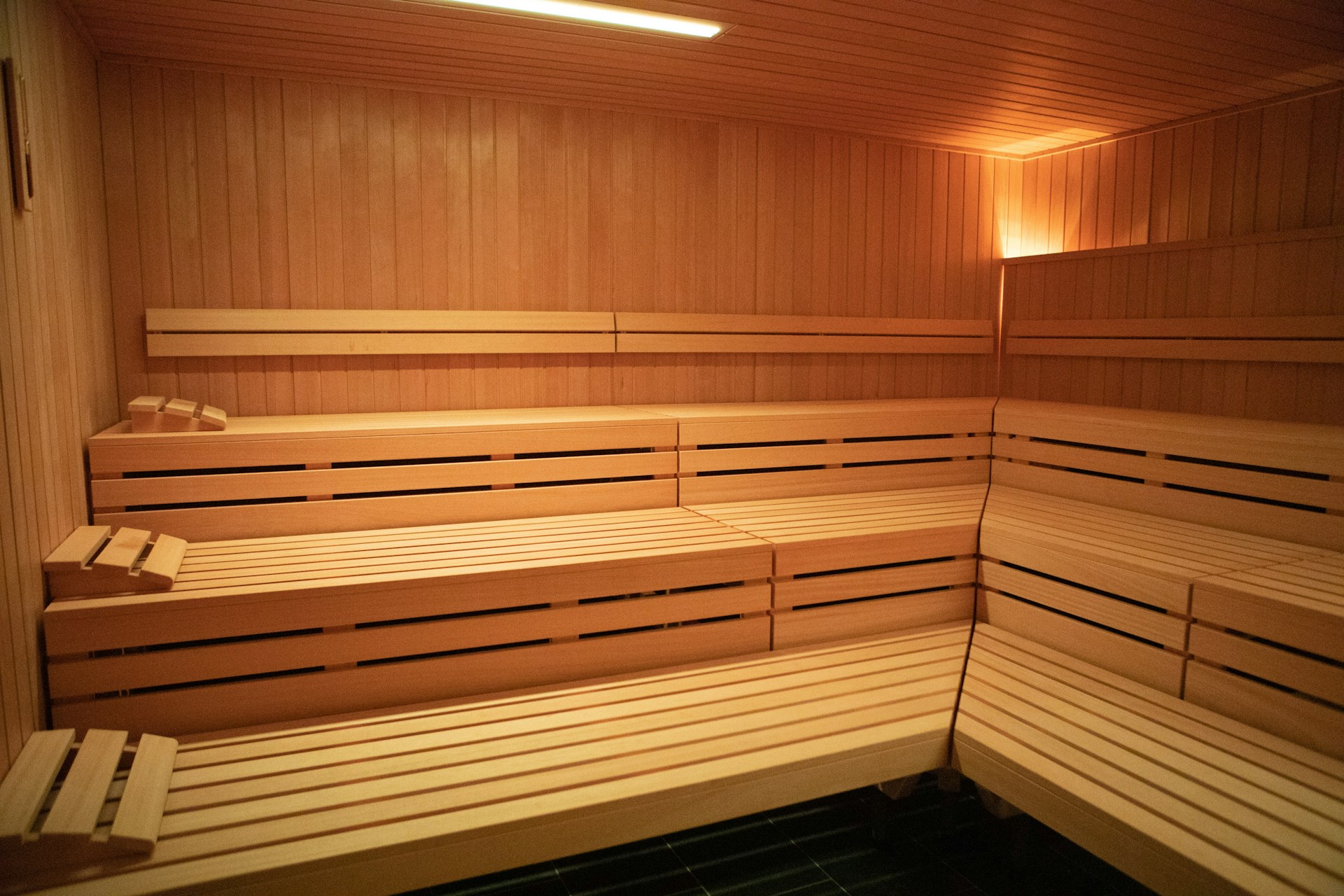

A home sauna used to be a luxury reserved for spas and gyms. Now it shows up in basements, spare bedrooms, and backyards across the country, driven by a wider interest in recovery and at-home wellness.
Once you decide you want one, the first real question is where it goes. Indoor or outdoor changes almost everything that follows: the cost, the installation work, the daily experience, and how much upkeep you sign up for.
This guide breaks down the pros and cons of each, plus the installation details that tend to catch people off guard.
Why a Sauna Earns Its Space
The appeal goes beyond having a warm room to sit in. Regular heat exposure has been studied fairly extensively, and the results are part of why saunas have moved from a nice-to-have to a genuine home upgrade.
On the health side, sauna use has been linked to better cardiovascular health, lower blood pressure, and a reduced risk of stroke. Add in the everyday draws like muscle recovery, stress relief, and better sleep, and the pull is easy to understand.
There is a property angle too. A well-built sauna can read as a premium feature to future buyers as long as it is installed properly and does not look like an afterthought.
What Building a Sauna Actually Involves
Before you weigh indoor against outdoor, it helps to know what the build asks of you. Most saunas come down to a few core decisions: the type (traditional electric, wood-burning, or infrared), the heater and its power supply, ventilation, and how well the space holds heat.
The build sequence itself is fairly predictable, and a detailed sauna building guide walks through the materials, heater types, and ventilation choices step by step. A poorly sealed room costs more to run and never quite gets comfortable, so a tight, well-built shell matters as much as the heater you pick.
None of this is beyond the reach of a confident DIYer, but most people hire a professional for the electrical and ventilation work.
Indoor Saunas: Pros and Cons
An indoor sauna lives inside your existing footprint, often in a basement, bathroom, or converted closet. The big advantage is convenience. You can use it in any weather without stepping outside, and it taps into power and plumbing that are already there.
What works in its favor:
- Year-round access without walking out into the cold or rain.
- Shorter utility runs, since electricity and water are usually nearby.
- Better privacy and security, tucked inside the house.
- Faster casual use, which matters if you sauna most days.
The trade-offs are real, though. An indoor sauna gives off heat and moisture, and that humidity has to go somewhere. Without proper ventilation, condensation can build up and invite mold. The EPA recommends keeping indoor humidity between 30% and 50% and moving moist air out to prevent it. You also have limited space, and retrofitting a room can mean reworking walls, flooring, and electrical.
Outdoor Saunas: Pros and Cons
An outdoor sauna is a freestanding structure, anything from a compact barrel design to a full cabin in the garden. It frees you from your indoor floor plan and embraces the traditional experience of stepping out into cool air between rounds.
Where it shines:
- No indoor space sacrificed, so a smaller home stays uncluttered.
- A more authentic ritual, with room for larger builds and the classic heat-then-cool cycle.
- Simpler moisture management, since the heat and steam stay outside the house.
- A genuine focal point for the backyard.
The downsides come with being outside. You will need a flat, stable base and an electrical run to the structure, which adds cost and labor. Siting a freestanding cabin raises the same questions as any backyard studio build, from foundation and drainage to access and privacy from neighbors. Weather exposure also means more maintenance over time, and getting out to it in January takes a little more commitment.
Indoor vs. Outdoor at a Glance
Factor | Indoor sauna | Outdoor sauna |
|---|---|---|
Installation cost | Lower if power and space already exist | Higher: base, structure, and power run |
Space needed | Uses existing rooms | Needs yard space, not interior |
Ventilation | Critical, moisture must vent out | Easier, heat stays outside |
Heat retention | Helped by existing walls | Depends on construction quality and climate |
Maintenance | Lower, protected from the elements | Higher weather exposure |
Experience | Convenient, all-weather | Traditional cool-down ritual |
Daily access | Fastest, no going outside | Requires stepping out |
A table makes the pattern clear: indoor trades space and ventilation work for convenience, while outdoor trades convenience and upkeep for a more traditional setup and a free interior.
Installation Considerations That Trip People Up
A few details cause most of the headaches, regardless of where the sauna sits.
Electrical is the big one. Traditional electric heaters usually need a dedicated circuit, and larger units run on 240V rather than a standard outlet. This is not a job for an extension cord or a shared breaker, and in most areas it should be wired and inspected by a licensed electrician. Compact infrared cabins are gentler here, since many plug into a normal grounded outlet.
Ventilation matters indoors and out. Air needs to move through the room for the heater to work efficiently and for moisture to clear, so plan intake and exhaust before you close up the walls.
The base is easy to underestimate outdoors. A sauna needs a level, load-bearing surface like a concrete pad, paver base, or proper deck footing, not bare grass that shifts and holds water.
Heat and clearances are a safety question, not just a comfort one. Traditional saunas run hot: Harvard Health notes dry heat can reach around 185°F and suggests keeping sessions to 15 to 20 minutes. Build in enough clearance around the heater, use heat-rated materials, and keep benches and controls a safe distance from the unit.
Conclusion
There is no universally right answer, only the right fit for your home. Indoor wins on convenience and weather-proof access, while outdoor wins on space savings and the traditional experience, usually at a higher installation cost.
Start with the space you have, your budget for electrical and groundwork, and how you plan to use it. Get those three straight, and the indoor-versus-outdoor decision tends to make itself.
Planning a sauna of your own? Share which way you are leaning, indoor or outdoor, in the comments.

Holding a Master’s in Architecture from the University of Texas at Austin, Emily Rodriguez has dedicated more than two decades to the art and science of building renovation. Starting her journey in historic preservation, she developed a profound respect for blending old with new in building design. Emily became a vital part of our team in 2019, renowned for her insightful and innovative renovation tips. She has been leading our DIY home improvement series since ever since, where she shares her wealth of knowledge in turning outdated spaces into modern havens. When not engaged in writing or consulting, Emily is a passionate advocate for heritage conservation and enjoys exploring vintage architecture, a hobby that complements her professional expertise.