
I’ve spoken with dozens of homeowners who started a renovation with a solid budget and ended up spending 30% more than they planned. It happens more often than you’d think.
How much does it cost to renovate a house? The short answer most homeowners want: somewhere between $20,000 and $150,000, with a national average landing around $10 to $60 per square foot, depending on scope.
A full whole-house renovation usually runs $100 to $250 per square foot. The longer answer depends on the size of your home, where you live, what you’re changing, and who you hire.
In this article, I break down real renovation costs by room, share honest stories from homeowners who’ve been through the process, and cover the hidden expenses most people miss.
So if you’re planning a single bathroom update or a full home overhaul, this guide gives you the numbers and the context you need to plan with confidence.
Understanding House Renovation Costs
Several things drive house renovation costs up or down. The size of your home matters. So does your location labor in San Francisco cost far more than labor in rural Tennessee?
The materials you pick, the contractors you hire, and how much of your home you plan to change all play a role.
Broadly speaking, renovations fall into three tiers:
- Minor updates (one room, cosmetic changes): $5,000 – $30,000
- Moderate renovations (multiple rooms, new flooring, fixtures): $40,000 – $80,000
- Major overhauls (structural work, full interior replacement): $100,000 – $300,000+
According to U.S. Census Construction Spending data, residential improvement spending in the United States has crossed $500 billion annually in recent years, and the average renovation cost per household has climbed steadily since 2020.
Material price inflation is the biggest reason your dollar buys less finished square footage today than it did five years ago.
In my firm years in Austin, I worked on a 1970s ranch where the homeowners had budgeted $90,000 for a moderate renovation.
The slab had hairline cracks under the kitchen wall that nobody caught until demo day. Final cost: $140,000. Build a buffer into your budget from the start, because walls and slabs always have something to say once you open them.
Cost to Renovate a House Per Square Foot
Most contractors quote renovations on a per-square-foot basis once they walk through your space. Use these national averages as a sanity check on any quote you receive.
| Renovation Type | Cost per Square Foot | Typical Range for a 2,000 sq ft Home |
| Light cosmetic refresh | $10 – $25 | $20,000 – $50,000 |
| Mid-range renovation | $40 – $80 | $80,000 – $160,000 |
| High-end whole-house renovation | $100 – $250+ | $200,000 – $500,000+ |
| Down to the studs gut renovation | $150 – $400 | $300,000 – $800,000+ |
A reader emailed me last spring after getting three quotes for a 1,800-sq-ft mid-range renovation in suburban Atlanta. The quotes were $72,000, $89,000, and $134,000 for what was described as the same scope.
After we walked through the line items together, the spread made sense: the lowest excluded permits and flooring, the highest included custom cabinetry and engineered hardwood.
Per-square-foot benchmarks help you see those gaps before you sign.
Planning Your Renovation Budget
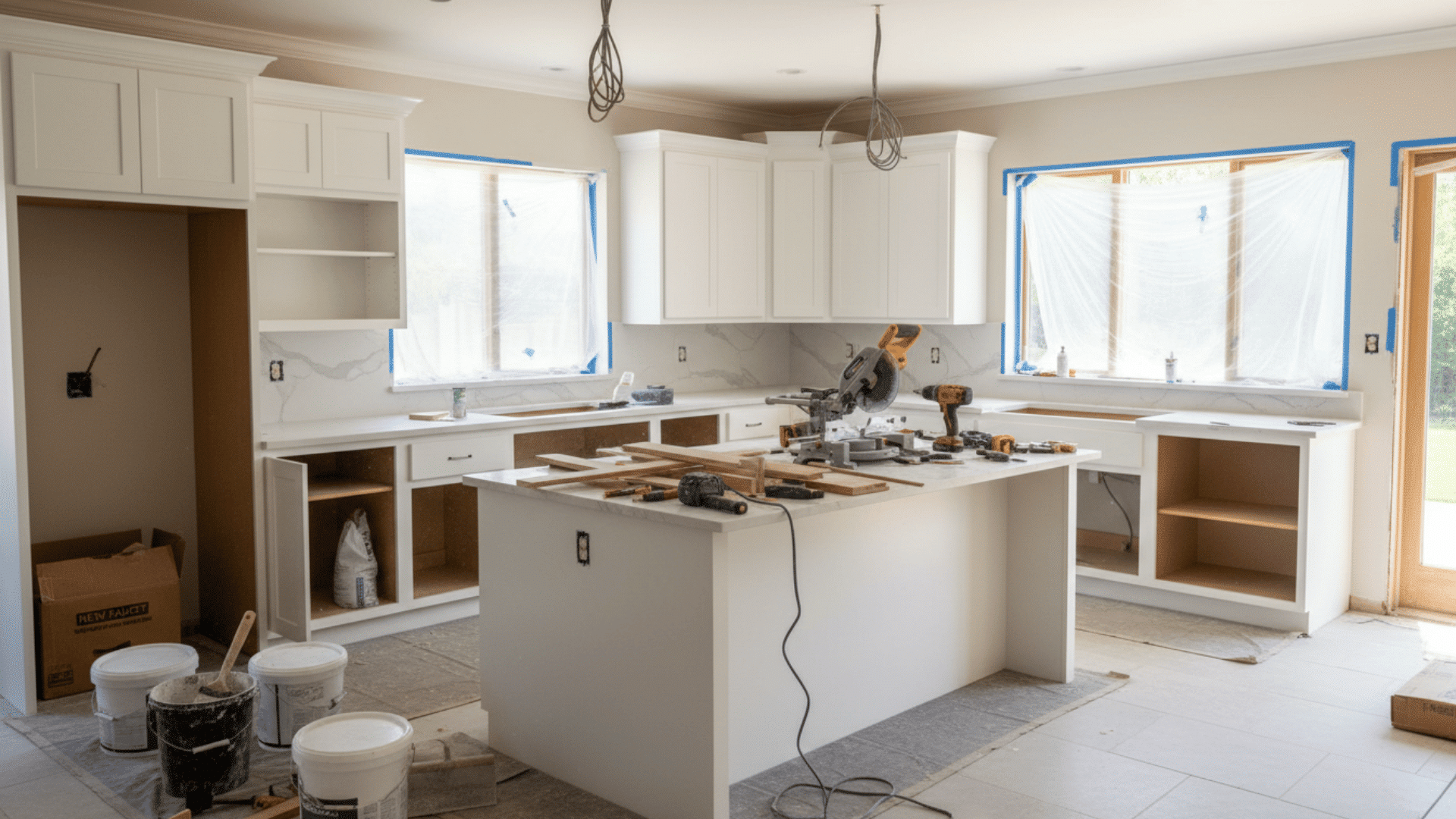
A solid renovation budget gets built in steps, not in one sitting.
1. Scope it Out Completely
Go room by room and list every change you want, even the small ones.
Instead of saying “update the kitchen,” spell out each task, such as new countertops, repainted cabinets, a new sink and faucet, under-cabinet lighting, or updated flooring.
This level of detail turns a vague idea into a clear renovation plan, so you and your contractor know exactly what is included and what is not.
2. Gather at Least Three Contractor Quotes
Request written quotes from at least three licensed or reputable contractors, each outlining the same scope.
Compare not just the total price, but also what each contractor includes or excludes and how long the job should take.
If one quote is much lower than the others, ask the contractor to walk through the estimate line by line. In my years in the firm, I learned that the gap almost always traces back to one of three things: permits left out, disposal left out, or materials specified at a lower grade than the homeowner expects.
Red Flags to Watch for in a Contractor Quote
- A flat lump-sum number with no breakdown by trade.
- No mention of permits, dump fees, or cleanup.
- Allowance figures that look suspiciously low (a $1,500 tile allowance for a primary bathroom, for instance).
- A start date that depends on you signing within 48 hours.
- Payment schedule front-loaded past 30% before any work begins.
3. Prioritize by Necessity and Return
Start by fixing anything unsafe or structurally problematic, such as leaky roofs, faulty wiring, or rotting framing.
After that, focus on areas that give you the best return on investment, like kitchens and bathrooms, since these sell houses and improve daily life the most.
Save purely cosmetic updates, new paint, or decor in bedrooms and living rooms for later, when the essentials are already taken care of.
4. Track Every Expense in Real Time
Keep a simple spreadsheet or notebook to record every dollar that goes into the project as soon as it happens.
Note each payment to the contractor, every material purchase, and any change orders that alter the original plan. Tracking expenses in real time, rather than waiting until the end, helps you spot budget leaks quickly and adjust before you overspend.
It also makes it easier to compare your original budget with actual spending, so you can see where costs are rising and where you may be able to save.
This habit gives you better control over the project and helps prevent small overruns from turning into major financial surprises.
5. Build in Your Buffer
Add a 15–20% financial cushion to your total estimated cost before you sign a contract.
This buffer is for surprises like hidden water damage, last-minute design changes, or small material shortages, not for adding extras you hadn’t planned.
Only tap into this reserve when something truly unexpected forces your hand, so you stay in control of the overall budget from start to finish.
Staying on budget is less about spending the least and more about planning the most.
The homeowners I have seen finish closest to their original number are the ones who scoped the work down to the cabinet handle before they ever called a contractor.
Cost Breakdown by Room
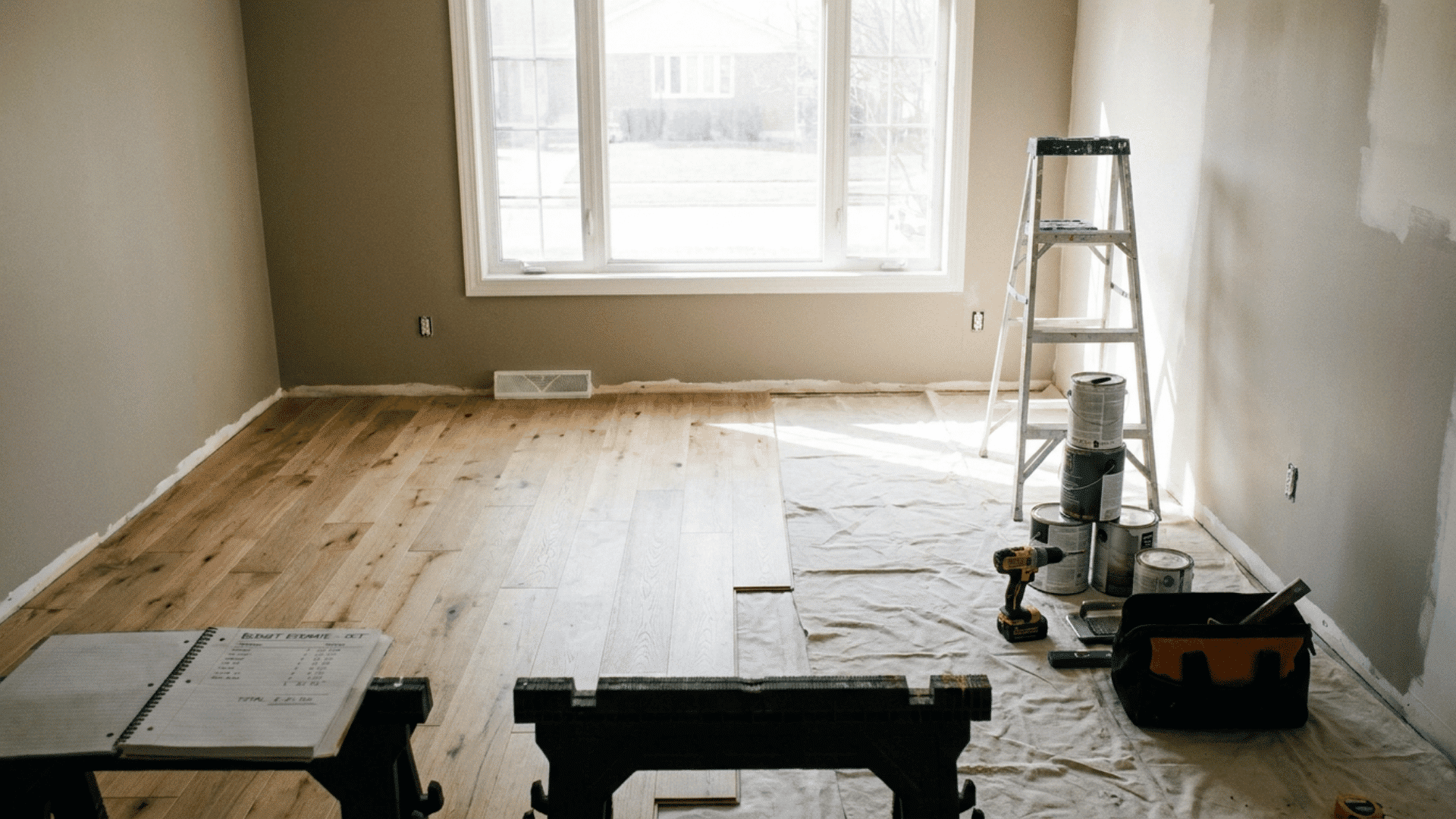
Knowing the average cost to renovate each room helps you plan from the ground up. A minor kitchen update typically costs $10,000–$30,000, while a full renovation can range from $50,000–$130,000.
Bathrooms also provide strong value. Minor updates usually cost $6,000–$20,000, and full renovations fall around $25,000–$60,000. New fixtures, tiles, and lighting can quickly lift the look and increase home value.
Living rooms and bedrooms are generally less expensive to renovate, but costs still rise with flooring, lighting, and built-ins.
Minor updates for living rooms usually run $3,000–$10,000, with full renovations at $15,000–$40,000. Bedrooms often cost $2,000–$8,000 for minor updates and $10,000–$30,000 for full remodels.
Basements, roofs, HVAC systems, windows, and siding can all become costly depending on materials and scope.
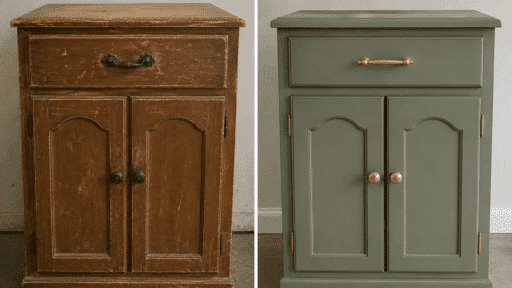
One important takeaway: In kitchens, cabinet finishes are often where budgets quietly slip. A solid wood door with a quality finish may cost more upfront, but it lasts much longer and holds up better than cheaper alternatives.
DIY vs Hiring a Contractor:
DIY can save 30 to 50% on labor on the right project, and it can blow up your timeline and cost more in the long run on the wrong one. Here is a rough sorting framework I give homeowners.
| Project | DIY-Friendly? | Why |
| Painting interior walls | Yes | Forgiving, cheap to fix mistakes. |
| Cabinet refinishing | Yes, with patience | Surface prep is the hard part, not skill. |
| Tile backsplash | Maybe | Small area, doable with a wet saw and a weekend. |
| Flooring (LVP, laminate) | Maybe | Click-lock systems are forgiving; subfloor prep is not. |
| Electrical work | No | Permits, code, and life-safety. Hire a licensed electrician. |
| Plumbing inside walls | No | Leaks discovered six months later cost more than the original labor saved. |
| Structural changes | No | Load paths, engineer stamps, and permits required. |
Hidden Costs Homeowners Often Forget
The line items that do not show up in contractor quotes can quietly add thousands to your total, and they catch people off guard every time.
- Permits and Inspections: Required for most structural, electrical, or plumbing work. Costs range from $500 to $5,000+, depending on your city and project type. Skipping permits can result in fines, failed home inspections at resale, or being forced to undo completed work.
- Design and Drafting Fees: Hiring an interior designer or draftsperson typically adds 10–20% to project costs. For major renovations involving layout changes, architectural drawings may be legally required before permits are approved.
- Temporary Housing: If your kitchen or bathrooms are out of commission, short-term rentals add up fast, especially on projects that run four weeks or longer. Budget $2,000 to $6,000 for temporary accommodations, depending on your city and project length.
- Furniture Storage: Moving and storing furniture during flooring or full-room work can cost $800 to $2,000. This is rarely included in a contractor quote and is almost always necessary.
- Debris Removal: Dumpster rentals and haul-away services run $300 to $1,500 per project. For major renovations, multiple hauls may be needed.
- Post-Construction Cleaning: A professional deep clean after a major renovation typically costs $300 to $700. Construction dust gets into everything: vents, cabinets, fixtures, and standard cleaning services often will not touch it.
- Utility Reconnection and Testing: After plumbing or electrical work, inspections and reconnection fees may apply. These can add several hundred dollars per trade.
- Landscaping Repair: Exterior work or additions often damage lawns, driveways, and plantings. Budget $500 to $3,000 to restore the exterior after construction wraps.
A tip from a community renovation I volunteered on last year: pull permits before demo begins, not during. We lost almost three weeks on that project because the framing crew was ready, and the city was not.
Permit timelines vary wildly by jurisdiction. Start that paperwork the day you sign with your contractor.
What Homeowners Actually Spend in Year One

Real numbers from homeowners hit differently than spreadsheet averages. A user on Reddit asked people how much they had spent on repairs and renovations during their first year in a new house, and the answers were sobering.
The original poster was six months in and already $15,000 deep, with another $10,000 expected by year-end.
One commenter said they were $30,000 in after just one month: $15,000 for new flooring, $6,500 for interior painting, $4,500 for appliances, and a long tail of small stuff.
Another homeowner, four months in, had replaced the water heater, microwave, oven, and dishwasher, fixed the roof, and budgeted another $2,000 of jobs for spring. These are not unusual stories.
They are the median experience of buying a lived-in home.
Which Renovations Pay You Back
According to the 2024 Remodeling Cost vs Value Report by JCL , not all renovations recover the same percentage of their cost at resale. The big takeaway: exterior projects almost always beat interior ones for ROI.
Garage door replacement and steel entry door replacement tend to deliver the highest resale return, at around 190% each, followed by manufactured stone veneer at about 150%.
A minor kitchen remodel typically recoups around 95%, while a mid-range bathroom remodel recovers about 70%. Bigger projects, such as an upscale major kitchen remodel, usually return less at resale, around 40%, and a primary suite addition may recoup only about 25%.
If you plan to sell within the next two years, it usually makes more sense to focus on curb-appeal improvements such as a new front door, a new garage door, or exterior paint.
How to Finance a Home Renovation
Most homeowners do not pay for a renovation with cash on hand, so financing is often needed.
A HELOC offers a variable rate, is secured by your home, and lets you draw funds as needed, which makes it a good choice when the final project cost is uncertain.
A home equity loan offers a fixed rate and a lump sum, secured by your home, so it works best when the scope and total cost are clearly defined.
A cash-out refinance replaces your current mortgage and lets you take out equity, but it only makes sense if today’s mortgage rate is better than your existing one.
An FHA 203(k) loan combines renovation costs with a single FHA mortgage, which is especially useful for buying a fixer-upper.
Personal loans are unsecured, usually have higher rates, and close faster, so they are often best for smaller projects under $25,000.
Contractor financing can be convenient, but the terms should be reviewed carefully, especially any promotional rate expirations.
Final Thoughts
The honest answer to how much it costs to renovate a house is that careful planning matters more than the final dollar amount.
A homeowner who clearly defines the scope, gets three genuine quotes, keeps a 20% contingency, and follows a permit timeline will usually spend less than someone who starts with a bigger budget but with little preparation.
Use per-square-foot estimates as a reality check, and rely on room-by-room cost ranges to understand what each part of the project may require.
Most importantly, protect your contingency fund and do not spend it on upgrades unless an unexpected problem appears behind a wall, under a floor, or inside a system.
Good planning reduces surprises, keeps the project moving, and helps you stay in control from start to finish.
Leave a comment with your biggest renovation tip and suggestions.
Frequently Asked Questions
What Decreases Property Value the Most?
Foundation problems, an aging roof, outdated electrical or plumbing, and poor curb appeal tend to decrease property value the most.
What are the Most Common Renovation Mistakes?
The most common renovation mistakes are poor planning, underestimating the budget, using cheap materials or contractors, and doing work in the wrong order.
What is the Correct Order of Renovation?
The correct renovation order is usually: inspect and plan, handle structural, electrical, and plumbing work first, then do insulation, walls, flooring, cabinets, paint, and finally fixtures and finishes

Holding a Master’s in Architecture from the University of Texas at Austin, Emily Rodriguez has dedicated more than two decades to the art and science of building renovation. Starting her journey in historic preservation, she developed a profound respect for blending old with new in building design. Emily became a vital part of our team in 2019, renowned for her insightful and innovative renovation tips. She has been leading our DIY home improvement series since ever since, where she shares her wealth of knowledge in turning outdated spaces into modern havens. When not engaged in writing or consulting, Emily is a passionate advocate for heritage conservation and enjoys exploring vintage architecture, a hobby that complements her professional expertise.