
Old wooden furniture usually means something – either it works well or holds memories. Built tough, a single item might last many years, sometimes moving between families when owners change. Moisture sneaks in. Sunlight fades surfaces. Heat shifts warp shapes. Daily use adds marks. Long life comes not from costly fixes but steady attention instead. Little steps taken early help keep color bright, joints tight, coating smooth across seasons.
Proper Cleaning
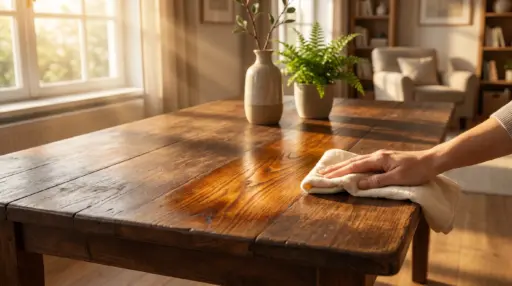
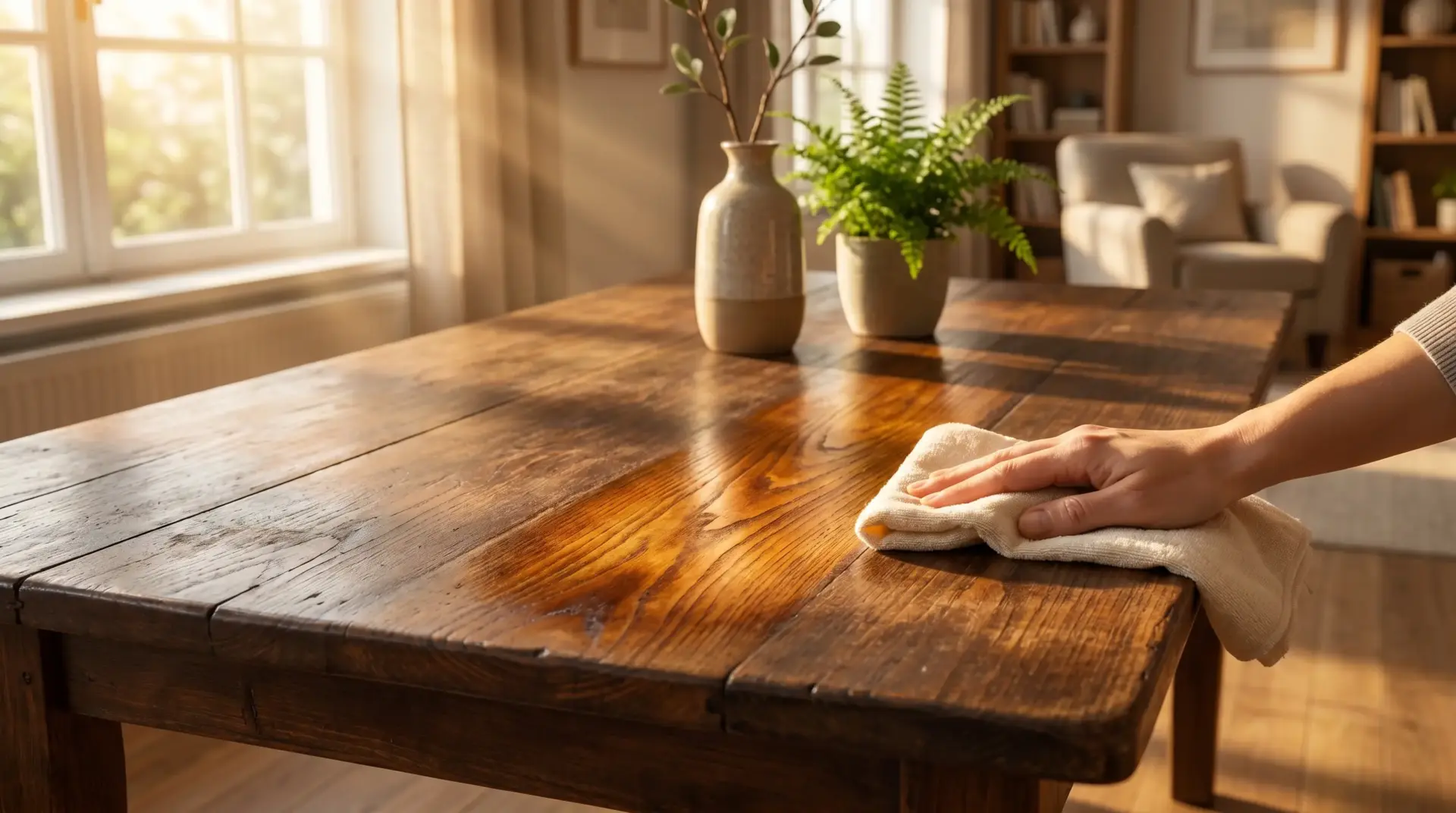
Pieces of dirt pile up over time, slowly grinding against wooden areas. Even if they look too small to matter, constant rubbing takes its toll on shiny layers. A gentle wipe with fabric made for dust often does the full job. Instead of rough pads or strong liquids, choose what won’t strip away built-in shields. Over time, sharp cleaners risk changing how the wood’s pattern shows itself.
Most times, pick cleaners that fit how your furniture is finished. Water sneaking into seams or raw spots happens when too much moisture hangs around. Try wiping with just a bit of wetness on the cloth, then go over it again without any dampness. Starting early with soft care keeps pieces looking like they did at first – slows down wear you can’t fix later.
Daily Use Habits
Start roughing up your table legs by scraping chairs, and soon the finish shows wear. Hot pans left right on wooden tops? That invites burns or warping over weeks. Spills ignored tend to seep deep, softening materials from within. Slap felt pads under lamps or books – tiny shields work quietly. Coasters aren’t just for drinks; they guard against moisture rings every time. Placemats slide neatly beneath plates, blocking crumbs plus stains before they settle.
Most days, the dining table gets used more than anything else in the room – so little routines matter a lot. Wipe it down soon after eating, keep liquids off for too long, also carry things rather than drag them to stop scrapes and marks. Over time, doing these small steps again and again decides how good the piece looks years later.
Moisture and Temperature Control
When wood meets shifting dampness, it swells or shrinks. Over time, those shifts might split boards, twist shapes, or weaken connections. A steady room climate keeps things from falling apart too soon. In winter, parched houses often do better with added moisture. When summer brings muggy air, pulling out extra wetness makes sense.
Wood near heaters or ACs tends to age faster. Away from those spots, it holds up better. Close to laundry machines, movement and dampness take a slow toll. In utility spaces, placing wood storage cabinets too close to a washer and dryer may expose them to heat, vibration, or humidity over time. A steady room climate makes a difference.
Protection From Sunlight
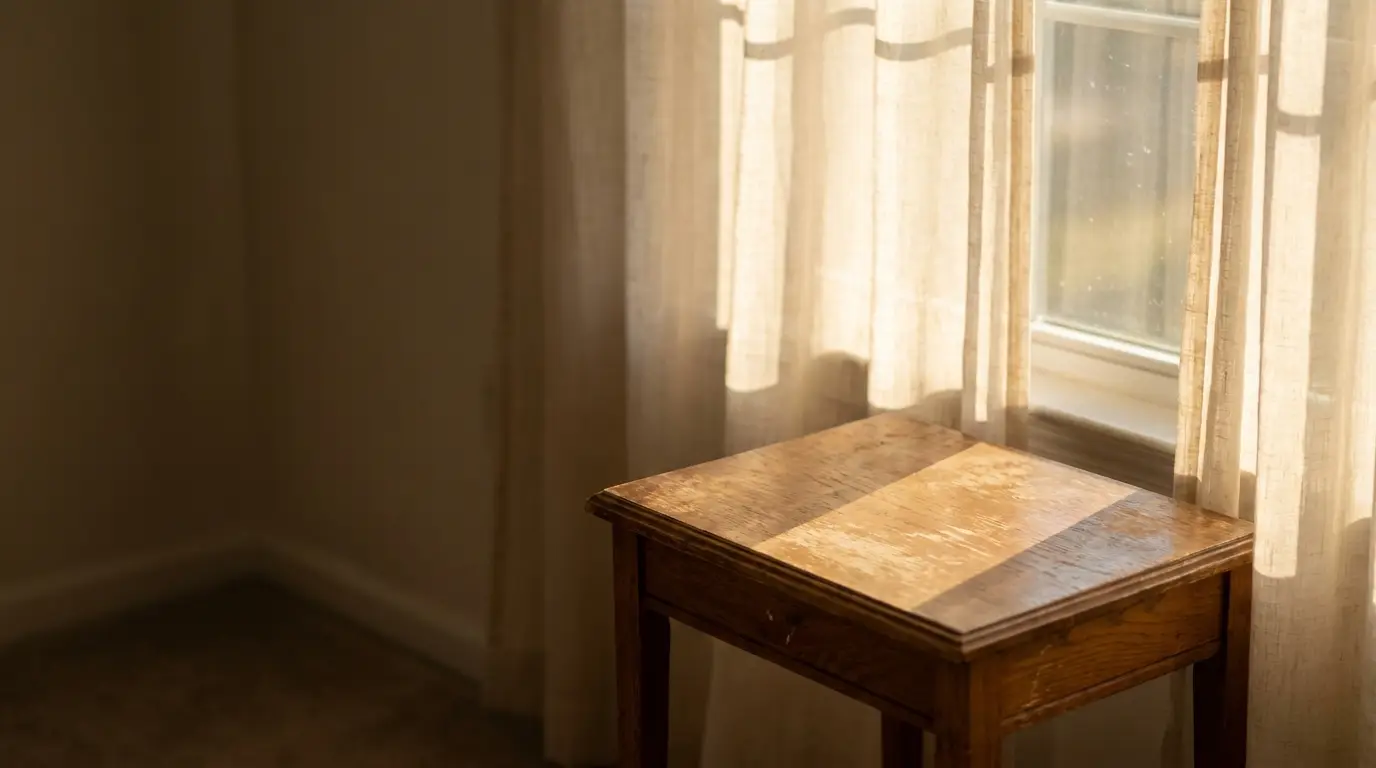
Over time, sunshine tends to lighten wood coatings, shifting how they look. Different types react differently – some grow darker, a few turn pale, creating mismatched patches on panels or floors. Window coverings like drapes, shades, or special film layers block harsh rays but still let daylight through. Sunlight slips in, yet damage slows down.
Every now then, shifting ornaments around stops patchy sun damage. When things sit too long, they often create obvious shadows underneath after removal. A bit of planning with light exposure helps maintain even color across wooden surfaces. Over time, this care supports the way the furniture first looked.
Where Things Go and How They Are Kept
Level floors keep chairs and tables steady, avoiding strain on their frames. When pieces tilt, even slightly, corners take more pressure than they should. A balanced setup slows down wear at connection points over time. Tight spaces lead to frequent knocks, which chips edges or scratches tops. Placement matters just as much as build quality when long-term shape is the goal.
Storing things long term means watching details just as much. Cloth covers that let air pass keep wooden furniture safe from dust without blocking ventilation. Plastic wraps that seal tight can lock in dampness, leading to damage over time. Getting items clean and completely dry before tucking them away helps prevent mold, marks on surfaces, and worn finishes.
Maintenance and Early Repairs
A quick check now and then spots trouble long before big bills show up. When screws wiggle free or wood fibers start splitting, fixing takes minutes. Left alone, tiny flaws creep wider, turning doorframes shaky or floors uneven. Small efforts today block disasters tomorrow – money saved without fanfare. What seems solid at a glance might hide stress lines beneath.
Most times, a little wood polish goes far in keeping things looking fresh while offering light defense against wear. Yet too much care sometimes backfires – leaving gunk behind instead of strength. If deep scratches or cracks show up, handing it to an expert could make more sense than tossing it out. Often, steady small steps matter way more than big fixes when it comes to making pieces last.
Wood furniture lasts longer when cared for regularly, placed wisely, finished early – never left to chance. Moisture avoids it, sun stays away, constant use treated gently – that keeps look and strength steady over time. Small routines, steady noticing, make sturdy pieces stay useful, good-looking, strong even as life shifts, people change.

Tommy Hardy, an alumnus of the Georgia Institute of Technology with a degree in Mechanical Engineering, has been a go-to figure in residential upkeep and innovation for over 18 years. His career commenced in a leading home appliance manufacturing company, where he mastered the intricacies of household systems. Joining our platform in 2020, Tommy quickly became a reader favorite for his practical and easy-to-follow guides. He took the helm of our DIY section in 2019, consistently delivering content that empowers homeowners. Beyond his professional pursuits, Tommy is a passionate gardener and enjoys woodworking, skills enhancing his hands-on approach to home care.