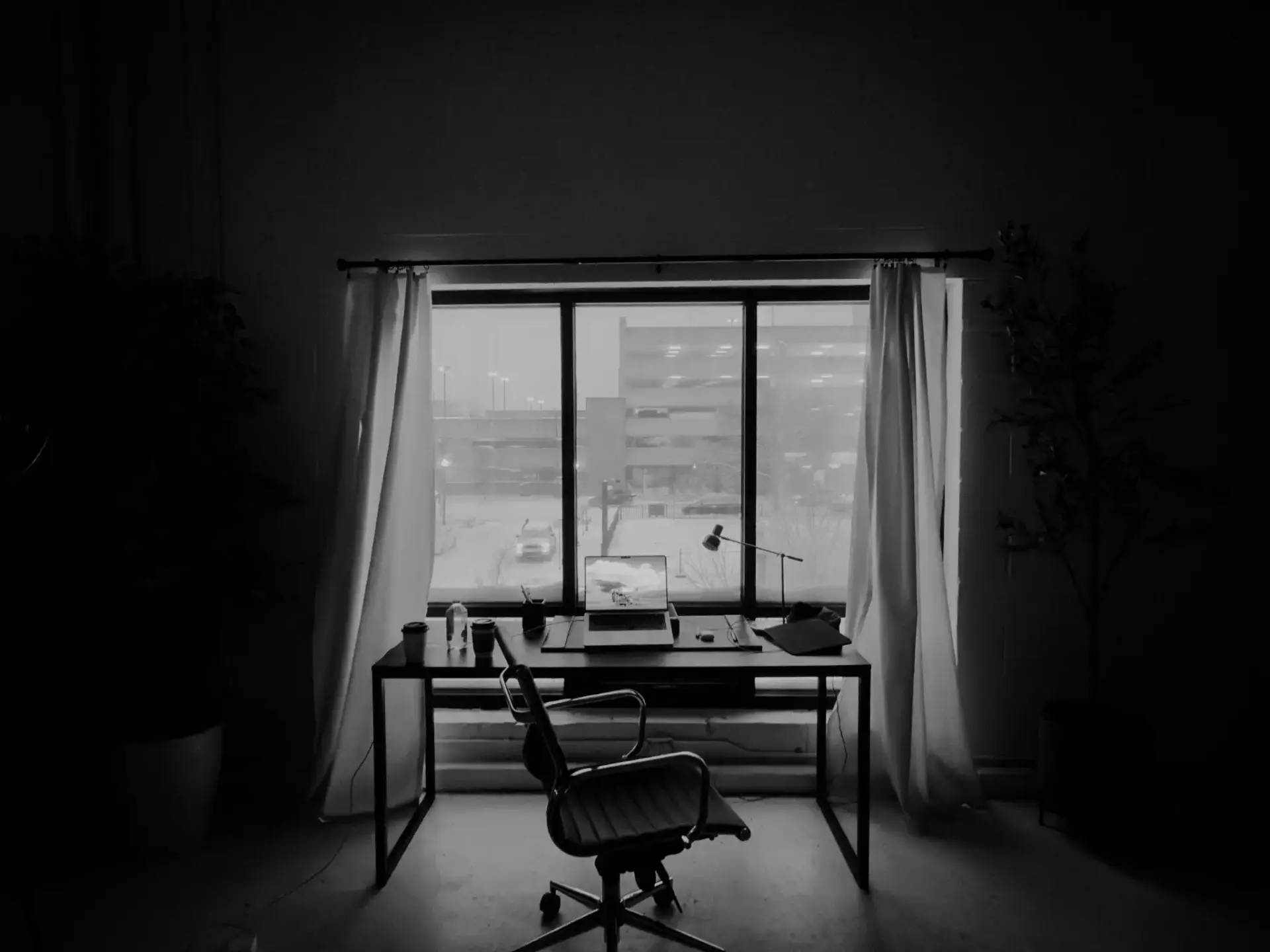
It is exam season, and a regular room can feel heavy. Even before studying begins, a cluttered workstation, bright light, and constant noise can add to the pressure. A low-stress study space won’t erase every deadline, but it can make your brain feel safer and more ready.
Stress can impact breathing, sleep, eating, and concentration. Cortisol levels can rise when the body feels under threat, as part of its stress response. A quieter learning environment gives the nervous system fewer warnings to process.
The goal is not to create a flawless room. Most students live in a shared dorm, bedroom, kitchen, or small apartment. Good design is about making easy choices that protect focus, comfort, and energy.
Why Your Study Environment Matters for Stress
Every day, your environment sends you cues. A crowded table can remind you of work that is not finished. Dark corners are tiring for reading. Loud background noise might put the mind on alert.
A supportive study corner works differently. It teaches your brain that one obvious task matters right now. That cue can help with decision fatigue and make it easier to start. Over time, the same place can become associated with easy effort.
Students often think of productivity as just discipline. Space is important as well. Lighting, color, temperature, posture, and sound all affect how attention feels.
Start With a Desk That Feels Manageable
A low-stress workstation should look prepared, not full. Your notes, laptop, and memory compete with visual clutter. It also creates small reminders of other tasks, which might raise your mental load.
Begin with one honest question. What do you actually need for the next study block? Everything else can go on a shelf, in a drawer, box, or bag.
Desk basics include:
- laptop or notepad you are currently using;
- one textbook, article, or printed handout for this activity;
- water bottle and basic food;
- lamp, charger, pencils, and sticky notes;
- tiny relaxing objects, such as a plant or photo.
This configuration keeps useful things nearby without taking over the table. Take two minutes at the end of each session to put everything back where it belongs. A small reset keeps tomorrow’s stress from starting early.
A clean desk also makes it easier to notice when stress comes from workload, not the room. Sometimes the table is tidy, the light is soft, and the plan still feels too large. That usually means the student needs to reduce pressure around deadlines, confusing instructions, or several courses at once. When tasks pile up, a learner may think who can do my assignment for me because the real problem is workload. At that point, the smartest move is to review priorities instead of blaming the chair, lamp, or wall color. Choose what must be finished first. Move less urgent tasks to a later block. Check the instructions before spending energy on the wrong thing. A calm room should support clear decisions, not hide an overloaded schedule. It should also remind students that extra structure, honest planning, and reliable academic options can be part of a healthier session. That is still part of low-stress design.
Choose Relaxing Colors Without Making the Room Too Sleepy
Color can impact the mood of a study environment. Soft neutrals, muted blues, warm whites, mild greens, and earthy tones are often easy on the eyes. They give a quiet background to reading and writing.
Bright red, vivid colors, and complex patterns can seem intriguing at first. During tests, they can become overstimulating. You don’t need to repaint the room to change the vibe.
Try soothing color accents, such as curtains, folders, a desk mat, bedding, or wall prints. Palettes with two or three main tones usually feel more organized. Less competition between colors can mean less sensory overwhelm.
Improve Lighting for Concentration and Comfort
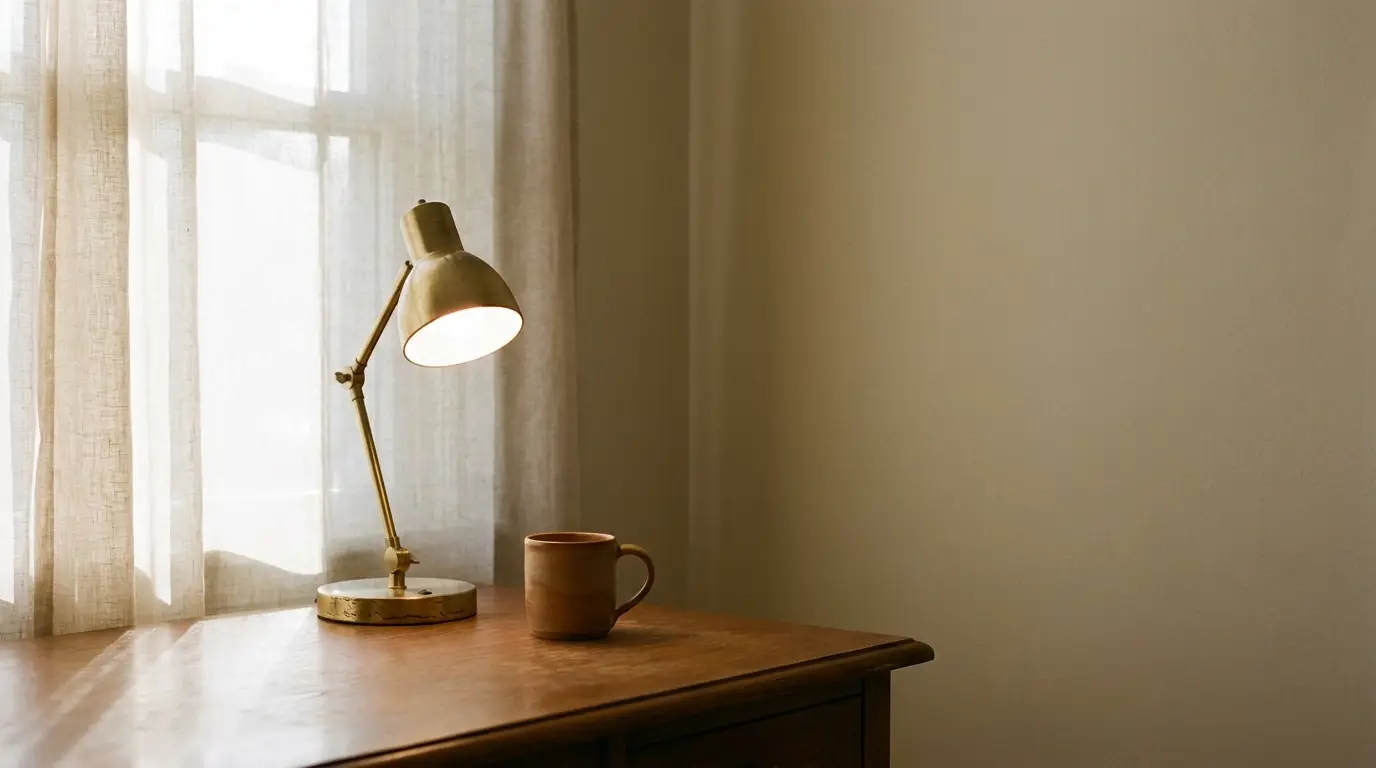
Lighting is one of the main elements of a low-stress study space. Dim light might lead to eye strain and tiredness. Harsh overhead lamps can cause headaches or tension during late-night revision.
Natural light is good for learning during the day. If possible, place the desk near a window, but watch out for glare on screens. If the sunlight is too bright, use light curtains or adjust the angle of the workstation.
Use a task lamp at night, together with general light in the room. A directed lamp helps your eyes read without making the entire room too bright. Warm or neutral light is usually softer than chilly blue light.
During exam season, follow this easy lighting plan:
- Place the primary light behind you or to the side to prevent screen glare.
- Add a task lamp that shines on paper, not in your face.
- Dim the screen when the room gets darker.
- Don’t study only in the glow of a laptop.
- Keep bedtime lighting gentler to protect your sleep schedule.
Good illumination should help you stay attentive without making your body feel invaded. If your eyes hurt after 30 minutes, you need to change the configuration. Comfort is essential to concentration, not a luxury.
Control Noise Before It Controls You
Noise might be one of the largest stressors for students. Roommates, traffic, family chats, notifications, and construction can interrupt attention repeatedly. Every interruption means a reboot for the brain.
Complete silence cannot always be achieved. The better goal is sound that can be counted on. A constant background can feel safer than an abrupt noise.
Noise-control options include:
- foam earplugs for long reading sessions;
- noise-canceling headphones if you live with others or study at a library;
- brown noise, sounds of rain, or soft instrumental music;
- phone settings that turn off alerts during study blocks;
- polite signal that lets others know you’re not available.
Once you have a good strategy, try it with different tasks. Writing may require more silence than flashcards. Math practice could work with quiet background sounds. Match the sound level to the cognitive effort.
Make Comfort Support Alertness
A pleasant room can help relieve stress, but too much comfort can make you sleepy. The optimal study setup should feel comfortable and alert. Your chair, desk height, and screen location matter more than many students expect.
Keep your feet supported, your shoulders loose, and the screen close to eye level. When your back hurts, it is tougher to focus. When your wrists are stiff, writing and typing become painful.
A blanket, a cushion, or a pair of warm socks might be helpful in a cold environment. Still, try not to study in bed when you can. The brain needs bed to stay connected with rest, not panic-reading before tests.
Create a Ritual That Lowers Pressure
A study space works best when there is a repeated routine. Rituals direct the brain to act. They can make starting feel less dramatic when the workload looks excessive.
Open the window for two minutes. Fill your water bottle. Put your phone aside. Write down the first task on paper. Then begin with the simplest useful step.
Small starts matter because stress usually grows before the task begins. Once the first action is done, the body normally feels less blocked. Momentum is better than self-criticism for calming the mind.
What to Do When the Room Isn’t Enough
A gorgeous desk won’t fix burnout, chronic worry, poor sleep, or an impossible workload. Students may blame themselves if a tidy environment does not remedy everything. That response is not fair or helpful.
If the stress level remains high, modify the plan, not just the décor. A low-stress study environment is one support tool. It should be paired with planning, breaks, movement, and human assistance.
If the pressure is still rising, try these additional steps:
- Chunk the assignment into small, clear actions with distinct end points.
- Work hard, rest for real, and use a timer.
- Walk a short distance to free yourself from physical tension.
- Ask a classmate, tutor, teacher, or advisor for help.
- Sleep a little before the exam instead of adding one more exhausted hour.
Support is not a weakness. Students learn better when they don’t have to combat stress alone. A quieter environment helps, but connection and realistic preparation are often just as important.
Recognize Signs That Need More Care
Some stress during finals is to be expected. Constant worry, chest tightness, insomnia, or feeling unable to function needs attention. You can get help from a student support center, counselor, doctor, or trusted adult to figure out safer next actions.
Don’t wait for everything to crash. Early help can prevent a tough week from becoming a significant health issue. Grades matter, but your body is not a machine.
Final Thoughts on a Low-Stress Study Environment
The whole point of a low-stress study place is to remove needless strain. Studying feels different when surfaces are clear, colors are soothing, lighting is better, noise is controlled, and posture is comfortable. Exam season can become more manageable with a few tweaks.
Still, no space can bear the whole weight of college life. If stress stays high, rely on practical help, flexible planning, and rest. Your optimal study space should be supportive, but it should never replace self-care.

Dr. Naomi Chen, PhD (Stanford) in Educational Psychology, spent a decade designing evidence-based curricula for K-12 schools. She joined us in 2024 to translate learning science into practical study tactics, classroom tools, and parenting tips. In her spare time, Naomi mentors robotics teams and reviews children’s literature.