
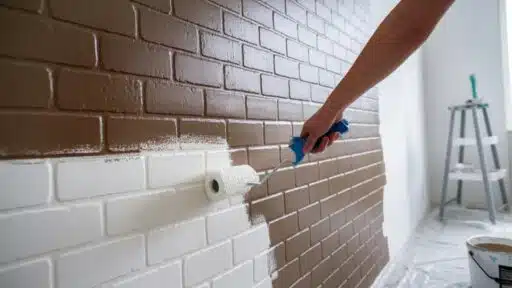
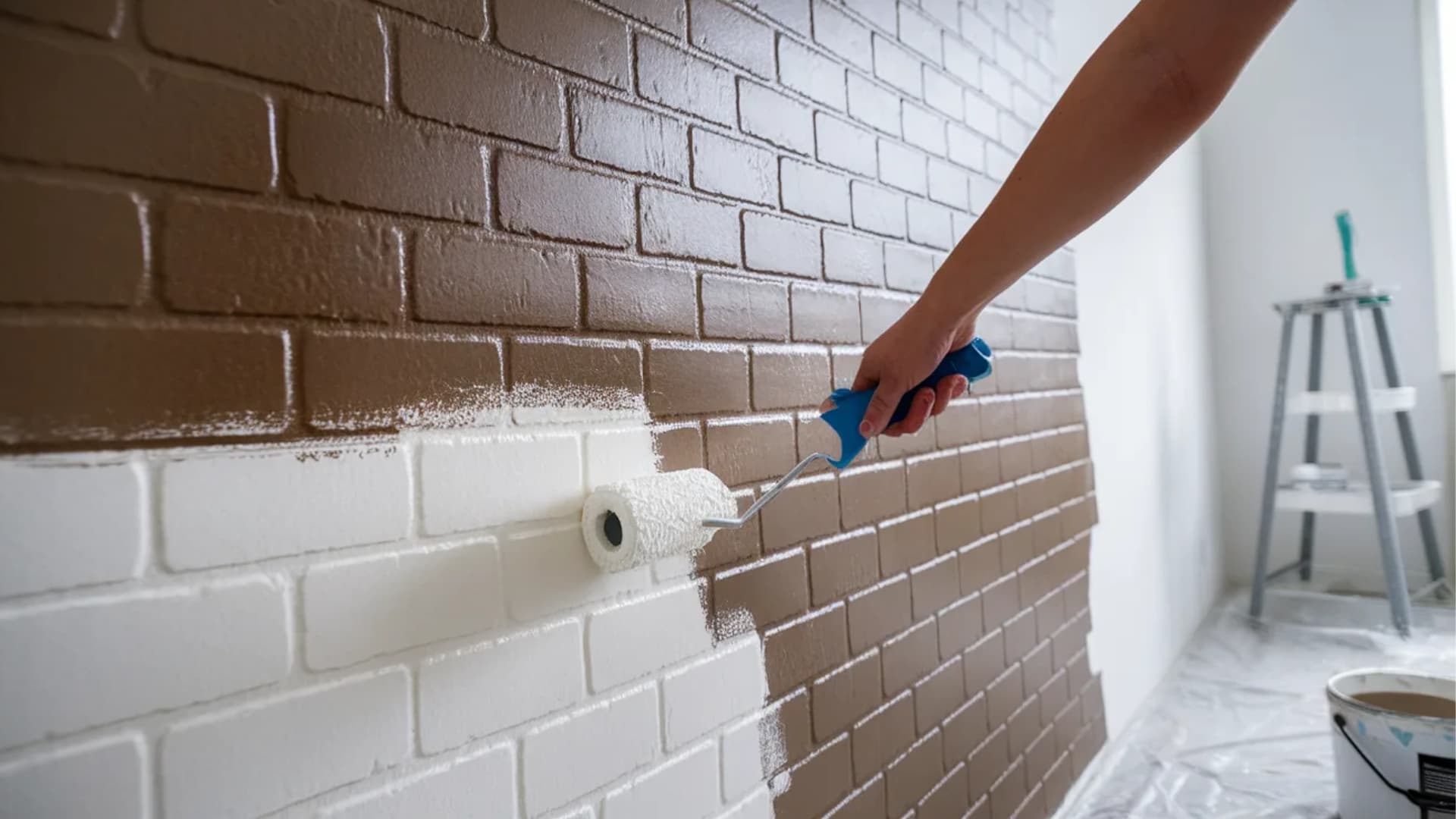

Old tile does not always need to go. Before budgeting for a full replacement, it is worth asking a question most homeowners overlook: can you paint tile?
The answer is yes, and done correctly, it holds up far better than most people expect. Kitchens, bathrooms, backsplashes, and floors have all been successfully refreshed with paint at a fraction of the cost of retiling.
The catch is that results depend almost entirely on preparation, paint selection, and an understanding of which tile types actually take paint well.
Get those right, and it is one of the more satisfying weekend projects a home can offer.
Can You Paint Tile?
Yes, you can paint tile. But not every tile takes paint well, and not every surface holds up over time.
Ceramic tile is the easiest to paint and gives the best results. Porcelain tile can work too, but its dense, low-absorption surface makes adhesion harder.
Natural stone is tricky because it is porous and may absorb paint unevenly. Glass tile rarely holds paint for long.
Walls and backsplashes are the safest surfaces to paint. Floors and showers face heavy moisture and foot traffic, making painted tile far less durable there.
Pros and Cons of Painting Tile
Before you commit to painting your tile, it helps to see the full picture. Here is a quick breakdown of what works in your favor and what can work against you.
| Factor | Advantages | Disadvantages |
|---|---|---|
| Cost | Much cheaper than replacement | Hidden costs if prep or products are skipped |
| Time | Quick visual transformation | Requires drying and curing time |
| Customization | Wide range of color options | Color may fade or yellow over time |
| Skill Level | DIY-friendly for beginners | Poor prep leads to peeling and chipping |
| Durability | Works well on low-traffic walls | Fails faster on floors and wet areas |
| Lifespan | Good short to mid-term fix | Shorter lifespan than full tile replacement |
If your tile is in a high-moisture or high-traffic area, the disadvantages can quickly outweigh the savings. Knowing this upfront helps you make a better decision for your home.
Best Types of Tile Surfaces for Painting
Not all tile surfaces are equal when it comes to paint. Some hold up well, and some cause headaches down the road. Here are the surfaces where painting actually makes sense.
- Bathroom Wall Tiles: Bathroom wall tiles are among the best candidates. They skip the heavy foot traffic and stay mostly dry between uses. Paint bonds well here and lasts longer than in most other spots.
- Kitchen Backsplash Tiles: Backsplash tiles are another great option. They cover a small area, face minimal physical contact, and a fresh color can completely change how your kitchen looks without a big budget.
- Low-Traffic Floor Tiles: Floor tiles in low-use areas, like a guest bathroom or laundry room, can be painted with the right floor-grade paint. High-traffic floors are a different story and tend to chip and wear fast.
- Outdoor Tile Considerations: Outdoor tiles face sun, rain, and temperature fluctuations year-round. Paint breaks down faster here. If you go this route, use exterior-grade paint and expect to touch up or repaint more often.
Choosing the right surface before you start saves you time, money, and frustration. Stick to low-moisture and low-traffic areas for the best and longest-lasting results.
Tiles You Should NOT Paint
Some tiles are simply not worth painting. Heavily textured tiles trap air bubbles, making it nearly impossible to achieve smooth, even coverage.
Shower floors are constantly exposed to water, soap, and scrubbing, so paint peels off fast, no matter how well you prep.
Cracked or damaged tiles are a bigger problem beneath the surface, and paint only hides the issue temporarily.
Natural stone tiles like marble and slate have uneven, porous surfaces that absorb paint unpredictably and rarely bond well.
Painting these surfaces wastes your time and money. In these cases, replacement or professional refinishing is always the smarter call.
How to Paint Tile Properly?
Painting tile is not just rolling on color and calling it done. Every step matters. Skip one, and you risk peeling, chipping, or a finish that lasts only a few months.
Follow these steps carefully for results that actually hold up.
Step 1: Deep Cleaning the Surface
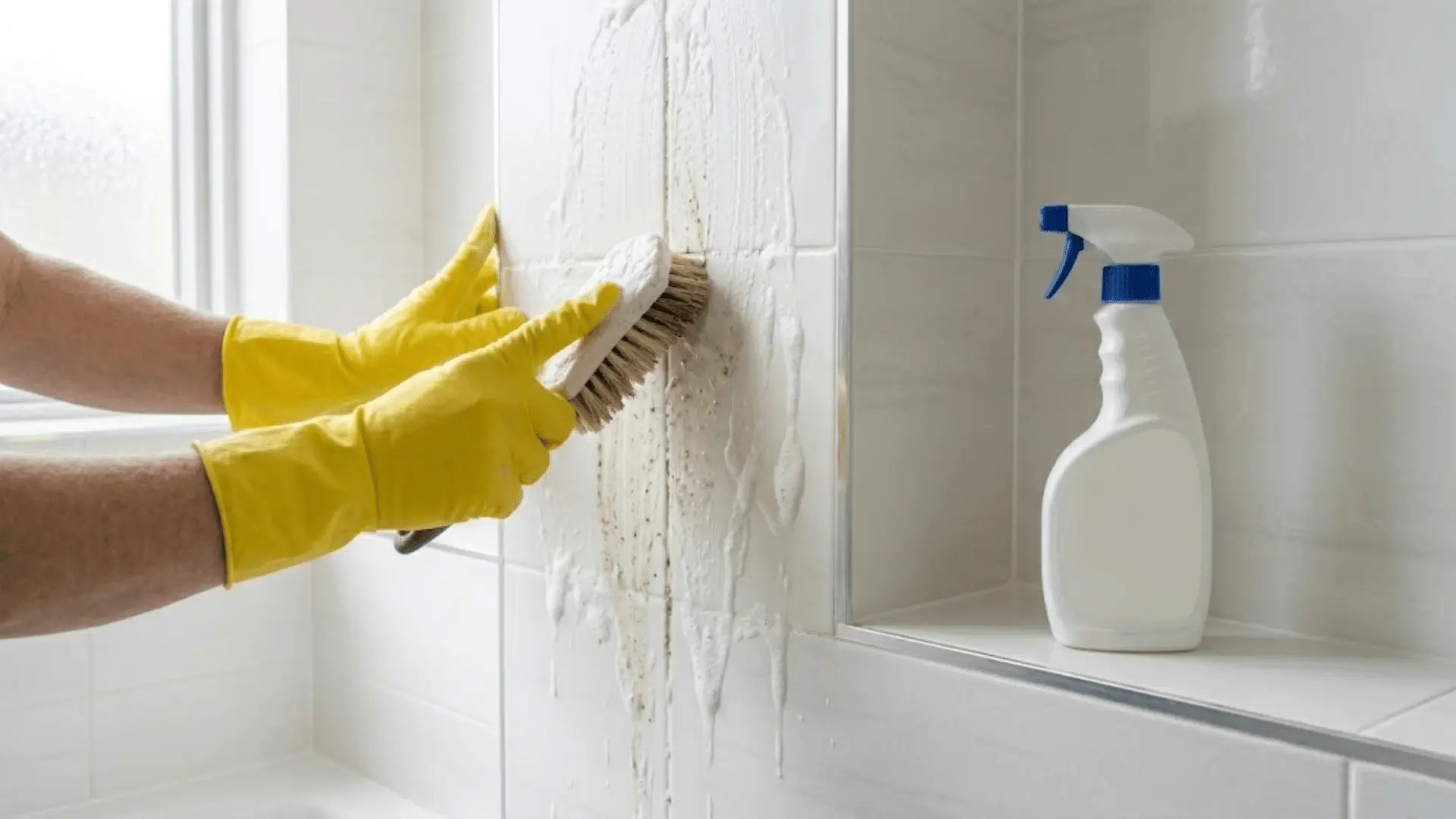
Start with a completely clean tile. Grease, soap scum, and dirt prevent paint from bonding properly.
Use a degreaser or a white vinegar and water mixture, and if floor tiles are involved, getting them thoroughly clean first makes a bigger difference to the final result than most people expect.
Scrub every surface, including grout lines, rinse well, and let everything dry fully before moving on.
Step 2: Sanding or Etching the Tile
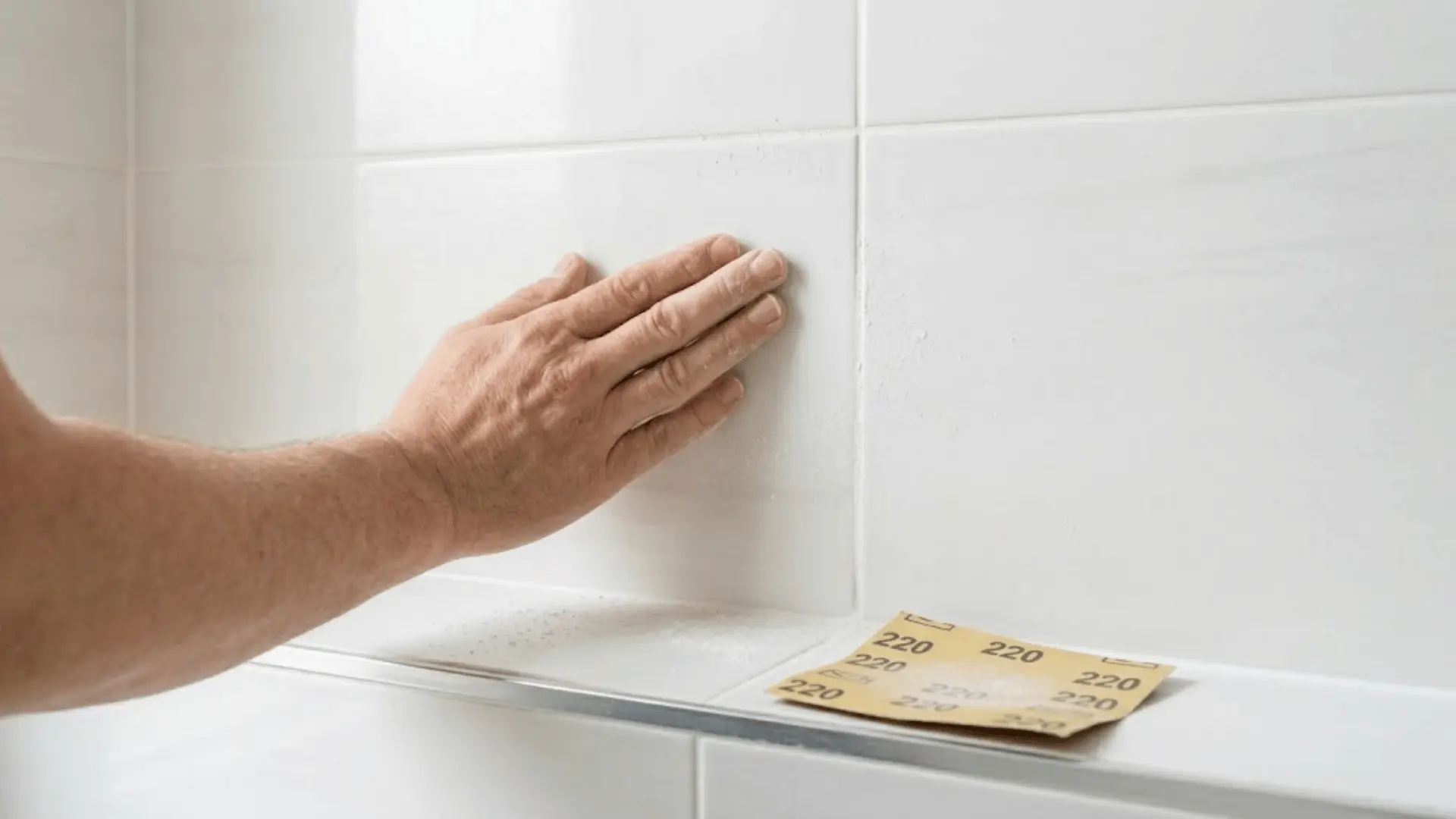
Paint needs something to grip onto. Lightly sand the tile surface with 220-grit sandpaper or use a chemical etching solution made for tile.
This roughens the surface just enough for better adhesion.
Wipe away all dust with a damp cloth after sanding. Do not skip this step even if the tile already looks dull or worn down.
Step 3: Applying Primer
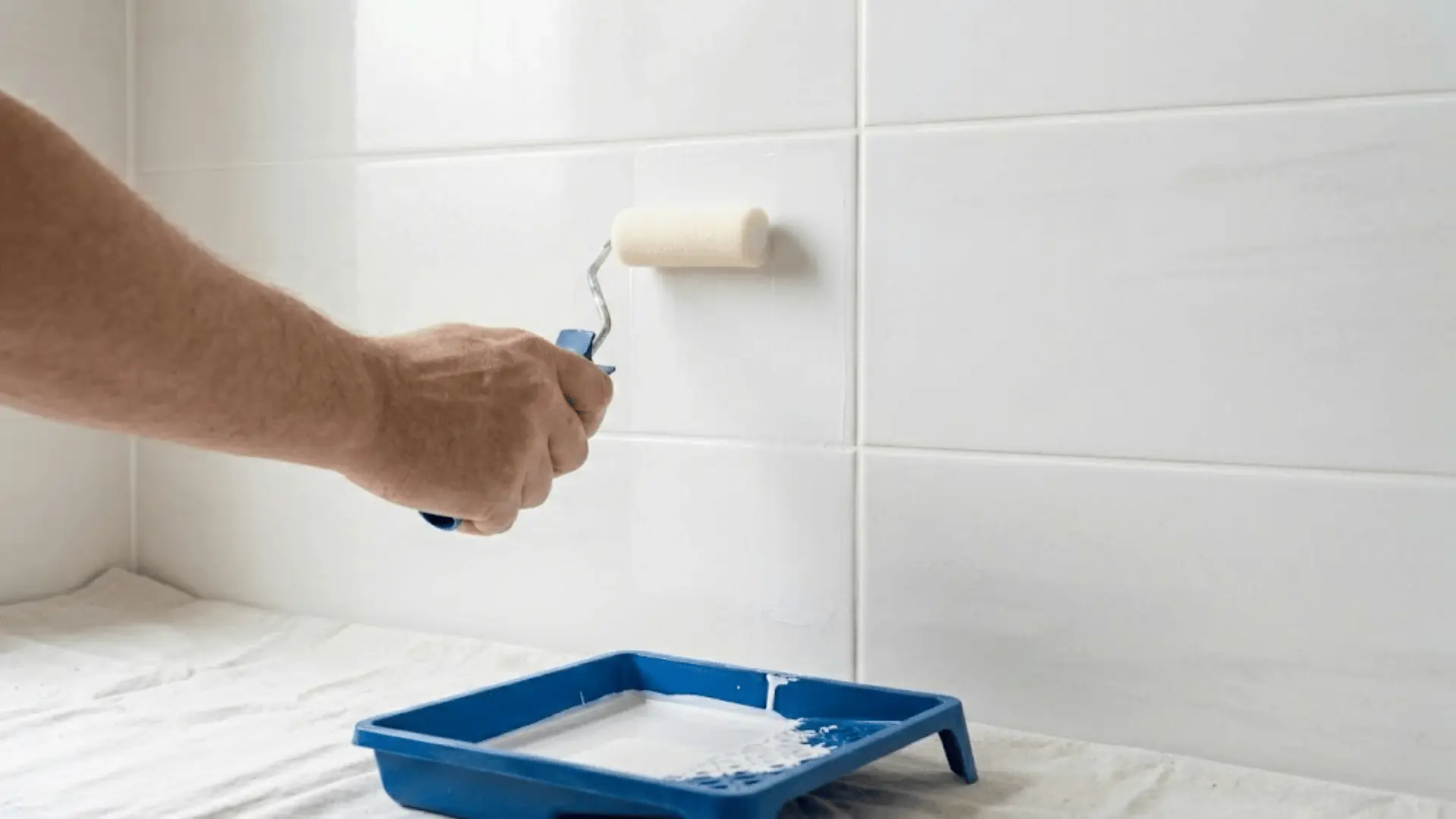
A bonding primer is non-negotiable for tile.
A regular primer will not cut it here. Choose a primer specifically designed for slick or hard surfaces. Apply a thin, even coat and let it dry completely according to the product instructions.
A good primer creates the foundation that keeps your paint from peeling within weeks of application.
Step 4: Choosing the Right Tile Paint
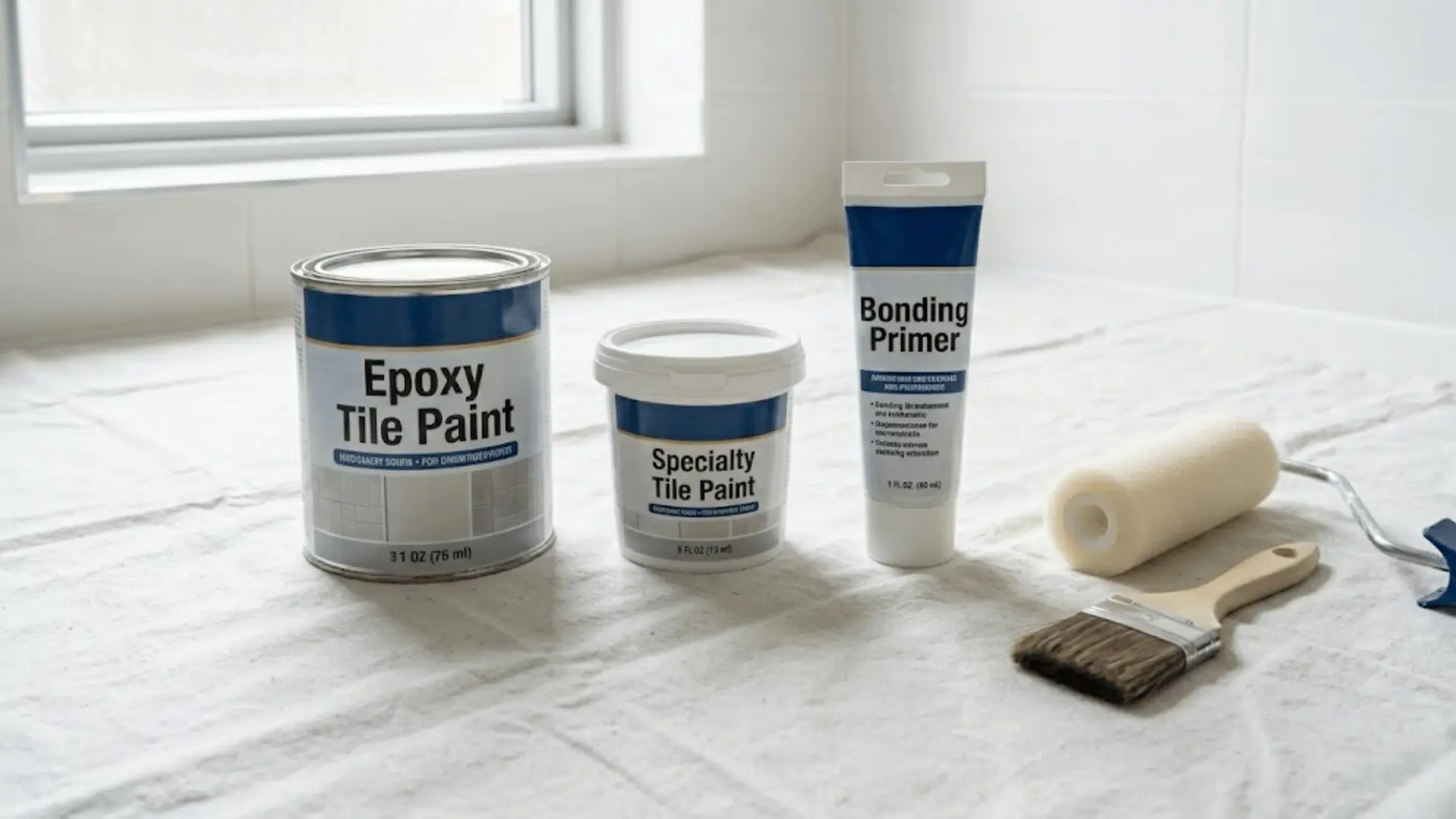
Not every paint works on tile. Epoxy paint is the most durable and holds up well in damp areas. Latex paint with a bonding primer can work on low-traffic walls.
Specialty tile paints are also available and designed specifically for this job.
Always match your paint choice to the location and the amount of moisture or wear the surface gets daily.
Step 5: Painting the Tile
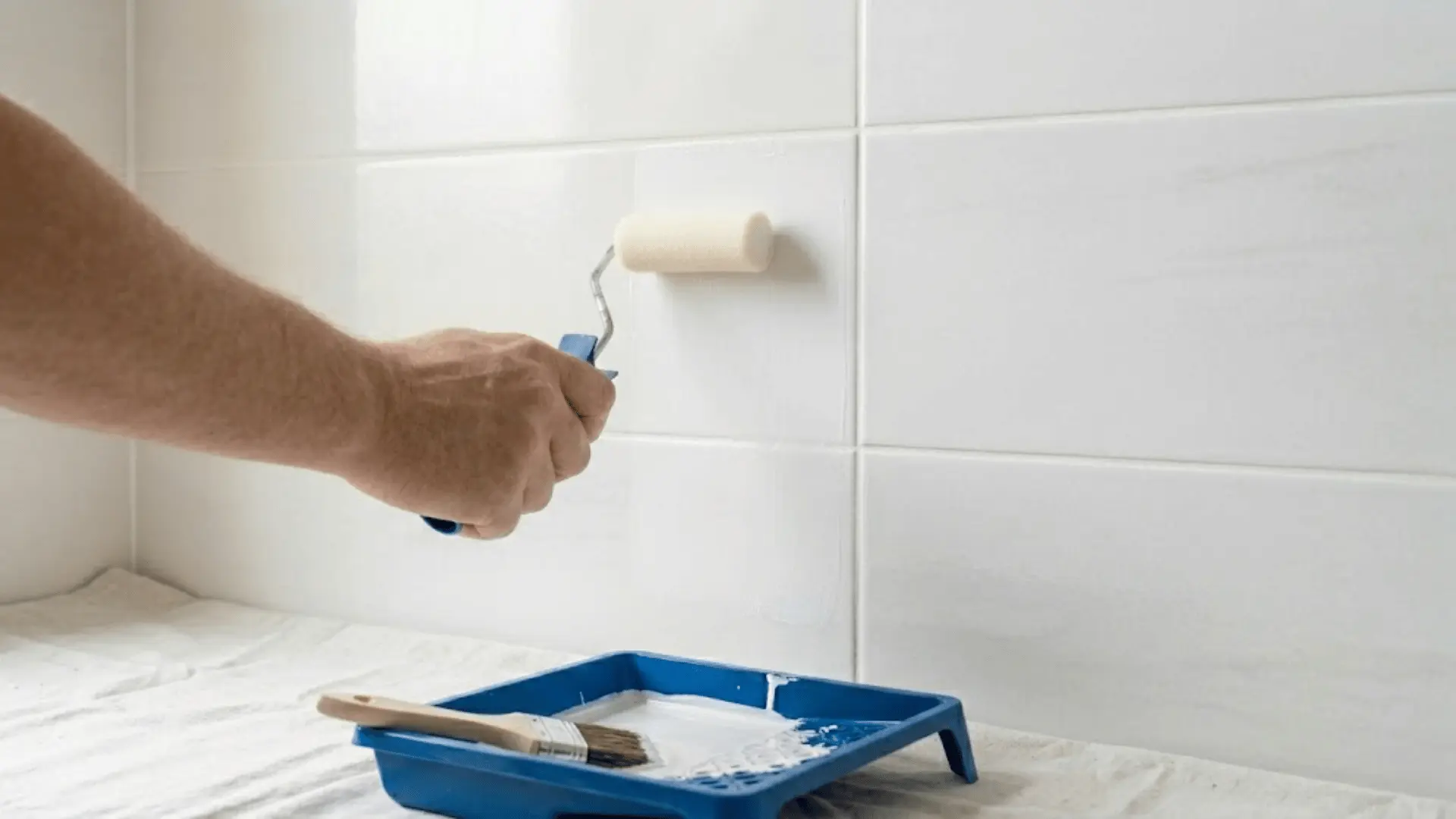
Apply paint in thin, even coats. A small foam roller gives the smoothest finish on flat tiles. Use a brush for edges and grout lines.
Spray paint works too, but requires careful masking. Let each coat dry fully before adding the next one.
Two to three thin coats always perform better than one thick coat that takes forever to cure.
Step 6: Sealing for Durability
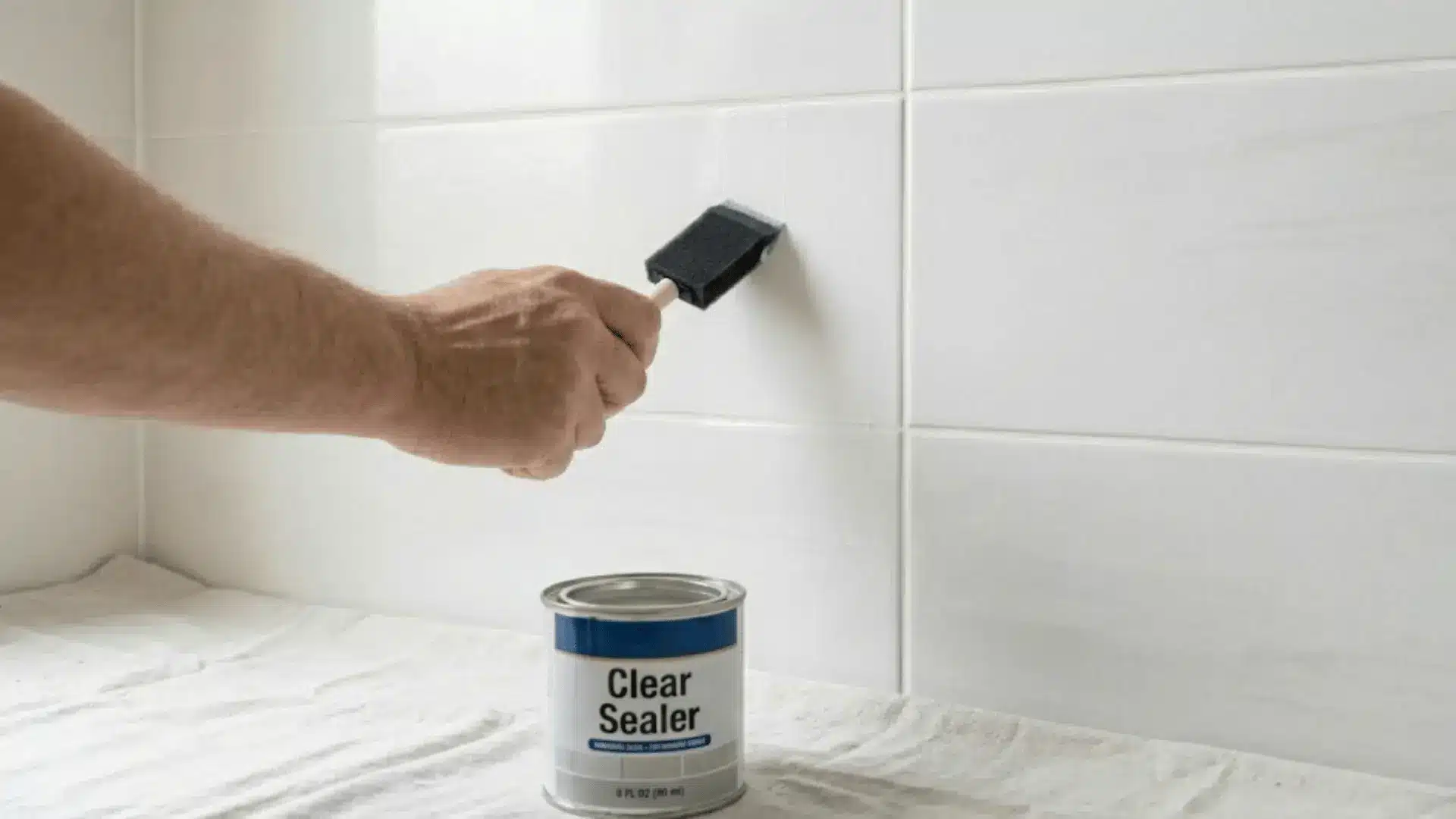
A sealant or topcoat is the final and most important layer.
It protects the paint from moisture, scratches, and daily wear. Use a clear water-based polyurethane or a tile-specific sealer.
Apply at least two coats and let it cure fully before using the surface. Without a proper sealant, even the best paint job will start showing wear much sooner than expected.
How Long Does Painted Tile Last?
Painted tile lifespan depends heavily on where it is and how well it was prepped. In kitchens and bathrooms, wall tiles can last three to five years with proper prep and sealing.
Floor tiles wear out faster, especially in high-traffic areas, often needing touch-ups within 1 to 2 years. Moisture, heavy scrubbing, and poor prep work are the biggest durability killers.
To extend the life of painted tile, avoid harsh chemical cleaners, use a soft cloth instead of abrasive scrubbers, and reseal the surface every year.
Small touch-ups done early also prevent bigger peeling problems later on.
Cost of Painting Tile vs. Replacing Tile
One of the biggest reasons homeowners consider painting tile is the cost difference.
Here is a straightforward breakdown to help you compare both options before making a decision.
| Option | Average Cost | Lifespan | Best For |
|---|---|---|---|
| DIY Tile Painting | $50 to $200 | 2 to 5 years | Small areas, tight budgets |
| Professional Tile Painting | $300 to $1,000 | 3 to 6 years | Larger surfaces, better finish |
| Tile Refinishing Service | $400 to $1,200 | 5 to 10 years | Bathrooms, kitchens, tubs |
| DIY Tile Replacement | $1 to $15 per sq ft | 20 to 30 years | Damaged or heavily worn tile |
| Professional Tile Replacement | $10 to $40 per sq ft | 20 to 30 years | Full room renovations |
If your tile is structurally sound and you just want a fresh look on a budget, painting makes sense.
But if the tile is cracked, outdated beyond a quick fix, or in a high-moisture area, putting that money toward replacement is the smarter investment in the long run.
Common Mistakes to Avoid When Painting Tile
Avoiding these mistakes before you start can save you a lot of time and frustration later.
- Skipping Surface Prep: This is the number one reason painted tile fails. Dirt, grease, or soap scum left on the surface stops paint from bonding. Always clean, sand, and prime before applying any paint.
- Using the Wrong Type of Paint: Regular wall paint will not hold up on tile. Always use epoxy paint, bonding primer-based latex, or a specialty tile paint designed for slick, hard surfaces.
- Not Sealing Properly: Paint without a topcoat is exposed and vulnerable. Skipping the sealant leads to chipping, peeling, and water damage much sooner than expected.
- Painting High-Moisture Areas Incorrectly: Shower walls and floors require waterproof, mold-resistant products. Using standard paint in these spots is a recipe for fast failure.
Getting these basics right makes the difference between a result that lasts years and one that starts peeling within months.
Some Expert Tips for Better Results
A few smart moves before and during the process can make a big difference in how your painted tile turns out.
- Choose light colors to hide uneven textures and flaws.
- Dark colors make scratches and imperfections more visible.
- Test paint on a small, hidden spot before painting everything.
- Wait 48 hours to check if the paint sticks properly.
- Use high-bond primers and epoxy paint for improved durability.
- Avoid cheap paint products that peel or chip quickly.
- Keep the room well ventilated while painting.
Follow these tips, and your painted tile will look better and last significantly longer than the average DIY result.
Alternative Options to Painting Tile
Painting tile is not the only way to refresh your space. Several other options may work better depending on your budget and long-term plans.
Peel-and-stick decals are simple to apply and ideal for temporary updates, especially for renters. Reglazing gives tiles a smooth and durable finish that often lasts longer than paint.
Tile overlays can be installed directly over old tiles, giving a fresh new look without messy demolition. If your tiles are badly damaged or outdated, full replacement is the most permanent solution.
While it costs more upfront, it adds lasting value and durability to your home for years to come.
Frequently Asked Questions (FAQs)
Does Painted Tile Peel Easily?
It can. Peeling happens most often when prep work is skipped. Proper cleaning, sanding, and priming significantly reduce the likelihood of early paint peeling.
Can You Paint Shower Tiles?
Yes, but it is risky. Showers stay wet constantly. Use waterproof epoxy paint and seal thoroughly. Even then, expect a shorter lifespan than in other areas.
What is the Most Durable Tile Paint?
Epoxy paint is the most durable option available. It bonds strongly, resists moisture, and holds up far better than standard latex or wall paint on tile.
Do You Need to Sand Tile Before Painting?
Yes, always. Sanding roughens the slick tile surface and helps paint and primer bond properly. Skipping this step leads to poor adhesion and early peeling.
Final Verdict
So, can you paint tile? Yes, and in the right situation, it genuinely delivers.
Structurally sound tile on a low-moisture wall, a tight budget, and a willingness to prep properly are all the conditions needed for a result worth being proud of.
That said, shower floors, cracked tiles, and heavily textured surfaces are worth avoiding, as the failure rate in those scenarios is high regardless of the products used.
For renters, budget renovators, and quick refreshes, painted tile is a practical and satisfying solution. For high-moisture spaces and long-term value, refinishing or full replacement will always be the smarter investment.
Have you tried painting tile before? Share how it went in the comments below.