
I first came across a trellis while helping a friend fix up her small backyard. She had a simple wooden frame on the wall with climbers growing up it. It looked good and was actually doing a job.
If you’ve ever asked yourself what a trellis is and what it’s used for, this guide is for you.
Many homeowners see them at garden centers or in neighbors’ yards but don’t fully understand how they work.
In this article, I’ll cover what a trellis is, the different types you can buy, what plants work well with them, and how to choose the right one for your home.
I’ve been gardening for over ten years and have used all kinds of trellises, from basic wood panels to freestanding metal frames.
By the end, you’ll know exactly what you need.
What is a Trellis?
A trellis is a flat, open framework used to support climbing plants or add structure to a garden space. It is usually made of crossed or interwoven strips arranged in a grid pattern.
Wood is the most widely used material. It fits most garden styles and is easy to work with. Metal trellises are strong and durable, making them a solid choice for heavier plants.
Vinyl requires very little upkeep and won’t rot or rust. Bamboo is lightweight and natural, often used in smaller setups.
A trellis is different from a pergola or arbor. A pergola is a large overhead structure, and an arbor forms an arch or walkway.
Trellis stays flat and is designed to support rather than shelter.
A trellis does more than just hold climbing plants. It also works as a privacy screen, a garden divider, a wall display, or a decorative feature both indoors and outdoors.
What Does a Trellis Do?
A trellis supports climbing plants, keeps gardens organized, saves space, and can add beauty, privacy, and versatility to any yard or small outdoor area.
- Provides Plant Support: Keeps climbing plants upright, preventing sprawling and promoting healthy, organized growth for beans, roses, or ivy.
- Saves Ground Space: Vertical growth allows more plants in smaller areas, ideal for patios, balconies, or tiny gardens.
- Enhances Garden Appearance: Adds structure and tidiness, making garden beds look neat while guiding plants in attractive patterns.
- Offers Privacy and Shade: Dense foliage on a trellis can create natural screens or soft shade for outdoor spaces.
- Low-Cost Garden Upgrade: Simple to install, a trellis supports plants, improves layout, and enhances overall outdoor functionality.
Using a trellis improves garden health, adds visual interest, maximizes space, and provides functional benefits, making it a smart and practical choice for any gardener.
Types of Trellises Homeowners Use
Not all trellises work the same way or fit every space. Knowing the options makes it easier to pick what actually suits the garden or outdoor area.
1. Wall Trellis
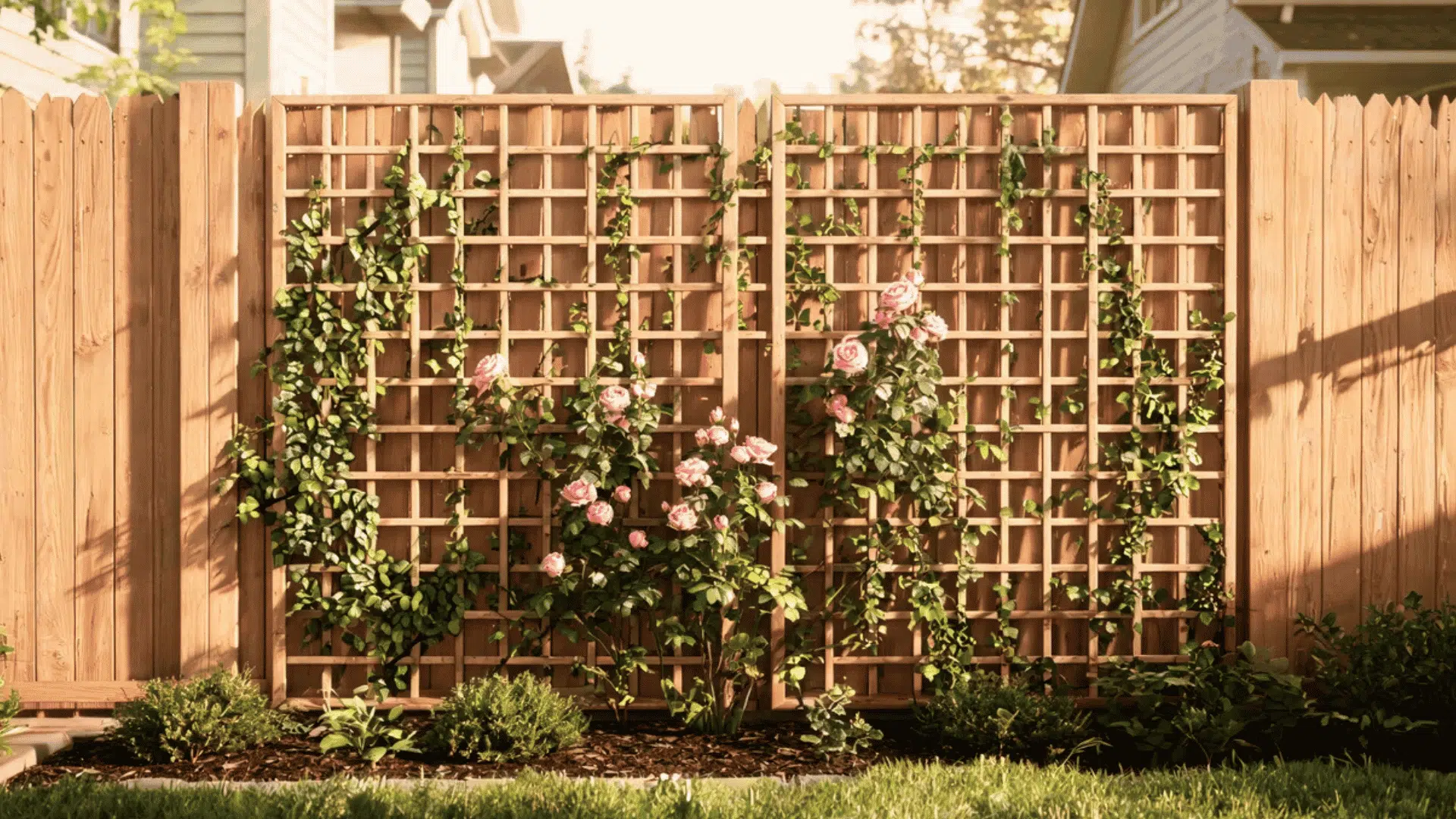
A wall trellis is mounted directly against a fence, exterior wall, or solid surface.
It is one of the most common types found in residential gardens because it uses existing structures instead of taking up ground space.
Plants grow flat along the surface, which keeps the area open and organized. This type works especially well for climbing roses, jasmine, and ivy.
It is a practical choice for narrow side yards or small garden beds with limited room.
2. Freestanding Trellis
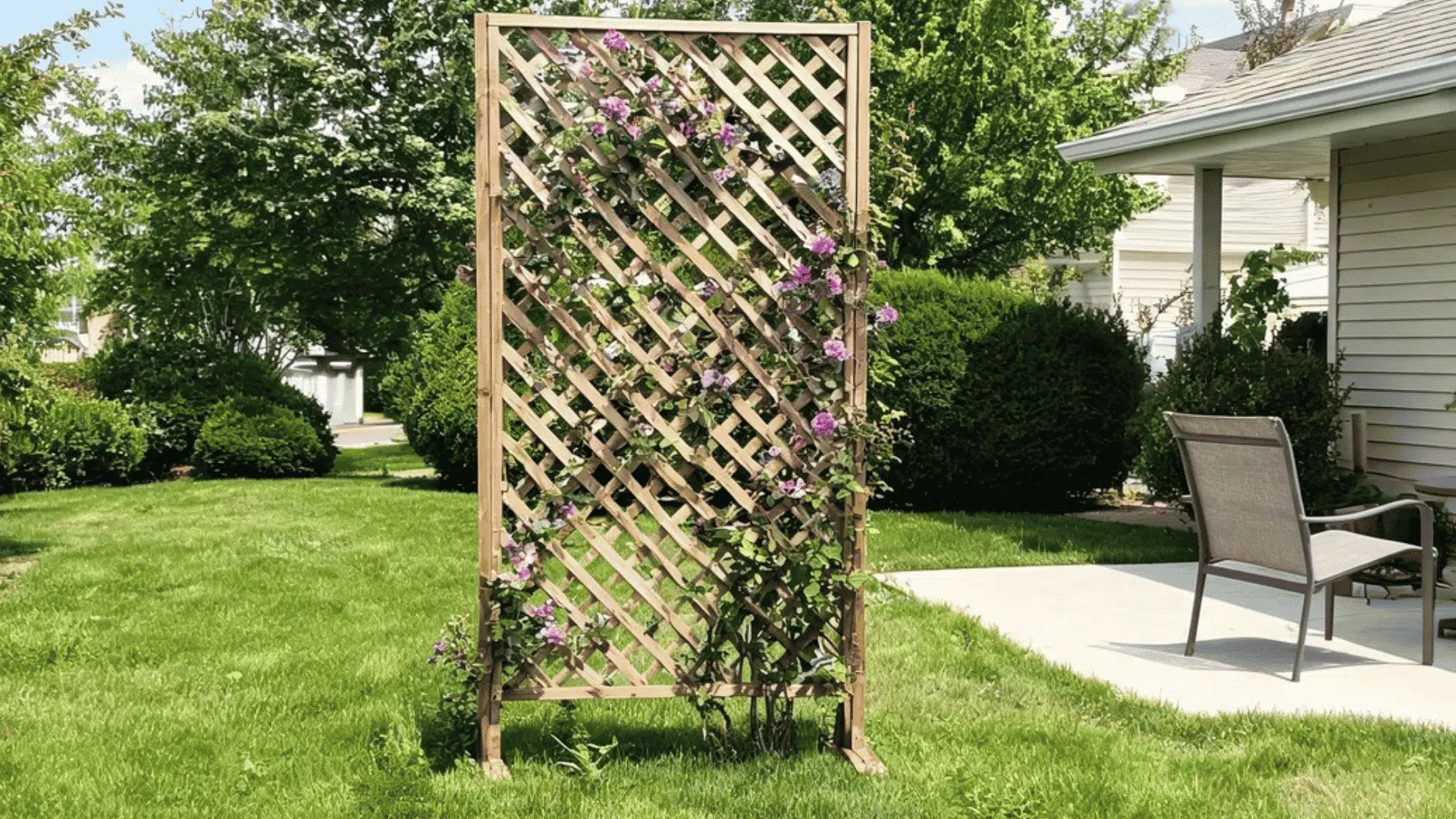
Unlike fixed options, a freestanding trellis stands on its own and can be placed anywhere in the yard. It does not require a wall or fence for support, making it flexible for open garden areas.
Most come with ground stakes or a base frame to hold them in place. This type suits gardens that change with the seasons, since it can be moved or repositioned with little effort.
It also works as a soft divider between different sections of an outdoor space.
A freestanding trellis is a good starting point for homeowners who want flexibility without committing to a permanent garden structure.
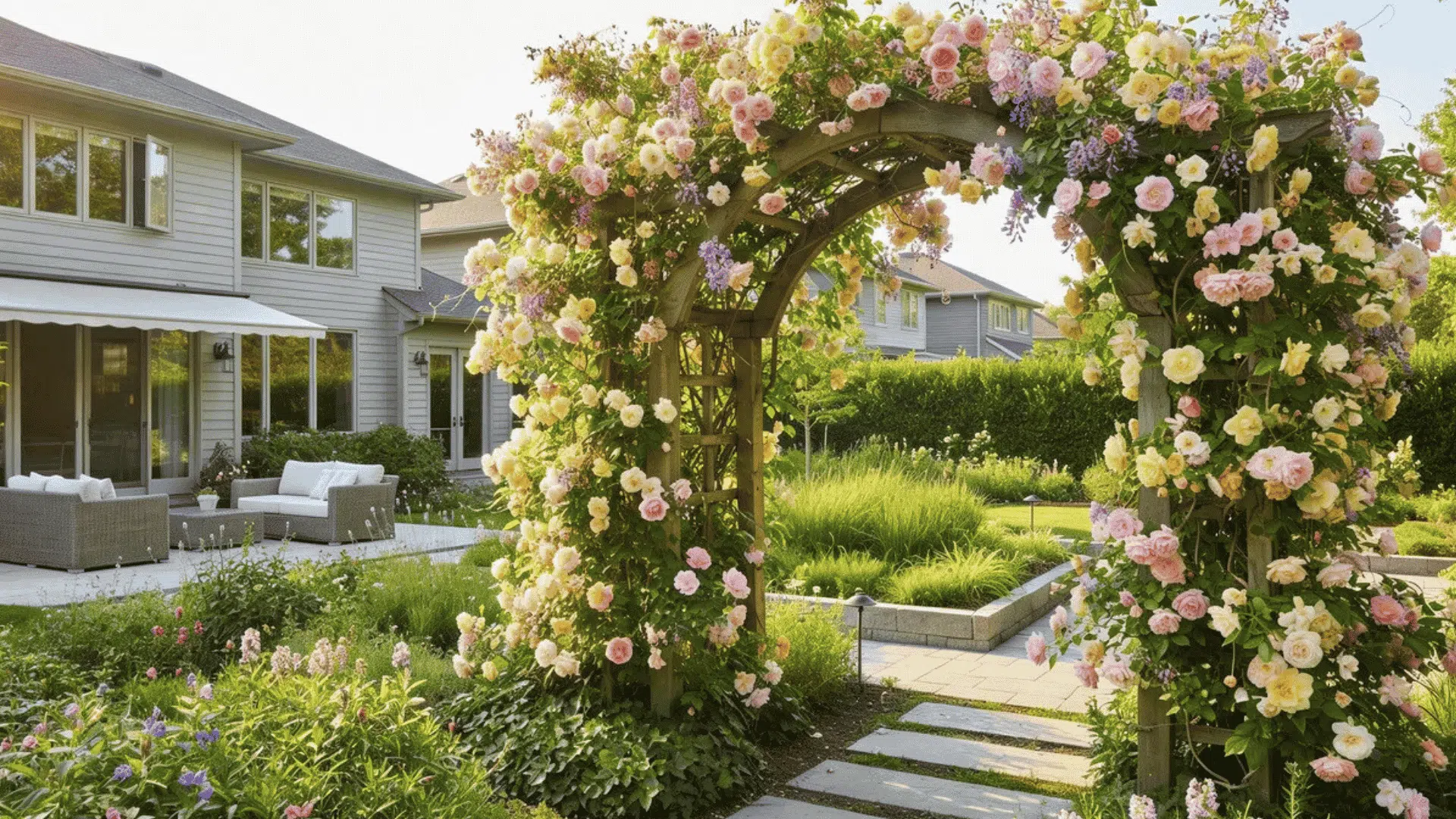
3. Arch Trellis
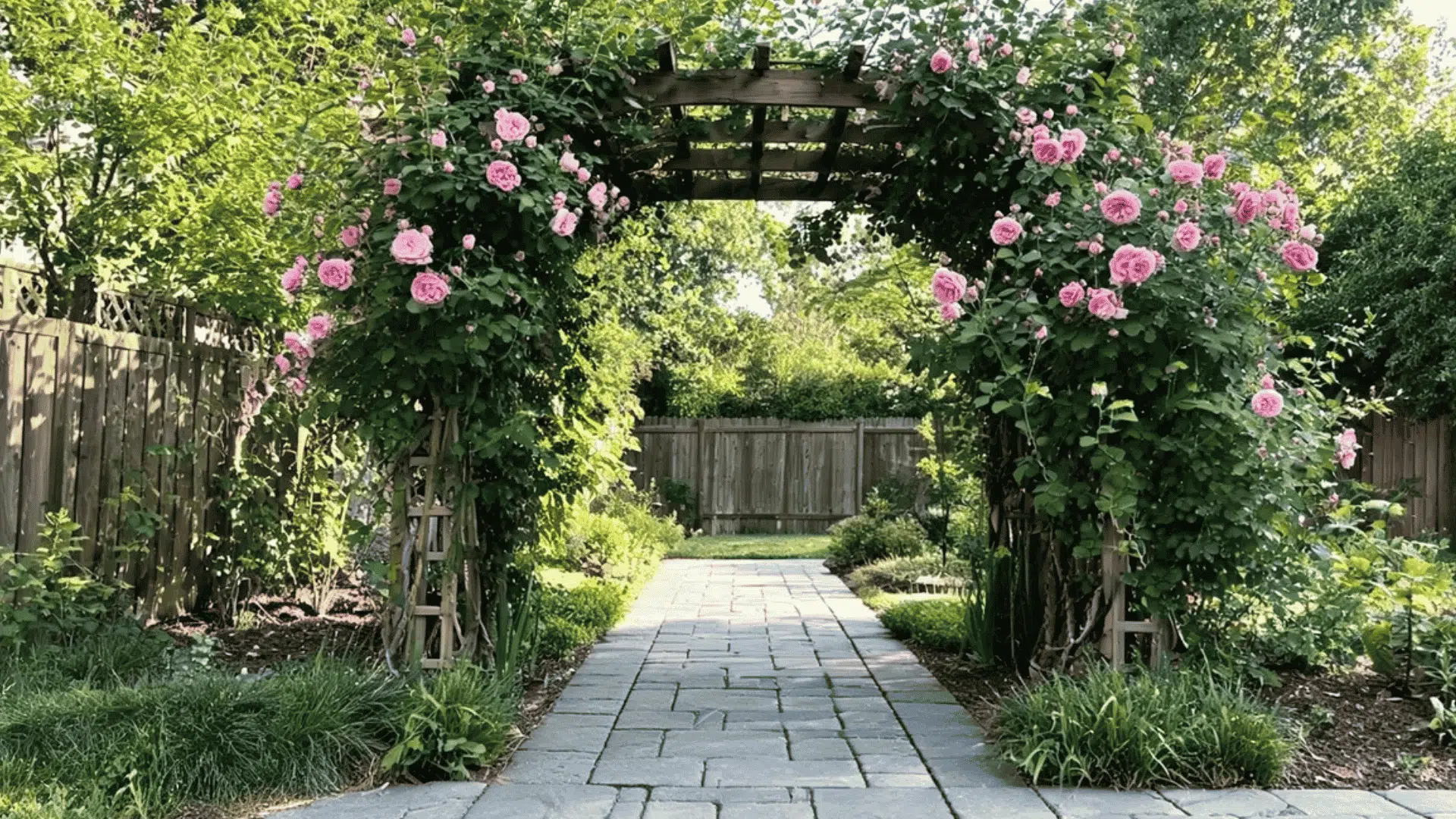
Step back and think about the entry points in a garden. An arch trellis frames a pathway or gate opening, giving the space a defined, structured look.
Plants grow up and over the arch, eventually creating a natural canopy of foliage or flowers above the walkway. It is a popular choice for cottage-style and traditional gardens.
Roses, clematis, and wisteria are commonly trained over arch trellises because they fill the curved frame so well over time.
4. Lattice Trellis
Lattice trellises feature a crisscross grid pattern that is both functional and visually familiar. The open-grid design makes them among the most recognizable types of trellis used in residential outdoor spaces.
They are widely used as privacy screens on patios, mounted along fence lines, or set up as backdrops for garden beds.
More to Know:
- Works well as a privacy screen when paired with fast-growing climbers
- Available in wood, vinyl, and metal to suit different budgets
- Can be cut to custom sizes for tight or irregular spaces
5. Expandable Trellis
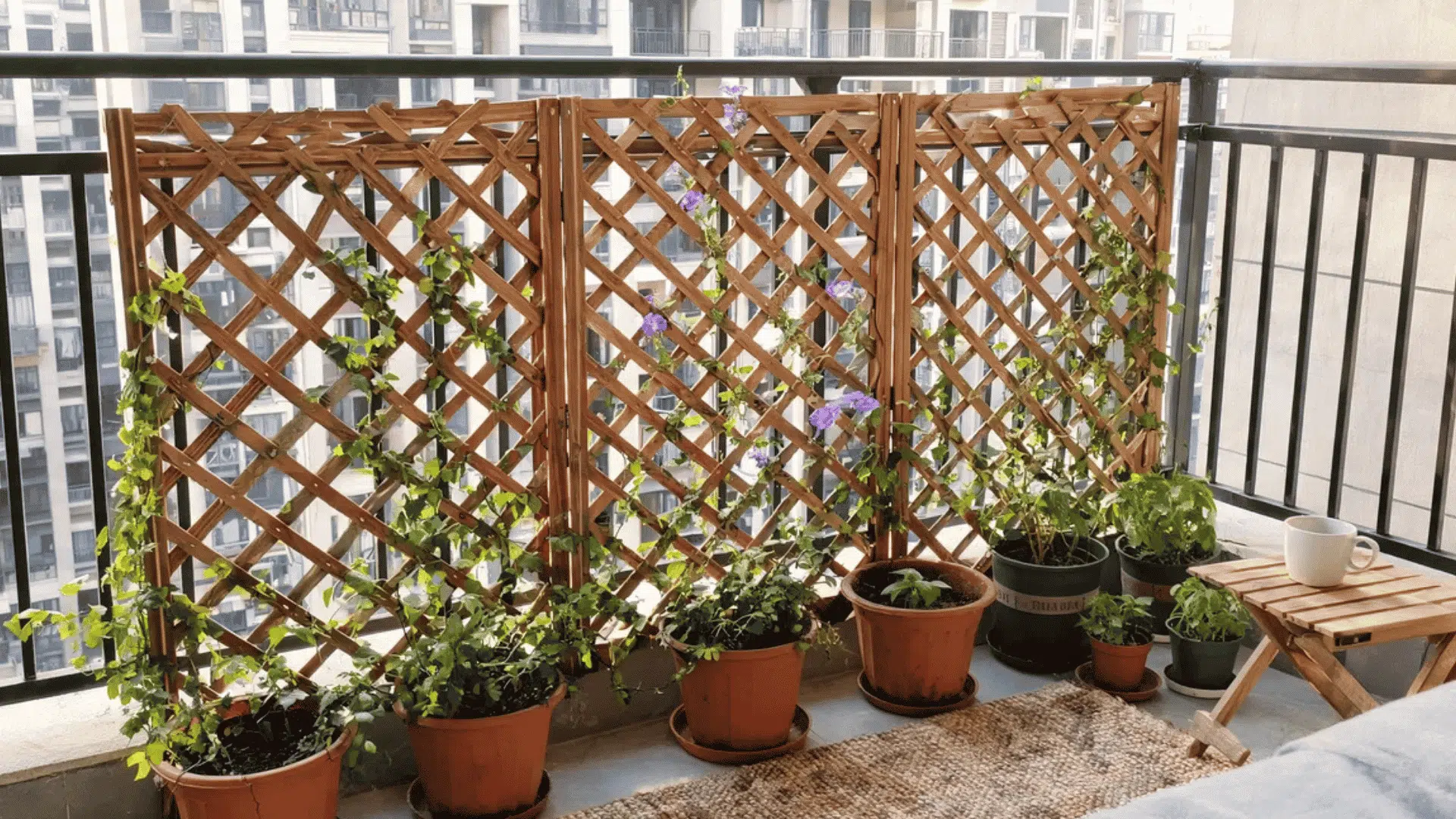
An expandable trellis is built with a folding, accordion-style frame that stretches or compresses to fit the available space.
It is a practical option for container gardens, small balconies, and indoor plant setups with limited space.
The size can be adjusted as plants grow, which reduces the need to replace the structure over time. Most expandable trellises are lightweight and easy to install without tools.
This type is especially useful for renters or homeowners who need a flexible, low-commitment solution.
Common Plants that Grow on a Trellis
A trellis works best when paired with the right plants. Some climbers are built for vertical growth, while others perform better with proper support.
- Roses: Climbing rose varieties attach to a trellis with some guidance and produce flowers along the full length of the frame. They need regular pruning to stay manageable.
- Clematis: One of the most popular trellis plants, clematis grows quickly and produces large, colorful blooms. It wraps its stems around the structure naturally, with minimal intervention.
- Ivy: Ivy spreads fast and covers a trellis densely, making it a go-to option for privacy screens or covering bare walls. It is low maintenance once established.
- Jasmine: Jasmine climbs well and adds fragrance to outdoor spaces. It works particularly well on wall trellises near seating areas or garden entrances.
- Cucumbers: In vegetable gardens, cucumbers grow straighter and healthier on a trellis. Keeping them off the ground also reduces the risk of rot and pest damage.
- Tomatoes: Certain tomato varieties benefit from trellis support to keep heavy fruit clusters from pulling the plant down. It also improves airflow around the stems.
- Beans: Runner beans and pole beans are natural climbers. A trellis gives them the vertical space they need to produce a fuller, more productive harvest.
- Grapevines: Grapevines are strong growers that need a sturdy trellis to handle their weight over time. Metal and wood frames are the most reliable options for this plant.
Best Climbing Plants for Beginners: Beans, clematis, and jasmine are the easiest starting points. They grow reliably, need minimal care, and show visible progress quickly on any what is a trellis setup.
Where Can You Place a Trellis?
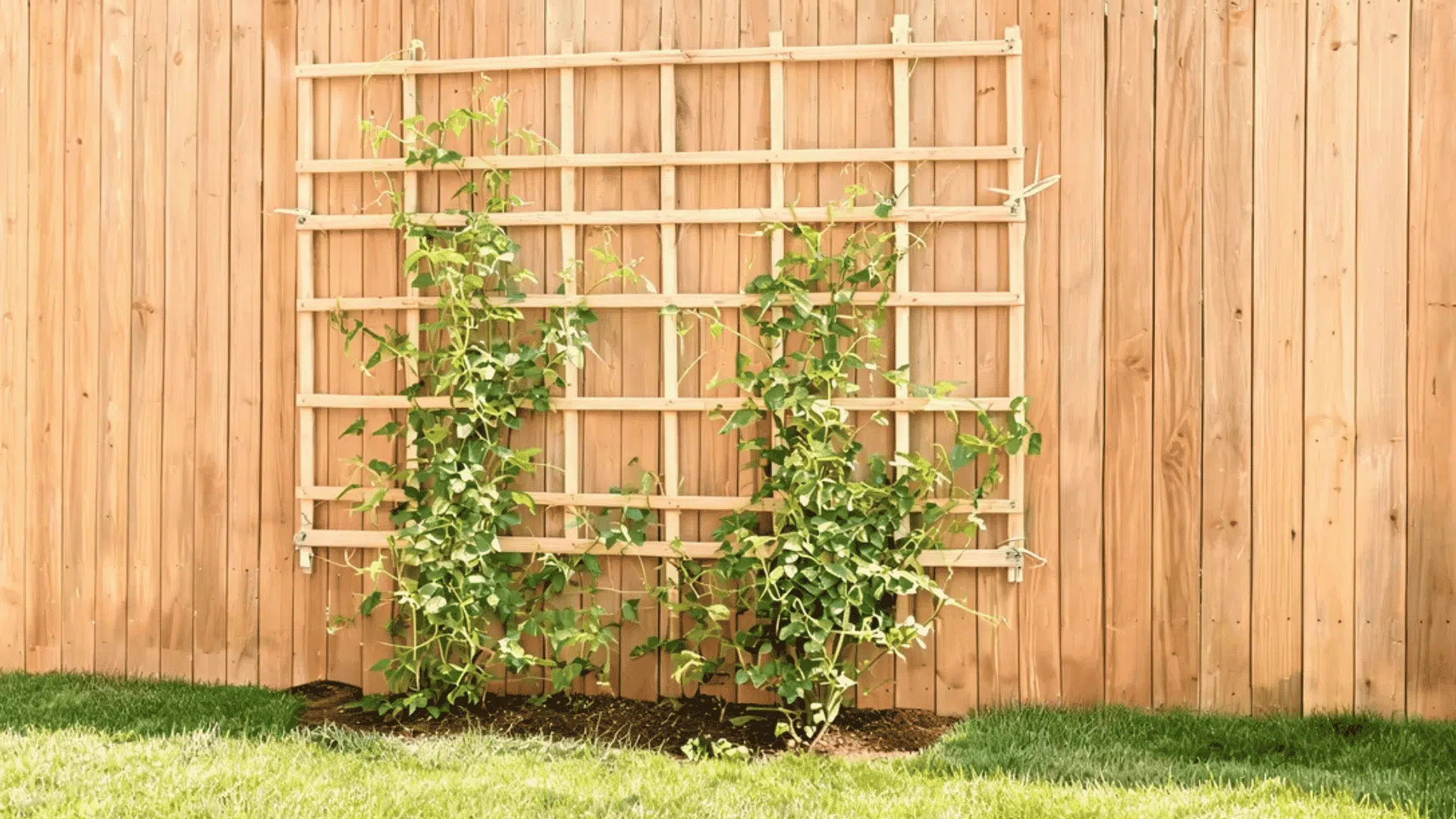
A trellis can be placed in garden beds, on patios, along fences, near entryways, on balconies, and even inside the home. The placement depends on the purpose and the plants involved.
Garden beds and fence lines are the most common spots. Patios and balconies work well for freestanding or wall-mounted options where ground space is tight.
Entryways suit arch trellises, while indoor spaces work with smaller, lightweight frames for trailing houseplants.
Choosing the right spot comes down to three things. Sunlight availability matters, as most climbing plants need several hours of direct sunlight daily.
Enough vertical space is also important so the plant can grow without crowding nearby structures.
Stability and airflow are just as critical, as a poorly placed trellis in a high-wind area can shift or damage the plants attached to it.
Benefits of Using a Trellis
A well-placed trellis can completely change how your garden grows and looks. From climbing roses to vegetable vines, this simple structure brings real, practical value to any outdoor space.
- Makes Gardens Look Larger: A vertical trellis draws the eye upward, creating an illusion of more space in compact or small gardens.
- Keeps Plants Healthier: Plants growing upward on a trellis stay less exposed to soil-borne diseases, pests, and ground moisture.
- Improves Air Circulation: A trellis keeps foliage spread out and open, reducing the risk of mold, mildew, and fungal infections.
- Helps Fruits and Vegetables Grow Better: Crops like cucumbers, beans, and tomatoes produce more fruit and are easier to harvest when grown vertically.
- Adds Decorative Value: A trellis covered with flowering vines or greenery serves as a natural privacy screen or a strong visual feature in any garden.
- Can Increase Curb Appeal: A well-maintained trellis with climbing plants adds structure and character, making a positive first impression on visitors.
Trellis vs Arbor vs Pergola
Not every garden structure serves the same purpose, and choosing the right one depends on your space, plants, and goals.
| Feature | Trellis | Arbor | Pergola |
|---|---|---|---|
| Main Purpose | Plant support | Entryway feature | Shade structure |
| Size | Small to medium | Medium | Large |
| Common Location | Walls and gardens | Pathways | Patios |
| Best For | Climbing vines and vegetables | Garden gates and walkways | Outdoor seating and dining areas |
| Material | Wood, metal, plastic | Wood, metal | Wood, vinyl, aluminum |
| Cost Range | Low to moderate | Moderate | Moderate to high |
| Installation | Simple, DIY-friendly | Moderate | Complex, often professional |
How to Choose the Right Trellis
The right trellis does more than hold up a plant; it fits your garden space, suits your climate, and matches the look of your home. Knowing what to look for before buying saves time, money, and replanting effort.
- Consider Your Plant Type: Light vines need a thin wire or wood trellis, while heavy plants like tomatoes and climbing roses require a sturdier metal or timber frame.
- Match Your Home Style: A metal grid trellis suits modern homes, while a wooden lattice or fan-pattern trellis fits cottage-style and traditional gardens naturally.
- Think About Size and Height: An outdoor trellis should stand between four and eight feet tall, while a compact trellis works better for potted indoor climbing plants.
- Check Weather Resistance: Choose vinyl or powder-coated metal for wet climates, and UV-resistant-coated metal or hardwood for hot, dry regions.
- Set a Realistic Budget: A basic wood or wire trellis costs far less than a decorative metal or custom-built option, so match your budget to your plant needs.
Common Mistakes to Avoid
Setting up a trellis incorrectly can damage your plants, waste materials, and create more work down the line. Avoiding these common errors from the start keeps your garden growing in the right direction.
| Mistake | What Goes Wrong | What to Do Instead |
|---|---|---|
| Using Weak Materials for Heavy Plants | Thin wood or light wire bends and breaks under the weight of heavy vines | Use heavy-gauge metal or thick timber for plants like tomatoes and squash |
| Placing Trellis in Low-Light Areas | Climbing plants fail to grow, flower, or produce fruit without enough sunlight. | Position your trellis where it receives at least six hours of direct sunlight daily. |
| Overcrowding Plants | Too many plants on one trellis block airflow and increase disease risk | Space plants according to their mature size, and leave room between each stem |
| Not Securing the Structure Properly | A loose or unstable trellis tips over under wind pressure or plant weight | Anchor freestanding trellises at least six inches into the ground or fix firmly to a wall |
Final Thoughts
A trellis is one of those simple additions that quietly does a lot. It supports plants, organizes a space, adds structure to bare walls, and works just as well on a small balcony as it does in a full garden.
Once the right type and material are in place, it needs very little attention to keep doing its job.
The best part is that there is no single right way to use one. Some homeowners grow vegetables on them, others use them for privacy, and some simply like how they look against a wall.
The key is matching the trellis to the space and the goal, not the other way around.
Have a trellis at home or thinking about getting one? Share the experience, the setup, or even the questions in the comments below.
Frequently Asked Questions
What Plants Grow Best on a Trellis?
Cucumbers, tomatoes, beans, sweet peas, climbing roses, and morning glory are among the most common plants grown on a trellis.
Can a Trellis Stand on Its Own?
A freestanding trellis can stand independently when firmly anchored in the ground, while wall-mounted versions rely on a fence or exterior wall for support.
Is a Trellis Good for Small Gardens?
A trellis is one of the most practical additions to a small garden as it shifts plant growth upward, freeing up valuable ground space.
What is the Best Material for a Trellis?
Metal and treated wood are the most durable options, while vinyl works best in wet climates, and bamboo suits lightweight, small-scale garden setups

Holding a Master’s in Library and Information Science from the University of Illinois, Josh Clarke has dedicated more than 15 years to managing and disseminating information across various platforms. His professional journey includes significant experience as a research librarian, where he developed an expertise in sourcing and providing accurate and comprehensive answers to diverse questions. In 2018, Josh brought his rich experience to our platform, quickly establishing himself as a reliable source for general FAQs. He has been overseeing our information curation since then, combining his research skills with a flair for engaging content delivery. When not involved in information management, Josh enjoys exploring digital photography and participating in local quiz competitions, hobbies that complement his inquisitive nature and love for learning.