
Every AC unit has a shelf life, and it’s rarely obvious until something starts acting off.
I’ve seen a neighbor’s AC damaged during the same week of July three years in a row, both times catching them off guard.
How long do AC units last isn’t a question with one tidy answer; it shifts based on the machine, the household running it, and the choices made along the way.
Some people extend their lifespan effortlessly, whereas others replace units much earlier than anticipated.
This blog covers your system’s future by unit type, climate, and habits that subtly impact its lifespan.
How Long Do AC Units Last?
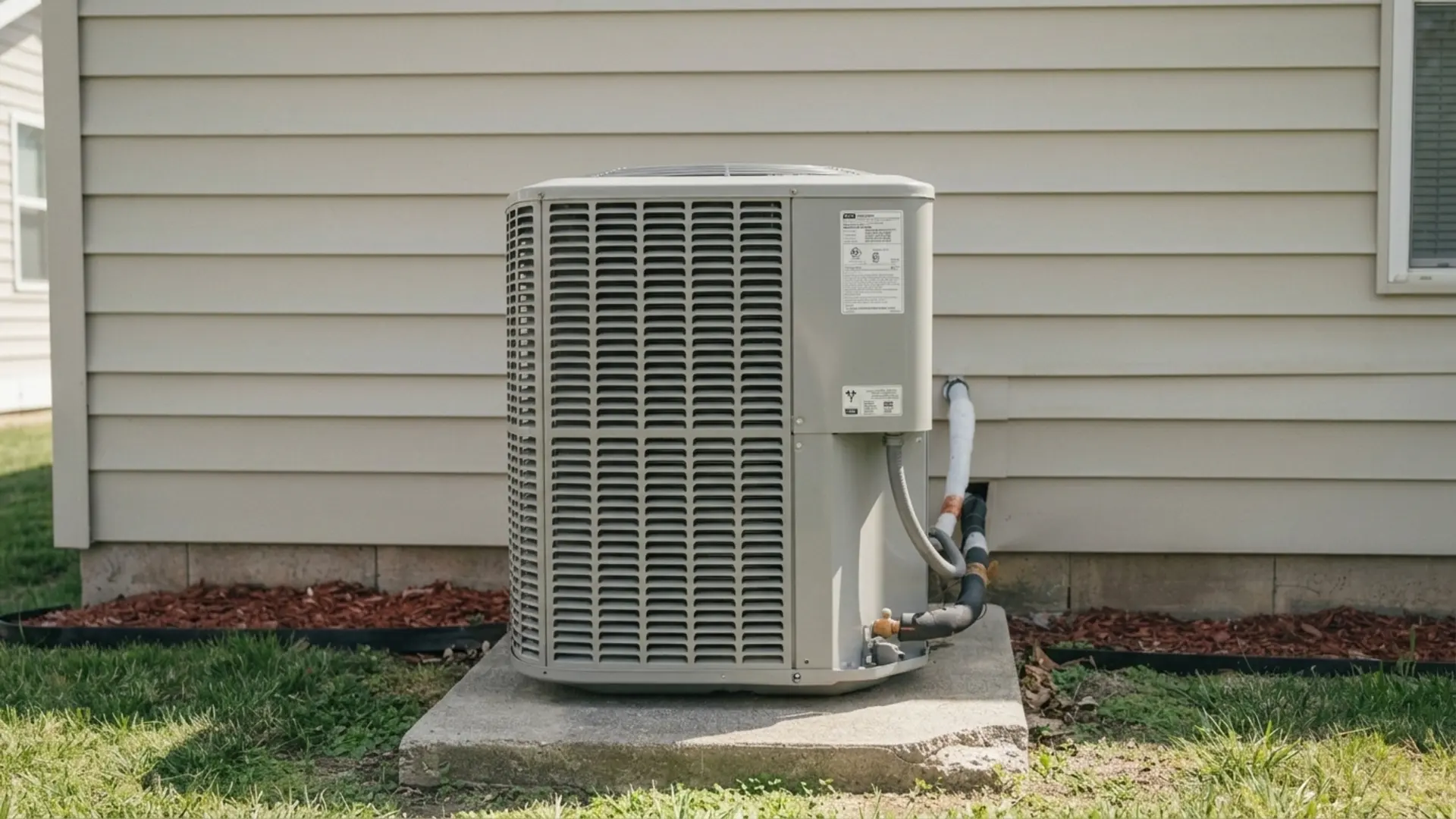
A well-maintained central air conditioner usually lasts between ten and fifteen years.
After year twelve, efficiency starts dropping fastfactors-that-determine-how-long-an-ac-unit-will-last
Your compressor works harder, your energy bills climb, and repair calls get more frequent.
Window units? The shorter lifespan, typically eight to ten years, results from continuous use and fewer complex components. Ductless mini-splits often outlast both, sometimes hitting twenty years with proper care.
Location matters too. Coastal salt air corrodes coils faster. Desert heat strains compressors year-round.
Regular filter changes, annual tune-ups, and clean coils extend lifespan toward its upper limit.
How Long Does an HVAC System Last?
A full HVAC system runs longer than any single part, but each piece wears out on its own schedule.
Some parts sit outdoors facing wear, others stay indoors longer.
| Component | Average Lifespan | Key Factor |
|---|---|---|
| Furnace | 15–20 years | Fuel type, usage frequency |
| Heat pump | 10–15 years | Runs year-round, faster wear |
| Ductwork | 20–25 years | Sealing quality, pest damage |
| Thermostat | 10 years | Tech becomes outdated |
| Boiler | 20–30 years | Water quality, corrosion |
| Whole system | 15–25 years | Weakest link sets the pace |
Factors that Determine How Long an AC Unit Will Last
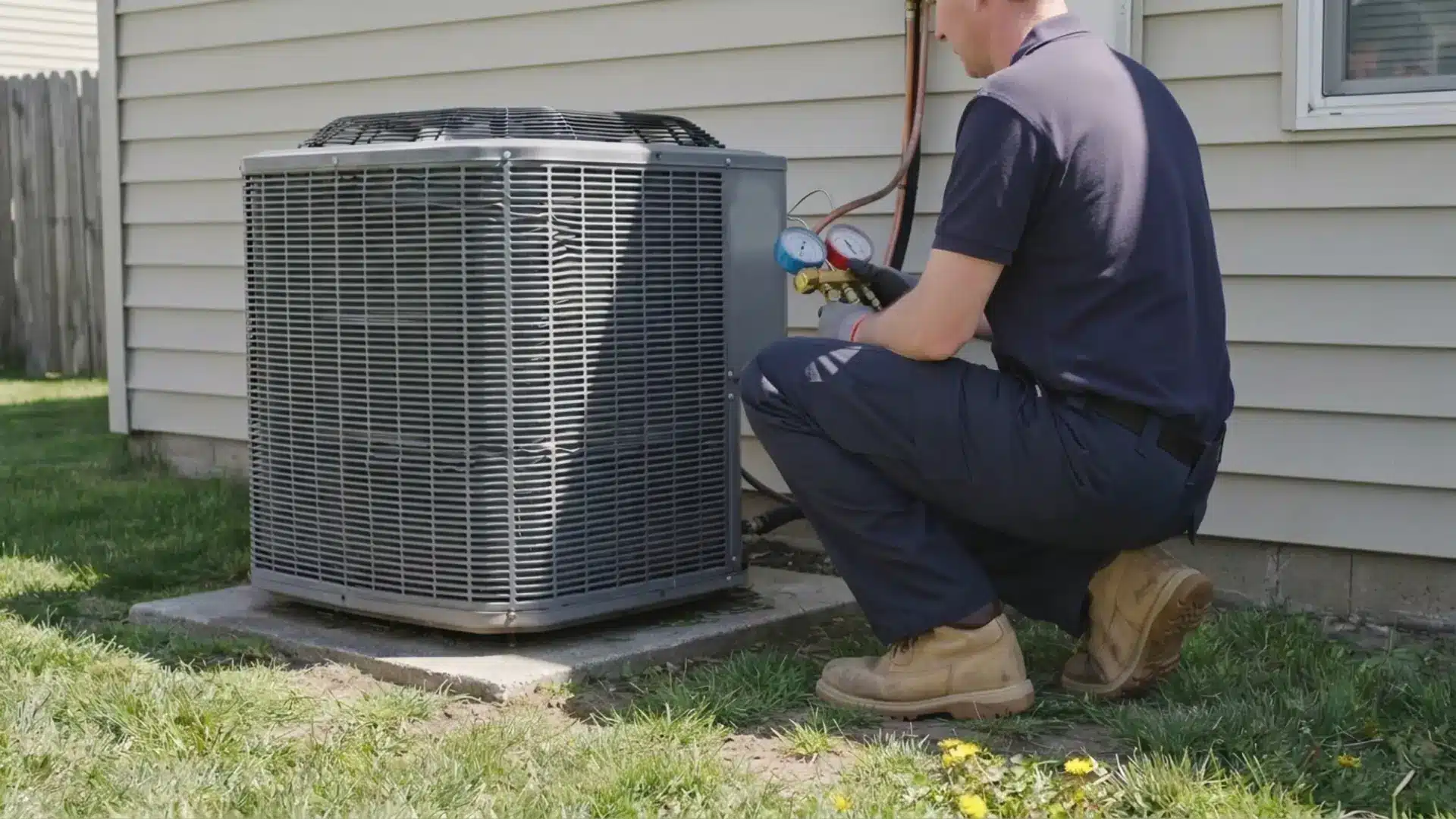
Lifespan isn’t set in stone; only a few factors determine if your unit reaches ten years or faces challenges after six.
Installation Quality
A rushed installation causes problems later. Wrong sizing, poor duct connections, and low refrigerant charge cause daily system strain. Licensed technicians catch these issues early.
Skipping proper installation leads to later costs like breakdowns, higher bills, and quicker wear.
Getting the sizing and setup right starts with knowing what to weigh when picking a unit in the first place.
Usage Patterns
Constant cycling wears parts down quickly. Setting temperatures too low forces longer run times and added stress.
Moderate, steady usage keeps internal components cooler and reduces mechanical fatigue.
Smart thermostats help by adjusting automatically, cutting unnecessary strain during peak heat hours and extending the unit’s working life considerably.
Maintenance Frequency
Neglected units fail early. Dirty coils, clogged drains, and low refrigerant levels each chip away at performance.
Scheduled servicing catches small issues before they become expensive repairs. Technicians clean components, check pressure levels, and tighten electrical connections.
Consistency matters more than intensity here.
Climate and Environment
Hot and humid regions demand more from systems for extended periods.
Dust, pollen, and airborne debris clog filters faster in certain areas.
Extreme temperature swings strain mechanical parts repeatedly. Units installed in shaded, well-ventilated spots typically outperform those baking under direct sun exposure daily.
Build Quality and Brand
Cheaper models often use thinner materials and weaker compressors.
Premium brands invest in corrosion-resistant coils and sturdier motors. Warranty length often signals manufacturer confidence in longevity.
Spending more upfront frequently means fewer repair calls and a longer functional life overall.
How Long Do AC Units Last in Texas and Other Hot Climates?
Heat reduces the lifespan.
Texas summers push units to run nearly nonstop, and that constant demand ages components fast.
- Compressors overheat during extended triple-digit stretches.
- Refrigerant pressure spikes strain internal seals.
- Outdoor units bake under direct sun for months.
- Dust and pollen clog filters quicker in dry heat.
- Humidity along the Gulf Coast accelerates coil corrosion.
Expect to spend between eight and twelve years in these zones, which is shorter than the national average.
Shade structures and elevated placement reduce sun exposure significantly. People in Arizona and Florida face similar strain, just through different mechanisms: heat versus humidity.
Routine coil cleaning and filter swaps become non-negotiable, not optional, in climates like these.
AC Warning Signs You Shouldn’t Ignore
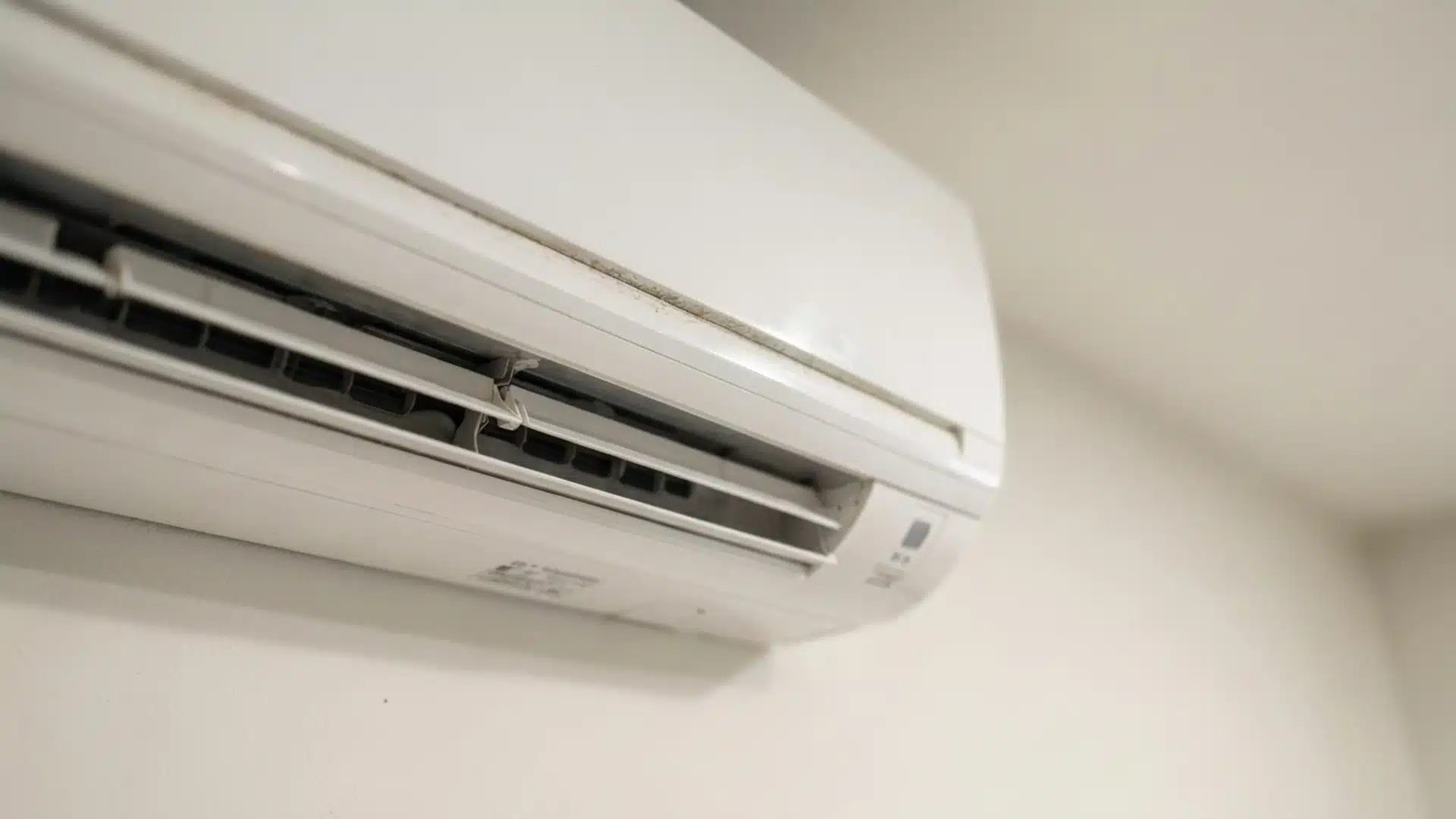
Small symptoms often indicate larger issues; recognizing them early can save costs and help avoid failures.
A quick note before the list: Some signs involve electrical components or refrigerant, both risky. If you’re uncomfortable opening the unit, call a licensed technician instead of troubleshooting it yourself.
Warm Air From Vents
Warm air instead of cool means trouble. Check thermostat settings first, then inspect the compressor.
Low refrigerant, a failing compressor, or blocked airflow often causes this. Ignoring it strains the system further, leading to complete failure. Call a technician immediately if warm air persists after basic checks.
Delaying repairs often turns a simple fix into a full compressor replacement. Act fast to protect the whole unit.
Weak Airflow
Weak airflow points to clogged filters, blocked ducts, or a failing blower motor.
Rooms cool unevenly, and comfort drops noticeably. Dust buildup restricts movement over time.
Replacing filters monthly helps, but persistent weak flow usually signals a deeper mechanical issue requiring professional inspection and repair. Closed vents or crushed ducts can also choke airflow silently.
Check every room before assuming the worst.
Strange Noises
Grinding, squealing, or banging sounds indicate loose parts or motor failure. These noises rarely disappear on their own. Ignoring them risks costlier repairs down the line.
Turn off the unit and call a technician promptly, since continued operation can damage additional components.
Rattling often means loose panels or debris caught inside the unit.
Clicking sounds sometimes point to electrical relay problems.
Foul Odors
Musty smells suggest mold growth inside ductwork or the unit itself.
Burning odors signal electrical problems that need immediate attention and pose health and safety risks.
Schedule an inspection promptly, as lingering odors rarely resolve without professional cleaning or repair.
A rotten smell sometimes means a dead pest trapped in ductwork.
Don’t mask odors with air fresheners; fix the source instead.
Frequent Cycling
Constant on-off cycling wastes energy and stresses components.
Thermostat malfunctions, dirty filters, or improper sizing often trigger this pattern.
Short cycles prevent proper cooling and increase wear.
A technician can diagnose if issues are electrical, mechanical, or due to an oversized unit. Excessive cycling raises electricity costs without improving comfort. Early fixes can extend compressor life.
High Humidity Indoors
Sticky, humid air despite running AC suggests the system isn’t dehumidifying properly.
Failing compressors or incorrect sizing are common culprits.
Persistent humidity causes mold, discomfort, warped floors, and foggy windows. A professional diagnosis helps decide if repair or replacement is best. Don’t overlook humidity if the temperature feels comfortable.
Water Leaks
Pooling water near the unit signals a clogged drain line or broken condensate pump.
Left unchecked, leaks cause water damage and mold. Refrigerant leaks, distinguishable by a chemical smell, require immediate professional attention since they’re hazardous to health and equipment.
Standing water near indoor units can damage flooring and drywall. Fix leaks immediately.
Rising Energy Bills
Unexplained spikes in utility costs often mean declining efficiency. Aging components work harder to produce the same cooling effect. Compare bills month-to-month during similar weather.
Sudden jumps without explanation warrant a professional tune-up before problems escalate further.
Leaky ductwork and dirty coils commonly drive up costs unnoticed. Tracking bills seasonally helps catch drift early.
Ice Buildup on Coils
Frozen coils indicate restricted airflow or low refrigerant levels.
This forces the compressor to work overtime, risking permanent damage. Turn off the system immediately if ice appears. Professional diagnosis prevents costly compressor replacement down the road.
Letting ice melt naturally before restarting avoids further internal damage.
Recurring freeze-ups almost always indicate a refrigerant leak that requires fixing.
Should You Repair or Replace an Old AC?
Choosing between a quick fix and a complete replacement depends on a few key figures.
| Factor | Repair Makes Sense | Replace Makes Sense |
|---|---|---|
| Unit age | Under 10 years | Over 12 years |
| Repair cost | Below $500 | Above 50% of new unit cost |
| Repair frequency | First issue in years | Second breakdown this year |
| Refrigerant type | Uses R-410A | Uses discontinued R-22 |
| Efficiency rating | SEER 14 or higher | SEER below 10 |
| Warranty status | Still covered | Expired years ago |
Note: R-22 has been phased out of production since 2020, so repairs on R-22 systems tend to be pricier and harder to source; it’s worth confirming current availability with a technician before deciding.
How to Make an AC Unit Last Longer
Small habits can extend your system’s lifespan without high additional cost.
- Schedule professional tune-ups twice a year, before summer and winter.
- Keep outdoor units clear of leaves, grass, and debris.
- Seal gaps around windows and doors to reduce strain.
- Insulate the attic properly, since partial insulation jobs often leave the cooling load heavier than it needs to be.
- Use ceiling fans to circulate air and reduce runtime.
- Set programmable schedules instead of constant manual adjustments.
- Keep indoor vents unblocked by furniture or curtains.
- Flush condensate lines periodically to prevent clogs.
Does Replacing One HVAC Component Mean Replacing the Whole System?
No. Single components fail independently, and swapping one doesn’t force a full overhaul.
A cracked heat exchanger might only need furnace replacement, leaving ductwork and thermostat untouched.
A dying compressor sometimes gets replaced alone, especially if the rest of the system tests fine.
However, mismatched parts create issues. Pairing an old furnace with a new high-efficiency air handler can cause compatibility issues and void warranties.
Technicians usually recommend matched systems when key components fail at the same time.
That matched-system logic applies to heat pumps too. Anyone getting a home ready for a heat pump swap will hit the same compatibility questions with existing ductwork and controls.
Age matters too. Replacing one part on a fifteen-year-old system often means the next failure arrives soon after.
How to Calculate Whether Your Old AC is Worth Keeping
Run the numbers before deciding anything. Multiply the repair cost by the unit’s age in years.
If that total exceeds 5,000, replacement wins financially. A $400 repair on a 15-year-old unit hits 6,000, well past the threshold. A $200 fix on a 5-year-old system totals just 1,000, making repair the smarter choice.
Factor in monthly energy costs too. Compare your current bill against a new unit’s estimated savings.
Add expected annual repair costs going forward. Divide total five-year ownership cost by sixty months.
This figure shows the actual monthly cost of maintaining an aging system.
Treat it as a general policy instead of an absolute cutoff, and perform your own calculations whenever possible.
AC Lifespan vs Efficiency: When an Older Unit Costs More
Age alone doesn’t tell the full story. Efficiency loss often costs more than the unit’s price tag suggests.
| Unit Age | Unit Type | Typical Efficiency Loss | Extra Annual Cost |
|---|---|---|---|
| 5 years | Central AC | 5–10% | $50–$100 |
| 10 years | Central AC | 15–20% | $150–$250 |
| 15 years | Central AC | 25–35% | $300–$450 |
| 20 years | Central AC | 40%+ | $500+ |
| 8 years | Heat Pump | 20–25% | $200–$300 |
| 12 years | Window Unit | 30%+ | $150–$200 |
These figures are approximate and meant for illustration. Actual efficiency loss and cost increases vary by unit, climate, and rates; confirm current numbers with a technician or energy provider.
End Note!
A cooling system rarely fails without warning first. Staying alert to small changes and acting before problems snowball makes the real difference in how long an AC unit lasts in any household.
Numbers and averages only tell part of the story.
Daily habits and quick decisions shape the rest, and equipment ages regardless, but neglect speeds that clock up far more than time alone does.
Has your AC surprised you, either by dying early or outlasting every estimate on this list?
Drop your unit’s age and story in the comments; it helps other readers gauge whether their own system is running on borrowed time.
Frequently Asked Questions (FAQ’s)
1. How Do You Know When Your AC Unit Needs To Be Replaced?
Watch for rising energy bills, repairs, inconsistent cooling, and strange noises after 10-15 years.
2. Do AC Units Last 20 Years?
A well-maintained central AC or mini-split can last 20 years, especially in milder climates with lighter seasonal use.
3. What Shortens the Lifespan of An AC Unit?
Skipping maintenance, poor installation, and extreme thermostat settings shorten an AC’s lifespan.
4. How Often Should You Replace Your AC Unit?
No fixed schedule, but after 10-15 years of frequent repairs, replacement is more sensible.

Tommy Hardy, an alumnus of the Georgia Institute of Technology with a degree in Mechanical Engineering, has been a go-to figure in residential upkeep and innovation for over 18 years. His career commenced in a leading home appliance manufacturing company, where he mastered the intricacies of household systems. Joining our platform in 2020, Tommy quickly became a reader favorite for his practical and easy-to-follow guides. He took the helm of our DIY section in 2019, consistently delivering content that empowers homeowners. Beyond his professional pursuits, Tommy is a passionate gardener and enjoys woodworking, skills enhancing his hands-on approach to home care.