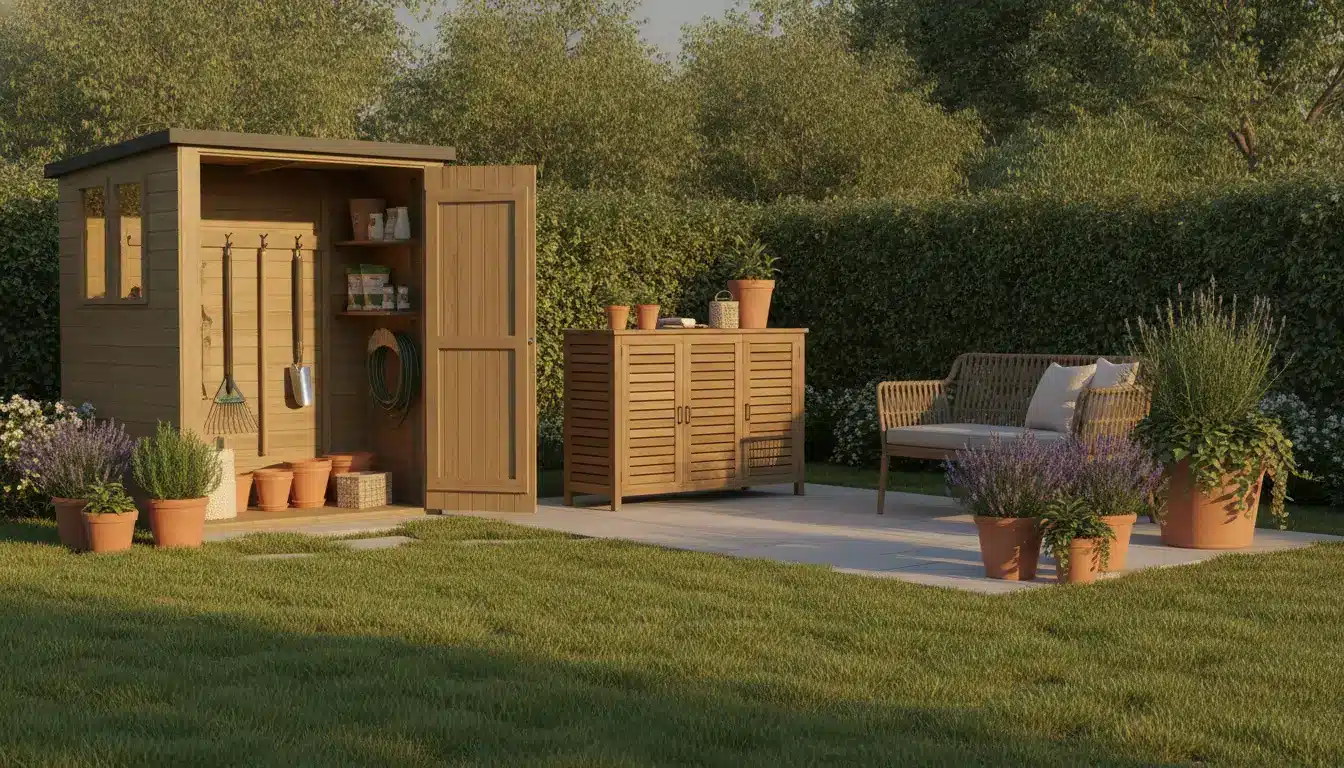

Outdoor space can add comfort and value to a property, but it can also become difficult to manage when storage is overlooked. Items accumulate, useful areas become harder to access, and spaces intended for everyday use can gradually lose their purpose.
A well-planned storage system helps prevent that from happening. The goal is not simply to find somewhere to put things. It is to make better use of the space available while keeping frequently used belongings accessible and larger items from taking over the property. The right combination of storage solutions can make an outdoor area feel more open, practical, and easier to maintain.
Start With the Items That Take Up the Most Space
Before deciding which storage solutions to add, take a closer look at the items that occupy the most valuable space around your property. Large equipment can quickly take over a driveway, side yard, or garage even when it is only used occasionally. Keeping these items at home may seem convenient, but it can also make everyday movement around the property more difficult and leave less room for the spaces you actually use.
In some cases, moving infrequently used equipment away from the property is the more practical choice. A dedicated storage facility can provide a suitable place for larger recreational vehicles while freeing up residential space for more useful purposes. For owners who do not want an RV occupying their driveway or yard, RV storage units in Punta Gorda, FL can be one option worth considering. The same principle applies to other large items: storage works best when it keeps necessary equipment accessible without allowing it to dominate the spaces around the home.
Once the largest storage problem has been addressed, smaller items become much easier to organize. The next step is to give them a clear place of their own.
Add a Weather-Resistant Storage Shed
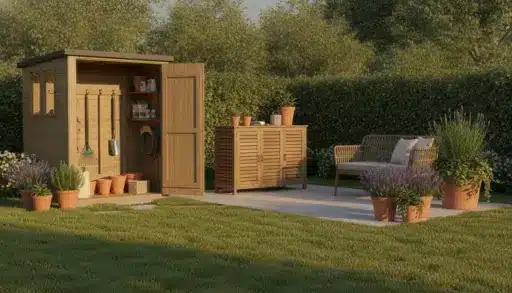
A storage shed can take pressure off the garage while creating a dedicated home for outdoor equipment. Depending on its size, it can hold gardening tools, maintenance supplies, lawn equipment, seasonal belongings, and other items that do not need to be kept inside the house.
The key is choosing a shed that matches the actual storage needs of the property. A structure that is too small will quickly become crowded, while an unnecessarily large shed can take up valuable outdoor space. Measure larger items before choosing a size, and consider how much room is needed to walk around them.
Location matters as well. A shed should be easy enough to reach that using it does not feel like a chore. At the same time, it should not interfere with pathways, entertaining areas, or other important parts of the property.
Make Better Use of Vertical Space
Storage does not always have to spread across the floor. Walls, fences, and the inside of shed doors can provide useful additional space.
Wall-mounted racks can hold long-handled garden tools, while hooks can keep hoses and smaller equipment off the ground. Shelving can also make it easier to separate different categories of belongings.
Vertical storage is particularly useful when the available floor area is limited. It also improves visibility. When items are stored where they can be seen, it is easier to find what is needed and return it to the correct place afterward.
Use Outdoor Cabinets for Everyday Supplies
Some belongings need protection from the weather but are used often enough that they should remain close at hand. Outdoor cabinets can be a good solution for these smaller storage needs.
They can hold gardening accessories, cleaning supplies, grilling equipment, pool items, and other frequently used belongings. Choose a cabinet designed for outdoor conditions and place it somewhere that is convenient without blocking movement through the space.
Storage safety should also be considered. For example, the U.S. Environmental Protection Agency recommends keeping pesticides away from children and pets, preferably in a locked cabinet or suitable garden shed, and storing them in their original labeled containers. EPA guidance on storing pesticides safely can help homeowners understand the basic precautions.
With everyday supplies properly contained, the rest of the outdoor area becomes easier to keep clear.
Create Dedicated Storage for Outdoor Furniture
Outdoor furniture often takes up more room than expected, particularly when cushions, umbrellas, covers, and other accessories are included. A dedicated storage area can keep these items organized when they are not being used.
Storage boxes are useful for cushions and smaller accessories, while larger furniture may require a shed, covered area, or another suitable space. Keep related pieces together so that seasonal setup does not turn into a search through several containers.
Ventilation is also important. Items that are stored while damp can develop unpleasant odors or other problems, so cushions and fabrics should be dry before being placed into enclosed storage.
Organize Gardening and Yard Equipment
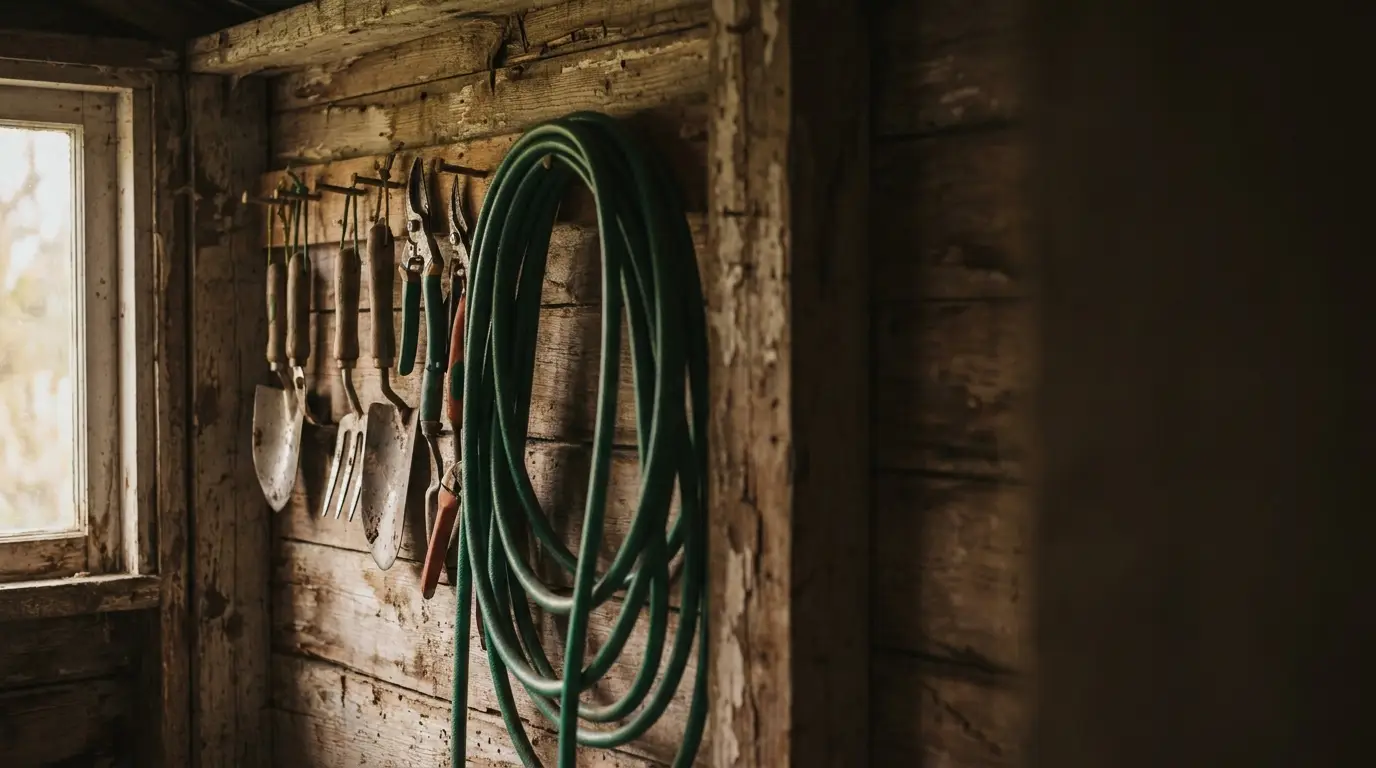
Gardening equipment is easier to manage when every category has a defined place. Hand tools can be grouped together, while larger tools can be mounted on hooks or racks. Hoses and watering equipment can have their own section rather than being left in a heap.
Think about frequency of use when arranging everything. The tools used every week should be easier to reach than equipment needed only a few times each season.
It is also worth checking storage conditions for lawn and garden products. The EPA advises keeping pesticides in their original containers, away from food and animal feed, and out of areas where spills or flooding could cause contamination. Its pesticide storage recommendations provide more detailed guidance.
A little planning here can prevent a surprisingly large amount of clutter.
Stop the Garage From Becoming a Catch-All
Garages often become storage areas simply because they offer available space. Over time, however, this can make it harder to park vehicles, complete maintenance tasks, or access belongings.
The solution is not necessarily to remove everything from the garage. Instead, decide which items genuinely benefit from being stored there. Outdoor tools, seasonal equipment, and bulky belongings may have better options elsewhere.
This also creates a useful distinction between household storage and outdoor storage. Once each area has a purpose, it becomes easier to keep both organized.
Plan for Seasonal Storage
Many outdoor items are used only during certain parts of the year. Patio accessories, holiday decorations, camping equipment, and seasonal tools can occupy valuable space long after they are needed.
A simple rotation system can help. Keep current-season items accessible and move less frequently used belongings toward the back of the storage area. Clearly labeled containers make this process easier, especially when several boxes contain similar items.
Before storing anything for a long period, clean and dry it thoroughly. Small maintenance steps can help prevent damage and make items ready for use when the season returns.
Keep Storage Easy to Access
A storage system is only useful if people can actually use it. Overfilled shelves, blocked pathways, and heavy items buried beneath lighter ones can quickly undermine an otherwise good plan.
Leave enough room to reach stored belongings without moving several other things first. Place frequently used items at convenient heights and keep heavier equipment where it can be handled safely.
It also helps to review the arrangement from time to time. Storage needs change. A space that worked well when it was first organized may need a different layout after a new hobby, project, or seasonal routine becomes part of everyday life.
Choose Storage Based on the Space You Actually Have
Not every property can accommodate every storage need, and trying to fit everything into the available outdoor space can create a new problem. A better approach is to consider the role each storage solution should play.
A shed may be ideal for tools and seasonal equipment. Cabinets can handle smaller items that need frequent access. Wall-mounted systems can make use of otherwise wasted space, while larger recreational equipment may be better suited to a dedicated storage facility.
The best setup is therefore not necessarily the one with the most storage. It is the one that makes the property easier to use while keeping belongings protected and accessible.
Conclusion
A practical outdoor storage plan starts with understanding what needs to be stored and how each item fits into the way a property is used. Large equipment, everyday supplies, gardening tools, furniture, and seasonal belongings all have different storage needs.
By giving each category an appropriate place, homeowners can reduce clutter without sacrificing convenience. The result is a property that feels more organized, leaves more room for everyday activities, and remains easier to maintain over time.

Tommy Hardy, an alumnus of the Georgia Institute of Technology with a degree in Mechanical Engineering, has been a go-to figure in residential upkeep and innovation for over 18 years. His career commenced in a leading home appliance manufacturing company, where he mastered the intricacies of household systems. Joining our platform in 2020, Tommy quickly became a reader favorite for his practical and easy-to-follow guides. He took the helm of our DIY section in 2019, consistently delivering content that empowers homeowners. Beyond his professional pursuits, Tommy is a passionate gardener and enjoys woodworking, skills enhancing his hands-on approach to home care.