

Charleston’s heat and humidity give your HVAC system almost no rest. Pollen, mold spores, and moisture move through the ducts all year long, and the season you choose for cleaning genuinely affects how long the results hold. Picking the right window for air duct cleaning in Charleston, SC can cut costs and keep indoor air quality noticeably better over time.
Most homeowners skip seasonal timing entirely and schedule whenever something breaks or smells off. That’s a missed opportunity. The four factors below explain why timing matters here more than it does in drier climates, and which seasons actually reward the effort.
Spring Brings the Best Conditions for a Full Duct Cleaning
Late March through May is generally considered the best window for air duct cleaning in Charleston, and for good reason. This stretch falls between the tail end of winter heating and the onset of summer air conditioning, so technicians get access to clean, dry ductwork that hasn’t started collecting summer mold yet. Temperatures stay moderate, the system isn’t under strain, and humidity hasn’t climbed high enough to interfere with cleaning or drying. This is a common scheduling window across the industry, including for providers such as https://www.randehomesolutions.com/ and other local companies.
But there’s a catch worth knowing. Charleston’s spring also delivers the Lowcountry’s worst pollen season. Pine pollen in March and April coats everything, and a meaningful portion of it finds its way into return air vents. Cleaning the ducts after peak pollen but before the first serious heat wave – roughly late April to mid-May – gives you the best of both: you’re flushing out accumulated winter debris and spring pollen before the AC starts running full-time. A clean system entering summer runs more efficiently, which matters when temperatures in Charleston climb past 90°F for weeks at a stretch.
Book too early – say, February – and you’re cleaning before pollen season has done its worst. Wait too long and you’re looking at the first muggy weeks of June, when mold can take hold again fast in damp ductwork. The window is narrow. But it’s clearly the most rewarding time of year to have this work done.
Fall Is a Strong Second Choice, Especially for Mold Prevention
October and early November don’t get the credit they deserve. By fall, Charleston’s punishing summer humidity has begun to ease, mold season is winding down, and the ducts have just spent three or four months pushing AC through days with 80 to 90 percent relative humidity. That combination leaves dust, debris, and organic buildup sitting inside the system.
A fall cleaning sweeps out everything summer deposited before you make the switch to heating. That’s important because heated air moving through contaminated ducts can bake odors and particulate matter straight into your living space. It also sets you up for a full indoor-air-quality reset before the holidays, when windows stay shut and indoor pollutant levels naturally climb.
Fall scheduling carries a practical edge: HVAC contractors and duct cleaners tend to be less booked than they are in spring. You’re more likely to land a preferred time slot and, in some cases, a shorter wait on inspection appointments. For homeowners who missed the spring window, October is the next-best option, and it’s not a close call.
Summer and Winter Create Real Obstacles
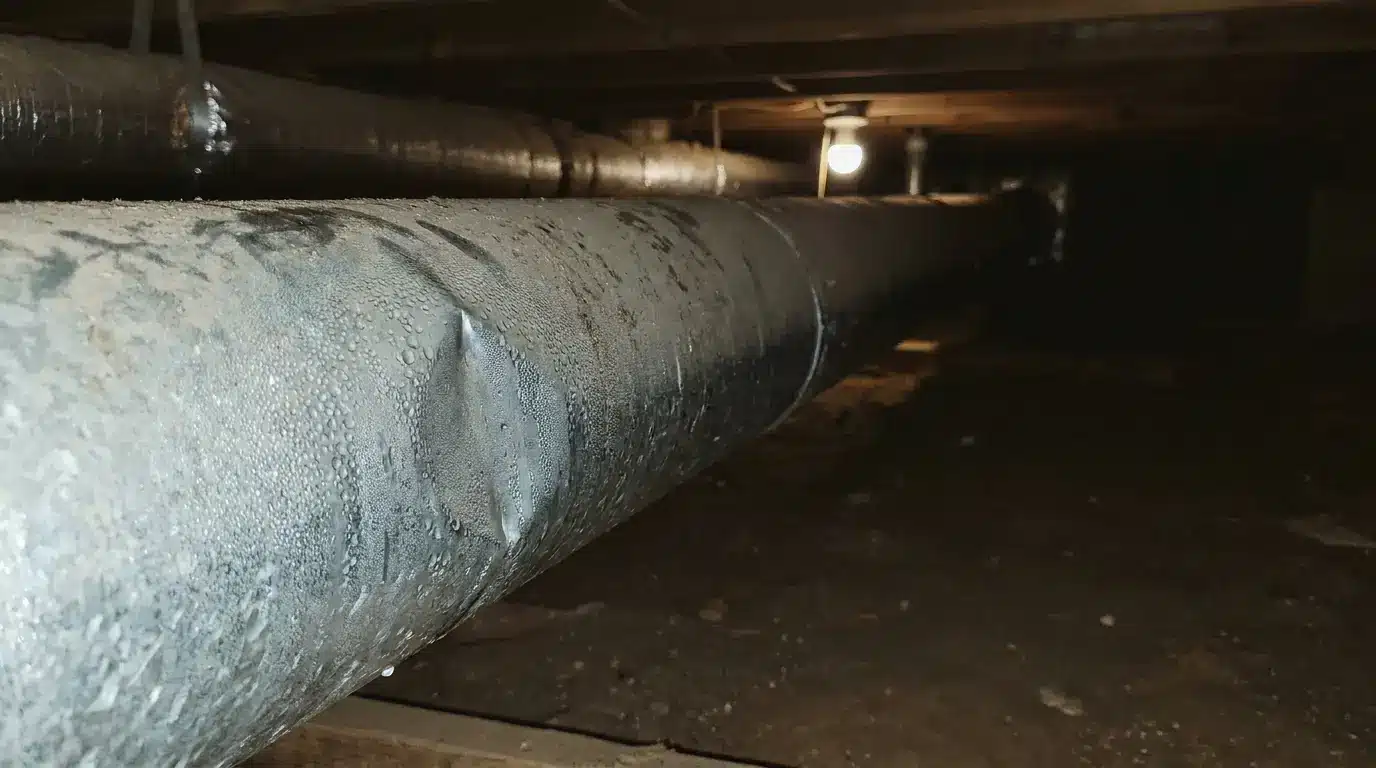
Summer is the toughest time to schedule air duct cleaning in Charleston, and demand is only part of the problem. June through September brings sustained high humidity – often 85 percent or above – with ductwork actively cycling cool, conditioned air against warm, moisture-heavy exterior conditions. That temperature difference can leave moisture on duct surfaces after cleaning, and moisture inside ductwork is exactly what mold needs. Technicians can compensate with proper drying protocols, but the margin for error shrinks considerably.
There’s also the scheduling crunch. Summer is peak season for HVAC calls generally, and duct cleaning gets squeezed in between emergency repairs and system installs. You may wait longer, pay more, and have fewer options for follow-up if something needs attention.
Winter presents a different problem. Charleston winters are mild by most standards, but your heating system is in active use from roughly December through February. Cleaning while the system runs frequently means technicians are working around your schedule more than their own, and disturbing settled debris in a system that then immediately circulates heated air can temporarily worsen air quality before it improves. It’s not a bad time if you have a specific reason, like a mold inspection finding, but it’s not the timing most professionals recommend for routine cleaning.
The Signs That Override Seasonal Advice
Ideal timing matters less than paying attention to what your home is telling you. If your ducts show any of the following, schedule cleaning regardless of the calendar:
- Visible mold growth inside a vent or on the duct surface near the air handler
- A persistent musty or burning smell when the system runs
- Noticeably increased dust on surfaces within days of cleaning
- Recent water damage, a roof leak, or flooding near any return air path
- A pest infestation confirmed anywhere near the ductwork
These aren’t maintenance situations – they’re health and safety situations, and the right season is now. Charleston’s humidity means mold spreads faster here than in most American cities, and a small mold problem in July is a much larger one by September if left alone.
For homeowners without any of those warning signs, the seasonal calendar stands. Spring first, fall second, and skip summer unless your schedule truly won’t allow anything else. That order maps directly to how Charleston’s climate works against your indoor air quality across the year.
Conclusion
For most homeowners, the best season for air duct cleaning in Charleston, SC, comes down to late spring, then fall. Both windows fall outside the humidity peak and line up with natural transition points in your heating and cooling cycle. Summer and winter aren’t impossible, but they introduce complications that professional technicians have to actively work around. And if your ducts show signs of mold, heavy contamination, or post-flood damage, don’t wait for the right season, schedule immediately. Clean ducts beat perfectly timed dirty ones every time.

Tommy Hardy, an alumnus of the Georgia Institute of Technology with a degree in Mechanical Engineering, has been a go-to figure in residential upkeep and innovation for over 18 years. His career commenced in a leading home appliance manufacturing company, where he mastered the intricacies of household systems. Joining our platform in 2020, Tommy quickly became a reader favorite for his practical and easy-to-follow guides. He took the helm of our DIY section in 2019, consistently delivering content that empowers homeowners. Beyond his professional pursuits, Tommy is a passionate gardener and enjoys woodworking, skills enhancing his hands-on approach to home care.