
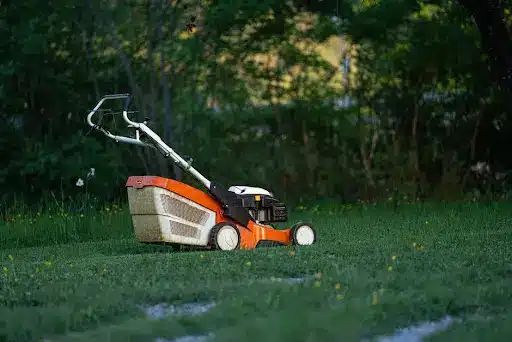

If you take care of your yard, you’ve probably noticed how fast outdoor power equipment has changed. Homeowners everywhere are weighing convenience, noise, maintenance, and long-term cost before buying their next mower, trimmer, or blower.
If you live in a neighborhood where early-morning engine noise gets side-eye from the next house over, battery tools can look especially appealing. The shift isn’t just about trends. It’s about making yard work easier to manage without turning a Saturday into a mechanical troubleshooting session.
Why Battery Tools Are Getting So Much Attention
You’re seeing more cordless mowers, trimmers, and blowers for one simple reason: they solve several common annoyances at once. You skip gas cans, spark plugs, oil mixing, and that fun little ritual where a pull cord makes you question your life choices.
Modern battery powered lawn equipment is built for real yard work, not just light touch-ups. Many systems now deliver enough runtime and torque for average suburban lawns, routine edging, and seasonal cleanup. For you, that means less setup and less mess.
Noise is another major factor. A battery trimmer or blower usually runs much quieter than a gas equivalent, which matters if you have close neighbors or prefer not to sound like a racetrack at 8 a.m. Convenience has become a serious selling point, and for many households, it’s hard to ignore.
The Real Performance Question: Can It Handle Your Yard?
Performance depends less on marketing and more on your actual property. If you have a modest yard with regular maintenance, battery gear often handles the job well. A mower for a quarter-acre lot, a string trimmer for fence lines, and a blower for driveway cleanup are now pretty standard cordless use cases.
Where things get trickier is with heavy overgrowth, large lots, or all-day commercial demands. Thick grass, wet leaves, and neglected edges require more power and more battery capacity. In those situations, you need to look closely at voltage, amp-hours, and tool design rather than just brand color and box promises.
A practical example: trimming a maintained backyard once a week is very different from clearing knee-high weeds around an acre. One is routine grooming. The other is a stress test with attitude. Match the tool to the workload, and you’re far more likely to be happy with the switch.
Cost Goes Beyond the Sticker Price
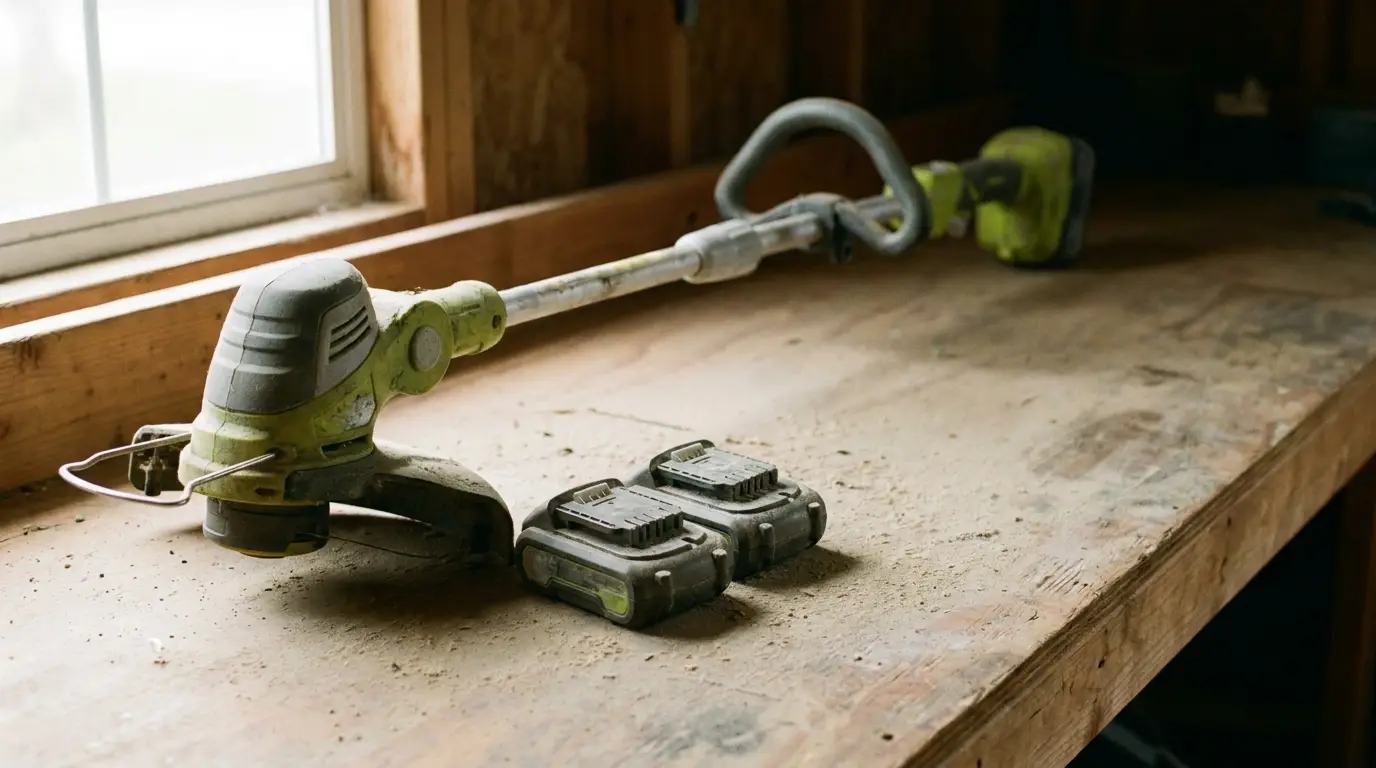
At first glance, battery tools can seem expensive. The tool, charger, and battery package often costs more upfront than basic gas equipment. That said, the long-term math can shift in your favor depending on how often you use the equipment and how well you maintain it.
You won’t be buying gasoline, oil, fuel stabilizer, or as many replacement engine parts. Maintenance is usually simpler too. There’s no carburetor drama waiting after winter storage, which is a small miracle in yard-care terms.
Still, batteries aren’t free forever. They wear down over time, and replacements can be pricey. If you’re shopping smart, check whether batteries work across a full tool lineup. A shared battery platform can save you money if you plan to add a hedge trimmer, chainsaw, or leaf blower later.
Think of the purchase as a system, not just a one-tool decision. That’s where buyers either save money or quietly bleed it.
What to Check Before You Buy
You’ll make a better choice if you focus on a few practical details instead of flashy packaging. Runtime should be near the top of your list. Manufacturers often quote ideal conditions, but your yard may include thick patches, slopes, and the occasional jungle corner behind the shed.
Look at these factors before buying:
- Battery voltage and amp-hour rating
- Estimated runtime under load
- Charge time
- Tool weight and balance
- Compatibility with other tools in the same lineup
- Warranty coverage for both tool and battery
Weight matters more than people expect. A trimmer that feels fine for five minutes can become a shoulder workout by minute twenty. Balance matters too, especially for blowers and pole tools.
If possible, hold the tool in person. Specs tell part of the story. Your wrists tell the rest.
Best Fit for Homeowners, and When Gas Still Makes Sense
Battery equipment is often a strong fit if you want straightforward yard care without engine maintenance. If your routine includes mowing once a week, trimming around walkways, and blowing off the patio, cordless tools can feel refreshingly low-friction.
They’re also a good option if storage space is tight. No fuel storage, fewer maintenance supplies, and easier startup make life simpler in a garage that’s already juggling bikes, bins, and mystery extension cords.
Gas still makes sense in some cases. Large rural properties, demanding landscaping work, and long sessions without charging access can still favor traditional equipment. Commercial crews may also need nonstop operation that’s easier to support with fuel or a large battery inventory.
The key is honesty. Don’t buy for the fantasy version of your yard. Buy for the one you actually maintain, weeds and all.
How to Make the Switch Without Regret
If you’re curious but not fully convinced, start with one or two tools you use most often. A string trimmer or blower is usually a smart entry point because both show the convenience benefits quickly. You’ll notice the easier startup, lower noise, and reduced maintenance almost immediately.
If that goes well, expand within the same battery platform. That approach keeps charging simple and helps you avoid a random collection of incompatible batteries that multiplies clutter instead of reducing it.
Also, be realistic about battery management. Keep packs charged, store them correctly, and consider a spare if your yard takes longer than one cycle. A little planning prevents that mid-task pause where your lawn gets a stylish half-finished look.
For many homeowners, the switch is less about chasing the newest gadget and more about making yard work feel manageable. When equipment is easier to use, you’re more likely to stay on top of the work instead of putting it off until the grass starts making executive decisions.

With a Master’s in Landscape Architecture from the University of Virginia, Sophia Stephenson has dedicated the last 20 years to creating and maintaining vibrant outdoor spaces. Her professional journey started in landscape design, where she gained a reputation for innovative and sustainable approaches. Sophia became a part of our editorial team as a freelancer in 2019, offering a fresh perspective on outdoor living. Since 2020, she has been the chief for our outdoor design content, blending aesthetic appeal with environmental stewardship. In her leisure time, Sophia is a keen photographer, capturing the beauty of natural landscapes, a hobby that complements her professional expertise.


![20 front yard succulent garden ideas[P]](https://enthrallinggumption.com/wp-content/uploads/2023/12/20frontyardsucculentgardenideas-512x288.jpg)