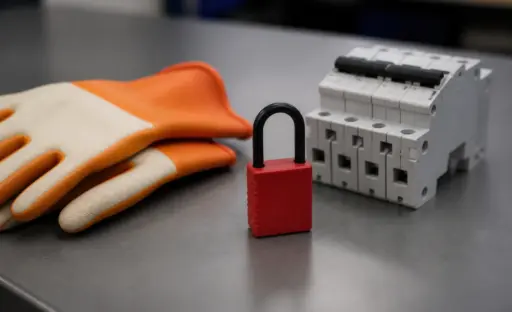
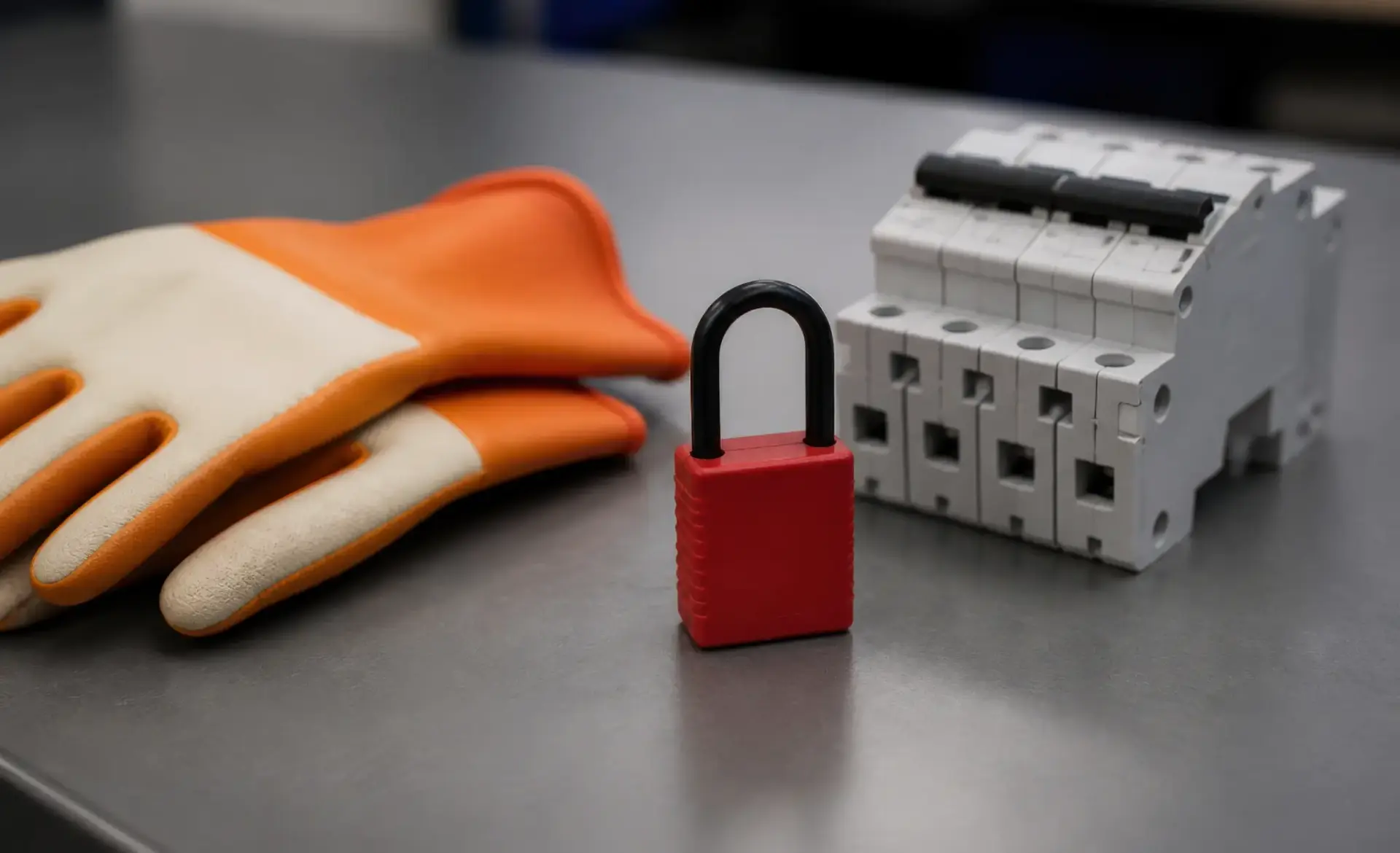

Electrical work comes with a lot of risks. A technician working on a switchboard or electrical panel may appear to be standing in a perfectly ordinary workspace, yet the floor beneath them can become part of the path for electrical current if a fault occurs. That is why electrical safety matting is installed in areas where people work around electrical equipment.
These mats are built to provide an insulating barrier between a worker and the ground. They are often found in electrical rooms, substations, industrial plants, workshops and other facilities where electrical maintenance is done. And it is not the same as mica insulation sheets.
However, electrical matting is known for its electrical properties, material composition, voltage classification, and physical condition, all of which matter. Selecting the right product requires looking beyond appearance and considering the environment in which it will be used.
What Is Electrical Safety Matting?
Electrical safety matting is a flexible insulating material placed on the floor where workers may operate or maintain electrical equipment. Its main purpose is to reduce the possibility of current flowing through a person to ground during an electrical fault.
The concept is that the worker stands on an electrically resistant surface instead of a floor.
It is important to distinguish certified electrical matting from an ordinary rubber mat. A product may be made from rubber and still not provide the electrical protection required for a particular application.
Materials Used in Electrical Safety Matting
Most electrical safety mats are made from specially formulated elastomeric materials, specifically rubber. Rubber works well for this application because it can combine electrical insulation with flexibility and mechanical strength.
The material can also be made with characteristics suited to demanding industrial environments. Depending on the specification, matting may offer resistance to factors such as oil, ozone, heat and flame.
There are two types of rubber insulating matting. Type I is properly vulcanized, while Type II can have additional properties such as ozone resistance, flame resistance or oil resistance.
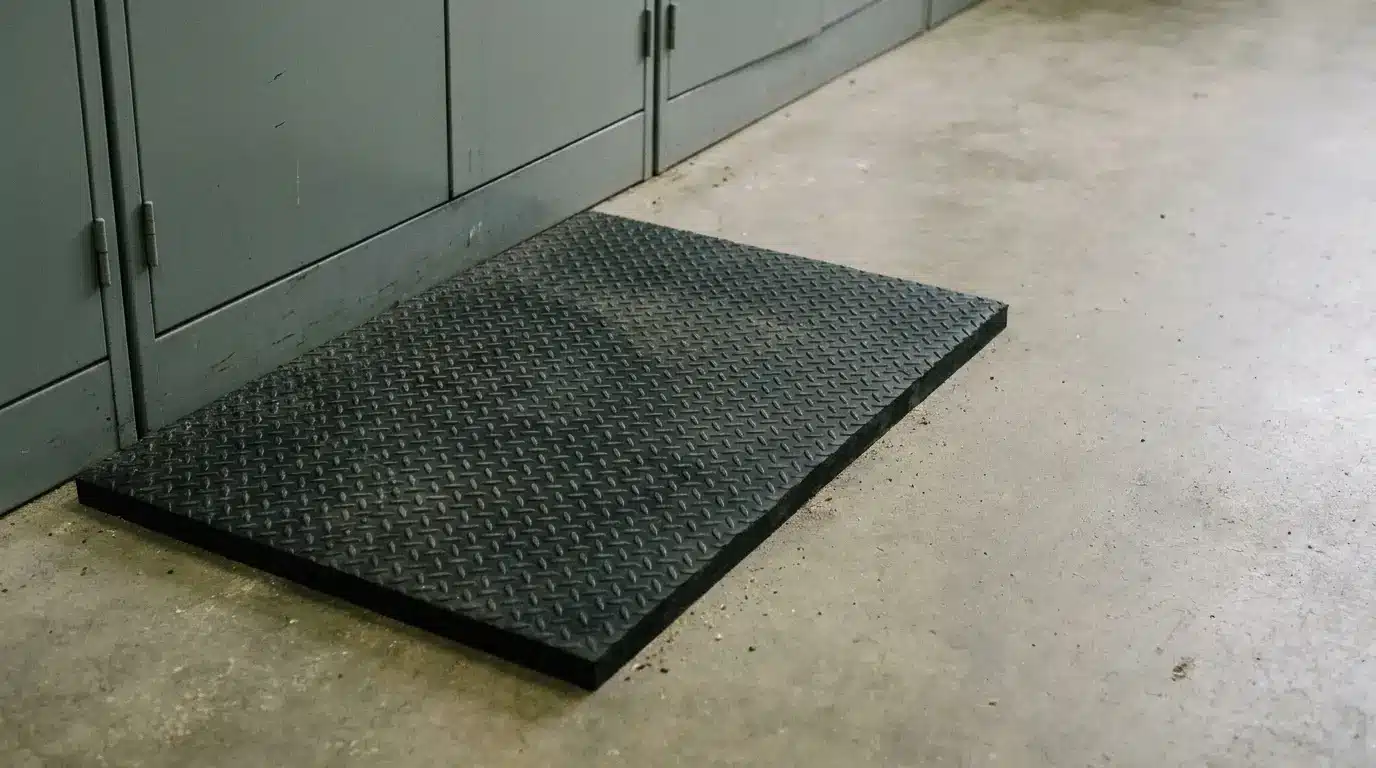
The surface design is another consideration. Many mats feature raised or textured patterns to improve traction. This is useful in electrical rooms and workshops where workers need to maintain a stable footing while operating equipment.
The material and surface construction therefore provides electrical insulation and creates a practical working surface.
Electrical Classes and Voltage Ratings
Not all electrical safety mats give the same level of protection. One of the most important factors when choosing an insulator mat is its electrical classification.
The commonly referenced maximum AC use voltages are:
| Class | Maximum AC Use Voltage |
|---|---|
| Class 0 | 1,000 V |
| Class 1 | 7,500 V |
| Class 2 | 17,000 V |
| Class 3 | 26,500 V |
| Class 4 | 36,000 V |
These classifications should be treated as technical safety limits. It should not be seen as an invitation to work on energized equipment simply because the system voltage falls within a particular range.
The correct class depends on the electrical installation and the applicable safety requirements. Workers also need appropriate training, procedures and protective equipment.
OSHA describes rubber insulating matting as supplementary protection. Its purpose is to insulate a worker from ground, helping reduce the risk of a phase-to-ground electric shock.
Where Is Insulated Matting Used?
The applications for insulated matting are fairly broad.
Electrical Switchrooms
Switchboards and distribution panels are some places where electrical safety mats are found. A mat installed in front of a panel gives maintenance personnel an additional insulating barrier while they operate or service equipment.
Industrial Facilities
Factories can contain extensive electrical infrastructure, including motor control centers, electrical cabinets, control panels and automated machinery. Electrical matting can be installed in maintenance areas where workers regularly interact with this equipment.
Substations
Substations contain transformers, switchgear and other high-voltage equipment. The right insulating matting may be used in areas where personnel operate or maintain electrical systems.
Workshops
Electrical repair and testing workshops can also benefit from insulating floor protection. Mats may be installed around workbenches or equipment where electrical maintenance is carried out.
Control Panels
A properly selected mat placed in front of an electrical control panel provides an additional barrier between the worker and the grounded floor. This can be particularly useful in locations where electrical maintenance is routine.
The exact requirements vary by installation. So, the mat should always be selected according to the electrical environment rather than simply by size or thickness.
The Main Safety Benefits
The biggest advantage of electrical safety matting is its insulating capability. By providing a high-resistance surface between a worker and ground, suitable matting can reduce the amount of current that could pass through the body during certain fault conditions.
There are several other practical advantages.
Additional shock protection: The mat creates another barrier between the worker and ground. This can help reduce the risk associated with phase-to-ground faults.
Improved footing: Textured surfaces can provide better traction than smooth industrial flooring.
Clearly defined work areas: A dedicated safety mat can visually and physically establish an area where electrical work is performed.
Industrial durability: Properly specified products can be designed to withstand normal workplace conditions, including mechanical wear and exposure to certain environmental factors.
Compatibility with broader safety procedures: Electrical matting can complement other controls, including isolation procedures, grounding, insulated tools and personal protective equipment.
It is this combination of electrical and physical properties that makes purpose-built matting more useful than using an ordinary rubber floor covering.
Electrical Matting Is Not the Same as Mica Insulation
One source of confusion is the difference between floor matting and electrical insulation materials used inside equipment.
For example, mica insulation sheets are known for their excellent dielectric properties and can withstand high temperatures, making them useful in electrical equipment and thermal applications.
A mica sheet electrical insulation component may be used around heating elements, motors, generators, transformers and other electrical assemblies where both electrical insulation and heat resistance are required.
Mica products are available in different forms and grades. Muscovite mica is commonly used where dielectric performance is important, while phlogopite mica is often selected for applications involving higher temperatures.
Inspection and Maintenance Are Essential
Installing an electrical mat requires maintenance.
Damage can compromise the effectiveness of insulating equipment. Cuts, punctures, cracks, excessive wear, chemical damage or changes in the material’s condition should be taken seriously.
For rubber insulating matting specifically, OSHA has explained that it is generally installed as supplementary protection and does not receive the same periodic electrical testing requirements as certain other rubber insulating equipment. Nevertheless, employers are responsible for ensuring that the matting remains safe and reliable, including through appropriate visual inspection.
The surrounding environment also matters. Excessive heat, sunlight, humidity, ozone and chemicals can affect insulating materials, so manufacturers’ storage, cleaning and maintenance instructions should be followed.
How to Choose the Right Electrical Safety Mat
Opting for the right mat requires more than choosing the thickest or most expensive product available. Businesses should look for:
- The voltage of the electrical system
- The appropriate electrical class
- Applicable IEC, ASTM or national standards
- Mat dimensions and thickness
- Slip resistance
- Temperature conditions
- Exposure to oils or chemicals
- Expected mechanical wear
- Manufacturer testing and certification
- Inspection and replacement requirements
The mat should be appropriate for the actual conditions in which it will be used.
Final Thoughts
Electrical safety matting is a relatively simple piece of equipment. And it can provide an important additional layer of protection in workplaces where electrical hazards are present.
A properly selected insulator mat can help separate workers from ground, while textured surfaces can improve footing around electrical panels and machinery. At the same time, it is important to remember that electrical matting is supplementary protection.

Tommy Hardy, an alumnus of the Georgia Institute of Technology with a degree in Mechanical Engineering, has been a go-to figure in residential upkeep and innovation for over 18 years. His career commenced in a leading home appliance manufacturing company, where he mastered the intricacies of household systems. Joining our platform in 2020, Tommy quickly became a reader favorite for his practical and easy-to-follow guides. He took the helm of our DIY section in 2019, consistently delivering content that empowers homeowners. Beyond his professional pursuits, Tommy is a passionate gardener and enjoys woodworking, skills enhancing his hands-on approach to home care.