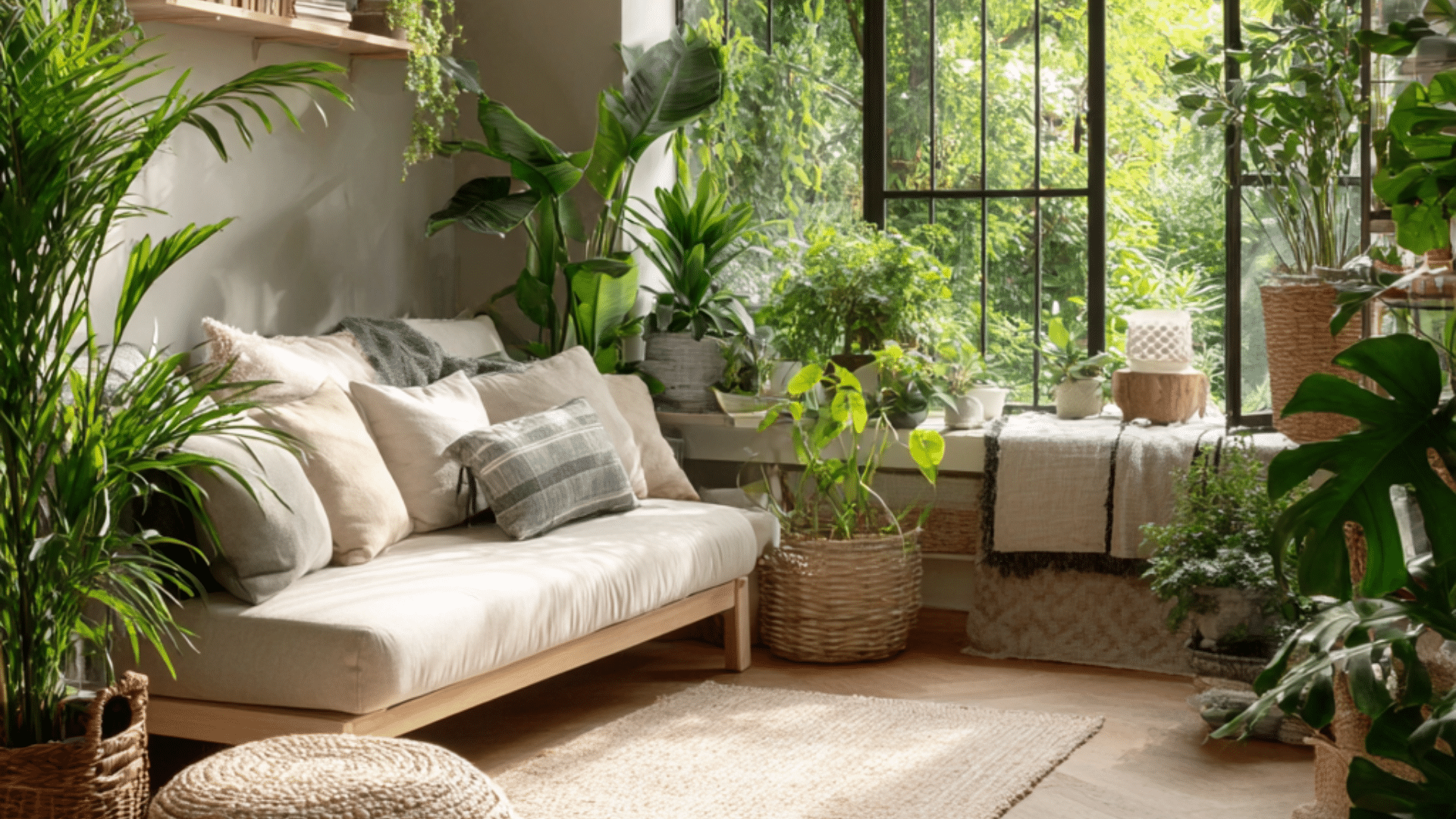

Indoor air can feel surprisingly stale, and most people never stop to think why. Dust, chemical residues from cleaning products, and off-gassing from everyday furniture slowly accumulate in closed spaces over time.
The effects are subtle but real. Headaches, dry eyes, and a lingering sense of fatigue can all tie back to poor indoor air quality.
The silver lining is that nature offers a simple and affordable fix. Adding the best indoor plants for good air quality to a living space can make a noticeable difference.
This post covers plants that actually work, along with practical care and placement tips, so anyone can get started with minimal effort.
How Indoor Plants Help to Improve Air Quality?
Indoor plants naturally absorb carbon dioxide and release oxygen, helping refresh the air inside your home. Some plants can also filter out common indoor pollutants, improving overall air quality.
They help reduce airborne toxins like formaldehyde and benzene, which are often found in furniture and cleaning products. This makes indoor environments feel cleaner and more comfortable over time.
Understanding how different plants function allows you to choose the right ones for specific spaces. Placing them strategically ensures better air circulation and maximizes their air-purifying benefits
The NASA Clean Air Study, conducted in the late 1980s, found that certain houseplants could remove trace amounts of toxic pollutants from sealed test environments.
What Plants Actually Do to Indoor Air:
Plants work through a process called gas exchange, taking in carbon dioxide and releasing oxygen as part of their natural cycle.
- Absorb Pollutants: Many houseplants absorb chemicals such as benzene, formaldehyde, and xylene through their leaves. These compounds are commonly released by paint, synthetic furniture, and household cleaning products.
- Release Oxygen: Through photosynthesis, plants convert carbon dioxide into oxygen, which helps maintain fresher air throughout the day and into the evening.
- Add Moisture to Dry Air: Plants release water vapor as part of their natural respiratory process, raising humidity levels in dry indoor spaces, particularly during winter months when heating systems pull moisture from the surrounding air.
Things to Know Before Choosing Plants
Picking the right plant from among the best indoor plants for good air quality is not just about looks. A plant that grows in one home might struggle in another, and some popular choices can be harmful to pets or young children.
| Factor | What to Know | Quick Tip |
|---|---|---|
| Light & Space Requirements | Different plants need different lighting conditions. Some thrive in low light, while others require bright sunlight near windows. | Match the plant to your room’s natural light before buying. |
| Pet Safety Concerns | Some popular plants like Peace Lily, English Ivy, and Philodendron can be toxic to pets. | Always check pet-safe plant lists if you have animals at home. |
| Maintenance Level | Some plants require minimal care, while others need regular watering and attention. | Choose low-maintenance plants if you have a busy schedule. |
Best Indoor Plants for Good Air Quality
Among the best indoor plants, those listed below stand out for their accessibility, ease of care, and demonstrated air-cleaning properties.
1. Snake Plant (Sansevieria)
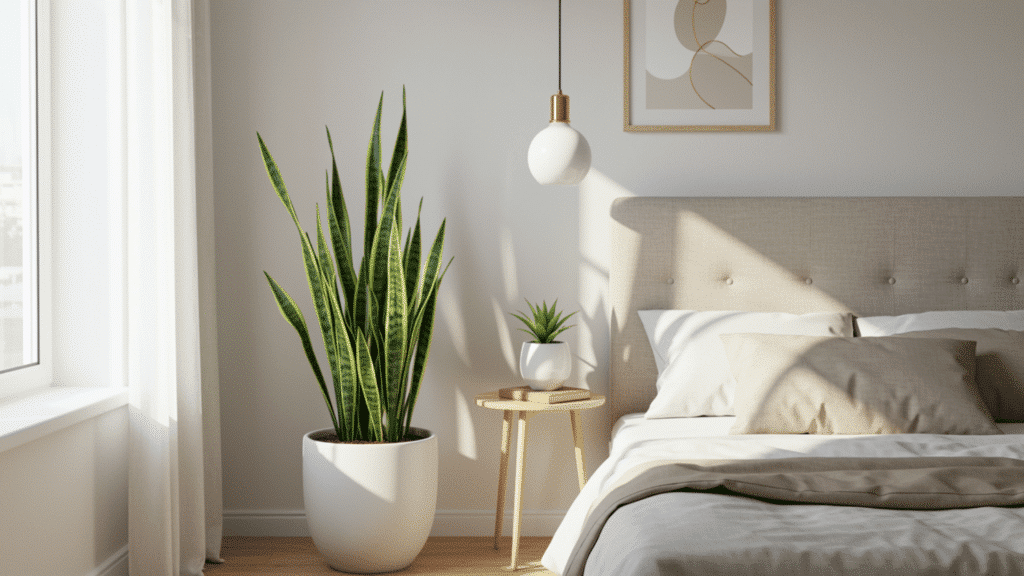
The snake plant ranks as one of the top choices among the best indoor plants for good air quality, largely because of how little it asks in return.
It releases oxygen at night rather than during the day, making it especially suited for bedrooms. It handles low light, irregular watering, and dry conditions without losing health.
2. Spider Plant
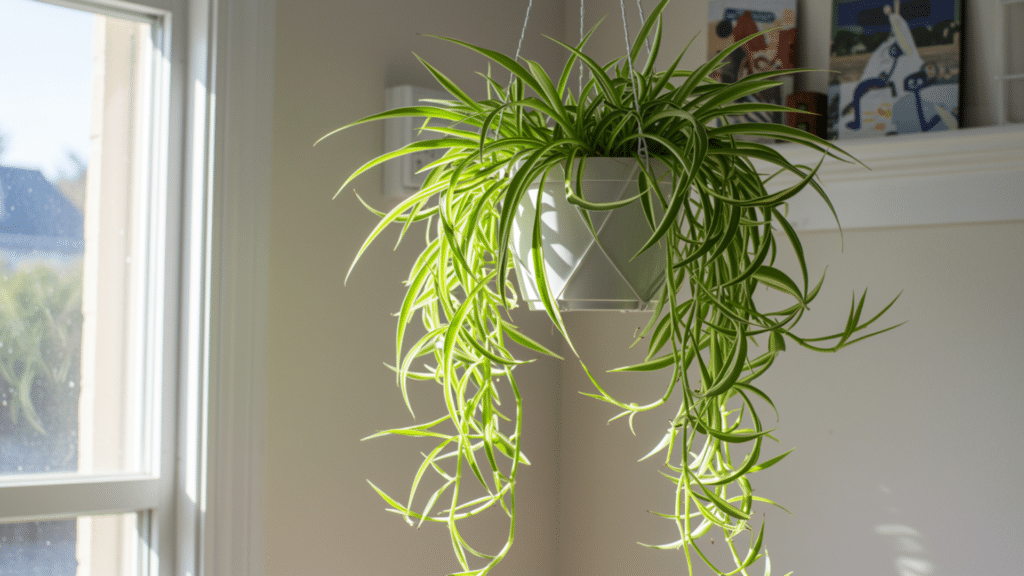
Spider plants are fast-growing and strong, making them a reliable pick for beginners. They are known for removing carbon monoxide and formaldehyde from indoor air.
The long, arching leaves and trailing offshoots give them a full, layered appearance that suits hanging pots well. Spider plants are non-toxic to both cats and dogs, which broadens their appeal considerably for most households.
3. Peace Lily
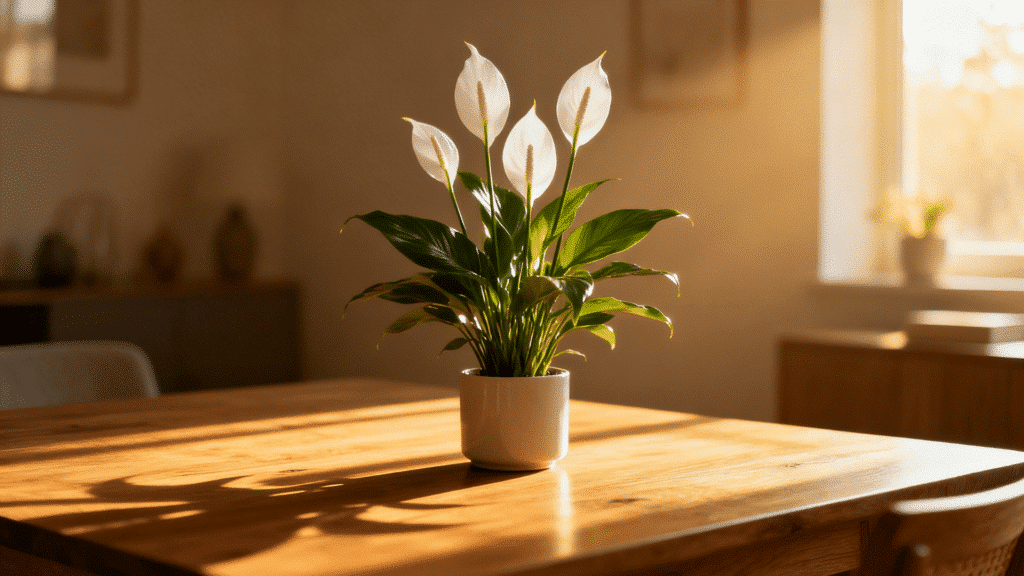
The peace lily suits low-light rooms and spaces that struggle with airborne mold particularly well. It helps filter pollutants like ammonia, benzene, and formaldehyde from the surrounding air.
The white blooms add a clean, simple look to any room without requiring direct sunlight. It needs regular watering and droops visibly when thirsty, making monitoring straightforward.
4. Aloe Vera
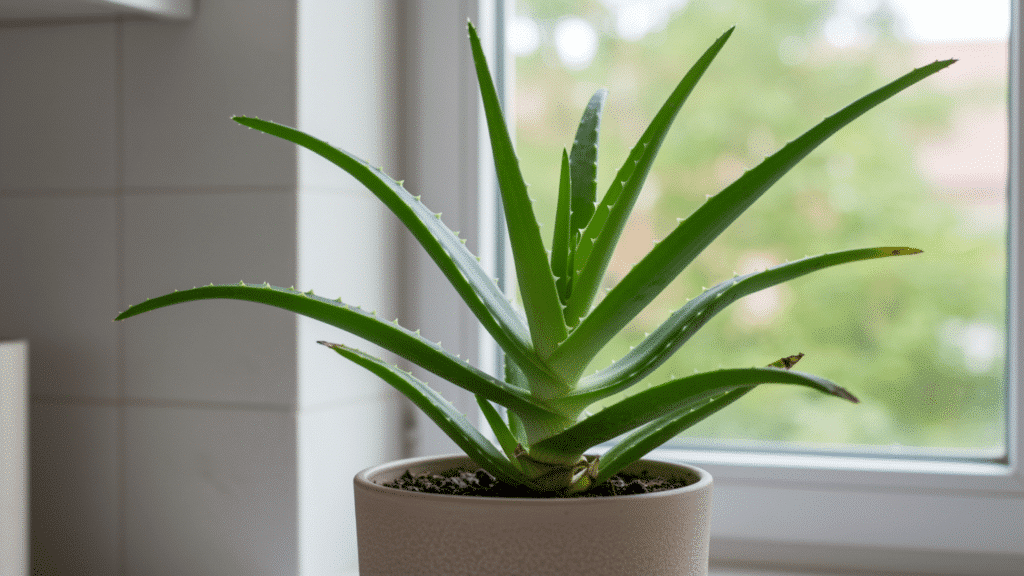
Aloe vera serves a dual purpose in the home. The gel inside its thick leaves has practical uses for minor skin irritation and burns, and the plant itself actively helps remove formaldehyde and benzene from indoor air.
It needs a bright, sunny spot to thrive and does not require frequent watering, as it stores moisture in its leaves.
5. Areca Palm
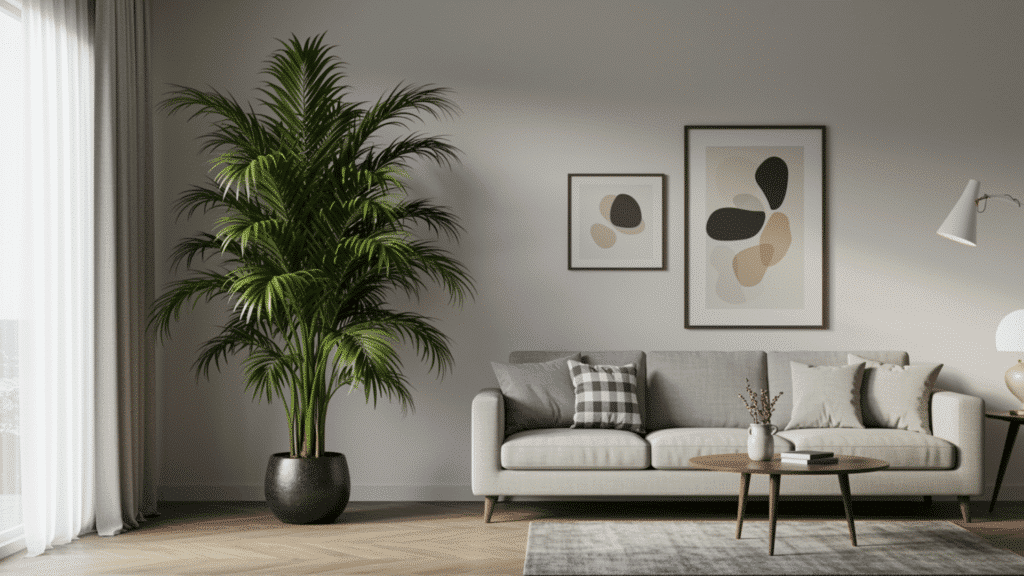
The areca palm is one of the best indoor plants for improving air quality in homes with persistently dry air.
It functions almost like a natural humidifier, continuously releasing moisture into the surrounding environment throughout the day.
This makes it particularly useful in living rooms during the winter months, when central heating significantly reduces indoor humidity.
6. Bamboo Palm
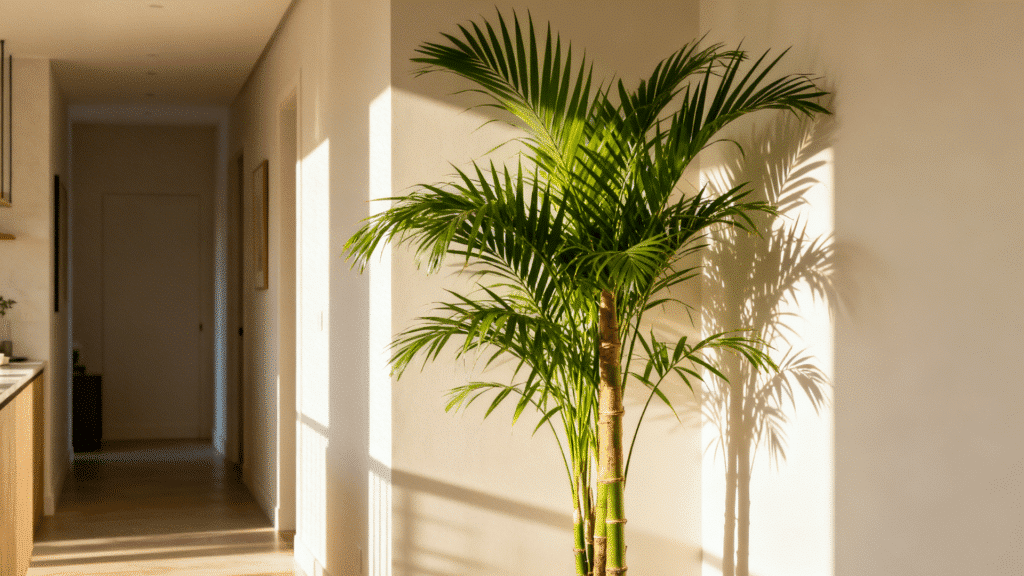
The bamboo palm is a pet-friendly option that also effectively removes indoor air pollutants, such as formaldehyde and benzene.
The slender stems and feathery fronds give it a natural, open look that fits well in living rooms, hallways, and entryways.
For households that need air benefits without worrying about pet safety, it is a consistently practical pick.
7. Rubber Plant
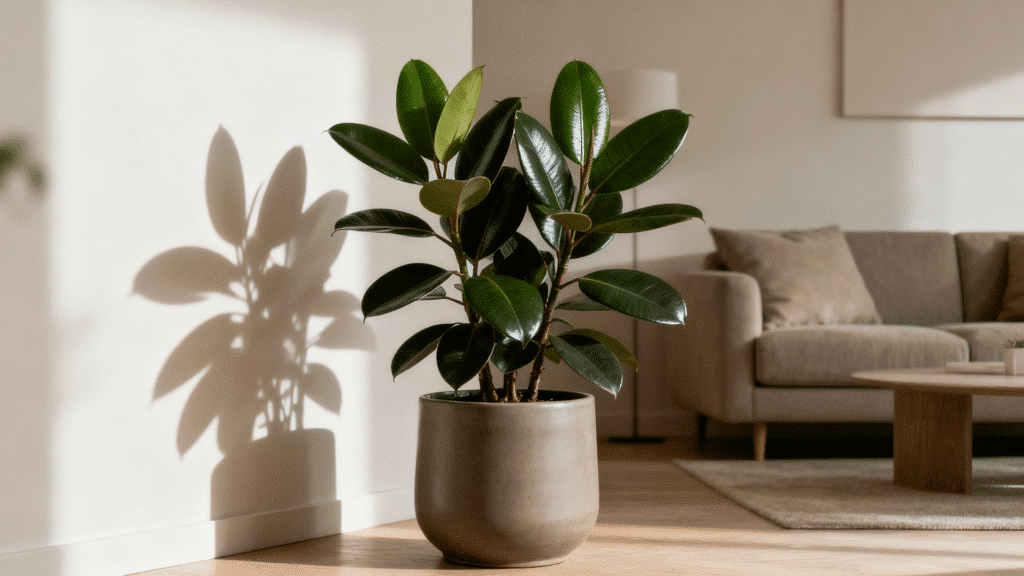
The rubber plant’s broad, glossy leaves are effective at catching airborne dust particles before they continue circulating through a room.
It grows well indoors under bright, indirect light and adapts well to indoor conditions once it has settled in. It can grow quite tall over time, making it better suited to rooms with higher ceilings or open corner spaces.
8. Boston Fern
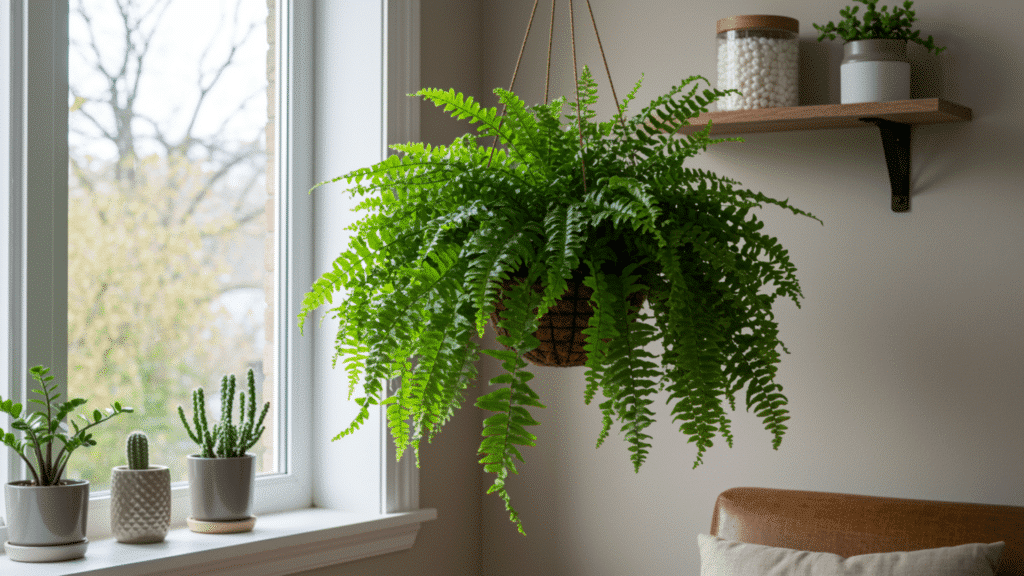
The Boston fern is one of the more effective options for adding moisture to dry indoor air, and it works especially well in homes located in arid climates or during seasons when indoor heating draws humidity from the environment.
The arching, feathery fronds give it a full and leafy presence in any room. It needs regular misting and consistent soil moisture, so it demands more attention than most plants on this list.
9. English Ivy
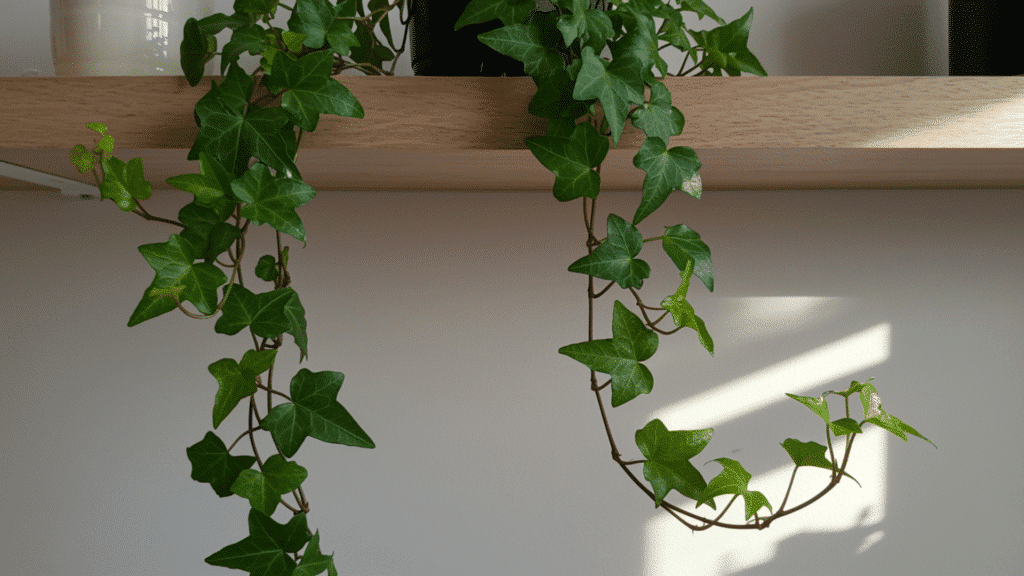
English ivy is commonly grown in hanging pots or allowed to trail along high shelves, and it is recognized for its ability to reduce airborne mold levels in enclosed spaces.
Regular watering and occasional pruning keep it healthy and manageable in size. English ivy is toxic to pets and small children, so it works best in offices and rooms where animals and young children are not present.
10. Golden Pothos
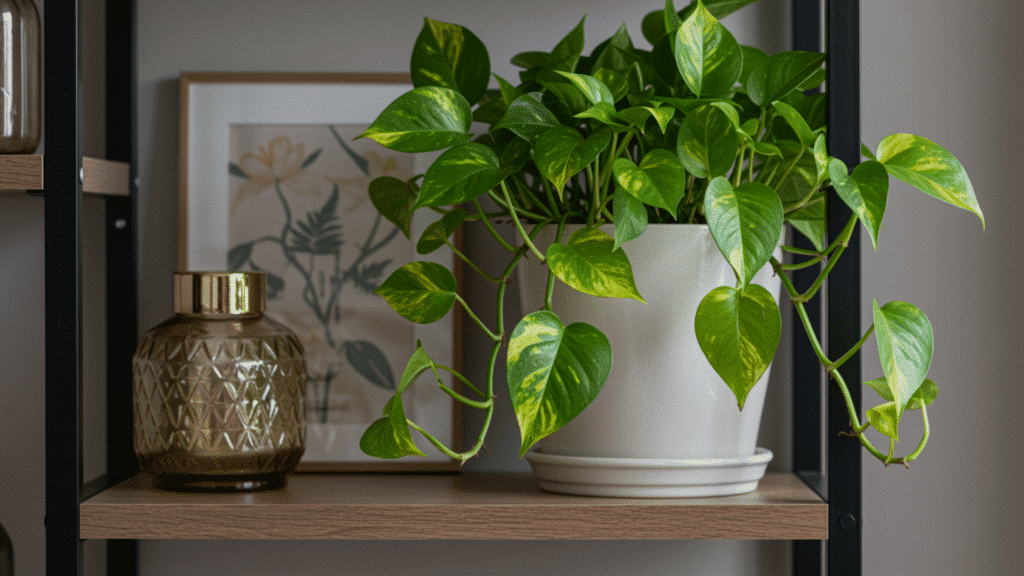
Golden pothos is one of the easiest plants to maintain among all the best indoor plants for good air quality.
It grows in low light and tolerates inconsistent watering, making it ideal for people with busy schedules or those who occasionally forget to water.
The trailing vines work well on shelves, in hanging baskets, or along windowsills. Golden pothos is toxic to cats and dogs, so careful placement is necessary in homes with animals.
11. Dracaena
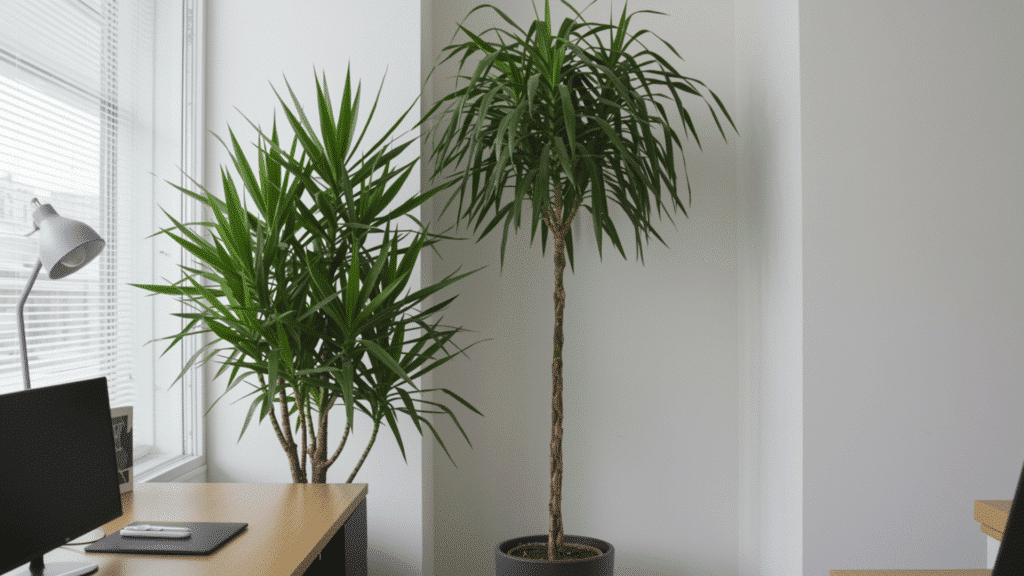
Dracaena comes in many varieties, from the compact Janet Craig to the tall and bold marginata, and most are effective indoor air filters.
Dracaena is not safe for pets, so households with cats or dogs should consider other options from this list before purchasing.
12. Chinese Evergreen
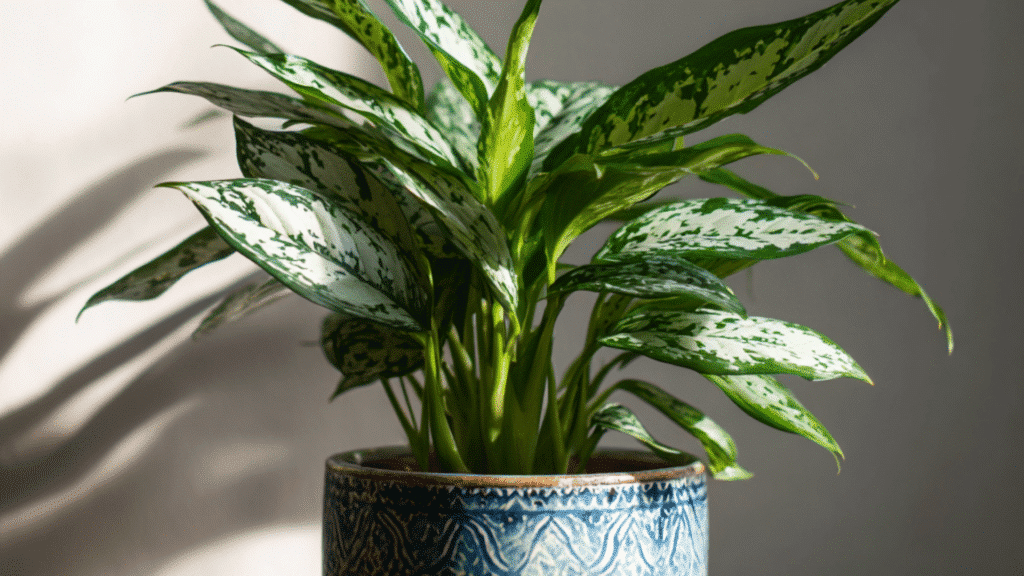
Chinese evergreen is a reliable low-light plant well-suited for anyone new to keeping houseplants.
The patterned leaves come in shades of green, silver, and red, giving it a decorative quality that goes beyond its air-cleaning contribution.
It needs watering about once a week and should be kept away from cold drafts, making it a low-effort addition to most rooms.
13. Parlor Palm
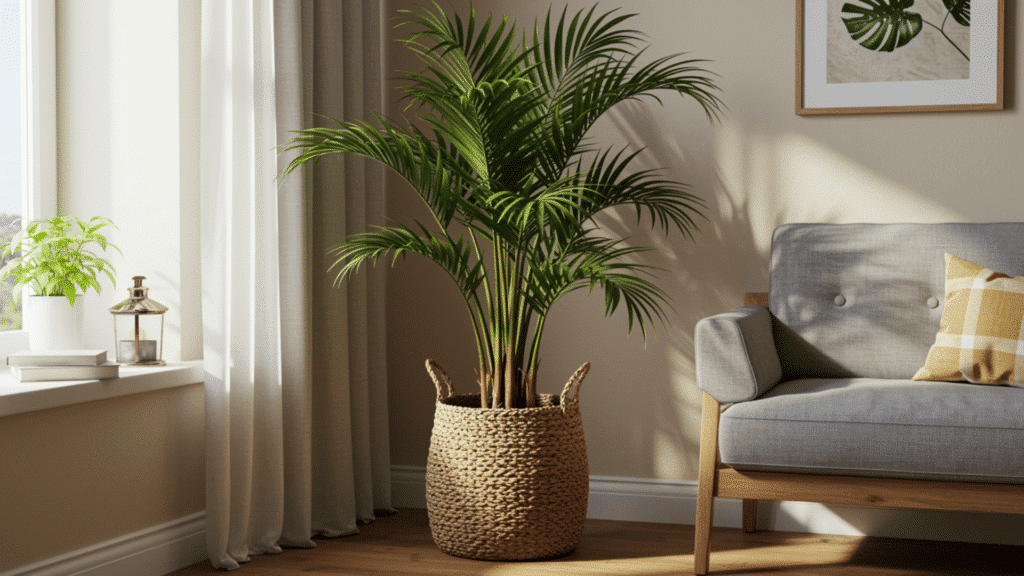
The parlor palm has been a common fixture in homes and offices for well over a century. It is safe for pets, grows well in low to medium indirect light, and stays compact enough for smaller rooms.
While it is not the most aggressive air cleaner on this list, it consistently contributes to a fresher indoor atmosphere over time.
14. Ficus (Weeping Fig)
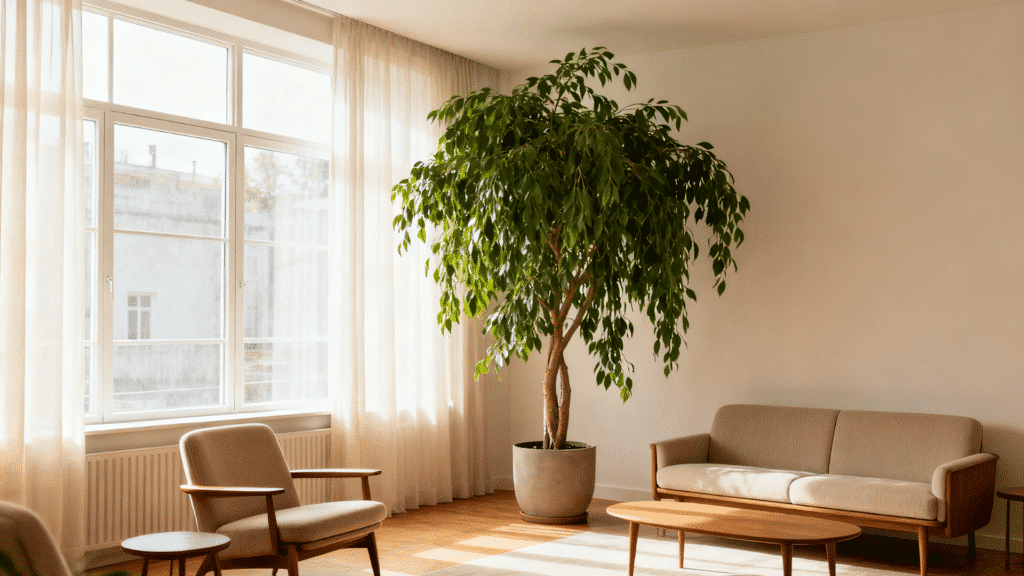
The ficus, widely known as the weeping fig, is a well-established indoor tree that filters pollutants like formaldehyde, benzene, and trichloroethylene from the air.
A consistent spot near a bright window suits it well. Given room to grow, it develops into a full, tree-like form that fills open corners and larger living spaces over time.
15. ZZ Plant
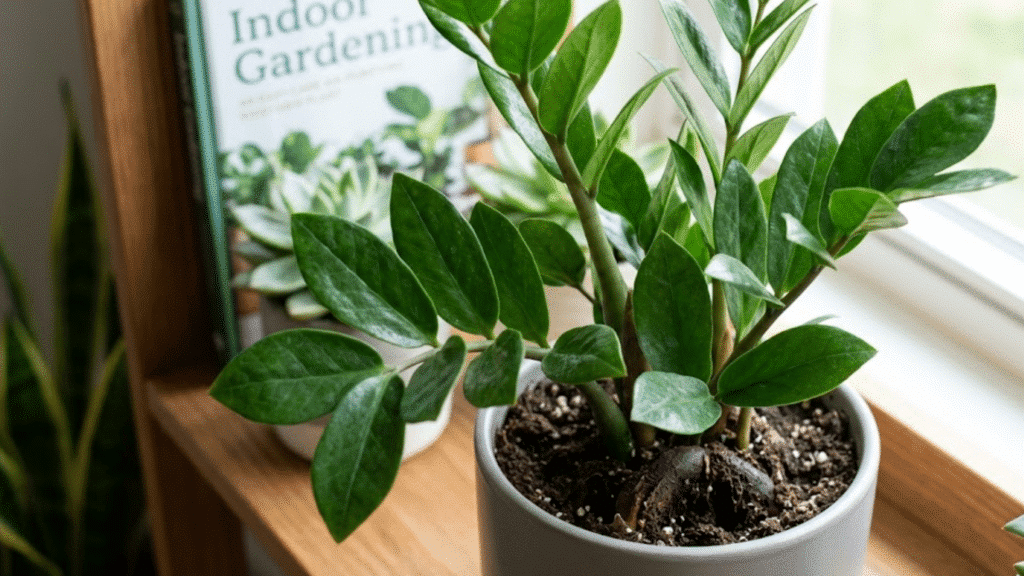
The ZZ plant is one of the most forgiving options among the indoor plants for air quality, particularly for people who travel frequently or have limited time for plant care.
It survives in low light and can go long stretches without water by drawing on moisture stored in its thick, fleshy roots. It contributes to filtering indoor toxins and maintains a sleek, dark green appearance throughout the year.
16. Philodendron
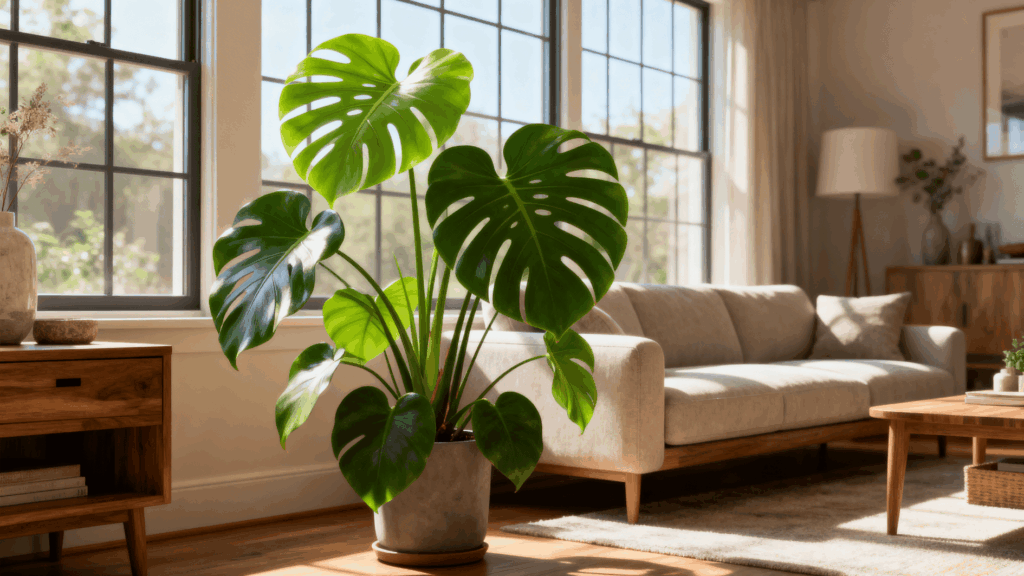
Philodendrons are fast-growing plants with broad leaves that effectively remove indoor toxins such as formaldehyde.
Regular watering and occasional pruning keep them full and healthy-looking throughout the year. They are toxic to pets and children, so placement should be considered carefully based on who is in the household.
17. Gerbera Daisy
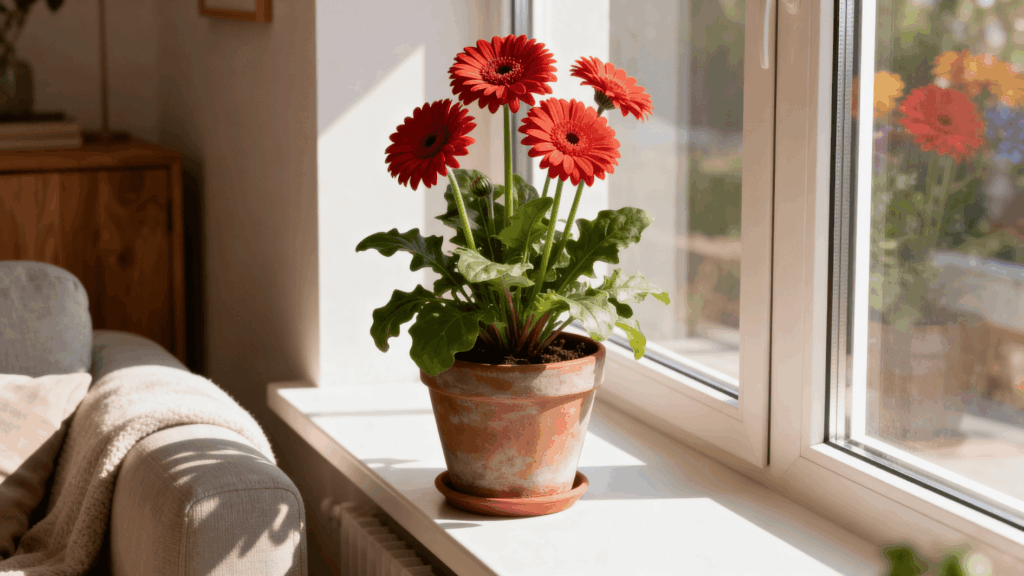
The gerbera daisy adds both color and practical air-cleaning value to indoor spaces. It is particularly noted for its ability to remove benzene, a compound commonly emitted by printing equipment and certain plastics.
It needs bright light to maintain its blooms and consistent watering to stay healthy. Deadheading spent flowers encourages new growth and extends the blooming period.
18. Calathea
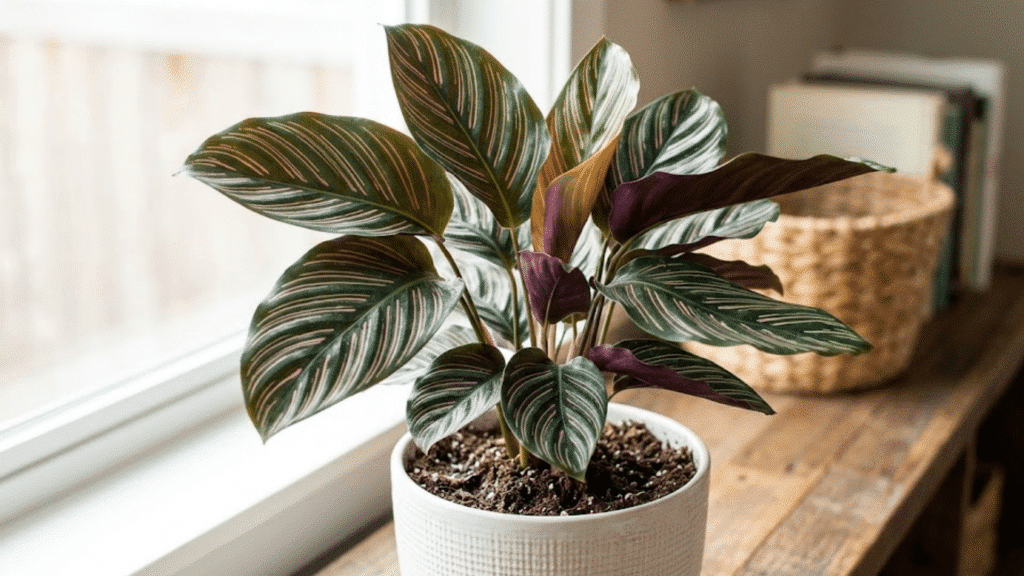
Calathea is recognized for its strikingly patterned leaves in tones of deep green, purple, and cream. Beyond its visual qualities, it contributes to indoor humidity by releasing moisture through its leaves.
It requires consistent care, including regular watering with room-temperature water and protection from direct sunlight and cold drafts.
19. Majesty Palm
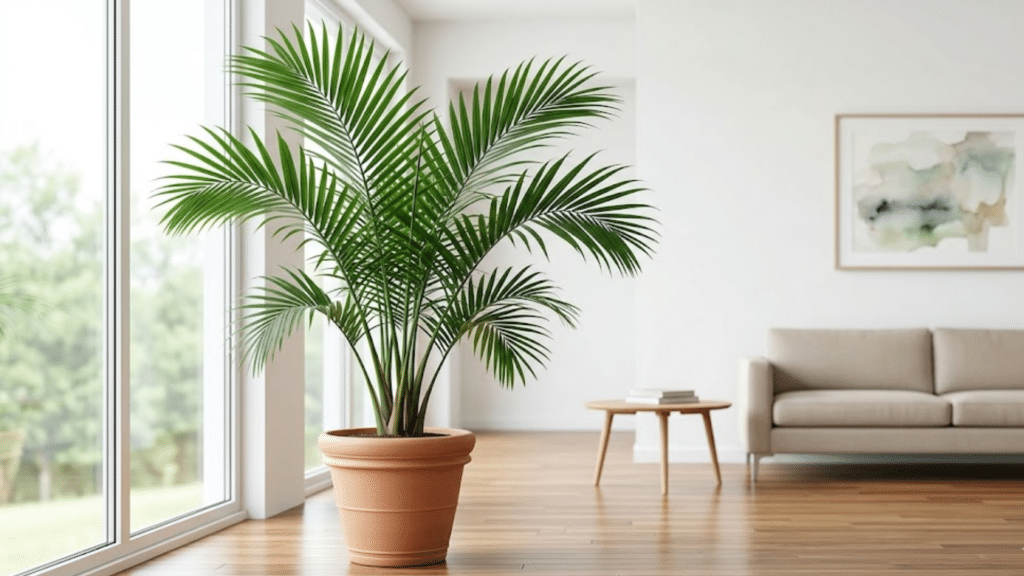
The majesty palm is a strong choice for larger rooms that benefit from both a commanding visual presence and improved air quality.
Regular watering and occasional fertilizing during the growing season keep it in good health. Its tall, spreading form makes it better suited to open living areas or spacious home offices rather than small or cluttered rooms.
20. Lady Palm

The lady palm is a consistently strong performer among air-cleaning houseplants and works particularly well in office environments due to its low-maintenance nature.
It handles a range of light conditions and does not need frequent watering to stay healthy. The fan-shaped leaf clusters give it a full appearance without requiring excessive floor space.
For spaces that need reliable, ongoing improvement in air quality without much hands-on attention, it is one of the better options available.
21. Croton Plant
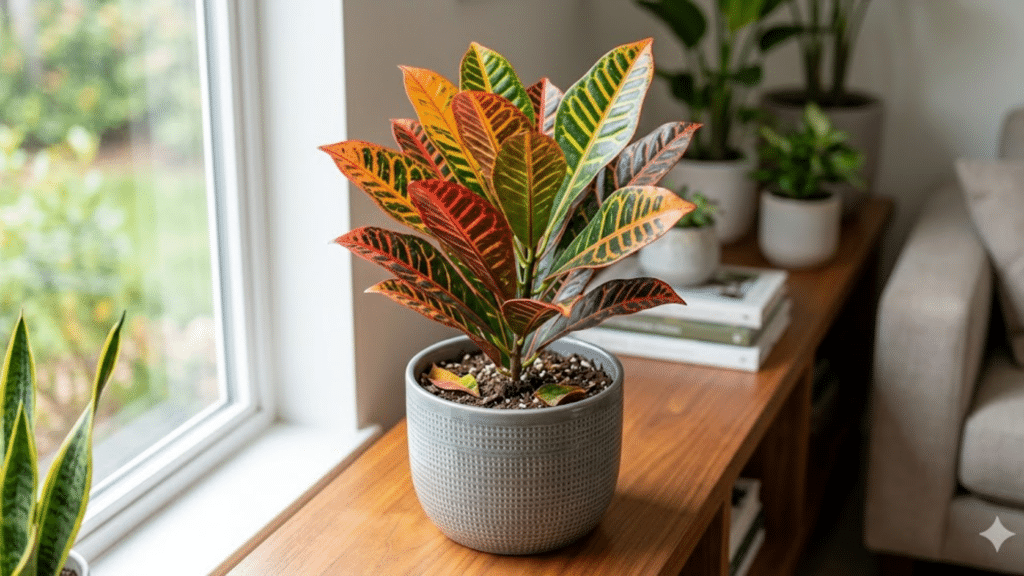
The croton plant brings bold visual energy through its leaves in shades of red, orange, yellow, and green. Beyond its appearance, it contributes to air cleaning within indoor environments.
It needs plenty of bright light to maintain its vivid coloring and should be watered regularly without allowing the soil to become waterlogged.
Caring Tips for Air-Purifying Plants
Keeping it healthy over time is what allows it to deliver consistent air quality benefits, and most of the best indoor plants for good air quality are not particularly demanding once a basic care routine is established.
- Avoid Overwatering: Excess water can lead to root rot, weakening the plant and reducing its effectiveness. Always ensure proper drainage in pots.
- Sunlight Requirements: Most air-purifying plants thrive in indirect light. Placing them near a window with filtered sunlight helps maintain steady growth and function.
- Fertilizing Routine: Feeding plants with a mild fertilizer every few weeks during the growing season supports stronger growth and better air-purifying ability.
- Proper Air Circulation: Good airflow around plants helps with gas exchange and prevents mold or pest issues. Avoid overcrowding plants in one space.
Conclusion
Indoor plants do more than fill empty corners. The best indoor plants for good air quality absorb certain toxins, add moisture to dry air, and make living spaces feel noticeably fresher and more comfortable over time.
Starting with a few straightforward options like snake plant or golden pothos is a practical first step, and more plants can be added gradually as space and confidence grow.
Even one well-placed plant can shift the feel of a room in a meaningful way. For anyone looking to improve the air in their home, choosing one plant today is a simple and worthwhile place to start.

Tommy Hardy, an alumnus of the Georgia Institute of Technology with a degree in Mechanical Engineering, has been a go-to figure in residential upkeep and innovation for over 18 years. His career commenced in a leading home appliance manufacturing company, where he mastered the intricacies of household systems. Joining our platform in 2020, Tommy quickly became a reader favorite for his practical and easy-to-follow guides. He took the helm of our DIY section in 2019, consistently delivering content that empowers homeowners. Beyond his professional pursuits, Tommy is a passionate gardener and enjoys woodworking, skills enhancing his hands-on approach to home care.