
Watering plants sounds simple, but the method matters more than most people think.
Many people follow the usual routine of pouring water from the top without realizing it can lead to uneven moisture, weak roots, or even overwatering.
That’s where bottom-watering plants are gaining attention among both beginners and experienced plant lovers.
In this blog, you’ll learn what bottom watering is, how it works, and how it compares to other watering methods, so you can choose the method that works best for your plants.
What Defines a Bottom-Watering Plant?
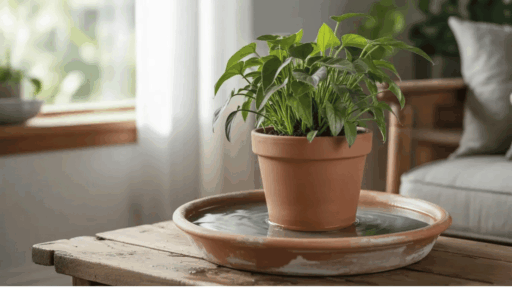
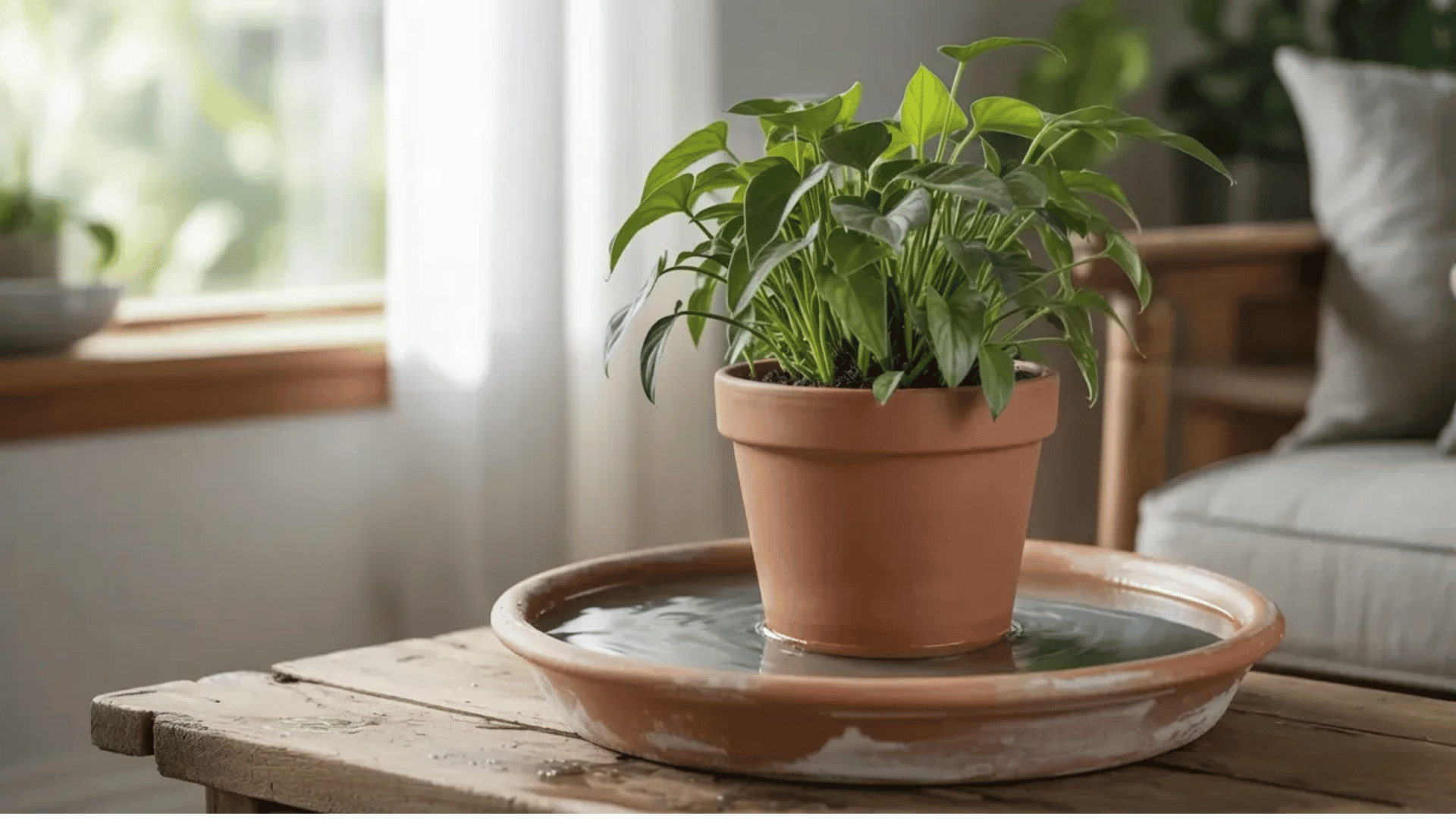
Bottom watering is a method in which water is supplied from the bottom of the pot rather than poured over the soil.
The plant sits in a tray or container filled with water, and the soil absorbs moisture through the drainage holes. This process allows water to move upward, reaching the roots evenly.
It also encourages roots to grow deeper as they reach down toward the water source. Many plant owners prefer this approach because it reduces the overwatering and keeps leaves dry.
Ideal Situations
- Uneven Dryness: Bottom watering ensures consistent moisture spreads evenly throughout the entire pot, reaching areas that top watering often misses or leaves completely dry.
- Sensitive Plants: It keeps water away from foliage entirely, preventing leaf damage, spotting, and fungal issues common in delicate or moisture-sensitive plant varieties.
- Pest Control: Keeping the topsoil dry makes it far less attractive to pests like fungus gnats, significantly lowering the chances of infestation over time.
- Hot Conditions: In warm or low-humidity environments, this method reduces rapid surface evaporation and greatly improves the soil’s ability to retain moisture for longer periods.
- Root Growth: Absorbing water from the bottom naturally encourages roots to grow downward, resulting in a stronger, deeper, and far more stable root system over time.
How It Differs from Other Watering Methods
Understanding how bottom watering compares to other methods helps you choose the best approach for your plant’s health and growth.
1. Top Watering
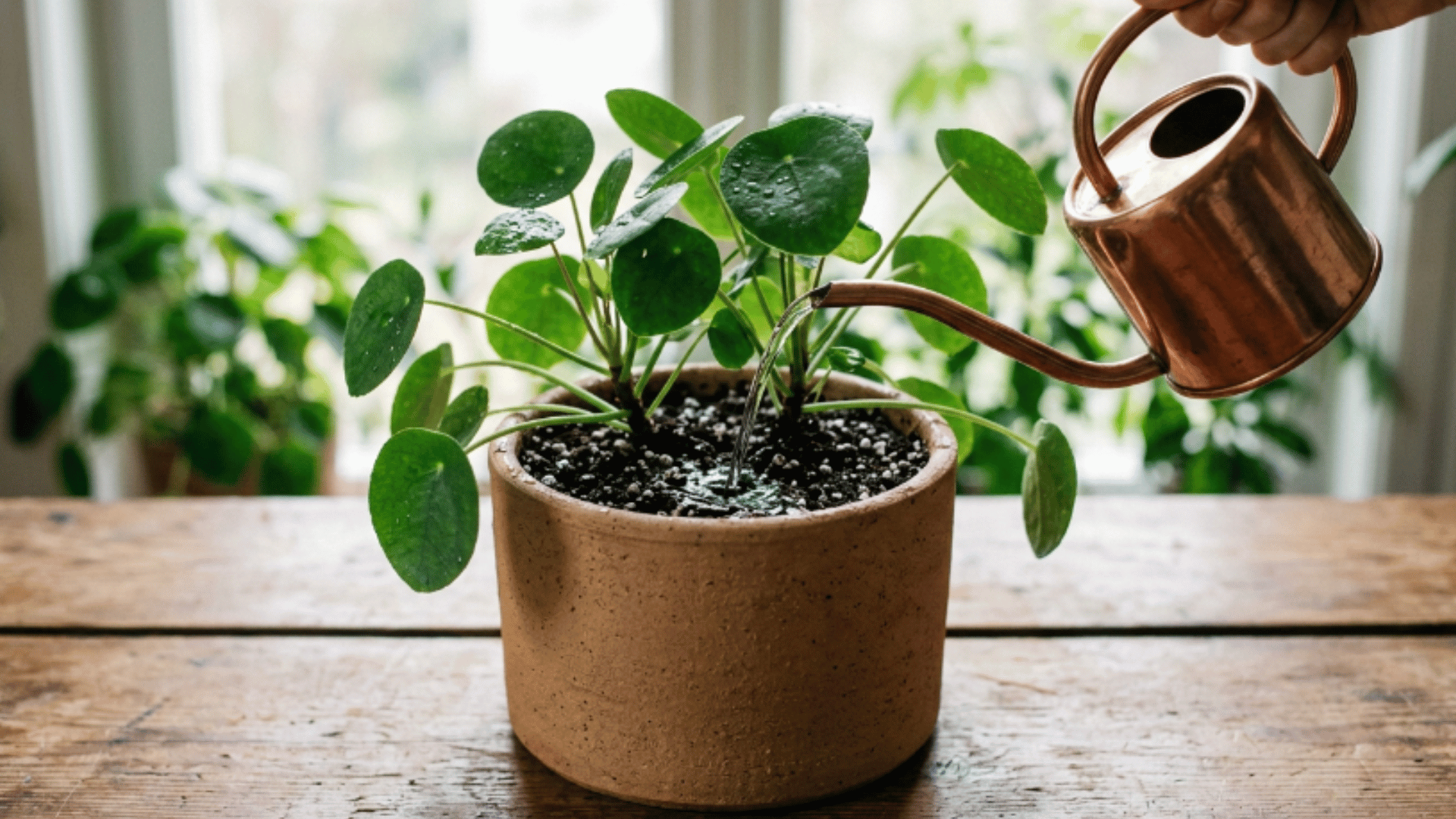
Top watering is the most common method, where water is poured directly onto the soil surface, allowing it to reach the roots. It is simple, effective, and works well for most plant types.
Proper drainage ensures excess water flows out, preventing waterlogging and root rot. This method also helps flush out salt buildup from the soil, keeping plants healthy over time.
It is best practiced in the morning, giving plants enough time to absorb moisture before the day heats up.
- Best for: Outdoor plants, large pots, and plants that need deep watering.
- Benefit: Easy and quick to use, flushes out salts, and suits most plant types.
2. Self-Watering Pots
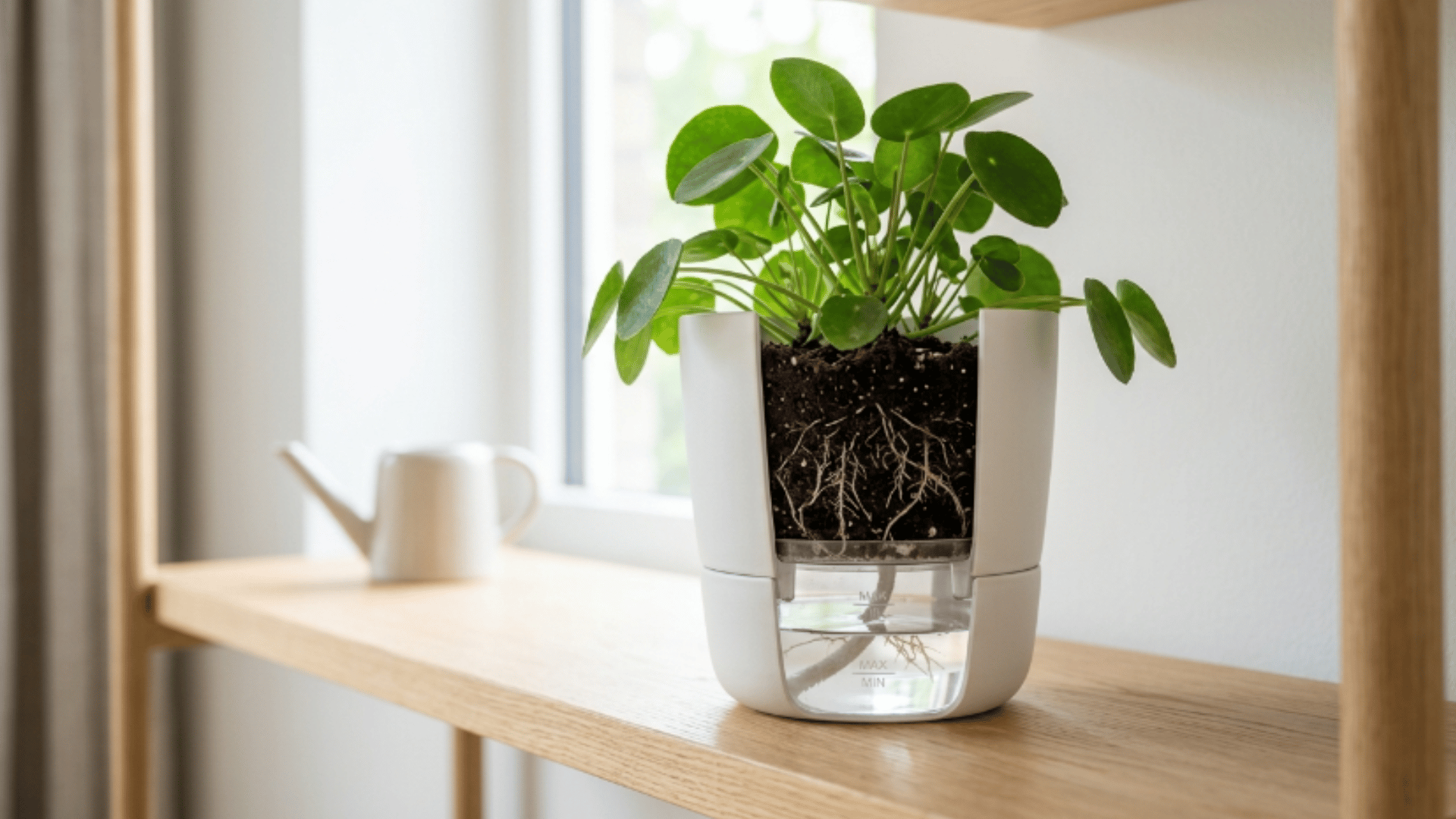
Self-watering pots have a built-in reservoir that supplies water gradually to the plant. The plant absorbs moisture as needed, maintaining consistent soil hydration throughout.
This makes it an ideal choice for busy individuals who cannot follow a strict watering schedule. It also significantly reduces the risk of both overwatering and underwatering.
- Best for: Busy individuals, frequent travelers, and plants needing consistent moisture.
- Benefit: Low maintenance, provides steady hydration, and reduces watering frequency.
3. Drip Irrigation
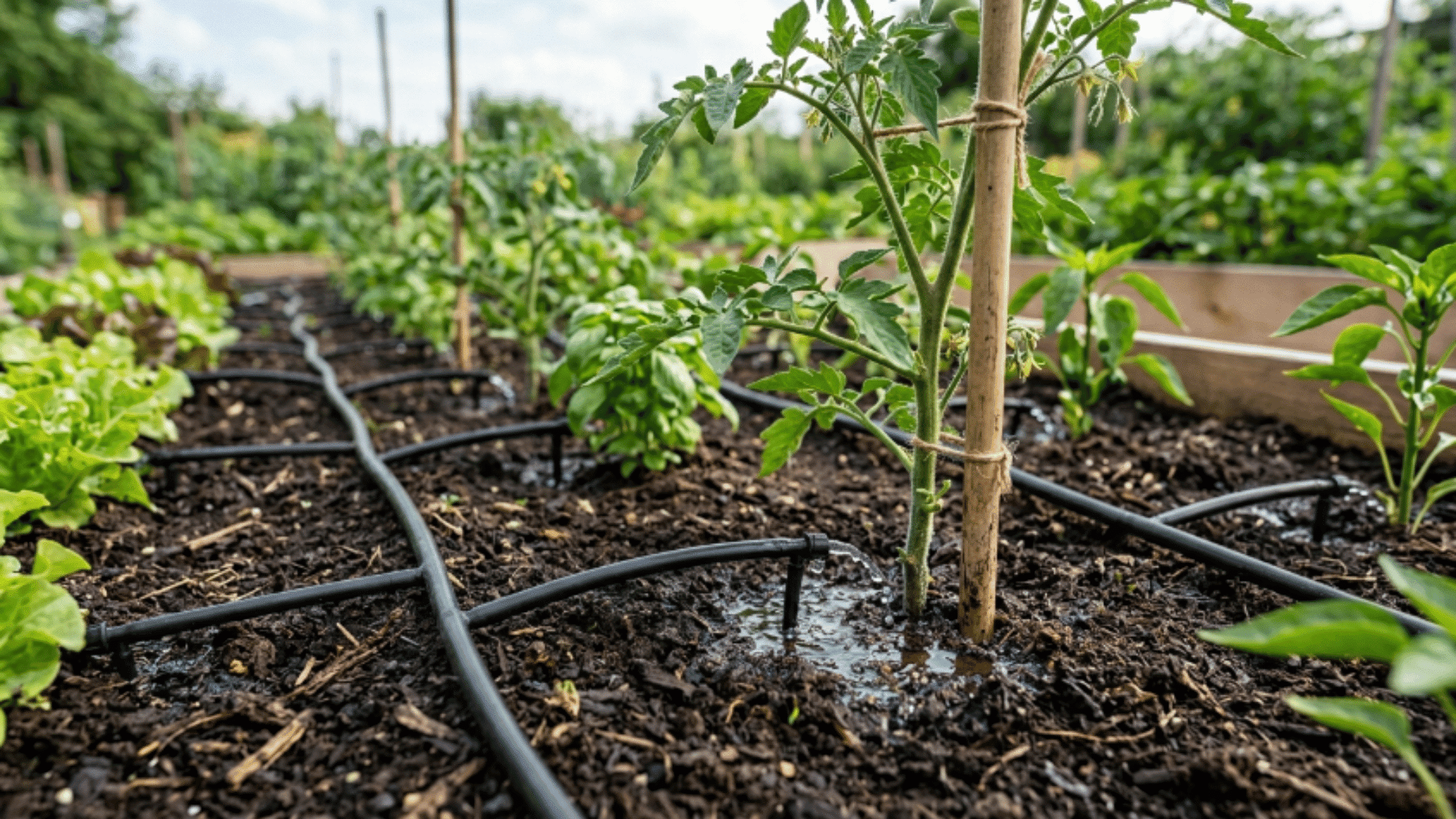
Drip irrigation delivers water slowly and directly to plant roots through a system of tubes. It is an efficient way to water multiple plants at once without much manual effort.
This method minimizes water waste by targeting the root zone precisely. It is widely used in gardens and outdoor setups for consistent, reliable watering.
- Best for: Gardens, multiple plants, and outdoor setups.
- Benefit: Saves water, saves time, and ensures consistent watering across plants.
4. Misting
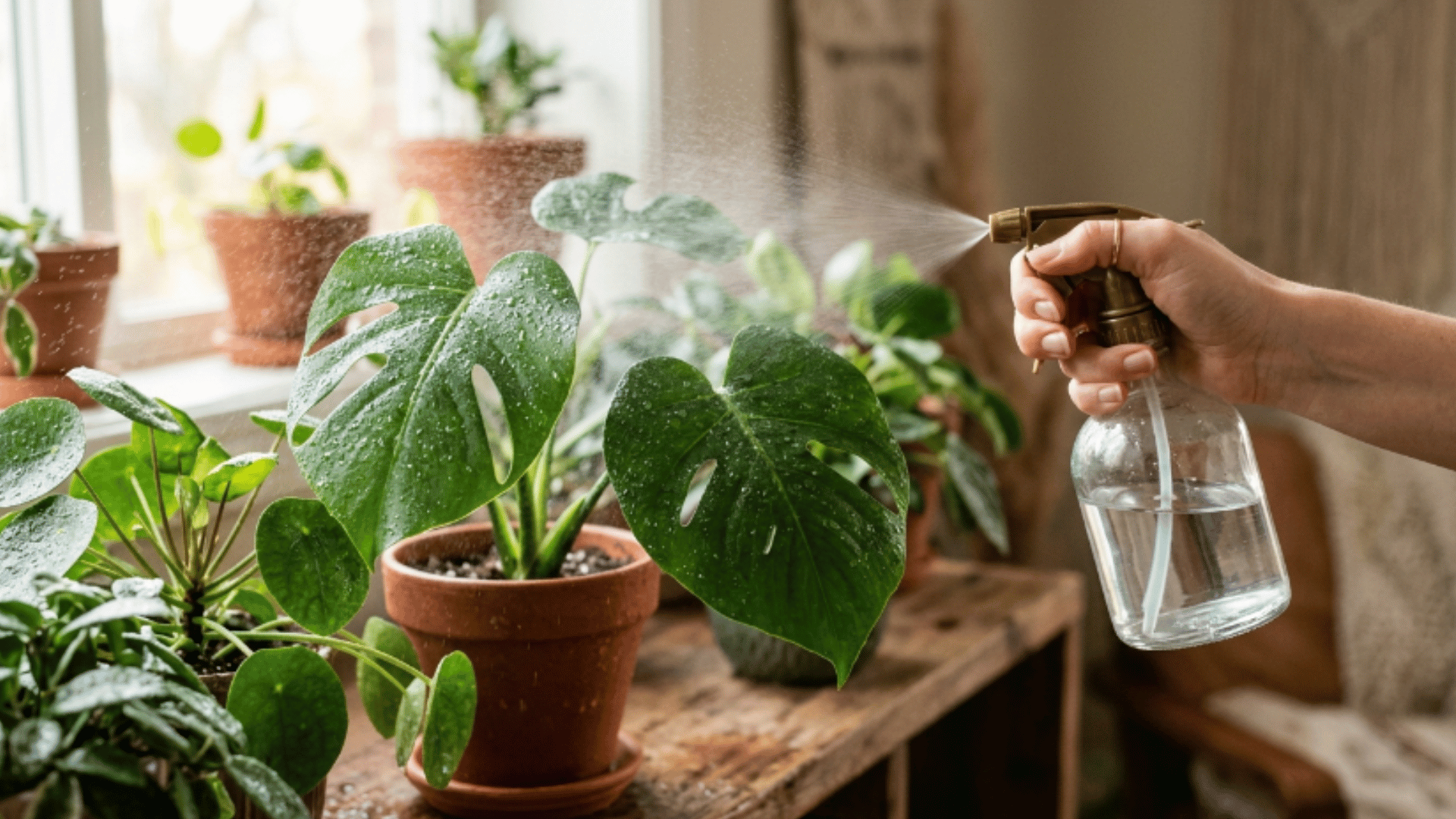
Misting involves spraying a fine mist of water onto plant leaves to increase humidity. It is not a primary watering method but plays a key role in supporting overall plant health.
It works best in dry indoor environments where humidity tends to drop significantly. Regular misting keeps leaves fresh, clean, and free from dust buildup.
- Best for: Humidity-loving plants like ferns and tropical plants, as well as indoor environments.
- Benefit: Increases humidity, keeps leaves fresh, and supports tropical plant care.
5. Soaking Method
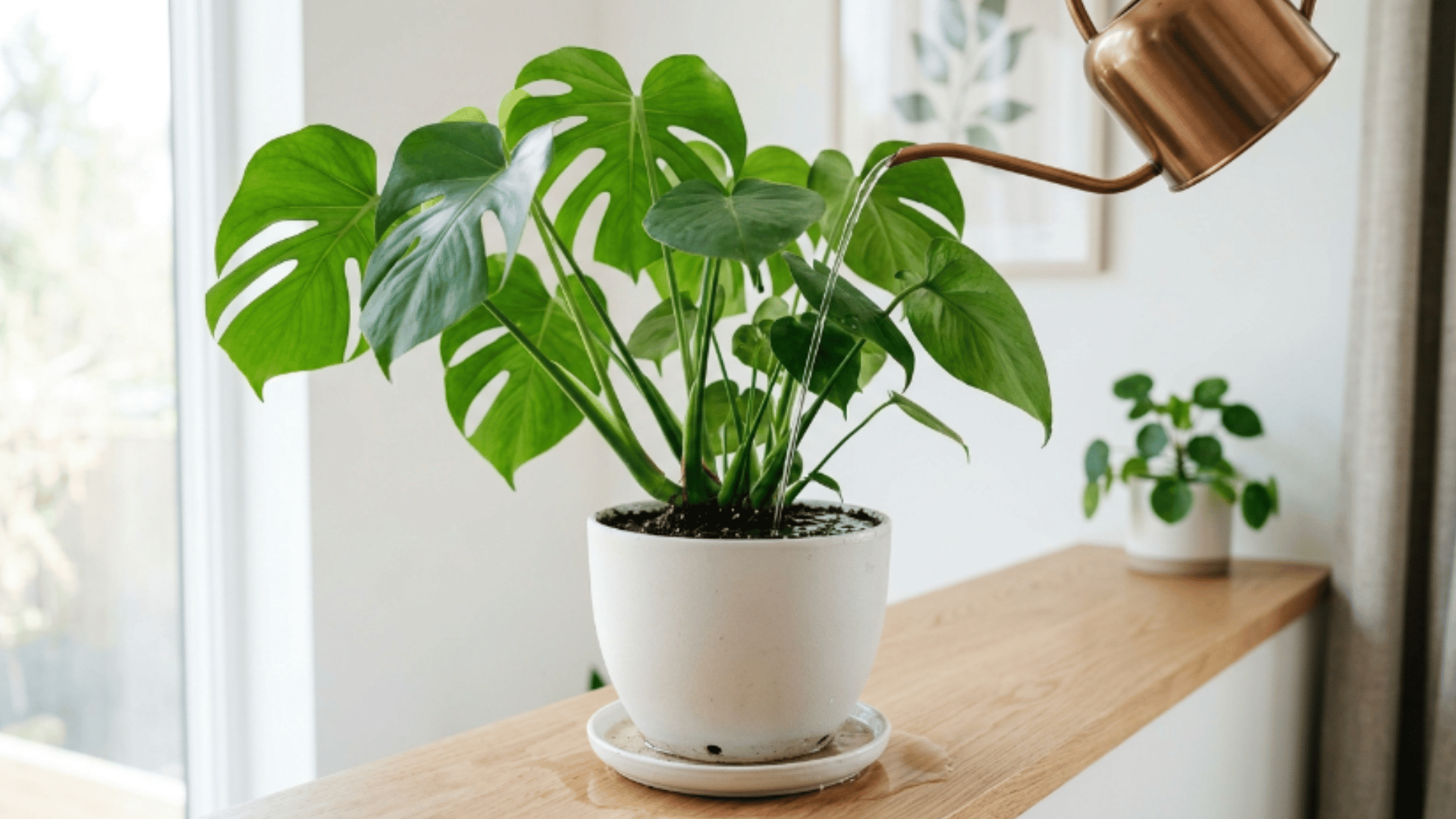
The soaking method involves thoroughly watering the soil until it is fully saturated. It helps rehydrate dry soil that struggles to absorb water through regular watering.
This method ensures water reaches deep into the root zone for thorough hydration. It is particularly effective at reviving plants that have been left too long in dry conditions.
- Best for: Dry or compacted soil, and plants that need deep, thorough watering.
- Benefit: Fully rehydrates soil, ensures deep moisture reaches the roots, and revives dehydrated plants.
6. Wick Watering
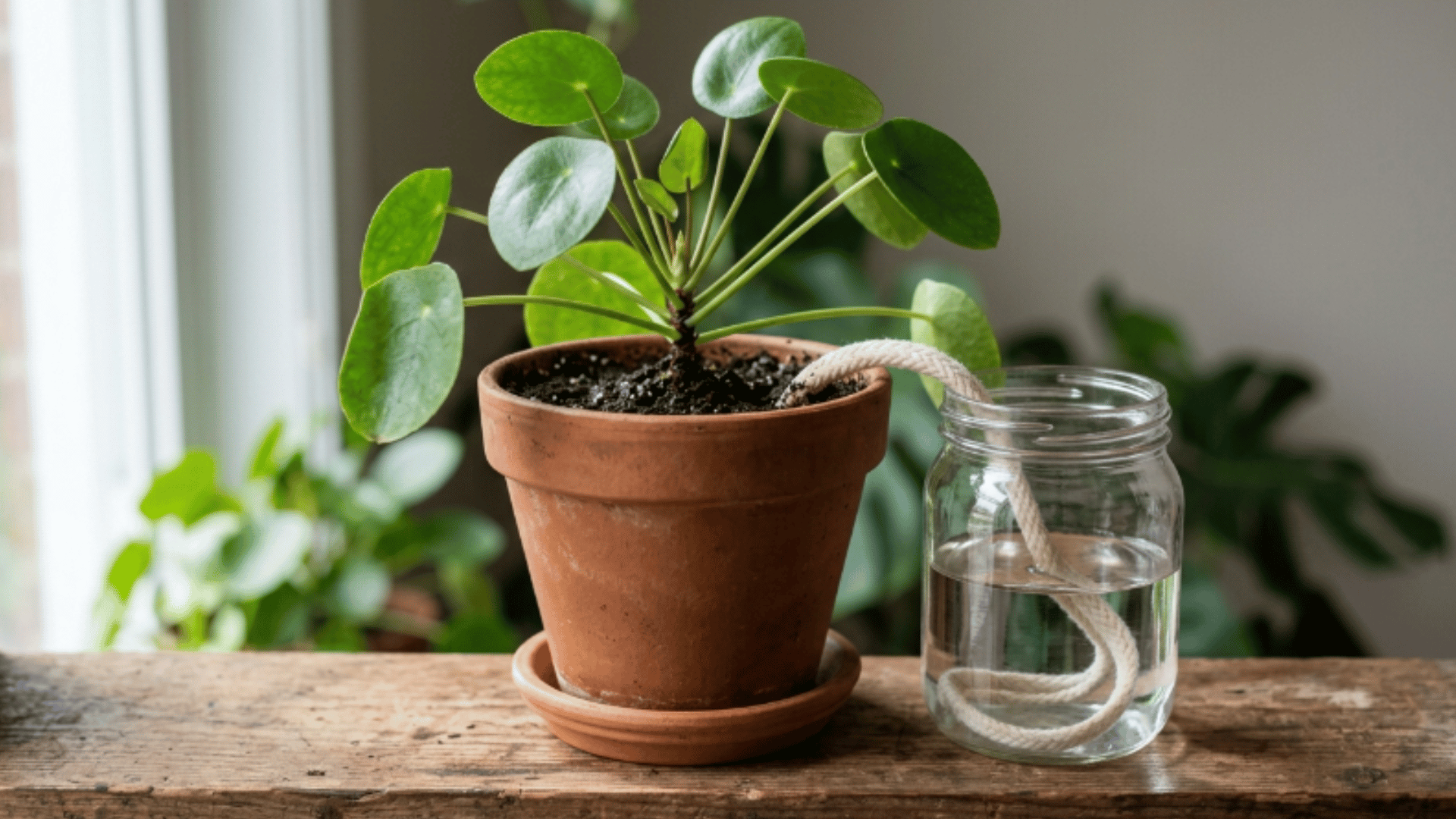
Wick watering uses a string or cotton wick to draw water from a container directly into the soil. It provides a slow and steady water supply, keeping moisture levels balanced at all times.
This method requires minimal effort and is great for low-maintenance plant care setups. It is especially handy for keeping small plants hydrated during short absences.
- Best for: Small plants, low-maintenance setups, and short-term self-watering needs.
- Benefit: Delivers consistent moisture, requires minimal effort, and is useful during short absences.
Signs Your Plant Needs Bottom Watering
Plants often show small changes when they are not getting enough moisture. Noticing these signs early helps you choose the right watering method.
| Sign | What It Means | What to Do |
|---|---|---|
| Dry Top Soil | Surface feels dry but deeper soil may still be uneven | Use bottom watering for even moisture |
| Water Runs Through Quickly | Soil is not absorbing water properly | Bottom water to rehydrate soil fully |
| Wilting Leaves | Plant lacks proper hydration | Provide steady moisture from below |
| Slow Growth | Roots may not be getting enough water | Switch to a more consistent watering method |
| Yellowing Leaves | Can be a sign of uneven watering | Maintain balanced moisture levels |
| Soil Pulling Away from Pot | Soil has become too dry and compact | Soak from the bottom to restore moisture |
Common Mistakes to Avoid
Bottom watering plants is easy, but small mistakes can still cause problems. Knowing what to watch for helps you get better results and keeps your plants in good condition over time.
- Over Soaking: Leaving the pot in water too long oversaturates and damages the roots.
- Skipping Check: Press a finger into the soil before watering to avoid overwatering.
- No Drainage: Pots without drainage holes cannot absorb water properly from below.
- No Flushing: Top water once a month to rinse out salt and mineral buildup in the soil.
- Excess Water: Keep the water level at three-quarters of the pot height to avoid flooding.
- Wrong Plant: Consider the plant type and pot size before establishing a bottom watering routine.
The Bottom Line
Getting watering right can make a big difference in how your plants grow and look over time.
The key is knowing when to use each method based on your plant’s needs, pot size, and environment. Small changes in your routine can lead to better growth and fewer problems.
With a little practice, bottom watering plants becomes easier as you spot what each plant prefers. Pay attention to how the soil feels and how your plant responds after bottom watering.
Start trying bottom watering with your plants today and see the difference it makes in their overall health.

With a Master’s in Landscape Architecture from the University of Virginia, Sophia Stephenson has dedicated the last 20 years to creating and maintaining vibrant outdoor spaces. Her professional journey started in landscape design, where she gained a reputation for innovative and sustainable approaches. Sophia became a part of our editorial team as a freelancer in 2019, offering a fresh perspective on outdoor living. Since 2020, she has been the chief for our outdoor design content, blending aesthetic appeal with environmental stewardship. In her leisure time, Sophia is a keen photographer, capturing the beauty of natural landscapes, a hobby that complements her professional expertise.