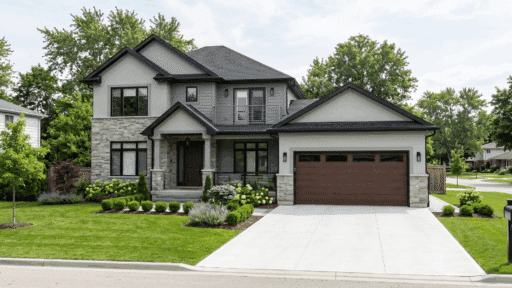
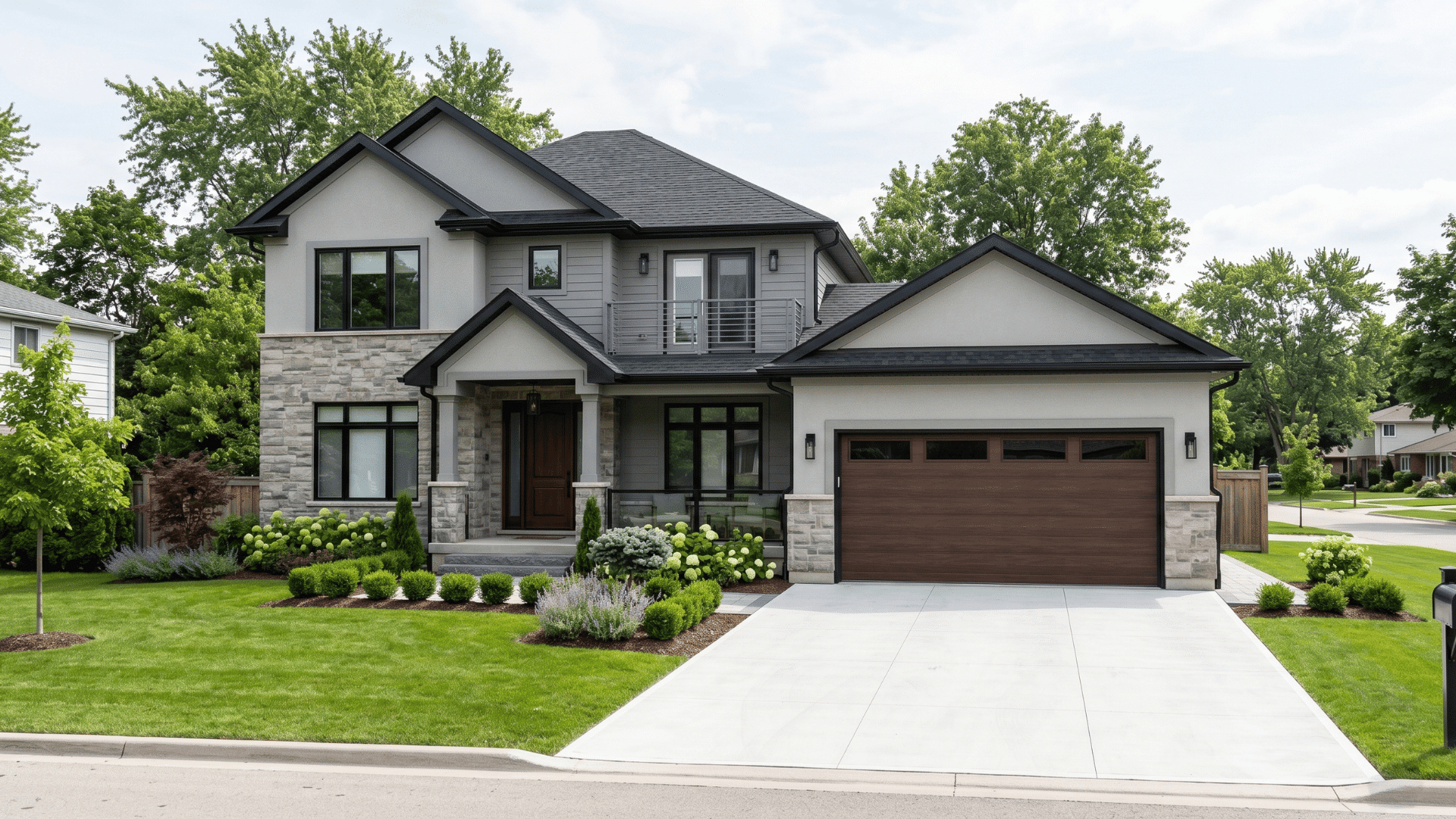

More homeowners are adding garages than ever before, driven by the need for secure parking, extra storage, and higher resale value.
The demand has gone up significantly over the past few years, and so have the questions around what it actually costs to get the job done properly.
This blog breaks down the cost of a garage addition in plain terms, covering everything from average price ranges to the factors that push costs up or down.
What is a Garage Addition?
A garage addition involves building a new garage onto an existing home or expanding an existing one, giving the property more functional space.
It is one of the most practical and cost-effective home improvement projects a homeowner can undertake to create added space, storage, and long-term value.
The garage addition cost varies depending on the size of the structure, the materials selected, and the overall complexity of the build.
Getting clear on the scope of the project early makes it easier to plan finances and avoid unexpected costs down the line.
The Two Types of Garage Addition Projects
Not all garage addition projects are the same. The type you choose shapes the design, placement, and how the space connects to your home.
Attached Garages
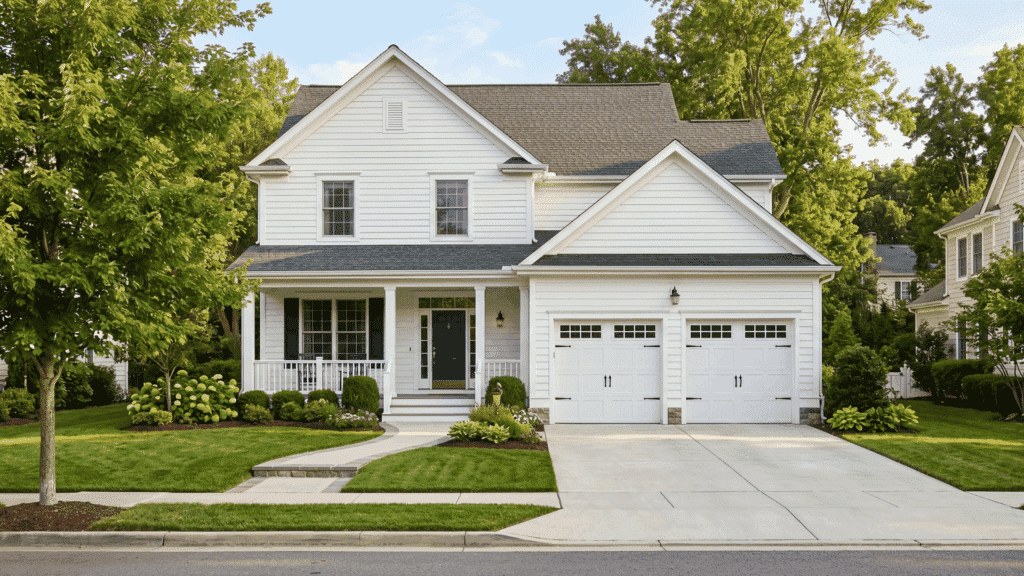
Attached garages share a wall with the main home, making them one of the most practical and cost-efficient options for most homeowners.
The shared wall reduces the amount of materials and labor needed, thereby lowering the overall cost of the garage addition compared to a fully separate build.
Easy access from inside the home is a major advantage, particularly in bad weather, and this convenience factor also makes attached garages a strong contributor to resale value.
Detached Garages
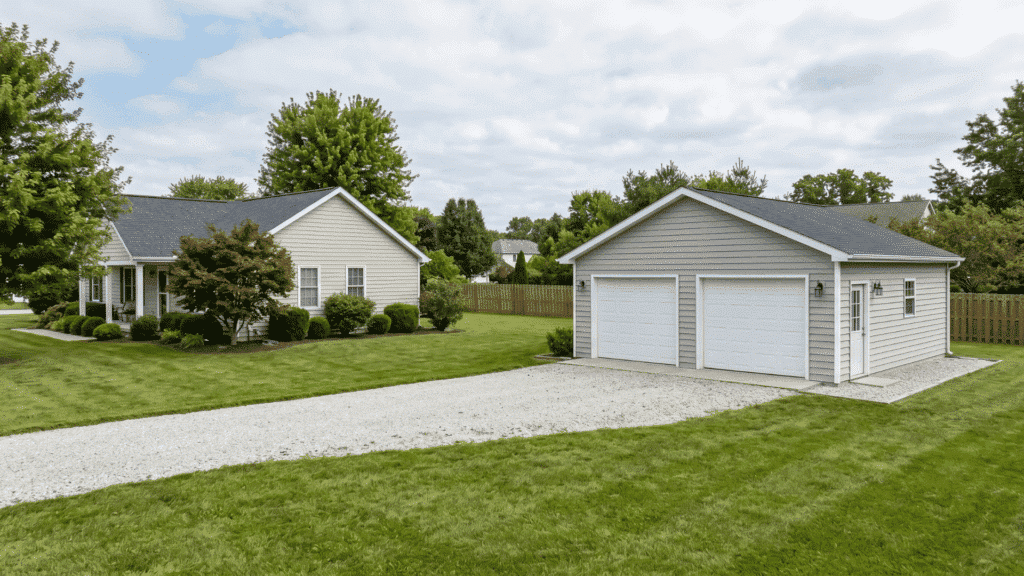
Detached garages are fully separate structures that sit independently on the property, offering more flexibility in placement and design than an attached build.
They are a strong choice for homeowners who want to keep vehicle noise, fumes, or workshop activity away from the main living areas of the home.
Detached metal garages, in particular, are popular for use as workshops or hobby spaces because the construction material offers better resistance to fire hazards.
Average Garage Addition Cost by Size
The cost of the garage addition largely depends on the size you choose. Bigger garages require more materials, labor, and time, increasing the overall budget.
| Garage Size | Typical Cost Range | Best For |
|---|---|---|
| 1-Car Garage | $30,000–$50,000 | Basic parking or small storage |
| 2-Car Garage | $65,000–$85,000 | Most common choice for families |
| 3-Car Garage | $95,000–$130,000 | Extra storage, workshop, or tools |
Garage Addition Cost Breakdown
Understanding the cost breakdown helps you see exactly where your budget is spent. From foundation work to finishing touches, every part of a garage addition contributes to the cost.
| Cost Component | Typical Cost Range | What It Includes |
|---|---|---|
| Foundation | $4–$14 per sq ft | Concrete slab, footings, base support |
| Framing & Structure | $8–$15 per sq ft | Lumber, walls, and a roof frame |
| Roofing | $1–$12 per sq ft | Shingles, metal roofing, installation |
| Siding & Exterior | $3–$20 per sq ft | Vinyl, wood, brick, or fiber cement |
| Garage Doors & Windows | $600–$1,500+ | Garage door, entry door, windows |
| Electrical Work | $1,200–$3,000 | Wiring, outlets, lighting |
| Permits & Fees | $500–$2,500 | Building permits, inspections |
Attached vs. Detached: Which is More Budget-Friendly?
For most homeowners focused purely on keeping the garage addition cost down, an attached garage is the more budget-friendly choice.
A detached garage makes more financial sense when the property layout does not support an attachment or when the space is intended for a specific use that benefits from separation.
The best approach is to get quotes for both options from at least two or three contractors and compare the numbers side by side before making a final decision.
Budget Considerations for a Garage Addition
Planning the cost of the garage addition goes beyond materials and labor. Several costs catch homeowners off guard when they are not accounted for early in the process.
- Return on Investment: A garage addition is one of the few home improvement projects that gives a measurable return when the property is sold. Homebuyers consistently place a high value on covered parking and dedicated storage.
- Labor Expenses: Labor is one of the largest and most commonly underestimated parts of any garage addition budget. Skilled professionals are needed for foundation work, structural framing, roofing, and electrical installation.
- Hidden Costs: Every garage addition budget should include a contingency for costs that may not appear in the initial estimate. Finishing the interior, adding storage solutions, or setting up the space as a workshop all require additional spending beyond the core build.
- Loans and Payment Options: Most homeowners finance a garage addition rather than paying the full amount upfront. A home equity loan or line of credit is one of the most widely used options, drawing on the existing value of the property.
- Timing the Project: Contractors tend to be busier and charge more during peak building seasons, typically spring and summer, while scheduling a build in late fall or winter can sometimes bring lower labor rates and faster availability.
Budget Tips to Help Save
Small planning decisions made early in the process can reduce the overall cost of the garage addition without compromising the quality or function of the final build.
- Use Prefab Options: Prefabricated garage kits cost less than a fully custom stick-built structure and still deliver a solid, functional result for most standard needs.
- Simplify Design: A straightforward rectangular layout with a standard roofline costs less to build than a custom or complex structure.
- Skip Plumbing: Avoiding plumbing installation removes a substantial cost unless the space specifically requires a sink or bathroom to function.
- Compare Quotes: Getting at least 3 detailed quotes from different contractors gives you a clearer picture of fair-market pricing in your area.
- Buffer Budget: Setting aside an extra 10 to 15 percent of the total garage addition cost protects the project from unexpected expenses during construction
Wrapping Up
A garage addition is one of the more involved home projects a homeowner can take on, but the outcome adds real, lasting value to the property.
The key is going in with a clear plan, a realistic budget, and a good understanding of what each phase of the build involves.
Taking time to research local building requirements, compare contractor experience, and review material options before breaking ground saves money and stress later.
Homeowners who plan carefully tend to stay closer to their original budget and finish with a result that meets their expectations.
Start by mapping out your space, setting a firm budget, and reaching out to licensed contractors in your area for accurate quotes today.

Holding a Master’s in Architecture from the University of Texas at Austin, Emily Rodriguez has dedicated more than two decades to the art and science of building renovation. Starting her journey in historic preservation, she developed a profound respect for blending old with new in building design. Emily became a vital part of our team in 2019, renowned for her insightful and innovative renovation tips. She has been leading our DIY home improvement series since ever since, where she shares her wealth of knowledge in turning outdated spaces into modern havens. When not engaged in writing or consulting, Emily is a passionate advocate for heritage conservation and enjoys exploring vintage architecture, a hobby that complements her professional expertise.