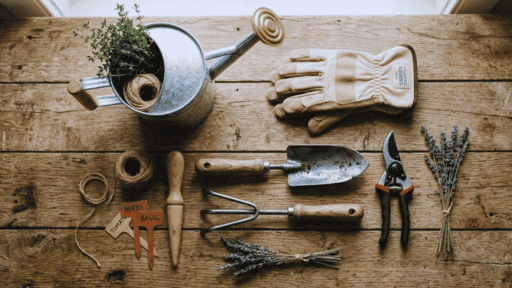
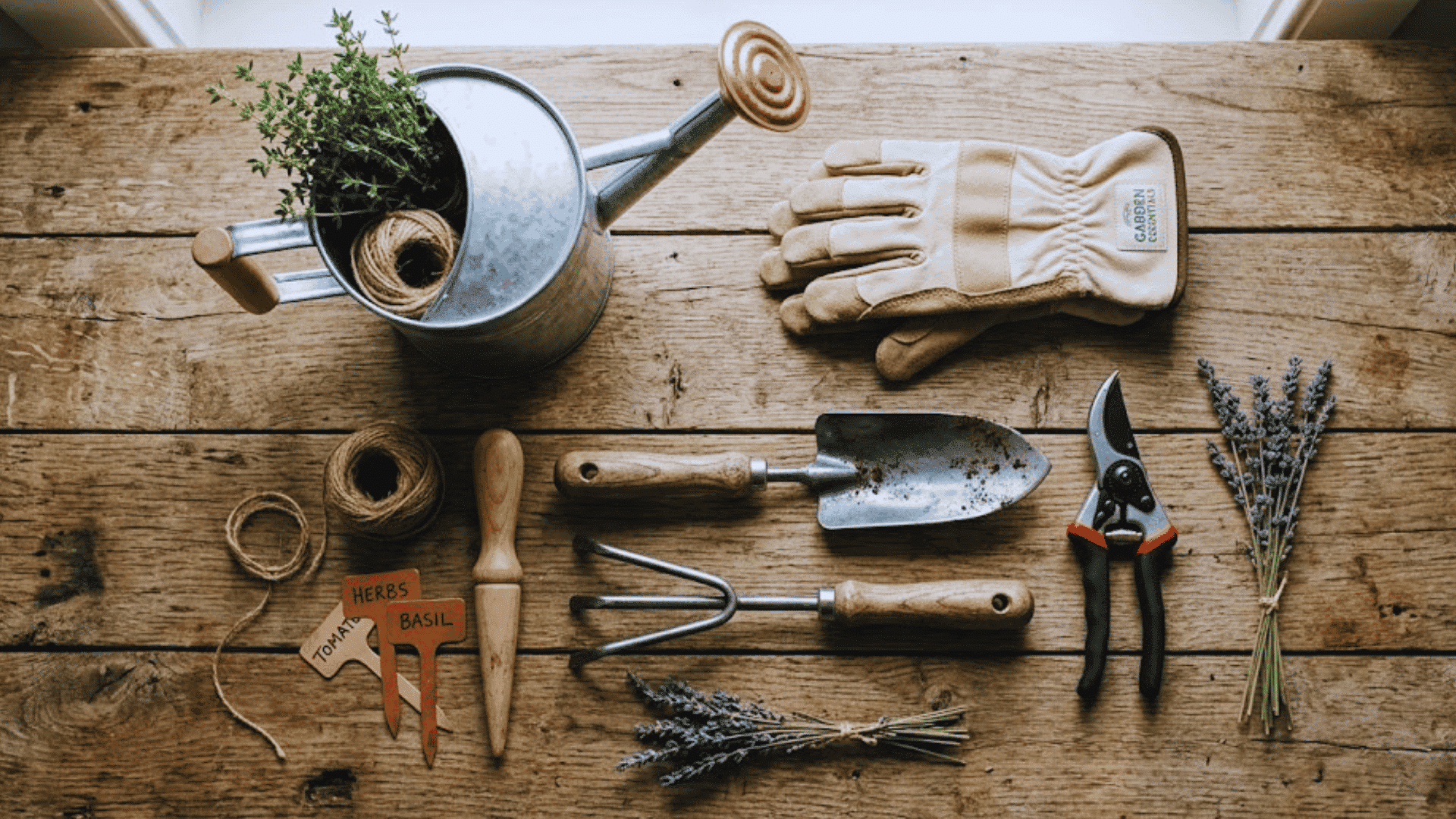

I’ve been gardening for over a decade, and in that time, I’ve learned that having the right tool makes a real difference, not just in how fast you get things done, but in how much you actually enjoy the work.
When I first started, I wasted money on tools I didn’t need. I also struggled with basic tasks that would have been simple with the right equipment.
That’s why I put together this list of gardening tool names every gardener should know about. In this article, I cover tools, from basic hand tools to bigger outdoor equipment.
I explain what each one does, why it’s useful, and when you’ll actually need it most.
If you’re just getting started or want to upgrade your current setup, this guide will help you make smarter choices for your garden.
Why Gardening Tools Matter for Every Gardener
The right gardening tools make the work faster, easier, and less tiring on the body. They also help plants grow better by ensuring each task is done properly.
Good tools are built for specific jobs. A pruning shear cuts cleanly without damaging stems.
A garden fork breaks up soil without straining the back. Each tool has a purpose, and using the right one leads to better results with less effort.
Knowing the most common names for gardening tools helps beginners shop with confidence instead of guessing at a garden center.
Clean cuts from sharp tools lower the risk of plant disease. Lightweight tools reduce fatigue during longer gardening sessions.
The right tool also means less time fixing mistakes caused by using the wrong equipment.
Gardening becomes more enjoyable when the right tools are part of the process. It’s not about having the most, it’s about having what actually works.
Gardening Tools Every Gardener Should Know
From soil preparation to seasonal cleanup, the right equipment makes every task more manageable. Learning the names of key gardening tools helps you identify what you need before heading to the store.
1. Hand Trowel
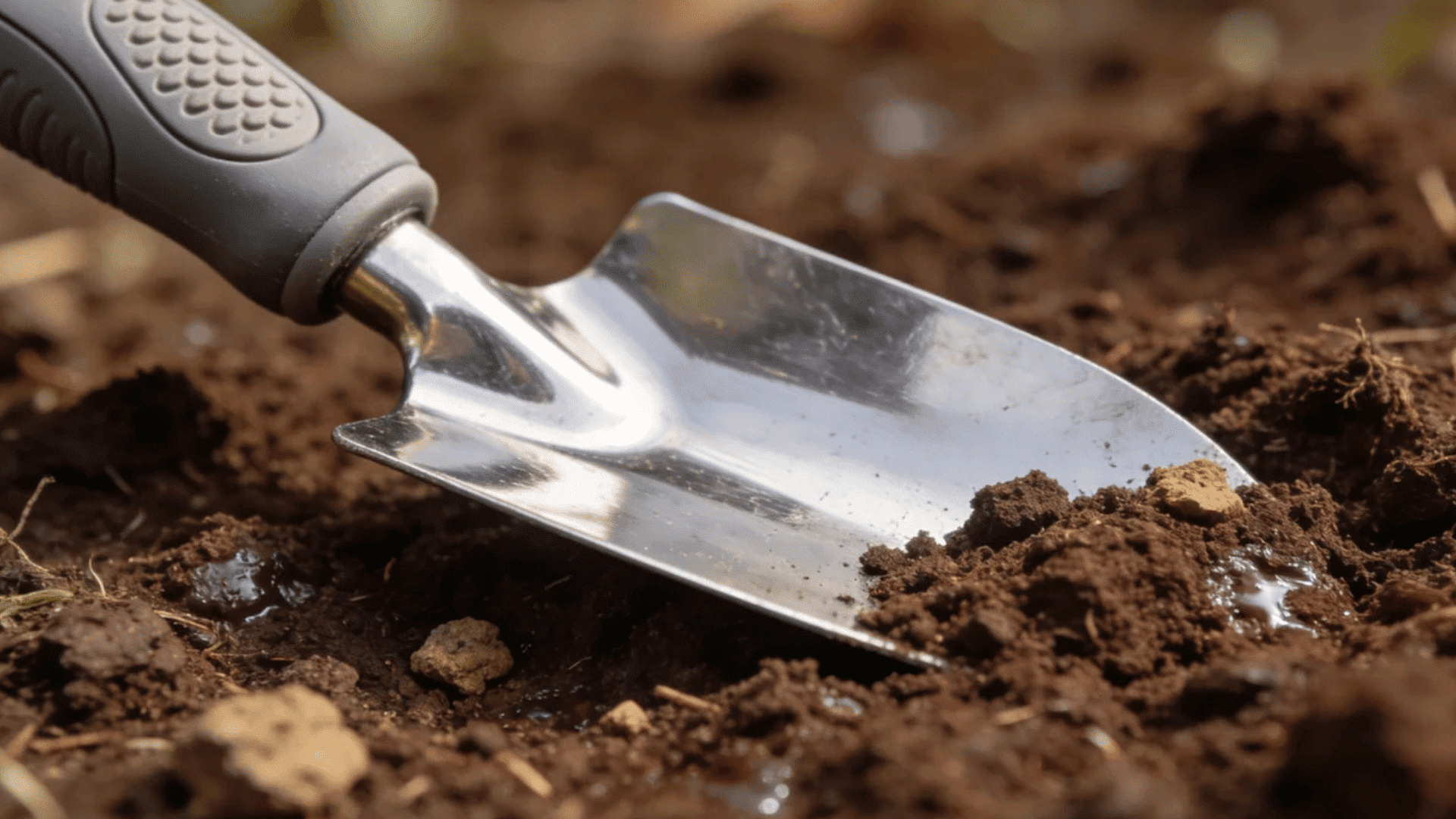
I keep a hand trowel close by whenever I work in the garden; it rarely stays in the shed for long.
This small, handheld scoop is used for planting seedlings, transplanting young plants, and scooping soil into pots or containers.
The pointed blade makes it easy to dig small holes in tight garden spaces. It works well in raised beds, flower borders, and container gardens.
Look for one with a comfortable grip and a rust-resistant blade for long-term use.
Best uses: Planting bulbs, transplanting seedlings, mixing soil in containers, and digging around shallow roots.
The hand trowel is one of the first gardening tool names beginners learn, and for good reason.
2. Garden Fork
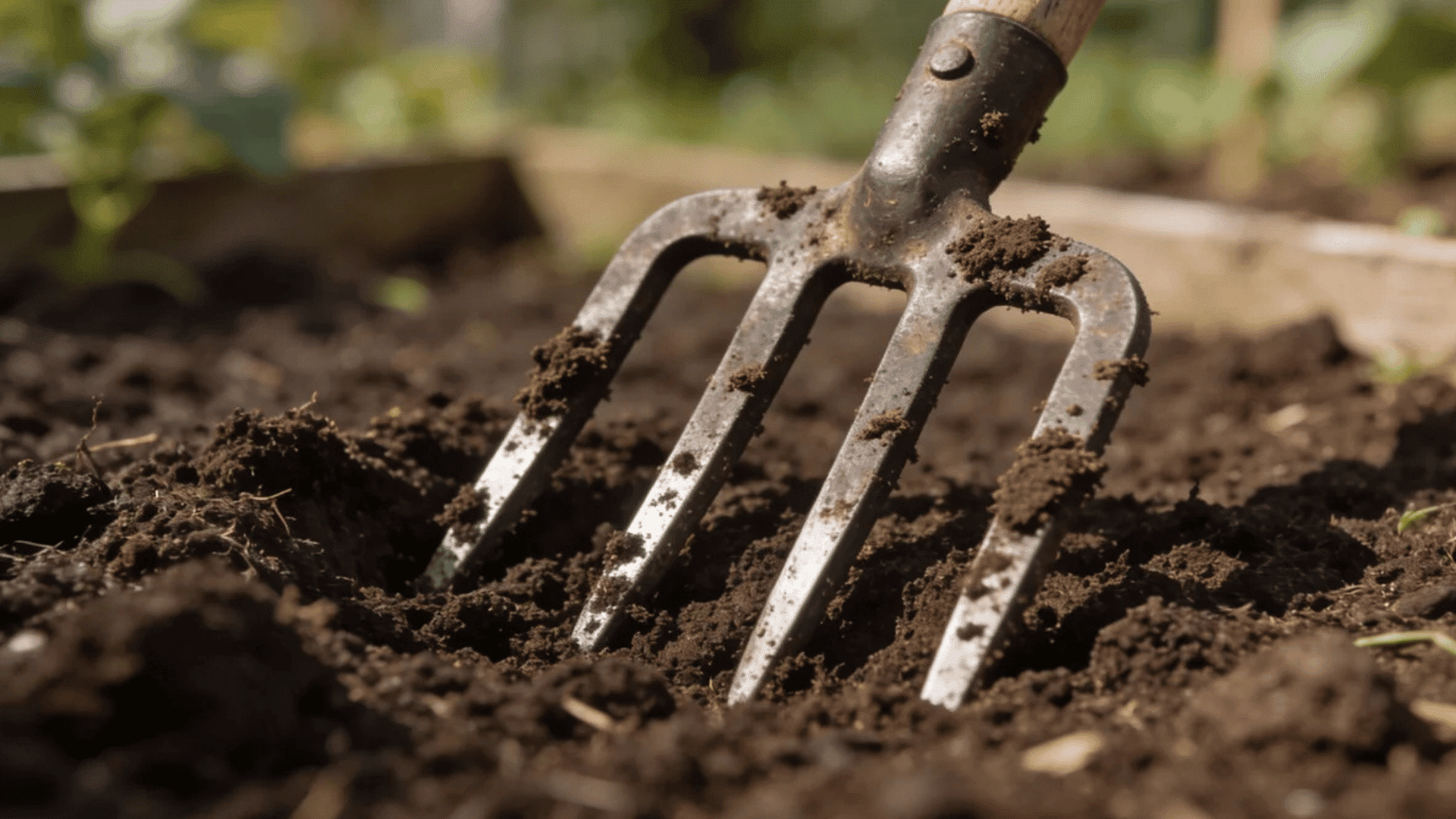
Think of a garden fork as the tool that gives compacted soil a second chance. It has four or five sturdy tines that push into the ground and loosen packed dirt without fully turning it over.
This makes it ideal for aerating soil before planting and for mixing in compost or organic matter. The garden fork is among the names of gardening tools most often underestimated by beginners.
A garden fork is also useful for lifting root vegetables like potatoes and carrots without cutting through them.
Useful for:
- Loosens compacted ground without removing topsoil
- Mixes compost and fertilizer into existing garden beds
- Lifts root vegetables cleanly from the soil
3. Pruning Shears
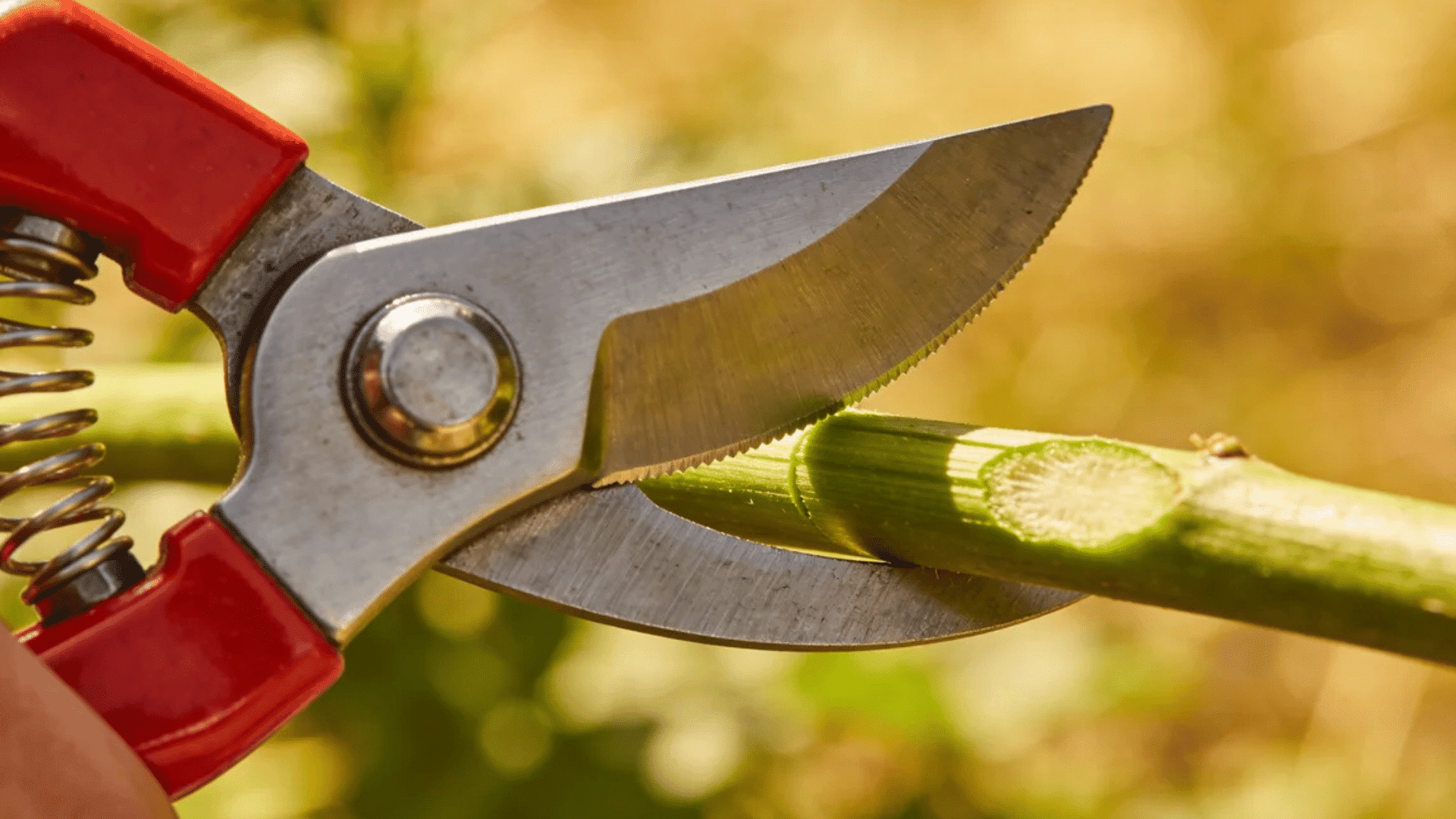
My client grows roses across her entire front yard, and she never puts her pruning shears down during the growing season.
Pruning shears, also called hand pruners or secateurs, rank among the most recognized gardening tool names for good reason.
These spring-loaded cutting tools are used to trim stems, flowers, and small branches.
Sharp blades are key here. A dull blade crushes plant stems instead of cutting cleanly, which invites disease and slows regrowth.
They come in bypass and anvil designs. Bypass pruners work better on live plants, while anvil types handle dead wood more effectively.
Tip: Clean and sharpen pruning shear blades at the end of each season to keep cuts clean and reduce the risk of spreading plant disease between plants.
4. Garden Hoe
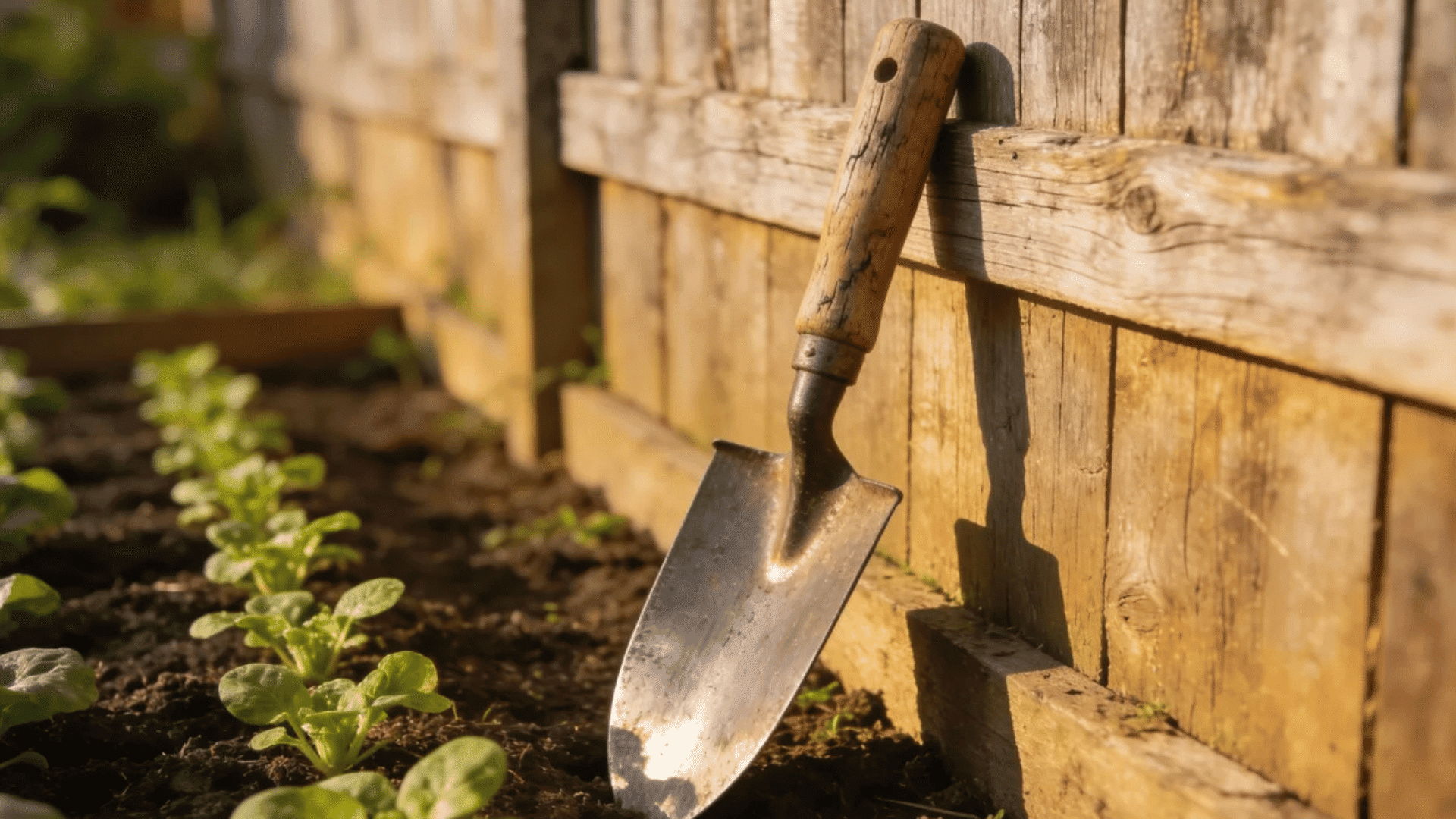
The garden hoe is one of the oldest and most practical gardening tools named in the list, a staple in outdoor gardens for centuries.
It has a flat or angled metal blade attached to a long handle, and it’s used to break up soil, remove weeds, and shape rows for planting.
A quick pass with a hoe cuts weeds just below the soil surface, stopping them from regrowing. It also works well for hill soil around plants like potatoes and corn.
Different styles suit different tasks:
- Flat hoe: Ideal for chopping weeds and breaking soil crust
- Stirrup hoe: Cuts weeds on both the push and pull strokes
- Warren hoe: Creates furrows for planting seeds in straight rows
5. Shovel
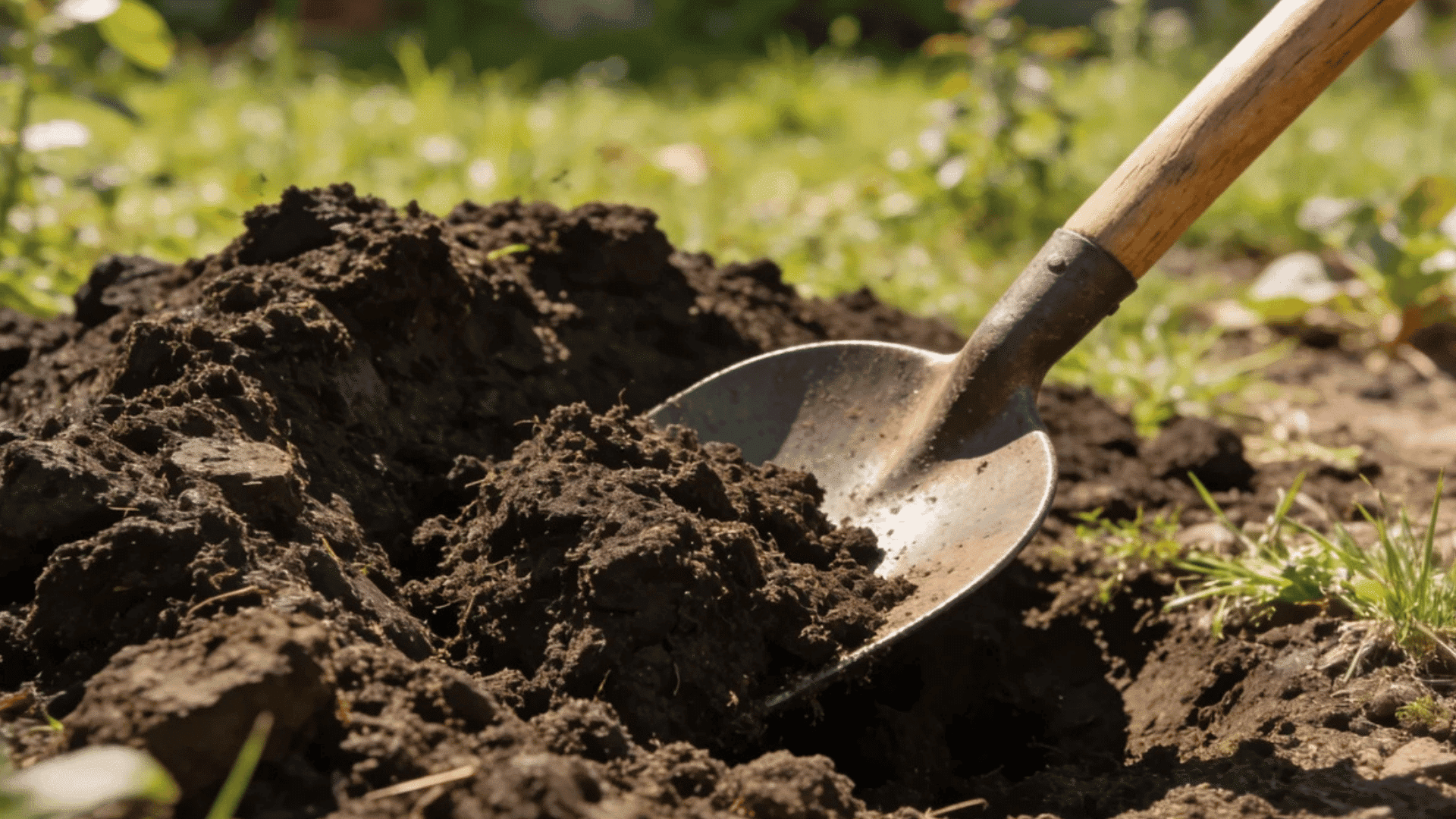
A shovel does the heavy work that most other tools can’t handle.
The broad, slightly curved blade is built for digging deep holes, moving loose soil, and scooping materials like mulch, gravel, or compost.
Among the digging gardening tools names you’ll encounter, the shovel is one of the most essential to understand before buying.
Common shovel types:
- Round-point shovel: Best for cutting into firm soil
- Square-point shovel: Ideal for moving loose or soft materials
- Trenching shovel: Narrow blade, designed for clean, deep cuts
A long-handled shovel reduces back strain during extended digging sessions and gives better leverage in hard ground.
6. Spade
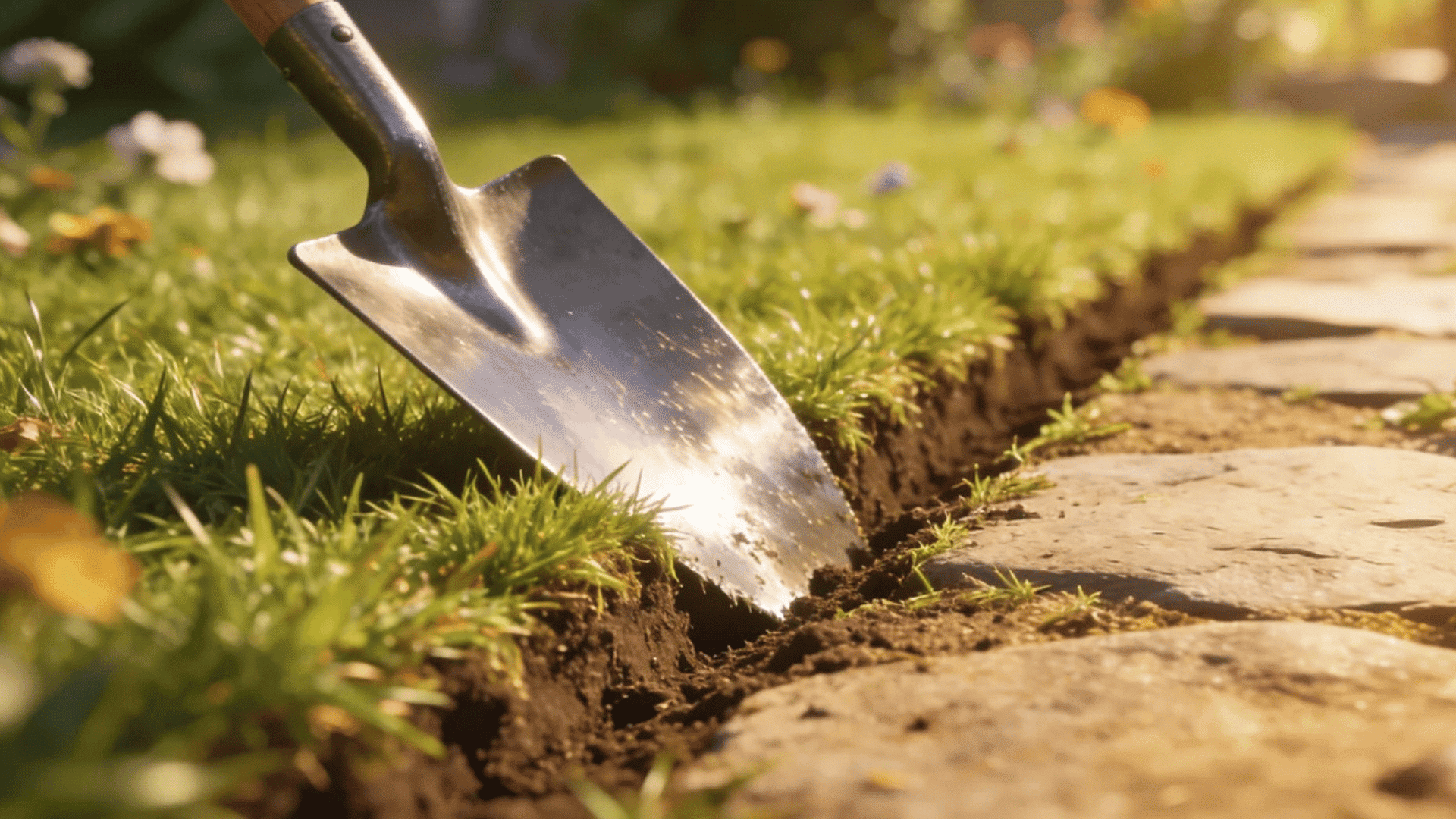
A spade looks similar to a shovel but works differently. It has a flat, straight blade with a sharp lower edge built for precision work rather than heavy-load digging.
The spade is one of those gardening tool names that beginners often confuse with a shovel, but the two serve very different purposes.
The main uses include edging garden beds, cutting through roots, slicing sod, and creating clean borders along pathways or lawn lines.
Spade vs. Shovel: Quick Comparison
- Spade blade: flat and straight → better for edging and cutting
- Shovel blade: curved and pointed → better for scooping and digging
7. Watering Can
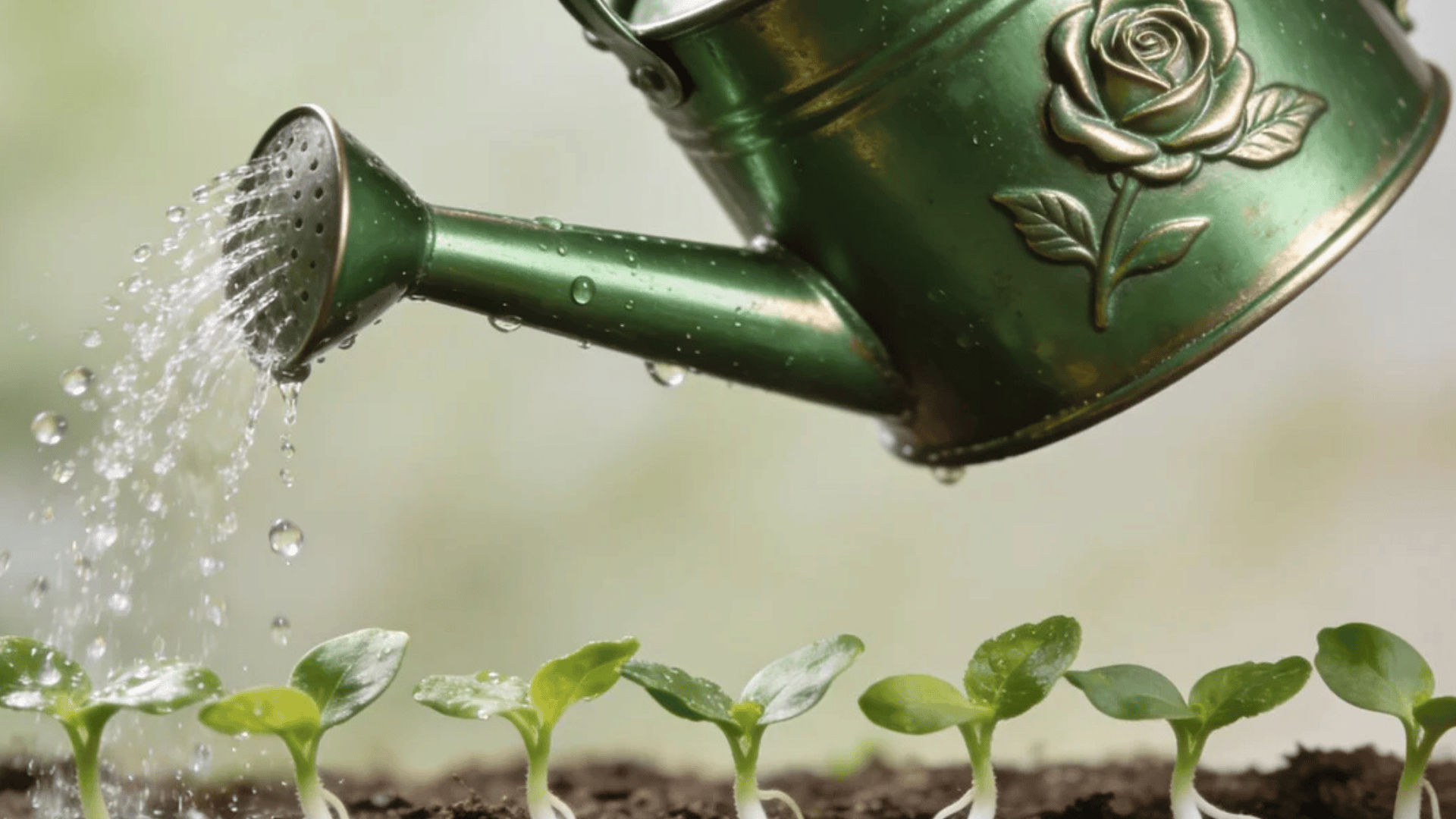
Not every plant wants a blast of water from a hose. A watering can gives control, slow, gentle delivery that soaks the soil without disturbing roots or washing away freshly sown seeds.
The watering can may be one of the quieter names for gardening tools on this list, but it plays a critical role in keeping seedlings and delicate plants healthy.
Most watering cans come with a removable rose head that spreads water evenly across the surface. Plastic cans are lightweight; metal ones last longer but are heavier when full.
Best uses: Watering seedlings, potted plants, indoor houseplants, and freshly sown seed beds where precise, gentle watering is needed.
8. Garden Rake
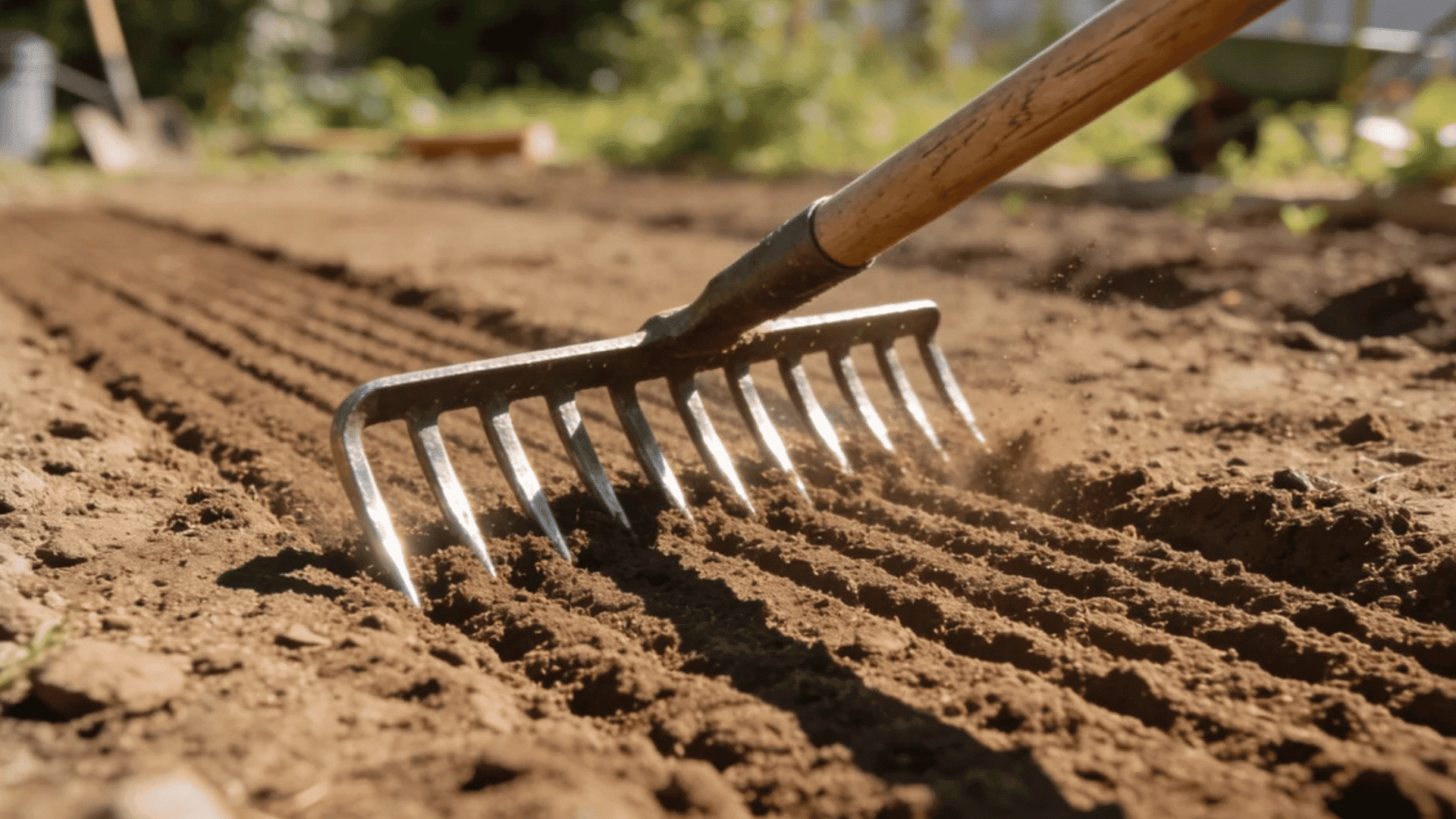
A garden rake is a finishing tool. After digging or planting, it levels the soil surface, removes small stones and clumps, and clears away fallen leaves and light debris.
It’s one of those gardening tool names that covers a surprising range of tasks depending on which type you choose.
The tined head drags across the ground to create a smooth, even surface, ideal before laying grass seed or planting in rows.
Two main types:
- Soil rake: Short, stiff tines, levels and smooths garden beds before planting
- Leaf rake: Long, flexible tines, clears leaves, grass clippings, and surface debris
- Bow rake: Heavier-duty design, useful for spreading mulch or gravel across large areas
9. Wheelbarrow
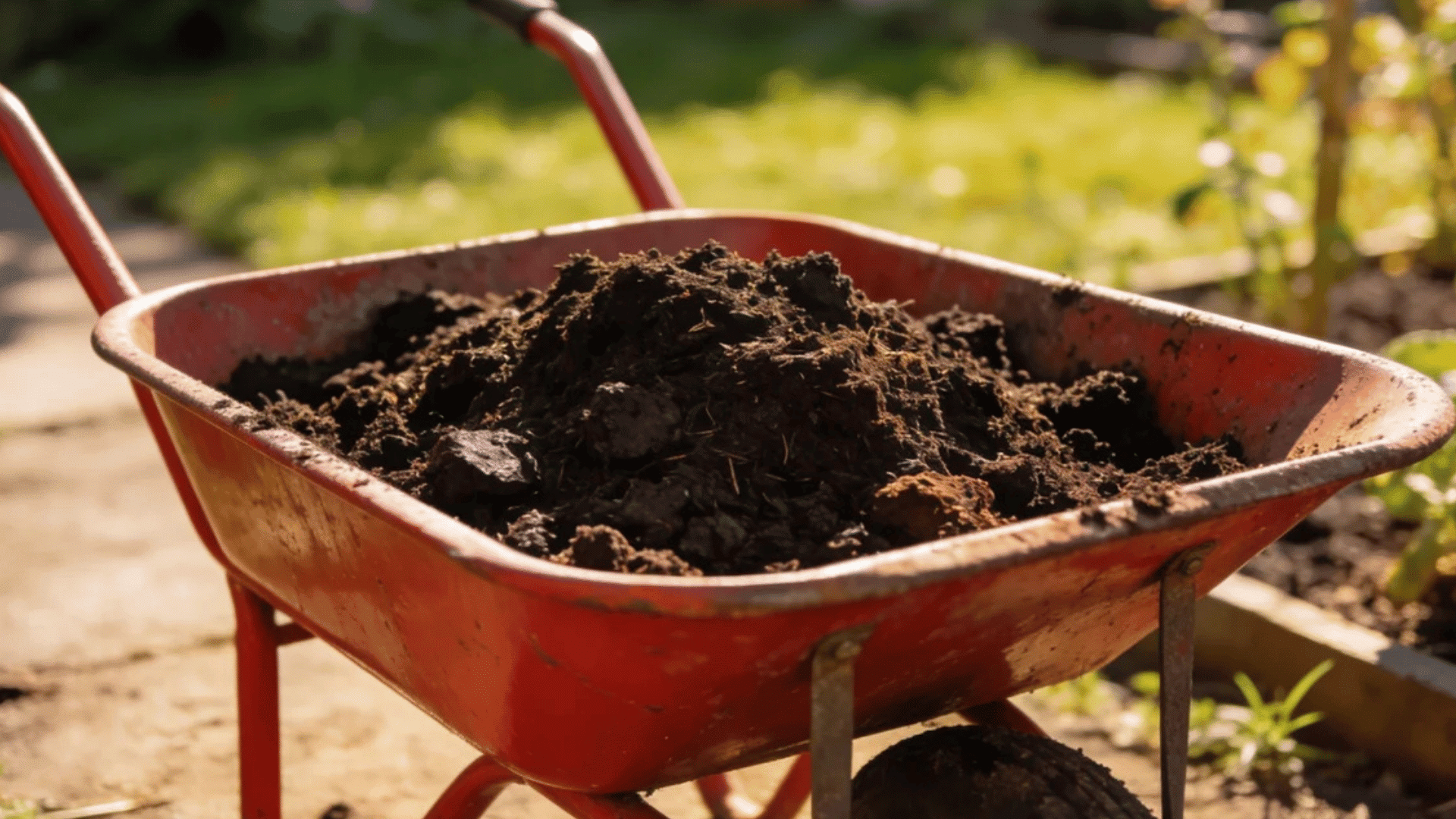
My friend started using a wheelbarrow halfway through last spring and said it changed the way he works in the garden completely.
Moving bags of soil, piles of mulch, or heavy compost by hand is exhausting and slow. A wheelbarrow carries large loads in one trip, cutting down on back-and-forth time and physical strain.
It’s useful for transporting plants, tools, and garden waste across the yard.
Single-wheel models are easier to maneuver in tight spaces; two-wheel designs offer more stability on uneven or sloped ground.
Common uses: Moving soil, compost, mulch, gravel, garden waste, and large potted plants from one area of the yard to another.
10. Garden Gloves
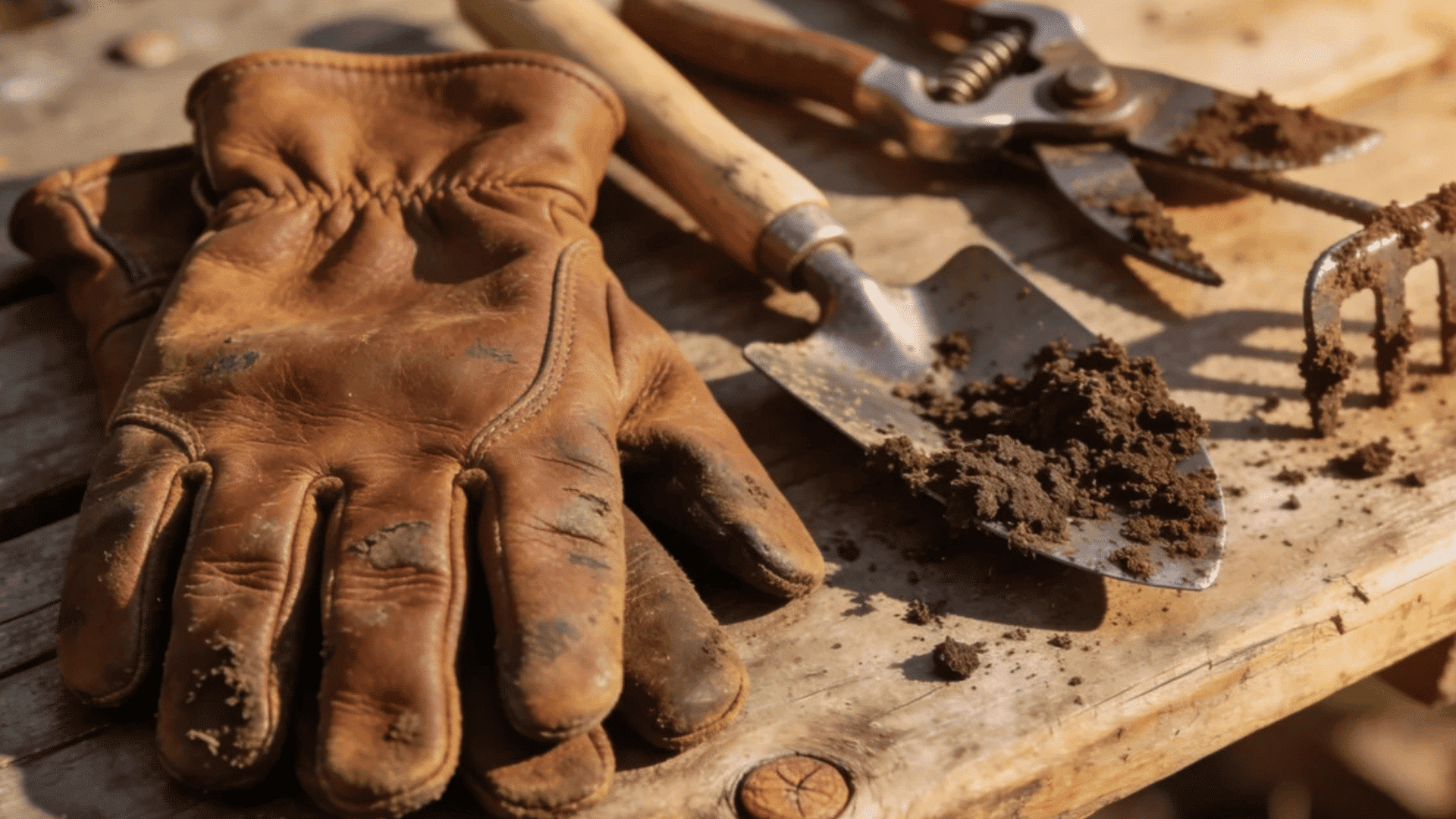
My friend refuses to work in the garden without a pair of gloves, and that’s the right approach. Garden gloves protect hands from cuts, blisters, thorns, and soil-borne bacteria.
They also keep nails clean and reduce skin irritation from fertilizers or pesticides. For general gardening, a mid-weight cotton or synthetic glove with a grippy palm is a good choice.
For thorny plants like roses, thicker leather gloves offer better protection.
Always check the fit, loose gloves reduce grip and make detailed work harder than it needs to be.
Types of gloves:
- Cotton/synthetic gloves: Good for light planting, weeding, and general garden tasks
- Leather gloves: Better protection for thorny plants, heavy digging, and rough materials
- Waterproof gloves: Useful in wet conditions and when handling fertilizers or chemicals
11. Pickaxe
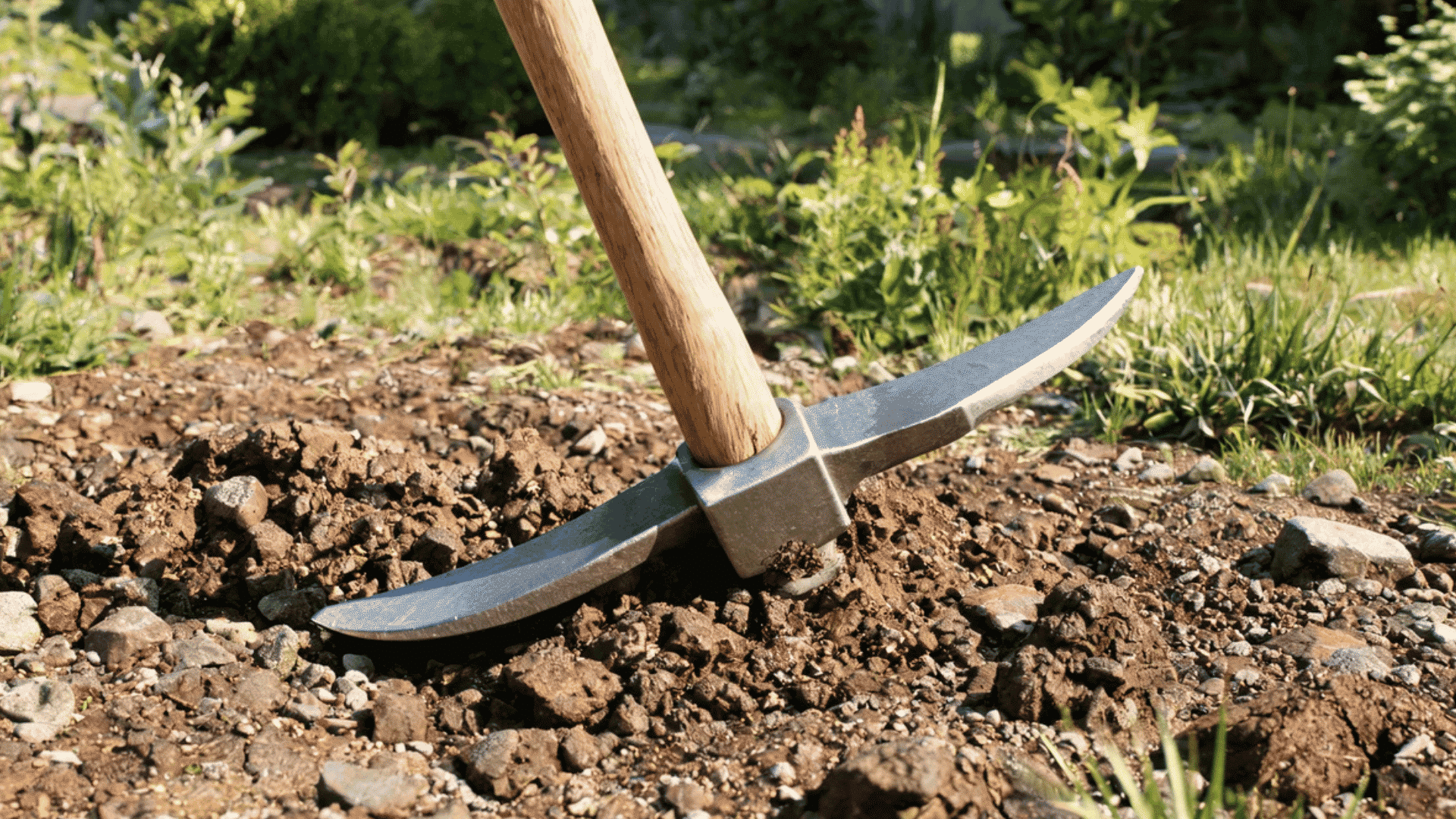
Hard, rocky ground stops most garden tools cold, and that’s exactly where a pickaxe earns its place. This heavy-duty tool has a long handle and a two-sided metal head.
The pickaxe is one of those specialist gardening tool names that most people don’t think about until they hit a patch of ground a shovel simply can’t crack.
It’s mainly used in landscaping, ground clearing, and preparing new garden areas where the soil is too tough for a shovel or fork.
Best uses: Breaking hard, compacted, or rocky ground; clearing new garden areas; and loosening tough soil before planting or landscaping begins.
12. Mattock
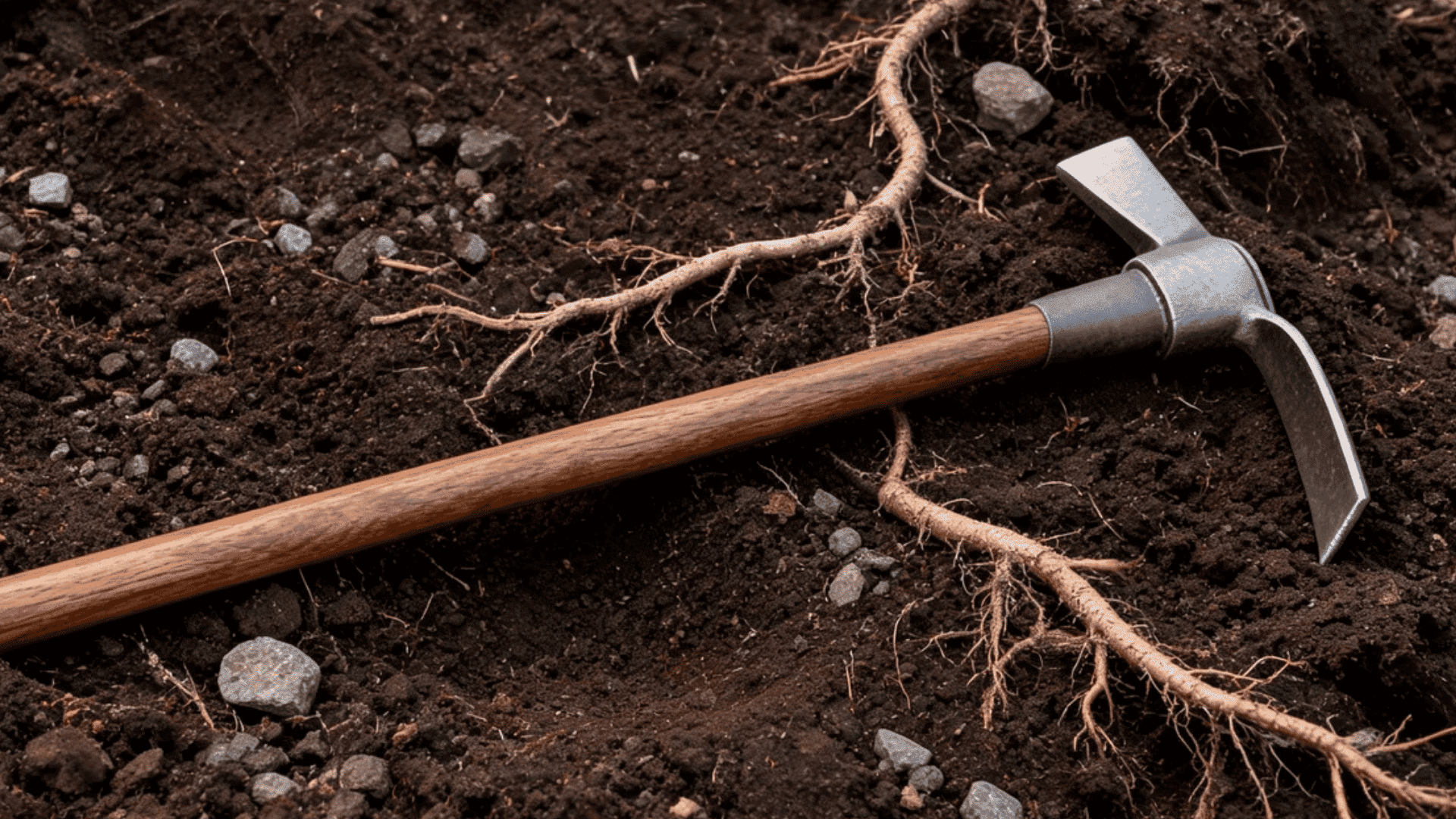
A mattock quietly handles two jobs at once, which is what makes it worth knowing about.
It combines a wide, flat adze blade on one side for digging and chopping, and a pick or axe blade on the other for cutting through roots and hard soil.
This makes it particularly useful when clearing land, removing large weeds, or breaking ground in areas with heavy root growth.
Unlike a standard hoe, a mattock cuts through tougher material with far more force. It’s a reliable tool for anyone working with difficult or root-dense ground.
Uses:
- Breaks and chops through dense soil and established root systems
- The adze side flattens and smooths the soil after digging
- Works well in tight spaces where a full-size shovel won’t fit comfortably
To Know: A pickaxe breaks and loosens hard, rocky ground, while a mattock chops through roots and tills soil, making the pickaxe a demolition tool and the mattock a digging and clearing tool.
13. Soil Knife
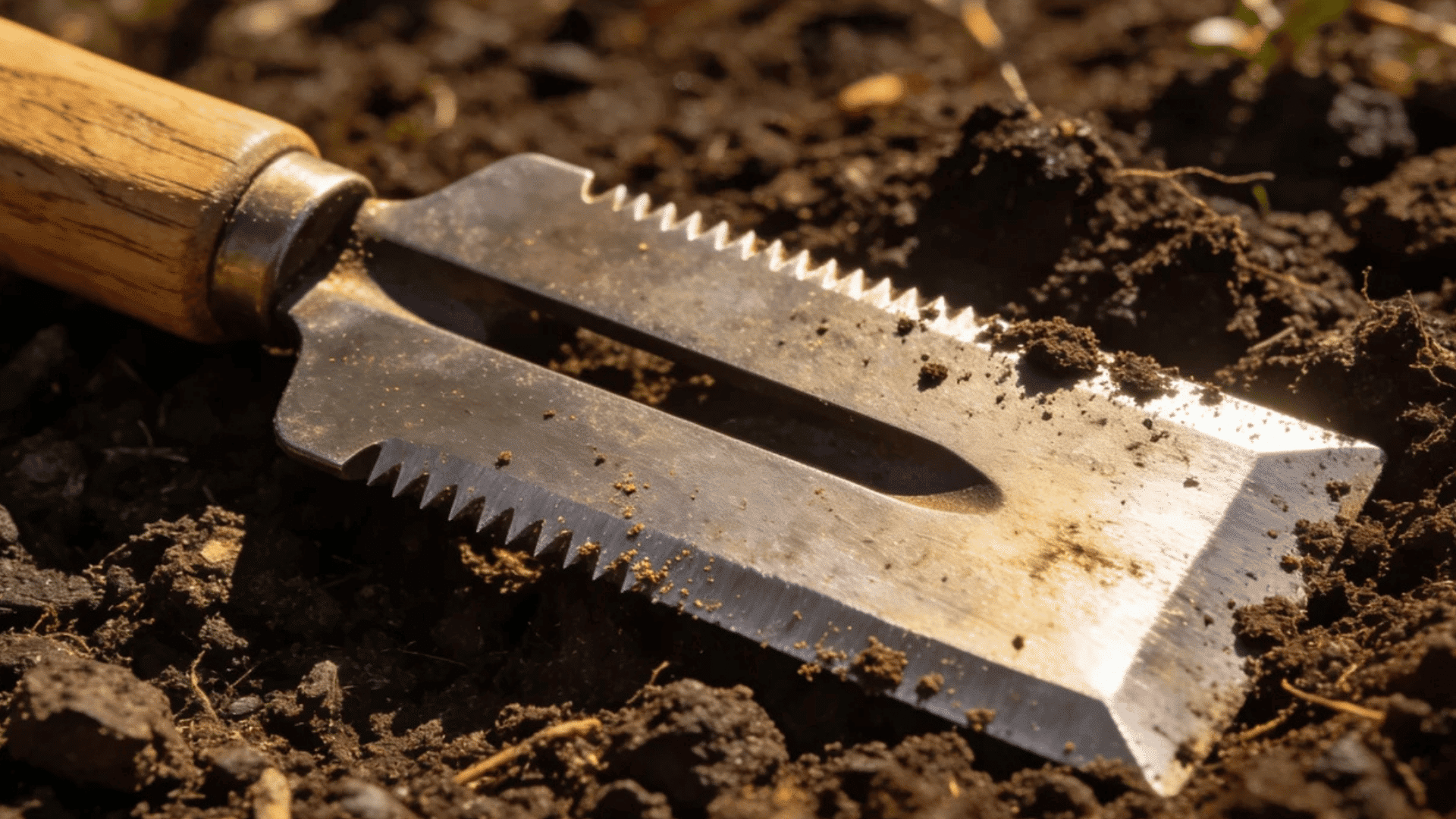
The soil knife, often called a hori hori, is a thick, heavy-bladed knife built specifically for garden use.
It’s one of the most versatile gardening tool names on this list, one edge is serrated for cutting through roots and fibrous material, while the other is smooth for slicing cleanly into soil.
It can be used for transplanting seedlings, dividing perennials, removing weeds, opening bags of soil amendments, and measuring planting depth using the markings on the blade.
Uses at a glance: Transplanting, weeding, dividing plants, cutting roots, opening soil bags, and measuring planting depth with the blade markings.
14. Bulb Planter
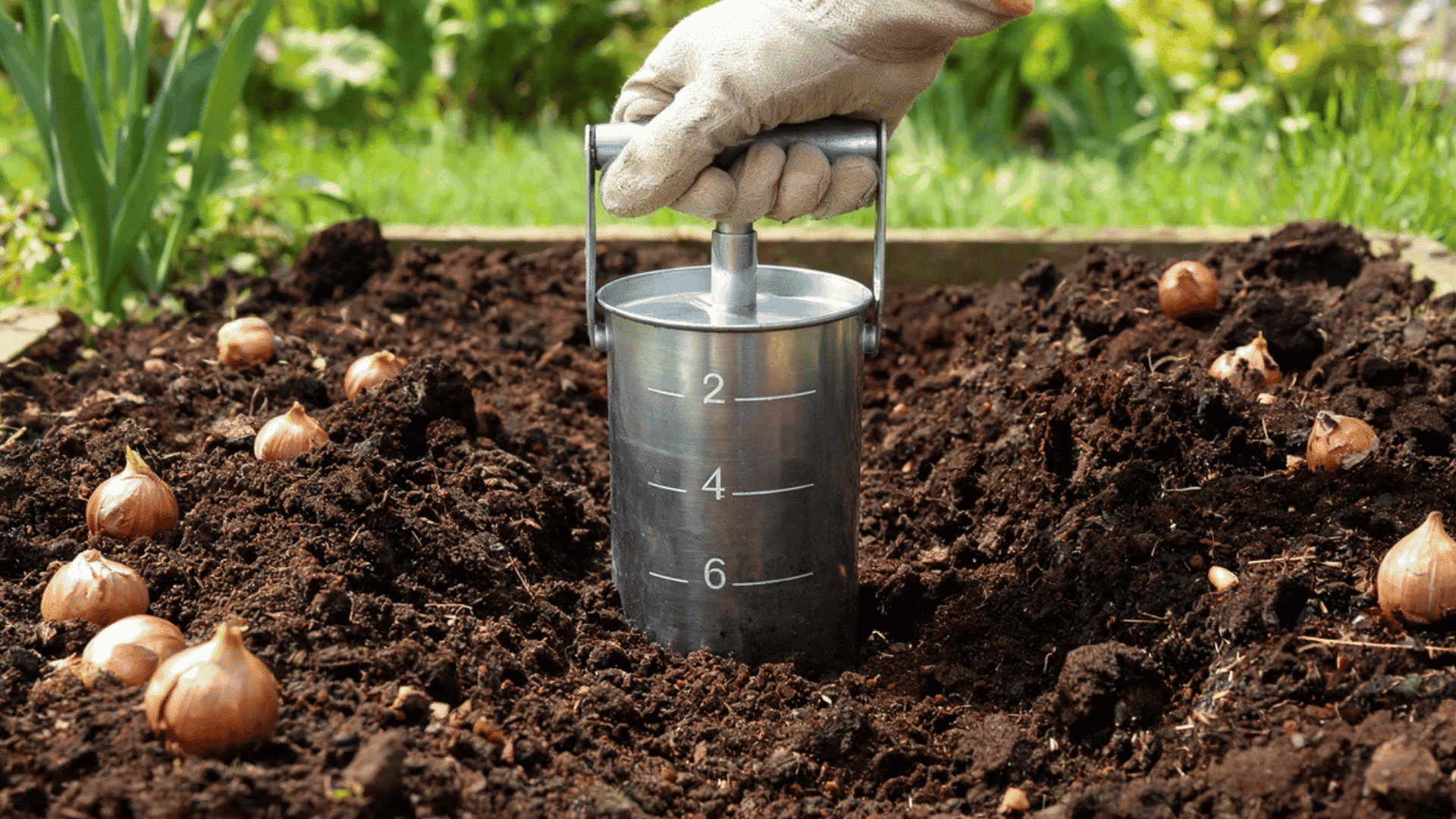
Planting bulbs one by one with a trowel takes time and leaves uneven depths. A bulb planter speeds up the process by removing a clean, consistent plug of soil in a single push.
The cylindrical tool digs to a set depth, drops the bulb in, and allows the removed soil to go straight back on top. This is especially helpful when planting large quantities of tulips, daffodils, or hyacinths across a wide flower bed.
Handheld models work for small areas; long-handled versions reduce the need to bend repeatedly during bigger planting sessions.
Types and uses:
- Handheld bulb planter: Best for container gardens and smaller raised beds
- Long-handled bulb planter: Reduces back strain during large-scale bulb planting
Most models include depth markings to ensure consistent planting results
15. Garden Auger
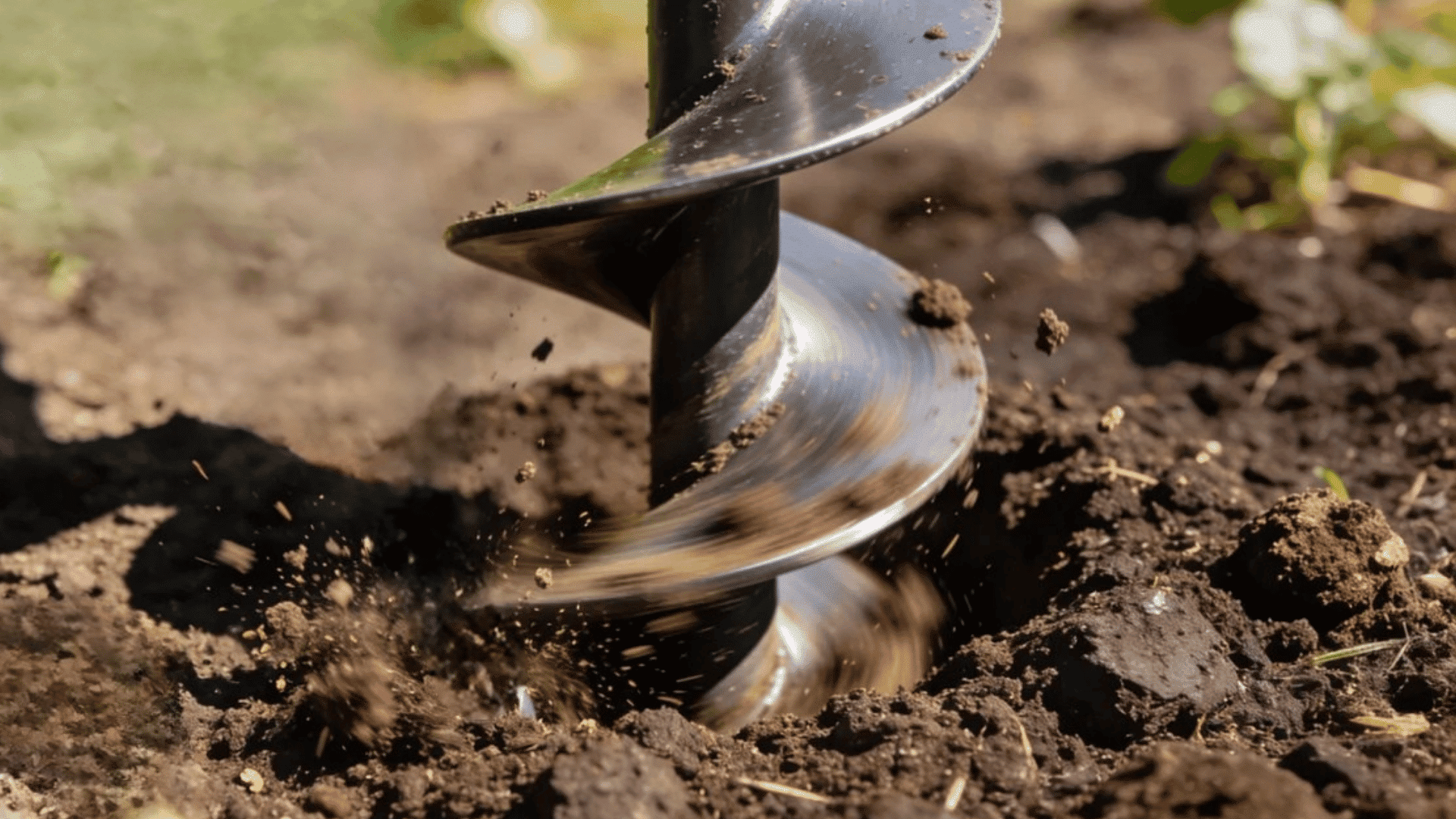
A garden auger is a spiral drill bit designed to bore holes into the ground quickly and cleanly. It attaches to a standard power drill and spins into the soil rather than requiring manual digging.
This makes it ideal for planting large numbers of bulbs, setting fence posts, drilling drainage holes in compacted container soil, or installing drip irrigation systems.
It cuts through most soil types with ease and dramatically reduces the time spent on repetitive hole-digging tasks.
For anyone managing a large garden or full landscaping project, a garden auger is a genuine time-saver.
Best paired with: A cordless drill at medium speed for most soil types. In clay-heavy soil, reduce speed to avoid the auger binding or stalling mid-hole.
16. Hedge Shears
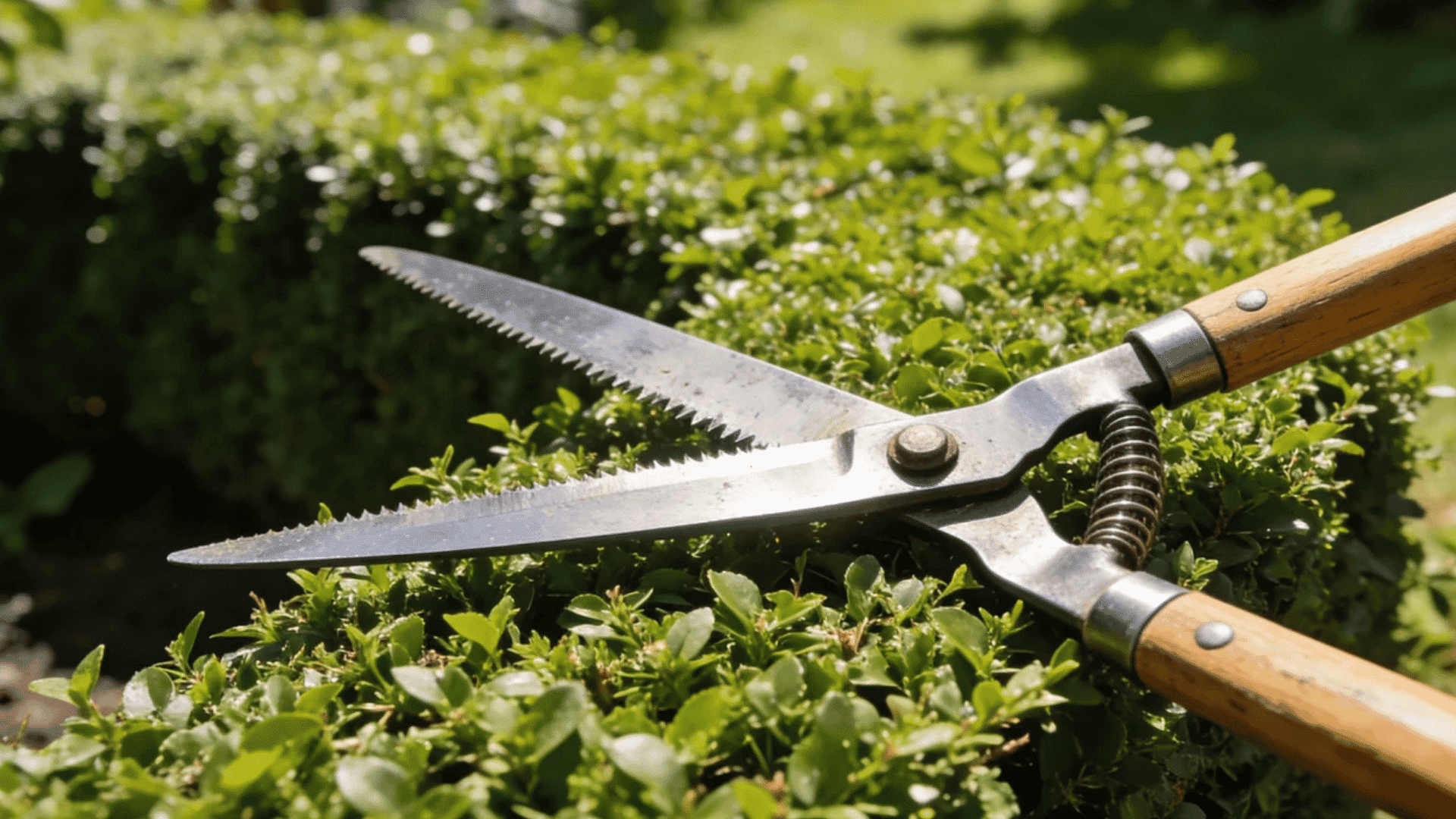
Hedge shears are long-bladed cutting tools built for one clear purpose: shaping.
Knowing the difference between shaping and pruning tools is one of the most useful distinctions across all gardening tool names, and hedge shears fall firmly on the shaping side.
The long blades cover more area with each cut compared to pruning shears, making them far more efficient for maintaining larger plants.
Types:
- Manual hedge shears: Precise and quiet, best for smaller hedges and regular shaping
- Electric hedge trimmer: More power for larger or thicker hedge growth
Always wear gloves and eye protection when trimming, flying debris is common.
17. Loppers
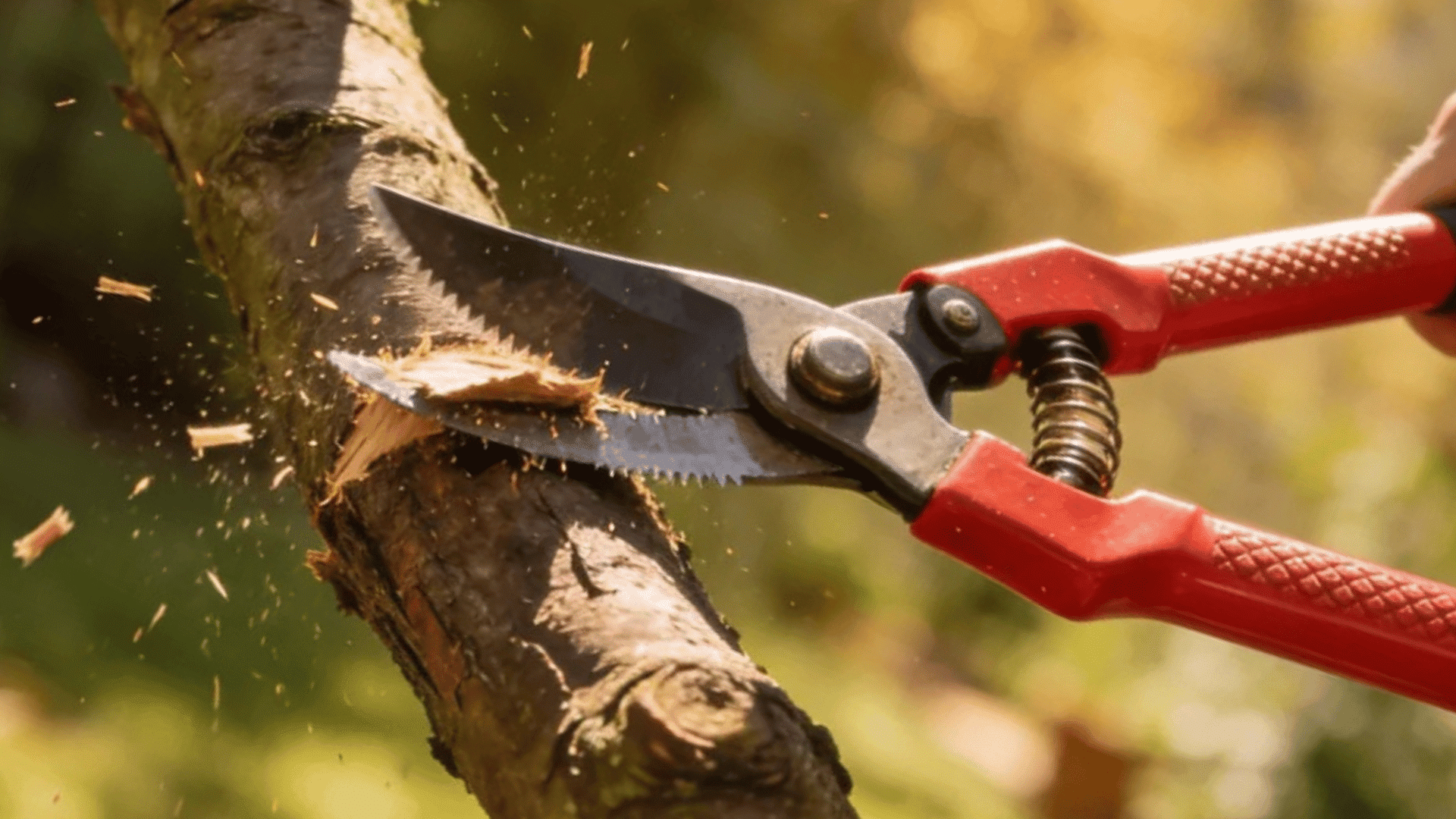
Some branches are too thick for pruning shears but not quite large enough to need a saw. Loppers fill exactly that gap.
Loppers are one of those gardening tool names that solve a very specific problem, cutting branches that hand pruners can’t handle and a chainsaw would make a mess of.
The extended handles give extra leverage when cutting through branches up to 2 inches thick. Bypass loppers cut cleanly through live wood; anvil loppers are better suited for dry or dead branches.
Best uses: Cutting thick shrub branches, trimming small tree limbs, and clearing overgrown areas where pruning shears lack the reach or cutting force needed.
18. Garden Sprayer
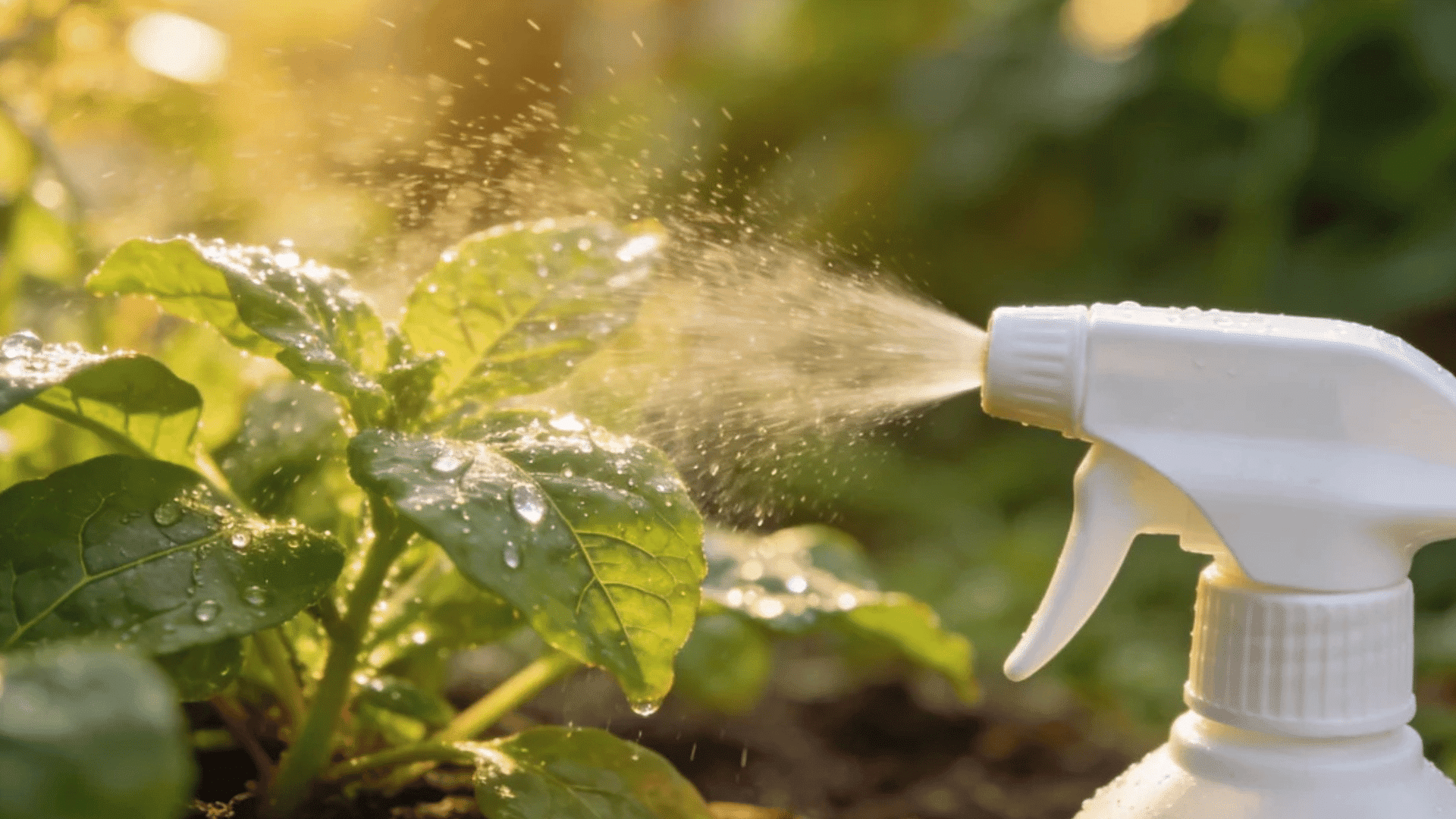
A garden sprayer applies liquid treatments: fertilizers, pesticides, herbicides, and fungicides evenly across plants and soil.
It’s one of the more practical gardening tool names for anyone dealing with pest pressure or nutrient deficiencies across a larger garden area.
Using the right nozzle setting is important: a fine mist covers foliage evenly, while a direct stream targets specific weeds without hitting surrounding plants.
Types and uses:
- Handheld sprayer: Best for targeted pest or fertilizer treatments in small areas
- Backpack sprayer: Covers larger garden areas without frequent refilling
- Hose-end sprayer: Connects directly to a garden hose for wide-area coverage with minimal effort
19. Weeder Tool
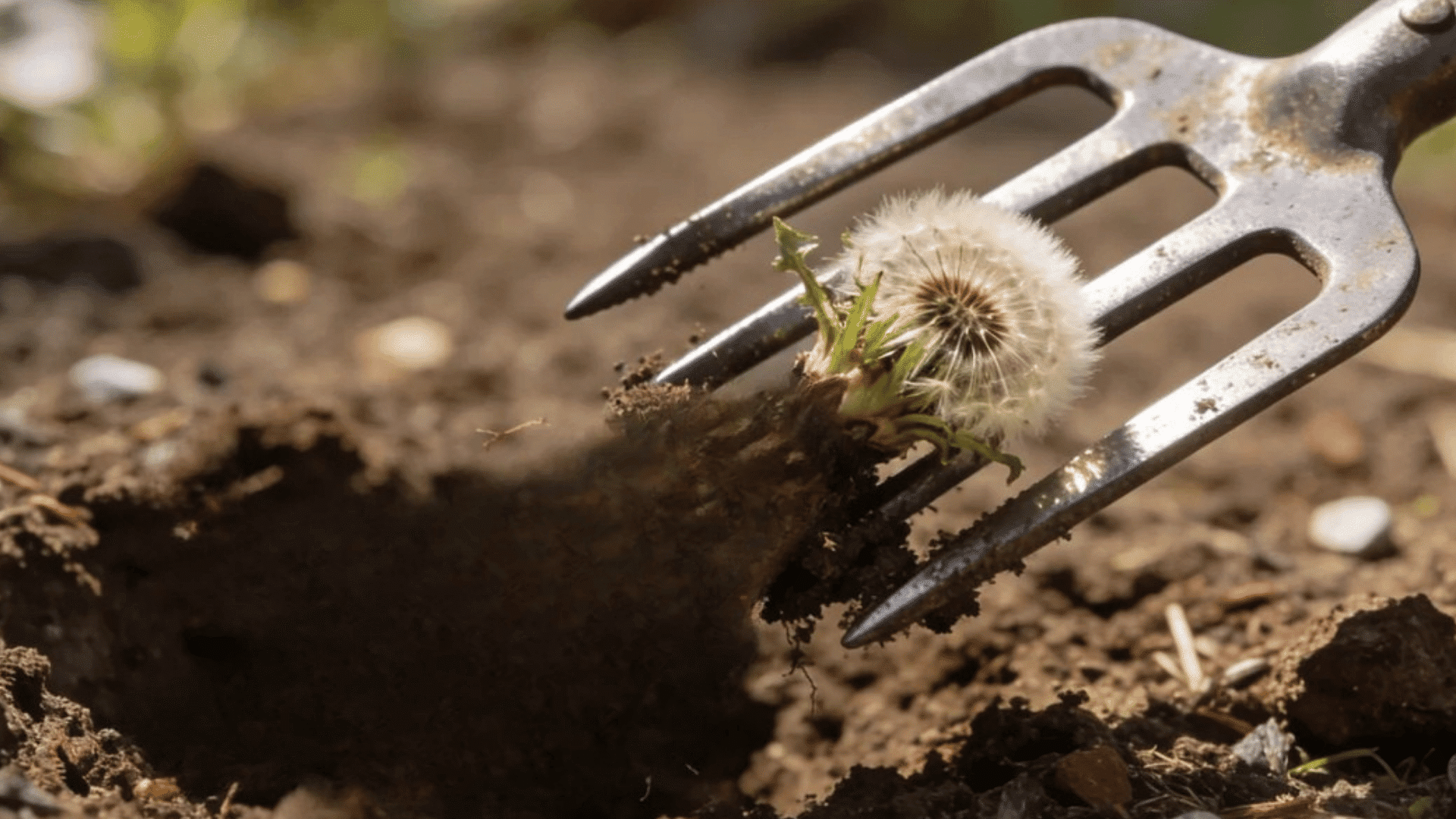
Pulling weeds by hand often leaves the root behind, which means the weed grows back within days.
The weeder tool is one of the gardening tools that makes the biggest difference in reducing repeat work. It grips and extracts the entire root in a single clean motion rather than just removing the visible top growth.
Stand-up weeders with foot pedals are also available for those who prefer not to kneel during the task.
Key benefit: Removing the entire taproot, not just the above-ground plant, prevents regrowth and reduces the need for repeated weeding sessions.
20. Lawn Edger
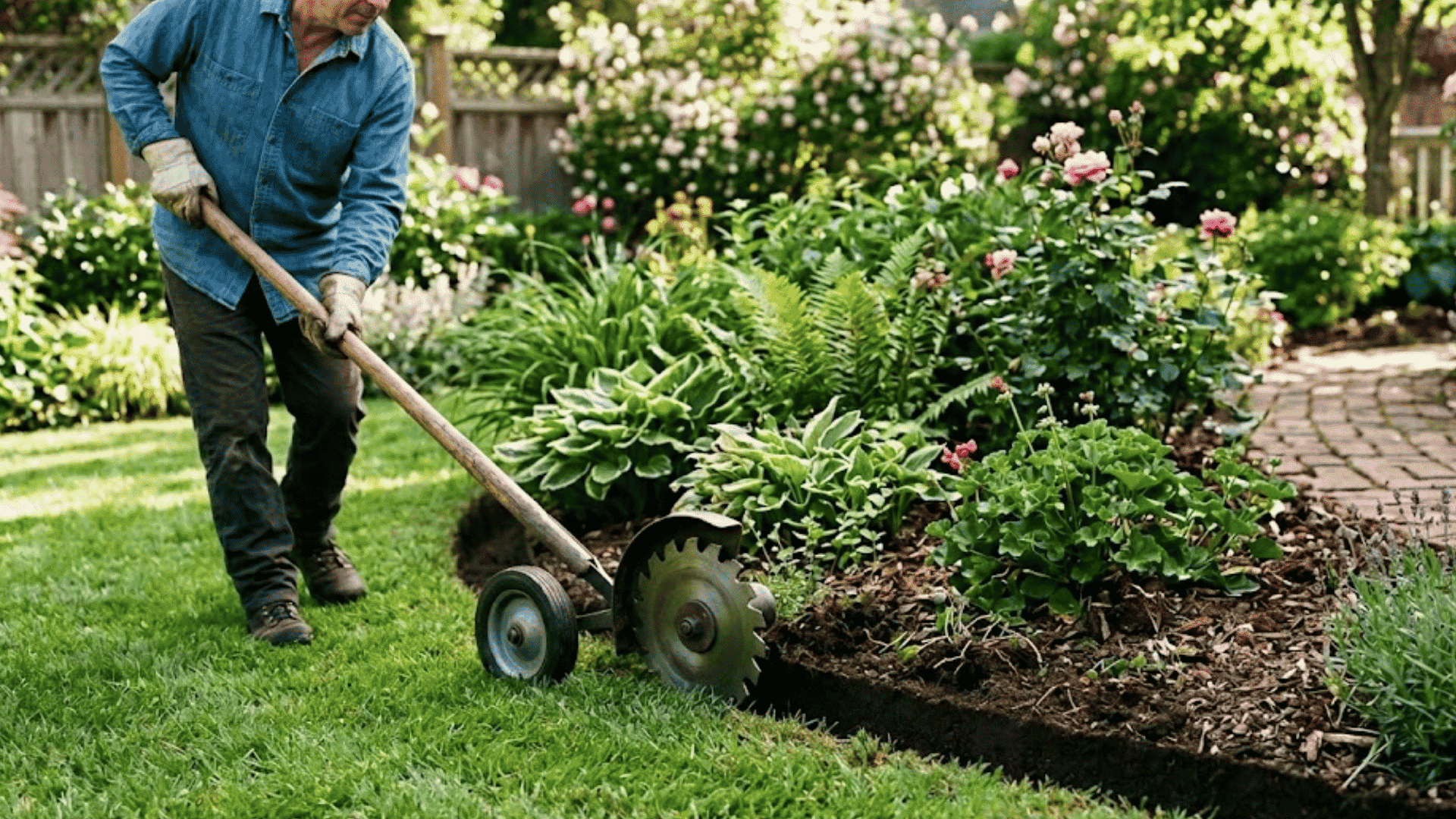
Clean lawn edges make a garden look well-kept, even when other work is still ongoing.
The lawn edger is one of those finishing gardening tools that adds a noticeably sharp, professional look to any outdoor space with very little effort.
Regular edging also prevents grass from creeping into garden beds, which reduces the amount of hand-trimming needed over time.
Types and best for:
- Manual rotary edger: Quiet and low-maintenance, good for keeping up with regular lawn borders
- Electric edger: More power for thick or neglected edges
Works best when used directly after mowing for the cleanest, most defined result
21. Garden Hose
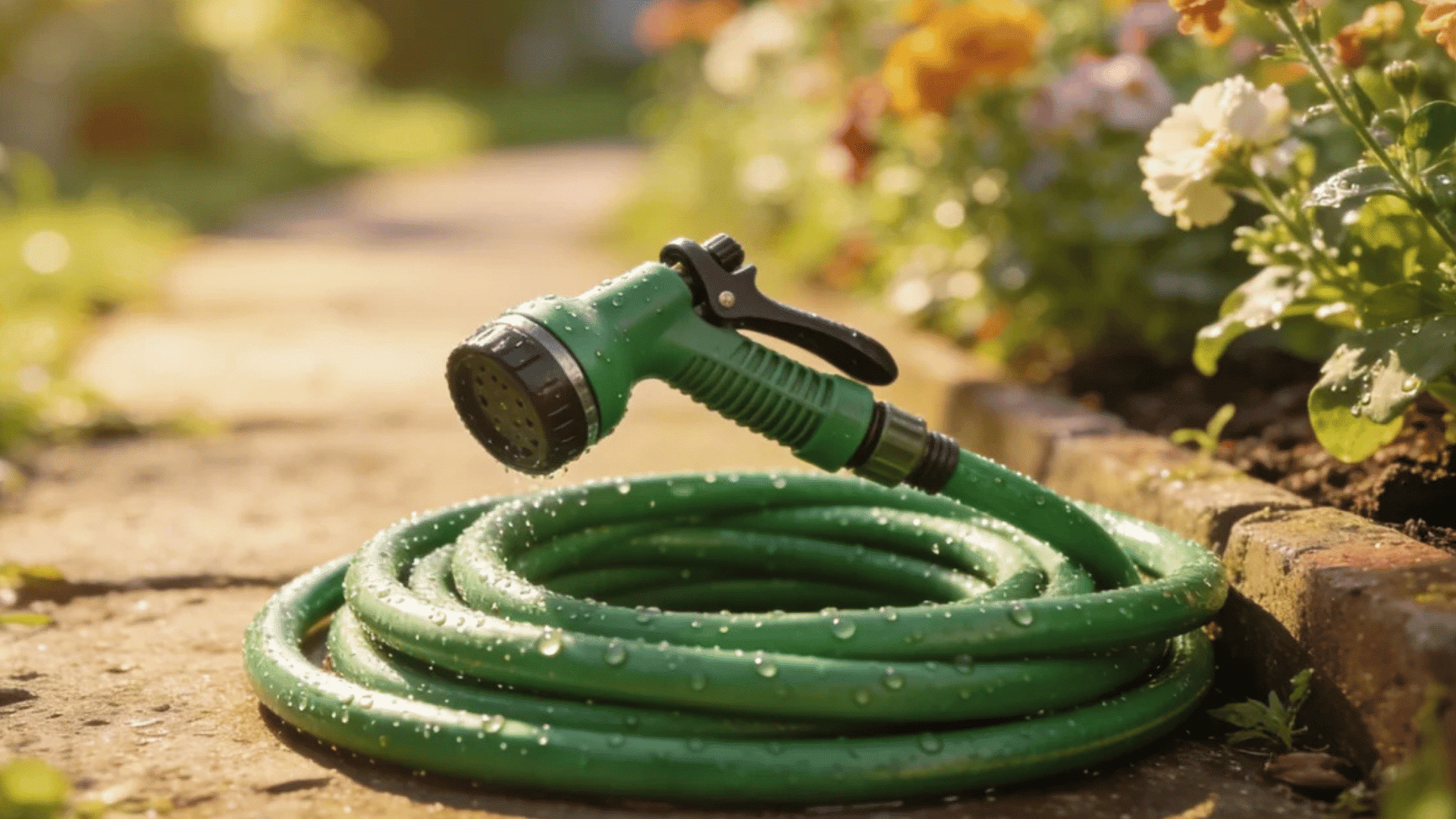
A garden hose is the main watering tool for most outdoor gardens. It connects to an outdoor tap and delivers water directly to garden beds, lawns, trees, and containers.
Among the watering gardening tools names every gardener relies on, the garden hose does the most consistent daily work across the largest area.
A quality adjustable nozzle makes a real difference, allowing users to switch between a gentle mist for seedlings and a strong jet for rinsing tools or pathways.
Common hose nozzle settings:
- Mist: Gentle coverage for seedlings and delicate plants
- Shower: Even spread across garden beds
- Jet: Strong, direct stream for cleaning and hard-to-reach spots
- Soaker: Slow, heavy flow delivered at the base of plants
22. Sprinkler
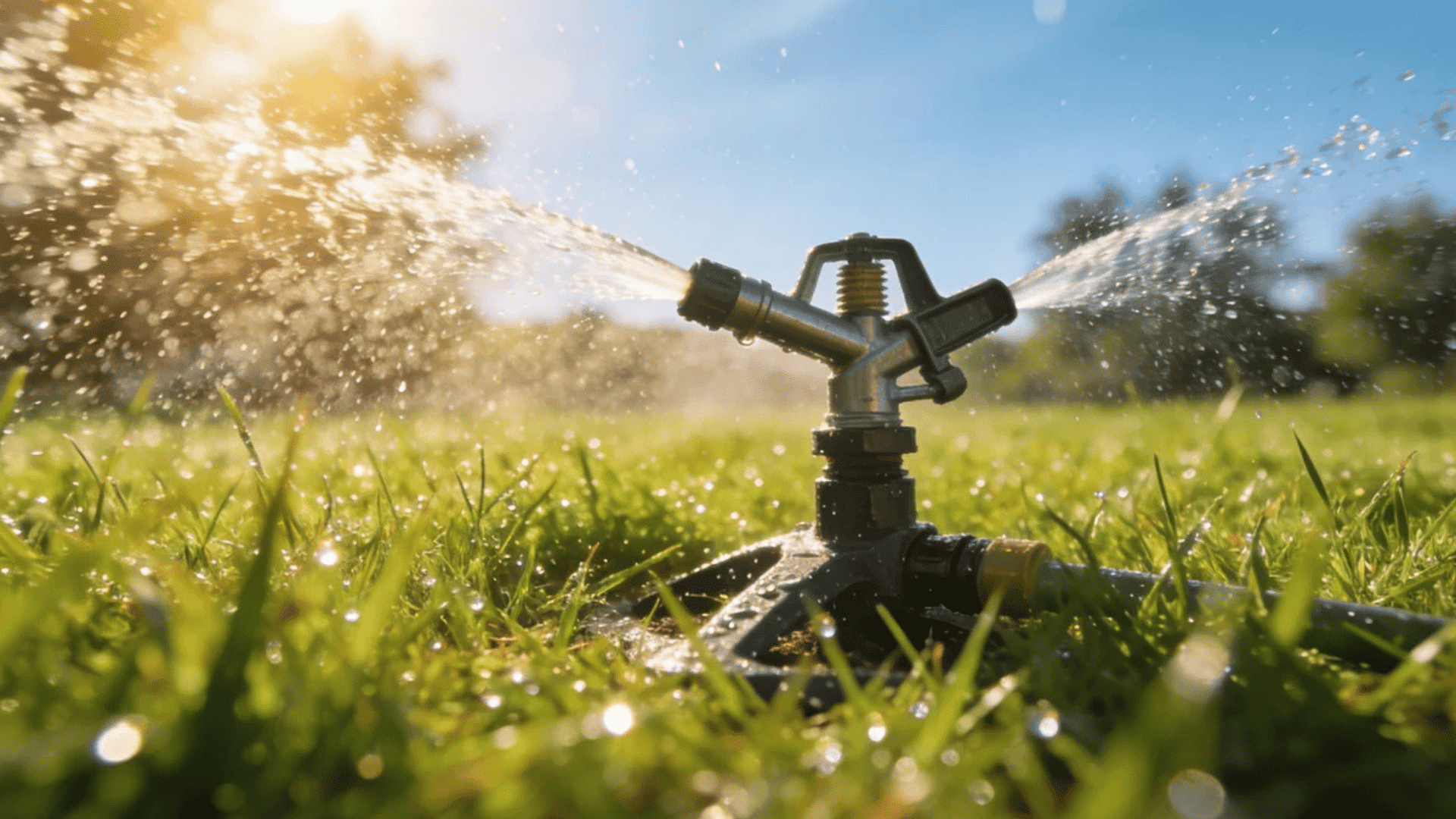
For anyone managing a lawn or large garden area, a sprinkler handles the watering work without constant attention.
It distributes water evenly across a wide surface and is one of the most efficient gardening tools for anyone maintaining a lawn or large ground-cover area without spending hours holding a hose.
Different sprinkler types cover different zones:
- Oscillating sprinkler: Covers rectangular lawn areas evenly, the most common type for home use
- Rotating sprinkler: Good for circular zones and medium-sized lawns
- Pulsating sprinkler: High-output option for large open areas
- In-ground sprinkler system: Best for automated, permanent garden watering setups
23. Leaf Blower
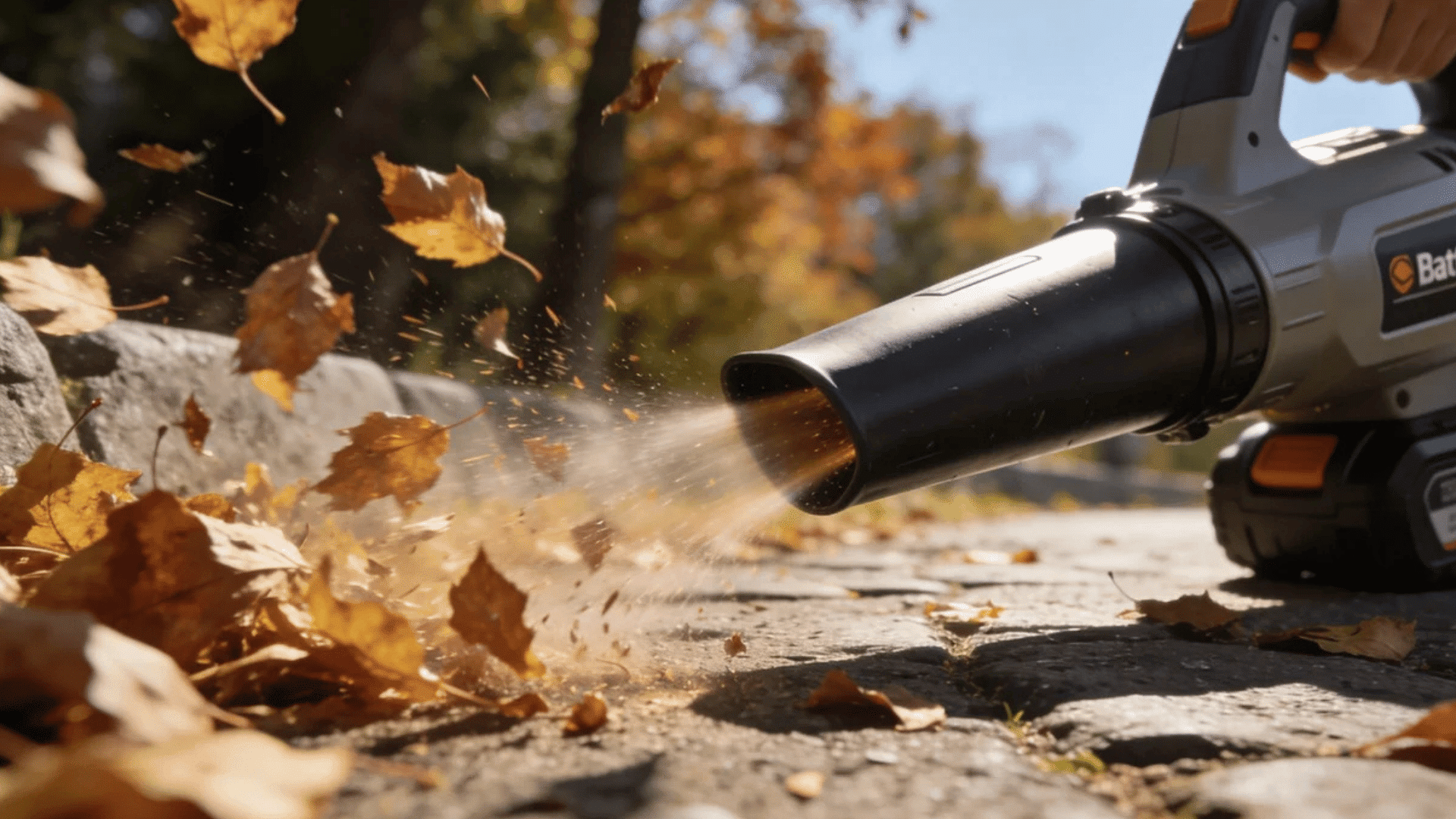
Raking leaves across a large yard is slow, physical work.
A leaf blower is one of the gardening tools that makes seasonal cleanup dramatically faster, moving the same amount of debris in a fraction of the time using a high-speed air stream to push leaves, grass clippings, and light dirt into manageable piles.
Some models also function as vacuums that collect and mulch debris directly into an attached bag.
Quick comparison by power type:
- Electric (corded): Lightweight and quiet, practical for small yards and frequent use
- Battery-powered: Cordless freedom of movement, suitable for medium-sized outdoor areas
- Gas-powered: High airflow output for large lawns or heavy seasonal debris
24. Compost Bin
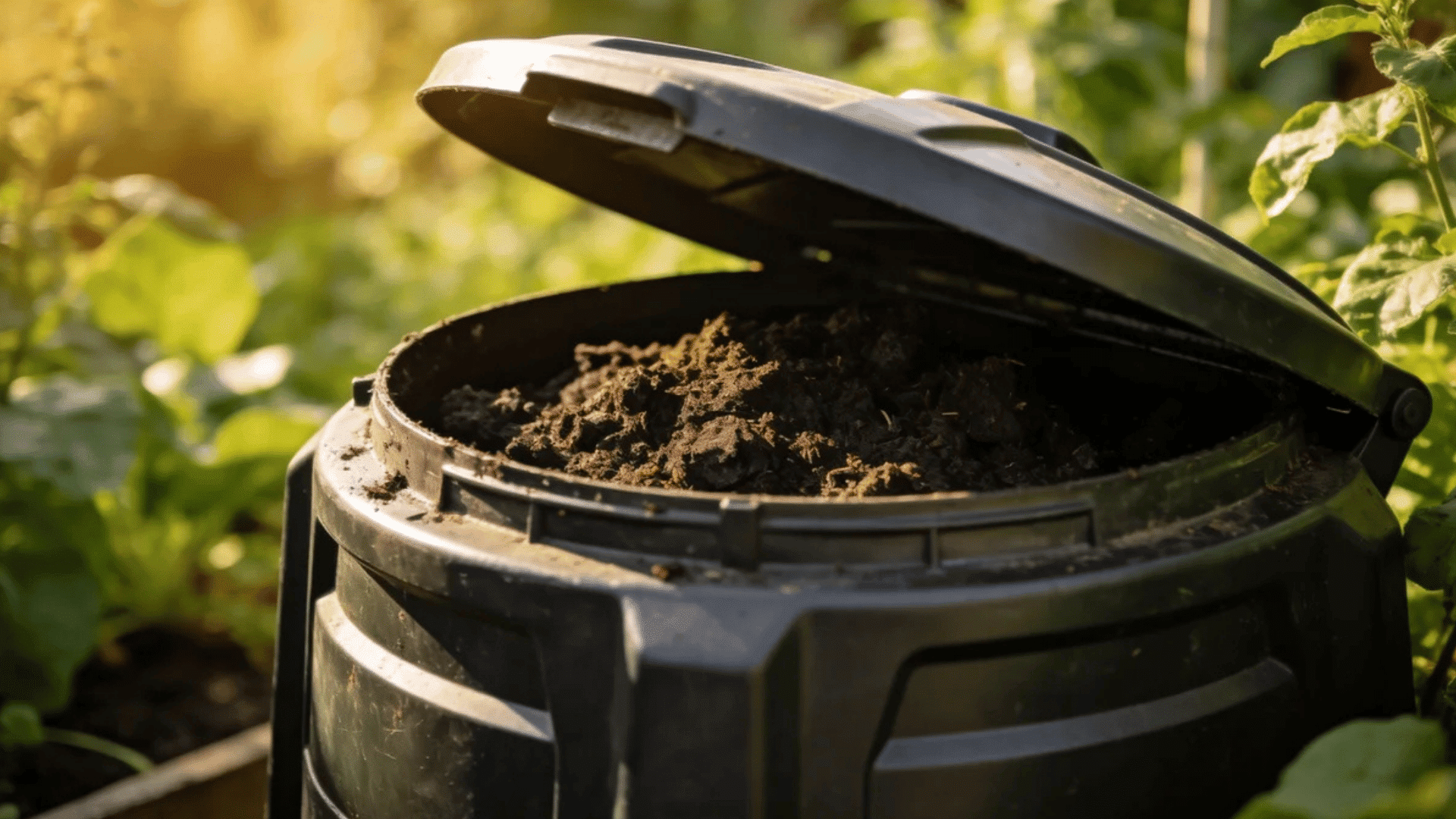
A compost bin turns kitchen scraps and garden waste into rich, organic material that improves soil structure and feeds plants without chemical fertilizers.
While it may not be the first tool that comes to mind when learning the names of gardening tools, a compost bin pays for itself every season with improved soil and reduced fertilizer costs.
A basic plastic compost bin is enough for most home gardens. Turning the contents regularly with a garden fork speeds up decomposition.
Things to know:
- What to compost: Vegetable scraps, fruit peels, coffee grounds, dry leaves, grass clippings, cardboard
- What to avoid: Meat, dairy, oily food, diseased plants, and pet waste
To note: Finished compost is dark, crumbly, and has an earthy smell, not a rotting one.
25. Chainsaw
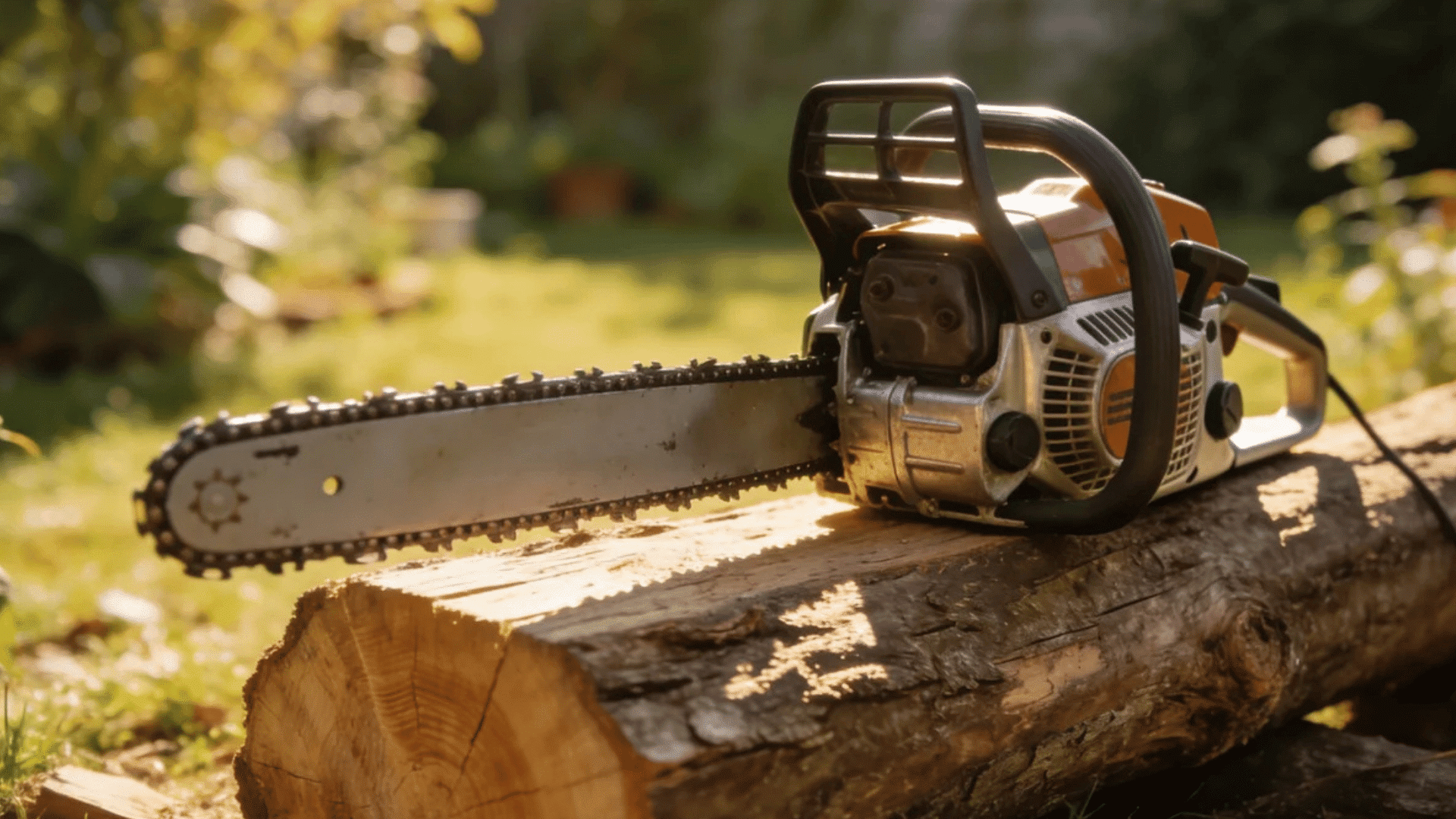
I only reach for a chainsaw when the job is genuinely too large for loppers or a handsaw.
The chainsaw sits at the heavy-duty end of the gardening tools names spectrum; it’s a powerful cutting tool built to handle thick branches, fallen trees, and large woody material that standard garden tools can’t manage.
Safety is non-negotiable with a chainsaw; proper protective gear is always required before starting.
Basic safety reminders:
- Always wear protective gloves, eye protection, and chainsaw-rated boots or chaps
- Keep both hands firmly on the saw while cutting
- Never cut above shoulder height
- Check chain tension and sharpness before each use
26. Rototiller
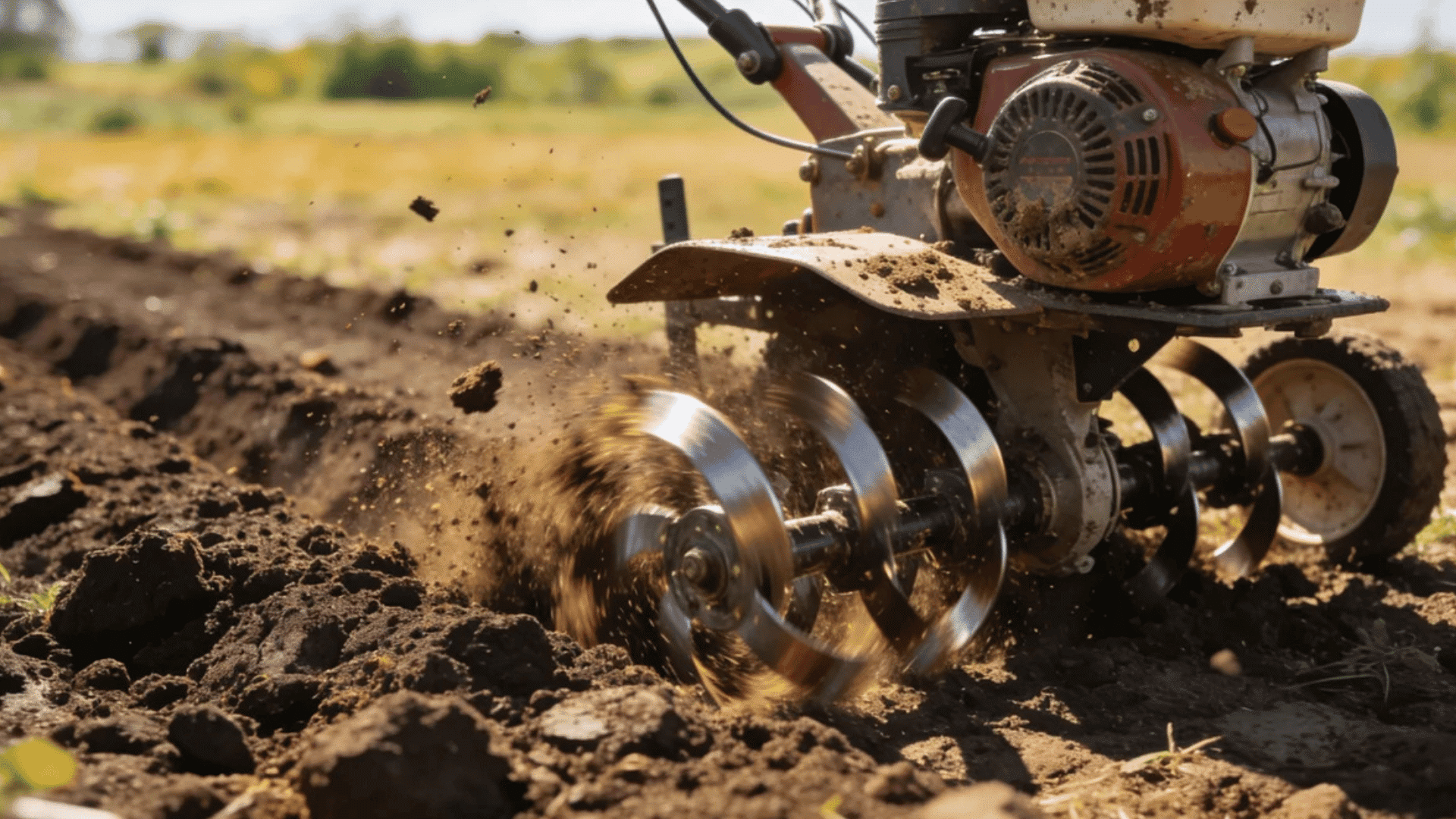
Breaking new ground by hand is one of the most demanding tasks in gardening. The rototiller is one of those powered gardening tools that completely change what’s possible in a single afternoon.
It breaks up, loosens, and mixes the top layer of soil, making it ready for planting in far less time than manual digging.
Types of rototiller:
- Front-tine tiller: Lightweight and easy to maneuver, best for maintaining smaller garden beds
- Rear-tine tiller: More powerful, handles larger plots and harder, compacted ground
- Mini-tiller / cultivator: Compact enough for raised beds, containers, and tight growing spaces
27. Lawn Mower
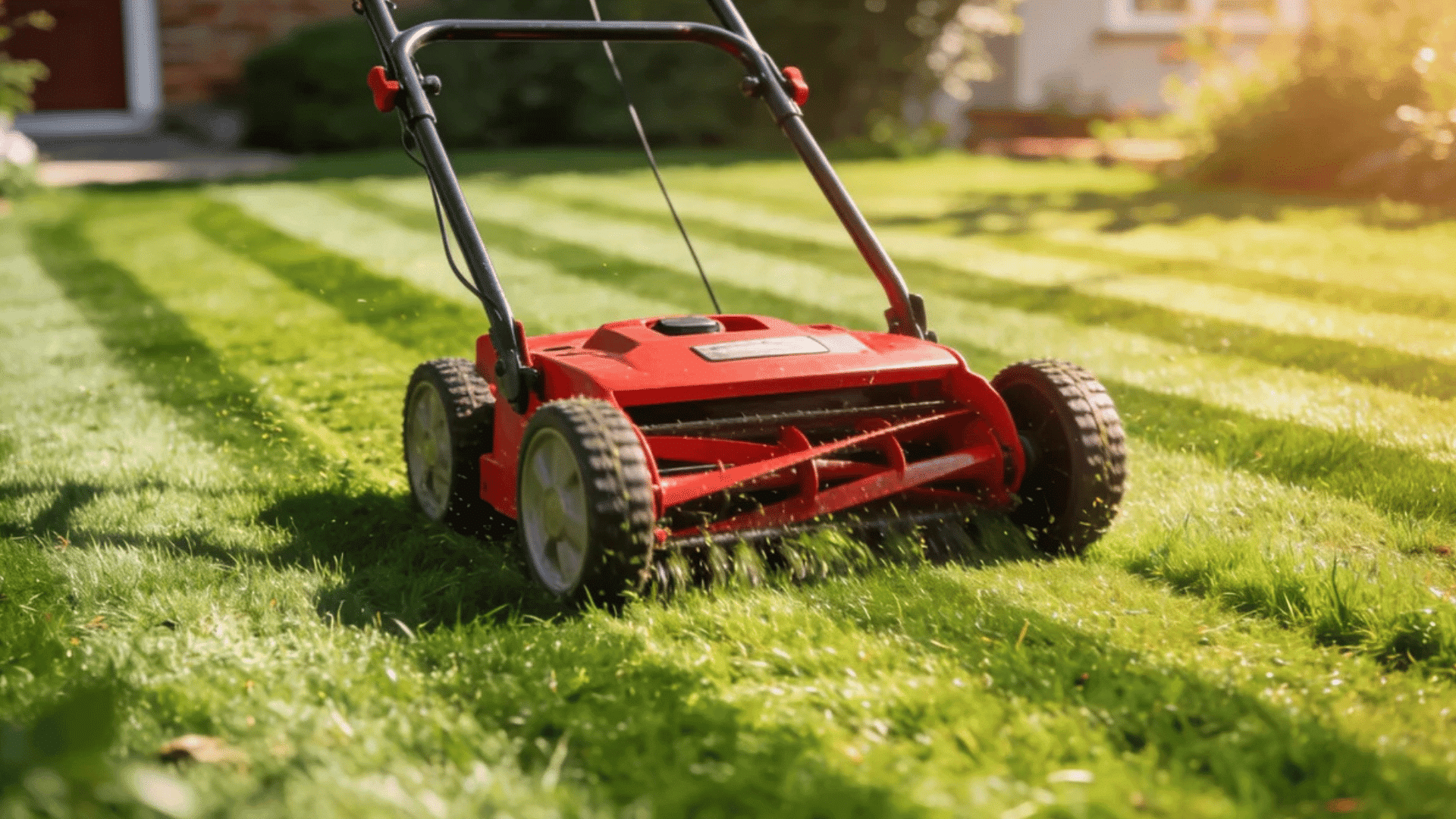
A lawn mower keeps grass at a consistent, healthy height, and a well-maintained lawn makes the entire garden look better.
The lawn mower rounds out the full list of core gardening tools names every gardener should be familiar with; it’s the one tool that keeps the whole space looking well-maintained week after week.
Most lawns stay healthiest when cut to around 2.5 to 3.5 inches, depending on grass type and season.
Push vs. riding mower, choosing the right fit:
- Push mower: Best for lawns under ¼ acre; affordable and compact to store
- Riding mower: Worth considering for lawns over ½ acre; saves time and physical effort significantly
- Robotic mower: Automated hands-free option for consistent, low-effort lawn maintenance
How to Choose the Right Gardening Tools
Picking the wrong tools wastes money and makes garden work harder than it needs to be. Understanding the rightnames for gardening tools and what each one does is the first step.
- Consider Your Garden Size: Small gardens need compact handheld tools, while larger plots call for long-handled or powered equipment.
- Pick Lightweight and Comfortable Tools: An ergonomic grip and balanced weight reduce fatigue and make longer work sessions much easier on the body.
- Choose Durable Materials: Stainless steel blades and fiberglass or hardwood handles last longer and hold up better through regular outdoor use.
- Start with Basic Tools: A trowel, pruning shears, a hoe, a rake, and a watering can cover most everyday gardening tasks without overspending upfront.
Common Mistakes When Buying Gardening Tools
Many gardeners buy the wrong tools because they are unfamiliar with common gardening tool names and their proper uses.
| Mistake | What Goes Wrong | What to Do Instead |
|---|---|---|
| Buying Low-Quality Tools | Blades bend, handles crack, and tools need replacing within one season | Invest in stainless steel blades and solid hardwood or fiberglass handles |
| Ignoring Comfort and Grip | Poor grip causes blisters, hand strain, and faster fatigue during use | Always hold the tool first and check for a comfortable, secure grip |
| Choosing the Wrong Tool Size | Oversized tools are hard to control; undersized ones slow the work down | Match the tool size to both the garden scale and the user’s body size |
| Forgetting Tool Maintenance | Dirty, dull, or rusty tools become unsafe and perform poorly over time | Clean, dry, and sharpen tools regularly to extend their working life |
Easy Tips to Maintain Gardening Tools
Well-maintained tools last longer, perform better, and stay safer to use season after season. These simple habits take only a few minutes but make a noticeable difference over time.
- Clean Tools After Every Use: Wipe off soil, sap, and moisture after each session to stop rust and buildup from forming on blades and handles.
- Sharpen Blades Regularly: A sharp blade cuts cleanly and reduces the effort needed, whether trimming plants or breaking soil.
- Store Tools in a Dry Area: Hanging tools in a shed or dry garage keeps moisture away from metal parts and prevents handles from warping or cracking.
- Oil Metal Parts to Prevent Rust: A light coat of linseed or machine oil on blades and metal joints after cleaning adds a protective layer that blocks moisture and extends tool life.
Final Thoughts
Good tools don’t make someone a better gardener overnight, but they do make every task easier, faster, and more enjoyable along the way.
Starting with the right equipment, caring for it properly, and building the collection gradually is all it takes to set up a productive garden space that actually works.
Every gardener’s setup looks different. Once you know the names of the essential gardening tools, building a setup that works for your space becomes much easier.
Some rely on a basic set of hand tools. Others invest in powered equipment for larger outdoor spaces. There’s no single right answer, just the tools that fit the garden and the person using them.
The most important step is simply getting started.
Now it’s your turn. Which gardening tool do you use the most, or which one are you planning to add next? Drop your thoughts in the comments below. I’d love to hear what’s working in your garden.
Frequently Asked Questions
What are the Most Common Gardening Tools?
Trowels, pruning shears, garden hoes, rakes, shovels, and watering cans are the most commonly used gardening tools worldwide in home gardens.
Which Gardening Tools Should Beginners Buy First?
A hand trowel, pruning shears, a garden hoe, a rake, and a watering can cover the most essential everyday gardening tasks without overspending at the start.
What Tool Is Best for Digging Soil?
A round-point shovel works best for digging into firm soil, while a garden fork is ideal for loosening and aerating compacted ground before planting.
How to Keep Gardening Tools from Rusting?
Wiping blades clean after every use, storing tools in a dry area, and applying a light coat of linseed or machine oil on metal parts effectively prevents rust.
What Is the Difference Between a Spade and a Shovel?
A spade has a flat, straight blade designed for edging and cutting, while a shovel has a curved, pointed blade built for scooping and moving loose materials.

With a Master’s in Landscape Architecture from the University of Virginia, Sophia Stephenson has dedicated the last 20 years to creating and maintaining vibrant outdoor spaces. Her professional journey started in landscape design, where she gained a reputation for innovative and sustainable approaches. Sophia became a part of our editorial team as a freelancer in 2019, offering a fresh perspective on outdoor living. Since 2020, she has been the chief for our outdoor design content, blending aesthetic appeal with environmental stewardship. In her leisure time, Sophia is a keen photographer, capturing the beauty of natural landscapes, a hobby that complements her professional expertise.