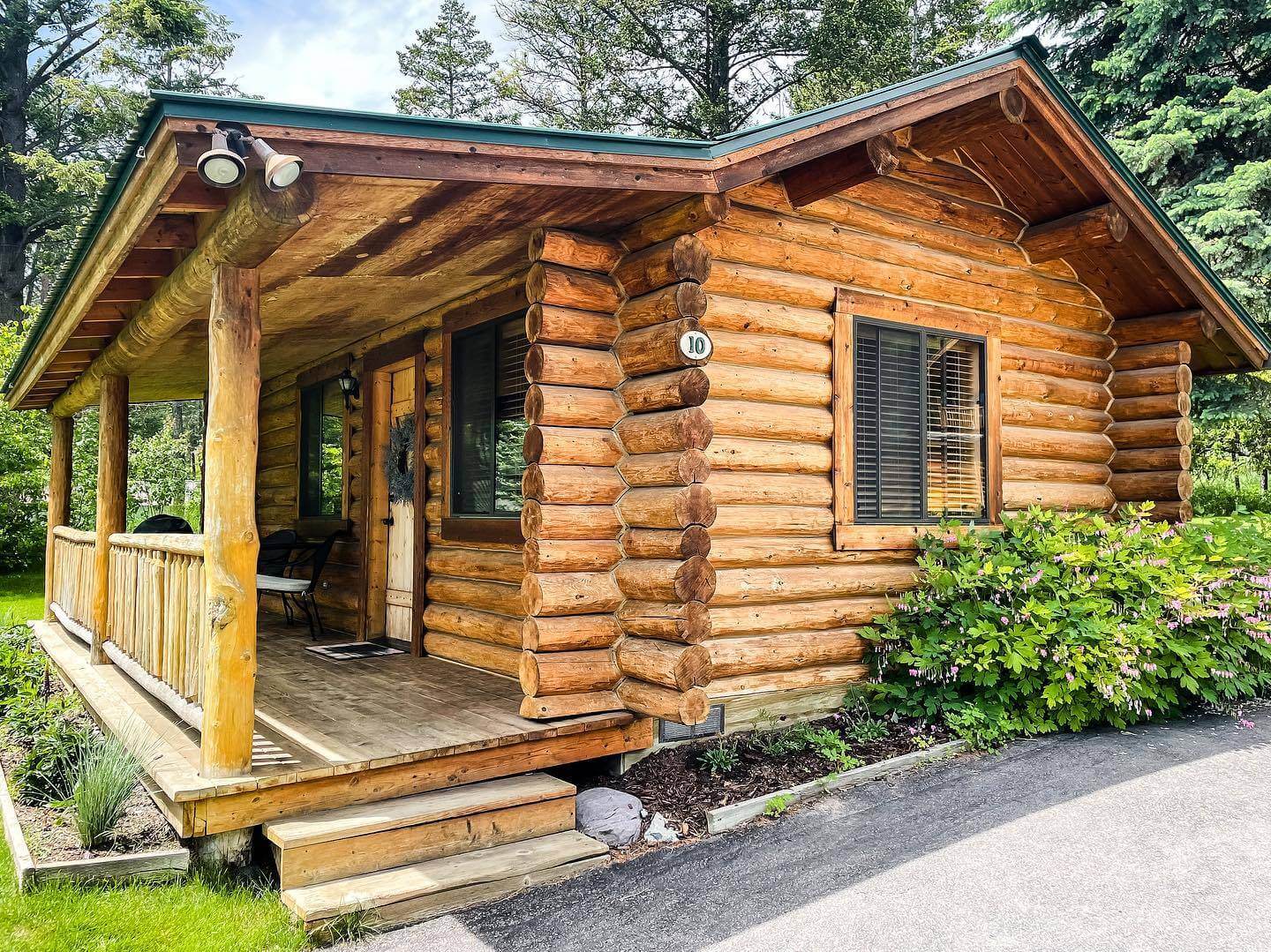

If you’ve ever admired a rustic log cabin nestled in the Irish countryside or considered adding a garden house to your property, one of the first questions that comes to mind is: how long will it actually last? It’s a fair question — and the answer might surprise you. With proper construction and maintenance, a well-built wooden house or log cabin can stand for well over a century. Some of the oldest log structures in the world have been standing for 500 to 800 years.
In this article, we’ll explore the factors that determine a log cabin’s lifespan, how climate affects longevity (particularly relevant for log cabins in Ireland), and what you can do to maximise the life of your structure.
The Short Answer: Decades to Centuries
A typical log cabin, built to modern standards using quality timber and proper construction techniques, will last anywhere from 50 to 100+ years. Many log structures significantly exceed this, particularly when owners stay on top of routine maintenance. Neglected cabins, on the other hand, can deteriorate in as little as 20–30 years — not because log construction is inherently flawed, but because wood, like all organic materials, responds to its environment.
The key variables are:
- Wood species and quality
- Construction method
- Climate and moisture exposure
- Maintenance regime
- Foundation quality
Each of these plays a meaningful role in determining whether your log cabin is still standing in 50 years — or 200.
Wood Species: The Foundation of Longevity
Not all timber is created equal. The species of wood used in a log cabin or wooden house has a major influence on its durability and resistance to rot, insects, and moisture.
Oak is among the most durable hardwoods and has been used for centuries in construction across Europe. It’s dense, heavy, and highly resistant to decay — but also expensive and slower to work with.
Scots Pine and Larch are popular choices across Ireland and northern Europe for log construction. Larch, in particular, is prized for its natural resin content, which acts as a preservative and gives it excellent outdoor durability.
Spruce is widely used due to its affordability and workability, though it requires more rigorous treatment and maintenance compared to denser species.
Douglas Fir and Cedar are popular in North American log cabin construction. Cedar, in particular, contains natural oils that repel insects and resist moisture — making it an excellent long-term choice.
For anyone considering log cabins in Ireland, Larch and Scots Pine are often the most practical and well-suited options, striking a good balance between cost, availability, and natural durability in a wet climate.
The Irish Climate Challenge — and Opportunity
Ireland’s climate is, to put it mildly, damp. Atlantic weather systems bring persistent rainfall, mild temperatures, and high humidity throughout the year. For a garden house or log cabin, this presents a real challenge: moisture is wood’s greatest enemy.
Prolonged exposure to moisture causes wood fibres to swell and contract repeatedly. Over time, this leads to cracking, warping, and ultimately rot. In the wrong conditions, fungal decay can take hold surprisingly quickly — within a few years in severe cases.
However, Ireland’s moderate temperatures actually work in a log structure’s favour. Unlike Scandinavian or North American climates, Ireland rarely sees the extreme freeze-thaw cycles that can dramatically stress timber over time. There’s no permafrost, no months of deep sub-zero temperatures cracking joints and forcing moisture into every fissure.
This means that a well-maintained wooden house or log cabin in Ireland faces moisture management as its primary challenge — not thermal stress. Address that, and you’ve done most of the work.
Construction Quality: Getting It Right from the Start
The longevity of any log structure begins at the design and build phase. Corners cut during construction are extraordinarily difficult and expensive to correct later.
Foundation design is critical. Log cabins should be elevated off the ground on a solid concrete or stone foundation. Direct ground contact allows ground moisture to wick upward into the base logs — the most common cause of premature rot. A raised foundation also improves ventilation beneath the structure.
Roof overhang is another vital design element, especially in a wet climate. A generous roof overhang — typically 600mm or more — diverts rainwater away from the walls, dramatically reducing moisture exposure to the upper logs and roof junction. Many log cabins that fail prematurely do so because water consistently runs down the walls rather than being thrown clear by the roofline.
Settling gaps must be accounted for in the structural design. Green (unseasoned) logs shrink as they dry out. A quality builder will incorporate settling gaps above windows, doors, and interior partitions to allow for this natural movement without causing structural problems.
Log profiles matter too. Rounded logs with a slight outward slope shed water more effectively than flat-top profiles where water can pool in the groove between logs.
Maintenance: The Single Biggest Factor
If you ask any experienced builder or log cabin owner what separates a 30-year cabin from a 150-year cabin, the answer is almost universally the same: maintenance.
A well-built log cabin is a low-maintenance structure — but not a no-maintenance one. Regular care keeps the wood protected, healthy, and structurally sound.
Re-treating the exterior every 3–5 years is one of the most important tasks. Log oil, UV-resistant wood stain, or specialist log home preservatives protect the timber from moisture ingress and UV degradation. In the Irish climate, a penetrating oil or breathable stain is generally preferred over film-forming paints, which can trap moisture beneath the surface and cause blistering.
Inspecting and re-chinking (the material used to seal gaps between logs) is also important. Chinking and caulking can crack over time as logs continue their slow, long-term settling. Gaps left unaddressed allow water and drafts in.
Roof maintenance should not be overlooked. A sound roof is the first line of defence for any log structure. Check and replace damaged or missing tiles, ensure gutters are clear, and inspect flashings regularly.
Clearing vegetation away from the base of the cabin prevents moisture retention and discourages insect activity. Ivy and other climbing plants, though visually appealing, can cause significant damage to log walls over time by trapping moisture and physically intruding into joints.
Garden Houses and Smaller Log Structures
In recent years, garden houses — smaller log structures used as home offices, studios, gyms, or relaxation spaces — have become enormously popular across Ireland and the UK. These compact wooden buildings follow the same principles as their full-sized counterparts, though they sometimes use lighter timber framing or thinner logs.
For a garden house or garden cabin, lifespan expectations are slightly more modest. A budget garden structure built with untreated or lightly treated timber might last 15–25 years with minimal upkeep. A higher-quality garden house built with good timber, proper treatment, and a solid base can comfortably last 40–60 years or more.
The key advice for garden structures is the same: elevate off the ground, maintain the finish, and keep the roof in good order.
Signs Your Log Cabin Needs Attention
Knowing when to intervene is just as important as the maintenance itself. Watch for:
- Soft or discoloured wood at the base logs, particularly near ground level
- Greyish or silvery surface colour — a sign that UV has degraded the finish and the wood is unprotected
- Visible cracks or checks in the logs that are wider than a finger
- Drafts or visible gaps around windows, doors, or between log courses
- Musty smells inside, which can indicate moisture or fungal activity within the walls
Catching these issues early is far less expensive than remediation work later.
The Bottom Line
A log cabin is not a temporary structure. When built well and cared for properly, a wooden house or quality log cabin in Ireland is a genuinely long-term investment — one that can outlast generations. History gives us ample proof: Viking-era log structures still stand in Norway; medieval log churches in Poland have survived for 600 years.
The variables are largely within your control. Choose quality timber, work with an experienced builder, invest in a sound foundation and generous roofline, and commit to a maintenance schedule. Do that, and your garden house, cabin, or full-scale log home will still be standing long after you’re gone.
Whether you’re planning a cosy retreat, a home office in the garden, or a full residential build, understanding the lifespan of log construction helps you make smarter decisions from the very beginning.

Tommy Hardy, an alumnus of the Georgia Institute of Technology with a degree in Mechanical Engineering, has been a go-to figure in residential upkeep and innovation for over 18 years. His career commenced in a leading home appliance manufacturing company, where he mastered the intricacies of household systems. Joining our platform in 2020, Tommy quickly became a reader favorite for his practical and easy-to-follow guides. He took the helm of our DIY section in 2019, consistently delivering content that empowers homeowners. Beyond his professional pursuits, Tommy is a passionate gardener and enjoys woodworking, skills enhancing his hands-on approach to home care.