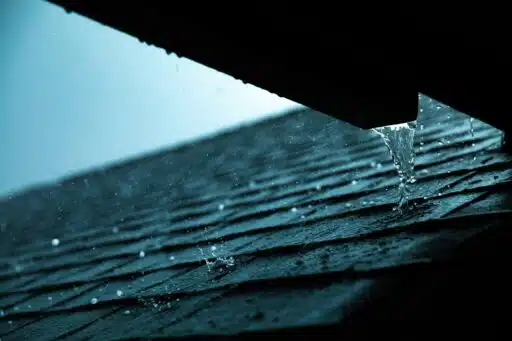
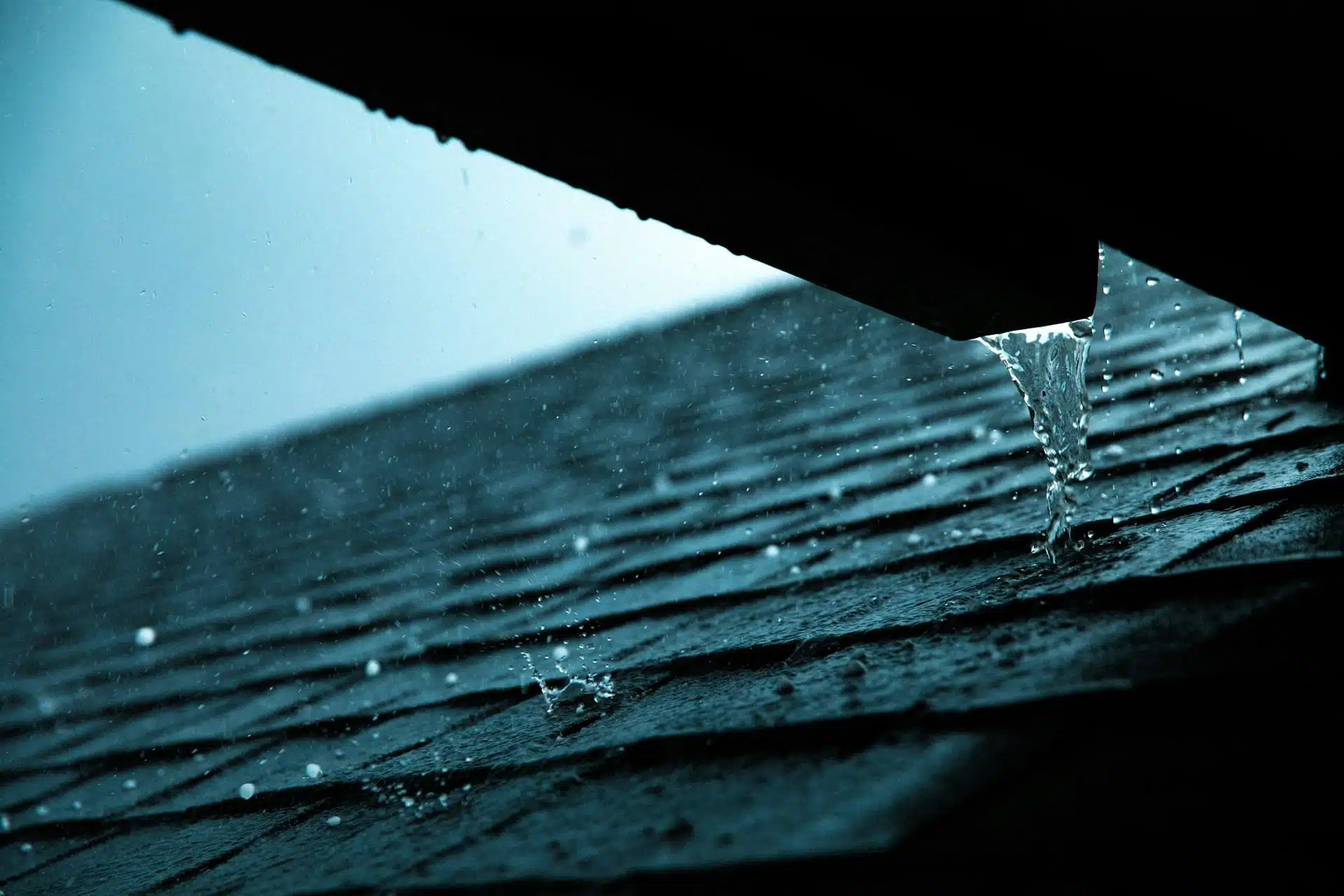

It’s easy for rainwater to enter your building through small openings, especially when you don’t have proper drainage. This can cause many problems, and that includes water damage, wood rot, and mold growth. Do these maintenance and preventive measures to prevent these problems.
Keep Gutters and Downspouts Clear
Leaves, dirt, and other debris can block your gutters. When it is blocked, water overflows and runs down your outside walls. The water can even collect around the foundation of your home. Make sure to complete these tasks:
- Regularly clean your gutters, especially before the heavy rain comes.
- Check for loose brackets, damaged joints, and leaks.
- Make sure your gutters are firmly attached so they don’t sag or pull away from the roof.
- Check that your gutters slope slightly toward the downspouts so water can flow out easily.
- Examine your downspouts. Make sure nothing is blocking it.
The job of your downspout is to send water away from the foundation of your home. If water keeps collecting at your foundation, take action. Use extensions or splash blocks to send the water to a drainage area.
Check Your Yard’s Drainage
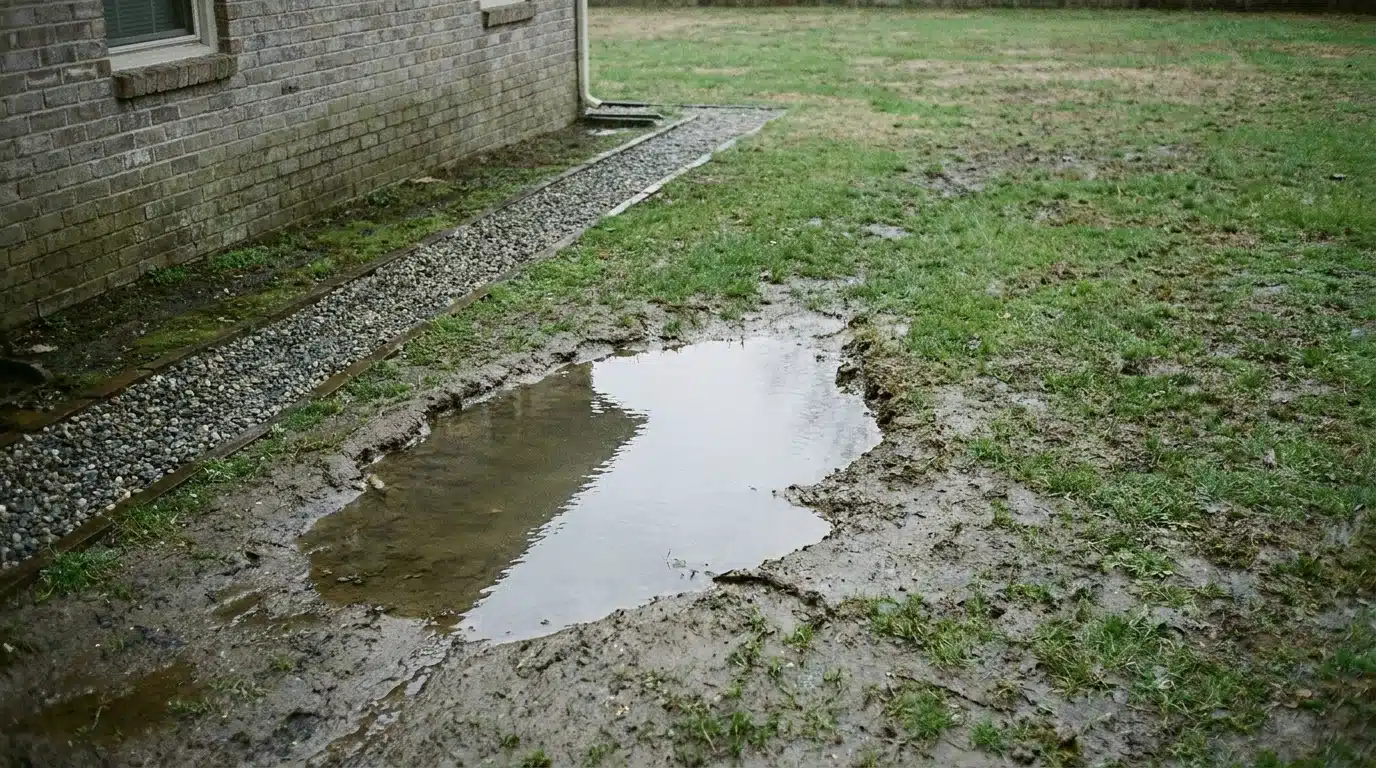
The way your yard is will affect rainwater that collects at the foundation of your home. If your yard has a slope, water will move towards the walls. Here’s what you can do to prevent it:
- Check for low spots where you see rainwater collecting, and add soil to those low spots.
- Check the grading of your yard, and ensure your yard slopes away from and not towards your building.
- Make sure there is nothing blocking your outdoor drains.
- Examine how the garden beds that are close to your outside walls handle rainfall. If they retain water, remove them.
- Make sure you don’t leave the dense vegetation that is close to your building. This is important because such vegetation easily traps moisture.
- Make sure that your irrigation system is not adding too much water close to your foundation.
Inspect Exterior Walls, Windows, and Roofs
Cracks in your walls, damaged roof flashing, or improperly sealed window frames can all easily cause rainwater to enter your building.
- Make sure that your exterior walls don’t have cracks, there are no peeled paint, damp patches, or discoloration.
- Check the seals around your doors and windows.
- Replace weatherstripping or caulking that is damaged.
- Pay attention to your roof as well. Look for missing shingles, damaged flashing, and loose fittings that could allow water into the attic or ceiling.
- Check the areas where your roof meets the walls and chimney. Make sure there are no gaps where rainwater can get in.
Fixing these problems early can stop rainwater from getting into your ceiling and damaging other parts of your home.
Endnote
Routine maintenance cannot solve every moisture problem, especially if you have already cleared the gutters, corrected drainage, and sealed visible openings. These issues require you to find the root cause of the problem, and you can only get that by hiring experienced waterproofing companies. They can help you fix persistent dampness, recurring foundation leaks, and other such problems once and for all.

Tommy Hardy, an alumnus of the Georgia Institute of Technology with a degree in Mechanical Engineering, has been a go-to figure in residential upkeep and innovation for over 18 years. His career commenced in a leading home appliance manufacturing company, where he mastered the intricacies of household systems. Joining our platform in 2020, Tommy quickly became a reader favorite for his practical and easy-to-follow guides. He took the helm of our DIY section in 2019, consistently delivering content that empowers homeowners. Beyond his professional pursuits, Tommy is a passionate gardener and enjoys woodworking, skills enhancing his hands-on approach to home care.