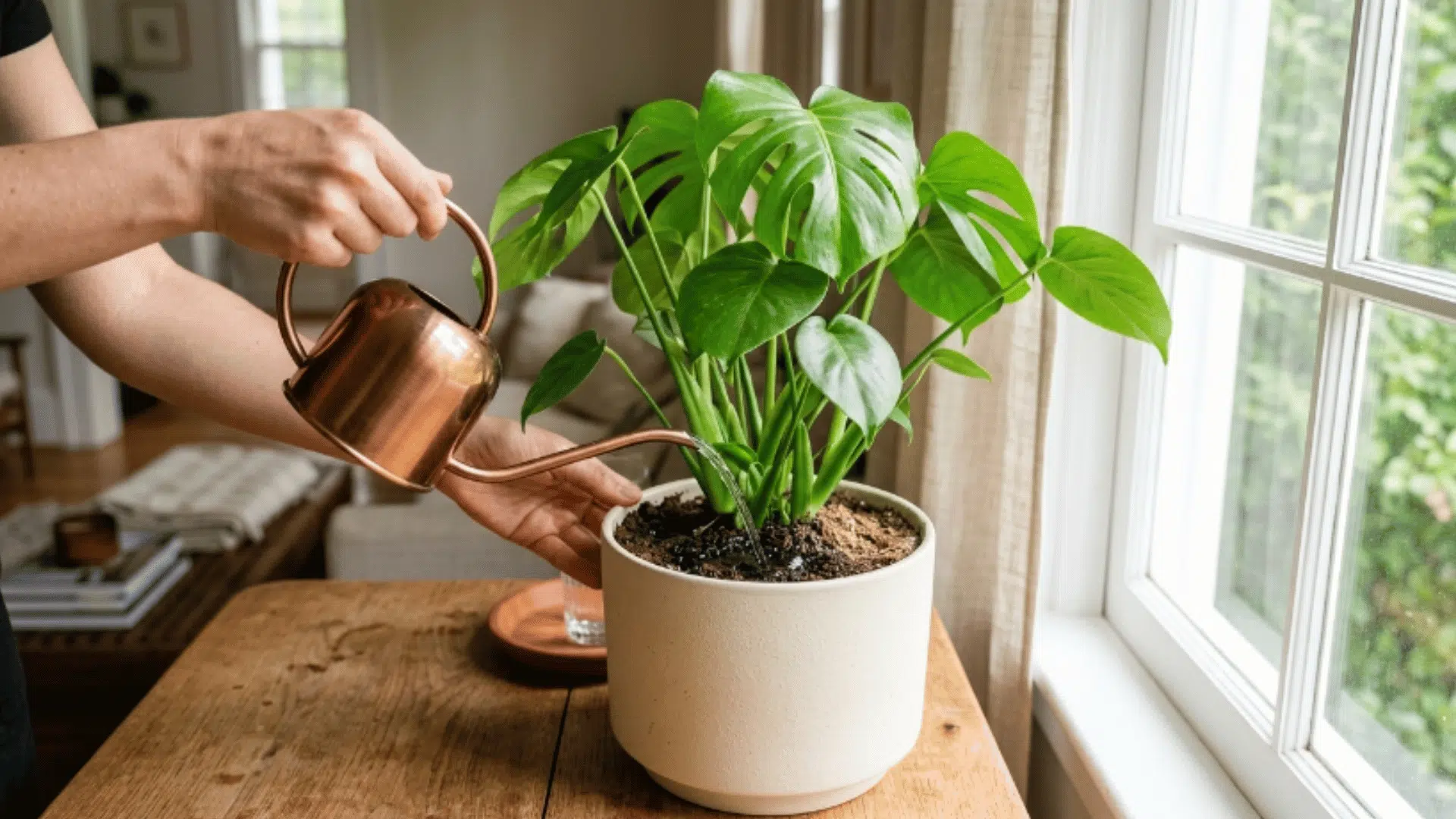

You bring home a healthy plant, water it every day, and within a few weeks, it’s gone. The problem was not the plant. It was the water.
Most houseplants don’t fail because of light, soil, or pests. The real issue is incorrect watering, too much, too little, or done at the wrong time.
Watering looks simple at first, but it’s not just about pouring water into a pot. This blog explains exactly how to water houseplants the right way, so plants stay healthy instead of struggling.
When Does Your Plant Need Water?
Before watering, always check what your plant actually needs. The best method is the soil test. Push your finger one to two inches into the soil.
Dry soil means it is time to water; moist soil means it can wait another day or two.
A quicker check is to weigh the dry soil in the pot; it makes the pot noticeably lighter, so lift it before and after watering to build a sense of the difference.
If neither method gives a clear answer, look at the plant itself. Wilting leaves, brown tips, and unusually slow growth are all signs the plant is running low on water.
Factors that Affect Watering Needs
Understanding these factors is key to learning how to water houseplants correctly and avoiding common mistakes.
- Light Exposure: Plants in bright light dry out faster and require more frequent watering than those in low-light areas.
- Humidity Levels: Low humidity causes soil to dry more quickly, while higher humidity helps retain moisture for longer.
- Temperature: Warm temperatures increase evaporation, meaning plants need more water, while cooler conditions reduce watering needs.
- Plant Size and Type: Larger plants and leafy varieties often need more water, while succulents and small plants require less.
- Soil and Pot Material: Well-draining soil dries faster, while clay pots absorb moisture, and plastic pots retain water longer.
Techniques for Watering Houseplants
Using the right method matters as much as knowing how to water houseplants properly. A good technique helps roots absorb water evenly and keeps the plant healthy over time.
| Technique | Description | How It Works | Benefit |
|---|---|---|---|
| Top Watering | Water is applied directly to the soil surface for even absorption. | Pour water slowly over the soil until it drains out. | Reaches all roots |
| Bottom Watering | Ideal for steady moisture. | Place the pot in the water tray to absorb. | Even moisture |
| Deep Watering | Focus on thorough watering. | Water fully, then let the soil dry. | Strong roots |
| Targeted Watering | Direct watering near roots. | Pour around the base using a narrow spout. | Less water waste |
Steps to Water Houseplants
Watering houseplants works best when broken down into simple, repeatable steps. This makes it easier to avoid common mistakes and care for different types of plants.
1. Check the Soil First
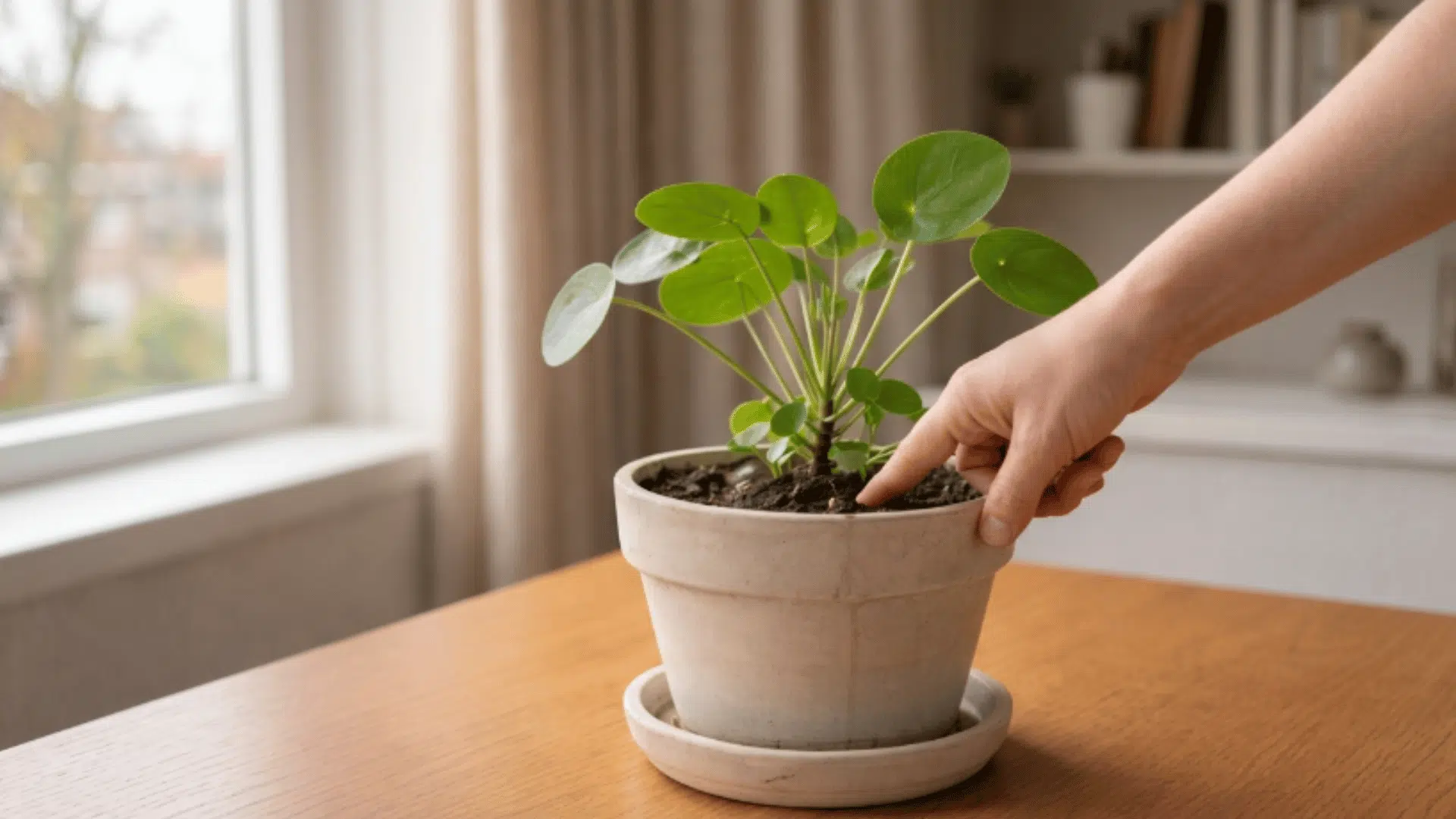
Before watering, always check the soil, not guess. Insert your finger about one to two inches into the soil to feel the moisture level.
If it feels dry at that depth, the plant is ready for water. If it still feels moist, wait one more day and check again. This simple habit prevents overwatering, which is one of the most common causes of plant failure.
2. Use the Right Amount of Water
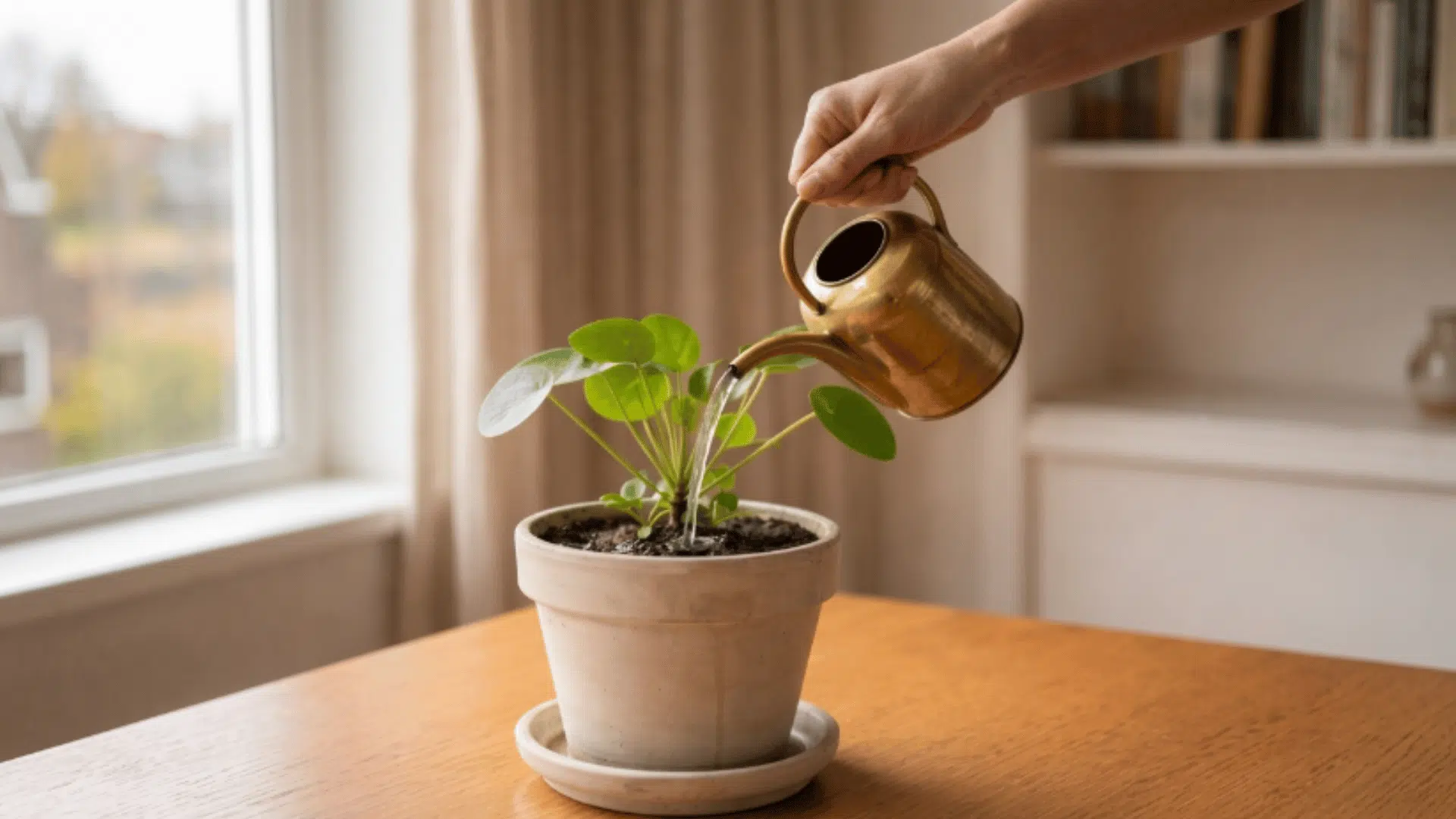
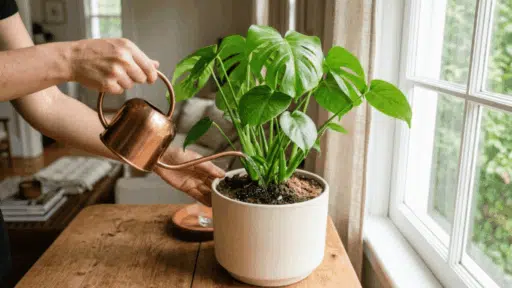
Giving the correct amount of water is just as important as timing. Water the plant slowly until it starts draining from the bottom of the pot.
This shows that moisture has reached the deeper roots. Avoid giving small amounts frequently, as it only wets the surface. Deep watering helps roots grow stronger and more stable.
Always adjust the amount based on the plant’s size and the season. Using a watering can with a narrow spout gives you better control over how much water you apply.
3. Ensure Proper Drainage
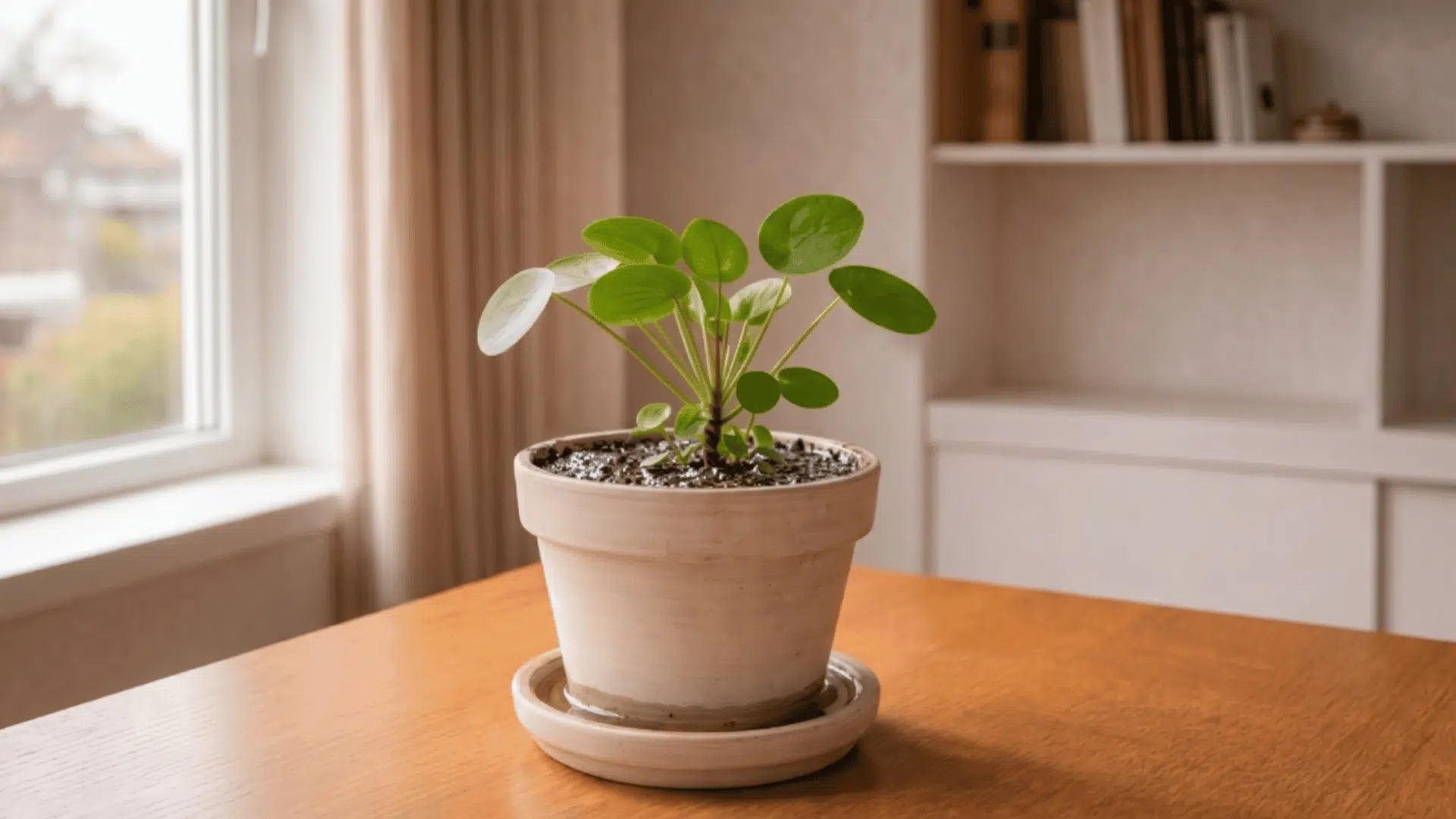
Drainage plays a key role in keeping roots safe from excess moisture. Always use pots that are designed to let water flow out freely from the bottom.
After watering, let the extra water drain out completely. Never allow the plant to sit in standing water, as this can cause root damage.
Regularly checking drainage helps you catch any blockages before they harm the roots.
4. Adjust Based on Environment
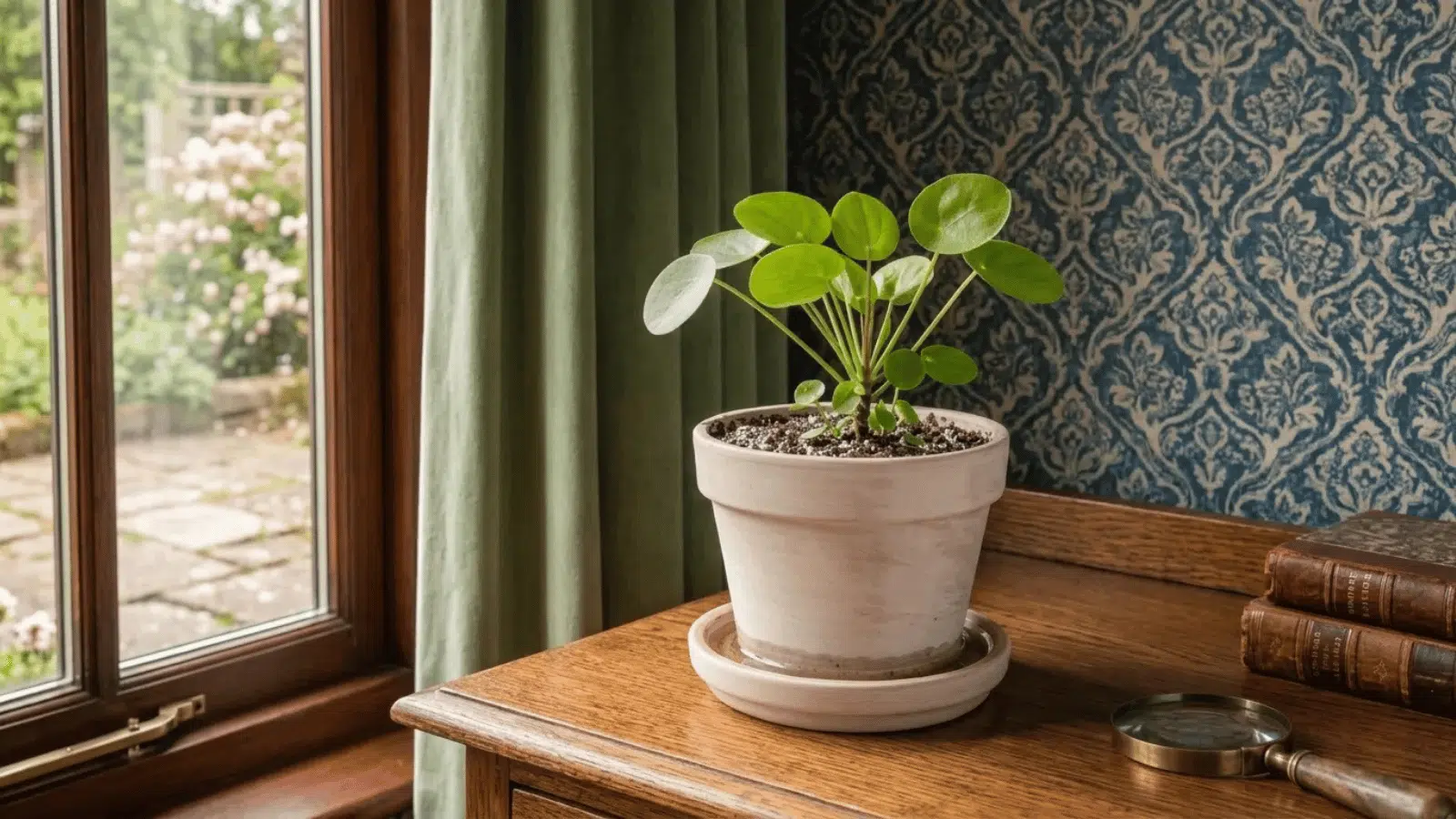
Watering needs change depending on the environment around the plant. Plants in bright light or warm rooms usually need water more often.
In cooler months or low-light areas, watering should be reduced. Pot size and soil type also affect how quickly moisture dries out.
Smaller pots dry faster, while dense soil holds water longer. Adjusting based on these factors helps maintain the right balance.
5. Observe Your Plant Regularly
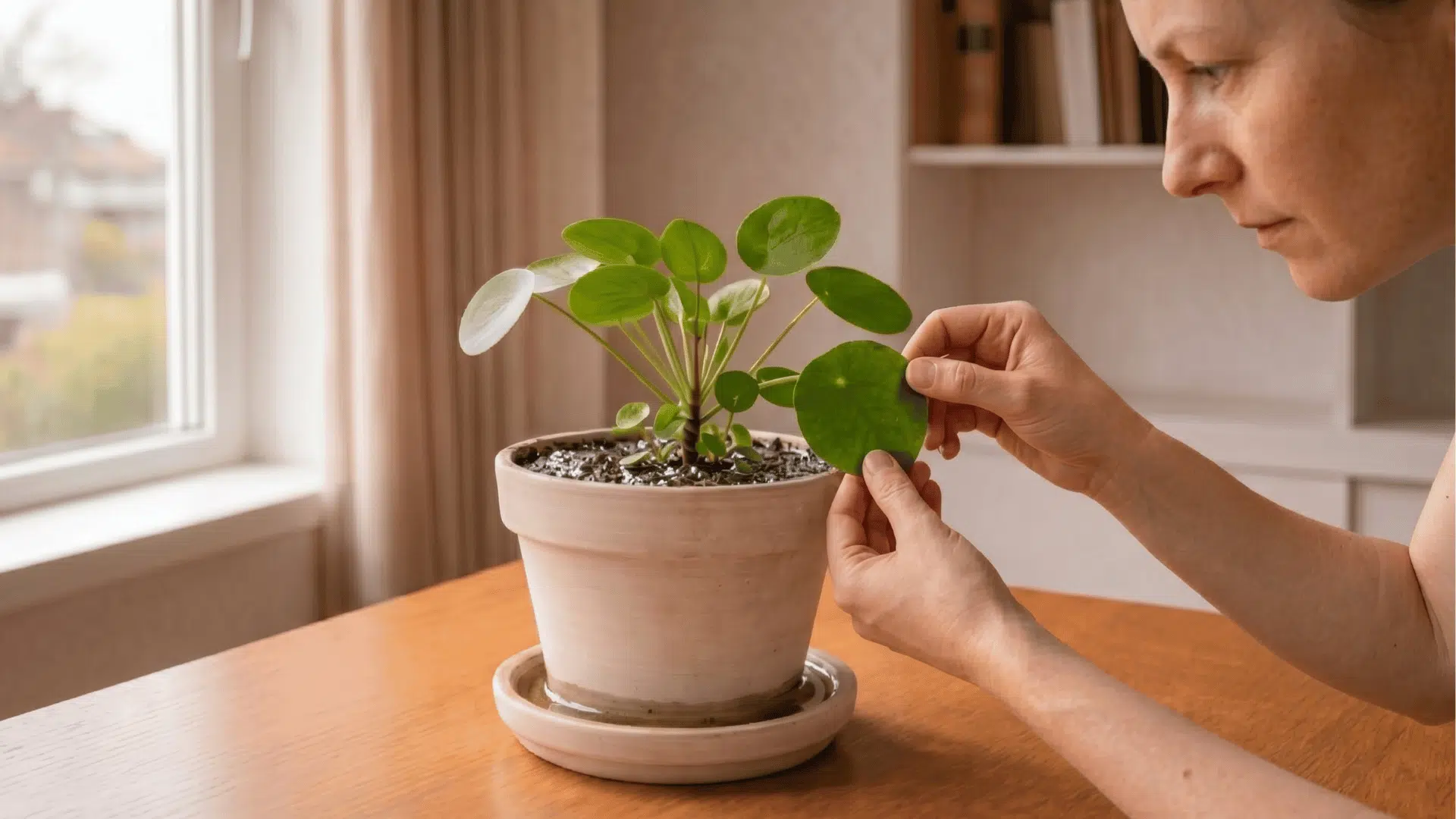
Plants often give clear signals when something is off. Watch for signs like drooping leaves, yellowing, or slow growth.
Regular observation helps catch problems early before they get worse. Over time, it becomes easier to understand what each plant needs.
Keeping a simple routine of checking your plants each day builds a stronger connection with their care.
Signs of Overwatering and Underwatering
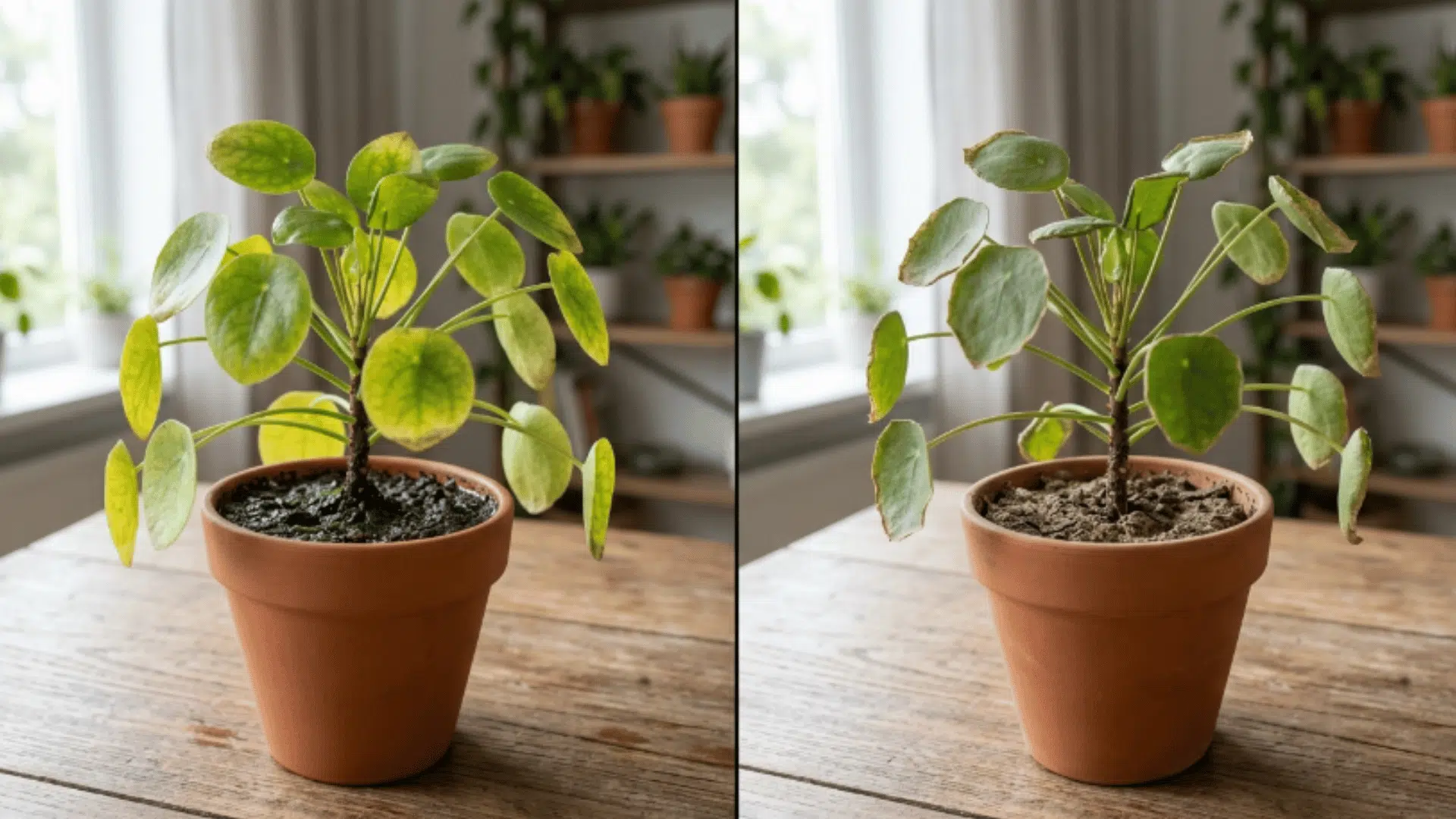
Understanding these signs is an important part of learning how to water houseplants correctly. Noticing early symptoms helps prevent damage and keeps plants healthy.
| Sign | Overwatering | Underwatering |
|---|---|---|
| Leaf color | Yellow, pale leaves | Brown, crispy edges |
| Soil condition | Constantly wet, soggy | Dry, hard, pulling from the pot |
| Roots | Mushy, brown, rotting | Dry, brittle, weak |
| Smell | Sour or rotten odor | No smell, dusty soil |
| Leaf texture | Soft, limp | Crispy, crunchy |
| Plant posture | Droopy but wet soil | Droopy with dry soil |
| Growth rate | Stunted or slow | Very slow or halted |
| Stem strength | Soft, weak stems | Thin, dry stems |
Tips to Water Houseplants for Better Results
Small changes in watering habits can make a big difference in keeping houseplants healthy and long-lasting.
- Always check the top 1–2 inches of soil before watering to avoid giving water too soon.
- Watering frequency rules follow the general watering frequency of every 1–3 weeks, but adjust based on plant needs and conditions.
- Water deeply so moisture reaches the roots rather than staying on the surface.
- A proper drainage system uses pots with drainage holes to prevent excess water from damaging the roots.
- Seasonal adjustment tips adjust watering based on light, temperature, and season for better plant health.
Conclusion
Watering houseplants does not need to feel confusing once the basics are clear. Healthy watering habits lead to stronger roots and longer-lasting plants.
Paying attention to soil, adjusting frequency, and using the right techniques when learning how to water houseplants can prevent the most common plant problems.
Over time, it becomes easier to understand the signals each plant shows. Start applying these simple tips today and watch your houseplants grow healthier, greener, and easier to care for.

With a Master’s in Landscape Architecture from the University of Virginia, Sophia Stephenson has dedicated the last 20 years to creating and maintaining vibrant outdoor spaces. Her professional journey started in landscape design, where she gained a reputation for innovative and sustainable approaches. Sophia became a part of our editorial team as a freelancer in 2019, offering a fresh perspective on outdoor living. Since 2020, she has been the chief for our outdoor design content, blending aesthetic appeal with environmental stewardship. In her leisure time, Sophia is a keen photographer, capturing the beauty of natural landscapes, a hobby that complements her professional expertise.