
Getting a door measurement wrong can throw off an entire renovation project. It happens more often than most people think, and it’s usually because standard door sizes aren’t as straightforward as they seem.
Knowing how wide is a standard door matters whether someone is replacing an old door, planning a new build, or making a space wheelchair accessible.
This guide breaks down every standard door width, from interior to exterior, and everything in between. All the key measurements are covered in one place, making it easy to get the right fit the first time.
Importance of Choosing the Right Door Width
The width of a door plays a key role in how easily people can move through a space. A narrow door can feel restrictive, making everyday tasks like carrying items more difficult.
It also affects how functional and accessible a room feels, especially in busy areas. Wider doors create better flow and make the space feel more open and comfortable.
Choosing the right width also improves long-term usability and convenience. It ensures smooth movement and helps the overall layout feel more practical and well-balanced.
How to Measure Door Width Correctly?
Getting an accurate measurement before buying any door prevents fitting issues and saves the cost of returns or adjustments after delivery.
| Step | What to Do | Why It Matters |
|---|---|---|
| Measure the frame | Measure the inside edge of one jamb to the other | Gives the most accurate door width |
| Measure three points | Check the top, middle, and bottom of the frame | Accounts for uneven or shifted frames |
| Use the smallest number | Choose the smallest measurement recorded | Ensures the door fits without forcing |
| Account for rough opening | Remember it’s ~2 inches wider than the door | Helps match door size correctly |
| Check both directions | Measure width and height before ordering | Prevents sizing mistakes during installation |
Types of Doors and Their Sizes
Every door type comes with a specific size range designed to fit standard residential openings, making the selection process much simpler.
1. Solid Fiberglass Door
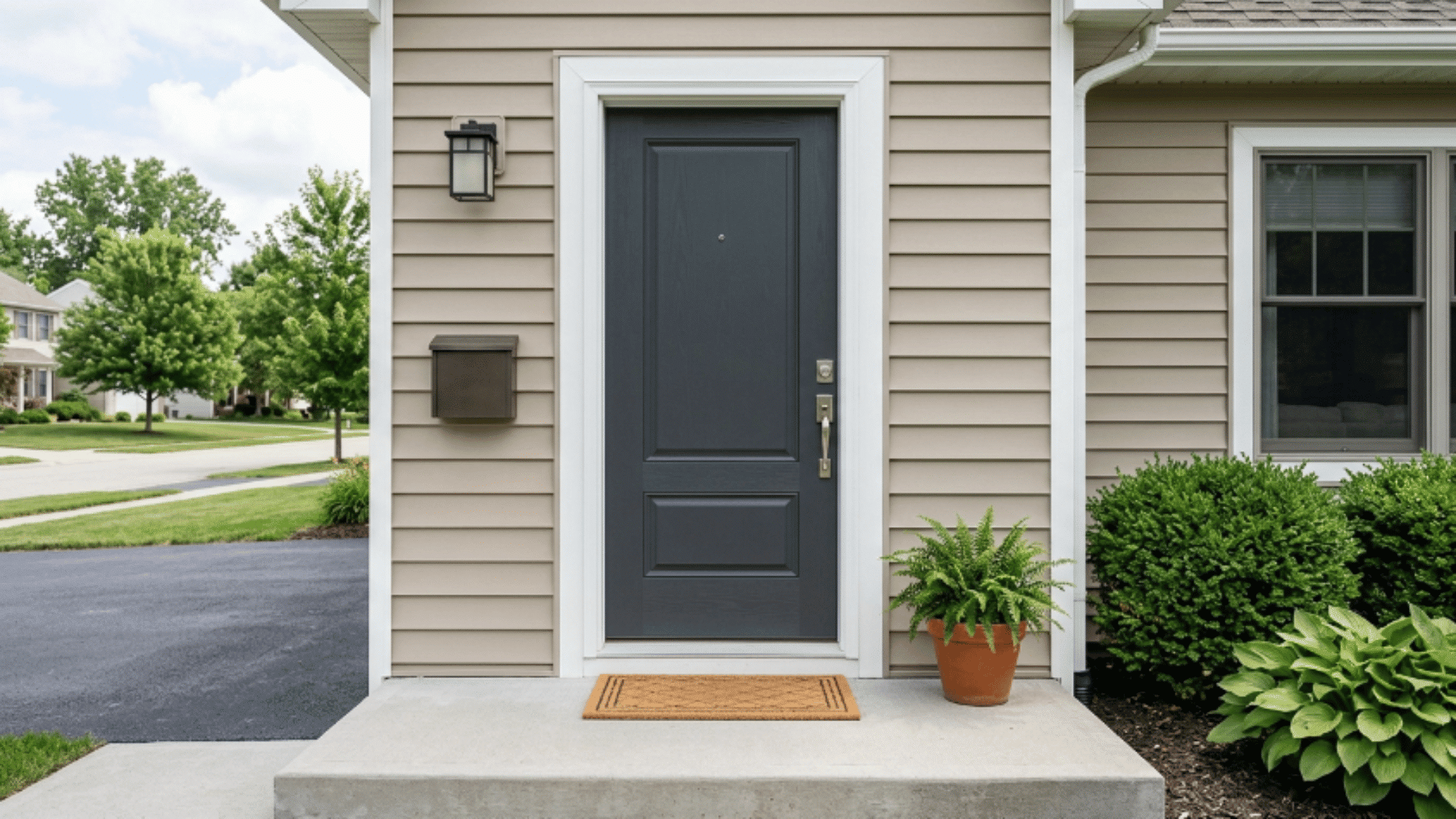
A solid fiberglass door delivers a strong, secure, and energy-efficient entry point that fits snugly within the frame, improving insulation performance and reducing energy loss around the edges.
The size range is broad enough to cover most existing residential openings without requiring structural changes to the frame.
Sizes:
- Width Range: 31″ – 45″ inches
- Height Range: 71″ – 96″ inches
2. Wood Door with Glass
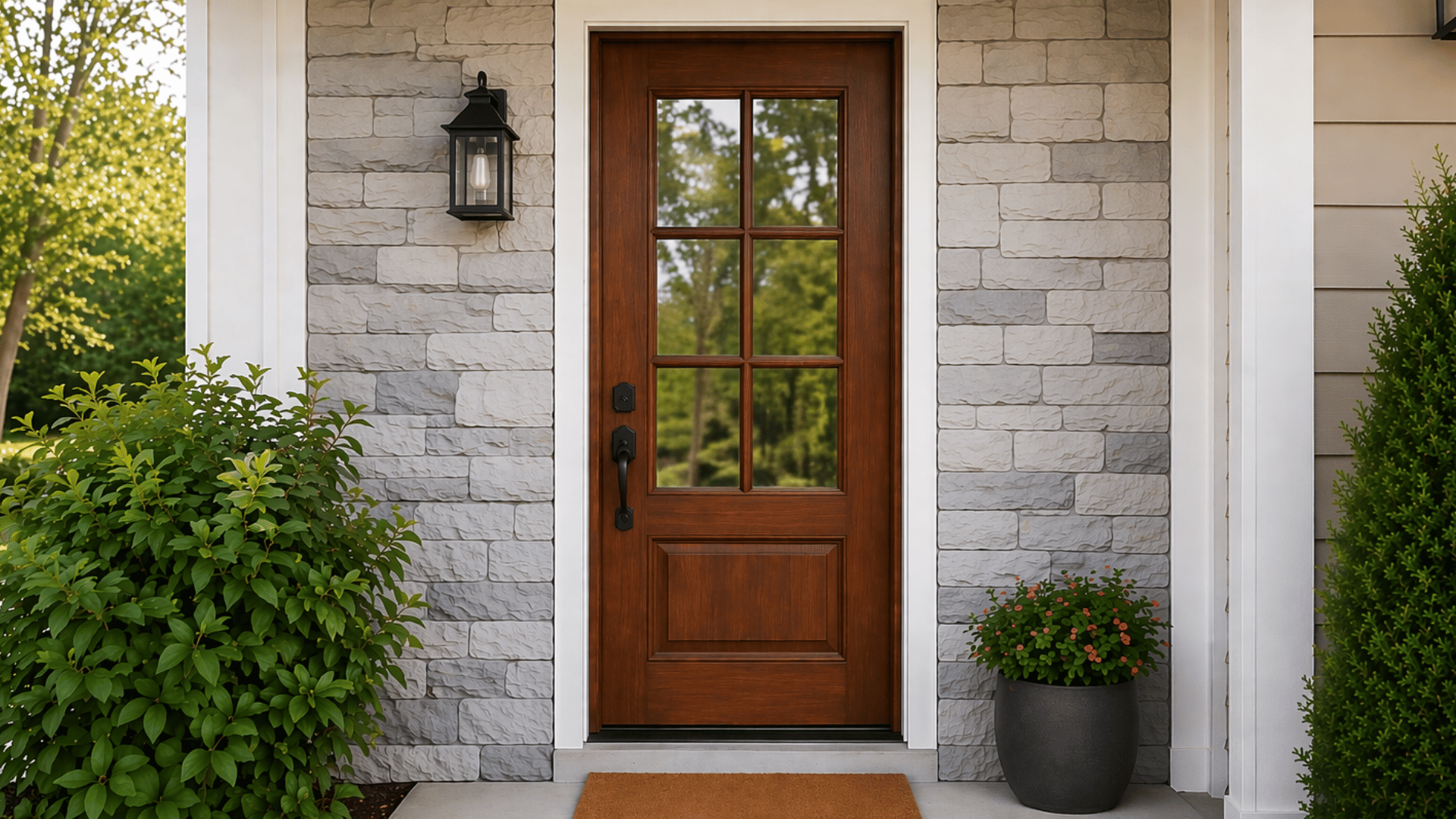
A wood door with glass is built to the exact dimensions of the opening, making it the most flexible option for properties with non-standard or older residential frames.
A door sized precisely to the opening installs cleanly, seals well, and performs better over time with no adjustment needed.
This approach to sizing removes the risk of gaps, drafts, or misalignment that can occur when a standard size does not quite match the existing frame.
Sizes:
- Width Range: 24″ – 72″ inches
- Height Range: 80″ – 108″ inches
3. Solid Steel Door
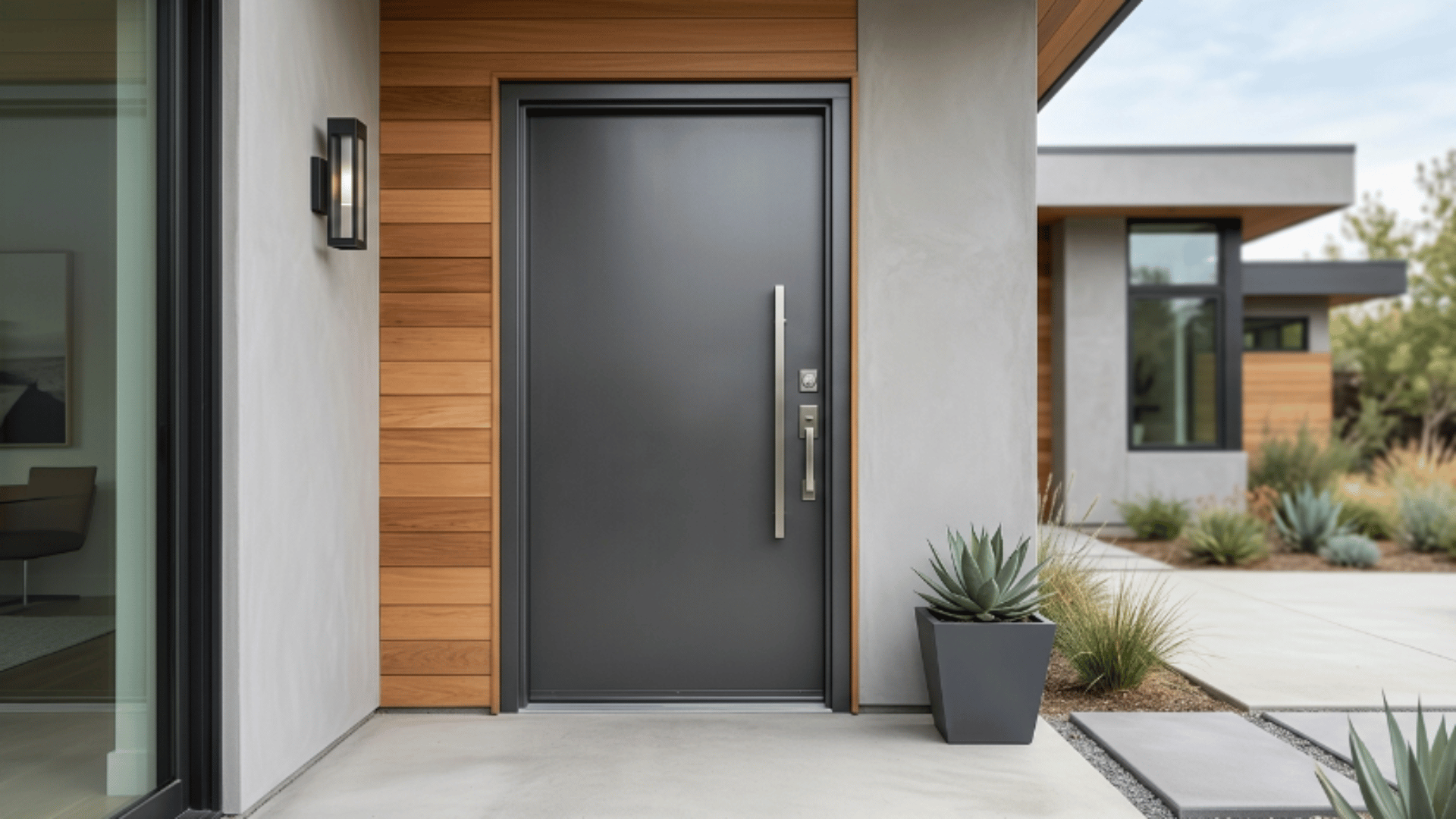
A correctly sized steel door fits snugly within the frame, improving both security and energy performance from the day it is installed.
The size range matches the standard openings found in most residential properties, making installation simple with no need to alter the frame.
Sizes:
- Width Range: 30″ – 36″ inches
- Height Range: 80″ – 96″ inches
4. French Door
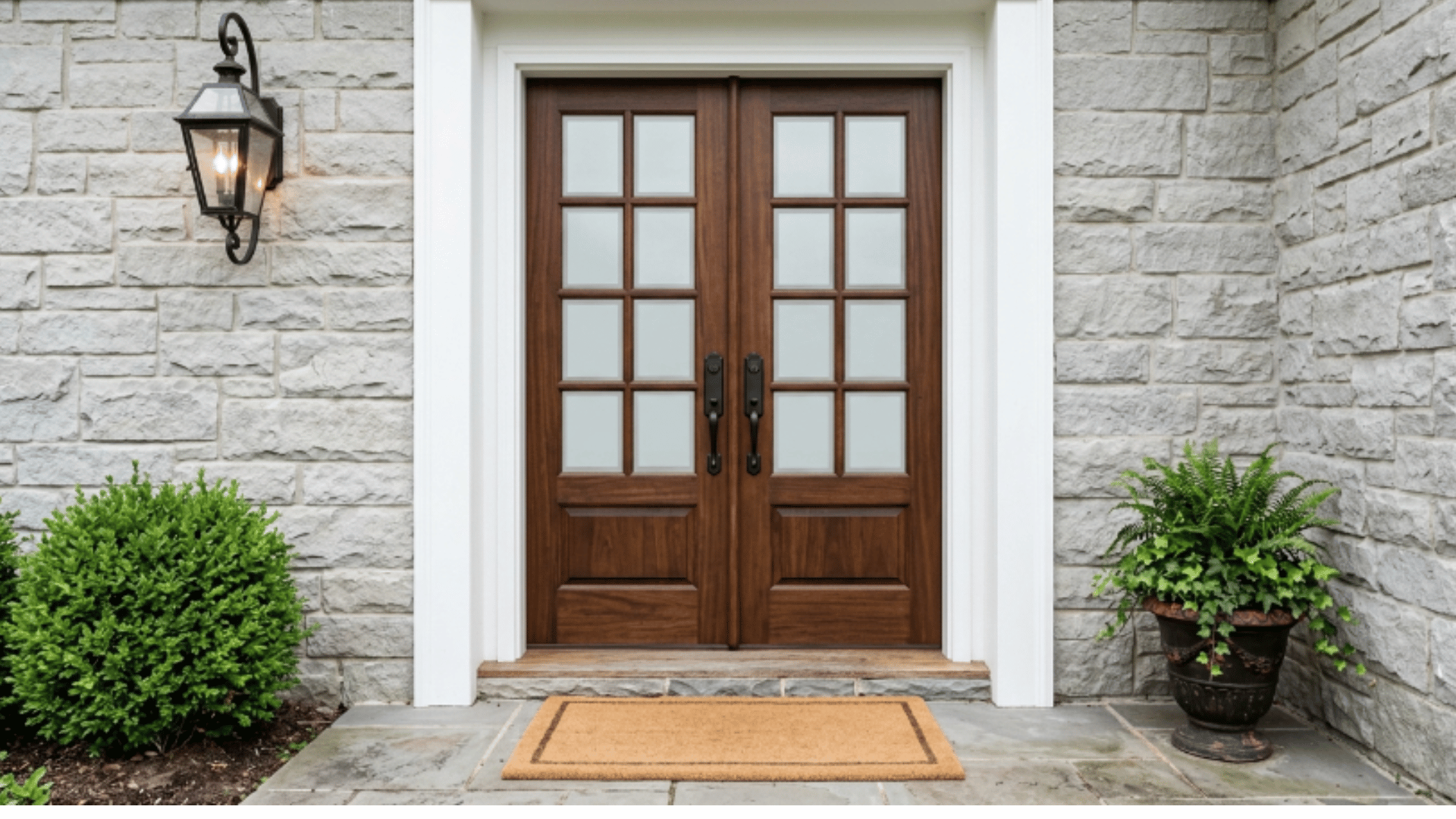
A French door is a classic double-door option that works well for openings where both style and wider clearance are equally important.
The size range covers most standard residential double openings, which means installation rarely requires changes to the existing frame structure.
Sizes:
- Width Range: 60″ – 72″ inches
- Height Range: 80″ – 96″ inches
5. Sliding Door
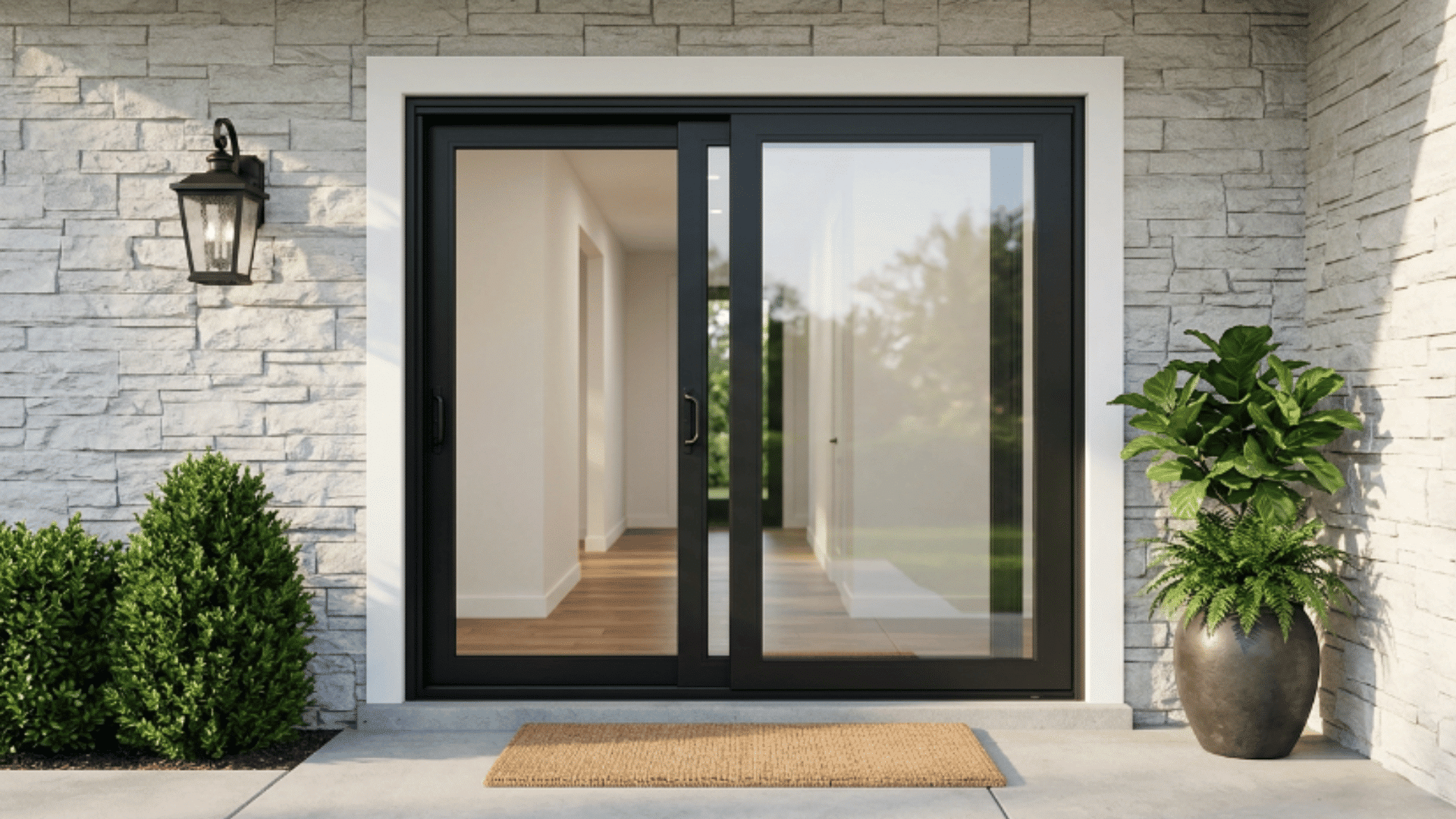
A sliding door is designed for openings that require a wider clearance, making it a practical choice for patios, back gardens, and large interior spaces.
The horizontal movement of a sliding door means no swing clearance is needed, which works well in spaces where floor area is limited.
The size range is broader than most standard doors, giving homeowners more flexibility when fitting it into larger or wider openings.
Sizes:
- Width Range: 60″ – 96″ inches
- Height Range: 80″ – 96″ inches
6. Panel Door
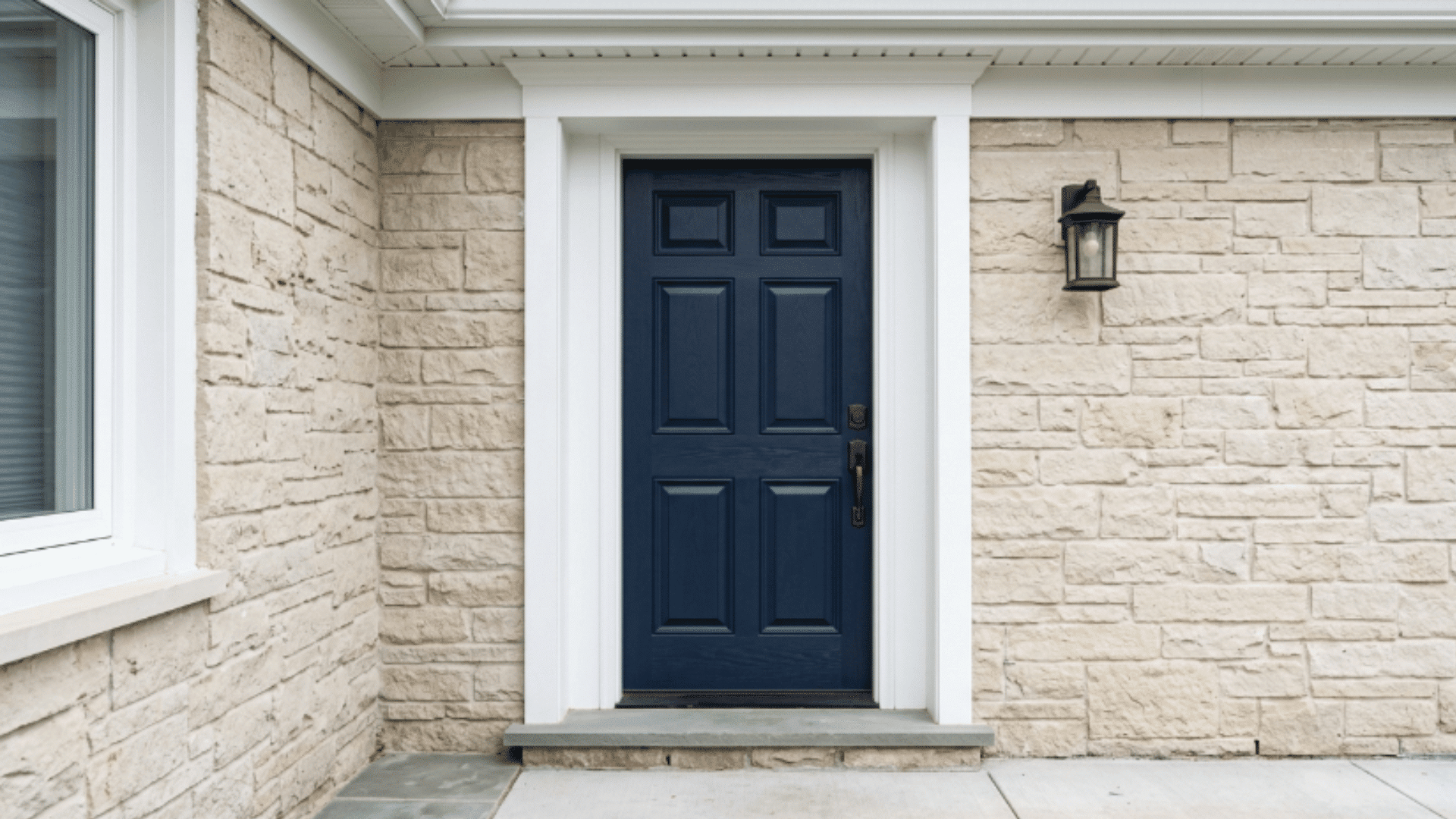
A panel door adds a structured, traditional look to any residential opening while fitting comfortably within standard frame dimensions.
The size range aligns well with most existing residential frames, making panel doors a straightforward replacement option in both older and newer properties.
Sizes:
- Width Range: 24″ – 36″ inches
- Height Range: 80″ – 96″ inches
7. Bi-Fold Door
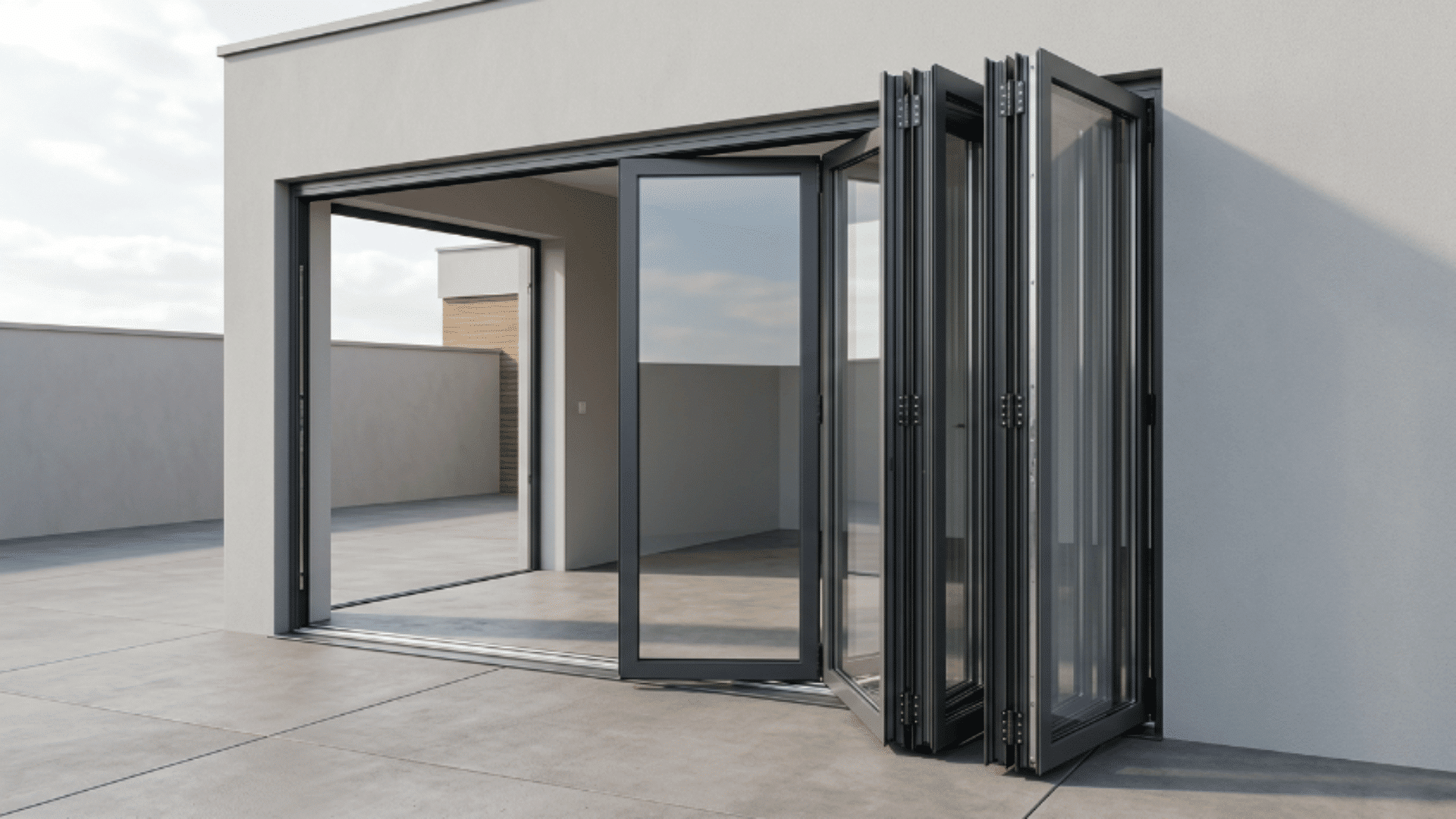
A bi-fold door is built for wider openings where a single or standard door would not provide enough clearance or visual impact.
The folding panel design allows the door to open fully without taking up swing space, making it ideal for closets, utility areas, and room dividers.
Sizes:
- Width Range: 24″ – 72″ inches
- Height Range: 80″ – 96″ inches
8. Closet or Small Spaces Door

A closet or small-space door is sized to fit the narrowest openings in residential properties without making the area feel cramped or difficult to access.
The smaller width works well in tight layouts where a wider door swing would interfere with surrounding walls, furniture, or fixtures.
Sizes:
- Width Range: 24″ – 26″ inches
- Height Range: 80″ – 96″ inches
9. Bathroom Door
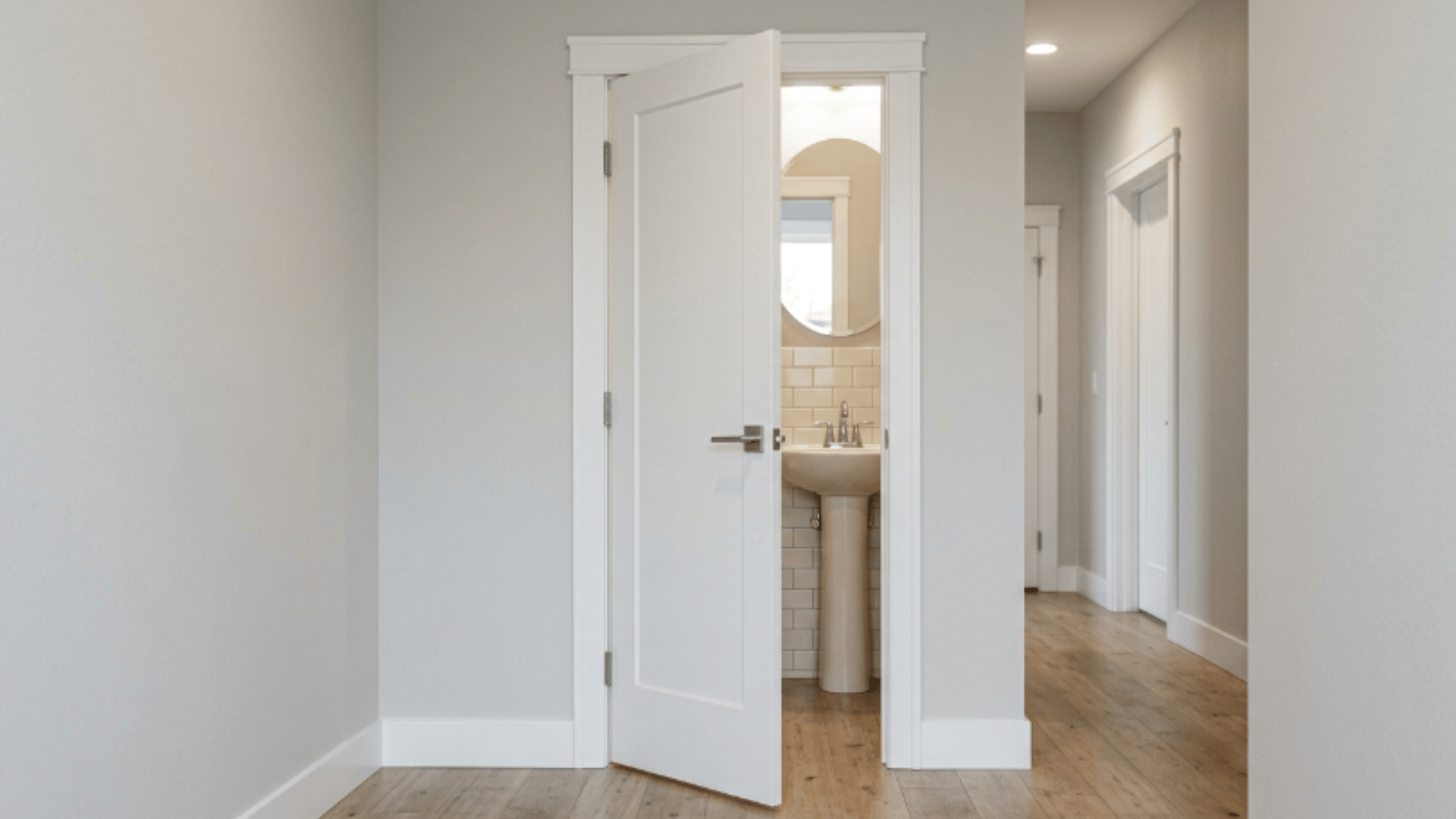
A bathroom door is sized to fit the narrower openings typically found in residential bathrooms while still allowing comfortable entry and exit.
The width is narrow enough to work within tight hallway and bathroom layouts without taking up unnecessary swing space around the opening.
A properly sized bathroom door closes flush, seals well, and stays aligned over time without requiring frame adjustments.
Sizes:
- Width Range: 28″ – 30″ inches
- Height Range: 80″ – 96″ inches
10. Bedroom Door
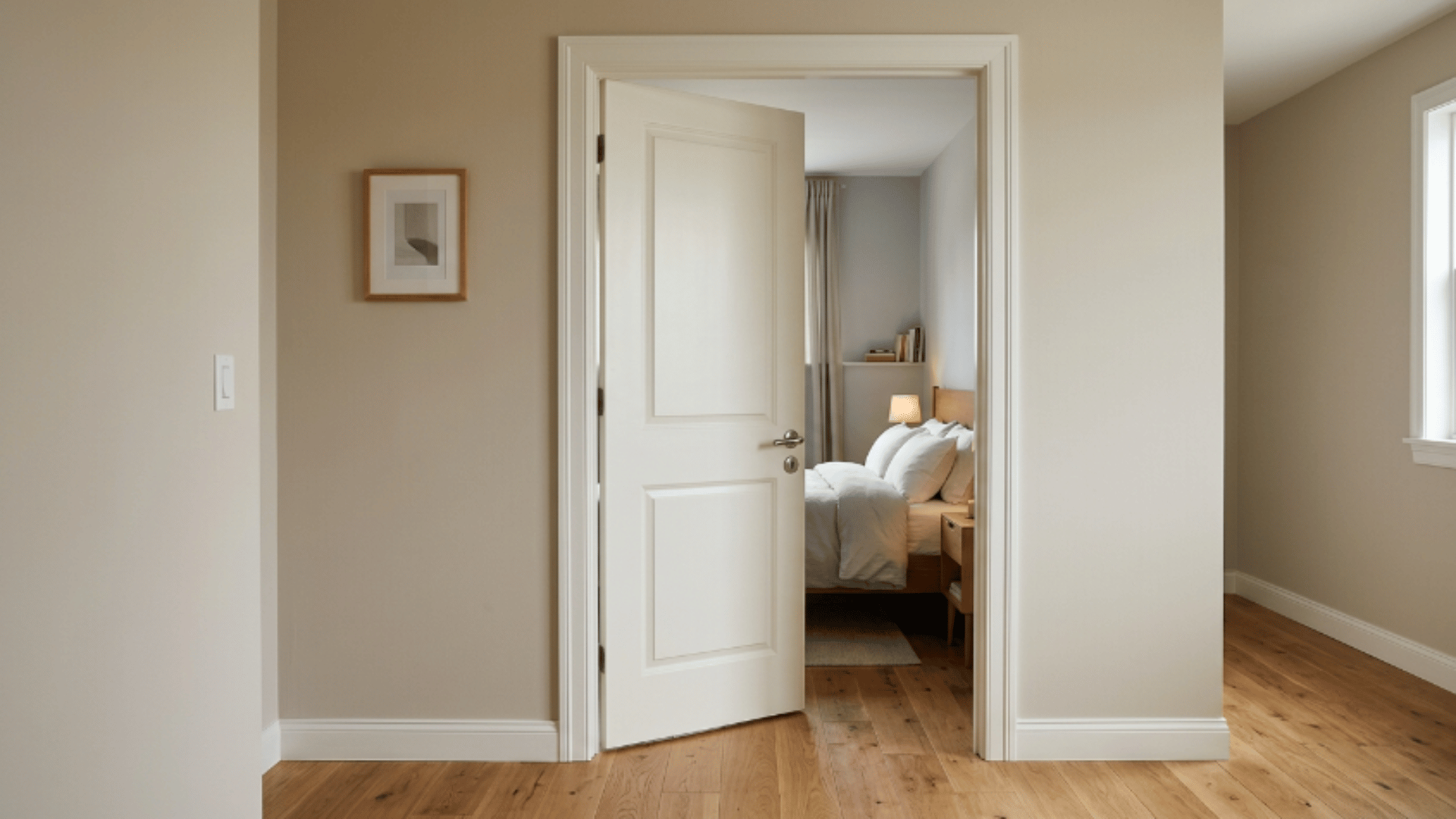
A bedroom door is one of the most commonly replaced and installed door types in residential properties across all build types.
The width provides enough clearance for comfortable daily use while fitting cleanly within the standard frame openings found in most bedroom layouts.
The size range also accommodates furniture movement in and out of the room without requiring a wider or custom opening.
Sizes:
- Width Range: 30″ – 32″ inches
- Height Range: 80″ – 96″ inches
Tips for Choosing the Right Door Width for Your Home
Knowing how wide a standard door is is only the first step; choosing the right width for a specific opening comes down to a few practical factors, and checking before making any decisions.
- Check Clearance: Make sure there is enough space on both sides of the opening for the door to open and close without hitting walls or nearby furniture.
- Match Door Type: Different door types, such as sliding, hinged, or folding, each require different width allowances, so the door style should be decided before settling on a size.
- Account for Trim: The finished width of the opening changes once door trim and casing are added, so factor in that extra material before selecting a door size.
- Plan for Traffic: High-traffic areas like main entries and hallways benefit from a wider door to allow comfortable movement in both directions at the same time.
- Think Long Term: Consider how the space might be used in the future; a slightly wider door now can save the cost and effort of a replacement later.
Wrapping It Up
Getting the right door size is one of those decisions that affects how a space looks and functions long after the installation is done.
The material, the frame condition, and the way the door is used every day all contribute to whether the final choice holds up well over time.
A door that is selected with care from the start requires far less adjustment, maintenance, and cost in the years that follow.
Knowing how wide a standard door is gives any homeowner a reliable starting point before comparing types, styles, and sizes.

Holding a Master’s in Construction Management from Purdue University, William Ray has dedicated more than two decades to studying and applying construction principles. His professional journey includes a tenure with a prominent construction firm, where he specialized in project management and building technologies. William brought his knowledge to our team, providing in-depth insights into practical construction techniques. As the leader of our beginner’s guide to building since 2019, he has a knack for breaking down intricate processes into easily digestible content. When not involved in writing or onsite consultations, William enjoys woodworking and volunteering in community building projects, which aligns with his passion for hands-on construction and community service.