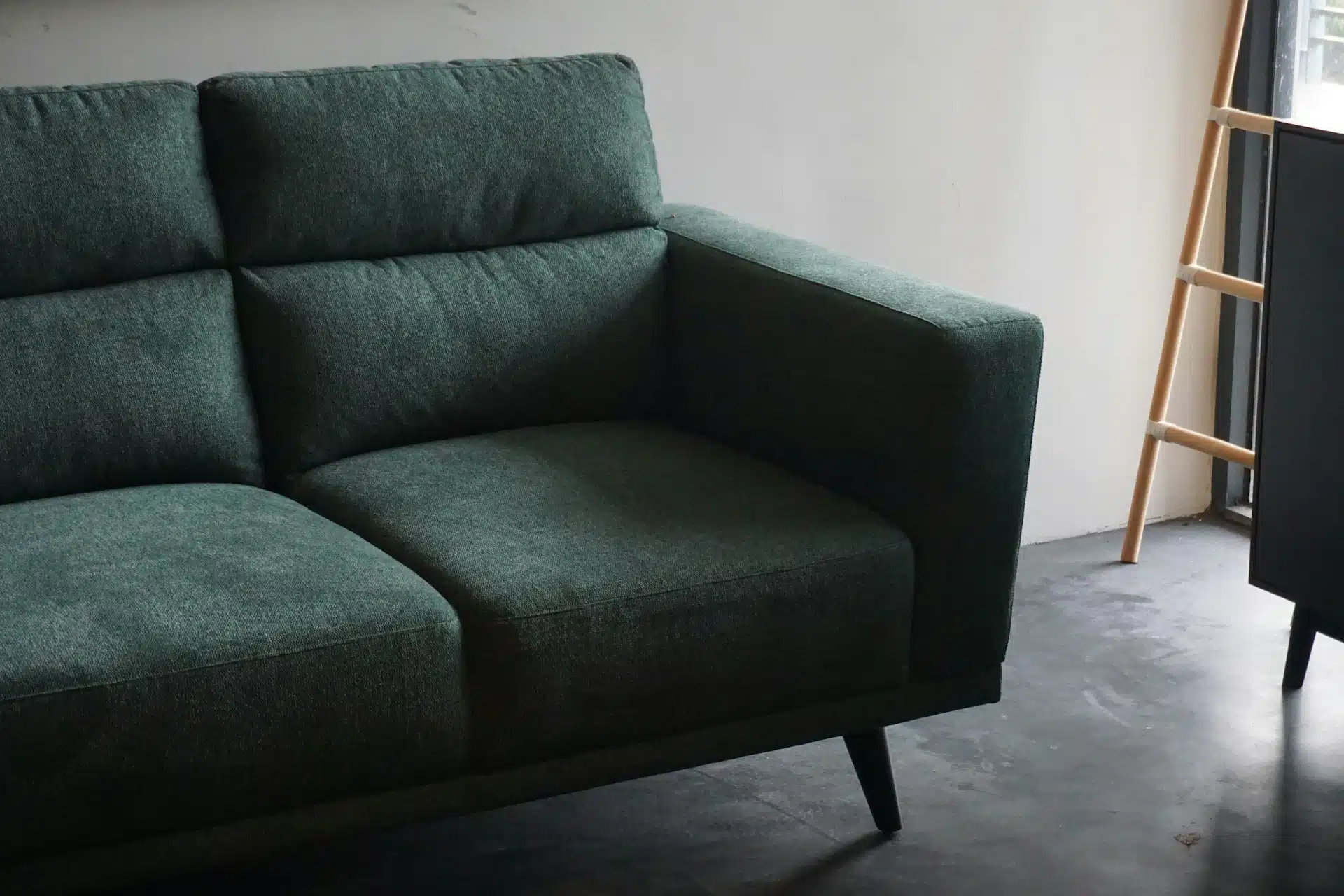

Shoppers tend to do their homework before they buy. They measure the room, weigh fabric options, read the return policy, and scan any reviews they can find. Far less thought goes to what happens next, when the sofa has to perform across weeks, months, and years of ordinary living. With a sofa system designed around washing and modular pieces, that stretch after the sale is where the idea proves itself or doesn’t.
Anabei sells furniture direct to consumers and was developed under CABA Design, a company experienced in manufacturing, supply chain operations, and product development.
Its sofas share a modular system built on powder-coated steel frames, performance upholstery, and cushion and frame covers that come off completely and go in the washing machine. To picture day-to-day ownership, it helps to follow how those pieces work together, starting with the day the order shows up.
Arrival Day and Putting It Together
Anabei operates on a direct-to-consumer model, so buying and delivery are handled by the brand itself, with no retail middleman involved. CABA Design’s supply chain infrastructure backs up lead times, and it is set up to cut down on the delays people often run into when furniture moves through conventional wholesale and retail channels.
Rather than showing up as one assembled piece, the sofa comes in modular sections. FedEx parcel carries them in boxes sized to be handled and brought inside without much struggle. The benefit goes past shipping convenience.
Separate sections fit through doorways, hallways, and stairwells that a fully built sectional would have trouble clearing. People living in apartments, or in houses with tight entrances, may find this detail speaks directly to their situation.
Assembly is meant to be a do-it-yourself job, with no professional installer needed. The sections join and arrange to match whatever layout the buyer picked, and no specialized tools are involved. Putting covers on the new pieces is a simple process, and Anabei offers guidance to first-time buyers setting up their configuration.
That first experience frames everything that follows. When a sofa system arrives in manageable sections, goes together without outside help, and is ready to sit on within a reasonable time, the buyer’s first contact with the product carries very little friction.
The First Trip Through the Washing Machine
Washability stops being an idea and becomes something real the first time an owner takes the covers off and runs them through a wash. The whole process is meant to happen at home in a standard washing machine, with no professional cleaning equipment or service required.
Cushion covers unzip, and frame covers slip off, with no tools needed for either. Once they’re off, owners wash them following the care guidance for that particular fabric and cover set.
The point is significant because the Anabei machine-washable cover system doesn’t stop at the seat cushions or a few separate fabric panels. It covers both the cushions and the frame, which gives owners a fuller way to keep the sofa in shape as time goes on.
What that means in daily terms is simple. Spills, pet hair, dust, and the usual wear of household life don’t have to stay on the sofa for good. Cleaning the covers is meant to be part of routine home upkeep, not something that requires booking a professional.
Rearranging as the Household Shifts
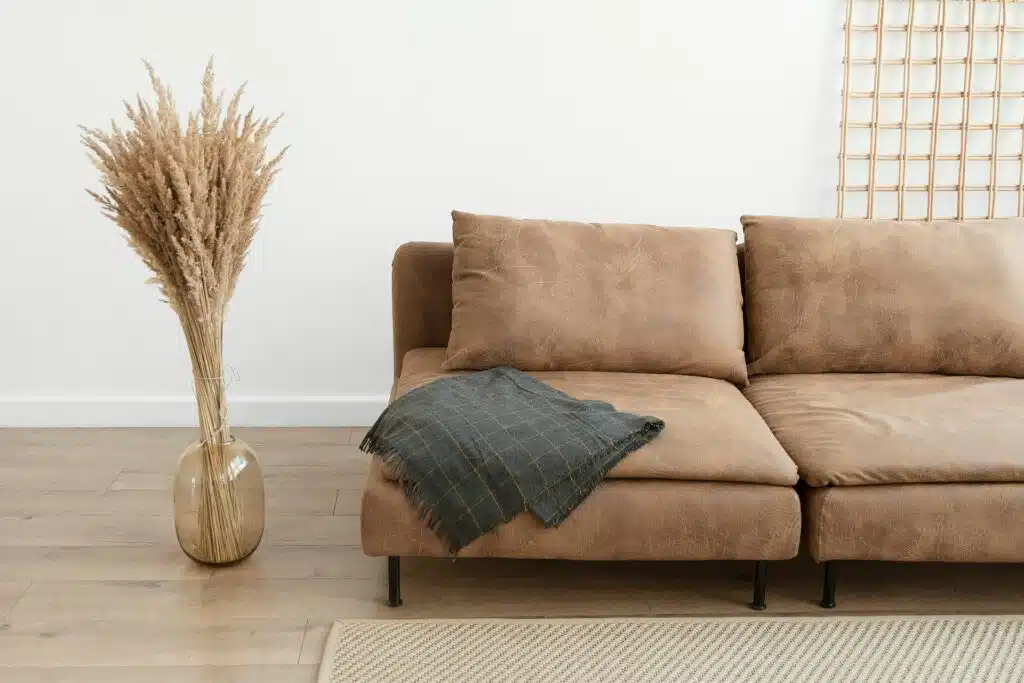
A modular system carries a benefit that is easy to overlook at first: the layout can change without buying new furniture. Someone who begins with a standard configuration can add sections as the household gets bigger or the space changes. Someone moving into a smaller place can take sections away and adjust the layout instead of replacing the whole sofa.
Anabei designed its modular system so that rearranging takes less effort than the original setup. Sections already assembled and in use can be unhooked, moved, and joined again wherever the layout calls for them.
For owners who expect life changes, whether a growing family, a move, or a renovation, that adaptability is a practical advantage that tends to grow more valuable the longer they own the sofa.
The modular sofa system also shifts how long-term value gets measured. A fixed sofa belongs to one room and one arrangement. A modular one moves with the household, which suits homes and needs that are likely to change.
Fabric Upkeep on the Household’s Own Timetable
Consistent care is what keeps fabric lasting instead of wearing out early. Anabei furniture is built around an upkeep routine owners can handle at home, on whatever schedule fits their household, rather than holding off until visible wear forces a call to a professional cleaner.
In homes with kids or pets, washing on a regular basis can help the fabric stay cleaner over the long run. Between washes, the performance upholstery is engineered to resist absorbing liquids and stains, while the machine-washable covers let owners refresh the sofa at whatever interval matches how heavily it gets used.
Those two elements together sit at the heart of owning the sofa. Nobody expects the fabric to shrug off every spill, pet encounter, or everyday mark with no care at all. The sofa is instead designed around a level of care that families, pet owners, and design-conscious homeowners can realistically keep up, so the furniture stays in use longer.
Getting Help Straight From the Brand
When the purchase is made directly with Anabei, support after the sale also comes from the brand, not from a retailer that may lack the authority or product knowledge to help. Because the sofa system has particular care and configuration instructions, having direct access to the brand’s support resources is a real advantage, even if buyers don’t think about it until a question comes up.
CABA Design’s operational background strengthens that relationship. With manufacturing and supply chain experience behind the brand, questions about replacement covers, extra modules, or product care get handled nearer to the product, rather than by a retail customer service team that sits apart from the manufacturing process.
For buyers researching Anabei sofa reviews, the direct-to-consumer model is relevant for more than price alone.
It also affects customization, support, what to expect from delivery, and the ability to expand or maintain the product after buying it. Sofa configurations in the collection start at $699, in keeping with the brand’s focus on practical value paired with long-term ownership.
Judging the Sofa Over the Long Run
The thinking behind owning an Anabei is that furniture should be cared for, adjusted, and kept in use over time, not thrown out when it first shows wear. Machine-washable covers, modular sections, powder-coated steel frames, performance upholstery, and the DTC support structure all work toward that goal.
The question that matters most isn’t just whether the sofa looks good on arrival. It’s whether it keeps doing its job for the household after months and years of normal life. Anabei’s design aims to answer with practical features instead of claims that stay on the surface.
About Anabei
Anabei is a direct-to-consumer furniture brand developed under CABA Design. It specializes in modular sofa systems with fully removable, machine-washable covers, powder-coated steel frames, and performance upholstery made for families and pet owners. The brand sells directly to consumers and handles delivery, setup, and ongoing support without a retail intermediary. Learn more about Anabei and how it approaches washable, modular furniture.

With a Master in Architectural Studies from University of Pennysylvania, Marwa Haydar has pioneered living spaces since 2005. Her expertise, initially honed in a prestigious architectural firm, is evident in her approach to creating environments. Marwa became part of our team in 2019 and has since been a driving force in our home improvement section, known for her practical yet stylish solutions. She’s been spearheading our design workshops since then, infusing her passion for teaching into her work. In her leisure time, Marwa enjoys exploring historic architecture and is an enthusiastic pottery hobbyist, further enriching her understanding of form and texture.