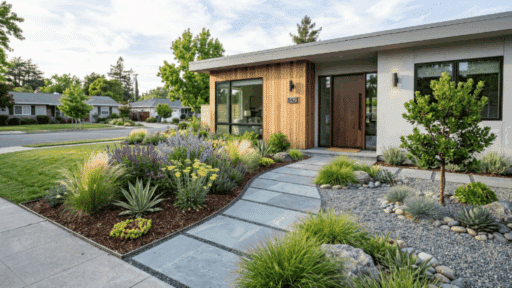
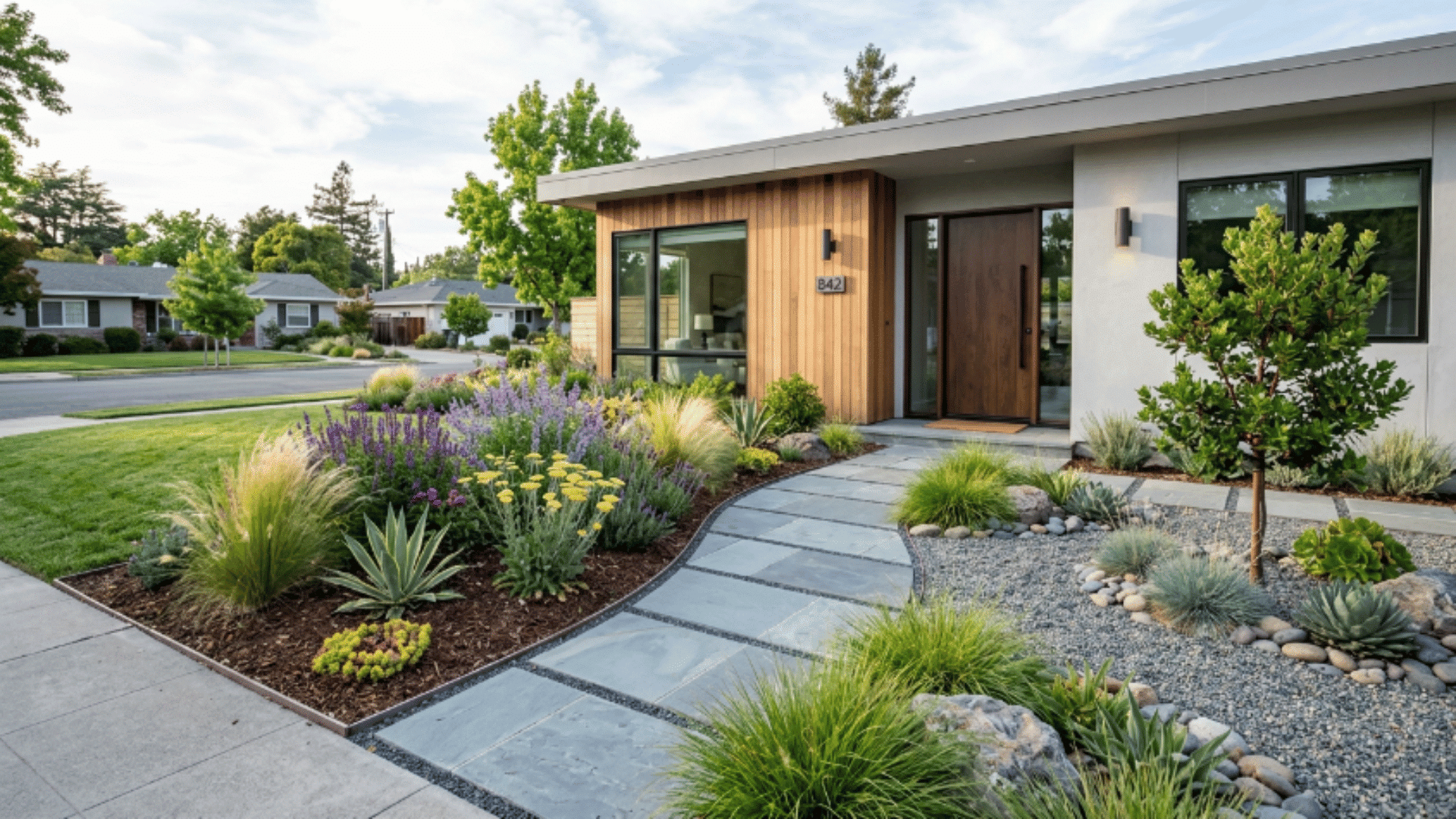

When it comes to your front yard, you want a space that stays neat without needing regular mowing, watering, or upkeep. That’s where low-maintenance front yard landscaping comes in.
With a few smart choices, you can create a yard that looks clean and inviting while saving time and effort.
Once you set it up properly, maintaining it becomes much easier, and you can spend less time working and more time enjoying your space.
In this blog, you’ll find simple and practical ideas to help you create a front yard that looks great with minimal effort.
Why Go for Low-Maintenance Landscaping?
Low-maintenance front yard landscaping helps you keep your outdoor space neat without spending too much time or effort.
Instead of constant mowing, watering, and trimming, you rely on smarter choices that reduce daily upkeep.
Drought-tolerant plants, ground covers, and minimal lawn areas all help reduce the need for frequent care. It also helps you save resources like water and lowers overall maintenance costs.
This makes your yard more sustainable and easier to manage throughout the year, especially in changing weather conditions.
For busy residents, it’s a practical way to maintain a clean, welcoming front yard without constant upkeep.
Low-Maintenance Front Yard Landscaping Ideas
If you want a front yard that looks good without constant effort, these ideas focus on simple setups, smart plant choices, and materials that are easy to manage over time.
1. Use Drought-Tolerant Plants
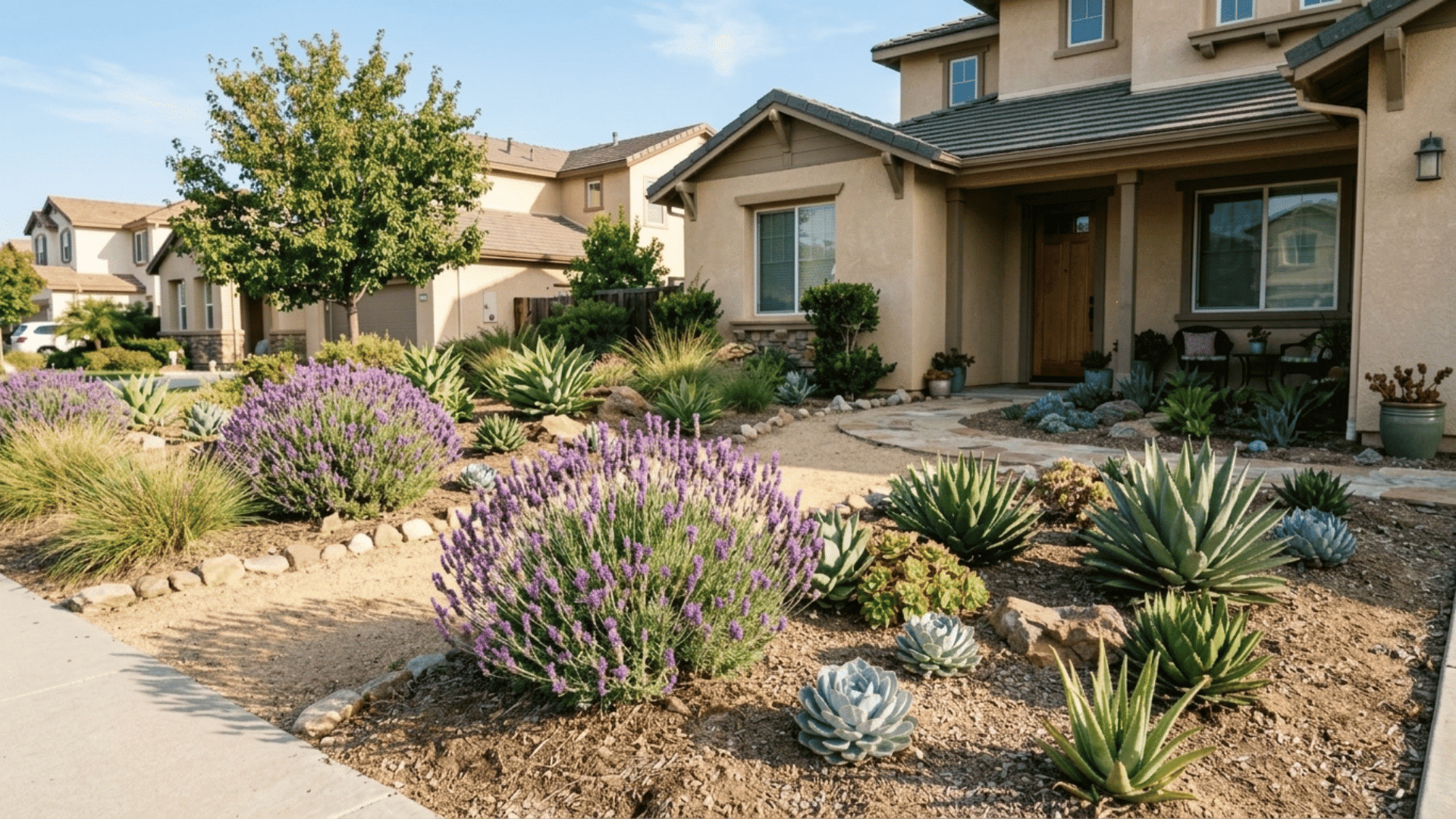
Drought-tolerant plants are one of the easiest ways to reduce maintenance in your front yard. These plants are built to survive with less water, so you don’t have to worry about frequent watering.
They do well with minimal watering, require less attention over time, and handle heat and dry conditions well.
As a result, they stay healthy throughout the year with long-lasting growth. Examples include succulents, lavender, and ornamental grasses.
2. Replace Grass with Gravel
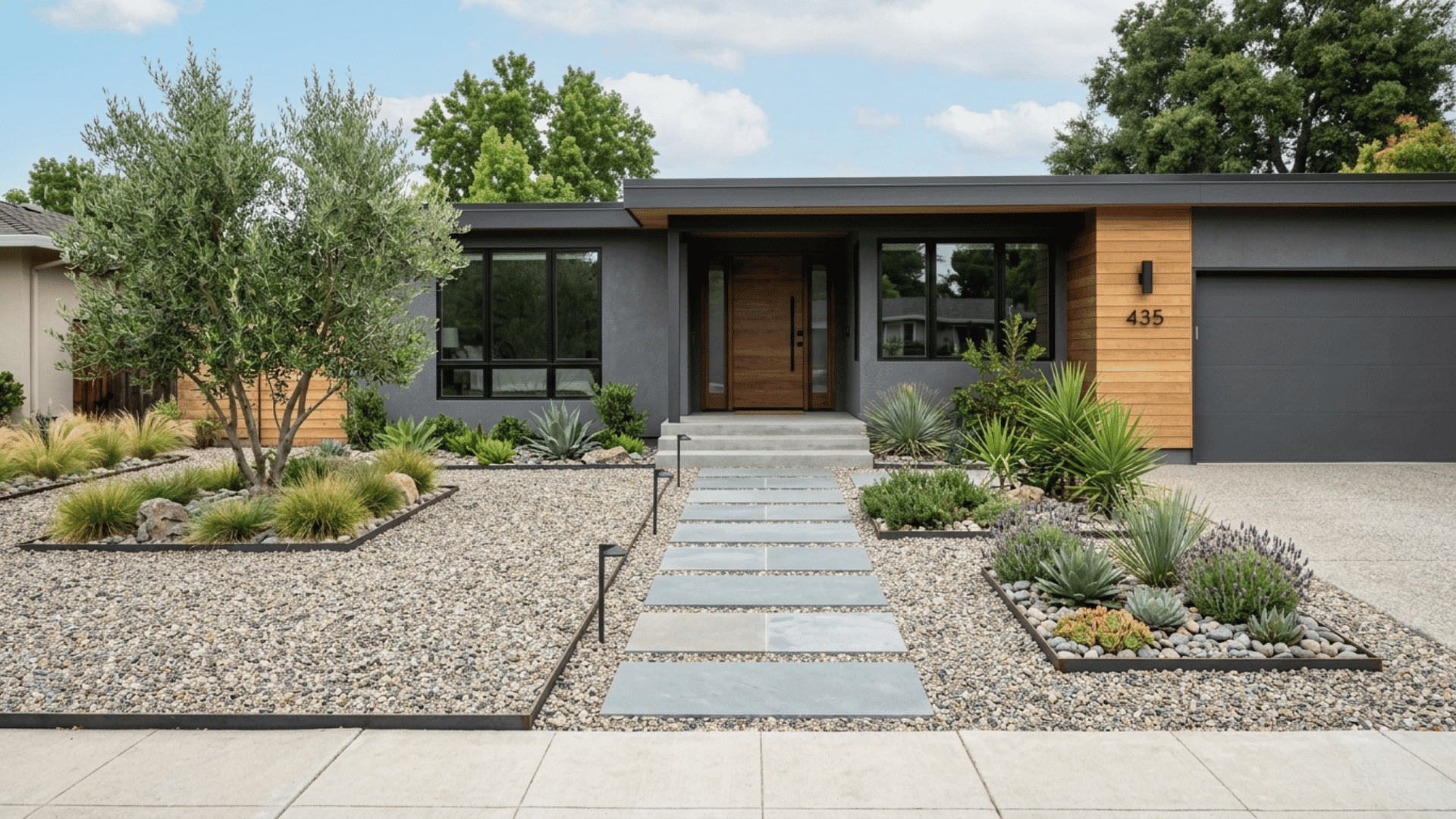
Replacing grass with gravel can significantly reduce the need for regular yard work. Lawns require mowing, watering, and ongoing care, while gravel stays in place with very little effort.
It eliminates the need for mowing, uses very little water, and creates a durable, long-lasting surface. It’s also quicker to set up than growing grass and gives your yard a neat, structured appearance.
3. Add Mulch Beds
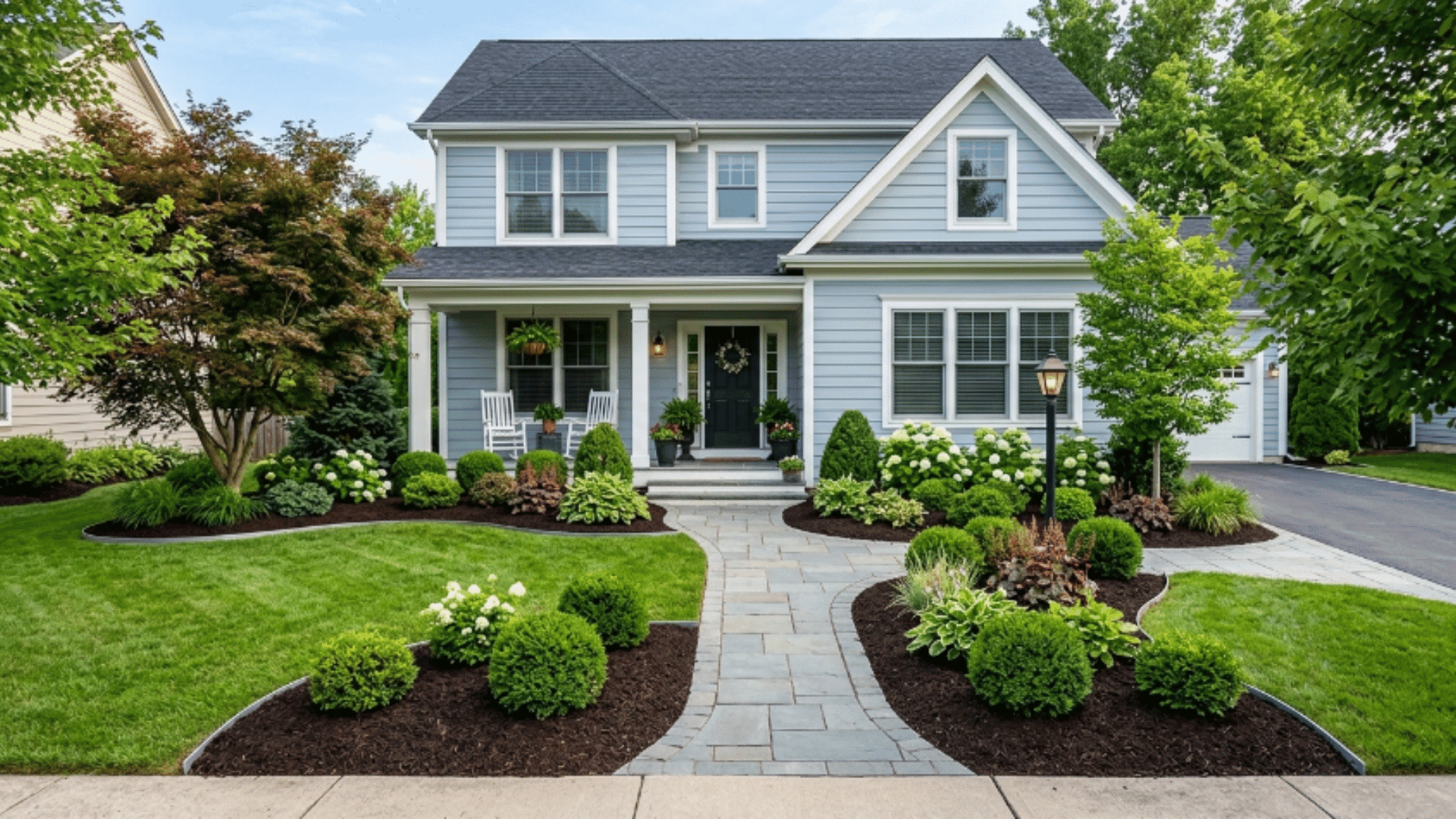
Mulch beds improve both the look and function of your yard while keeping maintenance low. They help retain moisture in the soil, reducing the frequency of watering.
At the same time, they control weeds and slowly add nutrients as they break down. This creates healthier soil, a cleaner finish, and requires minimal upkeep overall.
4. Choose Native Plants
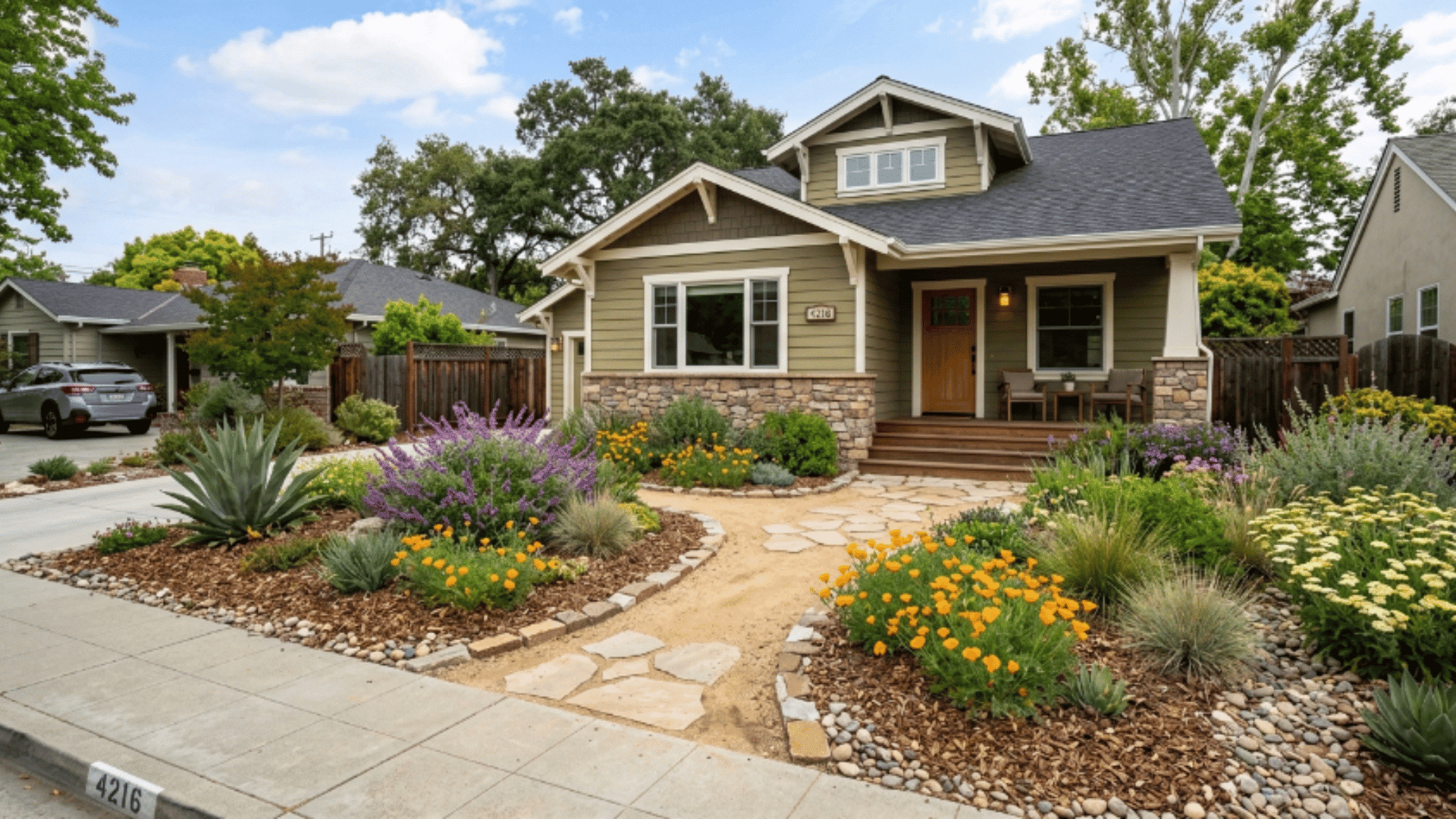
Native plants are naturally suited to your region, which makes them easier to maintain. They adapt well to local climate conditions, require less watering, and grow stronger over time.
Since they need minimal care and fewer resources, they are also an eco-friendly choice that supports the local environment.
5. Install Artificial Turf
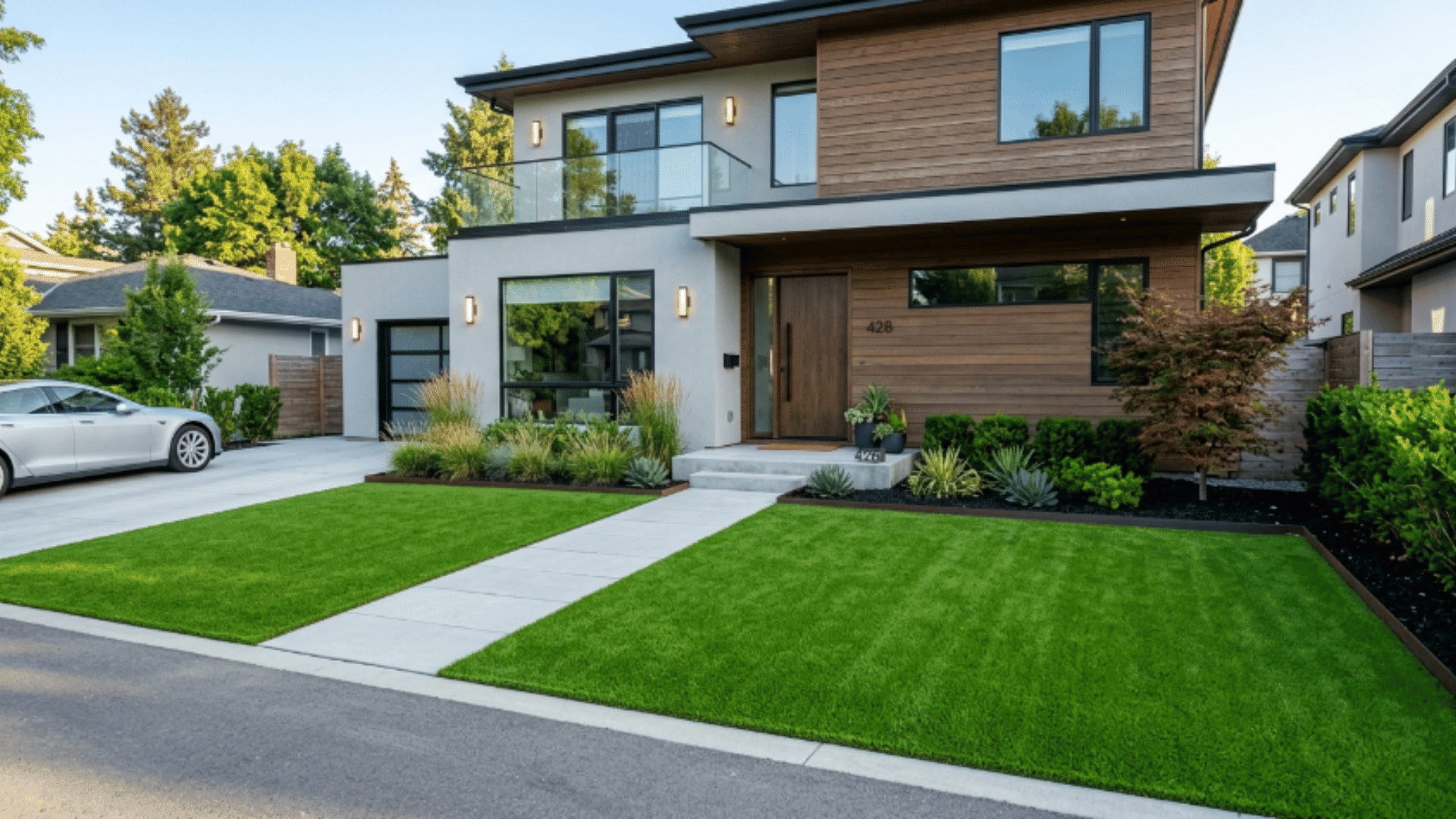
Artificial turf gives you the look of a green lawn without the effort of maintaining real grass. It requires no watering or mowing and stays green throughout the year, regardless of the weather.
This makes it a clean, consistent, and low-maintenance option, free of mud, patches, or uneven growth. It’s also ideal for high-traffic areas, as it doesn’t wear out easily and remains visually appealing over time.
6. Use Evergreen Shrubs
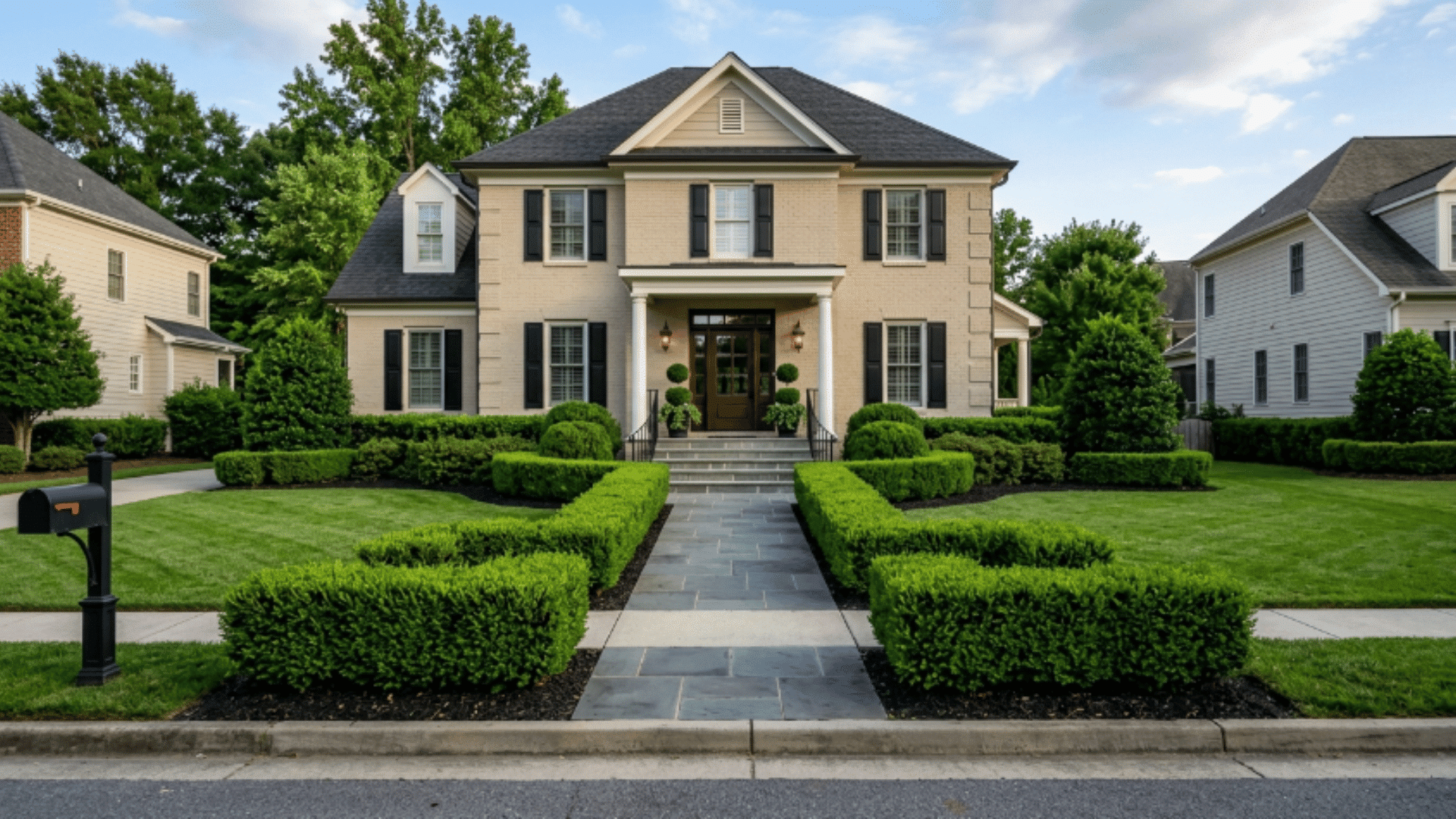
Evergreen shrubs keep your front yard looking full and green year-round. Unlike seasonal plants, they don’t shed leaves regularly, so the space remains consistent.
They require only occasional pruning, maintain their shape over time, and are strong enough to handle changing weather conditions.
Additionally, they can act as natural borders or privacy screens, giving structure and definition to your yard.
7. Create Rock Gardens
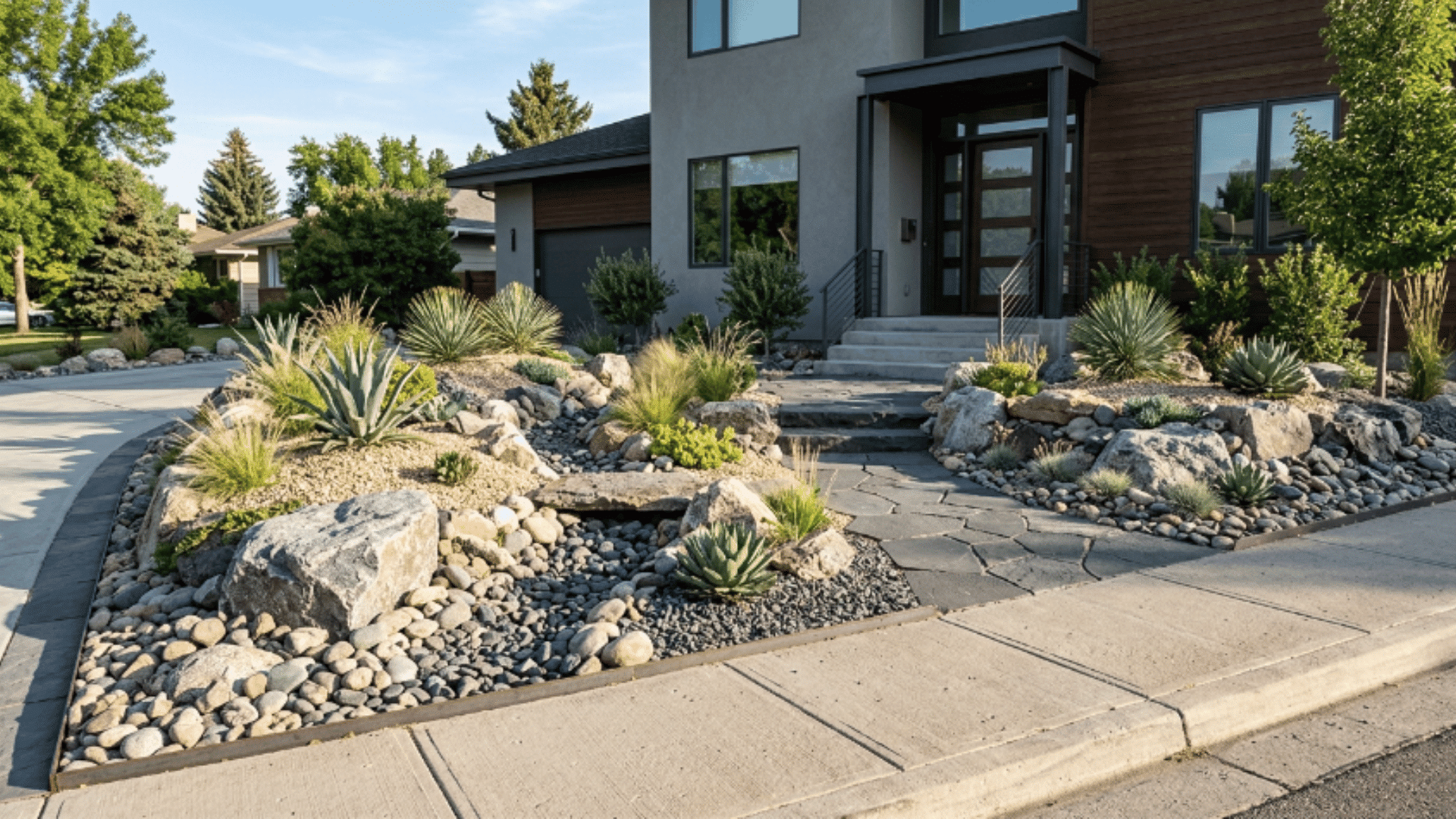
Rock gardens are a practical way to reduce maintenance while adding structure to your yard. Since they rely more on stones than plants, they need very little watering or upkeep.
They are durable, require minimal plant care, and add texture and visual interest while remaining easy to manage. You can also combine them with drought-resistant plants to create a balanced, visually appealing landscape.
8. Plant Ground Covers
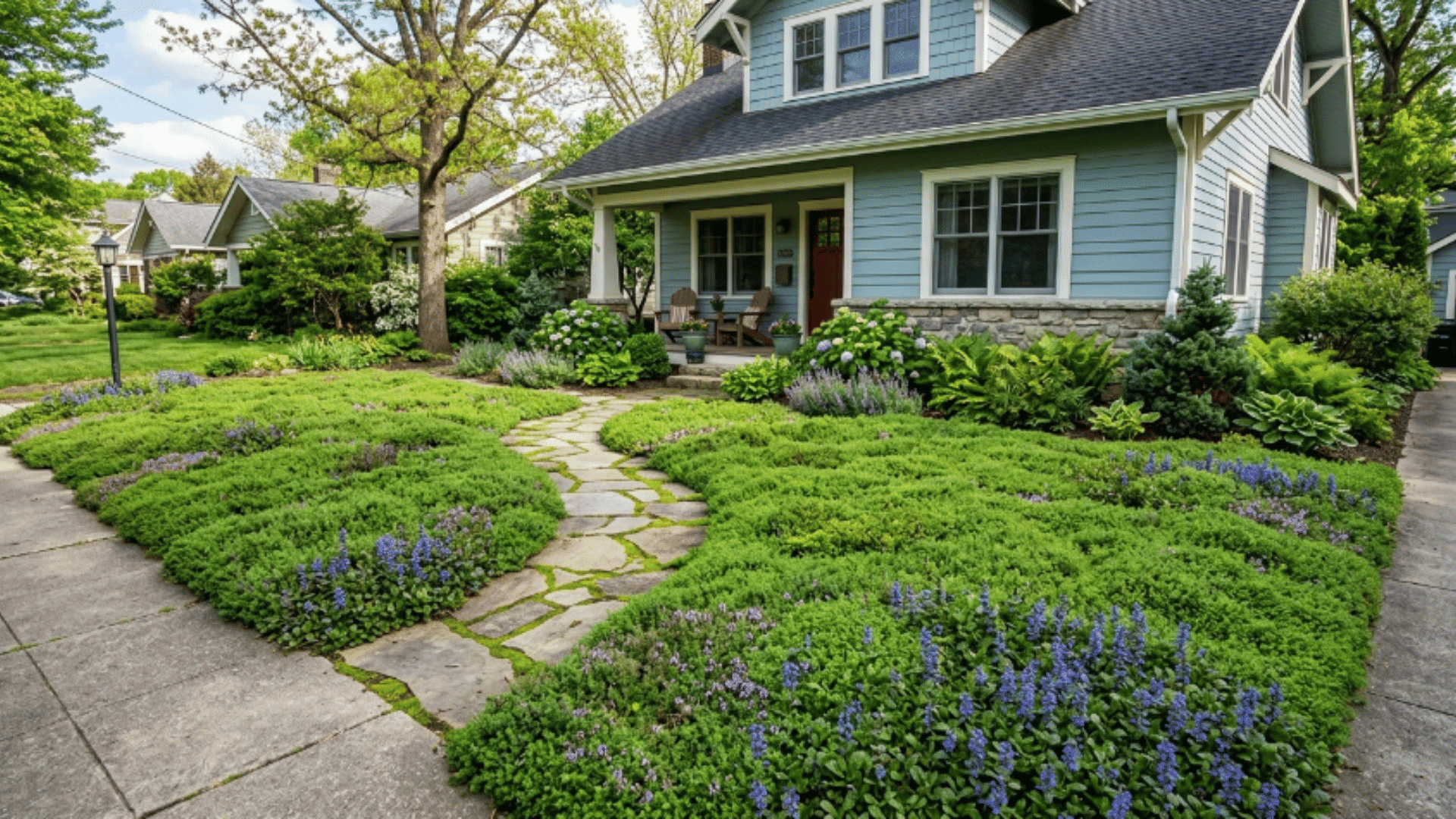
Ground cover plants spread across the soil, reducing the need for traditional lawns. They create a dense layer that limits weed growth and removes the need for regular mowing.
Over time, they naturally fill empty spaces, protect the soil, and keep the area covered with minimal effort. They also help retain moisture in the soil, making them a practical choice for low-water landscaping.
9. Add Raised Garden Beds
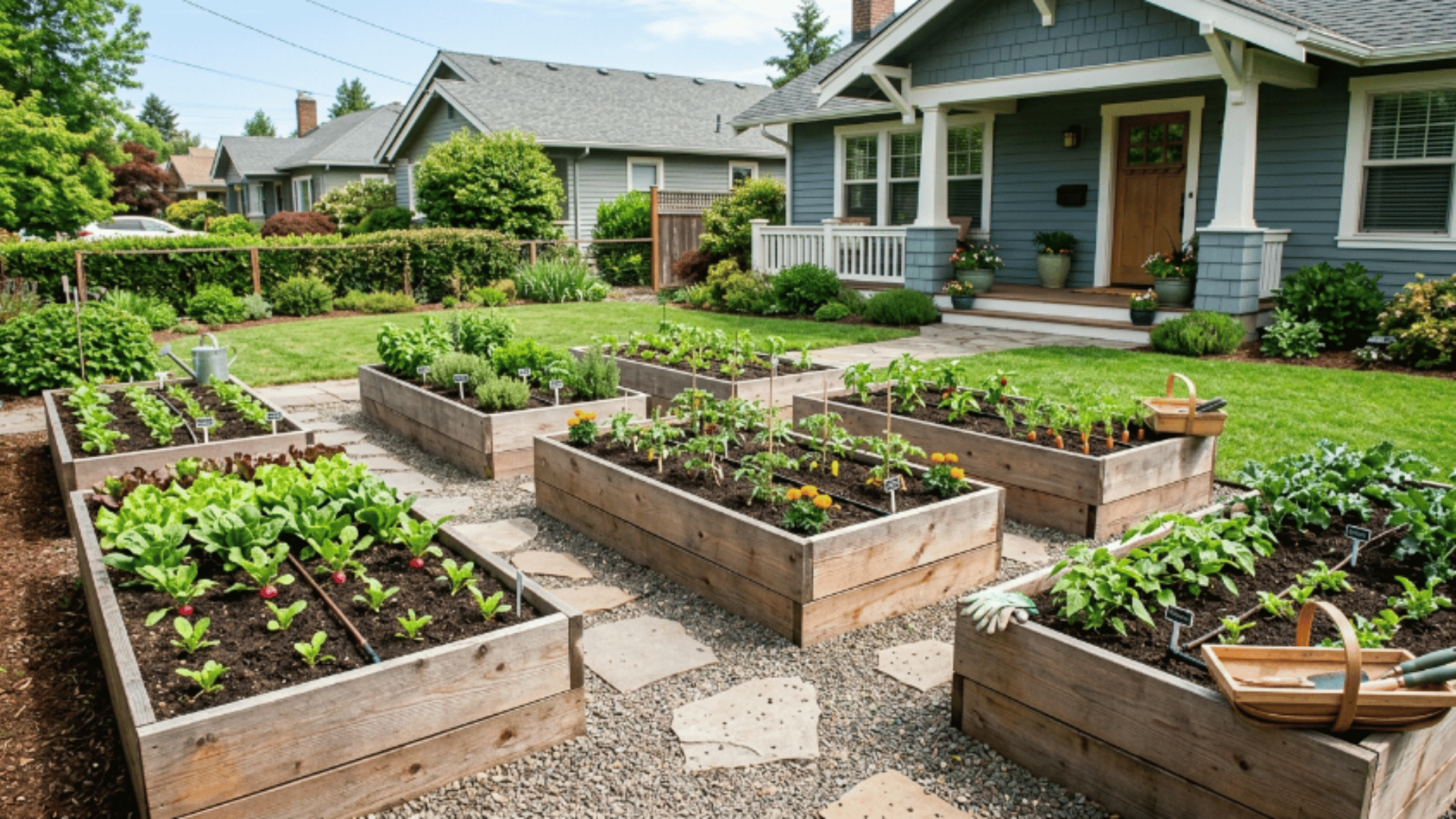
Raised garden beds help organize your yard and simplify plant care. They allow better control over soil quality and make planting more manageable.
With a cleaner layout, fewer weeds, and easier access, they reduce physical effort and keep maintenance straightforward. They also improve drainage and can be customized in size and height to suit your space and comfort.
10. Use Perennial Plants
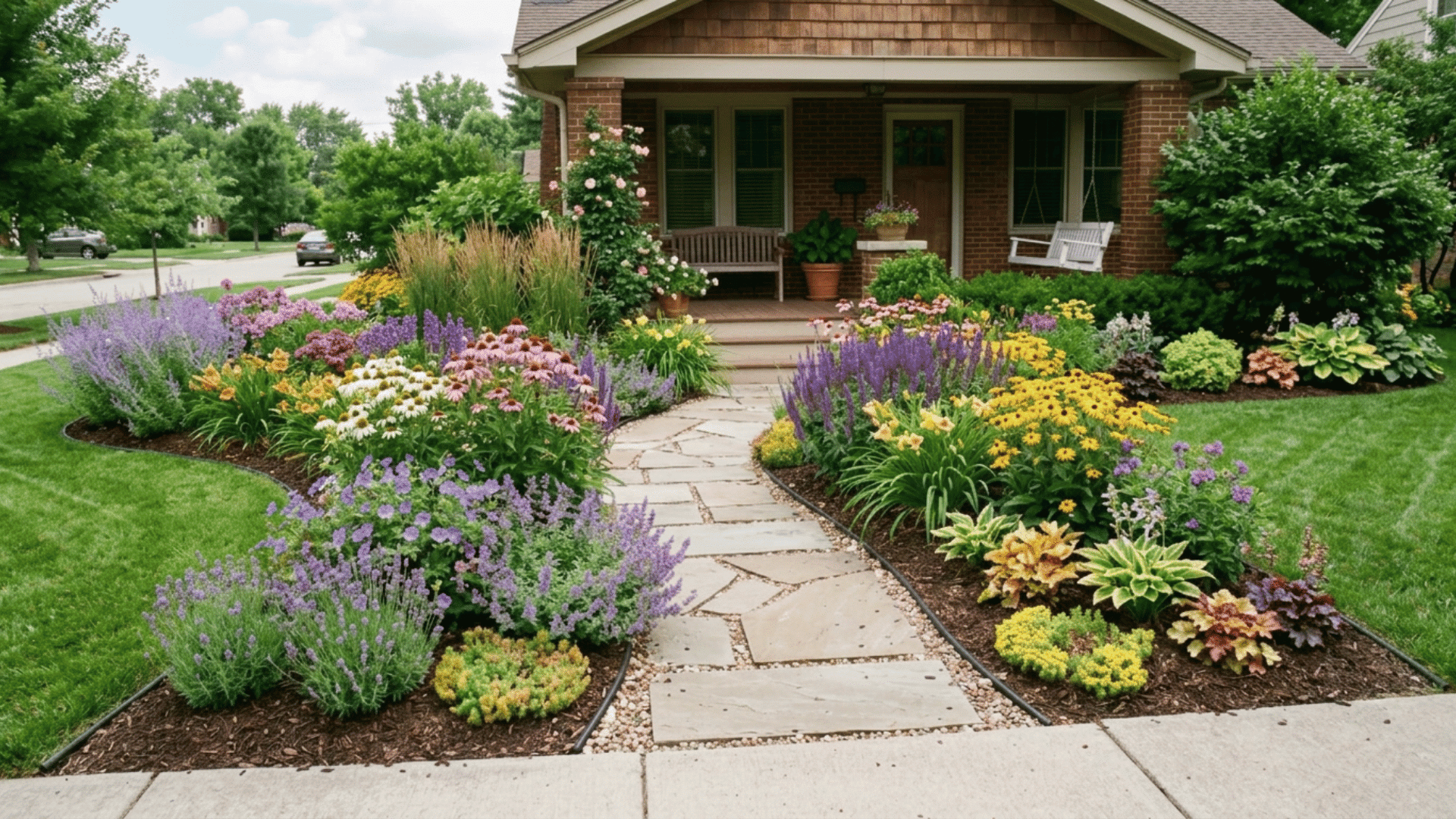
Perennial plants return every year, so you don’t need to replant them each season. Once established, they require less work and maintain a stable appearance over time.
This makes them a cost-effective option for long-term landscaping. They also help improve soil health and support local ecosystems by providing consistent habitat.
With a wide variety of colors and textures, perennials can create visually appealing gardens year after year.
11. Install Drip Irrigation
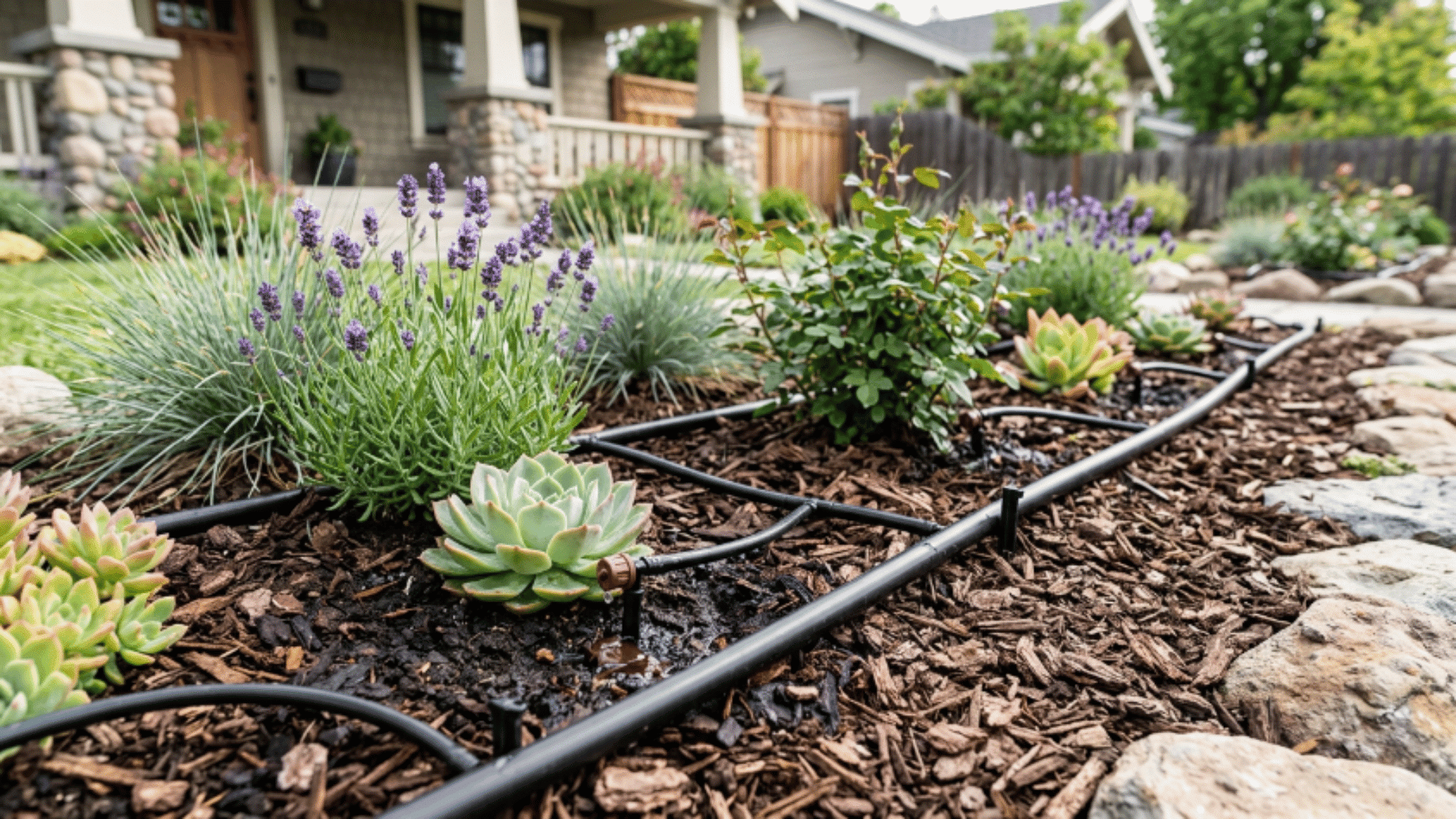
Drip irrigation is an efficient way to water plants with minimal effort. It delivers water directly to the roots, reducing waste and ensuring consistent moisture.
Once installed, it saves time, requires little maintenance, and supports healthy plant growth without manual watering. It also helps prevent overwatering and reduces the chances of weed growth by targeting only specific areas.
12. Keep a Simple Layout
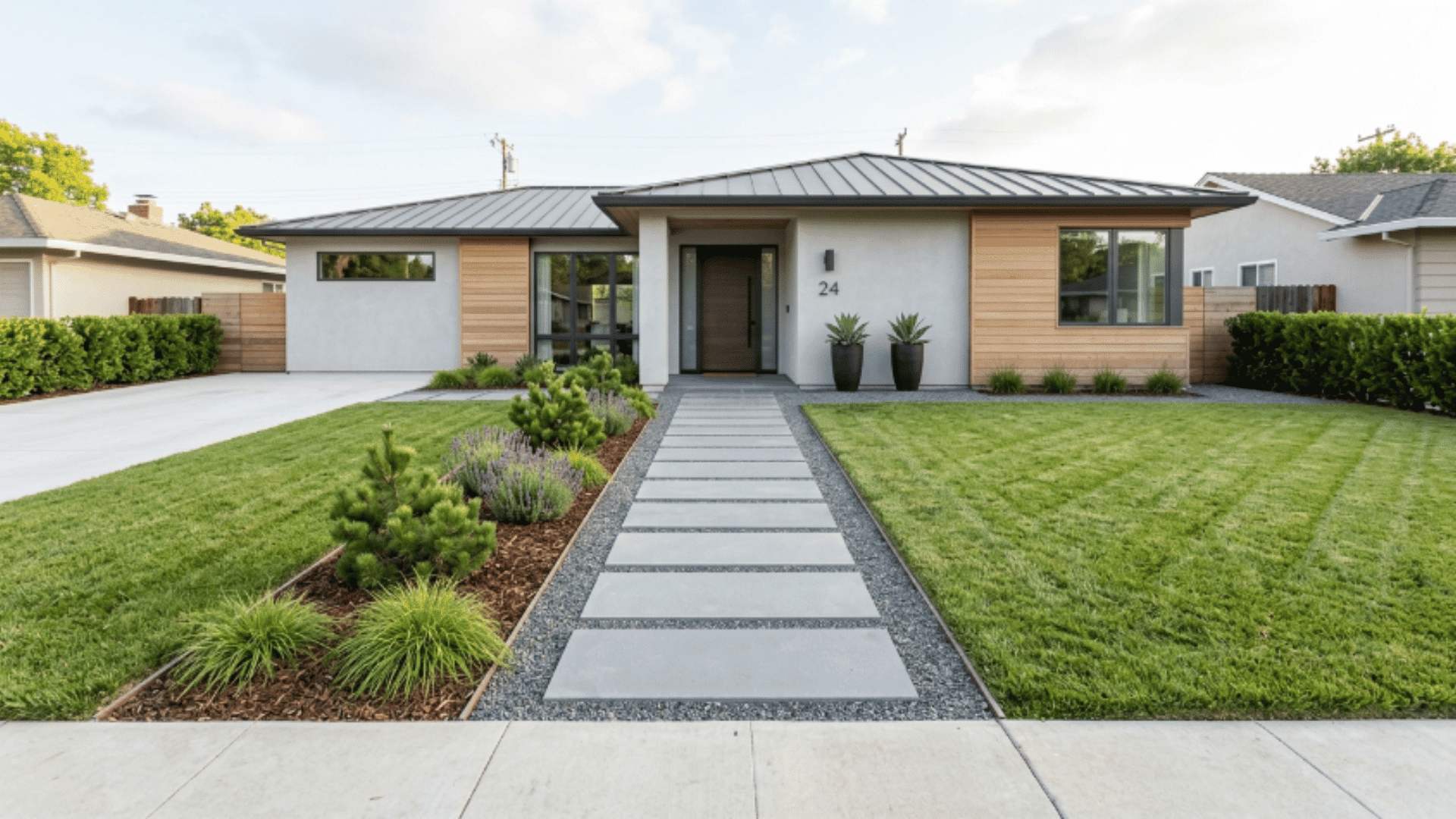
A simple yard layout makes maintenance easier in the long run. With fewer elements to manage, there’s less trimming, cleaning, and adjustment required.
This creates a clean, organized design that saves time and keeps everything balanced. It also makes it easier to spot issues early and maintain a consistent look without constant effort.
13. Use Large Planters
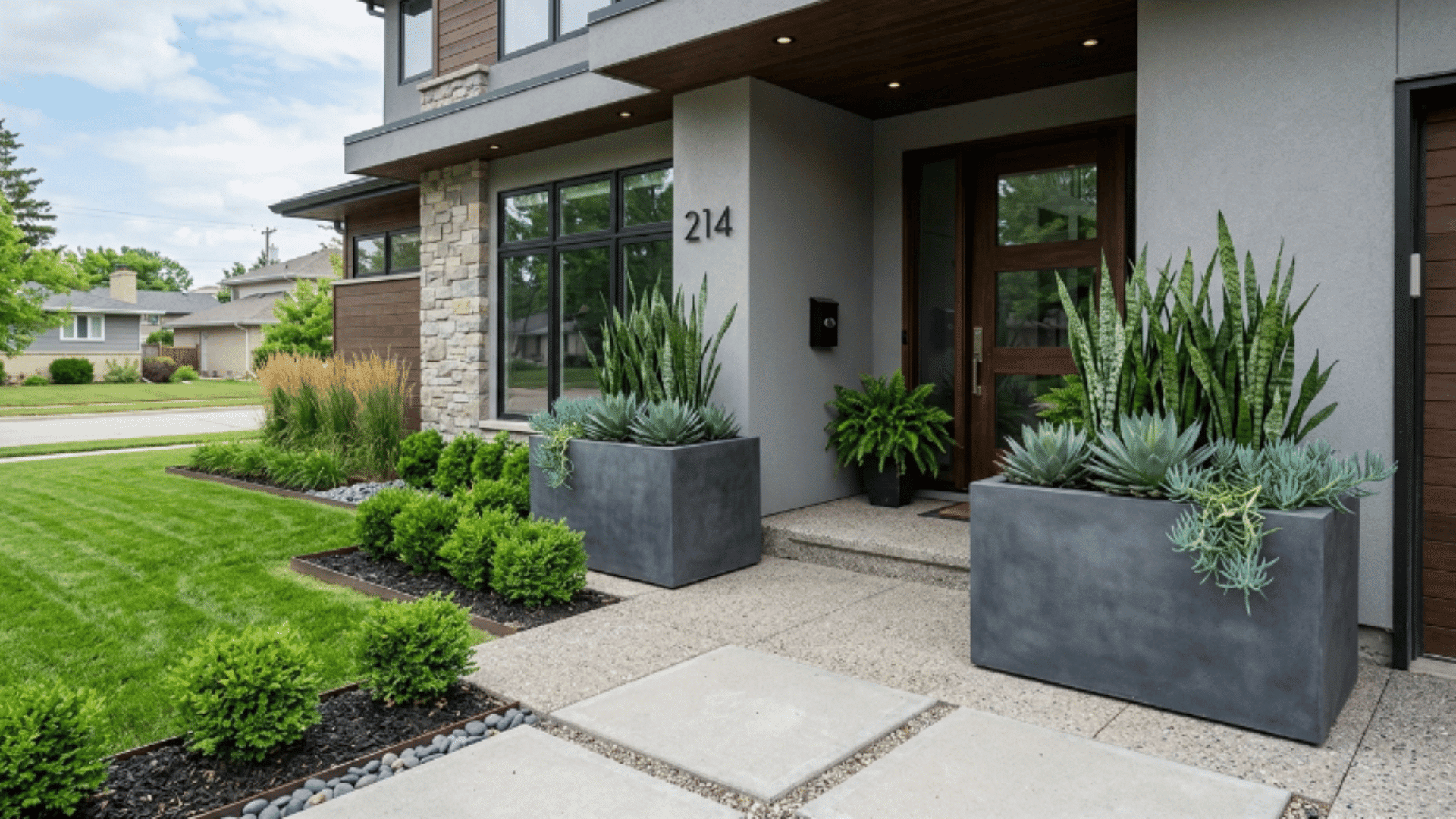
Large planters help control plant growth and keep your yard organized. They limit how much plants spread, making them easier to manage.
They also offer flexibility, as they can be moved around while maintaining a neat, low-maintenance setup. In addition, they reduce soil mess and allow better control over watering and plant placement.
14. Add Stone Pathways
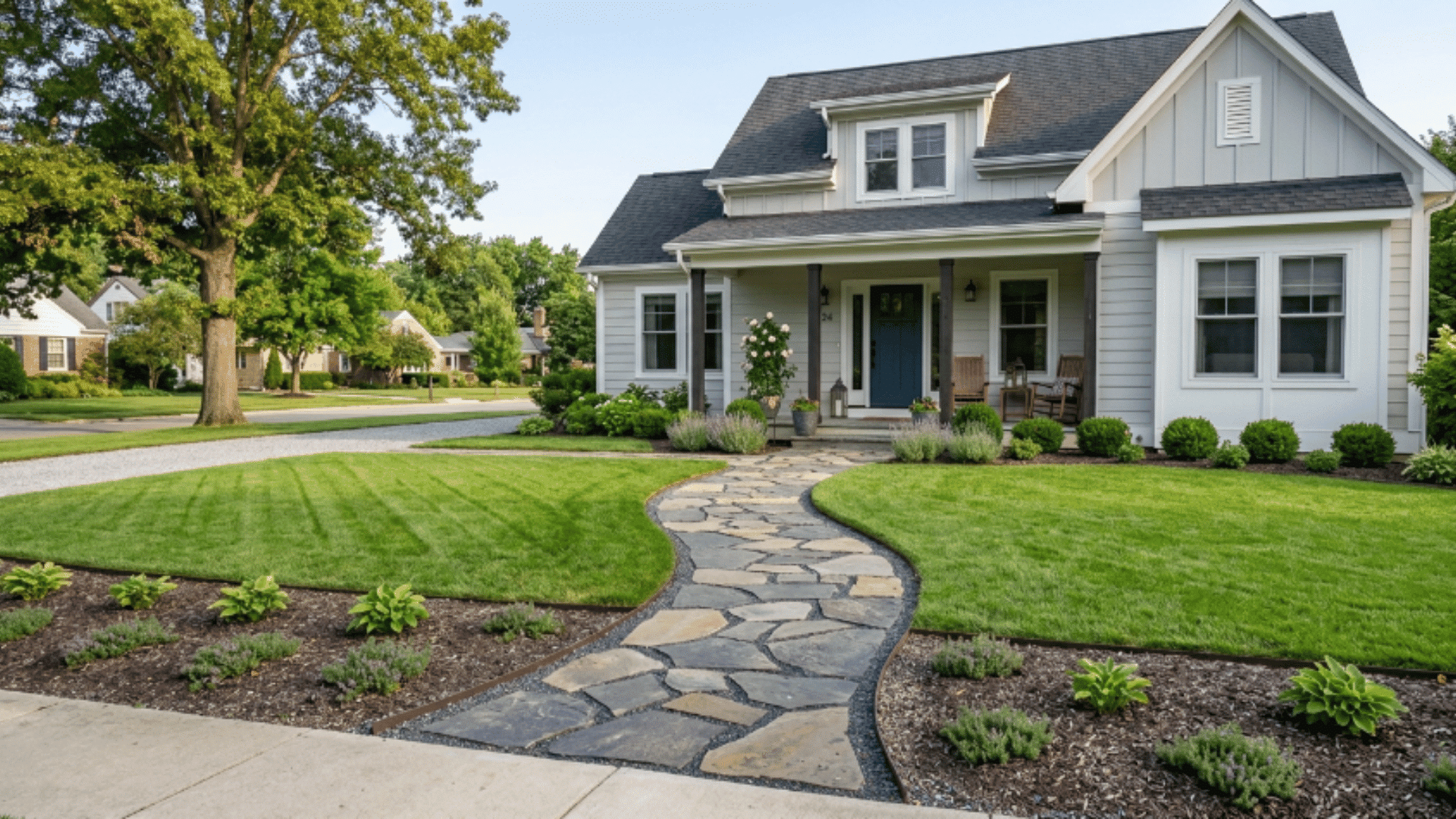
Stone pathways reduce the amount of lawn you need to maintain while adding structure to your yard. They create clear walking paths, prevent soil disturbance, and offer a durable, long-lasting solution.
This helps keep the space clean and organized with minimal upkeep. They also improve accessibility and protect plants by guiding foot traffic away from garden areas.
15. Choose Slow-Growing Plants
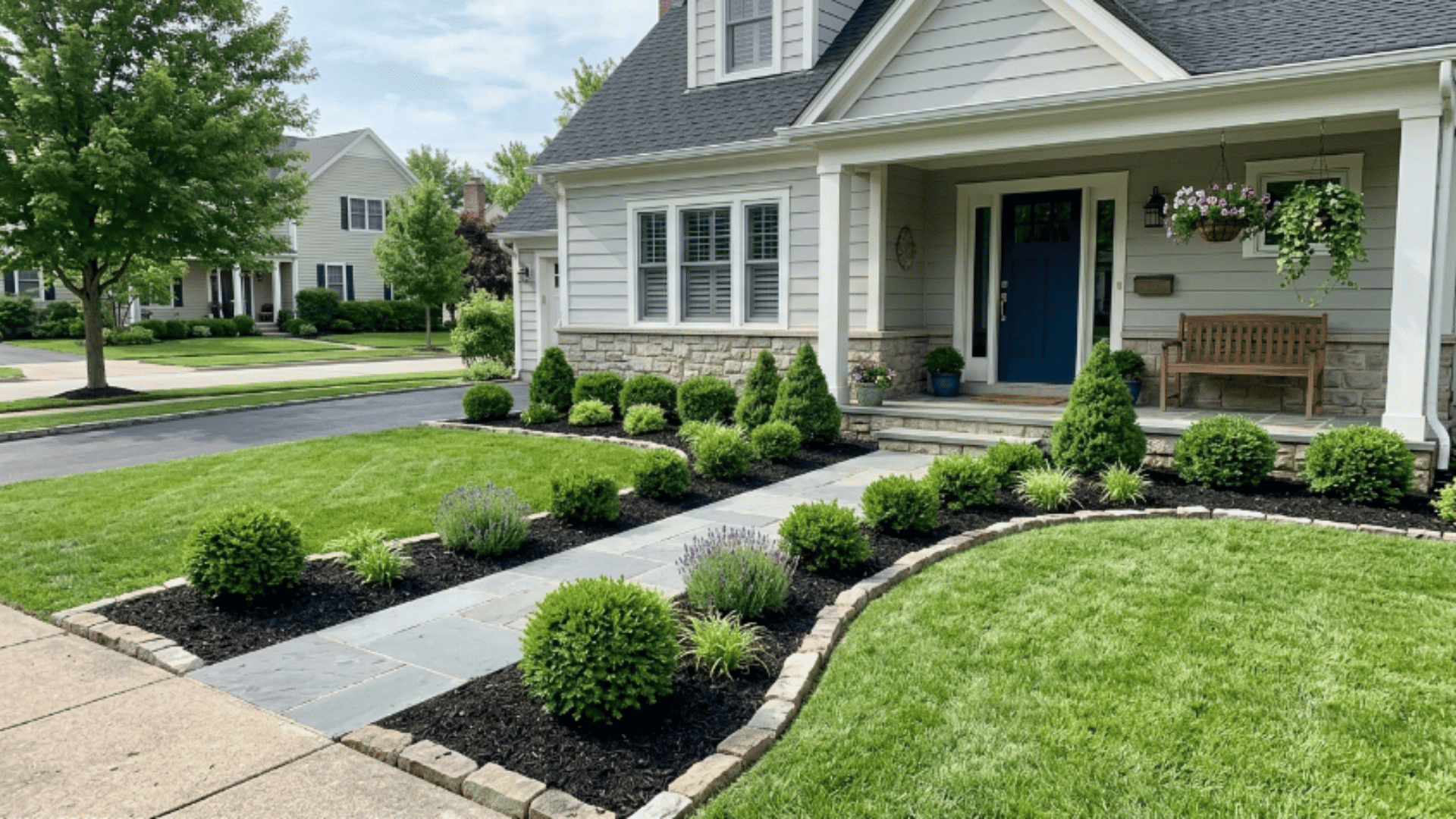
Slow-growing plants require less frequent trimming and shaping. They maintain their form for longer periods, making them easier to manage.
With steady, predictable growth, they reduce the need for regular maintenance and save time in the long term. They also help maintain a consistent landscape appearance without constant intervention.
16. Use Low-Maintenance Trees
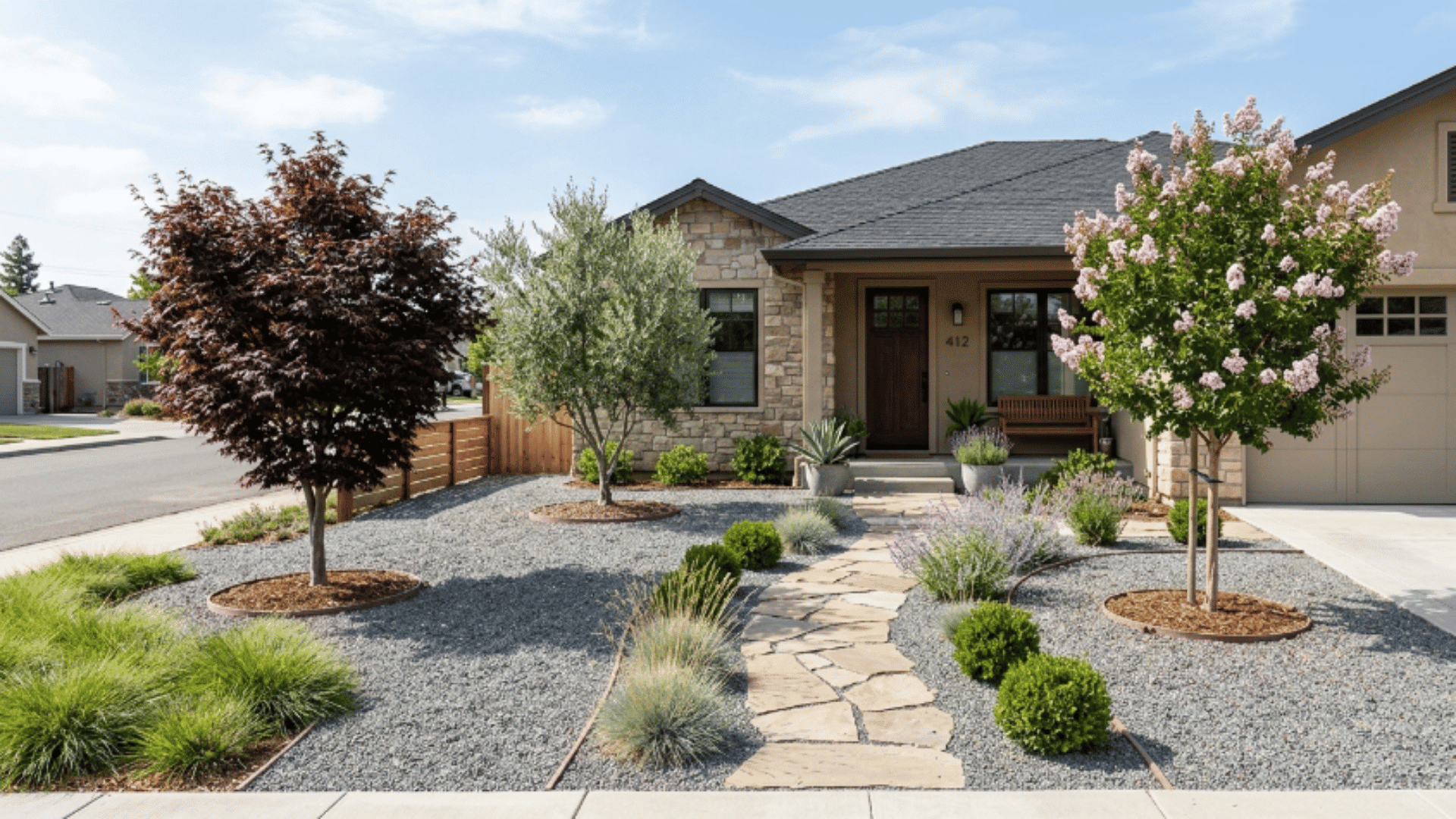 Low-maintenance trees add shade and structure to your yard without needing constant care. They require minimal pruning, grow steadily, and adapt well over time.
In addition to improving the design, they provide long-term benefits with very little effort. Examples include Japanese maple, crepe myrtle, olive trees, dogwood, and magnolia, all known for their durability and easy upkeep.
17. Install Edging Borders
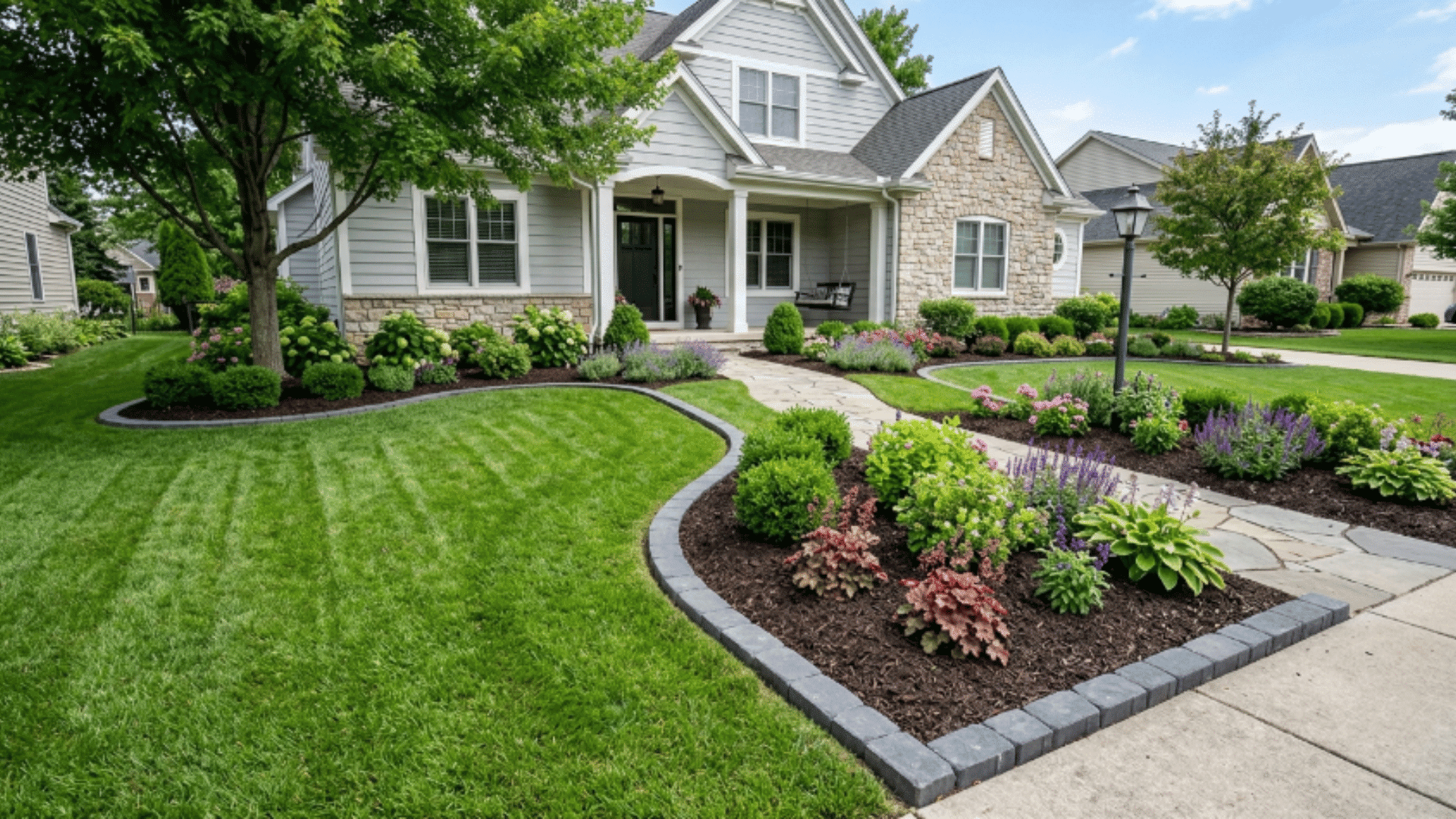
Edging borders help define different areas of your yard and keep everything in place. They prevent grass and plants from spreading into unwanted areas, creating a neat, organized look.
This reduces extra maintenance work and is simple to install. They also make mowing and trimming more efficient by creating clear boundaries, helping maintain a polished appearance over time.
18. Mix Plants with Hardscape
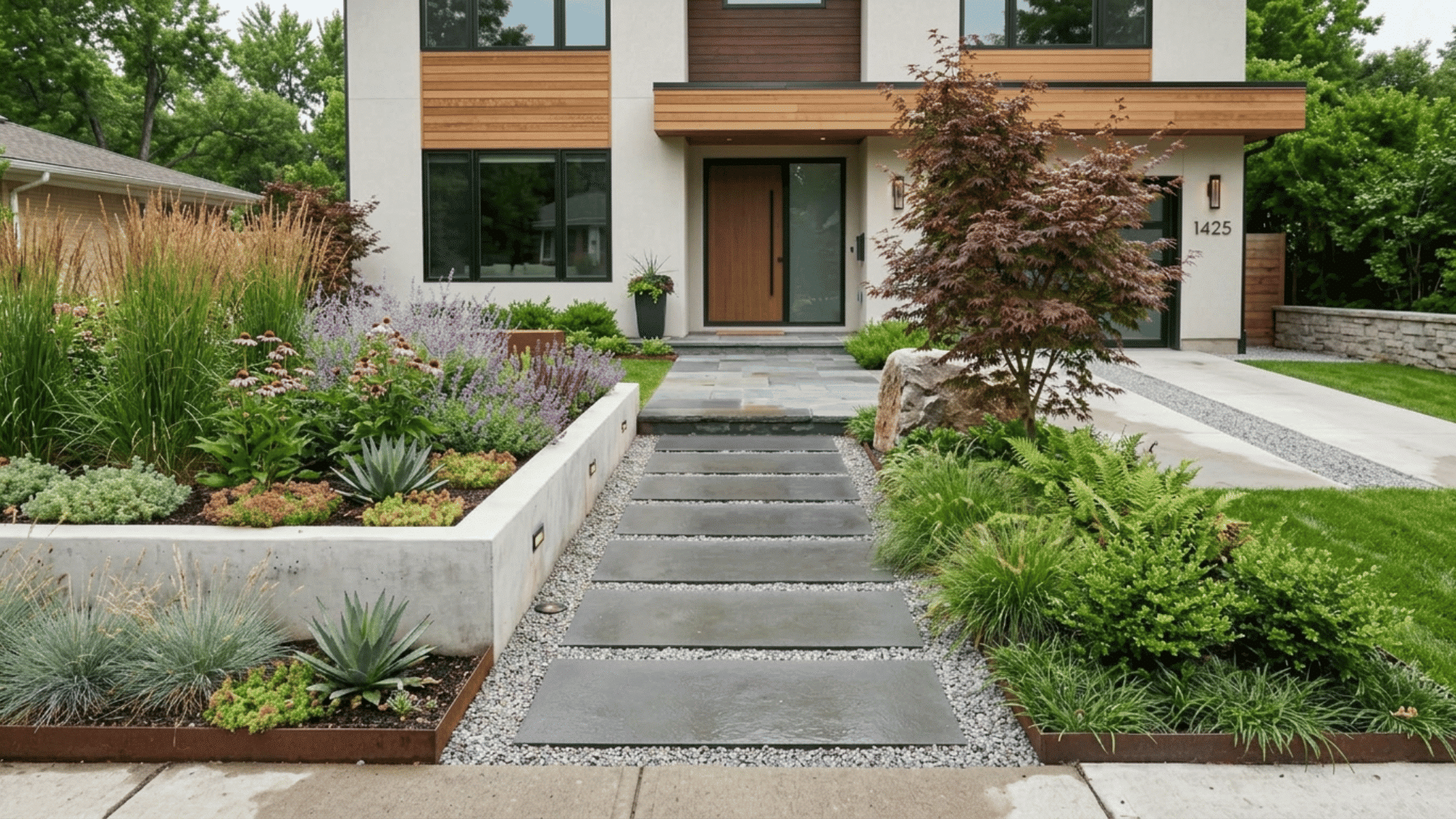
Combining plants with hard materials like stone or concrete reduces the amount of greenery you need to maintain.
This creates a balanced design with varied textures, while also adding structure and durability. The result is a clean layout that requires less upkeep.
It also improves drainage and minimizes soil erosion, making the space more stable and long-lasting.
19. Use Self-Watering Pots
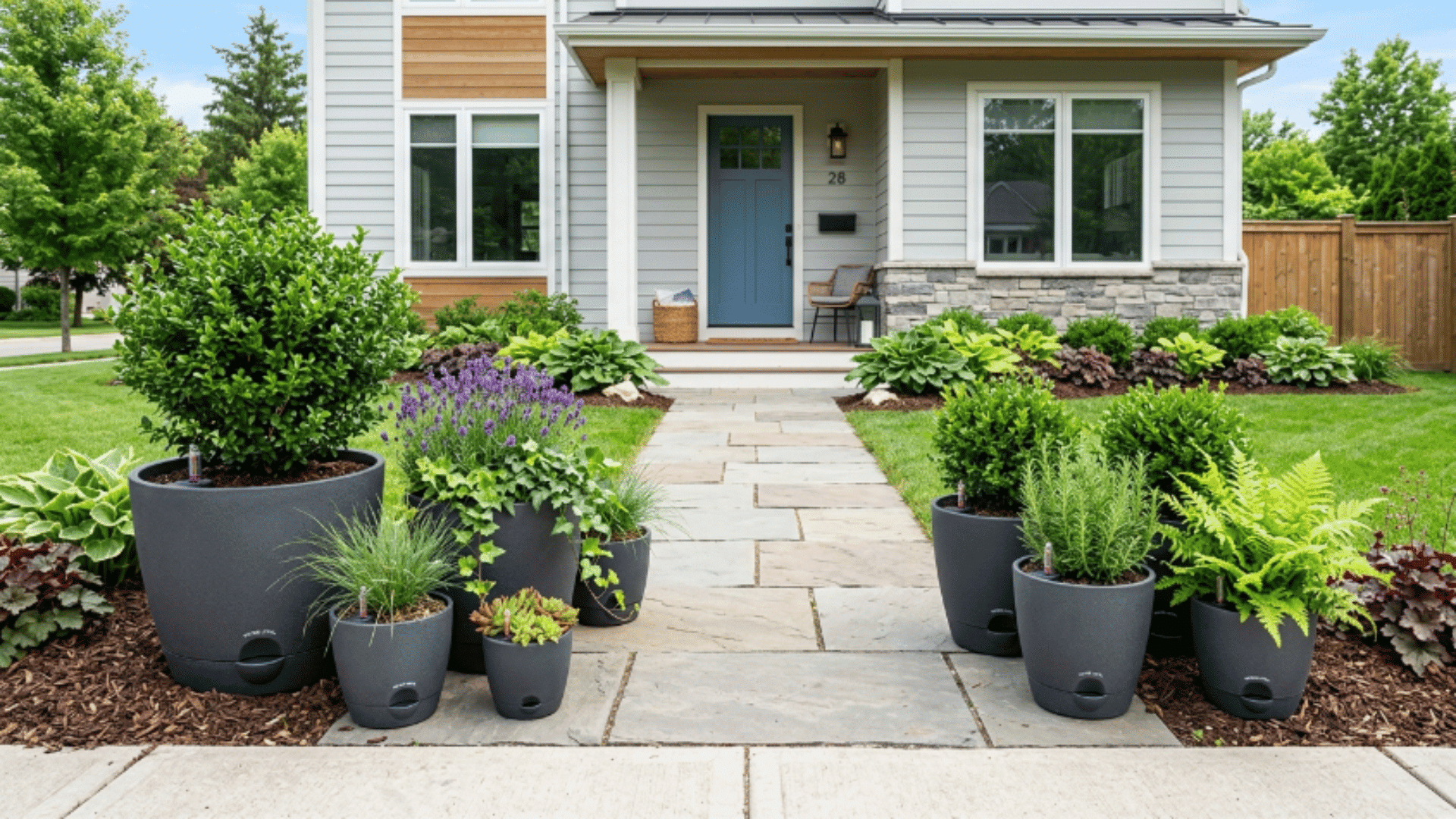
Self-watering pots help maintain consistent moisture without daily attention. They reduce how often you need to water while preventing overwatering.
This makes plant care easier, especially for busy routines, and supports steady, healthy growth. They are also ideal for indoor-outdoor flexibility and help reduce water wastage over time.
20. Plant Ornamental Grasses
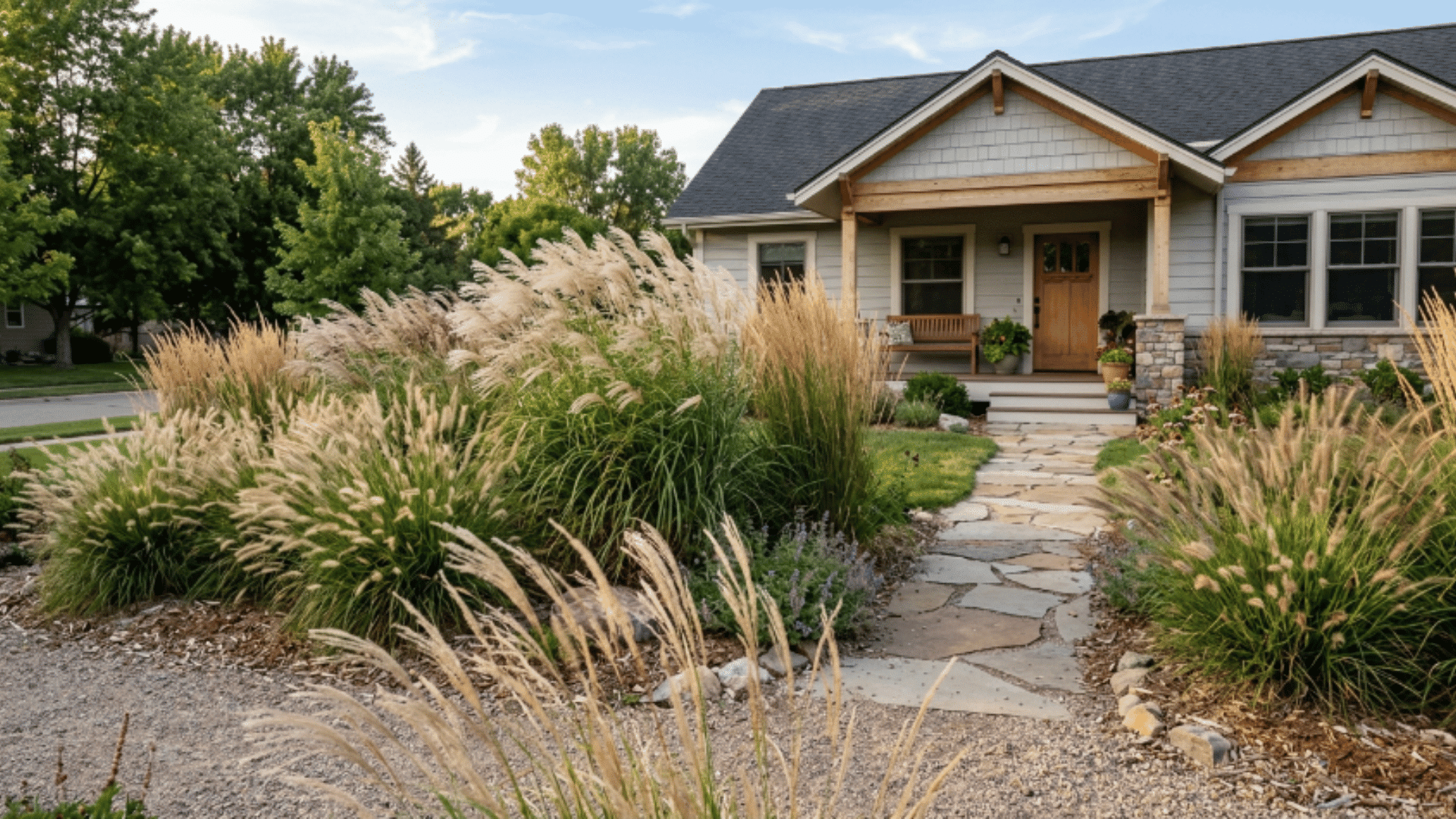
Ornamental grasses are hardy plants that require very little care once established. They adapt well to different conditions, need minimal trimming, and add soft texture and movement to your yard.
They are a great low-maintenance choice. They also resist pests and diseases well, making them a long-lasting landscaping option.
21. Plant Shade Trees
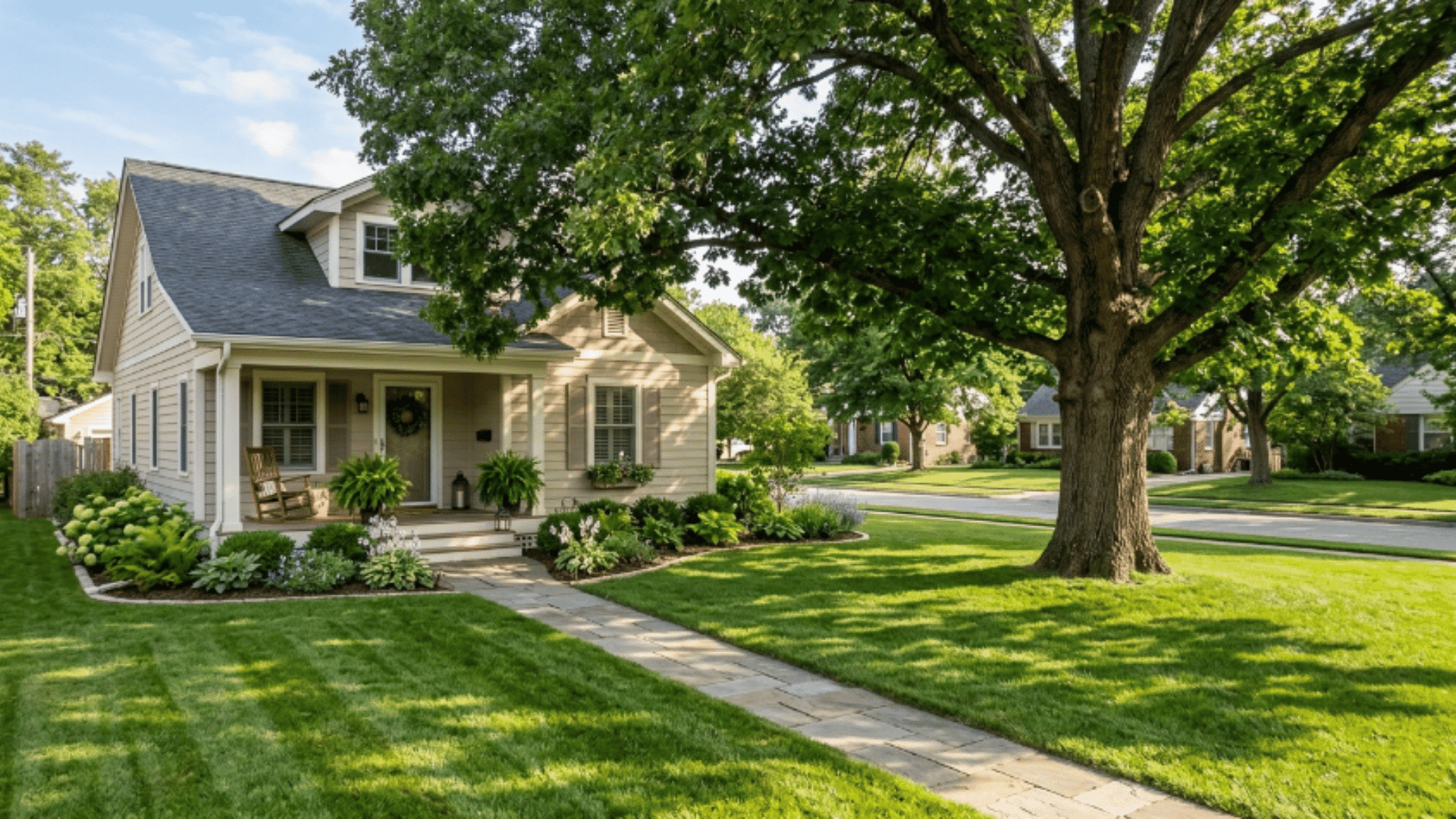
Shade trees help regulate temperature and reduce water loss in your yard. They keep the area cooler, limit evaporation, and improve conditions for other plants.
Over time, they enhance the layout while requiring minimal maintenance. They also provide natural shade for outdoor spaces, making your yard more comfortable and usable.
22. Use Minimal Lawn Space
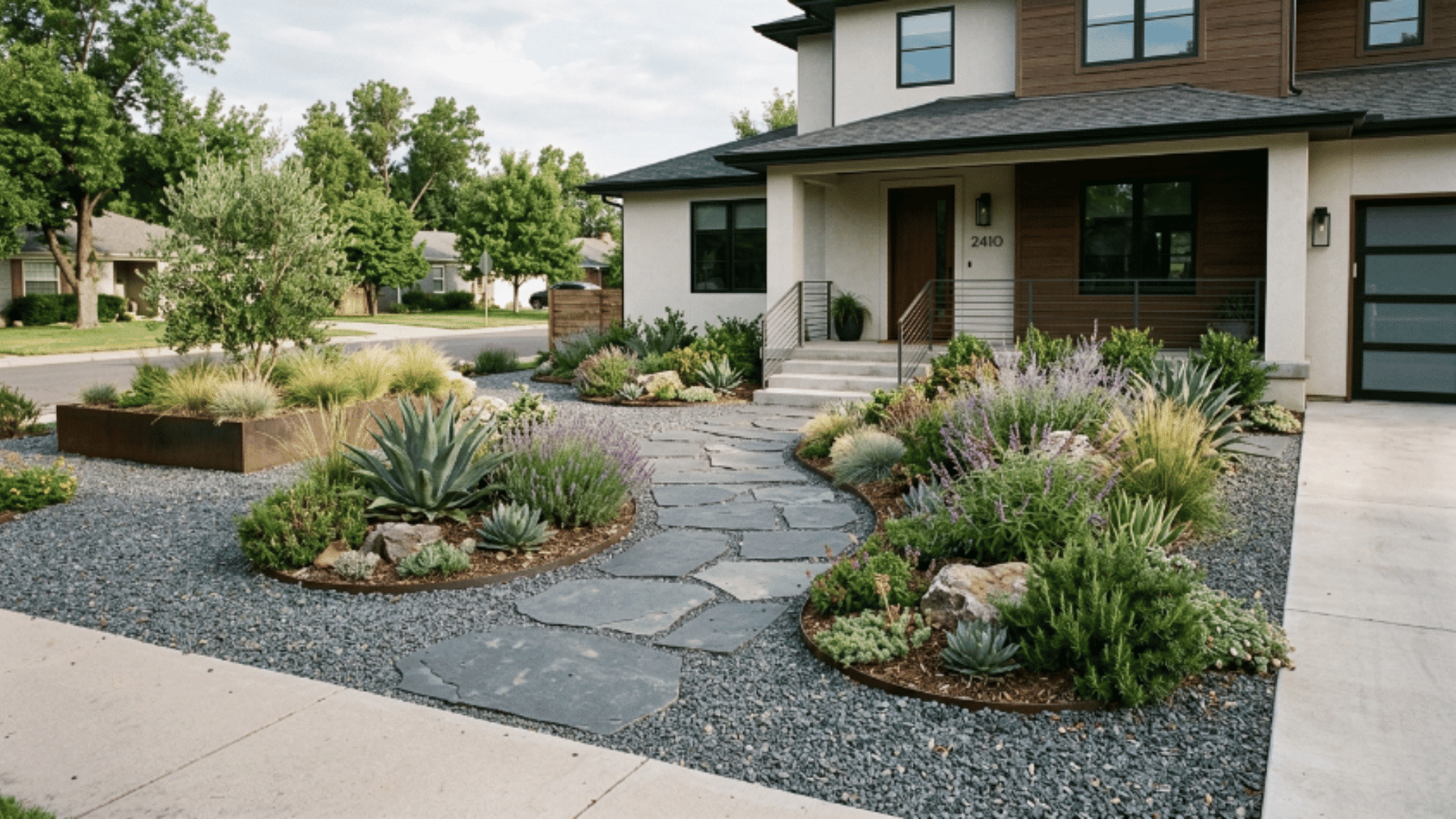
Reducing lawn space is one of the most effective ways to lower maintenance. Lawns require constant mowing and watering, so limiting them reduces ongoing effort.
Replacing grass with other materials creates a cleaner, more flexible, and easier-to-manage design. It also helps conserve water and allows you to experiment with more creative landscaping elements.
23. Choose Pest-Resistant Plants
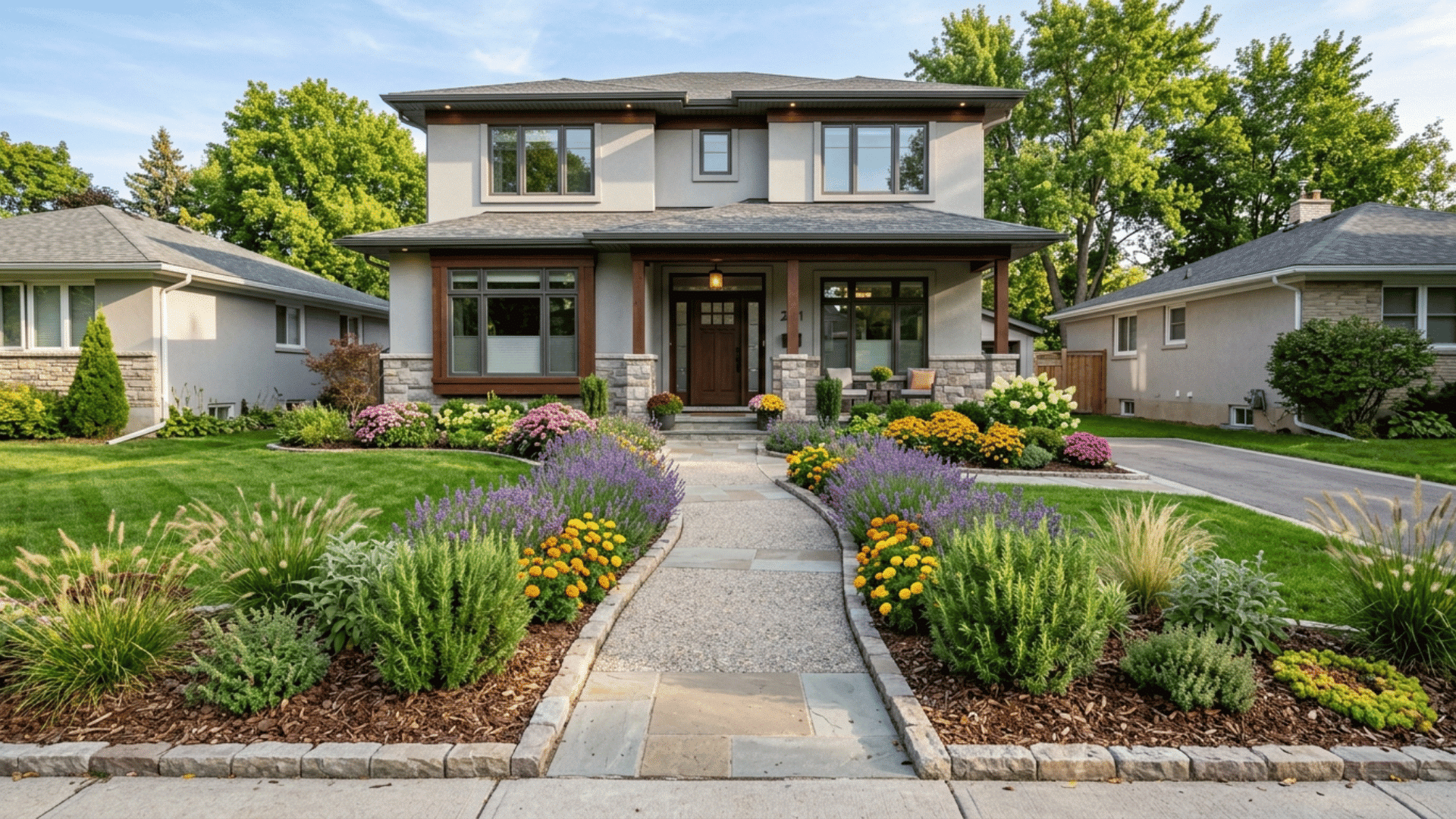
Pest-resistant plants naturally avoid many common problems, reducing the need for treatments or constant monitoring.
They grow healthier with less effort, require fewer chemicals, and make overall yard maintenance simpler and more efficient.
Examples include lavender, marigolds, chrysanthemums, rosemary, and geraniums, which are known to naturally repel pests while staying easy to care for.
Best Low-Maintenance Plants for Front Yards
Choosing the Right plants are crucial for simple, low-maintenance front-yard landscaping. Some plants naturally need less water, trimming, and care while still keeping the space looking clean and structured.
| Plant | Why It Works | Care Needs |
|---|---|---|
| Lavender | Drought-tolerant, structured look | Sunlight, light trimming |
| Succulents | Stores water, low upkeep | Minimal watering, well-drained soil |
| Boxwood | Keeps a neat shape | Occasional trimming |
| Hostas | Grows well in shade | Regular watering |
| Ornamental Grasses | Hardy and adaptable | Light trimming |
| Snake Plant | Handles neglect well | Low watering, indirect light |
| Agave | Drought-resistant | Minimal watering, full sun |
Conclusion
Low effort doesn’t mean compromising on how your yard looks. With the right choices, low-maintenance front yard landscaping can stay clean, practical, and easy to manage throughout the year.
The key is to focus on simple layouts, durable materials, and plants that don’t demand constant care. You don’t have to apply every idea at once; start with a few changes and build from there.
Over time, your front yard becomes easier to handle while still looking well put together. A thoughtful setup now can save you time and effort later, making upkeep feel much more manageable.

With a Master’s in Landscape Architecture from the University of Virginia, Sophia Stephenson has dedicated the last 20 years to creating and maintaining vibrant outdoor spaces. Her professional journey started in landscape design, where she gained a reputation for innovative and sustainable approaches. Sophia became a part of our editorial team as a freelancer in 2019, offering a fresh perspective on outdoor living. Since 2020, she has been the chief for our outdoor design content, blending aesthetic appeal with environmental stewardship. In her leisure time, Sophia is a keen photographer, capturing the beauty of natural landscapes, a hobby that complements her professional expertise.