
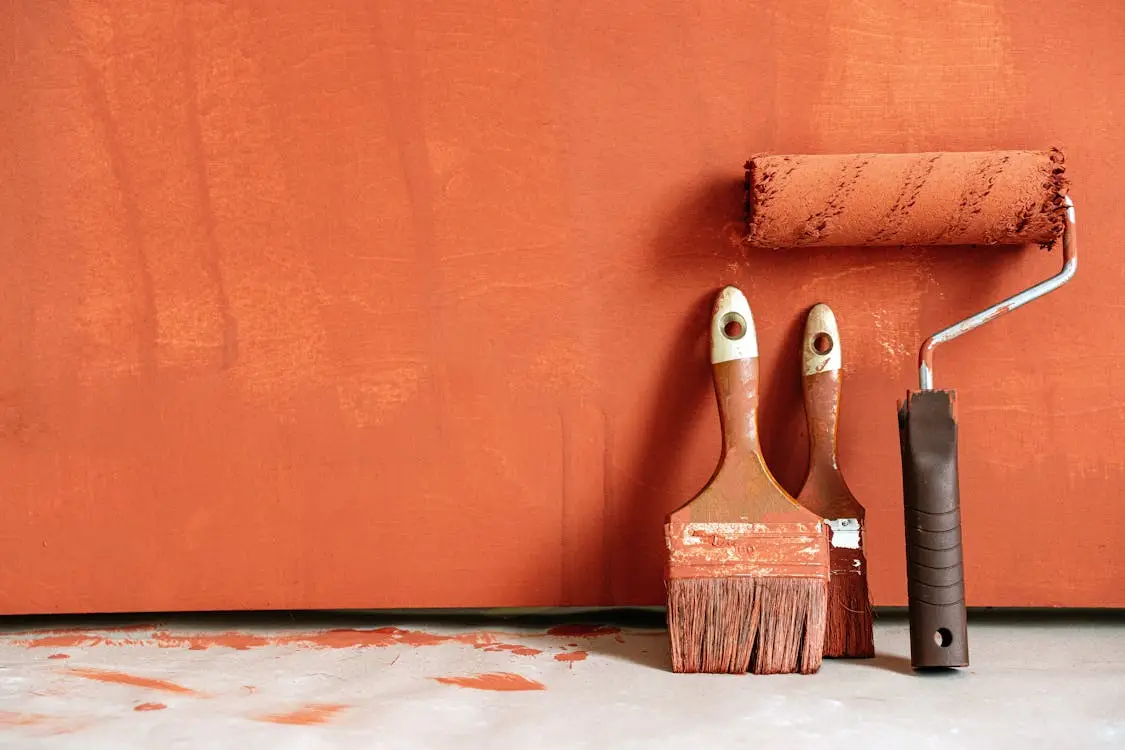

Picking a paint color for your home sounds straightforward at first. The reality, though, is that it usually turns into a surprisingly long process.
Many of us spend days—sometimes even weeks—agonizing over paint swatches, taping samples to the wall, and asking friends or family for their opinions. It’s easy to get caught up searching for that perfect shade, hoping we won’t regret our choice later.
But after all that careful comparison, the actual decision happens fast. One moment, you’re still debating; the next, you’re tapping “deposit” or confirming your order and it’s done. This article explores why we take so long to decide, and why, in the end, the commitment feels so sudden.
Why we dwell on paint samples—but decide in a blink
It’s almost funny how easily we can get stuck comparing paint colors, isn’t it? You stand in front of the wall, paint chips fanned out, trying to picture what “Almond Cream” or “Cloud Mist” will look like after the furniture’s back in place.
For a lot of people, this process stretches out for days or even weeks. There’s the urge to find the perfect shade, but also that nagging fear of choosing wrong and living with regret every time you pass through the room. Lighting changes by the hour, so you squint at the samples in morning sun, afternoon haze, and evening lamplight, hoping the answer will jump out at you.
Research actually backs this up: most shoppers spend at least a week in this comparison phase, trying to be sure. It’s not just about being picky—sometimes it’s really hard to picture the finished look from a tiny swatch.
But then, there’s a shift. Suddenly, after all the back-and-forth, you just know. Maybe it’s a deadline looming, maybe you’re simply tired of debating, or maybe you catch the color in just the right light and it clicks. In that instant, you move from indecision to action. The “deposit” button gets tapped and the decision is made in seconds.
This isn’t unique to paint shopping. You’ll notice the same thing browsing online for other choices that feel big—like comparing options at arabiccasinos.guide/best-online-casinos. People scroll, compare, weigh pros and cons for ages, but when the right fit appears, the commitment comes quickly. It’s a reminder that while the process can be slow, the final leap often happens in a flash.
What our eyes miss while we compare colors
After all those hours spent taping sample cards to the wall, it’s easy to assume you’ve seen every possible shade in every possible light.
But the reality is, our eyes can only catch so much. The same color can look completely different as the daylight shifts or a lamp flicks on in the evening. Shadows, reflections from nearby furniture, and even the size of the room itself can play tricks on perception. That’s why so many people end up second-guessing themselves right up until the last moment.
It’s not just about the color on the card, but everything happening around it. The wall that glows soft blue at noon might turn a dull gray at sunset, or feel way too intense in a small bathroom compared to a big living room. These are details that most of us overlook when we’re lost in the comparison process.
For a clearer, more confident decision, it helps to take a step back and look at the bigger picture. If you want practical advice on how to really see what a color will look like before you commit, the Sherwin-Williams paint research lays out smart steps for observing samples in real-world conditions.
Paying attention to these subtle factors means fewer surprises after the paint dries—and a lot less regret over the final choice.
The Emotional Release: Why Buying Feels So Final
After all the careful comparison and second-guessing, there’s a strange kind of silence that follows the final click. The instant you tap “deposit” or place the order, it’s like a weight lifts off your shoulders.
This feeling isn’t just in your head—it’s the emotional payoff after weeks of circling around a decision. All that background anxiety about making the wrong choice vanishes, replaced by a quick rush of satisfaction. The choice is made, and suddenly, you have permission to stop worrying.
It’s interesting how the moment of commitment feels so different from the slow build-up. Even though you might have spent days or weeks in limbo, the actual act of buying flips a switch. The uncertainty doesn’t trickle away—it snaps off, and relief takes its place.
That’s why people remember the moment they finally decide, long after the paint has dried. It’s not just about color or style—it’s about closing the loop on doubt and letting yourself feel settled. That little surge of relief is what makes the quick decision feel so final, even if it took ages to get there.
Technology’s shortcut: When virtual tools change the game
Just when you think you can’t look at another paint sample, technology steps in with an easier route. Digital paint visualizer tools have become a game changer for anyone tired of guesswork and tape marks on the wall.
With these platforms, you can snap a photo of your room and instantly try out dozens of colors—no need for endless physical swatches or standing under weird lighting at the hardware store. People find themselves making decisions with surprising speed, not because they’re rushing, but because they can finally see how a color will look in their actual space. That confidence makes all the difference.
The rise of these virtual solutions matches what research is showing: more shoppers are using digital tools to cut down on second-guessing and reach decisions faster. When you can compare options side by side with just a few clicks, the whole process feels less overwhelming and a lot more fun.
If you’re curious about which platforms are worth trying, you might want to explore paint visualizer tools that make the whole experience a little less stressful and a lot more satisfying.
When fast decisions really mean we’re ready
It can feel strange to spend weeks agonizing over swatches, only to make the final call in the blink of an eye. But that burst of action usually isn’t reckless—it’s the result of all the comparison and thinking you’ve done leading up to that moment.
After you’ve gathered opinions, stared at colors in different lights, and weighed every option, your mind is much more prepared than it seems. The suddenness of the final decision is really just a signal that you’ve quietly built up enough confidence and information to move forward. It’s not about rushing; it’s about recognizing that you’re actually ready.
Studies show that this pattern isn’t unique to picking paint. Consumer behavior experts have found that long periods of research often lead to quick, decisive action when the right option comes along. If you’re curious about the psychology behind this, insights from a consumer decision study explain how our brains shift from weighing choices to taking action, and why that leap feels so satisfying after a long stretch of uncertainty.
Bringing Your Paint Choice Home—With Less Doubt
That moment of relief after making your paint choice feels even better when you know you’ve really seen what each color will look like at home.
Starting with sample swatches and noticing how colors shift in your space sets a strong foundation. Digital paint visualizer tools can also help you preview options in just seconds, making it easier to land on a shade you’ll love.
If you run into stubborn colors that don’t seem to match, you might find some clarity by exploring how to match paint colors—sometimes a small trick or tip is all it takes to break the tie.
Trusting both your process and your eye means you can make that final, fast decision with real confidence. And that satisfaction sticks around, long after the paint dries.

Ava Taylor, holding a Bachelor’s degree in Interior Design from the Pratt Institute, has made her mark in creating engaging and functional living spaces for over 14 years. She began her career with a New York-based design studio, where she gained a reputation for her innovative and user-centric designs. Ava joined our team in 2019, bringing a blend of artistic flair and practicality to our home improvement section. Since the she has been the lead contributor to our room transformation series, inspiring readers with her unique approach to maximizing space utility and aesthetic appeal. Beyond her professional work, Ava is a passionate collector of vintage furniture, a hobby that enriches her design perspective.