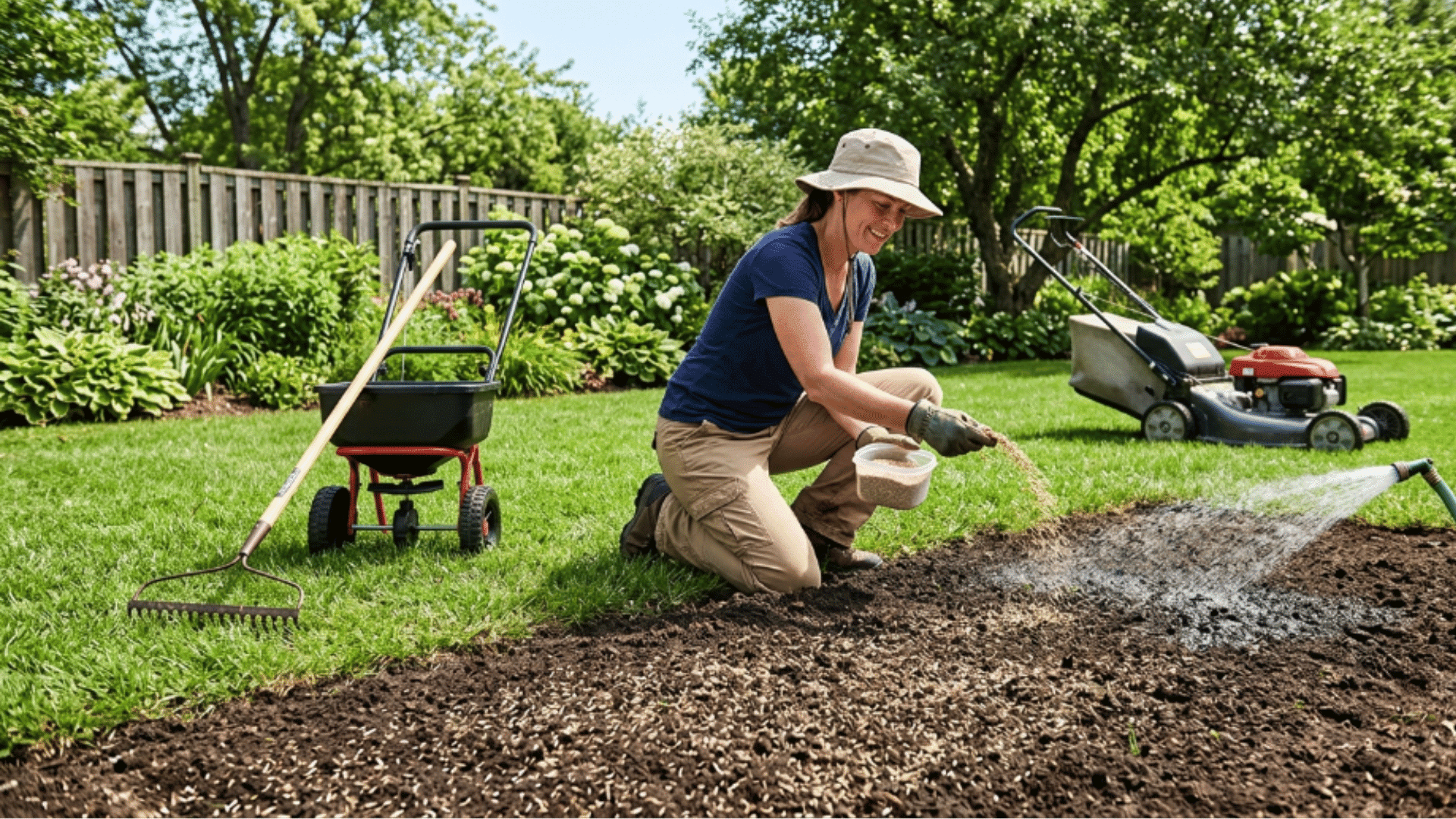

A lush, green lawn does not happen by magic; it starts with a single seed and the right know-how!
If you are starting a brand-new lawn or filling in stubborn bare patches, planting grass seed is one of the most rewarding things you can do for your outdoor space.
It is affordable, beginner-friendly, and the results are absolutely worth it. The secret to a thick, healthy lawn lies in the preparation, the planting, and a little bit of patience.
So roll up your sleeves, get your hands a little dirty, and walk through everything you need to know to grow the lawn of your dreams!
How Long Does Grass Seed Really Take to Grow and Why It Matters?
The time it takes for grass to grow can vary depending on the type of seed, weather conditions, and how well the area is cared for after planting.
In most cases, you can expect to see the first signs of growth within 5 to 10 days for fast-growing varieties like ryegrass, while other types, such as fescue or Kentucky bluegrass, may take 2 to 4 weeks.
Temperature, moisture, and soil quality all play a big role in how quickly seeds germinate. Consistent watering and proper care during the early stages help speed up the process.
While initial sprouts appear quickly, it can take several weeks for the lawn to become thick and fully established.
How to Plant Grass Seed?
Getting started with planting grass seed doesn’t have to feel complicated. With the right steps and a little care, you can grow a healthy, even lawn from scratch or easily fix patchy areas.
Tools and Materials Required
Before starting the process, gather all the tools and materials to ensure everything goes smoothly without interruptions.
| Category | Item | Purpose |
|---|---|---|
| Soil Preparation | Rake | Loosens and levels soil |
| Soil Improvement | Topsoil / Compost | Improves soil quality |
| Seeding | Grass Seed | Main planting material |
| Seeding Tool | Hand / Lawn Spreader | Even seed distribution |
| Fertilizing | Starter Fertilizer | Supports early growth |
| Soil Contact | Lawn Roller (optional) | Presses seeds into the soil |
| Protection | Straw / Seed Blanket | Retains moisture, protects seeds |
| Watering | Hose / Sprinkler | Keeps soil consistently moist |
Follow these simple steps to ensure a strong and healthy foundation for your plants.
Step 1: Add Quality Topsoil
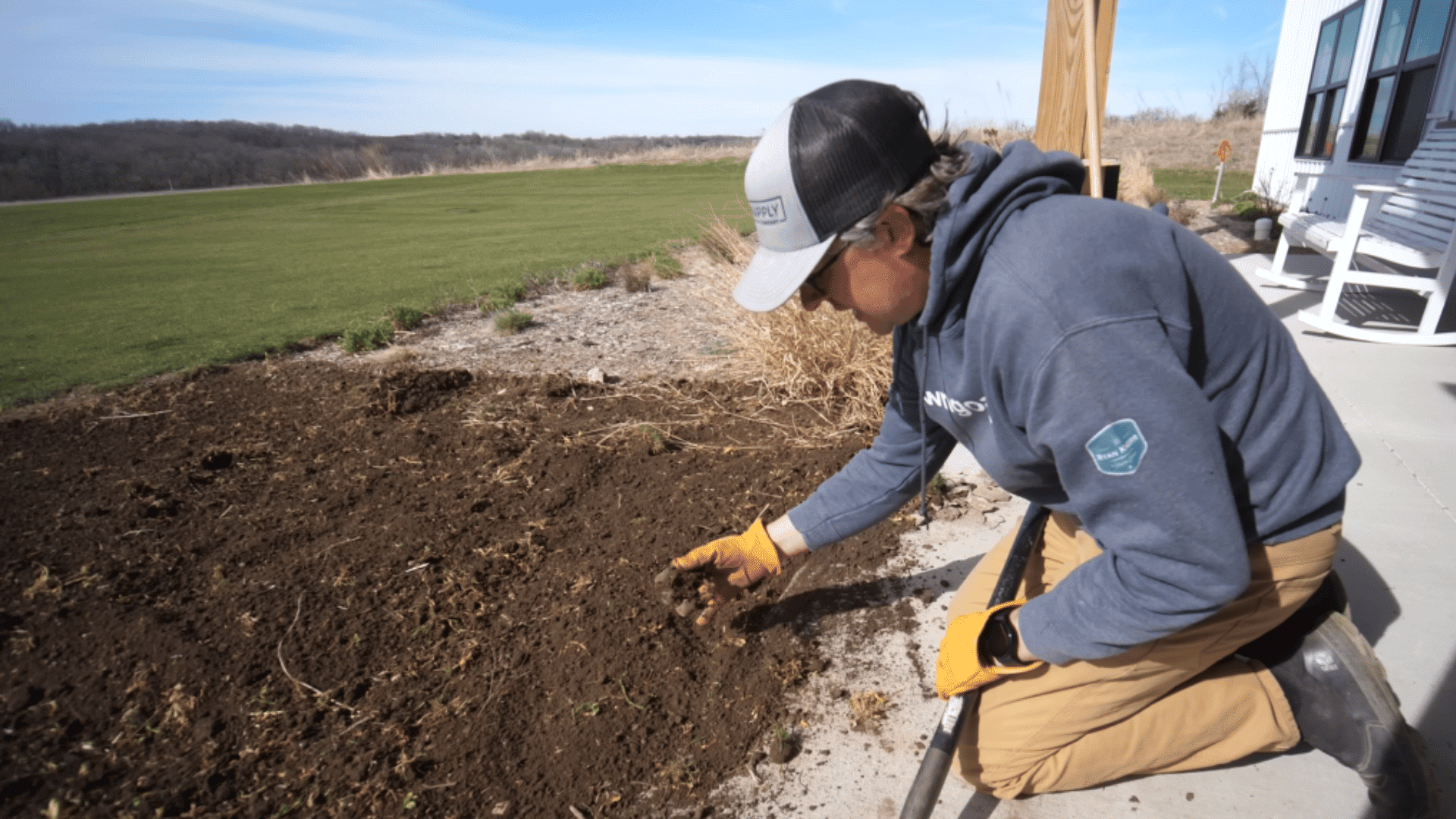
Start by spreading a layer of good-quality topsoil across the area. If the existing soil feels hard, fresh soil will help roots grow better. Make sure the soil sits through every edge.
Take a little extra time here, as this step affects how your lawn will look later. A well base helps water spread evenly and prevents low spots.
Step 2: Spread the Grass Seed
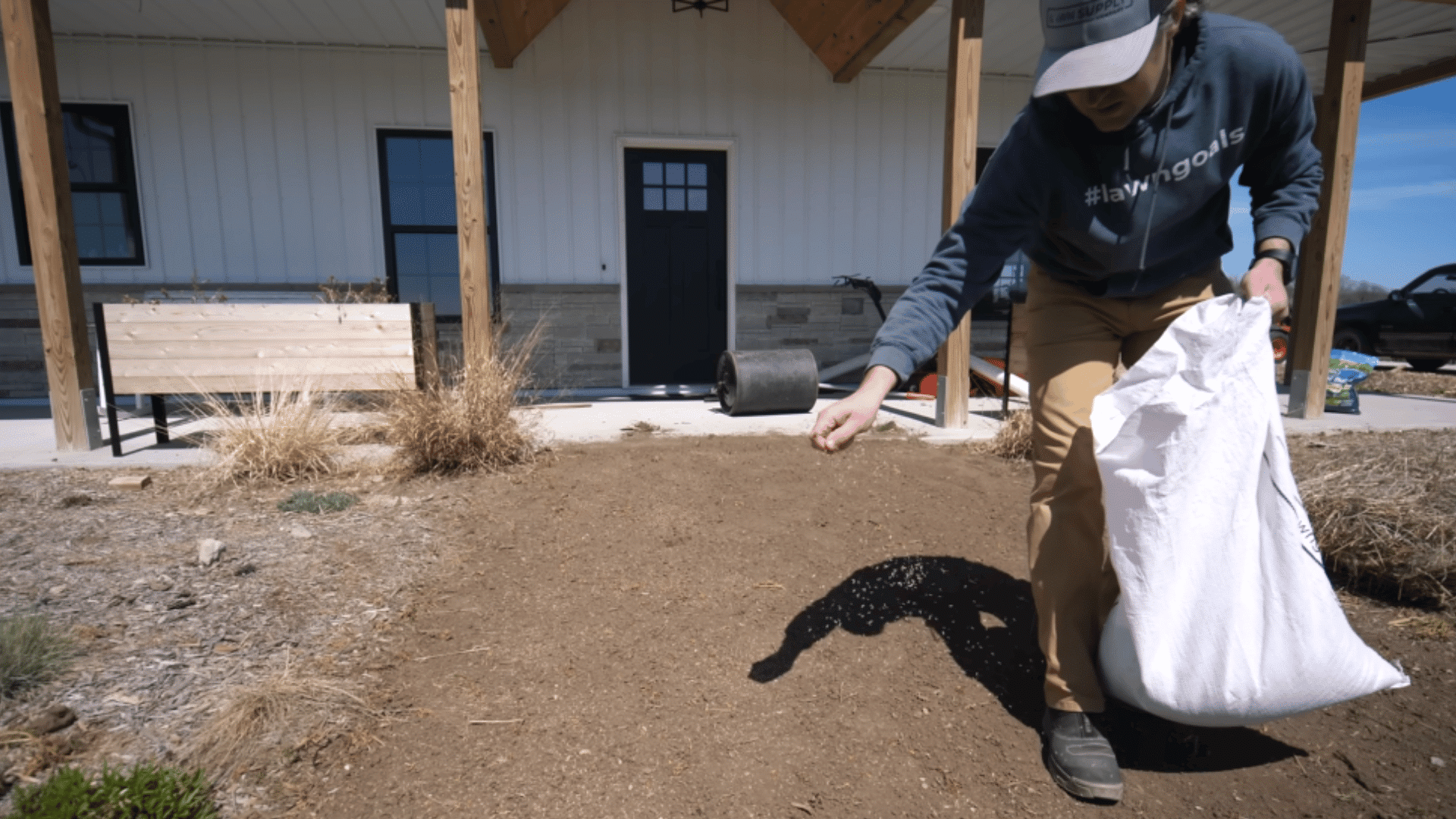
Pick a grass seed that suits your climate and matches your lawn. Spread the seed slowly by hand or with a spreader for better control.
Aim for even coverage so the grass grows thick without patchy spots. Work in small sections to avoid dropping too much seed in one place. Go over the area twice in a light cross pattern.
This helps ensure no gaps are left behind.
Step 3: Lightly Rake
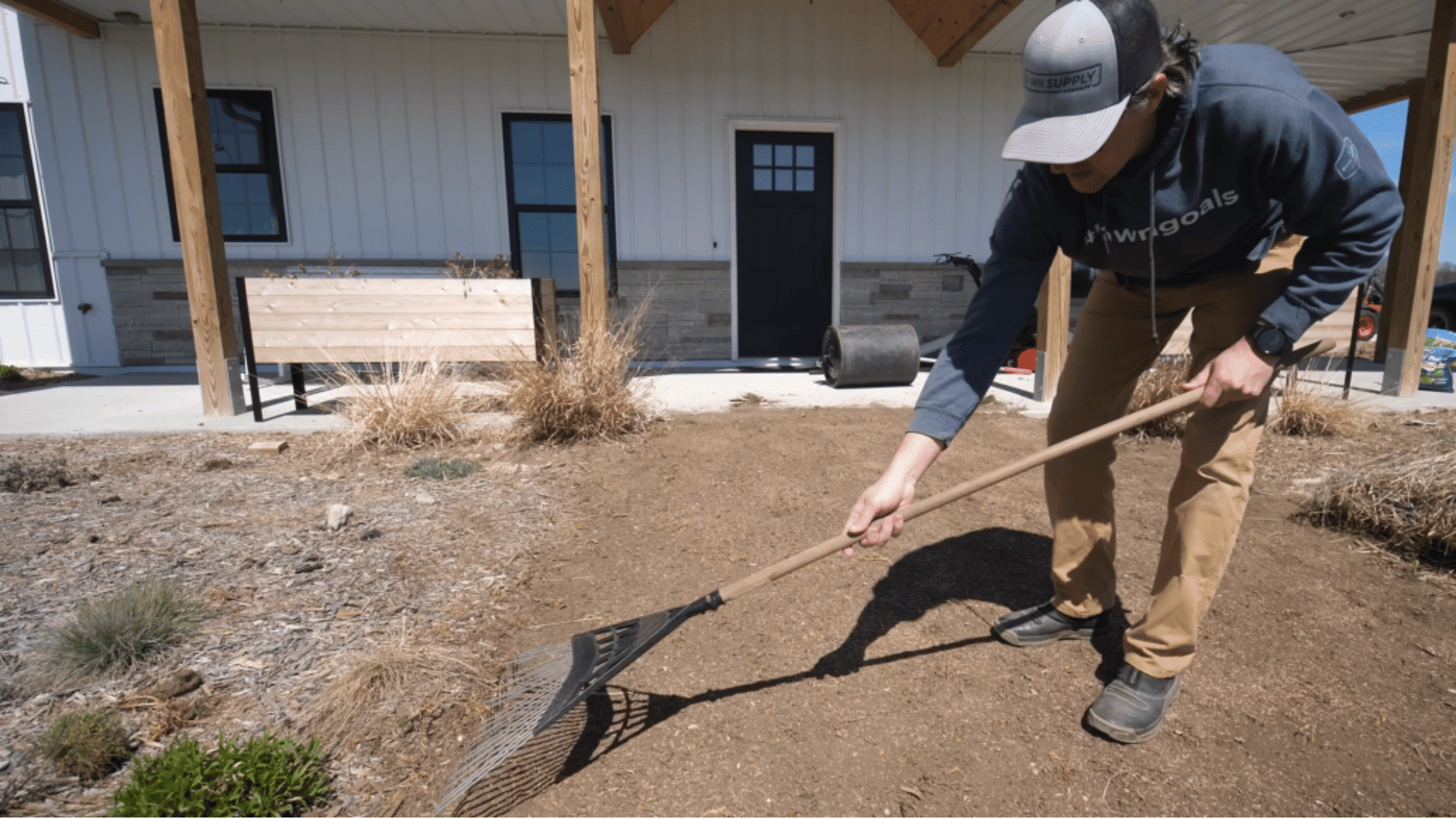
Use a rake to gently mix the seeds into the top layer of soil. Avoid burying them too deep, as they still need light to grow.
A light raking helps the seeds stay in place and improves growth.
Focus on just covering the seeds with a thin layer of soil. This step protects seeds from wind and minor movement. Good contact with soil increases the chances of successful germination.
Step 4: Apply Starter Fertilizer
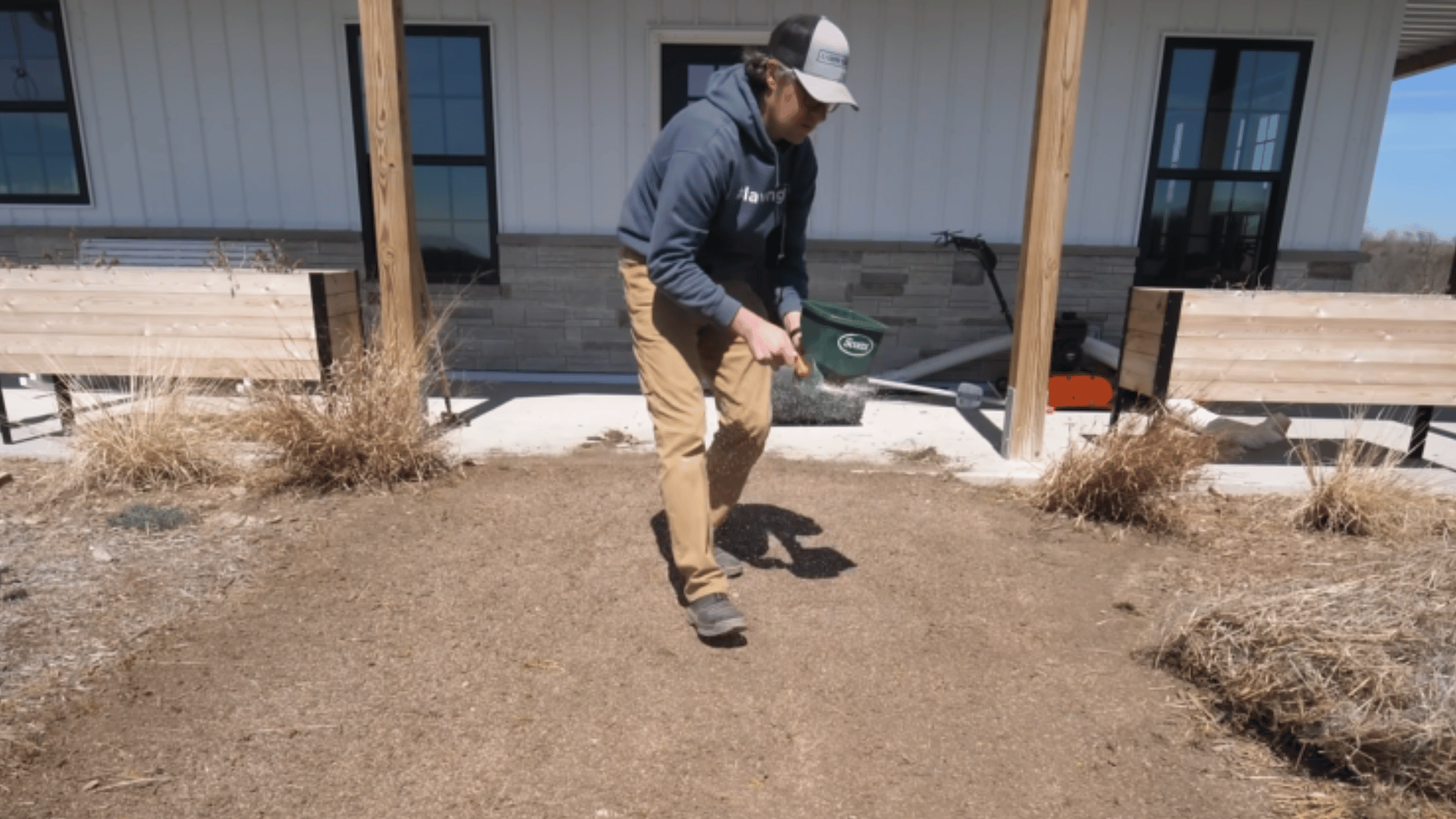
Sprinkle a starter fertilizer evenly over the seeded area. This gives the new grass the nutrients it needs to grow strong roots. It also supports early growth and helps the lawn fill in faster.
Choose a fertilizer designed specifically for new grass. Apply it lightly to avoid overwhelming the young seeds. This step creates a strong foundation for long-term lawn health.
Step 5: Press Seeds Into the Soil
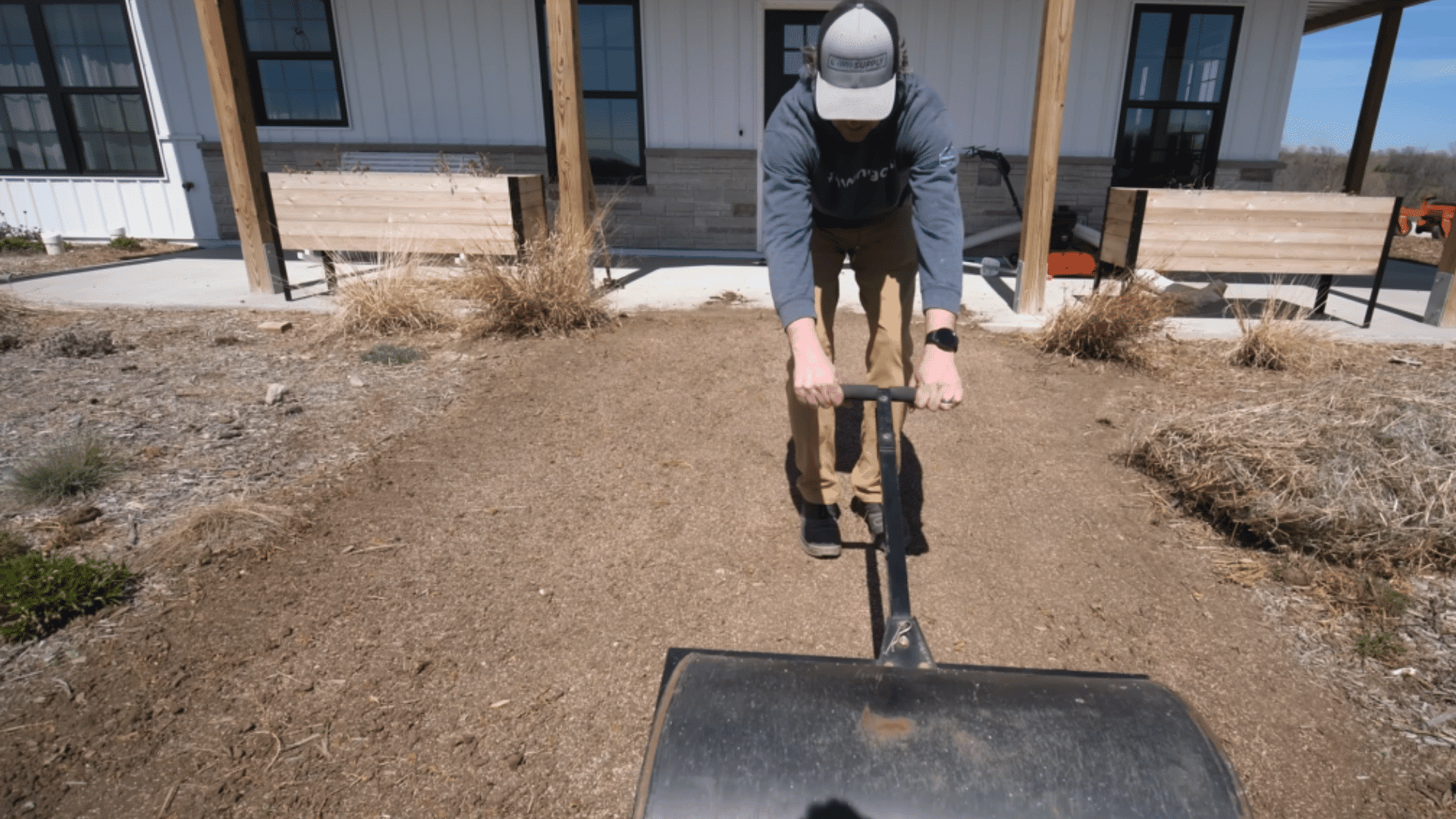
Lightly press the soil using a lawn roller or by walking over it. This step helps push the seeds into the soil for better contact with the soil. Even a gentle press can improve the evenness of grass growth.
You don’t need heavy pressure, just enough to settle the seeds. This also helps prevent seeds from being blown or washed away. It’s a simple step that can make a noticeable difference.
Step 6: Cover the Seed for Protection
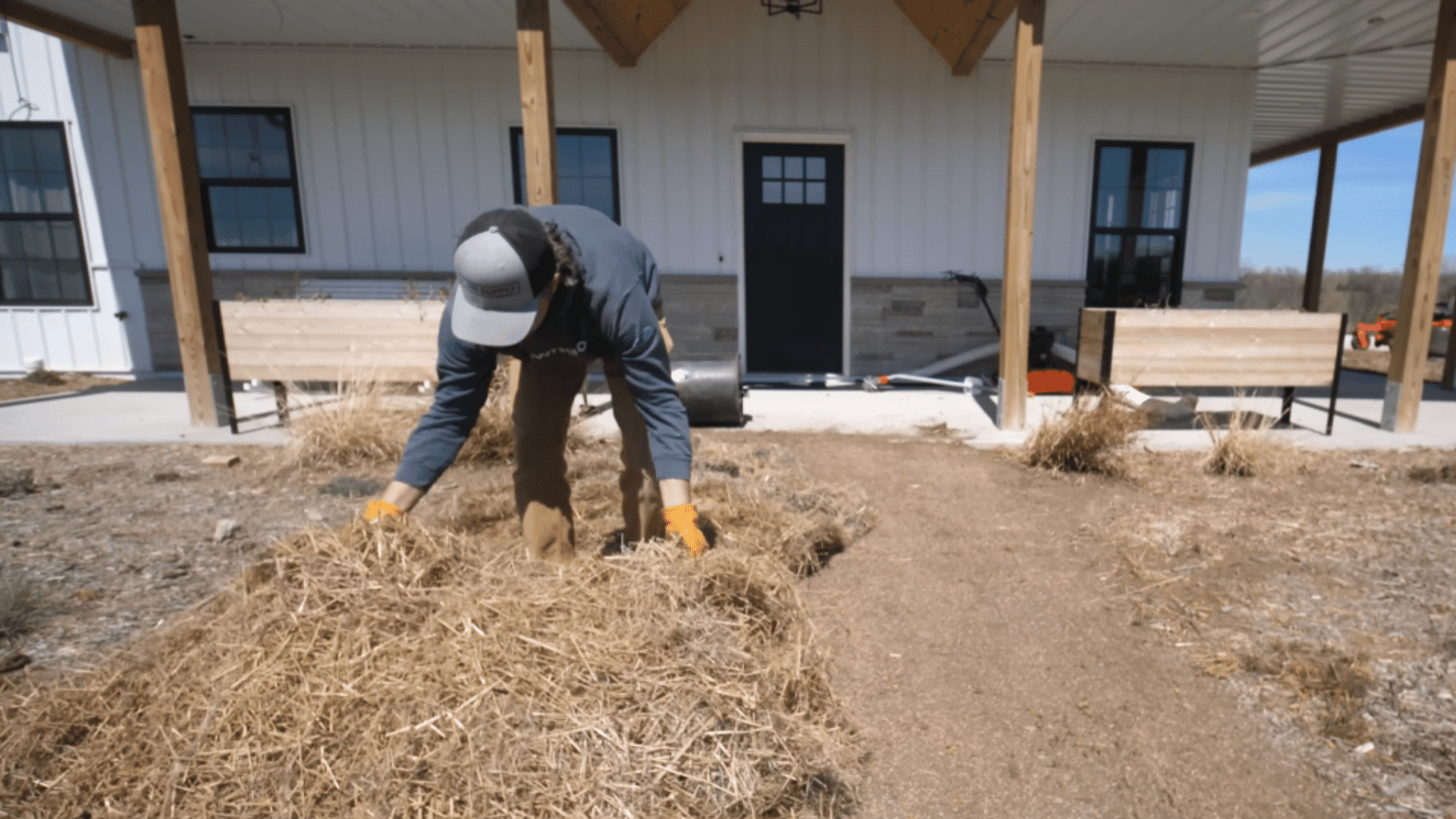
Add a thin layer of straw or use a seed blanket over the area. This helps protect the seeds from birds and keeps moisture locked in. It also reduces the chances of seeds drying out too quickly.
Make sure the covering is light so sunlight can still reach the seeds. Avoid piling too much material, as it can block growth. A proper cover creates a more stable environment for sprouting.
Step 7: Water Consistently
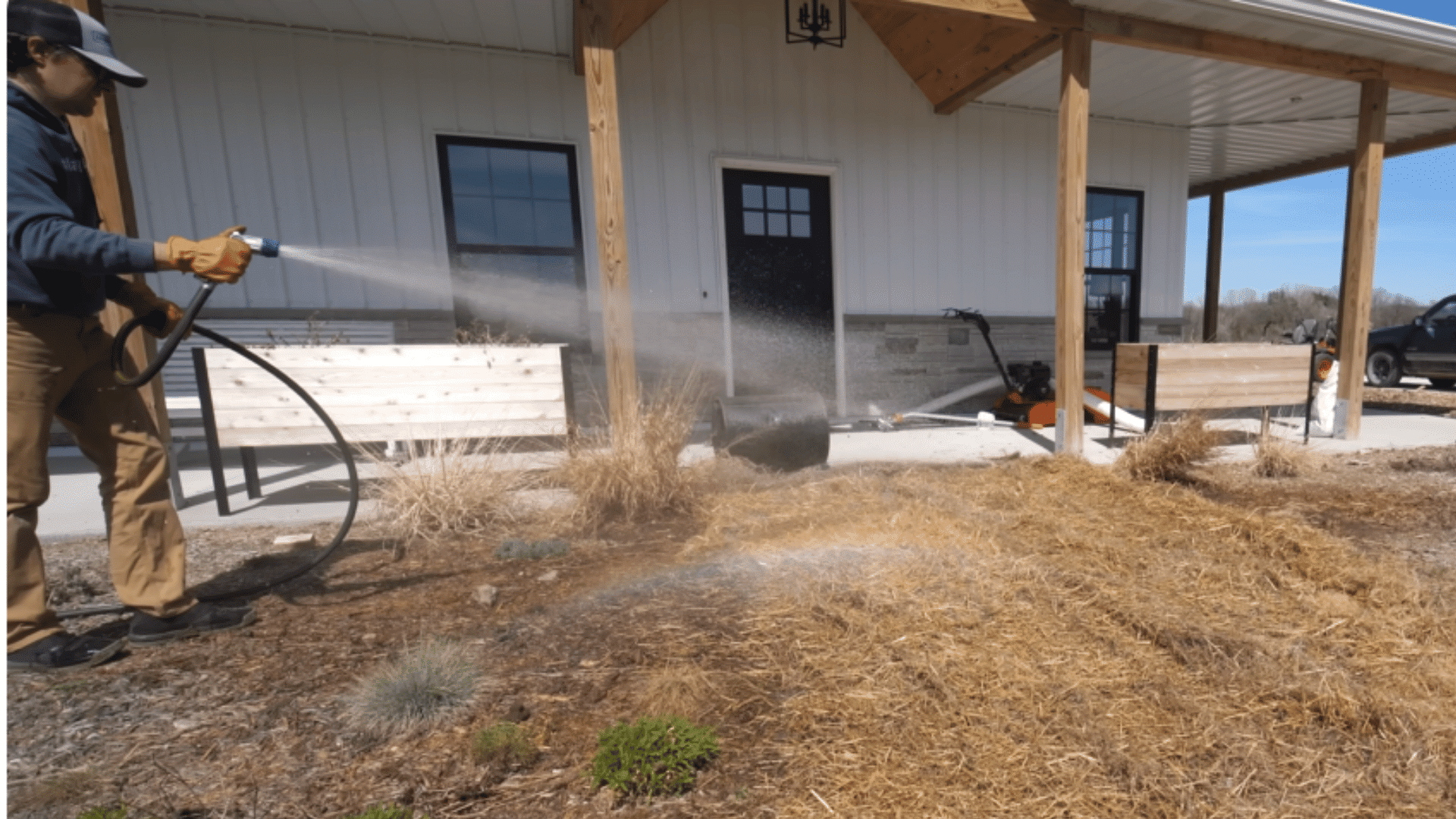
Water lightly and frequently to keep the soil consistently moist. Avoid heavy watering, as it can wash seeds away from their spot. Continue this routine until the grass starts to sprout and establish.
Try watering once or twice a day, depending on weather conditions. Keep checking the soil so it never fully dries out. Consistent moisture is key to helping new grass grow strong and healthy.
Check out The Video Below for A Clear Visual Guide Through Each Step:
Different Methods for Planting Grass Seed
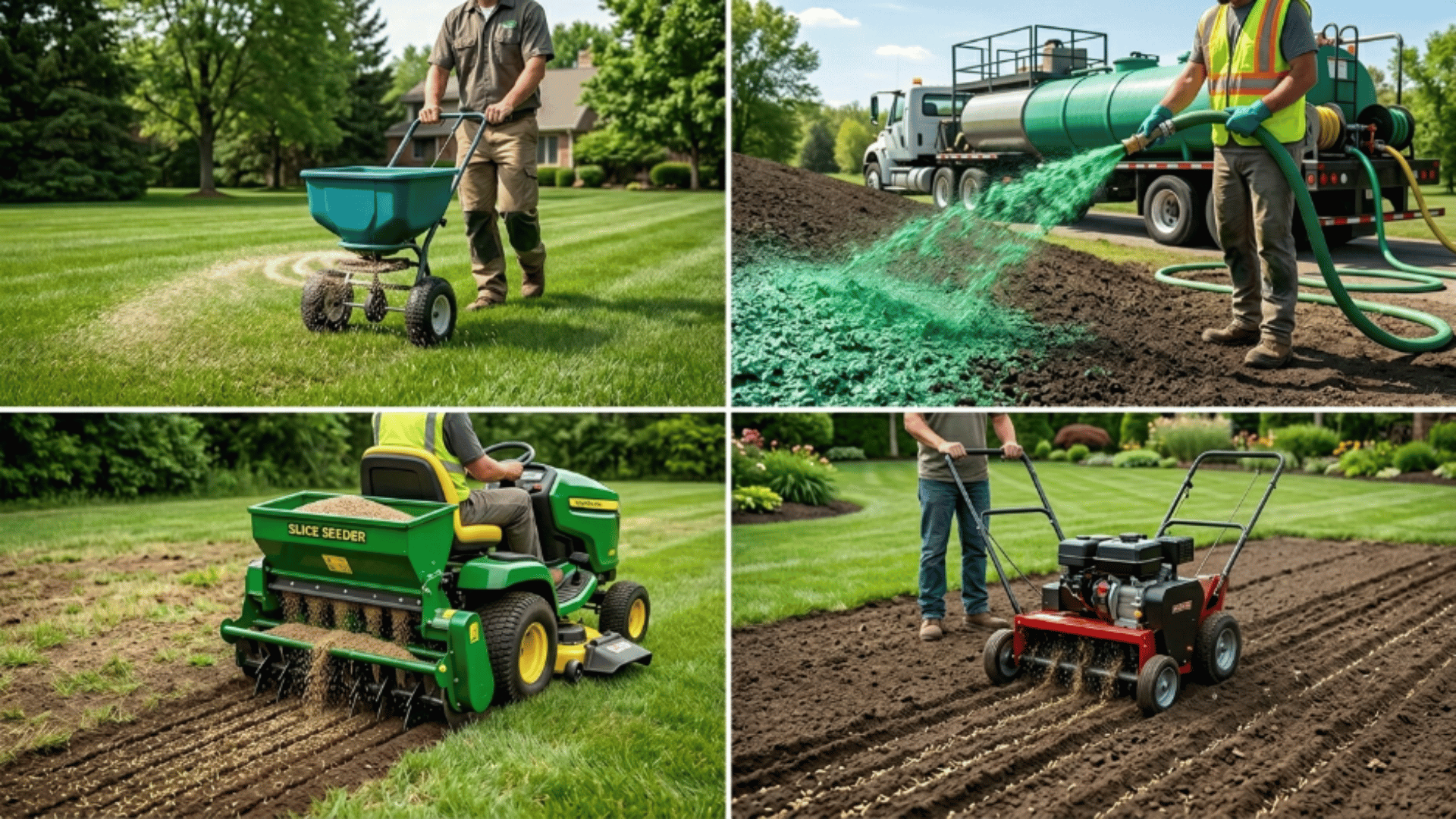
Choosing the right method for planting grass seed depends on the size of your lawn, your budget, and how much time you want to spend.
1. Broadcast Spreader Method
A broadcast spreader helps distribute seeds evenly across larger areas. It saves time and provides better coverage than hand seeding.
This method is ideal for medium to large lawns where consistency matters. You can adjust the spreader settings based on seed type. It reduces the risk of clumping seeds in one area.
This planting grass seed method gives a more uniform lawn appearance over time.
2. Hydroseeding Method
Hydroseeding involves spraying a mix of seed, mulch, and water onto the soil. It helps retain moisture and improves seed-to-soil contact.
This method is commonly used for large areas or uneven ground. The mulch layer protects seeds from drying out quickly. It can lead to faster and more even germination.
This planting grass seed method is often used for commercial or large residential lawns.
3. Slice Seeding Method
Slice seeding uses a machine that cuts into the soil and deposits seeds directly into the soil. It improves seed-to-soil contact without needing heavy soil prep.
This method works well for overseeding existing lawns. It helps seeds stay protected from wind and runoff. The process encourages stronger root development. It’s a good option for lawns that need thickening.
4. Slit Seeding Method
Slit seeding is similar to slice seeding but focuses on creating small grooves in the soil. Seeds are dropped into these grooves for better protection and growth.
It’s effective for improving thin lawns and boosting grass density. This method reduces seed loss due to birds or weather. It promotes more consistent germination across the area. It’s especially useful for restoring worn-out lawns.
Aftercare Tips for Healthy Grass Growth
Proper care helps the seeds grow evenly and turn into a thick, healthy lawn. A little consistency during this stage can make a big difference in the final results.
- Regular Watering: Keep the soil consistently moist by watering lightly once or twice a day, especially during the early stage. This helps seeds germinate evenly and prevents drying out.
- Limit Traffic: Avoid walking on the newly seeded area whenever possible to protect the seeds and young grass. Keeping the area undisturbed allows roots to form properly.
- Proper Mowing: Wait until the grass reaches around 3–4 inches before mowing for the first time. This ensures the grass is strong enough to handle cutting.
- Weed Control: Keep an eye on weeds during the early growth stage, but avoid using harsh chemicals right away. Early monitoring helps you manage weeds without harming new grass.
- Timely Feeding: Apply fertilizer after the grass has started growing and has had time to establish. This supports healthier growth and improves overall lawn thickness.
Conclusion
Getting a healthy, green lawn is easier than it may seem when you follow the right approach. Focus on choosing the right method, spreading seeds carefully, and giving your lawn the care it needs in the early stage.
Consistency plays a big role, especially when it comes to watering and protecting the area. With a little patience, you’ll start to see fresh grass filling in those empty spots.
Over time, your lawn will look fuller, stronger, and more inviting. Don’t wait too long to begin. Start planting grass seed today and take the first step toward a lawn you’ll enjoy every day.

With a Master’s in Landscape Architecture from the University of Virginia, Sophia Stephenson has dedicated the last 20 years to creating and maintaining vibrant outdoor spaces. Her professional journey started in landscape design, where she gained a reputation for innovative and sustainable approaches. Sophia became a part of our editorial team as a freelancer in 2019, offering a fresh perspective on outdoor living. Since 2020, she has been the chief for our outdoor design content, blending aesthetic appeal with environmental stewardship. In her leisure time, Sophia is a keen photographer, capturing the beauty of natural landscapes, a hobby that complements her professional expertise.