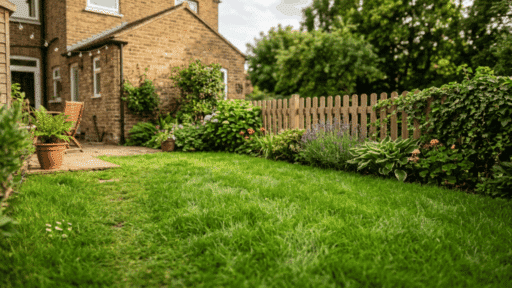
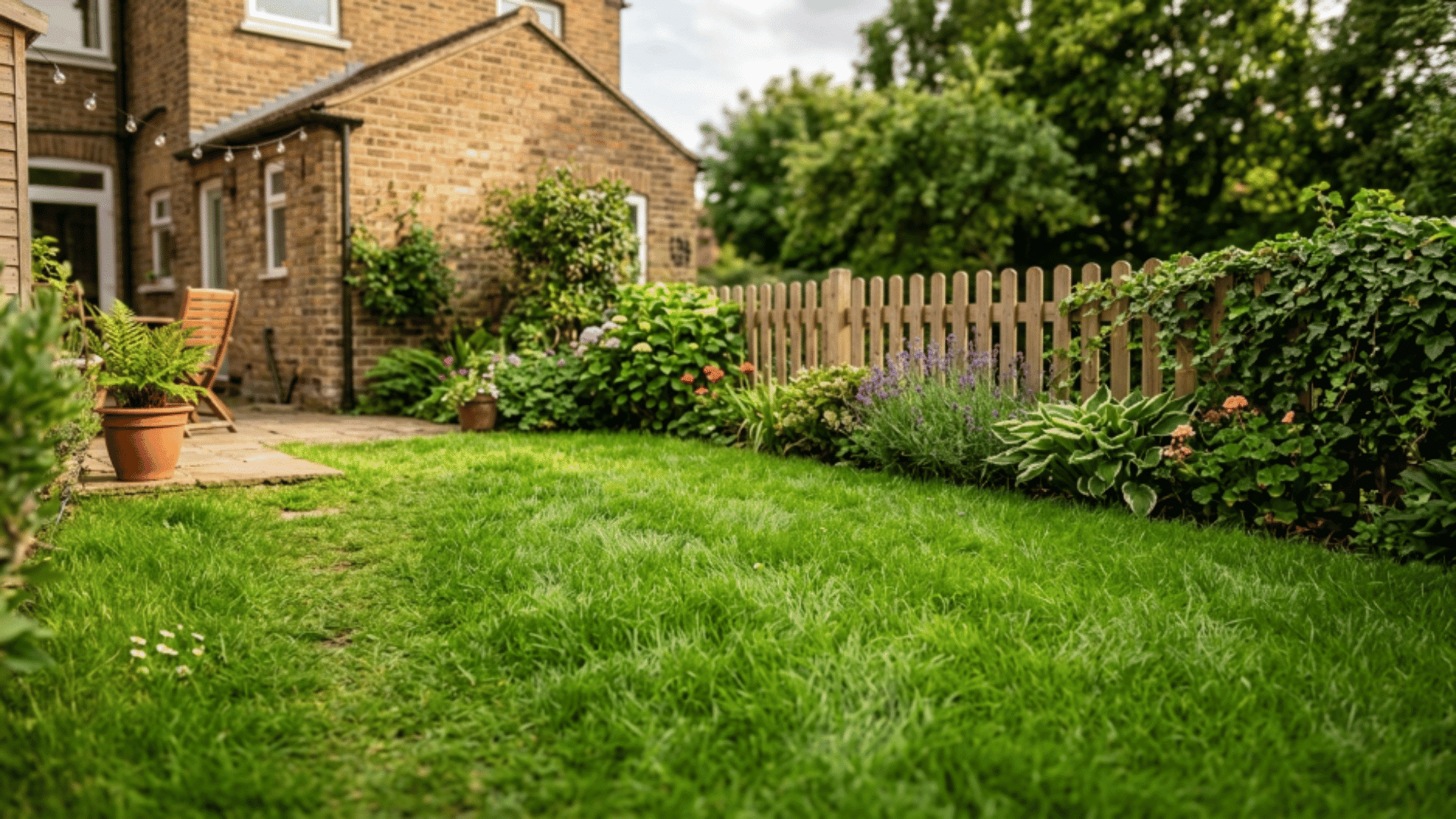

Choosing the right grass can make a big difference in how a lawn looks and feels. Not all lawns are the same, and using the wrong type can lead to patchy growth, high maintenance, or poor results.
That’s why understanding the different types of grass is important before planting or upgrading a yard. Each grass type has its own growth pattern, texture, and climate preference.
This blog breaks down the most common types of grass, along with simple tips to help identify and choose the best fit for a healthy, long-lasting lawn.
Why Your Local Climate Matters When Choosing Grass
Climate plays a big role in deciding which grass will grow well in a lawn. Some types prefer hot weather, while others do better in cooler temperatures and mild conditions.
Rainfall and humidity also affect the health of the grass throughout the year. In warmer regions, warm-season grasses grow faster and stay green longer.
Choosing the right grass type for your climate helps avoid issues like patchy growth or frequent maintenance.
A grass type that matches the local weather will grow stronger, require less care, and keep the lawn looking healthy for longer.
Types of Grass for Warm Season
Warm-season grasses grow best in hot climates and stay active during the summer months when temperatures are high.
These types are known for their strong heat tolerance, ability to recover from wear, and lower water needs compared to cool-season varieties.
1. Bermuda Grass
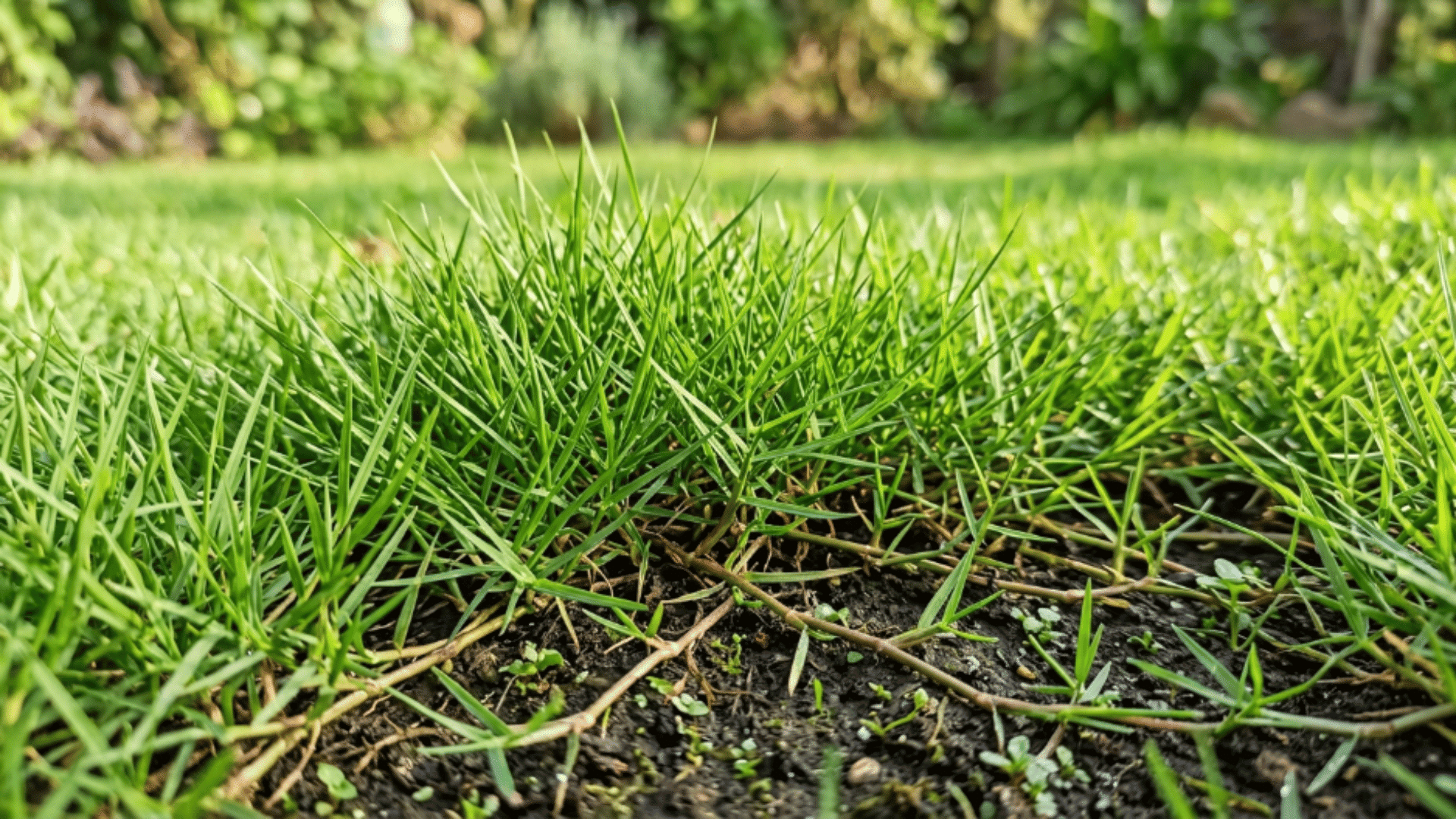
Bermuda grass is one of the most popular warm-season grasses because of its fast growth and strong ability to handle heavy use.
It spreads quickly across lawns, making it a great choice for areas where people walk, play, or spend time outdoors often.
- Characteristics: Fine-textured blades, dense and spreading growth, bright green color during active months.
- Identification Tip: Look for thin blades with a soft feel and a carpet-like spread that grows through above-ground and below-ground runners.
2. Zoysia Grass
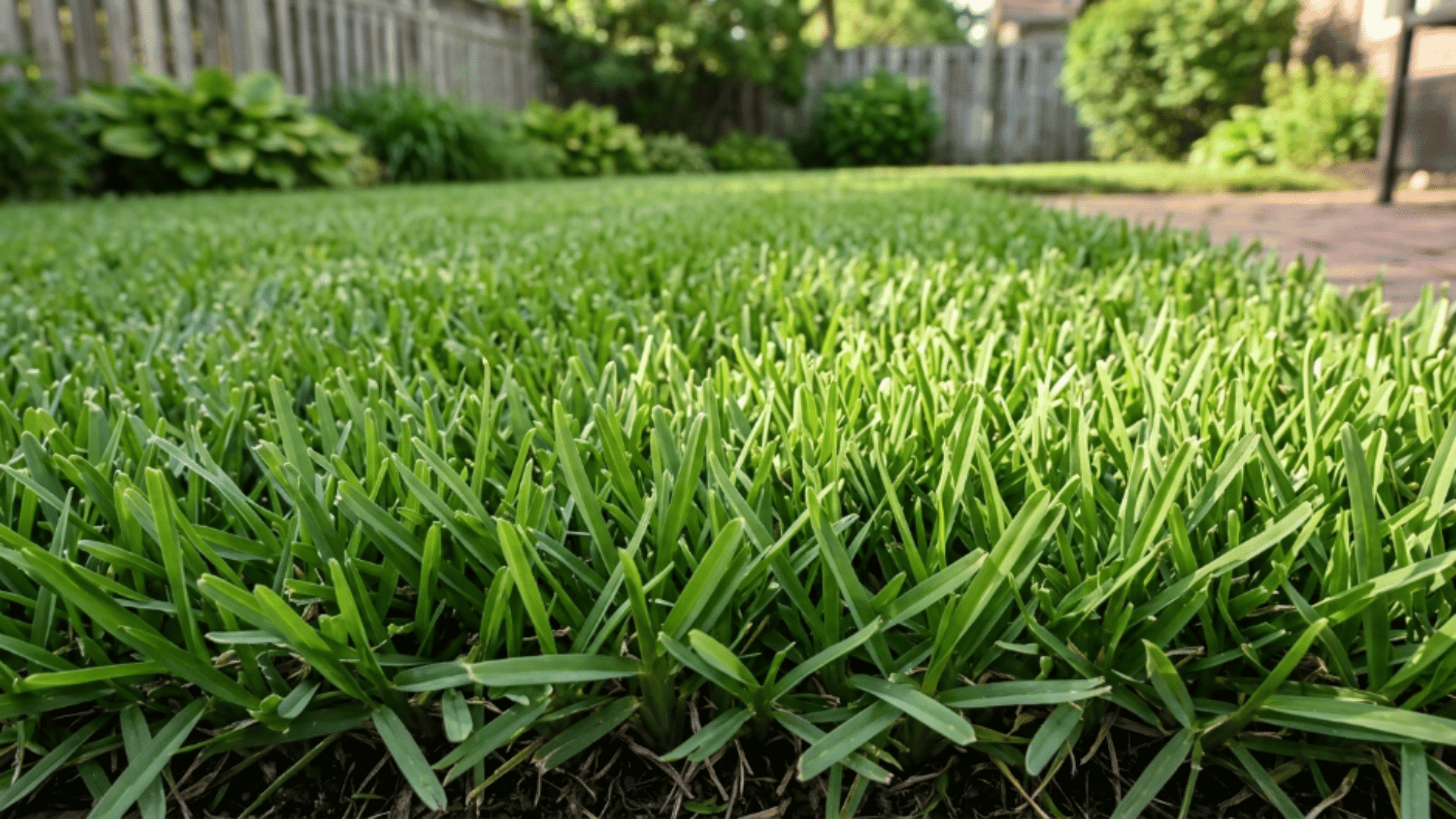
Zoysia grass is known for forming a thick, cushion-like lawn that feels comfortable to walk on and looks well-covered.
This grass handles heat and moderate traffic well, while also offering a clean, uniform appearance. It is often chosen for lawns that need both durability and a softer feel.
- Characteristics: Medium-width blades, thick and compact growth, soft texture underfoot.
- Identification Tip: Notice the tight growth pattern with slightly stiff blades that stand upright and form a uniform layer.
3. St. Augustine Grass
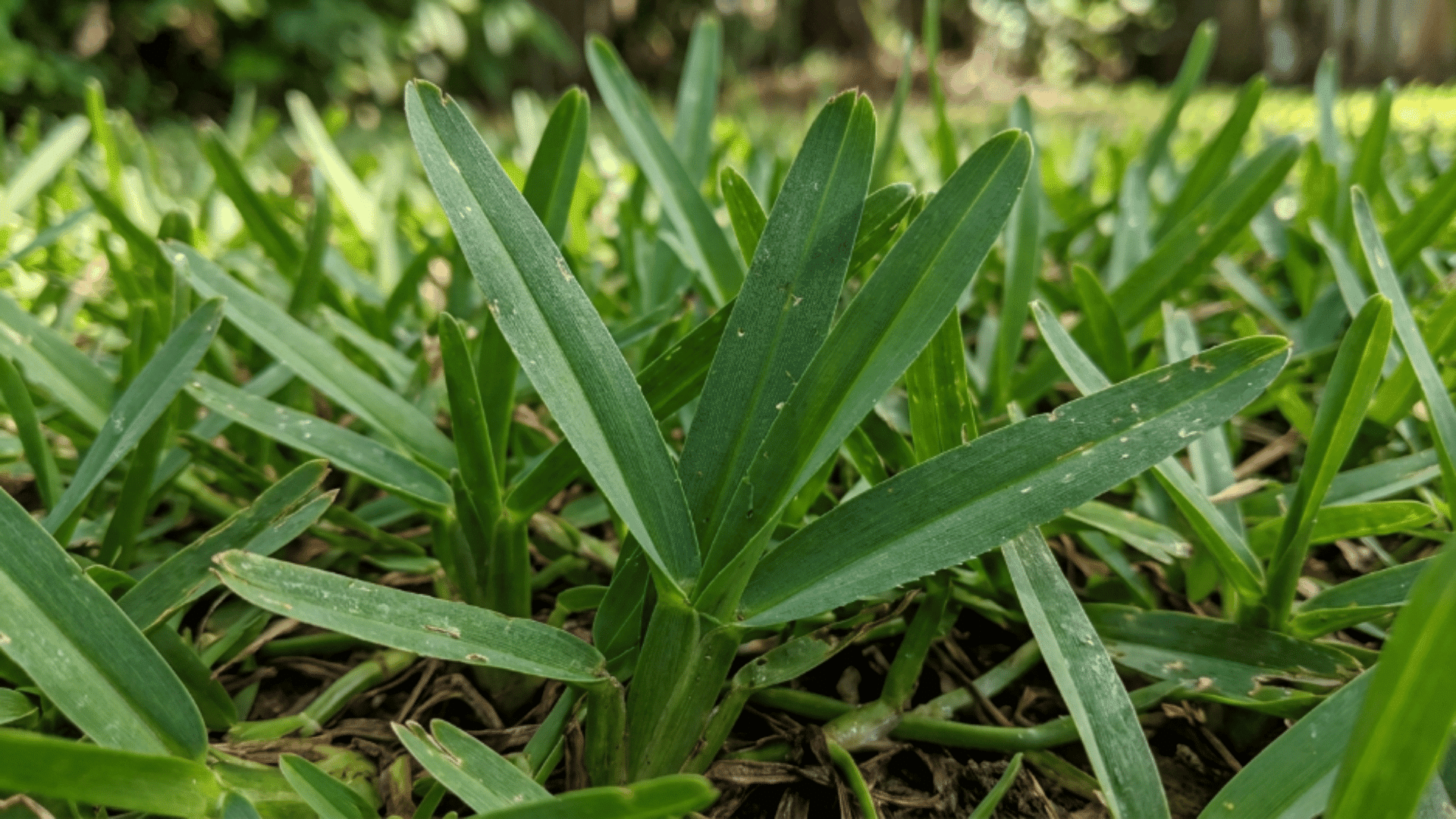
St. Augustine grass is commonly used in warm, humid regions where other grasses may struggle to grow. This grass spreads quickly and covers ground efficiently, especially in areas with good moisture levels.
- Characteristics: Broad, flat blades, deep green shade, coarse and thick texture.
- Identification Tip: Easily recognized by its wide blades and visible runners that spread across the soil surface.
4. Centipede Grass
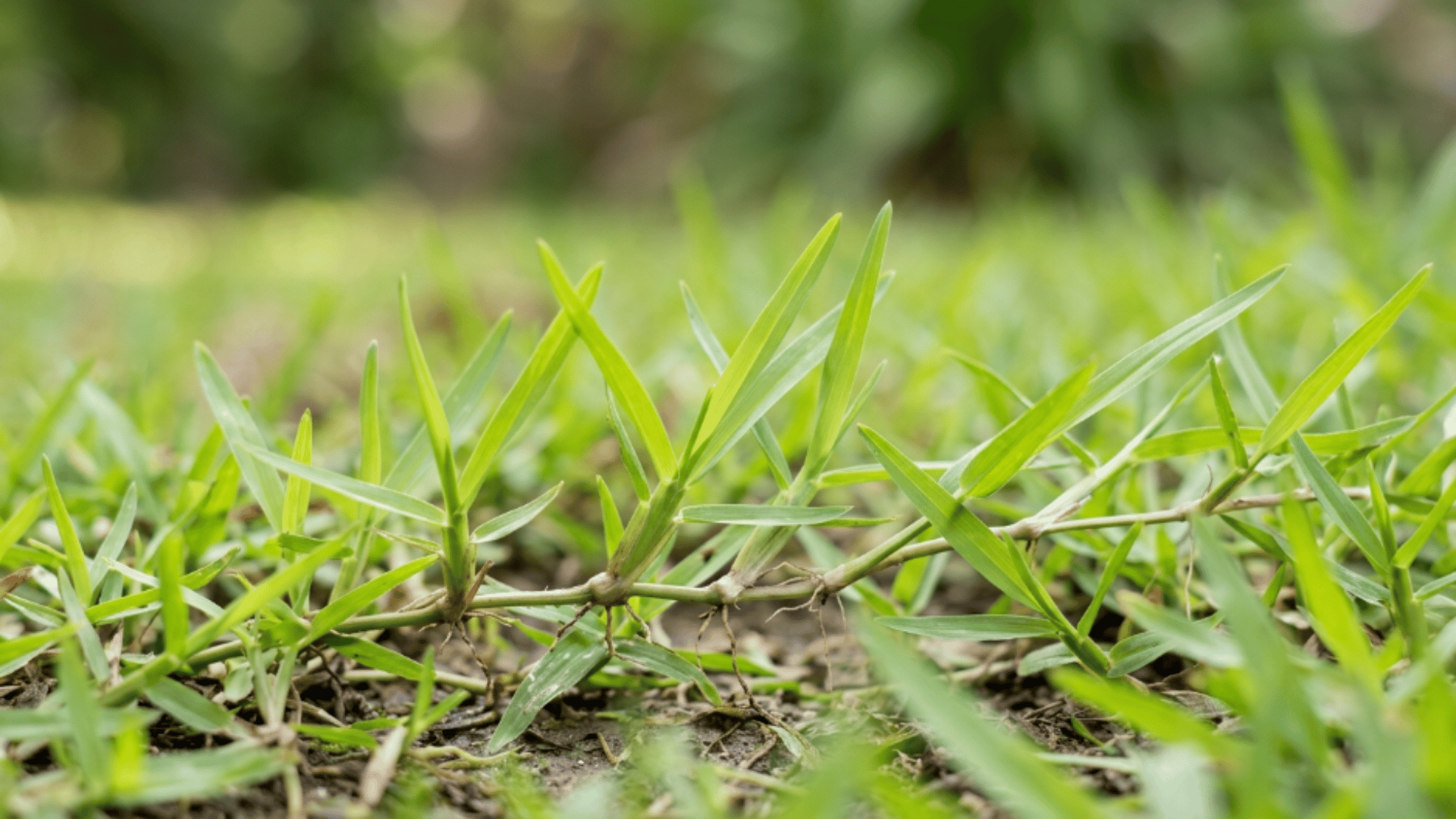
Centipede grass is often called a low-maintenance option because it requires less care compared to many other lawn grasses. It grows slowly, which reduces the need for frequent mowing and upkeep, making it a practical choice for simple lawns.
- Characteristics: Light green color, low and steady growth, minimal maintenance needs
- Identification Tip: Look for its apple-green color and widely spaced blades that grow in a loose, even pattern.
5. Bahia Grass
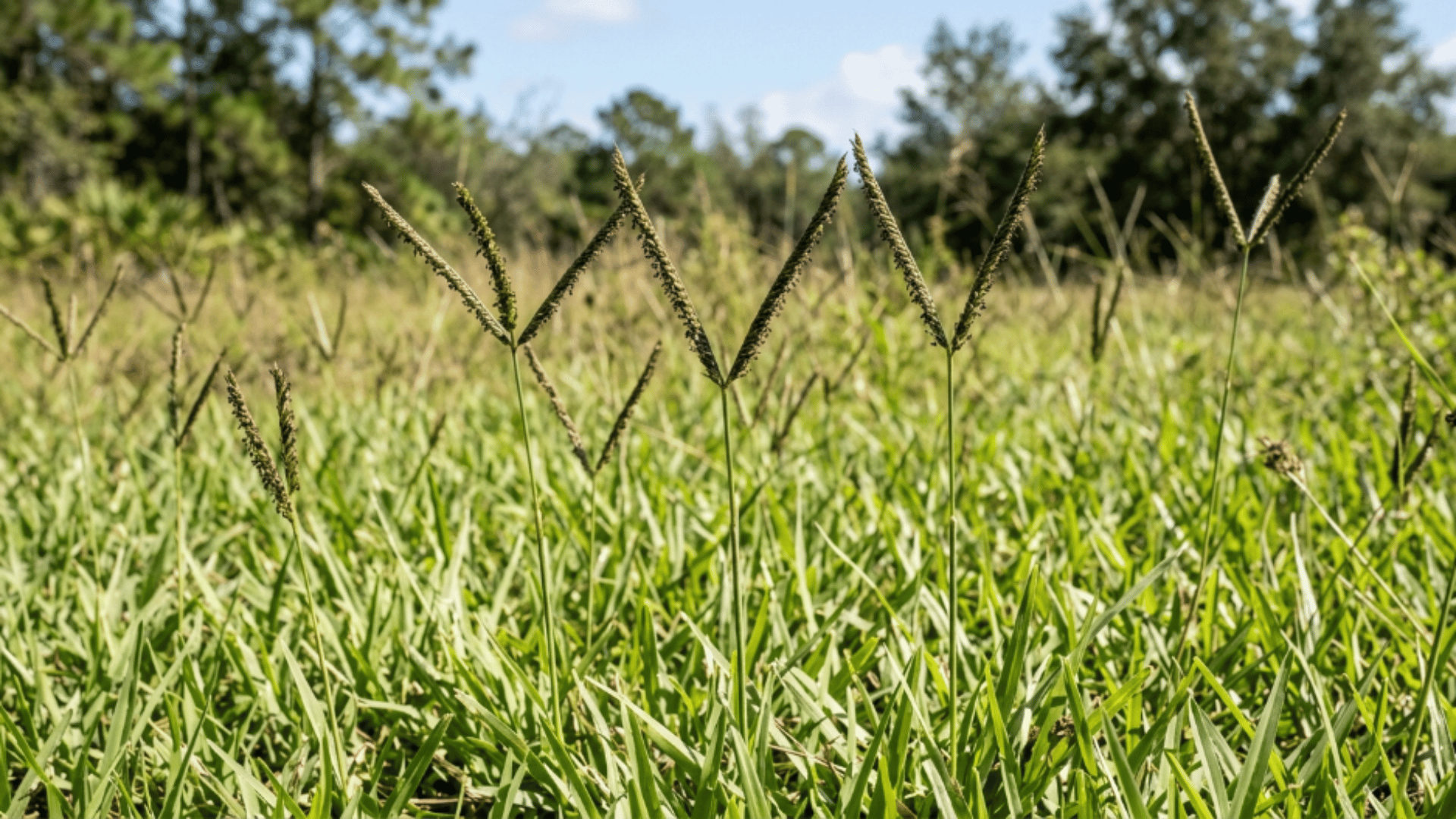
Bahia grass is a tough option that grows well in poor soil or with limited care. This grass is often used in large lawns or open spaces where durability is more important than a perfectly smooth look. It may not form a very dense carpet, but it stays strong under stress.
- Characteristics: Coarse blades, deep root system, strong drought resistance.
- Identification Tip: Recognized by its unique V-shaped seed heads and rough texture compared to finer grasses.
6. Carpet Grass
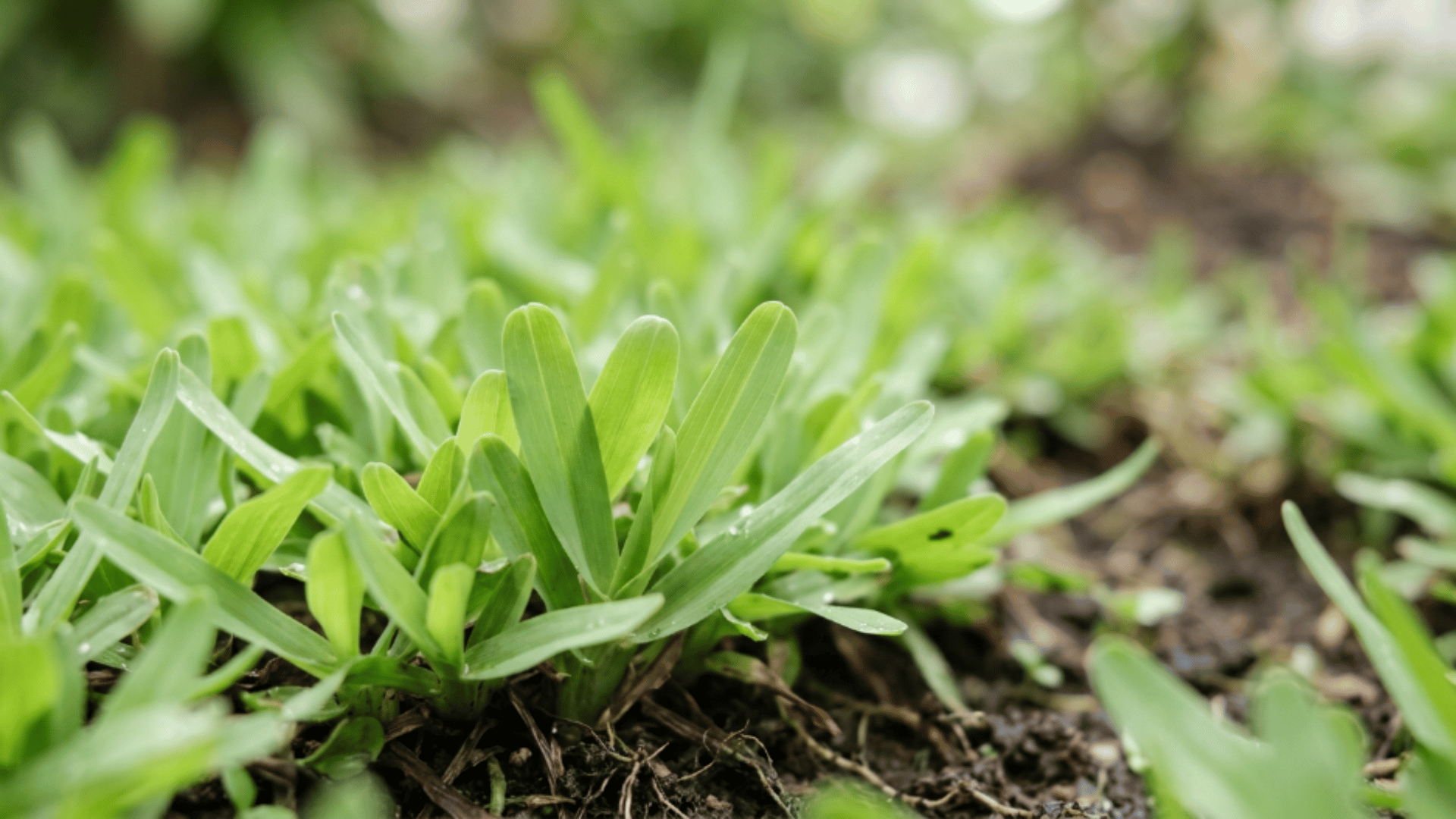
Carpet grass is a simple, easy-to-grow grass that performs well in moist, low-fertility soils where other grasses may struggle. It spreads quickly and forms a light green lawn that covers the ground evenly, requiring little attention.
- Characteristics: Light green color, medium texture, spreading growth habit.
- Identification Tip: Look for rounded leaf tips and a low-growing pattern that forms a soft, carpet-like surface.
7. Seashore Paspalum
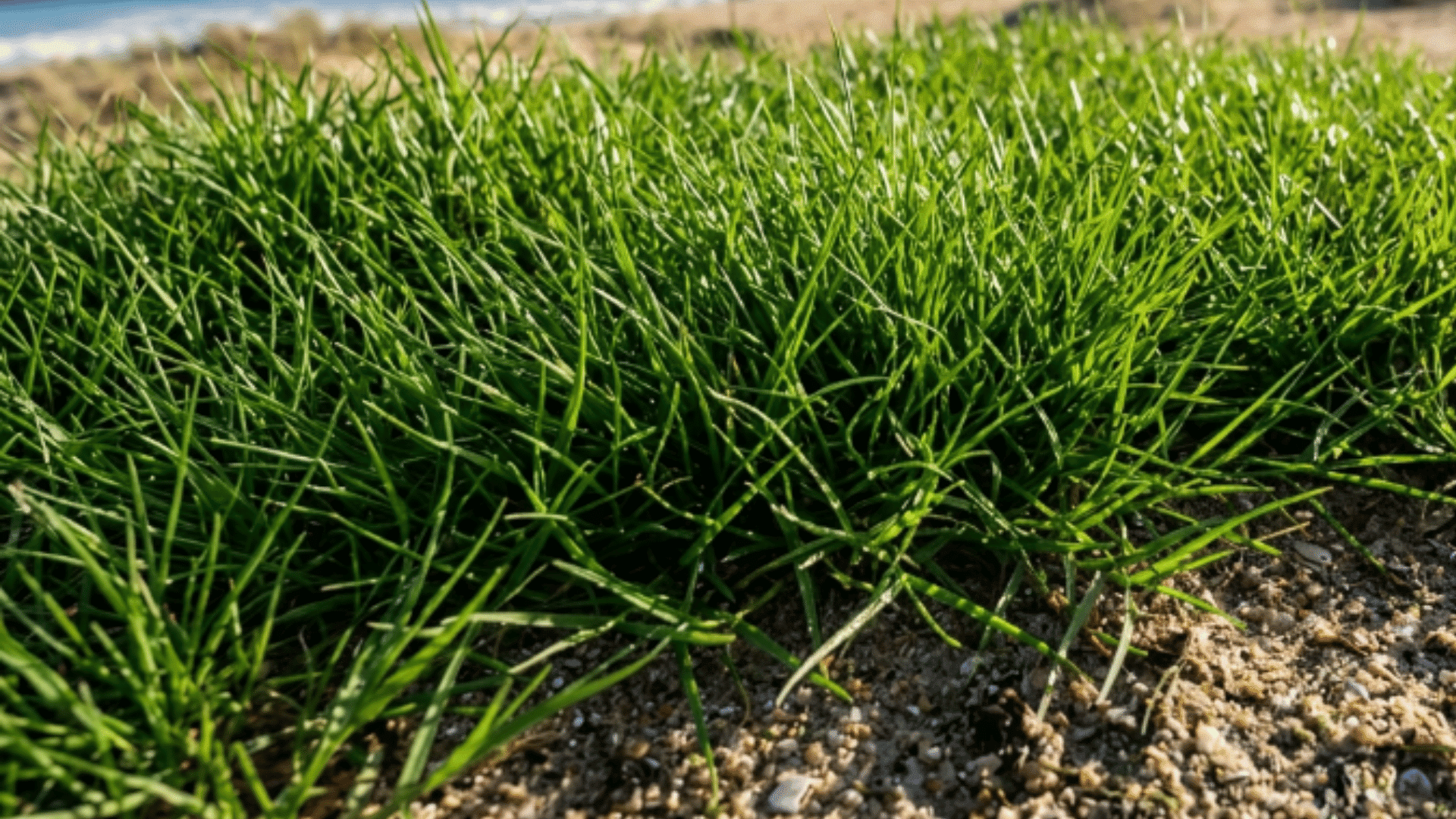
Seashore paspalum is a unique warm-season grass that performs well in coastal areas where soil may contain salt. It creates a smooth, attractive lawn while tolerating conditions that many other grasses cannot.
- Characteristics: Fine blades, smooth texture, high salt tolerance.
- Identification Tip: Similar in appearance to Bermuda grass but softer, often found growing well in salty or coastal environments.
8. Buffalo Grass
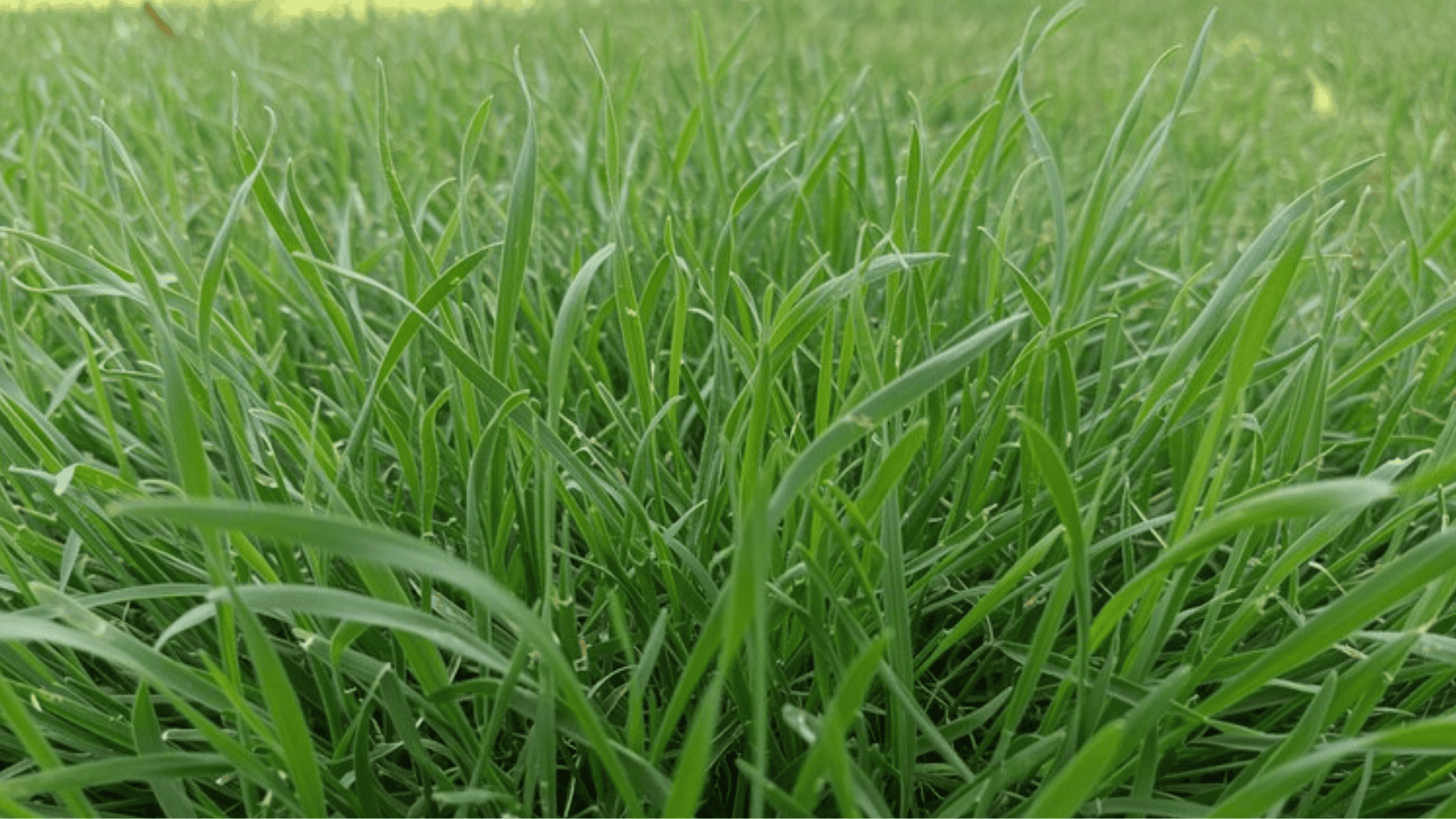
Buffalo grass is a low-water grass that works well in dry regions where conserving water is important.
This grass creates a soft and slightly loose lawn that looks natural rather than perfectly trimmed. It is a good choice for those who want a simple and easy lawn.
- Characteristics: Soft texture, blue-green color, excellent drought tolerance.
- Identification Tip: Look for its curly or slightly wavy leaves and a less dense growth pattern compared to thicker lawn grasses.
Types of Grass for Cool Season
Cool-season grasses grow best in areas with mild summers and cold winters. These types of grass stay green during spring and fall.
Below are some common cool-season grasses, along with their features and simple identification tips.
9. Kentucky Bluegrass
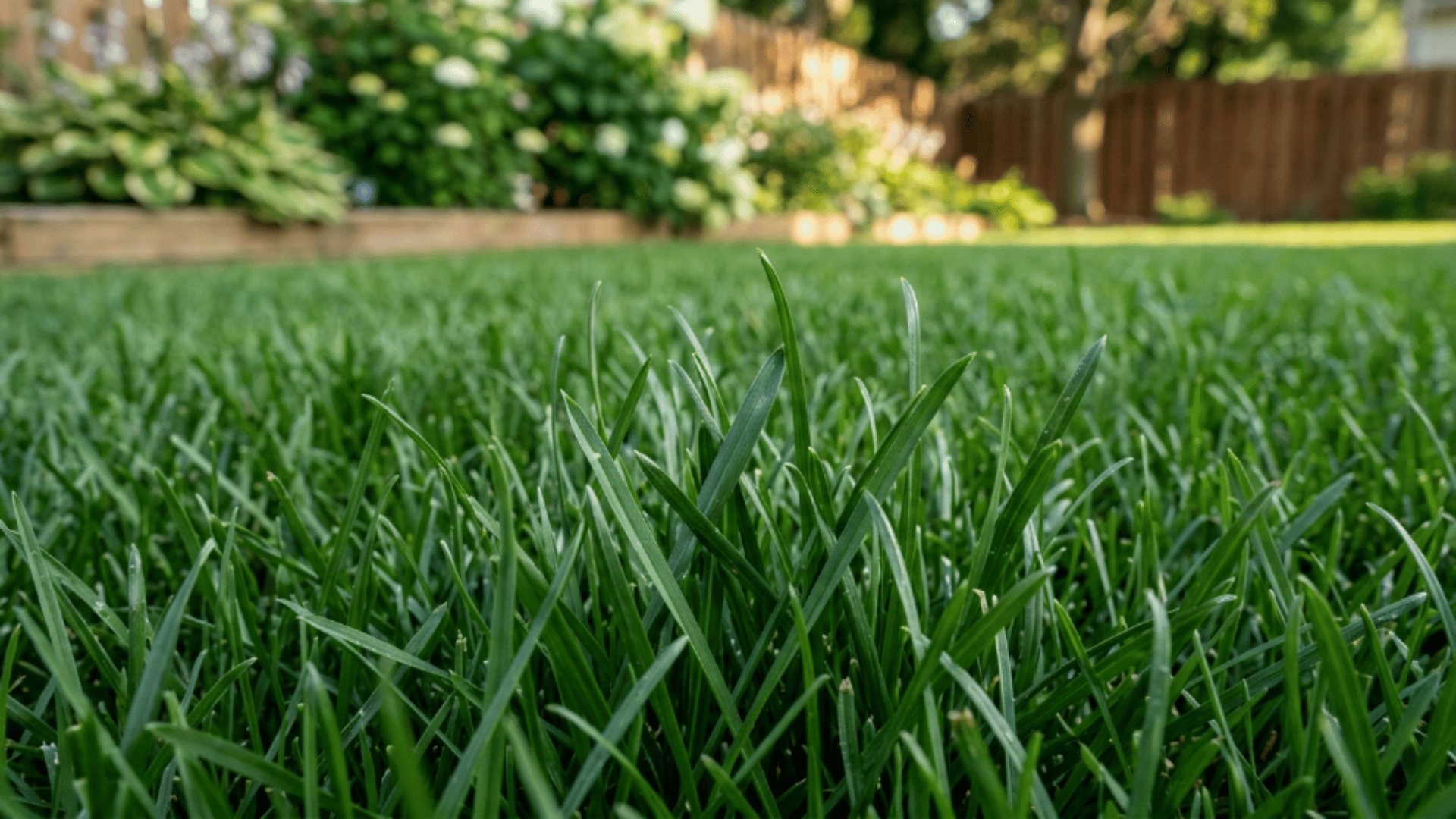
Kentucky bluegrass is one of the most popular cool-season grasses because of its rich color and soft texture.
This grass spreads through underground stems, which helps it repair itself over time. It performs best in moderate climates and needs regular care to stay healthy.
- Characteristics: Dark green color, fine texture, dense spreading growth through underground rhizomes.
- Identification Tip: Look for boat-shaped leaf tips and a smooth, soft surface that forms a thick lawn.
10. Perennial Ryegrass
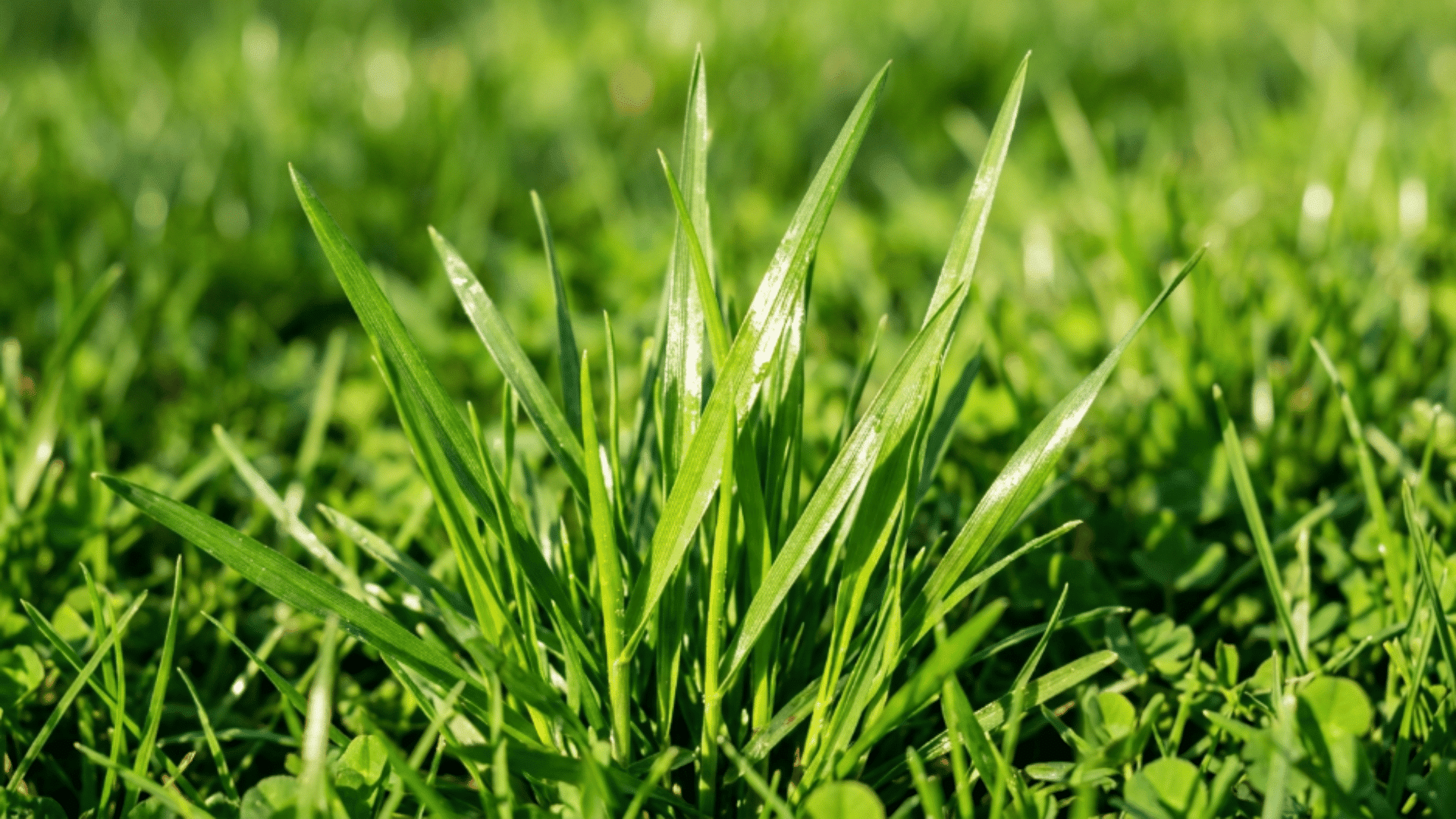
Perennial ryegrass is known for its fast germination and quick lawn coverage, making it a popular choice for overseeding.
It is often used in areas that need quick results and temporary coverage. It performs well in cooler climates with regular watering.
- Characteristics: Fine to medium blades, bright green color, bunch-type growth.
- Identification Tip: Notice its shiny leaf surface and its fast growth, which quickly fills bare spots.
11. Fine Fescue
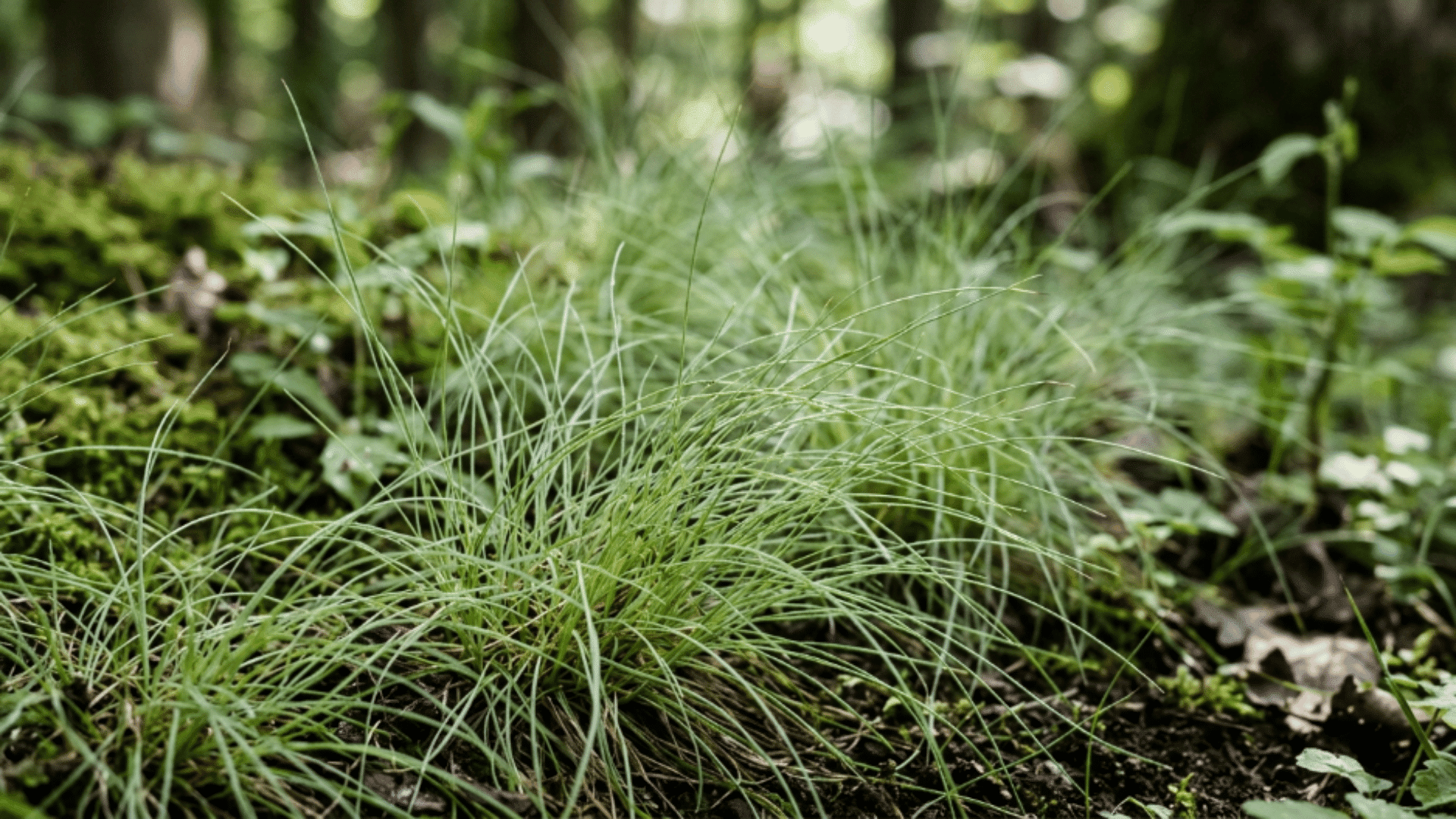
Fine fescue is a group of grasses known for their thin blades and ability to grow in shaded areas.
It is often used in lawns that do not receive full sunlight throughout the day. This grass requires less maintenance and can grow well in poor soil conditions.
- Characteristics: Very thin blades, soft texture, good shade tolerance.
- Identification Tip: Look for narrow, hair-like leaves and a light, airy growth pattern.
12. Tall Fescue
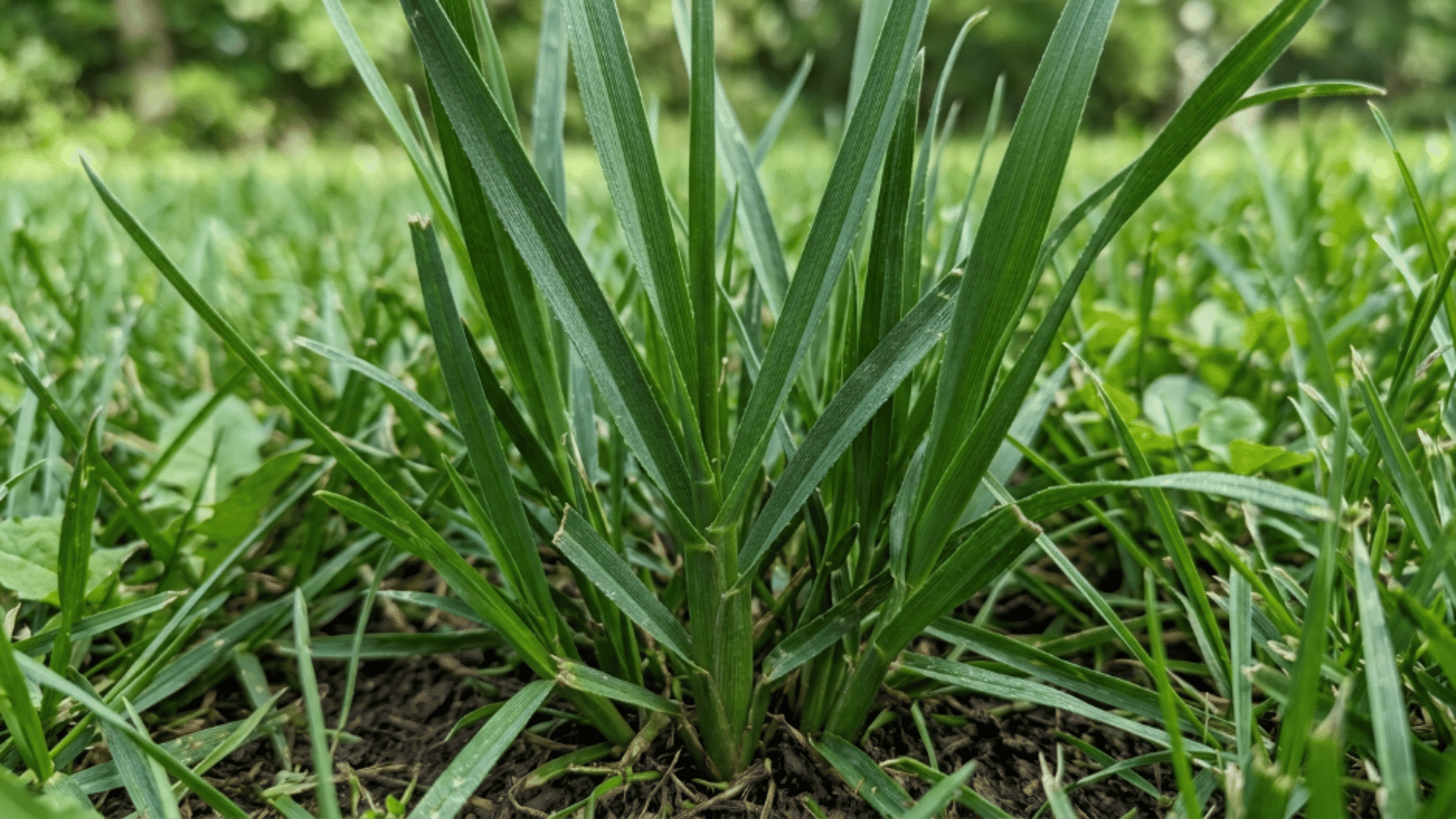
Tall fescue is a strong, durable grass that can withstand various weather conditions and heavy use.
It has deep roots, which help it survive dry periods better than many other cool-season grasses. This grass forms thicker blades, giving lawns a slightly rougher feel.
- Characteristics: Wide blades, deep root system, drought tolerance.
- Identification Tip: Recognized by its coarse texture and upright growth with visible clumps.
13. Creeping Bentgrass
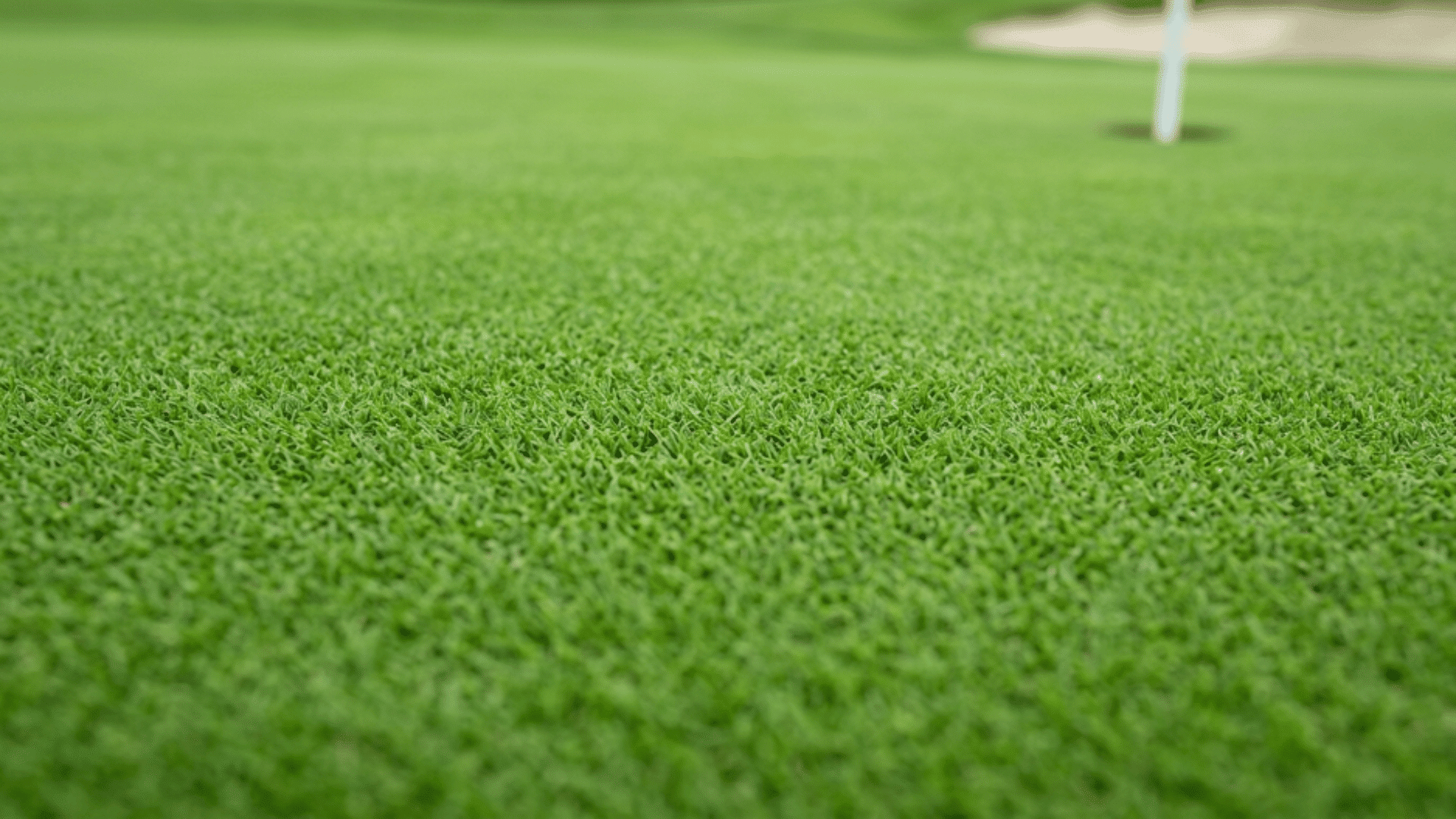
Creeping Bentgrass is often used on golf courses for its smooth, low-growing surface. It spreads via above-ground runners, creating a very fine, even lawn. This grass requires more care and regular mowing to maintain its neat appearance.
- Characteristics: Very fine blades, dense mat-like growth, spreading through stolons.
- Identification Tip: Look for its extremely short, smooth surface and fine texture that feels almost like a carpet.
14. Annual Ryegrass
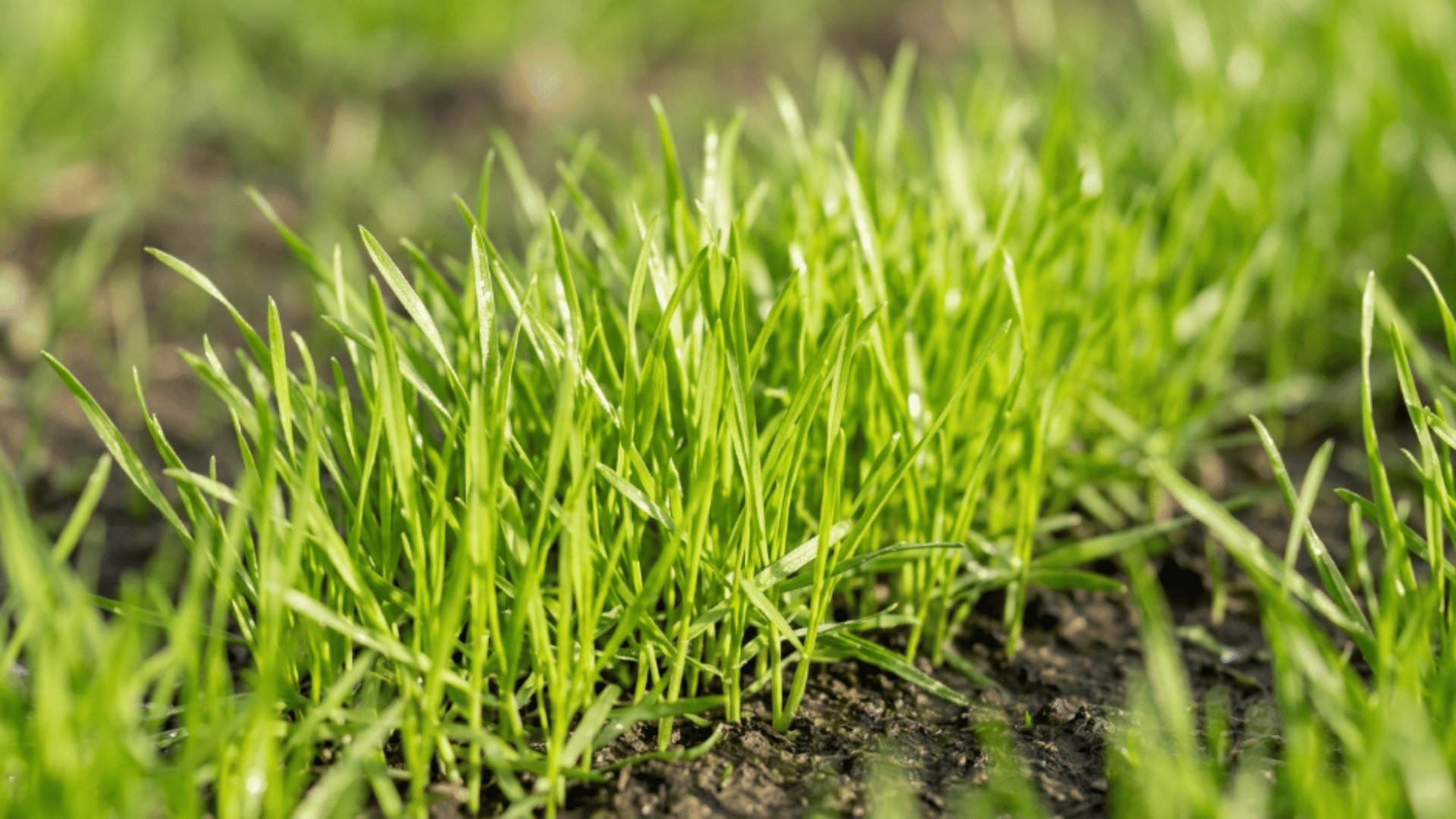
Annual ryegrass is often used for temporary lawns or quick coverage because it grows very fast. It quickly provides a green lawn, especially in cooler months. This grass does not last long and usually needs to be replanted each year.
- Characteristics: Bright green color, fast growth rate, short lifespan.
- Identification Tip: Notice its rapid germination and upright blades that emerge quickly after planting.
15. Hard Fescue
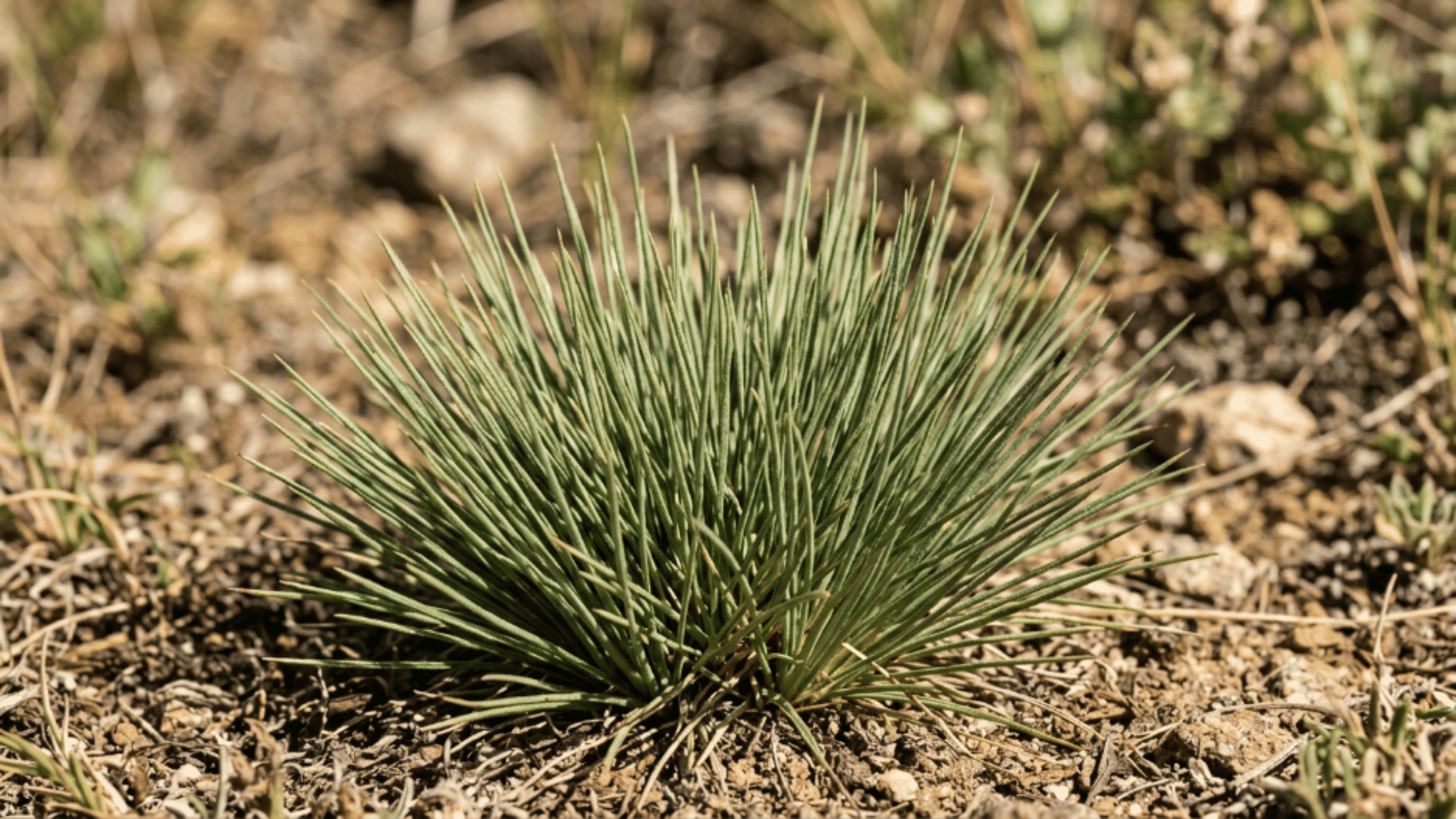
Hard fescue is a tough and low-maintenance grass that grows well in poor soil and dry conditions. It is often used in areas where regular care is not possible. This grass has a neat appearance and stays relatively short without frequent mowing.
- Characteristics: Fine blades, drought tolerance, and low maintenance needs.
- Identification Tip: Look for stiff, narrow leaves and a tidy, clumping growth pattern.
16. Sheep Fescue
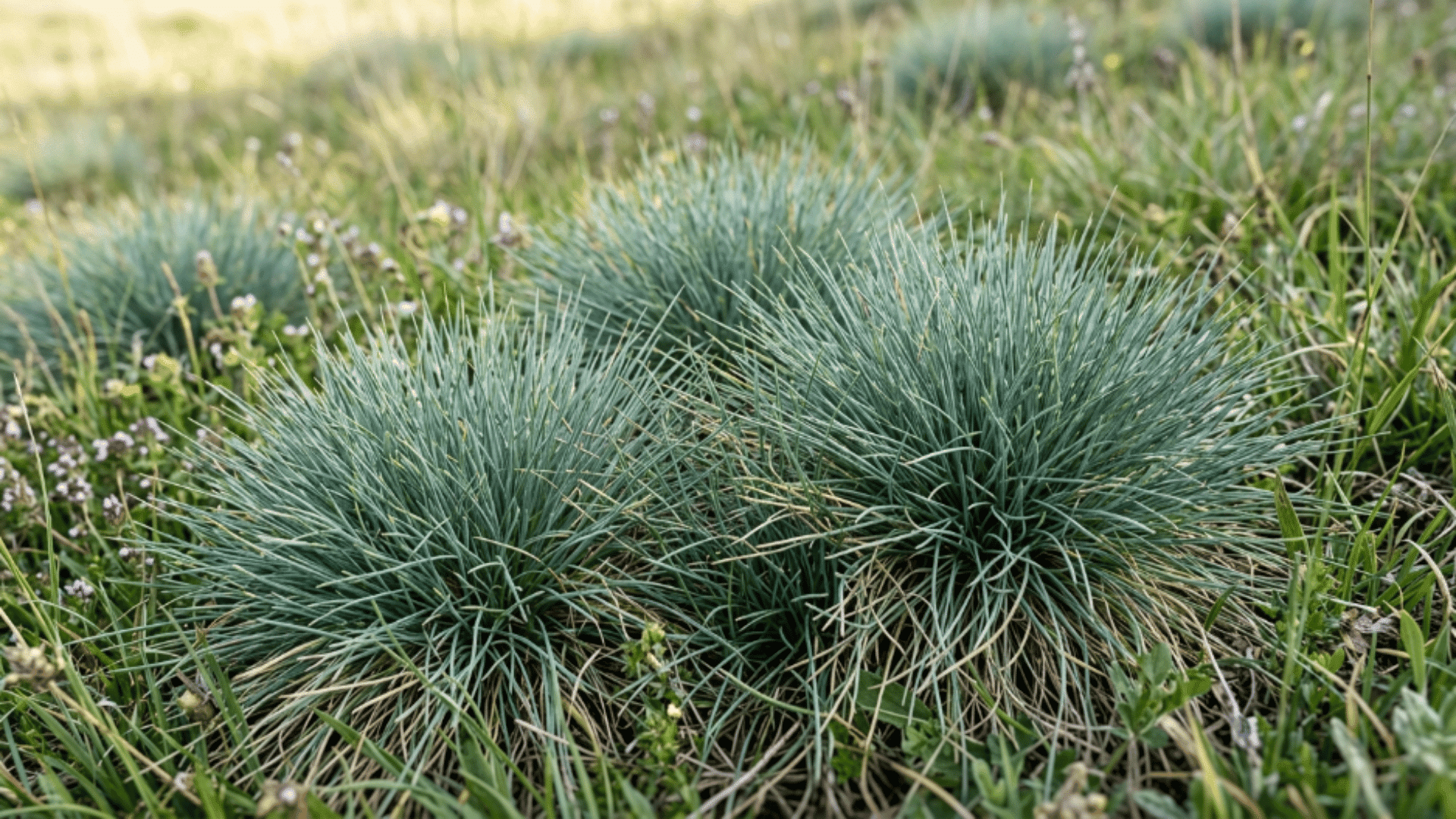
Sheep fescue is a hardy grass that grows well in dry and open areas with minimal care. It forms small clumps, giving the lawn a natural, slightly wild look. This grass is often used in landscapes that do not require a perfectly even surface.
- Characteristics: Fine texture, clump-forming growth, drought resistance.
- Identification Tip: Recognized by its bluish-green color and tufted growth pattern that forms small bunches.
Ornamental Grass Types
Ornamental grasses are mainly used to add texture, movement, and visual interest to outdoor spaces rather than for regular lawn use.
These grasses come in different heights, colors, and shapes, making them perfect for gardens, borders, and decorative landscapes.
17. Fountain Grass
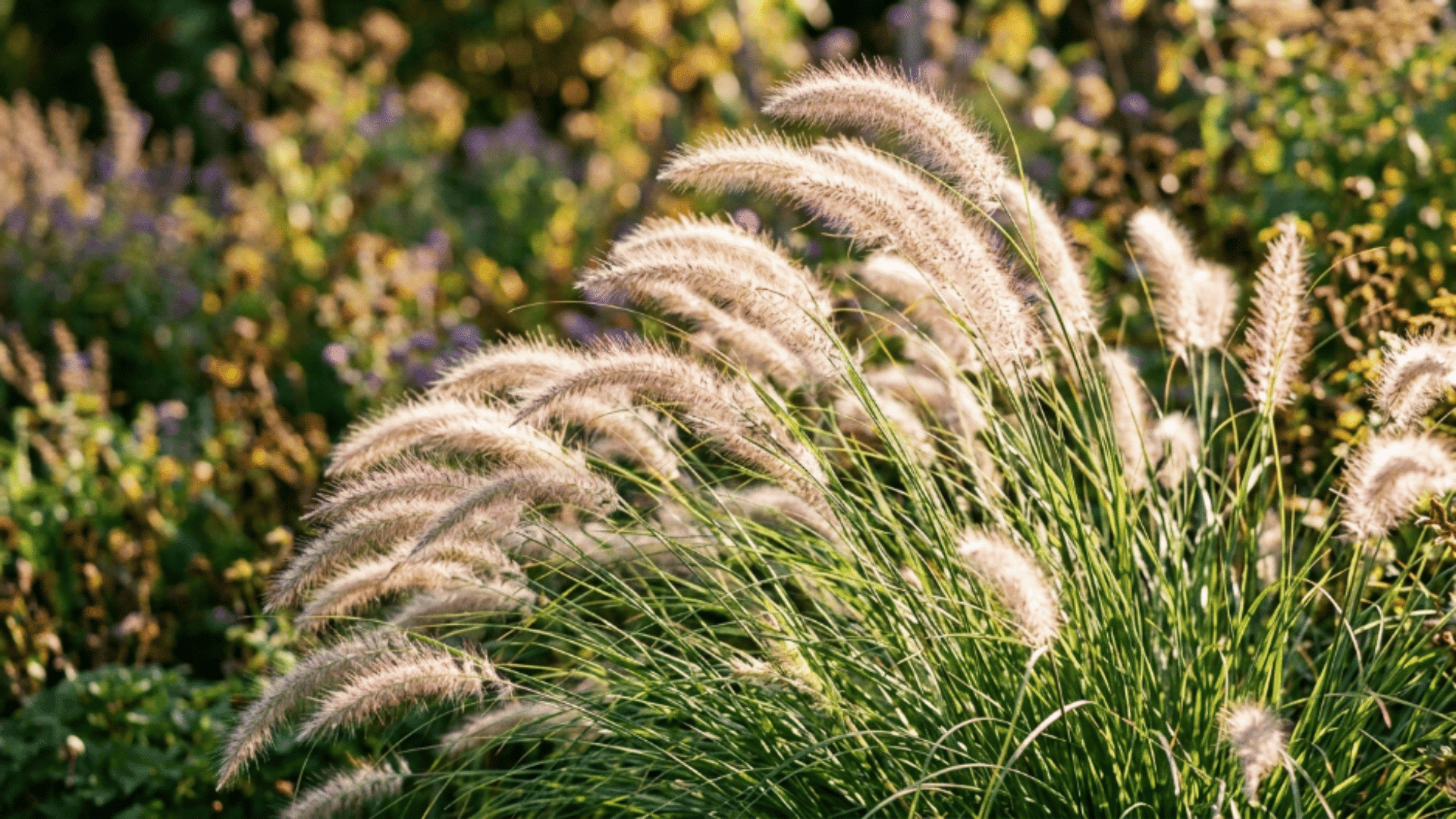
Fountain grass is known for its soft, arching shape that creates a flowing, fountain-like look in gardens. This grass is often used in borders and decorative beds because of its graceful appearance.
- Characteristics: Soft, arching blades, feathery flower spikes, clump-forming growth.
- Identification Tip: Look for its fountain-like shape with curved leaves and fluffy flower plumes rising above the grass.
18. Maiden Grass
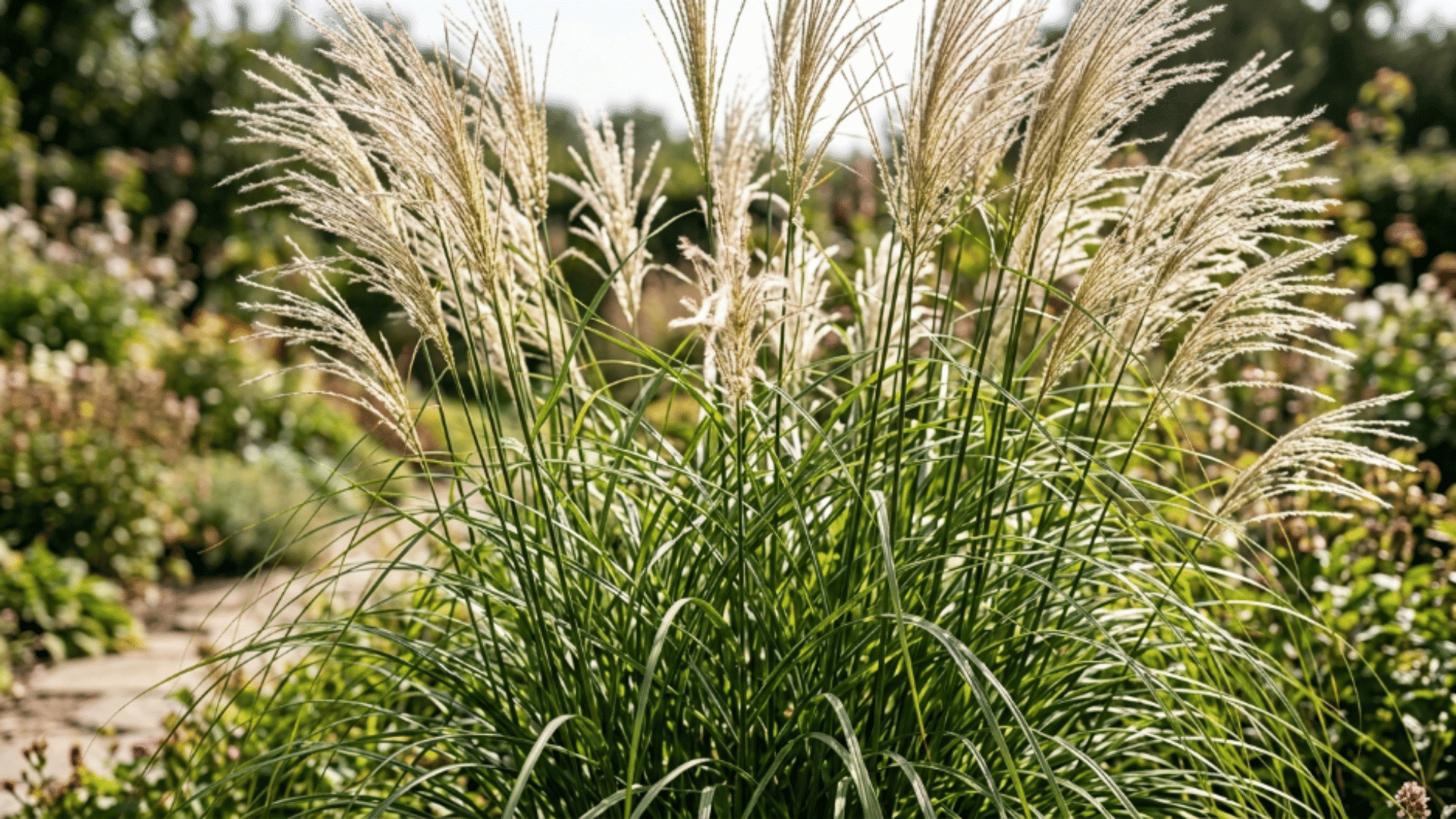
Maiden grass is a tall ornamental grass that creates a bold and structured look in gardens. It grows upright with long, narrow leaves. This grass is often used as a focal point because of its height and full appearance.
- Characteristics: Tall growth, narrow leaves, large feathery plumes.
- Identification Tip: Recognized by its height, upright form, and soft plume-like flowers that appear above the foliage.
19. Blue Fescue
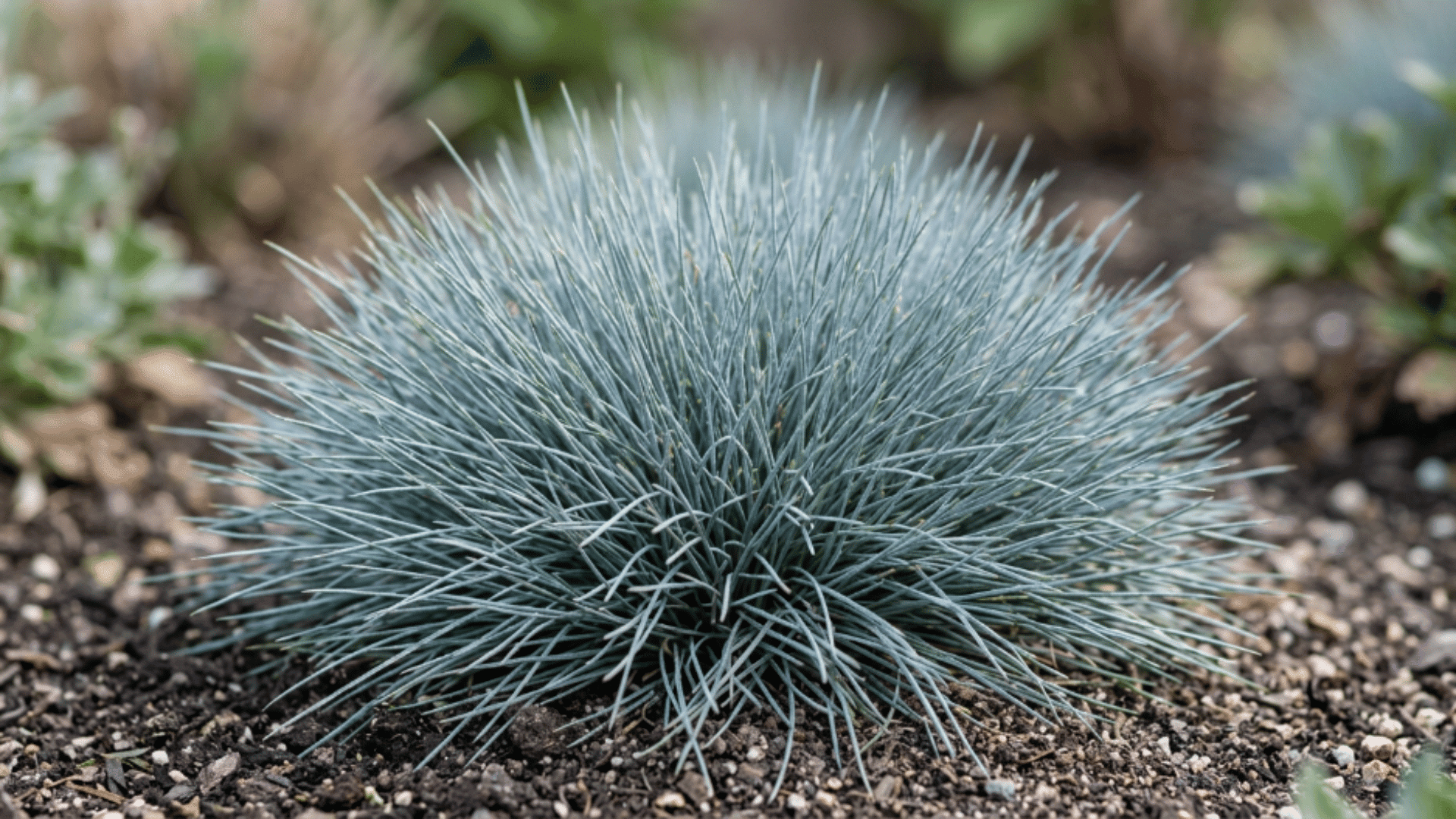
Blue fescue is an ornamental grass that stands out because of its unique blue-gray color. It forms small, neat mounds that are perfect for edging and small garden spaces.
This grass is often used to create contrast with green plants due to its cool-toned color.
- Characteristics: Blue-gray color, fine texture, compact mound growth.
- Identification Tip: Look for small, rounded clumps with a distinct bluish color that stands out from typical green grass.
20. Pampas Grass
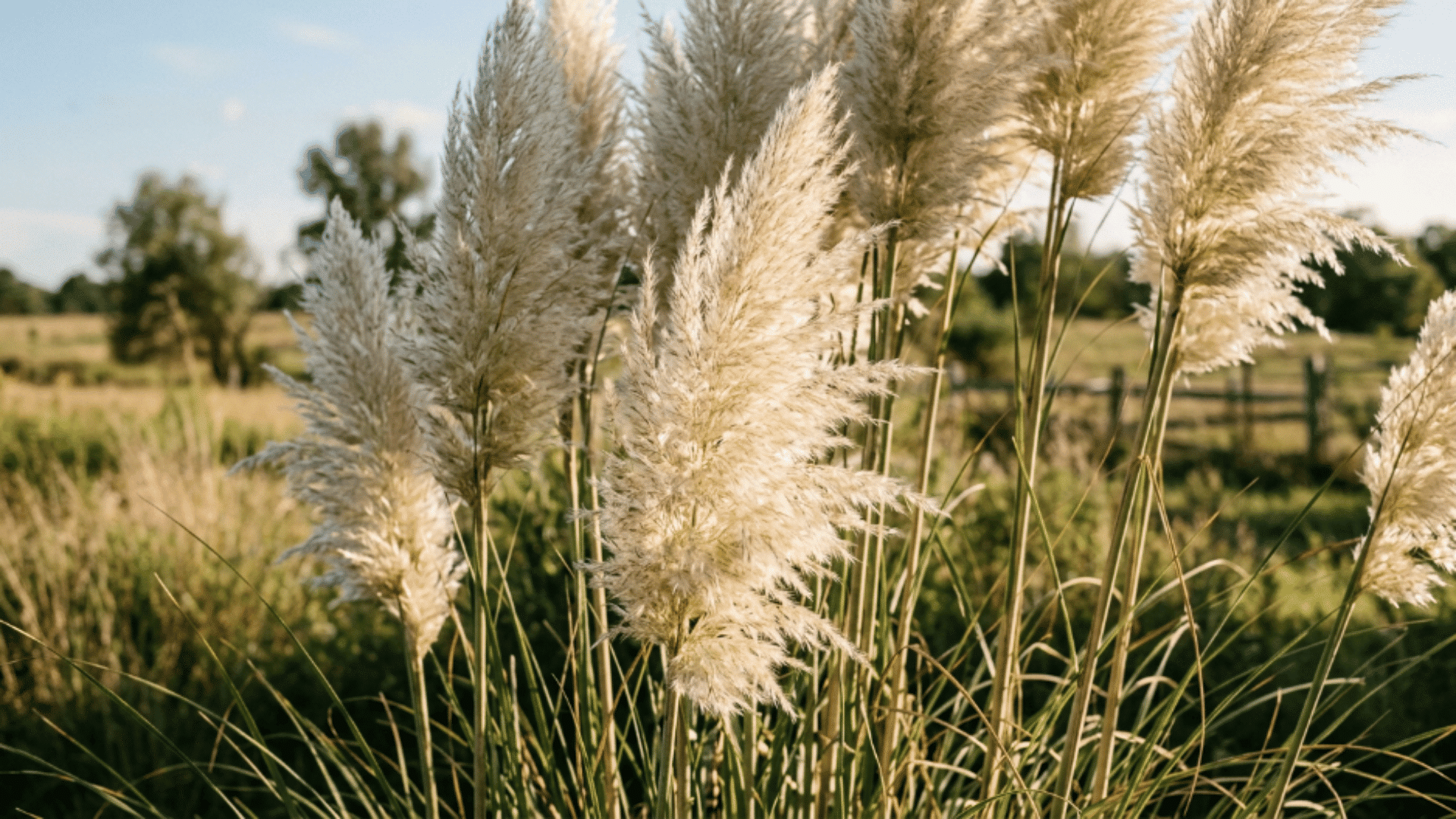
Pampas grass is a tall and striking ornamental grass known for its large, fluffy plumes. It creates a dramatic effect in gardens and is often used as a centerpiece plant.
This grass grows in large clumps and can reach impressive heights, making it highly noticeable.
- Characteristics: Very tall growth, large fluffy plumes, coarse leaves.
- Identification Tip: Easily identified by its tall size and large, feathery plumes that stand high above the foliage.
21. Switchgrass
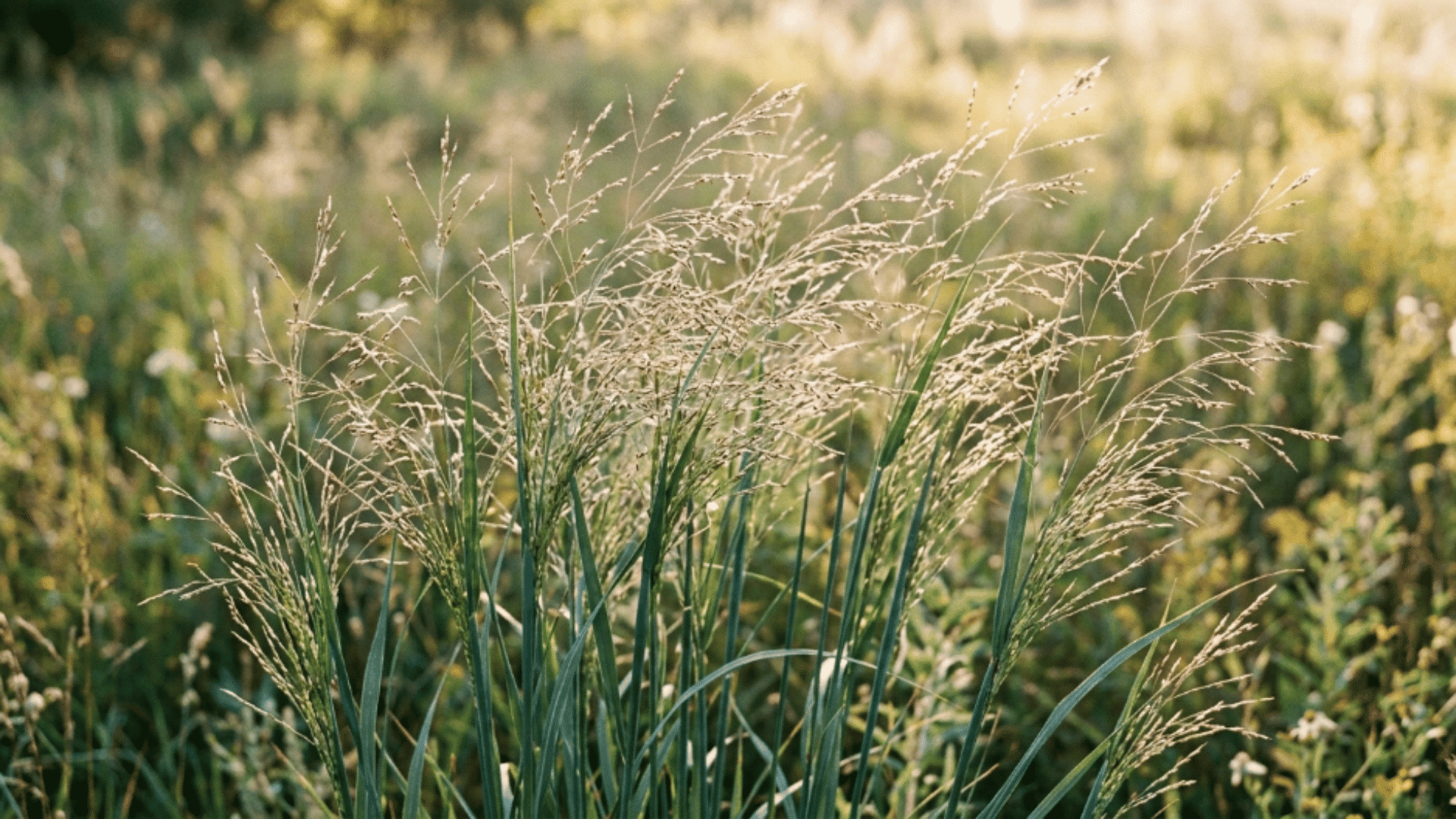
Switchgrass is a native ornamental grass that adds a natural, airy look to landscapes. This grass is often used in natural-style gardens and outdoor spaces that aim for a simple, open feel.
- Characteristics: Upright growth, airy seed heads, adaptable nature.
- Identification Tip: Look for tall, straight stems with light, open flower clusters that appear almost cloud-like.
22. Feather Reed Grass
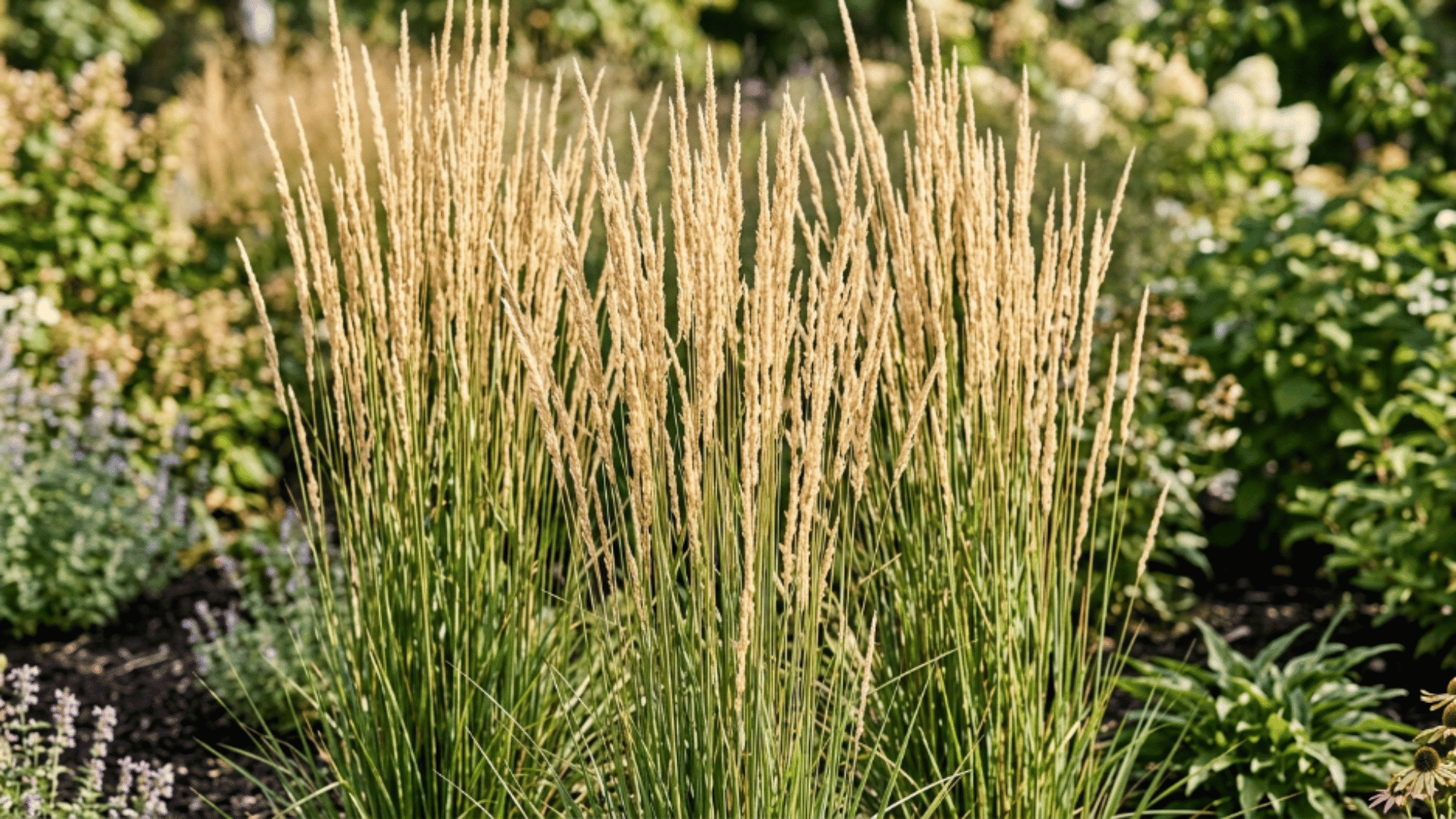
Feather reed grass is a popular ornamental grass known for its neat, vertical growth. It creates a clean and structured look, making it ideal for modern garden designs.
- Characteristics: Upright narrow form, vertical flower spikes, clump-forming growth.
- Identification Tip: Recognized by its straight, tall shape with narrow blades and vertical seed heads.
23. Japanese Forest Grass
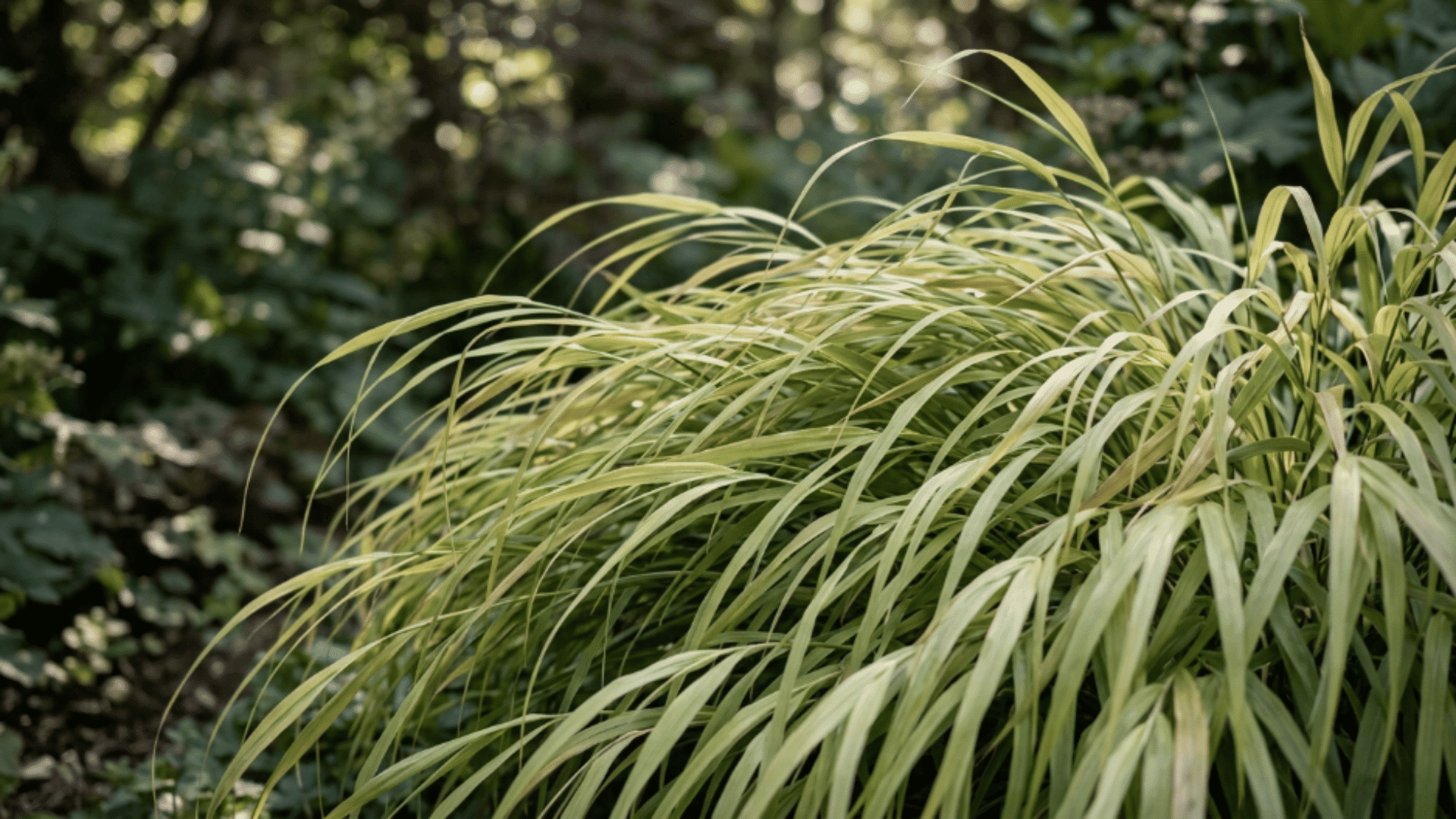
Japanese forest grass is a low-growing ornamental grass that adds a soft and flowing look to shaded areas. It has arching leaves that create a gentle cascading effect, making it ideal for borders and pathways.
- Characteristics: Arching leaves, soft texture, shade-loving growth.
- Identification Tip: Look for cascading, flowing leaves that create a soft mound, often in lighter green or golden shades.
How to Choose the Right Grass for Your Lawn
Choosing the right type of grass is important because not every type will grow well in every yard. Picking the right type of grass can reduce maintenance and keep the lawn healthy-looking.
| Factor | What To Consider | Why It Matters |
|---|---|---|
| Sunlight Levels | Check how much sun or shade your lawn gets daily | Helps select grass that thrives in those light conditions |
| Lawn Usage | Decide if the lawn will handle heavy foot traffic or be decorative | Strong grass works better for high-use areas |
| Maintenance Needs | Consider how much time you can spend on mowing and care | Helps you pick low or high-maintenance grass |
| Soil Type | Identify your soil condition before choosing grass | Supports healthier growth and stronger roots |
| Water Availability | Check how much water your lawn can get regularly | Drought-tolerant grass works better with limited water |
Conclusion
Grass plays an important role in keeping a lawn healthy, comfortable, and visually pleasing throughout the year.
A well-maintained lawn also creates a soft surface for walking, playing, and relaxing, making it more enjoyable for everyday use.
Different varieties also bring variety in color, texture, and durability, which adds to the overall look of a yard. Over time, a healthy lawn can even improve air quality and create a cleaner outdoor environment.
If you wanted to improve your outdoor space, I’m sure these different types of grass can help you find options that match your needs and upgrade your lawn.

With a Master’s in Landscape Architecture from the University of Virginia, Sophia Stephenson has dedicated the last 20 years to creating and maintaining vibrant outdoor spaces. Her professional journey started in landscape design, where she gained a reputation for innovative and sustainable approaches. Sophia became a part of our editorial team as a freelancer in 2019, offering a fresh perspective on outdoor living. Since 2020, she has been the chief for our outdoor design content, blending aesthetic appeal with environmental stewardship. In her leisure time, Sophia is a keen photographer, capturing the beauty of natural landscapes, a hobby that complements her professional expertise.