
A tiny seed pushes through the soil. It needs water, nutrients, and time. But take away sunlight, and growth simply stops. Most people know that plants need sunlight, but very few stop to ask why it matters so much.
What actually happens when light hits a leaf, and how does that single moment keep an entire plant alive and the broader living world in balance?
Understanding why plants need sunlight goes beyond basic biology, and the answer affects every living thing on Earth.
It explains how food gets made, how oxygen enters the atmosphere, and how life on Earth stays in balance. This blog breaks it all down simply.
Why Do Plants Need Sunlight?
Plants cannot grab food from a store or eat what is around them. They make it themselves.
That is what makes them autotrophs: organisms that produce their own energy. But to do that, they need a power source. Sunlight is that source.
So, why do plants need sunlight? Because without it, photosynthesis cannot happen. This is the process where plants take in light energy and convert it into glucose: a simple sugar that fuels everything from root growth to seed production.
Carbon dioxide from the air and water from the soil also play a role. But light is what starts the whole process. No sunlight means no glucose, no growth, no reproduction, and eventually, no survival.
Process of Photosynthesis
Photosynthesis is the core reason why plants need sunlight. It is a step-by-step process that turns light into the energy a plant needs to live.
1. Capturing Sunlight in the Leaves
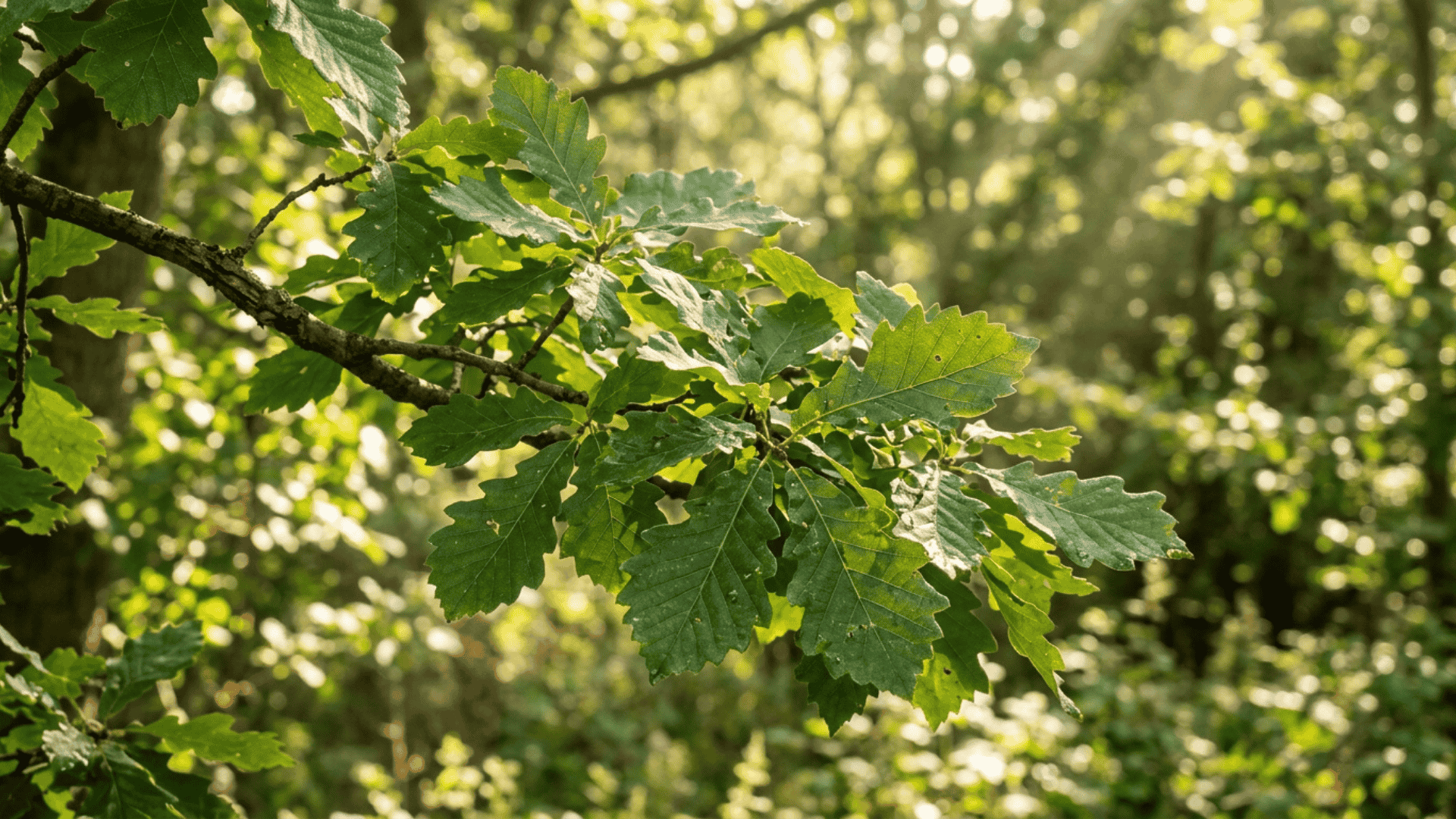
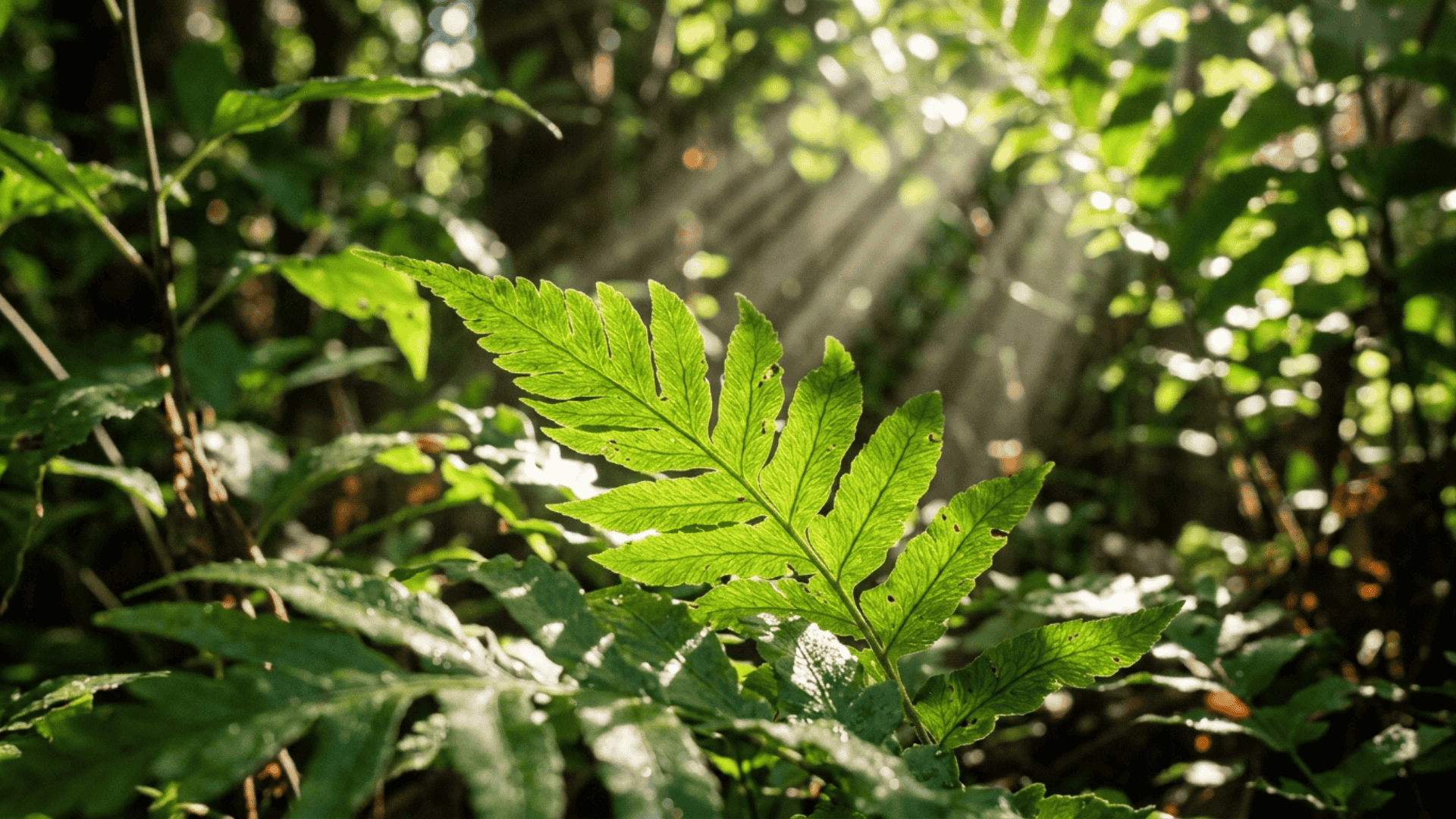
Leaves are broad and flat for a reason: the wider the surface, the more sunlight they can take in. Inside each leaf are tiny structures called chloroplasts, which contain a green pigment known as chlorophyll.
This chlorophyll absorbs light energy directly from the sun. Once chlorophyll captures that light, it immediately puts the energy to work.
This triggers the chain of reactions that powers the entire photosynthesis process from start to finish.
2. Absorbing Water and Carbon Dioxide
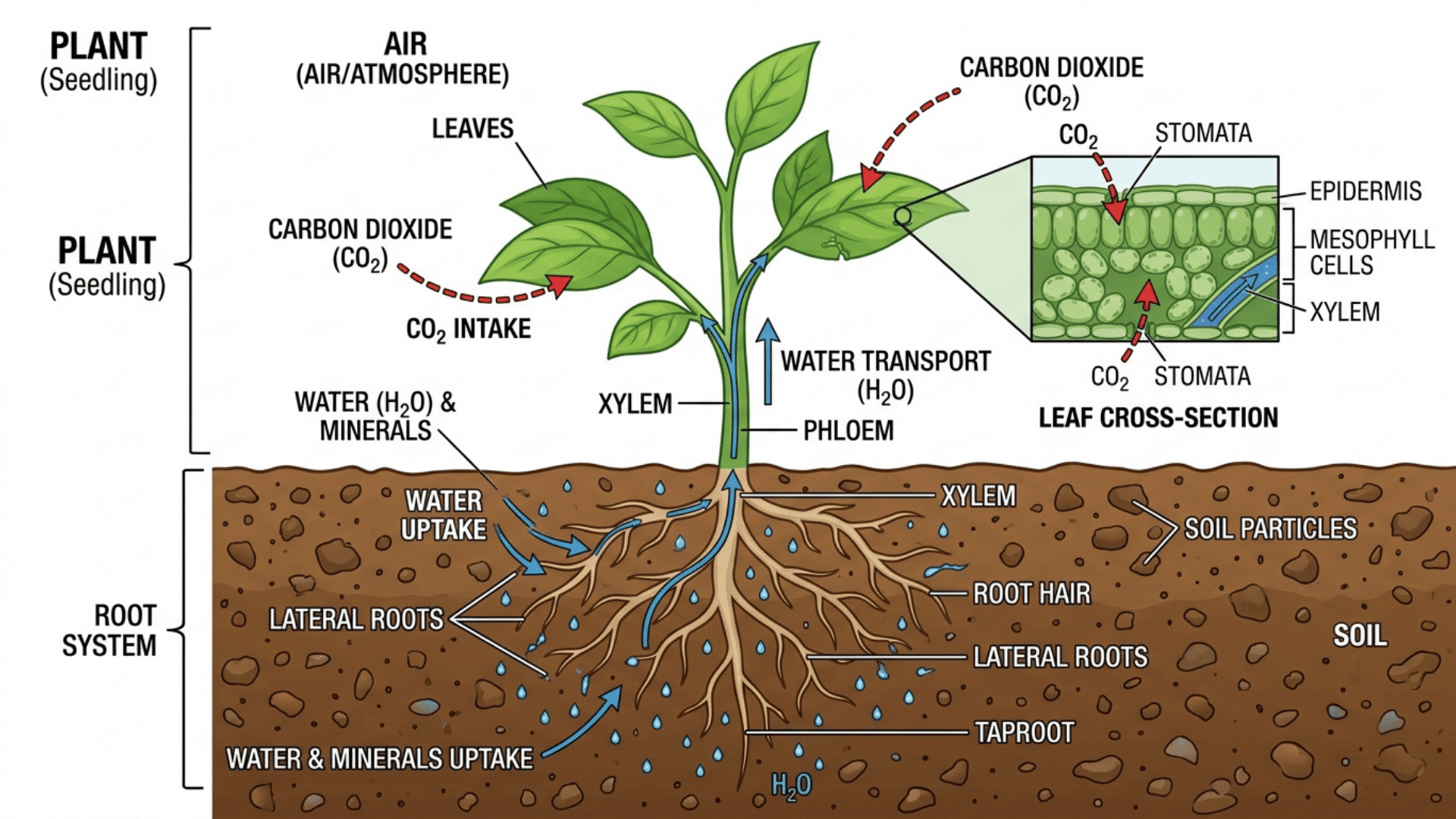
Sunlight does not work alone inside a plant. It activates and coordinates two other essential ingredients that photosynthesis cannot function without.
Roots draw water and minerals from the soil and send them upward through the xylem toward the leaves.
At the same time, small openings called stomata draw in carbon dioxide from the surrounding air, right inside the leaf’s mesophyll cells.
One key reason why plants need sunlight is that water and carbon dioxide alone are not enough to trigger photosynthesis. Light is what brings these ingredients together and keeps the entire process moving forward.
3. Converting Light Into Energy
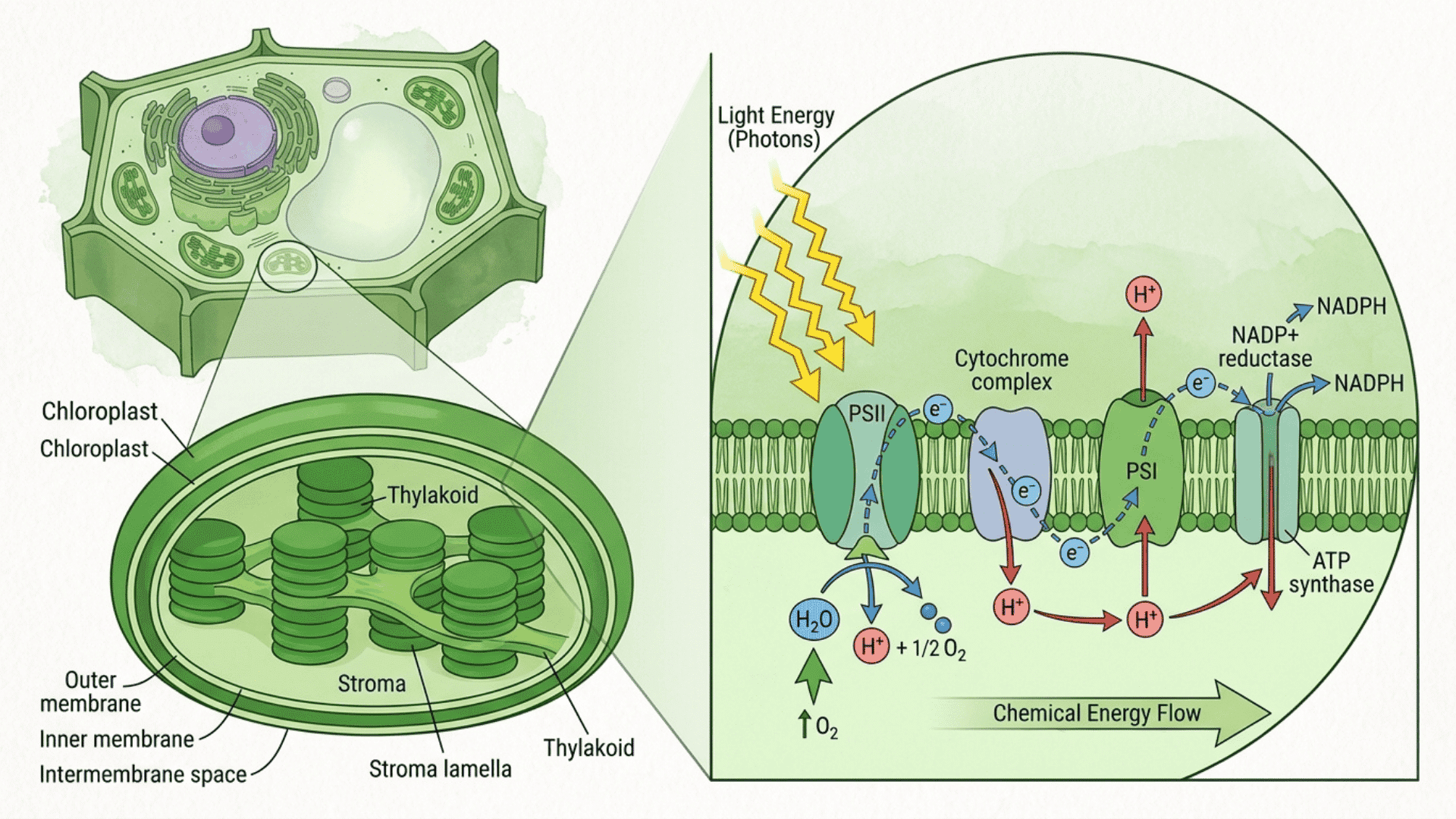
This is where the real transformation happens. Inside the chloroplasts, light energy enters the thylakoid membrane and immediately gets put to work.
It splits water molecules, releasing electrons that carry energy throughout the system. As a byproduct, oxygen gets released at this exact stage, even before glucose is formed.
Those electrons then travel through a series of proteins, generating chemical energy that gets packaged into usable molecules the plant can actually work with.
This is precisely why plants need sunlight at this stage: without light hitting the thylakoid membranes, the entire energy-conversion process stops, and the plant cannot function.
4. Producing Glucose and Oxygen
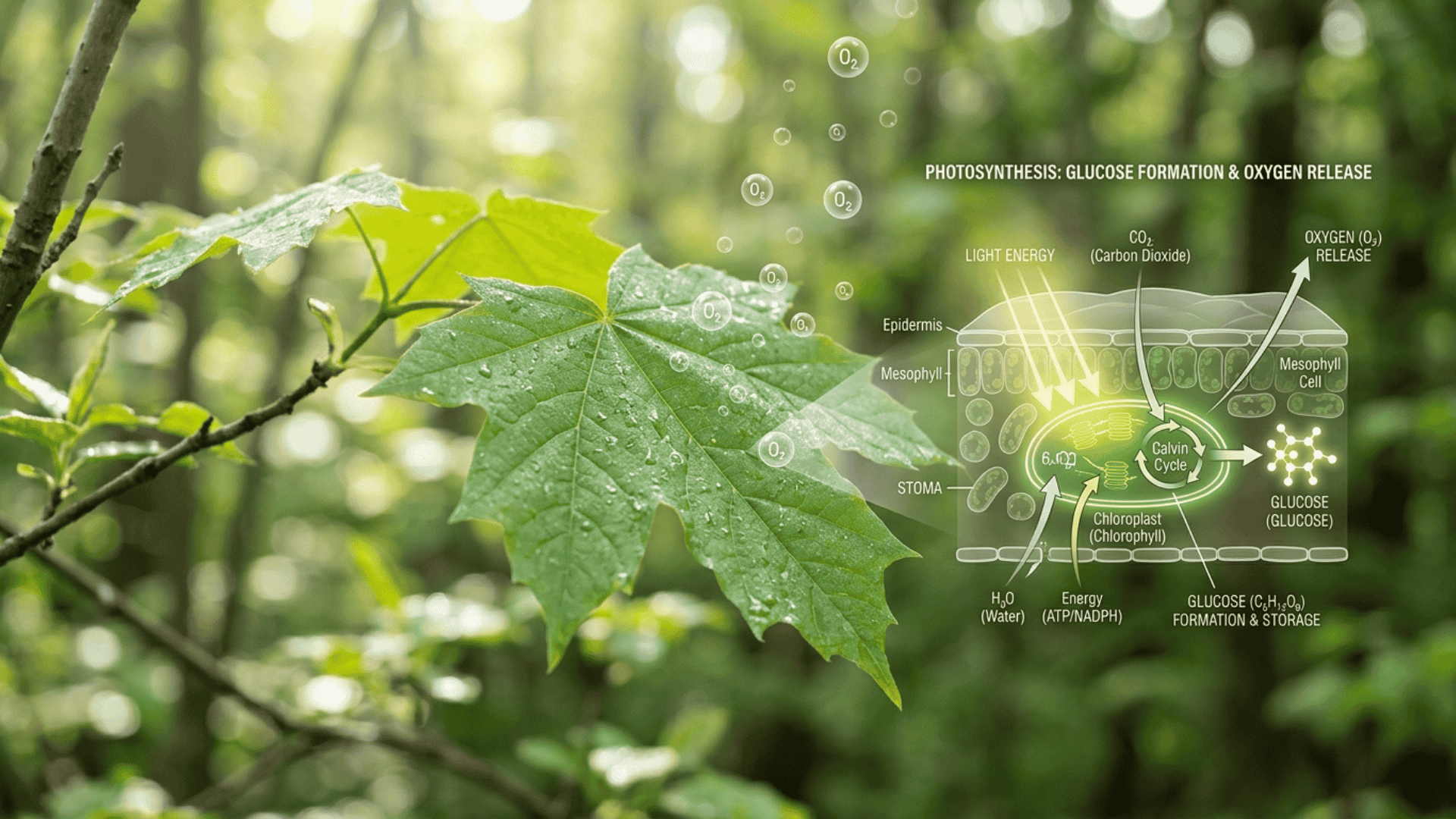
This is the final stage of the question ‘Why do plants need sunlight?’ It is what enables glucose production via the Calvin Cycle in the chloroplast.
Using the ATP and NADPH produced earlier, the plant combines carbon dioxide and water to form glucose. This glucose then gets stored directly inside the plant as its primary fuel source for every biological function it carries out.
At the same time, oxygen gets released through the stomata into the atmosphere, rising out of the leaf as bubbles of pure O2.
The oxygen humans and animals breathe every day is a direct result of this process happening inside plant leaves.
Why Sunlight Matters Beyond Photosynthesis
Sunlight does more than just help plants make food. It controls how they grow, reproduce, and stay healthy over time.
- Supports Strong Growth: Sunlight helps stems and leaves grow properly, so plants stay upright and balanced.
- Controls Life Cycles: It plays a big role in flowering, fruiting, and overall plant development.
- Boosts Nutrient Uptake: With enough light, plants absorb water and nutrients more effectively.
- Keeps Ecosystems Running: Oxygen released during plant processes supports life across the planet.
Sunlight Requirements: Comparison Table
Different plants have very different relationships with light. Understanding why plants need sunlight also means knowing how much each plant type requires.
| Plant Type | Light Requirement | Example Plant | Signs of Low Light |
|---|---|---|---|
| Full Sun | 6+ hours direct light | Sunflower, Succulent | Pale leaves, no flowering |
| Partial Sun | 3 to 6 hours of direct light | Hydrangea, Fuchsia | Slow growth, smaller leaves |
| Low Light | Indirect or filtered light | Pothos, Fern | Leggy stems, weak structure |
Does the Color of Light Affect Plant Growth?
Not all light works the same way for plants. The specific wavelength of light a plant receives directly affects its growth and development.
Blue light supports leaf and stem development, helping plants grow strong and upright. Red light, on the other hand, promotes flowering and fruit production.
Natural sunlight provides the full spectrum of light wavelengths, giving plants both blue and red light at the same time. This balance is what makes sunlight the most complete light source a plant can receive.
Artificial light sources often lack this full spectrum, which is why indoor plants under standard bulbs can struggle over time.
For healthy, well-rounded growth, natural sunlight remains the most effective option for any plant.
Common Mistakes to Avoid
Even with the best intentions, many plant owners get light exposure wrong. Knowing why plants need sunlight also means knowing what happens when they get too much or too little of it.
- Leggy Growth (Etiolation): Stems stretch abnormally toward the nearest light source when a plant does not receive enough direct sunlight to grow properly.
- Leaf Scorch: Too much direct sunlight damages leaf tissue, causing brown patches and dry edges, especially in plants suited to shade.
- Sudden Light Changes: Shifting plants too quickly between low and high light conditions shocks the plant, resulting in leaf drop and noticeably stunted growth.
- Wrong Placement Indoors: Placing sun-loving plants far from windows reduces their light intake significantly, affecting their overall health.
- Ignoring Seasonal Changes: Light intensity shifts across seasons, and failing to adjust plant placement accordingly results in inconsistent, weak growth.
Conclusion
Sunlight is not just a growing condition for plants: it is the foundation of their survival. Every stage of a plant’s life, from sprouting to seed production, depends directly on it.
From triggering photosynthesis to supporting reproduction and oxygen release, sunlight drives every critical function a plant carries out.
The answer to why plants need sunlight is not complicated. Without it, plants cannot produce glucose, grow, or support the food chains that sustain the natural world.
Understanding this helps in making better decisions about plant care, indoor gardening, and even environmental conservation. Give a plant the right amount of light, and every other process it needs to survive will follow naturally.

With a Master’s in Landscape Architecture from the University of Virginia, Sophia Stephenson has dedicated the last 20 years to creating and maintaining vibrant outdoor spaces. Her professional journey started in landscape design, where she gained a reputation for innovative and sustainable approaches. Sophia became a part of our editorial team as a freelancer in 2019, offering a fresh perspective on outdoor living. Since 2020, she has been the chief for our outdoor design content, blending aesthetic appeal with environmental stewardship. In her leisure time, Sophia is a keen photographer, capturing the beauty of natural landscapes, a hobby that complements her professional expertise.