
Home remodeling has a funny way of turning ordinary rooms into temporary construction zones. Even a relatively manageable project can mean exposed nails, scattered lumber, broken tile, heavy tools and endless trips through dusty spaces.
Homeowners often spend plenty of time thinking about protective eyewear, gloves and clothing, yet footwear gets far less attention. That can be a mistake. The shoes on your feet affect your protection, stability and comfort throughout a project, whether you are tearing out old cabinets yourself or simply spending more time around an active renovation.
Start With Your Feet
Footwear deserves a spot near the top of your remodeling checklist because your feet face hazards during nearly every phase of the work. Demolition can leave screws, nails, splintered wood and sharp fragments on the floor.
Moving materials introduces another concern, since a dropped board, tile box or tool can cause an injury in seconds. Even cleanup presents risks when debris is still scattered around the house.
A sturdy boot provides coverage that sneakers and casual shoes simply were not designed to offer. Look for durable construction, dependable traction and enough support to remain comfortable when you are standing or walking for hours. Safety toes and puncture-resistant features may also make sense when heavier demolition or construction is involved.
Style does not have to disappear just because protection matters. Black work boots can still be protective and stylish, bonus points if you go with American made. A versatile pair can look perfectly normal with jeans or work pants while giving your feet far better protection around the job site.
Dress for Bigger Projects
Small weekend updates and major remodeling jobs create very different working environments. Painting a bedroom may require little more than sensible closed-toe shoes, but full renovations can expose homeowners to debris, uneven flooring, construction materials and frequent movement between indoor and outdoor areas. That is when footwear designed for actual work becomes especially valuable.
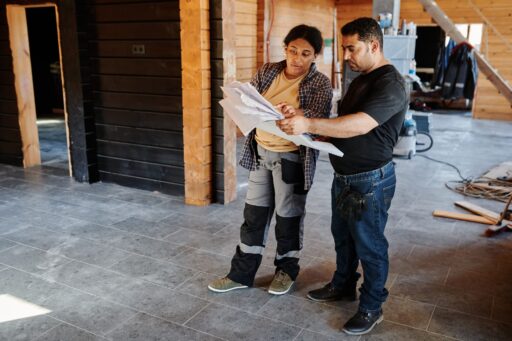
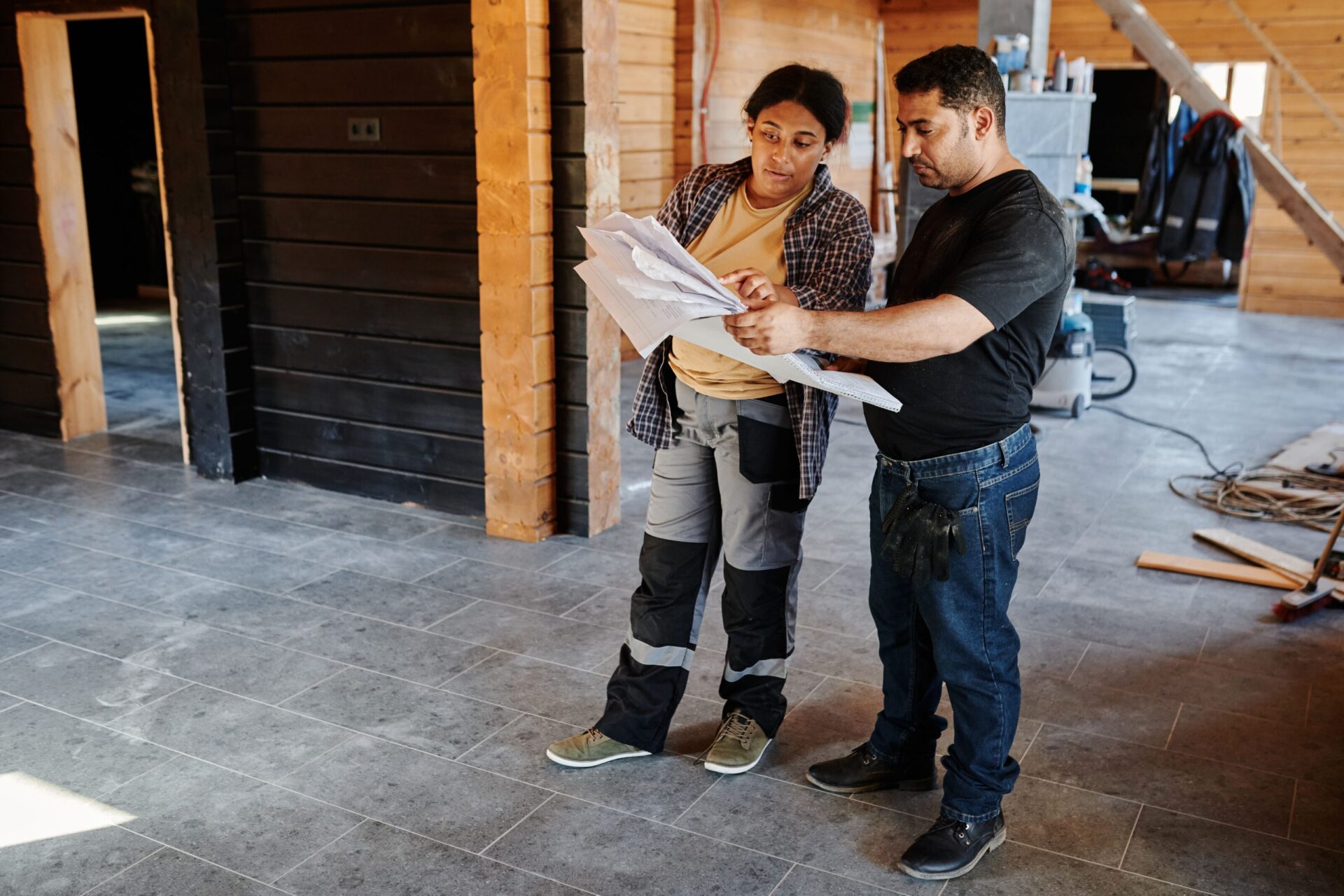
Consider what will happen inside the house before choosing what to wear. Removing flooring can expose staples, tack strips and rough subfloors. Kitchen demolition may involve broken tile, cabinet hardware and plumbing components. Bathroom projects add the possibility of wet surfaces, making traction even more important. Contractors generally arrive prepared for these conditions, but homeowners sometimes walk into the same areas wearing whatever happens to be near the door.
You do not have to be swinging the hammer to encounter the hazards. If you are checking progress, carrying supplies or cleaning up after the crew leaves, treat the area like the active work zone it is.
Choose Traction and Support
Protection from falling or sharp objects is only part of the footwear equation. Remodeling involves plenty of awkward movement. You may climb ladders, step over supplies, carry materials down stairs or repeatedly walk between the house, garage and driveway. Good traction helps keep those everyday movements from becoming unnecessarily risky.
Pay attention to the outsole when shopping for boots. A substantial tread can provide better grip on dusty floors and outdoor surfaces, while a supportive midsole can reduce fatigue during longer projects. Ankle support is also useful when navigating uneven surfaces or carrying bulky materials.
Comfort matters more than many homeowners expect. A boot that feels tolerable for 15 minutes in a store may become miserable after several hours of demolition or painting.
Leave enough room for your toes, wear the type of socks you expect to use during the project and avoid assuming painfully stiff footwear will eventually become comfortable. Work boots should feel supportive, not punishing.
Keep Work Debris Contained
The right footwear also helps with a less obvious remodeling problem: keeping the rest of your house clean. Construction dust and debris travel remarkably well. Boots that move from a work area into bedrooms, living spaces or vehicles can carry sawdust, drywall dust, dirt and tiny fragments along with them.
Create a designated place near the work zone where boots can be removed. A heavy-duty mat, boot tray or washable rug makes cleanup easier. If the renovation requires frequent outdoor trips, keeping one pair specifically for project work can prevent dirt from spreading throughout the house.
Check the soles periodically, too. Small nails, screws and other debris can become lodged in deep tread. Removing them before walking across finished flooring can prevent scratches and other damage.
Once new hardwood, tile or other surfaces have been installed, keeping dirty construction footwear away from them is simply good sense.
Protect the Finished Space
Your footwear strategy should change as the remodel progresses. During demolition and rough construction, protection and traction take priority. Once finished surfaces start going in, the goal expands to protecting both your feet and the materials you just paid to install.
Clean work boots before walking across new floors, and follow your contractor’s instructions when certain areas need to remain untouched. Do not assume socks are automatically safer, either.
They provide little traction or foot protection, particularly around tools and unfinished edges. Clean, appropriate footwear is usually the better choice.
Remodeling decisions often revolve around dramatic choices such as cabinets, countertops, flooring and paint colors, but practical preparation matters just as much once construction begins.
The right boots will never be the most exciting purchase in your renovation budget. They may, however, make every long, messy day of the project safer and considerably more comfortable.

Tommy Hardy, an alumnus of the Georgia Institute of Technology with a degree in Mechanical Engineering, has been a go-to figure in residential upkeep and innovation for over 18 years. His career commenced in a leading home appliance manufacturing company, where he mastered the intricacies of household systems. Joining our platform in 2020, Tommy quickly became a reader favorite for his practical and easy-to-follow guides. He took the helm of our DIY section in 2019, consistently delivering content that empowers homeowners. Beyond his professional pursuits, Tommy is a passionate gardener and enjoys woodworking, skills enhancing his hands-on approach to home care.