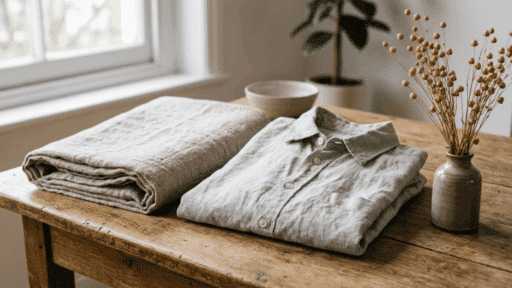
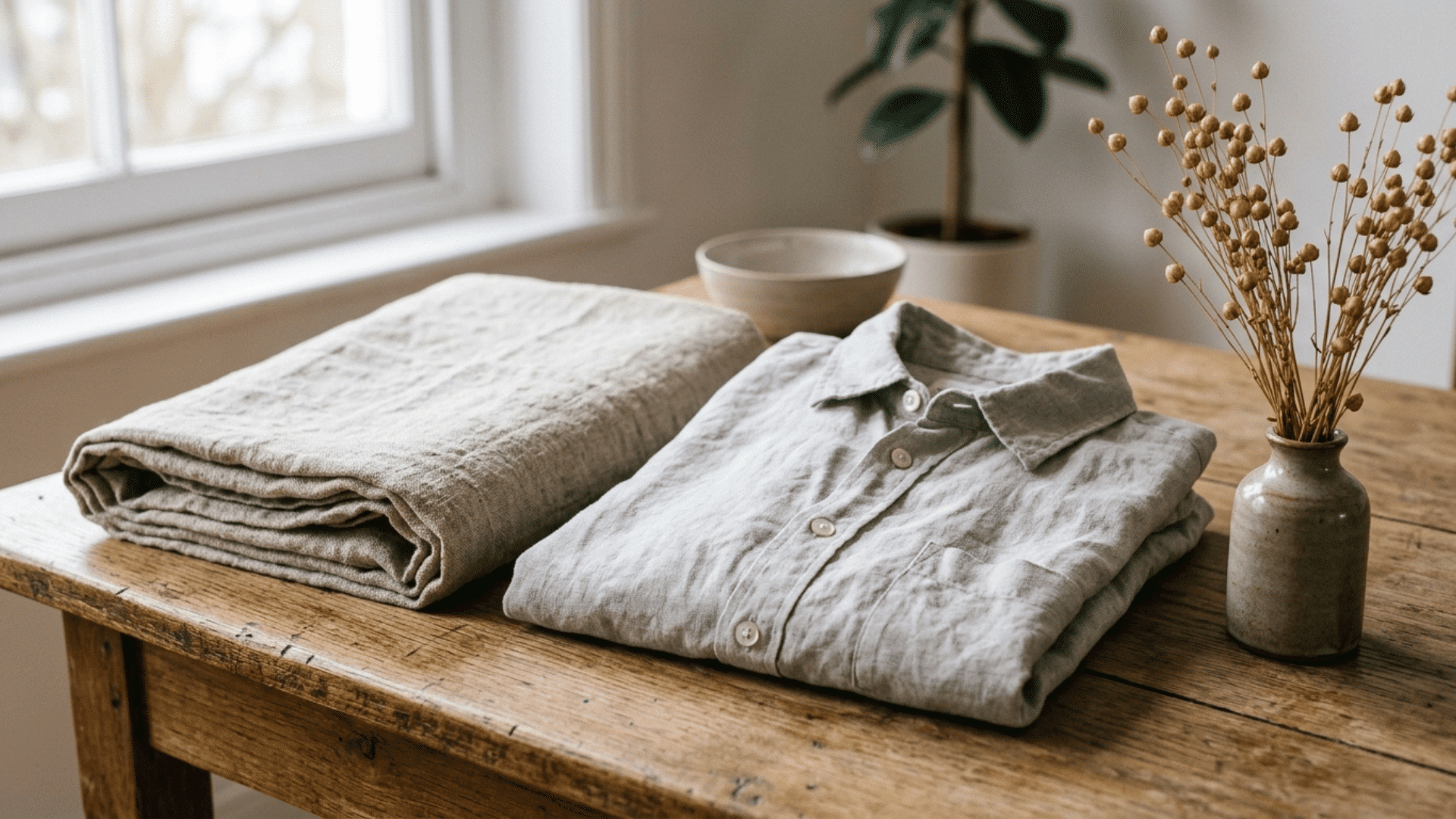

Linen is everywhere, from summer clothes to bedsheets, yet many people still ask, what is linen made out of, and even wonder, is linen cotton? It’s easy to mix them up since both are natural fabrics and feel breathable.
But in reality, linen comes from a completely different source, and that difference affects how it looks, feels, and lasts.
If you’ve ever been unsure about what you’re actually buying or wearing, you’re not the only one confused. This blog clears it up in simple terms so you understand what linen really is and how it compares to cotton.
Everything About Linen
Linen is one of the oldest textiles still in use today, valued for its breathability and naturally textured feel. Its origin goes back thousands of years, with early use in ancient Egypt and parts of Europe.
It is especially popular in warm climates because it allows air to circulate easily, helping keep the body cool and comfortable.
Another standout feature of linen is its strength; it is known to be stronger than many other natural fabrics and becomes softer with each wash without losing its quality.
It also has excellent moisture-wicking properties, absorbing sweat quickly and drying faster than many fabrics.
What is Linen Made Out of?
Linen is a natural fabric made from the fibers of the flax plant. Unlike synthetic materials, it comes entirely from plant-based sources, which is why it feels breathable and lightweight.
Because of its natural origin, linen has a slightly textured feel and becomes softer with use. The following are its characteristics:
- Flax Fibers: The main raw material, taken from the stem of the flax plant
- Plant-Based Composition: Made without synthetic materials in pure form
- Natural Cellulose: Gives linen its strength and durability
- Minimal Processing: Retains a more natural texture compared to other fabrics
- Biodegradable Material: Breaks down naturally over time, making it eco-friendly
Types of Linen Fabric
Linen comes in different forms based on how it’s made and used. Here are the main types you should know.
1. Pure Linen
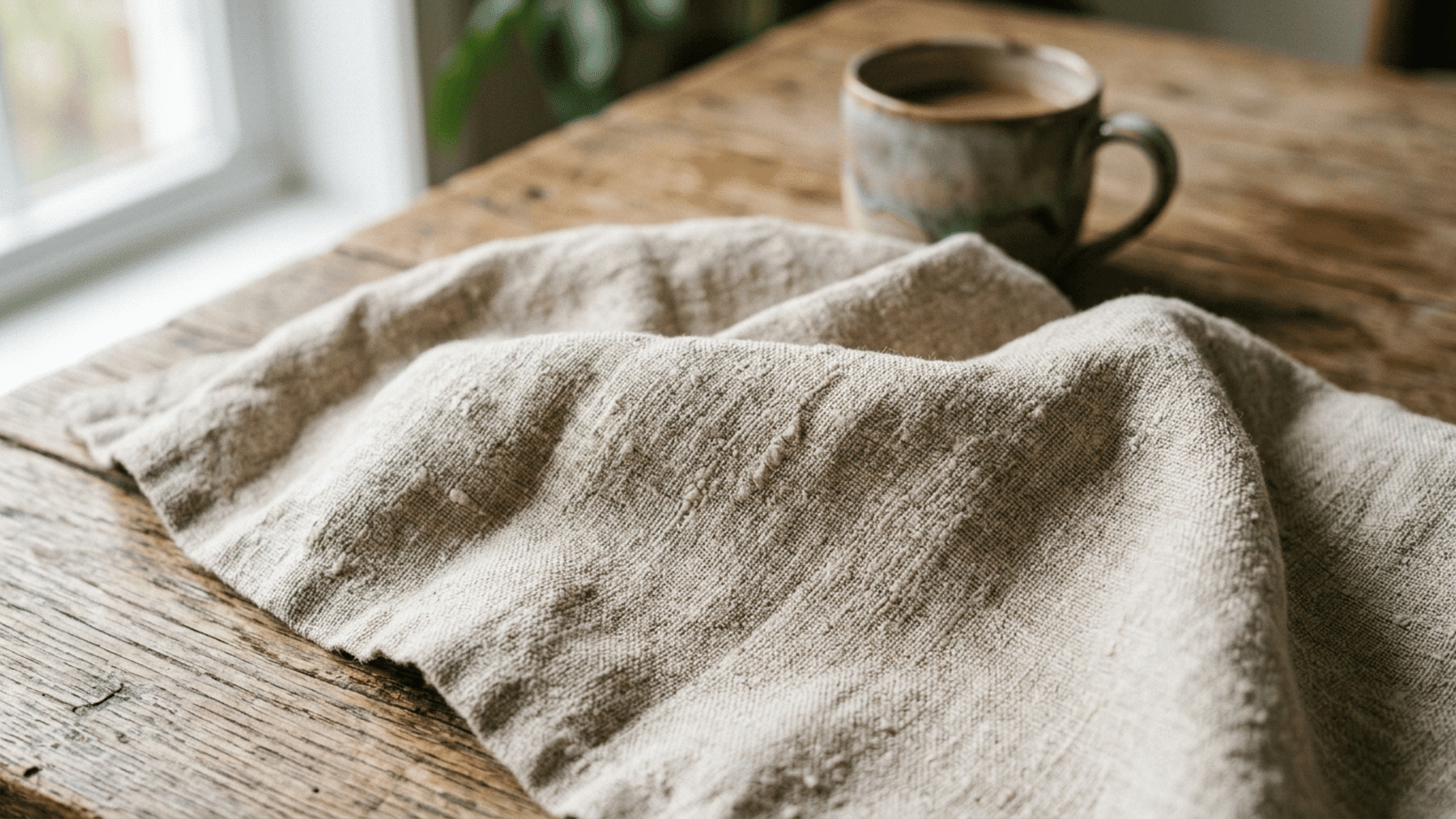
Pure linen is made entirely from flax fibers, with no blending. It has a natural, slightly textured feel that may seem crisp at first but becomes softer with regular use and washing.
This type is known for its strength and long lifespan, making it a good choice for both clothing and home textiles.
Over time, it develops a softer finish without losing durability, which is one of the reasons it’s often preferred for quality products.
2. Linen Blends
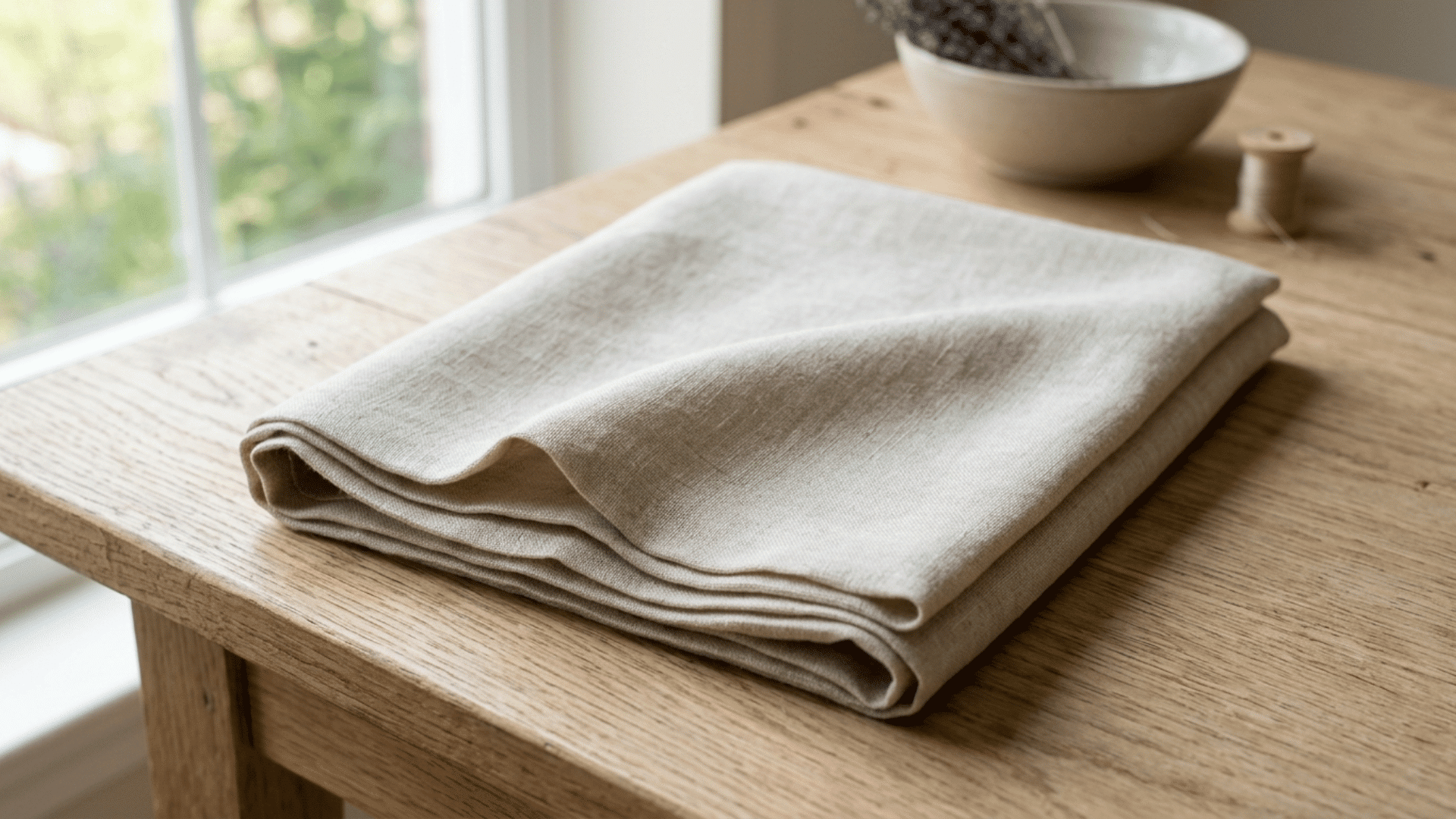
Linen blends are created by combining flax fibers with other materials, such as cotton or synthetic fibers.
This alters how the fabric feels and behaves, often making it softer, smoother, and easier to maintain than pure linen. Blending also helps reduce wrinkling and can make the fabric more affordable.
While it may not have the same texture as pure linen, it offers a more practical option for everyday use, especially for those who prefer less maintenance.
3. Damask Linen
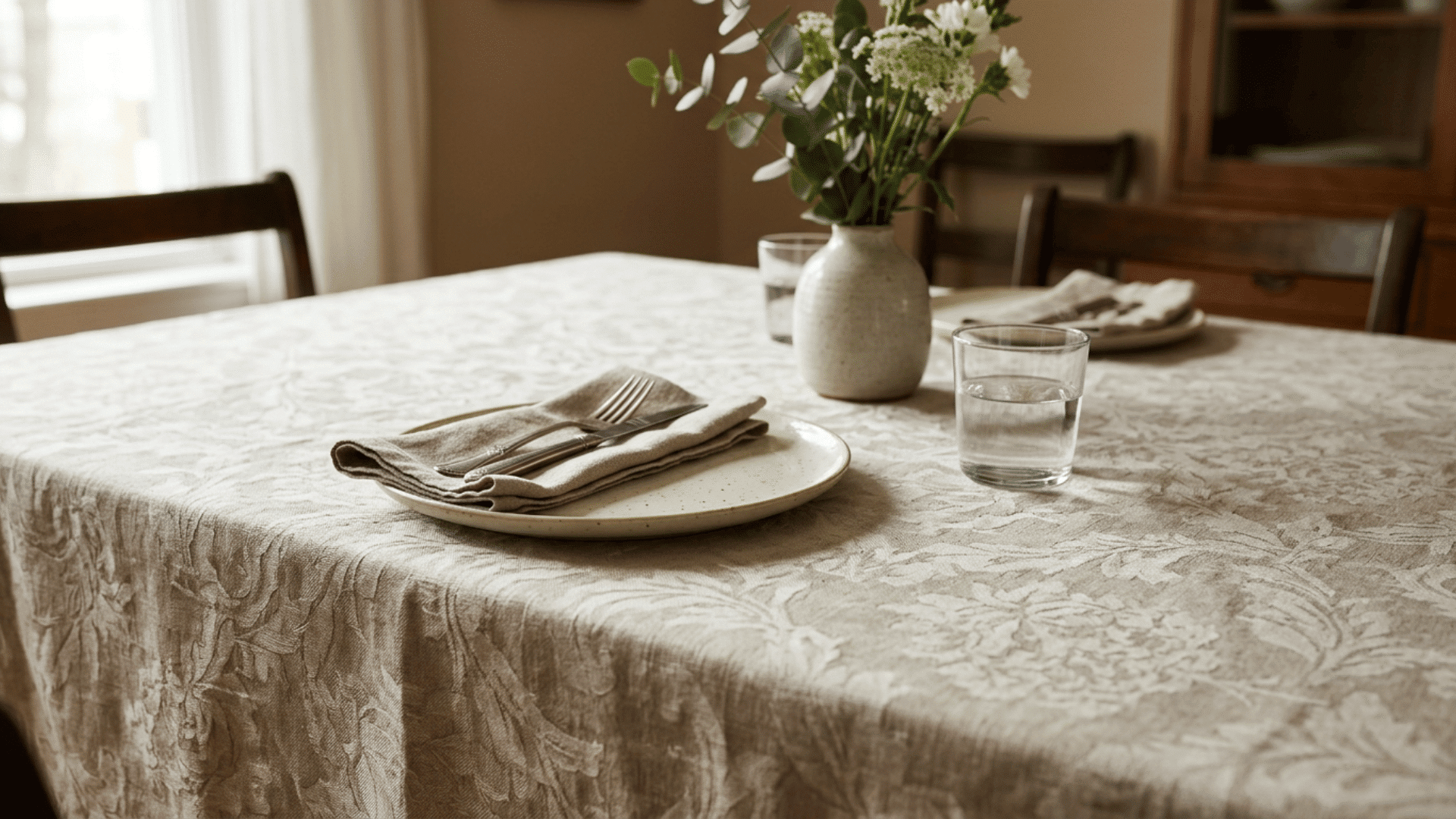
Damask linen is a more decorative type that features patterns woven directly into the fabric rather than printed on it.
These patterns are often subtle but visible, giving the fabric a refined look suitable for formal settings. It is commonly used for tablecloths, napkins, and other decorative home items.
Along with its visual appeal, it maintains the durability and breathability that linen is known for, making it both functional and stylish.
4. Plain-Woven Linen
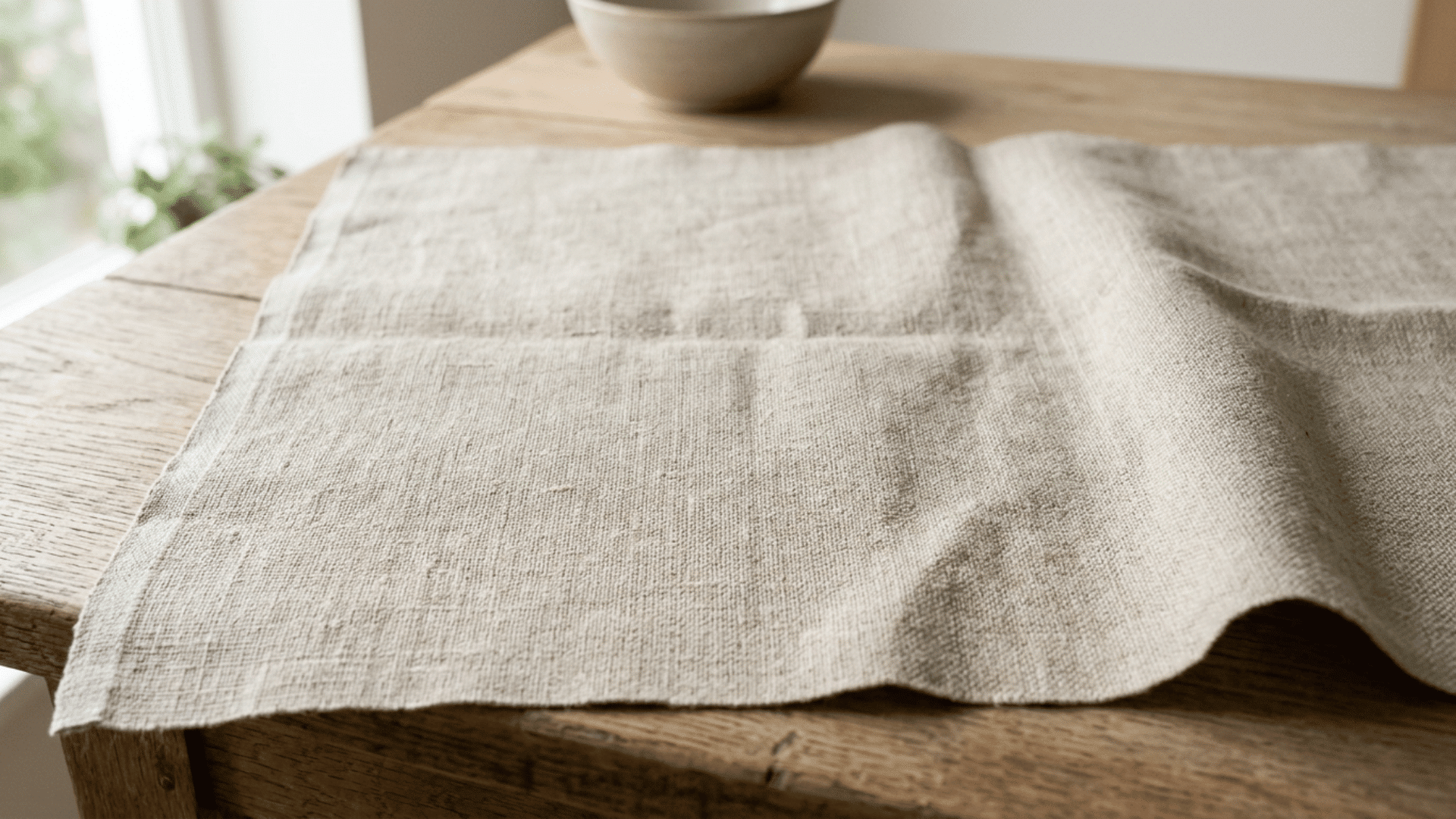
Plain-woven linen is the most basic and widely used type. It has a simple structure that emphasizes strength and practicality over design.
This makes it suitable for a wide range of uses, from clothing to household items. Because of its straightforward weave, it tends to be more resistant to wear.
While it may not have decorative patterns, it offers consistent performance over time.
5. Loosely Woven Linen
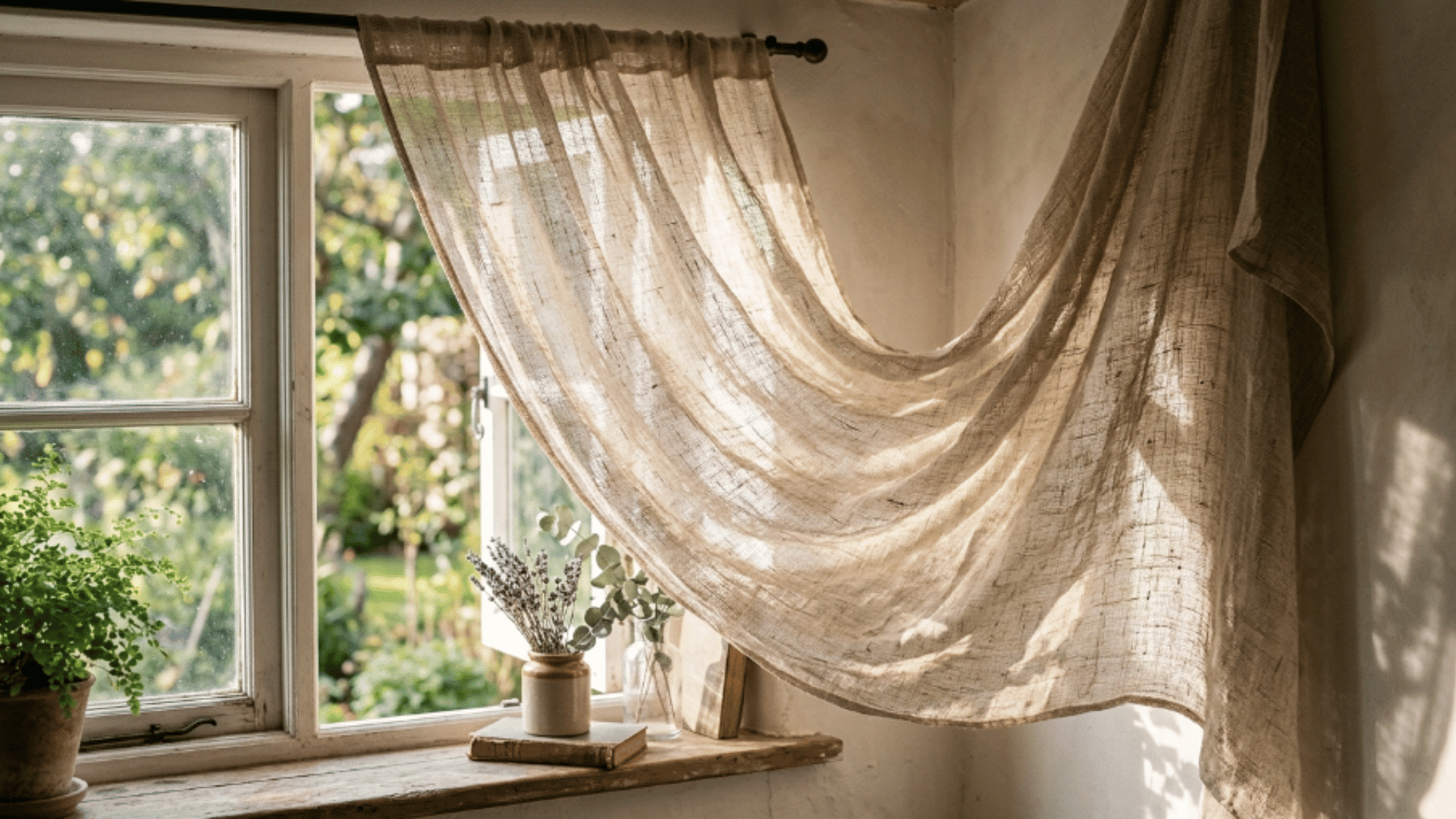
Loosely woven linen has a more open structure, which allows air to pass through easily. This makes it especially suitable for warm-weather clothing that requires breathability.
The fabric feels lighter and softer compared to tightly woven linen. However, the open weave also means it may not be as strong or long-lasting as other types.
6. Sheeting Linen
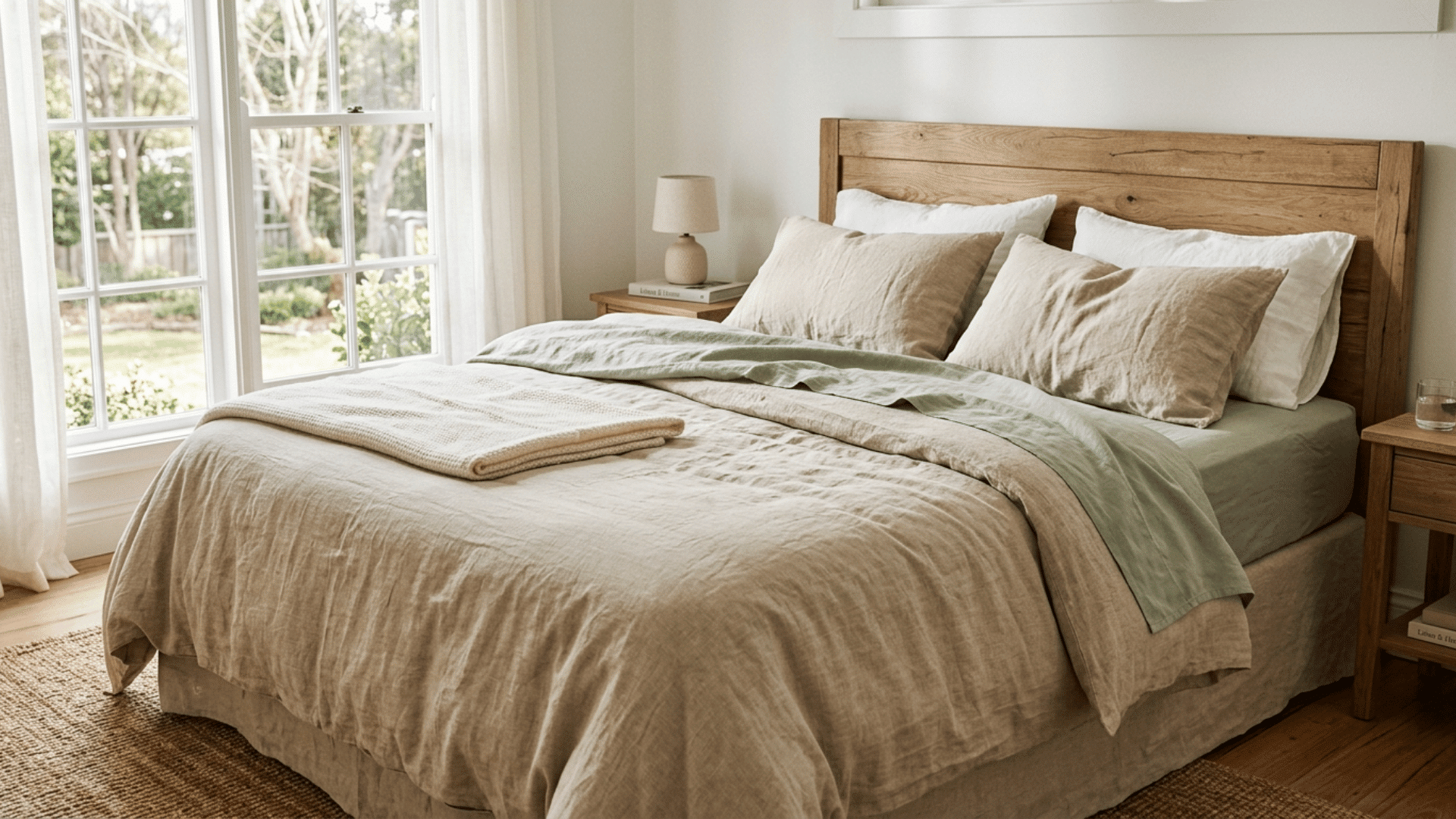
Sheeting linen is tightly woven to create a smoother and softer surface, making it ideal for bedding and similar uses.
It offers a more refined texture than standard linen while still maintaining its natural breathability. This type holds its shape well and becomes more comfortable with each wash.
Because of its balance between softness and durability, it is commonly used for bedsheets, pillow covers, and other home essentials.
Is Linen Cotton?
No, linen is not cotton. While both are natural fabrics, they come from different plants and have distinct properties. This often confuses, especially since they can feel similar at first.
| Feature | Linen | Cotton |
|---|---|---|
| Source | Flax plant | Cotton plant |
| Texture | Slightly rough at first, softens over time | Naturally soft |
| Breathability | Very high, stays cool | High, but slightly less airy |
| Durability | Stronger and long-lasting | Less durable over time |
| Moisture Absorption | Excellent, dries quickly | Good, retains moisture longer |
| Wrinkling | Wrinkles easily | Less prone to wrinkles |
Ways to Identify Real Linen
Real linen has a distinct feel and behavior, but it’s not always obvious at first glance since many products are blended or loosely labeled.
Instead of relying on just one factor, it’s best to check a combination of signs. Real linen typically feels slightly textured and crisp at first, rather than overly smooth, and it softens over time without becoming silky.
Checking the label also helps; look for “100% linen” or “100% flax,” as blends often include cotton or synthetic fibers.
Linen also wrinkles easily and naturally, so fabric that stays perfectly smooth is likely treated or blended. Finally, pure linen tends to be more expensive, so very low-priced options are often not fully linen.
Common Uses of Linen
Linen fabric is used in both clothing and home settings because of its breathability and durability. Here are the common uses:
- Clothing: Linen is widely used for shirts, dresses, pants, skirts, and summer outfits because it feels light and allows air to pass through easily
- Curtains and Drapes: Linen curtains are used to create a light, airy look while still providing some privacy and softness to a space
- Table Linens: It is commonly used for tablecloths, runners, and napkins as it holds its shape well and works for both everyday and formal settings
- Towels and Kitchen Cloths: Linen is used for dish towels and hand towels because it absorbs moisture well and dries faster than many fabrics
- Upholstery and Covers: It is sometimes used for cushion covers and light upholstery due to its strength and natural look
Conclusion
Knowing what linen is made out of helps you make better fabric-buying choices. Linen comes from flax, not cotton, and that difference affects how it feels, wears, and lasts over time.
It’s a completely separate material with its own strengths. With this clarity, it becomes easier to choose the right fabric for your needs, whether for clothing or home use.
Linen offers comfort, durability, and breathability, making it a practical choice for a natural, long-lasting option.

Millie Anderson, a graduate of Textile Design from the Fashion Institute of Technology, has carved her name in fabric and material finishes for over 16 years. Her career took flight in a renowned textile manufacturing company, where she mastered combining textures and patterns. Millie joined our team in 2018, becoming a cornerstone for readers interested in the latest trends in textiles. Since then, she has been the lead editor for our home decor fabrics section, blending her deep knowledge of materials with a flair for contemporary design. Beyond her professional achievements, Millie is an enthusiastic quilter and often participates in community arts and crafts workshops, further nurturing her passion for fabrics and design.