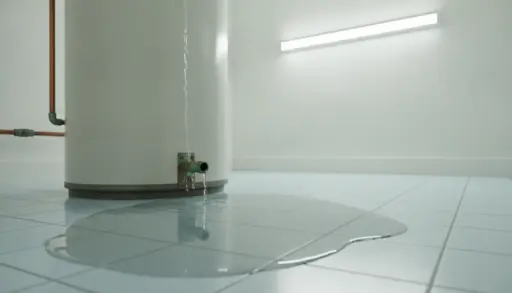
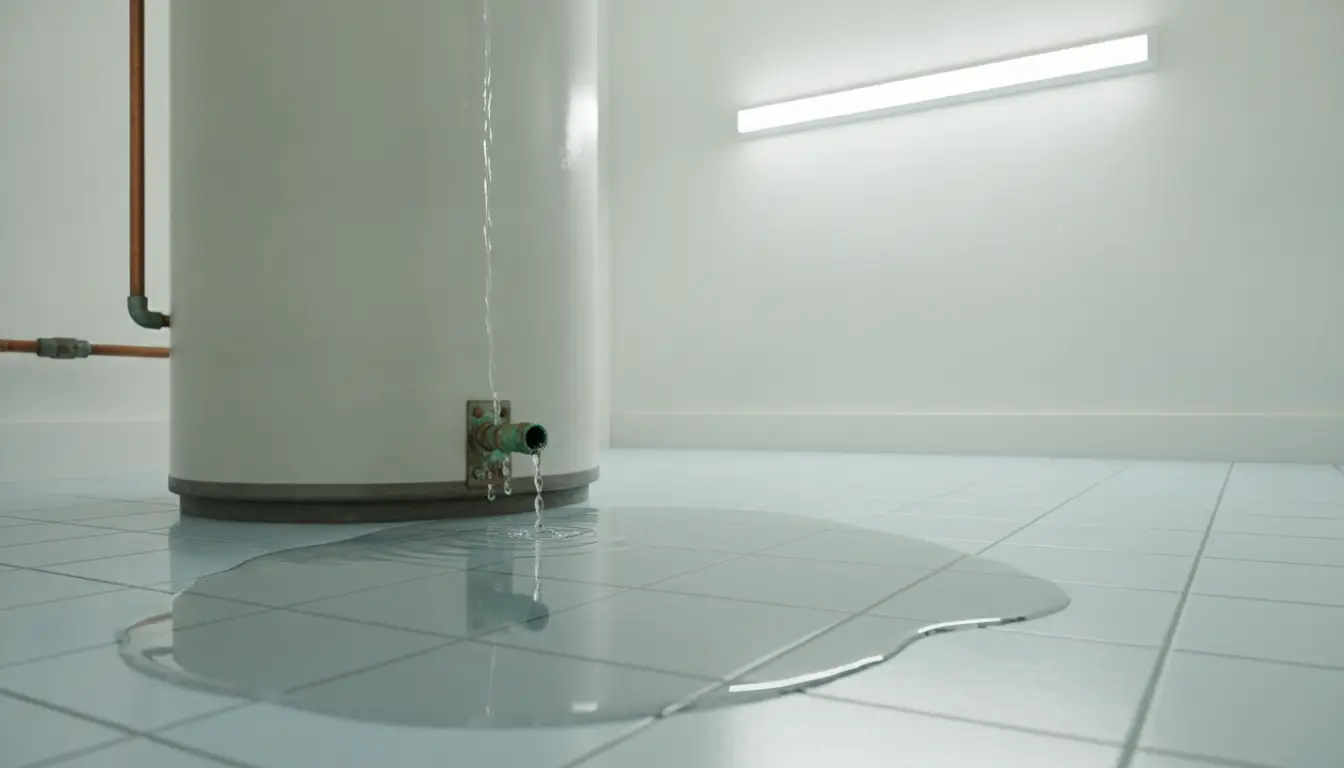

Did you spot a collection of standing water near your water heating unit? This buildup may occur due to a leaking hot water system, and if it is left unattended, it can become a nuisance and ruin the structure of your building, including the walls, floors, and home appliances.
It is important to address this matter appropriately, and you may need a complete understanding of the situation and its root causes. Plumbers in Melbourne discovered several factors that can lead to a hot water system leak, such as a malfunctioning pressure relief valve, broken water tanks, and unfastened pipe connectors.
However, these small issues can be categorised into two major problems: the outdated water heater and poor maintenance of the hot water system.
This post will guide you in understanding the reasons why water is leaking from the hot water system, how to identify the early warning signs, strategies to determine the source of the problem, and what to do right away to tackle the issue.
All the information will assist you in making the right decision to repair the existing heater or just purchase a new one for replacement.
What Are the Signs of a Hot Water System Leak?
Before everything gets worse, identifying the leak in advance can help you save a fortune on plumbing repair. Sometimes the holes can be apparent, so that you can easily notice them at a glance.
Nevertheless, there is a possibility of an undetected hole that will remain hidden until it turns into a significant issue.
Below are several situations that can be a hint of a leaking hot water system.
The Heater Is Surrounded by Water
When you find wet spots surrounding your water heater, it might indicate that water is coming out improperly from the system and accumulating beneath the machine. You should take this matter seriously, as it may transform into defects in the structure that is gradually becoming worse. If the standing water is huge, rapid handling is required.
Decreasing Water Pressure or Temperature
Have you noticed a sudden change in water pressure in your house? Did the water flow become slower? A significant decrease in water pressure on your home faucets and other household items that utilise water can be a sign of a leak.
In addition, the rising or falling water temperatures can point out water loss in the water heating unit, as it loses its capacity to keep a stable heat due to the wasted water that escapes the system. As a result, the water heater no longer functions effectively.
Unusual Spike in Water Bill
If your water expenses rise unexpectedly, it might imply a malfunctioning water system that causes a higher water utilisation, which is not correlated with additional users or a change in water consumption habits.
Believe it or not, a minor crack in your plumbing system can continuously release massive volumes of water. Consequently, your water bill will reach the higher tariff. Not only that, if this issue remains unsolved, it will only cause a bigger disaster that may require costly upgrades or replacements.
Strange Noises or Odours
If you notice a continuous sound of water running, even when you have turned off the faucet, you may suspect a crack in your hot water system. This problem usually comes with strange cracking sounds originating from your heater tank. It is usually an early warning sign of an emerging tank burst.
Other than paying attention to the noises, you should also be aware of foul smells that are similar to a rotten egg smell within the area of your water heating unit, as it can be another cautionary sign of a heater breakdown.
What Causes a Hot Water System Leak?
If you have successfully identified the clues of the problems, it will be easier for you to locate the damage that you need to fix. Moreover, it will also be easier for you to determine the most suitable approach to address the issue.
Above the Tank
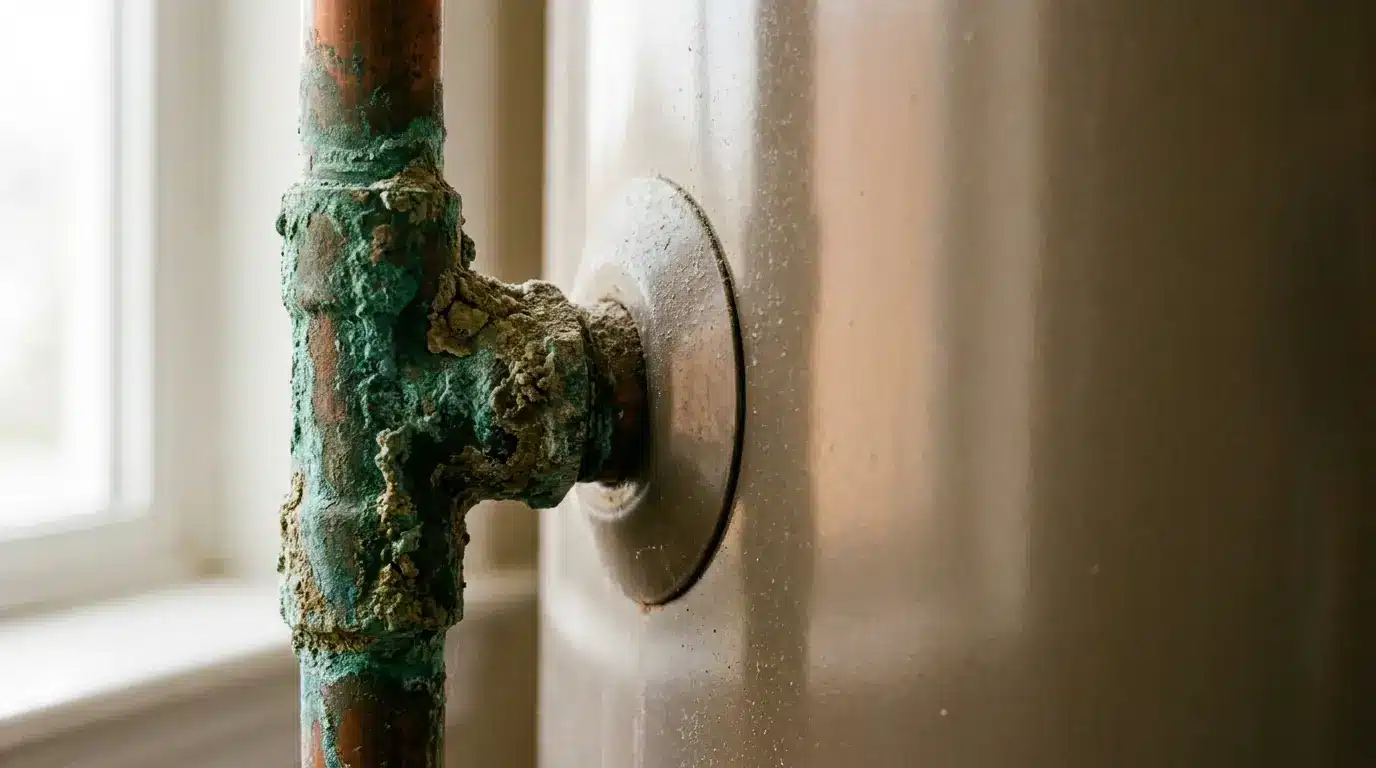
This part will gradually break down after prolonged use, as it has been an integral element in protecting the tank from corrosion. Therefore, when it starts to rust, it may also lose its ability to protect your heater tank effectively, and sometimes turn into cracks that emerge at its junction point.
Pressure Relief Valve
This element operates as the safety feature of a heating system. It will discharge water right away, once the pressure inside the system exceeds a certain level. It is natural if the water drips during this cycle.
Nevertheless, if the water continuously pours, it may be an alert for a potential problem. It can be caused by the heating system that works at an increased pressure or excessive temperature, or has malfunctioning components.
Corroded Pipes and Fittings
Pipes and fittings inevitably deteriorate with time due to the period of use, climate, varying temperatures, and daily operations. These aspects will result in expansion and shrinkage of these connectors.
What Is the Right Thing to Do When Dealing With a Leaking Hot Water System?
Ensure the Water Supply Has Been Shut Down
You should prevent excess fluid from entering the system when you notice a leak. Therefore, you should stop the water from flowing inside the system before you complete the repair or replacement process.
Evaluate the Severity of the Leak
If the valves keep releasing water, even when you have turned off the faucet, resulting in standing water surrounding the unit, it may require professional assistance to solve the matter.
However, even if the problem seems light, you should not underestimate the small leaks, as they may also indicate interior tank damage.
Turn off the Electricity or Gas
Since the heating unit usually uses gas or electricity as the power source, you should make sure to turn it off before proceeding with the repair or replacement. It is important as it will guarantee safety during the process.
Hire a Plumbing Expert
When your hot water system starts leaking, it is always best to contact a professional plumber in Melbourne, such as Neighbourhood Plumbing, to diagnose and resolve the issue properly.
With their expertise, they will guarantee accuracy and a long-term solution that adheres to the safety standards. If you require expert help with a leaking hot water system, find out more at https://neighbourhoodplumbing.com.au/.
Conclusion
Now that you have a better understanding of hot water systems, you should have a clearer idea of why your water heater starts leaking and what to do when it happens.
While some issues seem minor at first, addressing them early can help prevent more expensive repairs down the track. By knowing the common causes of leaks and keeping an eye out for warning signs, you can take action sooner and help keep your hot water system running reliably for longer.

Tommy Hardy, an alumnus of the Georgia Institute of Technology with a degree in Mechanical Engineering, has been a go-to figure in residential upkeep and innovation for over 18 years. His career commenced in a leading home appliance manufacturing company, where he mastered the intricacies of household systems. Joining our platform in 2020, Tommy quickly became a reader favorite for his practical and easy-to-follow guides. He took the helm of our DIY section in 2019, consistently delivering content that empowers homeowners. Beyond his professional pursuits, Tommy is a passionate gardener and enjoys woodworking, skills enhancing his hands-on approach to home care.