
Every year, homeowners in Central Massachusetts deal with chilly winters and muggy summers. A heat pump must be able to withstand temperature extremes without sacrificing comfort or wasting energy.
A lot of individuals choose a unit based on a brief sales spiel or guesses. High expenses, uneven rooms, and early equipment failure are the results of the error. This guide discusses why a central heat pump’s size is important.
How Local Climate in Central Massachusetts Shapes Sizing Needs
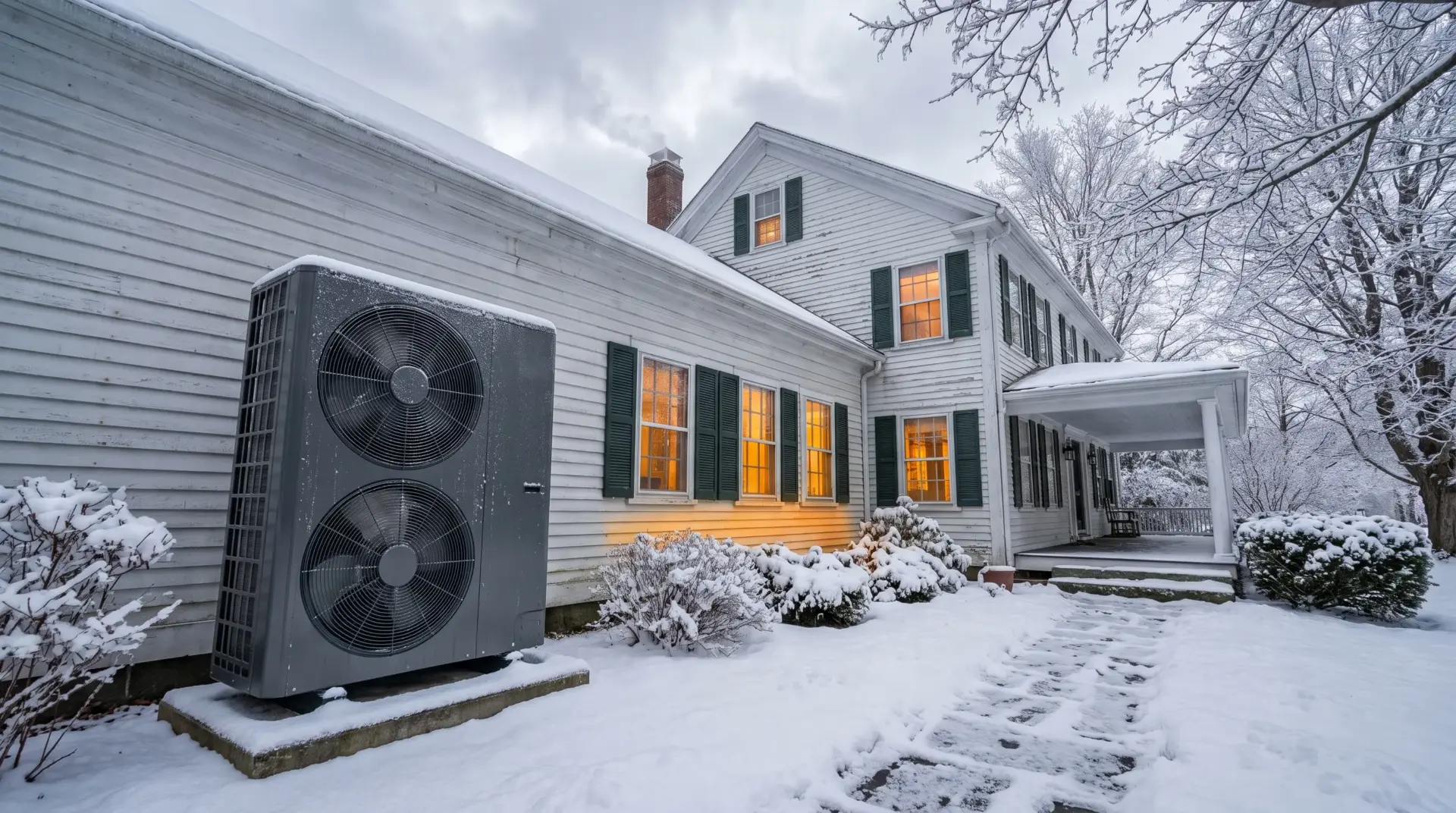
Winters in Central Massachusetts are frequently much below freezing. January and February can be difficult for a heat pump designed for a mild climate. Additionally, the system must perform lengthy cooling cycles due to summer humidity. Oversized units short-cycle, causing damp rooms and compressor wear. These seasonal extremes make proper sizing essential for a central heat pump in Central Massachusetts.
Undersized units run nonstop and never reach the set temperature. Local design temperatures guide every accurate load calculation. Contractors use historical weather data for this exact region. Those numbers decide how much capacity a home truly needs.
The Problem With Guessing Capacity
A common misconception among homeowners is that larger equipment performs better. When it comes to heat pumps, that reasoning falls flat. A large system quickly cools a space before turning off to eliminate dampness. The indoor environment can feel moist and chilly at the same time.
Additionally, heating cycles are shorter, resulting in inconsistent temperatures around the house. Every needless start and stop increases compressor stress. Comfort declines as utility expenditures rise. All of these problems are avoided by matching capacity to real load.
What a Manual J Load Calculation Covers
A proper load calculation takes into account the entire home, not just the equipment list. Skilled specialists take measurements of window area, ceiling height, and square footage. The calculations take into account the insulation levels in the basement, attic, and walls. Additionally, air leakage around windows and doors is measured.
The amount of conditioned air that reaches each room depends on the location and condition of the ducts. The picture is completed by the local outdoor design temperatures. The software then generates the necessary capacity figure in BTUs. That figure drives every later decision about the central heat pump in Central Massachusetts.
Ductwork and Airflow Considerations
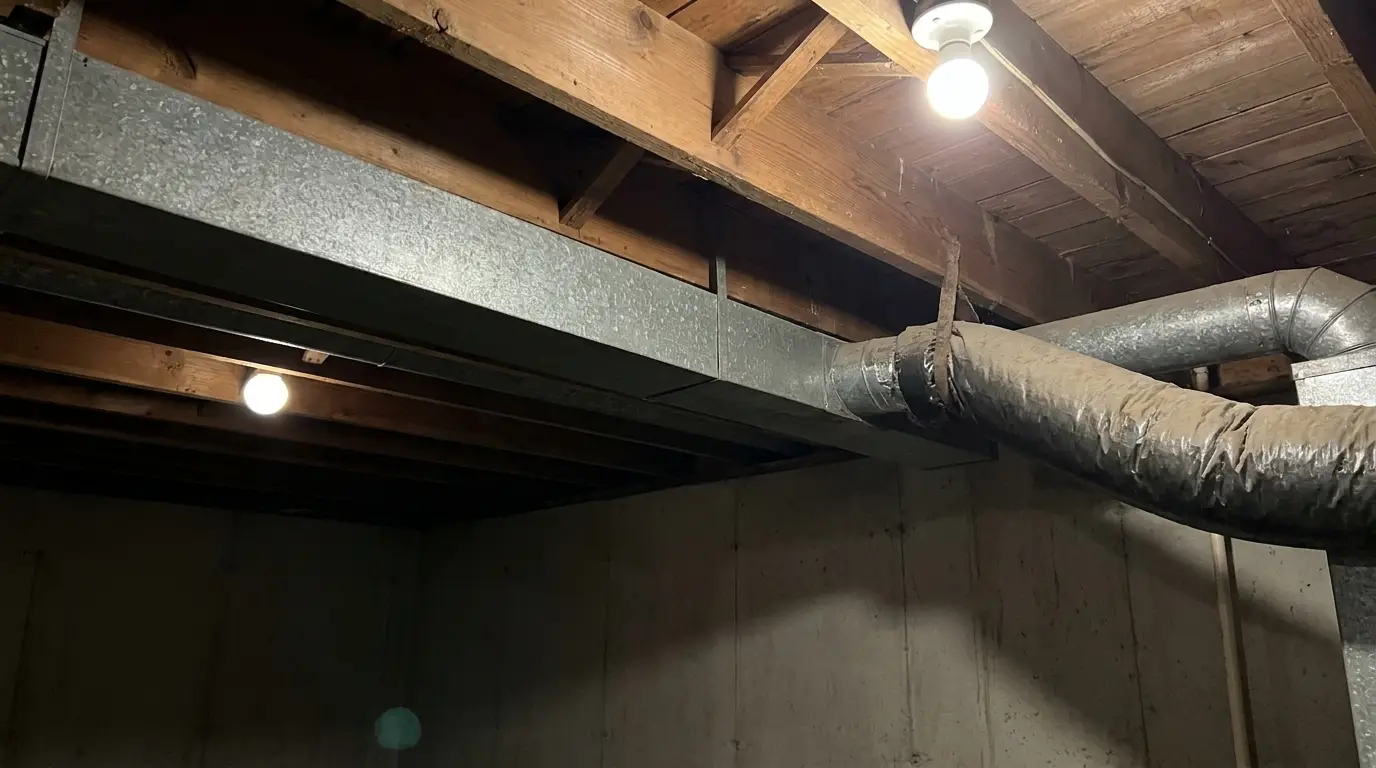
Sizing extends beyond the outside unit. Every room needs to have enough air delivered by ducts. No matter how well the system matches the load, narrow or leaky ductwork can reduce performance. The blower’s ability to move air effectively is shown by static pressure readings.
Returns that are too small can strain the system and increase operating expenses. Without purchasing new equipment, comfort issues can be resolved by balancing registers and sealing leaks. Before suggesting any unit, a competent contractor inspects the ducting. Equipment is chosen after airflow issues are resolved.
Variable Speed and Cold Climate Models
Variable speed compressors in contemporary heat pumps allow for incremental output adjustments. Both pleasant days and bitter nights are handled equally well by these models. Even in far lower ambient temperatures, cold climate devices continue to function. Backup resistance heat is less necessary because of this technology.
However, even sophisticated technology has limitations, so size is still important. An older home with inadequate insulation can benefit from a somewhat larger cold climate unit. A newer, tighter home may require less capacity than anticipated. Which direction makes sense is determined by the load calculation.
Why Professional Sizing Saves Money
Correct sizing lowers monthly utility costs right away. Equipment runs longer cycles at lower speeds, which uses less electricity. Compressors can last longer without constant starting and stopping. Humidity control improves during summer because run times stay steady.
Fewer service calls may follow because the system operates within its intended design. Rebates and efficiency programs require documented load calculations. Homeowners who skip this step lose access to those incentives. The upfront cost of a proper assessment can pay for itself over time.
Signs of an Incorrectly Sized System
- Frequent On-and-Off Cycling: An oversized unit may reach the set temperature too quickly and shut down repeatedly.
- Rooms Stay Too Hot or Cold: An undersized system may struggle to maintain the thermostat setting.
- High Indoor Humidity: Short cooling cycles may prevent the system from removing enough moisture.
- Uneven Temperatures: Noticeable temperature differences between floors or rooms may indicate sizing or ductwork problems.
- Strange Startup Noises: Unusual sounds may indicate that system components are under excessive strain.
- Unexpected Energy Bill Increases: A poorly sized system may consume more energy than necessary.
- Recurring Comfort Problems: Persistent issues may indicate the need for a professional load calculation.
Proper sizing decides whether a heat pump delivers comfort or constant frustration. Local climate, insulation, ductwork, and window area all shape the final capacity number. Anyone shopping for a central heat pump in Central Massachusetts should demand a documented load calculation before signing anything. Professional installation protects that investment through correct charging and setup.

Holding a Master’s in Architecture from the University of Texas at Austin, Emily Rodriguez has dedicated more than two decades to the art and science of building renovation. Starting her journey in historic preservation, she developed a profound respect for blending old with new in building design. Emily became a vital part of our team in 2019, renowned for her insightful and innovative renovation tips. She has been leading our DIY home improvement series since ever since, where she shares her wealth of knowledge in turning outdated spaces into modern havens. When not engaged in writing or consulting, Emily is a passionate advocate for heritage conservation and enjoys exploring vintage architecture, a hobby that complements her professional expertise.