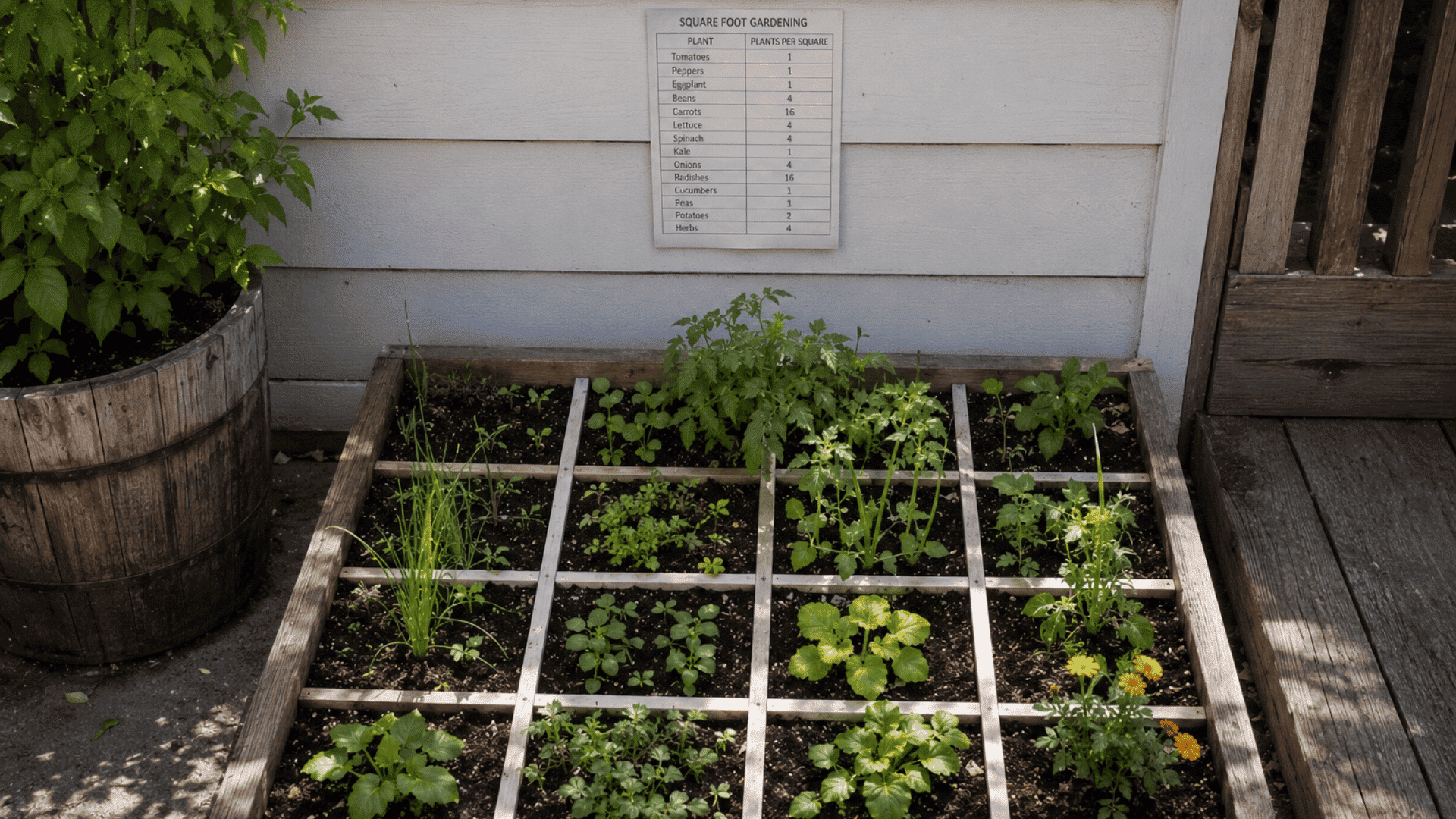

Growing vegetables can feel tricky when you are not sure how much space each plant needs.
Many gardeners plant too close together at first and end up with crowded beds, weak growth, and smaller harvests.
A square foot gardening chart helps make planning much easier by showing the right spacing for each crop.
This guide covers how square foot gardening works, how many plants fit in one square, and the best spacing for popular vegetables.
You will also learn simple ways to plan a raised bed, avoid common spacing mistakes, and choose crops that grow well in small spaces.
If you are starting your first garden or looking for a better way to organize your beds, this guide keeps the process simple and easy to follow.
By the end, you will have a clearer plan for growing healthy plants while making the most of every square foot.
What Is a Square Foot Gardening Chart?
A square foot gardening chart is a simple guide that shows how many plants you can grow in one square foot of garden space.
I like this method because it takes the guesswork out of spacing.
Instead of planting in long rows, you divide a raised bed into small squares and plant each square based on the size of the crop.
For example, one tomato plant may need a full square, while smaller crops like carrots or radishes can fit several plants in the same space.
The chart helps you know the right amount without overcrowding your garden.
The main goal is to help you grow more plants in less space while keeping them healthy.
I have used this method with clients who had nothing more than a 4×4 raised bed on a back patio and watched them pull in genuinely impressive harvests of lettuce, carrots, beans, and herbs because the spacing was right from day one.
How Square Foot Gardening Works
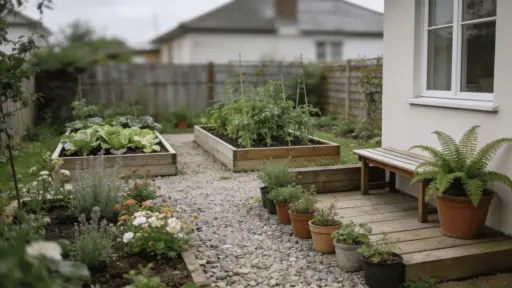
Square foot gardening uses a simple grid system to organize plants in a raised garden bed.
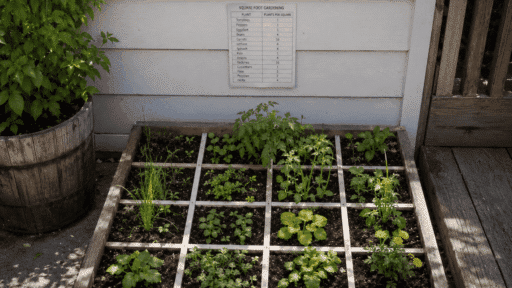
Instead of planting in long rows, you divide the bed into small one-foot squares. Each square holds a certain number of plants based on their size and spacing needs.
For example, large plants like tomatoes usually take one full square. Smaller crops like lettuce, onions, or carrots can grow several plants in the same square.
A spacing chart helps you know how many plants fit without crowding them. The idea is to use space wisely while giving each plant enough room to grow.
Most gardeners use raised beds that are 4 feet wide because they are easy to reach from every side. You can also add a simple grid on top of the bed using wood strips or string to mark each square clearly.
This method keeps the garden neat, makes watering easier, and helps reduce weeds in smaller spaces.
Benefits of Using a Square Foot Gardening Chart
A square foot gardening chart helps you stay organized while planning your garden. It gives you a simple way to manage spacing, planting, and garden layout without feeling overwhelmed.
- Easy Garden Planning: You can quickly see where each vegetable should go. This saves time and makes the setup process much simpler.
- Better Plant Spacing: The chart helps you avoid placing plants too close together. Proper spacing gives roots and leaves enough room to grow.
- Less Wasted Space: I like how this method helps you use every square wisely. Even small raised beds can grow a good amount of food.
- Healthier Plants: Plants usually grow better when they have enough airflow and access to sunlight. Good spacing can also lower the chance of plant disease.
- Fewer Weeds: Since plants grow closer in a planned layout, weeds have less open space to spread.
- Saves Seeds and Money: You only plant the amount you need for each square. This can help reduce wasted seeds and extra spending.
- Good for Beginners: The chart keeps things simple and easier to follow. If you are thinking about how to start gardening , this is an easy way to do so. You do not need much gardening experience to get started.
- Easier Watering and Harvesting: A neat layout makes it easier for you to reach plants, water evenly, and pick vegetables when they are ready.
How to Read a Square Foot Gardening Chart
A square foot gardening chart becomes much easier to follow once you understand how the spacing numbers work.
Your Square Foot Gardening chart should look like this. Each number shows how many plants can fit inside one square foot of garden space.
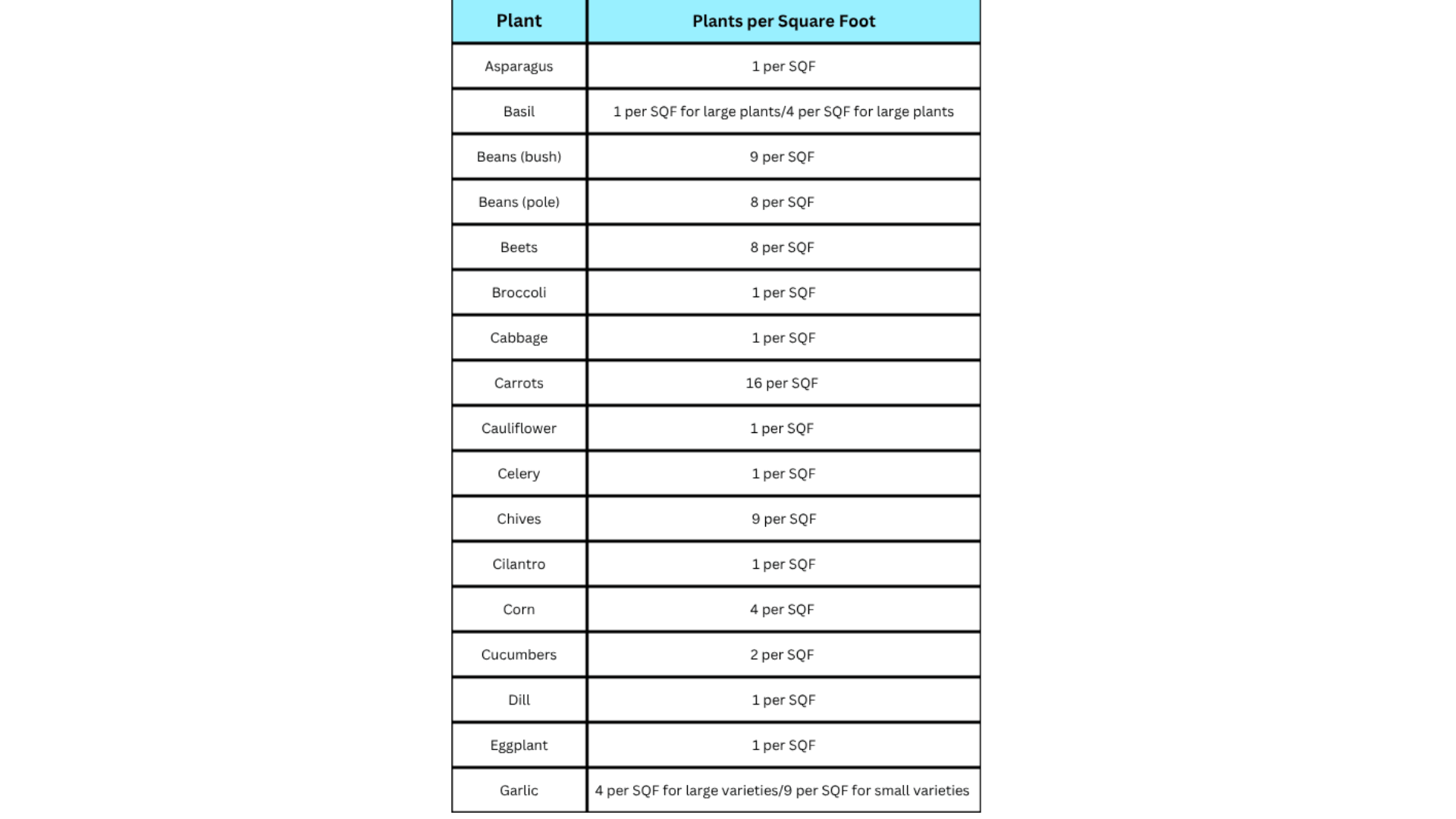
1. One Plant Per Square Foot
Large vegetables usually need more room to spread their roots and leaves. Plants like tomatoes, broccoli, cabbage, and peppers are often placed one per square.
This gives them enough sunlight, airflow, and growing space throughout the season. If you place large crops too close together, they may compete for water and nutrients.
A single square may not seem like much space at first, but these plants grow much bigger over time.
Following the chart helps you avoid crowding problems later in the garden.
2. Four Plants Per Square Foot
Medium-sized vegetables often fit four plants in one square foot. Lettuce, spinach, and some herbs are common examples.
The plants are usually spaced evenly in the four corners of the square to keep the area balanced.
This method helps you grow more food without making the bed overcrowded. You still leave enough room for healthy roots and airflow between plants.
Many gardeners like this spacing because it keeps the garden neat and easy to manage while still producing a good harvest in smaller spaces.
3. Nine to Sixteen Plants Per Square Foot
Small vegetables can grow much closer together because they take up less space. Crops like carrots, radishes, green onions, and beets are often planted in groups of nine or sixteen per square.
The chart helps you place them evenly so they still have room to grow underground. This setup works well for raised beds because it helps you use every part of the garden wisely.
Smaller crops also grow quickly, which makes them a good choice for beginner gardeners using this method for the first time.
4. Follow Mature Plant Size
One common mistake is spacing plants based on seed size instead of full plant size. Tiny seeds can grow into large plants, so the chart focuses on how big the crop becomes later.
This helps prevent plants from becoming crowded once they fully grow. Good spacing improves airflow and lowers the chance of disease in the garden.
It also makes watering, pruning, and harvesting easier for you during the season.
Checking mature plant size before planting saves time and prevents problems later in the growing process.
5. Use the Grid as a Guide
The grid system helps you organize different vegetables in a simple way. Each square acts like its own planting space, so you can grow many crops side by side without confusion.
This makes it easier to track where everything is growing. You can also plan your garden based on sunlight, watering needs, or harvest times.
The chart works best when you follow the grid carefully and label plants if needed. A clear layout keeps the garden tidy and helps you stay organized throughout the growing season.
6. Read the Seed Packet for Spacing Details
One of the easiest ways to check plant spacing is by reading the back of the seed packet. Most packets list important details like plant size, spacing needs, planting depth, and sunlight requirements.
This information helps you match the plant to the correct square foot gardening spacing chart. Some varieties grow larger or smaller than others, even within the same vegetable type.
Checking the seed packet before planting can help you avoid spacing mistakes early on.
It also gives you a better idea of how much room the plant will need once it reaches full size. This simple step can save space and make garden planning much easier.
Square Foot Gardening Plant Spacing Guide for Efficient Planting
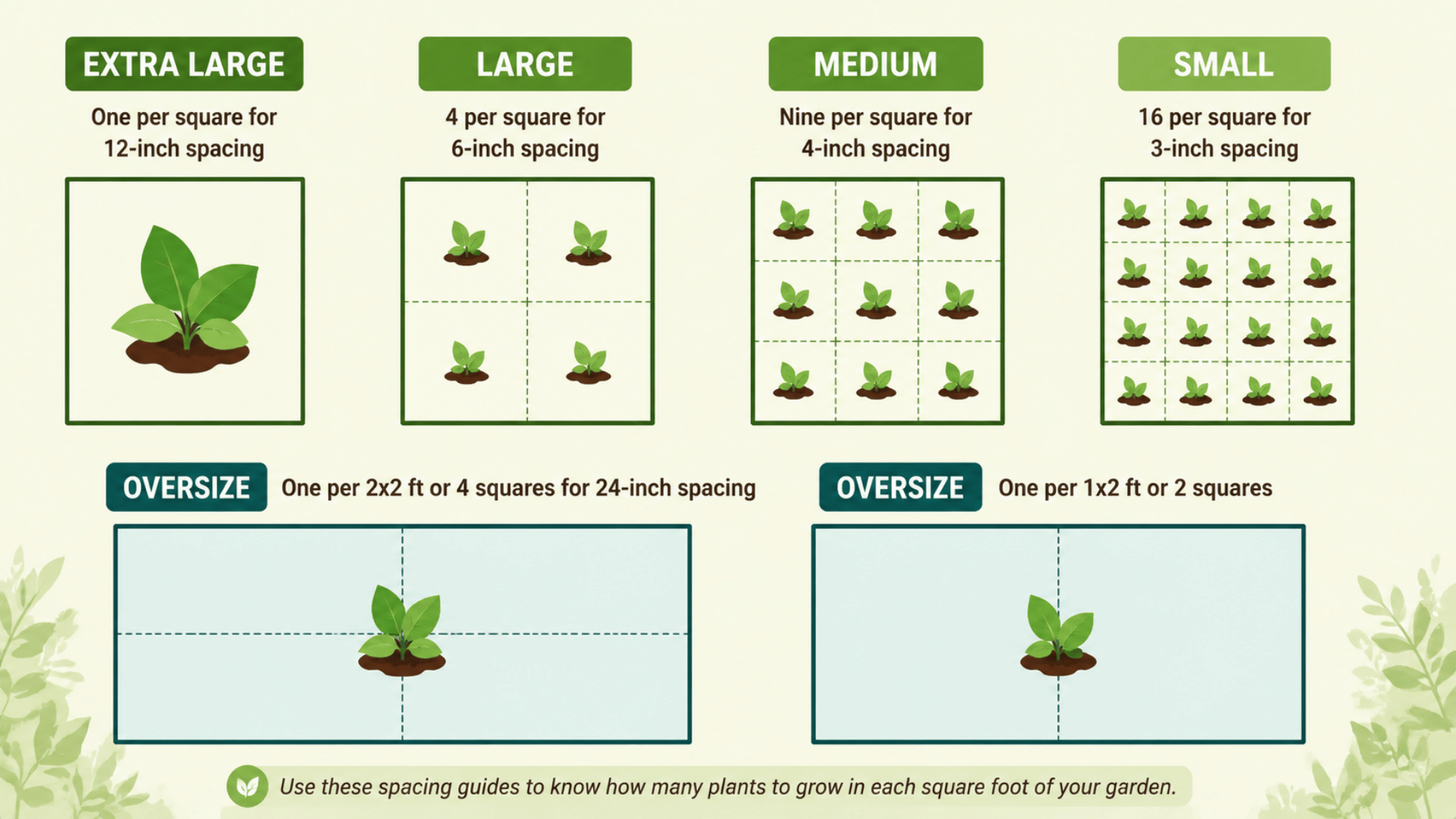
Plant spacing plays a big role in how healthy and productive your garden becomes, and how efficiently you can plant to keep everything organized.
Using a simple spacing guide helps you organize crops clearly while making the best use of each square foot.
- Large Plants Need More Space: Tomatoes, peppers, broccoli, cabbage, and eggplant usually need one full square each.
These plants spread as they grow and need enough room for roots, leaves, sunlight, and airflow. Proper spacing also makes pruning, watering, and harvesting much easier during the growing season. - Medium-Sized Crops Fit Four Per Square: Lettuce, Swiss chard, basil, and some spinach varieties often grow well with four plants in one square foot.
Placing one plant near each corner keeps spacing balanced and gives leaves enough room to grow without becoming crowded. - Small Root Vegetables Grow Closer Together: Carrots, radishes, onions, and beets can usually fit nine to sixteen plants per square foot.
Since these crops stay smaller above ground, they can handle tighter spacing while still growing healthy roots underground. - Herbs Have Different Spacing Needs: Some herbs stay compact while others spread quickly over time.
Parsley and basil often grow well with four plants per square, but herbs like mint usually need extra room to prevent overcrowding. - Vertical Plants Save Ground Space: Cucumbers, peas, and pole beans grow well on trellises or supports.
Growing plants vertically helps free up bed space and improves airflow around the vines. This method works especially well in smaller raised gardens. - Read the Seed Packet Before Planting: Seed packets usually list plant size, spacing needs, sunlight requirements, and planting depth.
Checking the back of the packet helps you match each crop to the correct spacing in your square foot gardening chart.
Best Vegetables for Square Foot Gardening
Some vegetables naturally grow better in square foot gardens because they fit well in smaller spaces and are easier to organize.
The table below gives a quick look at popular vegetables and how they work in this gardening method.
| Vegetable | Plants Per Square | Why It Works Well |
| Lettuce | 4 | Grows quickly and fits neatly in raised beds without taking too much space. |
| Carrots | 16 | Needs very little space above ground and grows well in loose soil. |
| Radishes | 16 | Fast-growing crop that works well in small garden squares. |
| Tomatoes | 1 | Needs extra room for roots, airflow, and healthy growth. |
| Spinach | 9 | Compact leaves make it a good choice for tighter spacing. |
| Peppers | 1 | Stays manageable in raised beds and grows well with full sunlight. |
| Green Onions | 16 | Small size allows several plants to grow in one square foot. |
| Bush Beans | 9 | Produces a good harvest while staying fairly compact. |
| Cucumbers | 2 | Grows well vertically on a trellis to save ground space. |
| Beets | 9 | Root crop that grows neatly in organized garden sections. |
Using a spacing chart along with the right vegetables can help you keep your garden organized and easier to manage throughout the growing season.
Tips for Planning a Square Foot Garden
A little planning before planting can make your garden easier to manage during the season. A clear layout also helps you avoid spacing problems and keeps the raised bed more organized.
- Start with a Small Raised Bed: A smaller garden is easier to control and maintain, especially for beginners.
A 4×4 raised bed is often a good starting size because every section is easy to reach. - Pick a Sunny Location: Most vegetables need at least 6 to 8 hours of sunlight each day for healthy growth.
Placing the garden in a sunny spot can improve plant growth and harvest size. - Use a Grid Layout: Dividing the bed into one-foot squares helps you organize crops clearly. It also makes spacing and planting much easier to follow.
- Group Plants by Size: Larger crops should have enough room to spread, while smaller vegetables can fit into tighter spaces.
This helps you use the garden area more efficiently. - Plan for Vertical Growing: Cucumbers, peas, and pole beans grow better with a trellis or support.
Growing upward saves space and keeps vines from spreading across nearby squares. - Read the Seed Packet First: Seed packets usually include spacing, planting depth, and sunlight information.
Checking these details before planting helps you avoid common mistakes. - Leave Room for Easy Access: Open edges or walking paths make watering, weeding, and harvesting much easier without stepping on the soil.
- Rotate Crops Each Season: Moving vegetables to different squares every year can help reduce soil problems and support healthier plant growth over time.
Common Plant Spacing Mistakes to Avoid
Small spacing mistakes can make a garden harder to manage later in the season. The table below shows common problems along with simple ways you can fix or avoid them.
| Common Mistake | What Happens | Simple Solution |
| Planting Too Many Crops in One Square | Plants compete for sunlight, water, and nutrients, which can slow growth. | Follow the spacing chart and thin extra seedlings if needed. |
| Ignoring Mature Plant Size | Small seedlings may become crowded once fully grown. | Check the mature size of the plant before spacing it. |
| Not Reading the Seed Packet | You may miss important spacing and planting details. | Read the back of the seed packet before planting each crop. |
| Forgetting About Airflow | Poor airflow can increase moisture and plant disease. | Leave enough room between plants for better air circulation. |
| Mixing Large and Small Plants Incorrectly | Taller plants may block sunlight from smaller crops nearby. | Place taller vegetables on one side and smaller plants where they still get light. |
| Skipping Vertical Support for Vining Plants | Vines can spread across nearby squares and overcrowd the bed. | Use a trellis or support system for climbing vegetables like cucumbers and peas. |
| Planting Without a Layout Plan | The garden may become disorganized and difficult to manage. | Draw a simple garden grid before planting to keep spacing clear. |
Using a simple spacing plan early on can save time, reduce crowding, and make your square foot garden much easier to care for throughout the growing season.
At the End
Square foot gardening can make growing vegetables feel much more manageable, especially when you have a clear spacing plan to follow.
With the right chart, you can use small garden spaces wisely, keep plants healthier, and avoid many common planting mistakes.
Even a simple raised bed can produce a surprising amount of fresh vegetables when everything is spaced correctly.
The best part is that you do not need a large backyard or years of gardening experience to get started. Small changes in planning and spacing can make a big difference over time.
I hope this guide helped you feel more confident about organizing your garden and choosing the right plant spacing for each crop.
If you have tried square foot gardening before, or plan to start soon, share your experience, favorite vegetables, or helpful tips in the comments below.
Frequently Asked Questions
What is the Best Layout for Square-Foot Gardening?
The best square-foot gardening layout uses a 4×4 raised bed divided into one-foot squares. This setup improves plant spacing, keeps the garden organized, and makes watering, harvesting, and crop rotation much easier.
Does Square-Foot Gardening Actually Work?
Yes, square-foot gardening works well for growing vegetables in small spaces. Proper plant spacing, raised beds, and organized layouts help improve yields, reduce weed growth, and make gardening easier.
What are the Disadvantages of Square Foot Gardening?
Square-foot gardening may require more planning, quality soil, and regular watering. Large vegetables can outgrow small spaces, and crowded planting may reduce airflow if spacing charts are not followed carefully.
What is the Most Common Mistake of First Time Gardeners?
The most common mistake first-time gardeners make is overcrowding plants. Placing vegetables too close together can block sunlight, reduce airflow, and limit healthy growth, leading to smaller harvests and weaker plants.

Veronica Lee holds a Master’s degree in Landscape Architecture from Cornell University and has dedicated more than 15 years to transforming outdoor areas into artistic and sustainable spaces. Her career took off in a renowned landscape design firm, where she excelled in creating visually stunning and environmentally responsible designs. In 2019, Veronica brought her expertise to our platform, quickly becoming a key contributor to our outdoor design and sustainability sections. As the lead of our landscape innovation series ever since joining, she has inspired readers with her forward-thinking and practical approach. When not drafting designs, Veronica enjoys pottery and participates in local conservation efforts, activities that complement her professional ethos of blending art with nature.