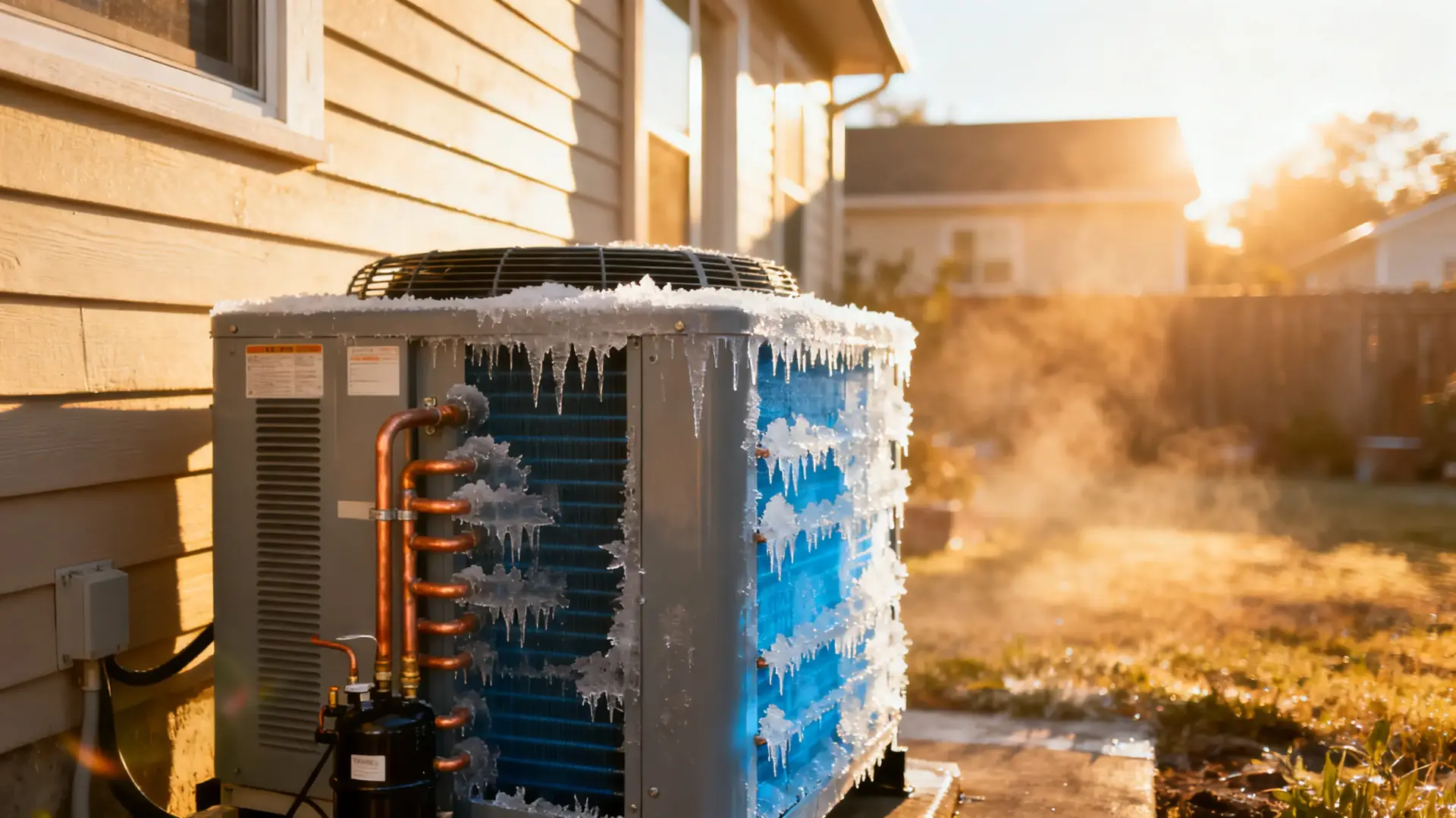

Few things are more frustrating during a hot summer day than an air conditioner that seems unable to do its job properly. One of the most common HVAC issues homeowners experience is an AC unit that constantly turns on and off. This problem, known as short cycling, not only affects your comfort but can also increase energy bills, put excessive strain on your system, and lead to costly repairs if left unaddressed.
When homeowners begin noticing unusual AC behavior, it’s important to seek professional assistance from trusted HVAC experts such as Grove Heating and Cooling. Identifying the root cause of short cycling early can help prevent extensive damage and ensure your cooling system operates efficiently throughout the season.
In this article, we’ll explore the common reasons why your air conditioner keeps turning on and off repeatedly, the potential consequences of ignoring the issue, and practical solutions to restore your home’s comfort.
What Is AC Short Cycling?
Short cycling occurs when your air conditioner starts a cooling cycle but shuts off before completing it. Instead of running for a normal period to cool your home effectively, the system repeatedly turns on and off in rapid succession.
Under normal conditions, an air conditioner should run long enough to reach the desired indoor temperature before shutting down. Depending on weather conditions, system size, and home insulation, a typical cooling cycle may last anywhere from 10 to 20 minutes.
When short cycling occurs, the system may operate for only a few minutes before shutting off and restarting shortly afterward. This frequent cycling creates unnecessary wear and tear on essential components while reducing cooling performance.
Common Reasons Your AC Keeps Turning On and Off
1. Dirty Air Filter
One of the simplest yet most common causes of short cycling is a clogged air filter.
Air filters are designed to capture dust, dirt, pollen, and other airborne particles. Over time, these contaminants accumulate and restrict airflow through your HVAC system. When airflow becomes limited, the evaporator coil can overheat or freeze, causing the system to shut down prematurely.
Signs of a dirty air filter include:
- Reduced airflow from vents
- Increased energy bills
- Uneven cooling
- Excessive dust inside the home
Fortunately, replacing a dirty air filter is one of the easiest and most affordable HVAC maintenance tasks homeowners can perform.
2. Oversized Air Conditioner
Many homeowners assume that a larger air conditioner automatically provides better cooling. However, an oversized AC unit can actually create significant problems.
An air conditioner that is too powerful for your home’s cooling needs can lower indoor temperatures too quickly. As a result, the thermostat reaches the target temperature rapidly and shuts off the system before proper humidity removal occurs.
This causes frequent on-and-off cycles, leading to:
- Increased wear on components
- Higher energy consumption
- Poor humidity control
- Uneven temperatures throughout the home
Proper HVAC sizing is essential for achieving optimal comfort and efficiency.
3. Thermostat Problems
Your thermostat acts as the control center for your cooling system. If it malfunctions, it may send incorrect signals that cause the AC to cycle improperly.
Common thermostat-related issues include:
- Faulty temperature sensors
- Incorrect calibration
- Dead batteries
- Loose wiring
- Poor thermostat placement
For example, if a thermostat is installed near a window or heat-producing appliance, it may detect temperatures inaccurately and trigger unnecessary cooling cycles.
A professional HVAC technician can inspect and calibrate your thermostat to ensure accurate operation.
4. Refrigerant Leaks
Refrigerant plays a critical role in the cooling process by absorbing and releasing heat. When refrigerant levels become low due to leaks, your air conditioner struggles to maintain proper cooling performance.
Low refrigerant levels may cause:
- Short cycling
- Warm air from vents
- Frozen evaporator coils
- Reduced cooling efficiency
- Increased energy bills
Unlike air filters, refrigerant issues should always be handled by certified HVAC professionals. Attempting to repair refrigerant leaks without proper training can be dangerous and may violate environmental regulations.
5. Frozen Evaporator Coils
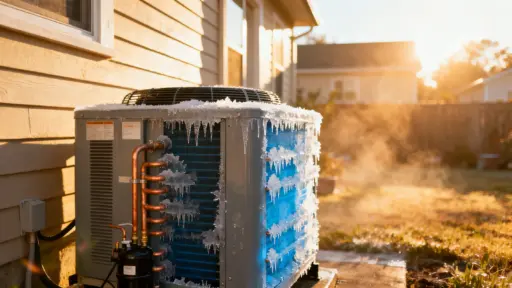
Evaporator coils absorb heat from indoor air. When airflow becomes restricted or refrigerant levels drop, the coils may freeze.
A frozen coil can cause the AC system to shut down unexpectedly to prevent damage. Once the ice melts, the unit may restart, creating a repeating cycle of operation and shutdown.
Common causes of frozen coils include:
- Dirty air filters
- Blocked air vents
- Refrigerant leaks
- Blower fan issues
If you notice ice forming on your indoor unit, turn off the system and contact an HVAC professional for inspection.
6. Electrical Issues
Air conditioners rely on numerous electrical components to operate safely and efficiently. Problems with these components can lead to short cycling and system failures.
Potential electrical issues include:
- Faulty capacitors
- Damaged relays
- Loose wiring connections
- Worn contactors
- Circuit board malfunctions
Electrical problems often worsen over time and may create safety hazards if ignored. Professional diagnosis is essential for identifying and repairing electrical faults.
7. Clogged Condenser Unit
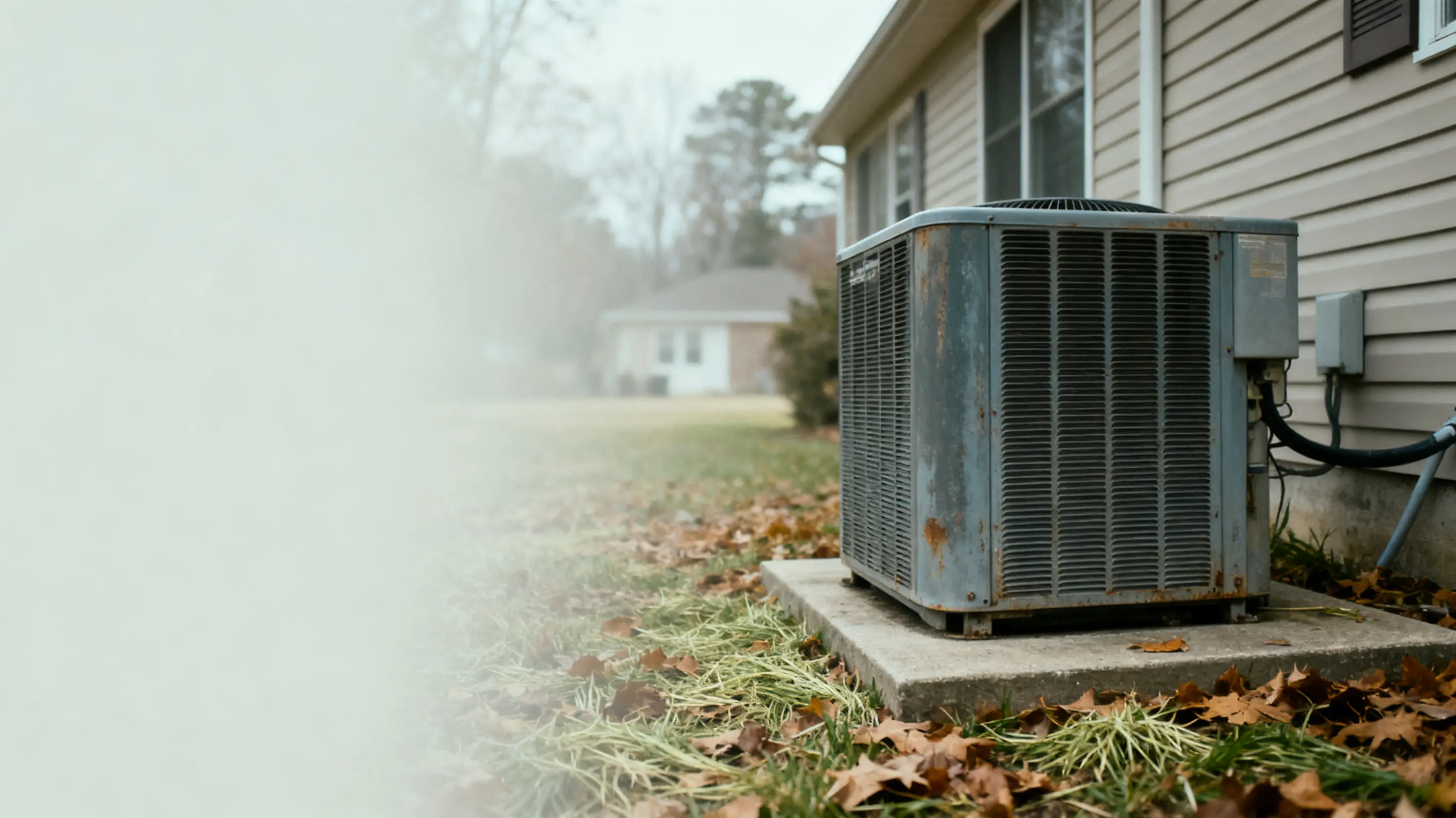
The outdoor condenser unit is responsible for releasing heat absorbed from inside your home. When dirt, leaves, grass clippings, or debris accumulate around the condenser, airflow becomes restricted.
Restricted airflow causes the system to work harder and may trigger overheating protection mechanisms that shut down the unit prematurely.
To keep your condenser functioning properly:
- Remove debris around the unit
- Trim nearby vegetation
- Schedule seasonal maintenance
- Clean condenser coils regularly
Keeping the outdoor unit clean can significantly improve performance and prevent short cycling.
8. Low Voltage or Power Supply Problems
Your AC system requires a stable electrical supply to operate correctly. Voltage fluctuations or power supply issues can interfere with normal operation and cause repeated shutdowns.
Possible causes include:
- Electrical grid fluctuations
- Damaged breakers
- Faulty disconnect switches
- Aging electrical systems
If your AC short cycles during periods of high electrical demand, an HVAC technician may recommend evaluating your home’s electrical system.
9. Compressor Problems
The compressor is often referred to as the heart of the air conditioning system. It circulates refrigerant and enables the cooling process.
When compressor issues develop, short cycling frequently follows.
Symptoms of compressor problems may include:
- Loud noises
- Reduced cooling performance
- Frequent shutdowns
- Increased energy usage
Because compressor replacement can be costly, early diagnosis is important to prevent further damage.
Why Short Cycling Should Never Be Ignored
Many homeowners assume occasional short cycling is harmless. However, allowing the issue to continue can create serious consequences.
Higher Energy Bills
Each time your air conditioner starts, it consumes a surge of electricity. Frequent starts and stops increase energy usage significantly, leading to higher monthly utility costs.
Increased Wear and Tear
Starting and stopping places considerable strain on motors, capacitors, compressors, and other critical components. Over time, this additional stress accelerates system deterioration.
Reduced Comfort
Short cycling prevents your AC from completing full cooling cycles. As a result, rooms may remain warmer than desired, and humidity levels can increase.
Shortened Equipment Lifespan
Continuous short cycling can reduce the overall lifespan of your HVAC system. What might have been a minor repair could eventually require a full system replacement.
Costly Repairs
Ignoring small problems often allows them to develop into larger, more expensive issues. Prompt diagnosis and repair can save homeowners substantial money over time.
How to Diagnose the Problem
While some AC issues require professional expertise, homeowners can perform several basic checks before scheduling service.
Check the Air Filter
Inspect the filter and replace it if it appears dirty or clogged.
Verify Thermostat Settings
Ensure the thermostat is set to “Cool” and that temperature settings are appropriate.
Inspect Air Vents
Make sure supply and return vents are open and unobstructed by furniture, curtains, or rugs.
Examine the Outdoor Unit
Look for visible debris, vegetation, or obstructions around the condenser.
Listen for Unusual Sounds
Strange noises such as buzzing, clicking, or rattling may indicate electrical or mechanical problems.
If these basic troubleshooting steps do not resolve the issue, professional HVAC service is recommended.
Preventing Future Short Cycling Problems
Preventive maintenance is one of the most effective ways to avoid AC short cycling and extend the life of your cooling system.
Schedule Annual HVAC Maintenance
Professional tune-ups help identify minor issues before they become major repairs.
Change Air Filters Regularly
Most filters should be replaced every one to three months depending on usage and indoor air quality conditions.
Keep Outdoor Units Clean
Regularly remove debris and maintain proper clearance around the condenser unit.
Monitor Energy Bills
Unexpected increases in utility costs may indicate developing HVAC problems.
Upgrade Aging Equipment
Older systems often become less reliable and more prone to short cycling. Replacing outdated equipment may improve efficiency and comfort.
When to Call a Professional
While replacing an air filter is a simple DIY task, many causes of short cycling require specialized tools and expertise.
You should contact an HVAC professional if:
- The issue persists after changing the filter
- Ice forms on the system
- Warm air blows from vents
- Electrical components appear damaged
- Refrigerant leaks are suspected
- The compressor makes unusual noises
Prompt service can prevent small issues from escalating into expensive repairs or complete system failures.
Final Thoughts
An air conditioner that constantly turns on and off is more than just an inconvenience—it is often a warning sign that something within the system requires attention. Whether the issue stems from a dirty air filter, thermostat malfunction, refrigerant leak, oversized equipment, or electrical failure, addressing the problem early can save money, improve comfort, and extend the life of your HVAC system.
Understanding the common causes of short cycling empowers homeowners to recognize warning signs before they become major issues. By performing routine maintenance and seeking professional assistance when necessary, you can keep your cooling system operating efficiently and enjoy a comfortable indoor environment throughout the hottest months of the year.

Tommy Hardy, an alumnus of the Georgia Institute of Technology with a degree in Mechanical Engineering, has been a go-to figure in residential upkeep and innovation for over 18 years. His career commenced in a leading home appliance manufacturing company, where he mastered the intricacies of household systems. Joining our platform in 2020, Tommy quickly became a reader favorite for his practical and easy-to-follow guides. He took the helm of our DIY section in 2019, consistently delivering content that empowers homeowners. Beyond his professional pursuits, Tommy is a passionate gardener and enjoys woodworking, skills enhancing his hands-on approach to home care.