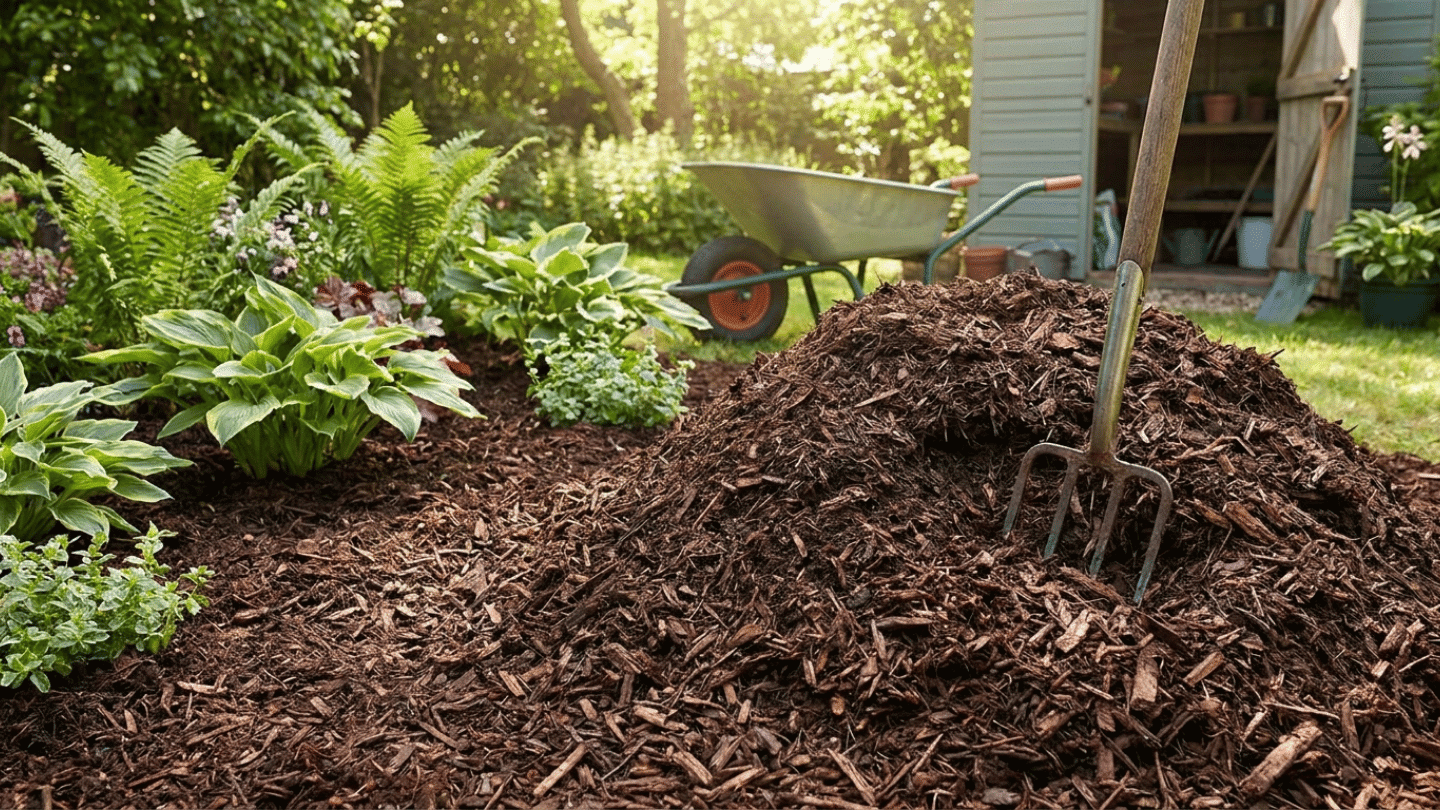

Mulch is one of the most common materials used in gardens and landscaping, but many people are unsure what it is actually made of.
Some mulch comes from natural materials like tree bark, wood chips, leaves, straw, and grass clippings, while other types are made from recycled rubber or stones.
Each type works differently and is used for different gardening needs.
With years of hands-on experience in gardening and landscape maintenance, I have worked with many mulch types in home gardens, raised beds, and outdoor spaces.
Choosing the right mulch can help plants stay healthier, reduce weed growth, and improve soil conditions over time.
In this guide, I’ll explain what mulch is made of, how different mulch types are produced, how mulch compares with compost and topsoil, and which mulch options work best for different gardens and landscapes.
What is Mulch Made Of?
Mulch can be made from many different natural and man-made materials.
In gardening and landscaping, mulch is placed on top of the soil to help hold moisture, reduce weeds, and protect plant roots.
Some mulch types slowly break down and improve the soil, while others are mainly used for long-lasting ground cover.
Common Materials Used in Mulch
Many mulch products are made from materials that are recycled or collected from yards, forests, or landscaping waste. The most common mulch materials include:
- Tree bark
- Wood chips
- Pine needles
- Leaves
- Straw
- Grass clippings
- Compost
- Rubber
- Gravel or stones
Natural mulch materials like bark, leaves, and wood chips are widely used in home gardens because they slowly decompose and improve soil quality over time.
Materials such as rubber and gravel are primarily used for decoration and weed control.
Organic vs. Inorganic Mulch
Mulch is usually divided into two main groups: organic mulch and inorganic mulch.
Here’s a simple table version of your content:
| Mulch Type | Description | Benefits / Uses |
|---|---|---|
| Organic Mulch | Made from natural materials such as bark, wood chips, straw, leaves, and compost. Breaks down slowly over time. | Improves soil health, helps plants retain moisture, and reduces weed growth. |
| Inorganic Mulch | Made from rubber, rocks, gravel, or landscape stones. Does not break down naturally and lasts longer. | Used for decorative landscaping, pathways, and long-term weed control. |
How Different Types of Mulch Are Made
Different mulch types are made from various materials and produced using different methods.
Some mulches come from recycled tree debris and yard waste, while others are created from processed rubber or composted organic material.
1. Bark and Wood Chip Mulch
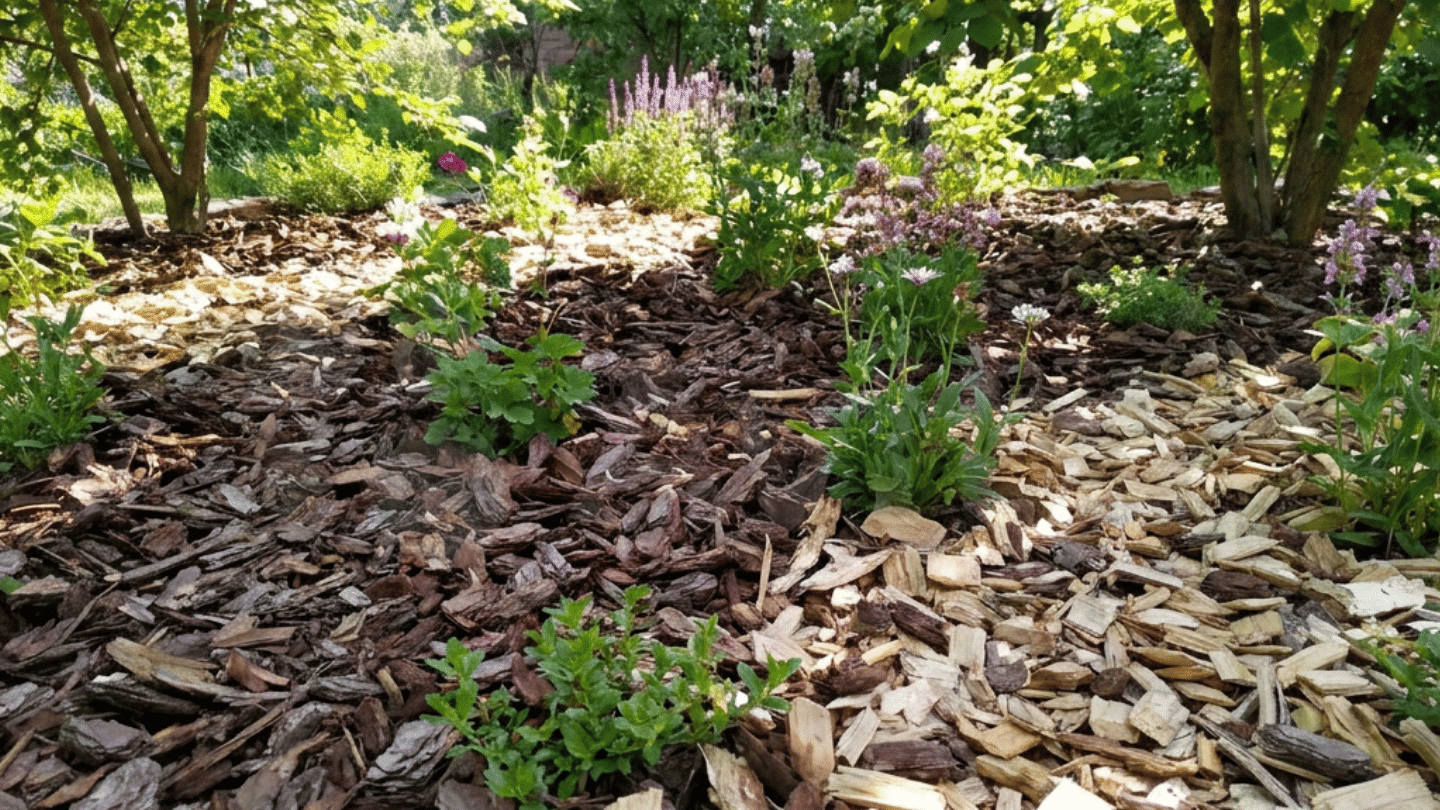
Bark mulch and wood chip mulch are commonly made from tree bark, branches, and recycled wood debris.
After trees are trimmed or removed, the leftover wood materials are processed through large wood chippers that break them into smaller pieces.
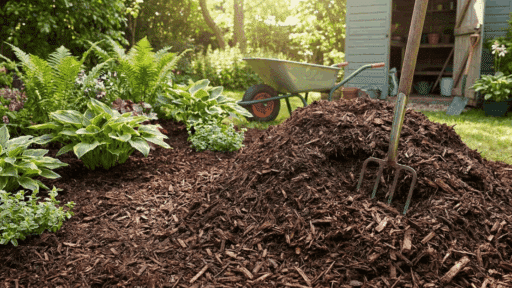
Some wood chip mulches are left in their natural color, while others are dyed red, brown, or black for landscaping use. These mulches are popular in flower beds, around trees, and in garden pathways.
2. Leaf and Grass Mulch
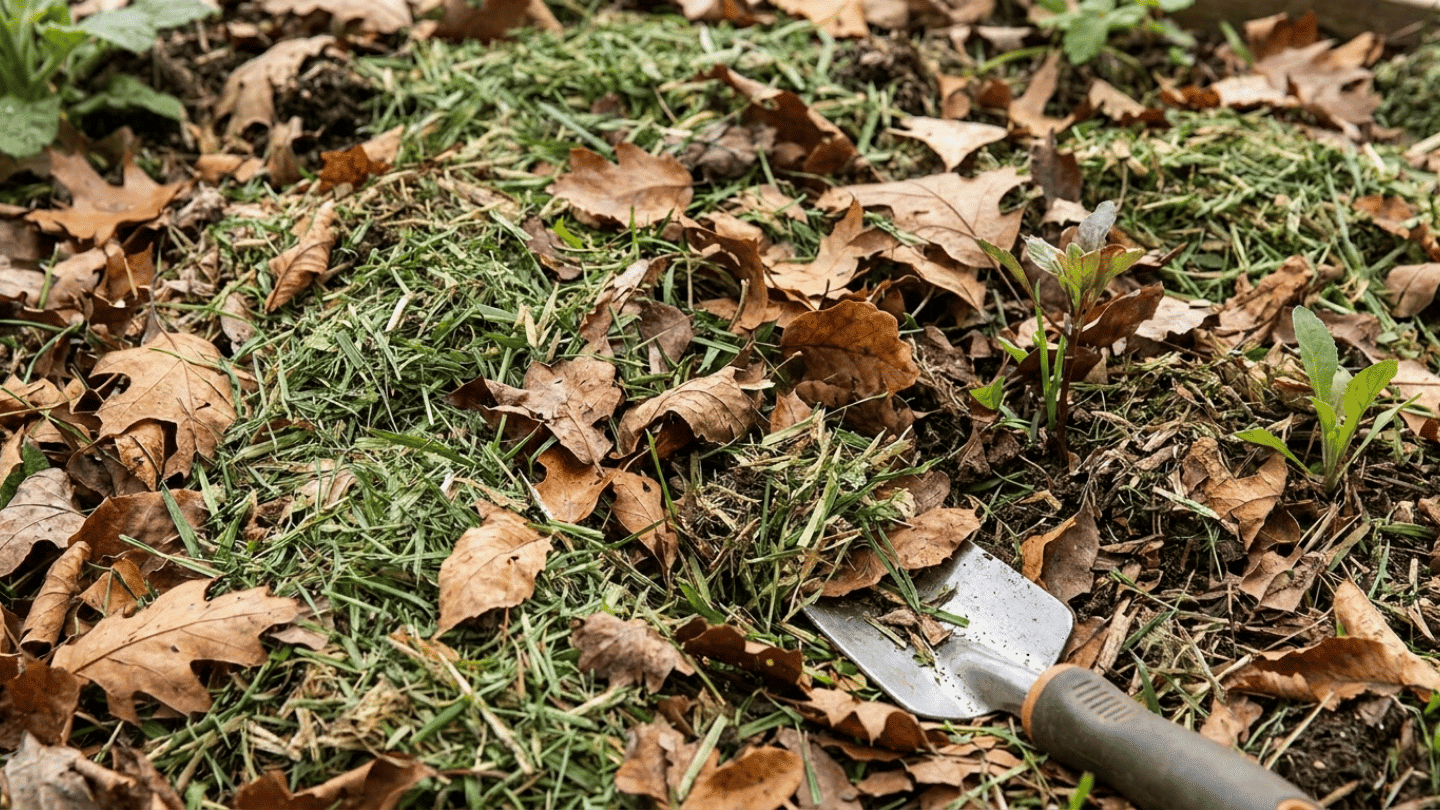
Leaf mulch is made by shredding dry leaves into smaller pieces. Grass mulch comes from lawn clippings collected after mowing.
These natural materials break down quickly and return nutrients to the soil. Many homeowners make leaf or grass mulch at home using lawn mowers, leaf shredders, or compost piles.
3. Compost Mulch
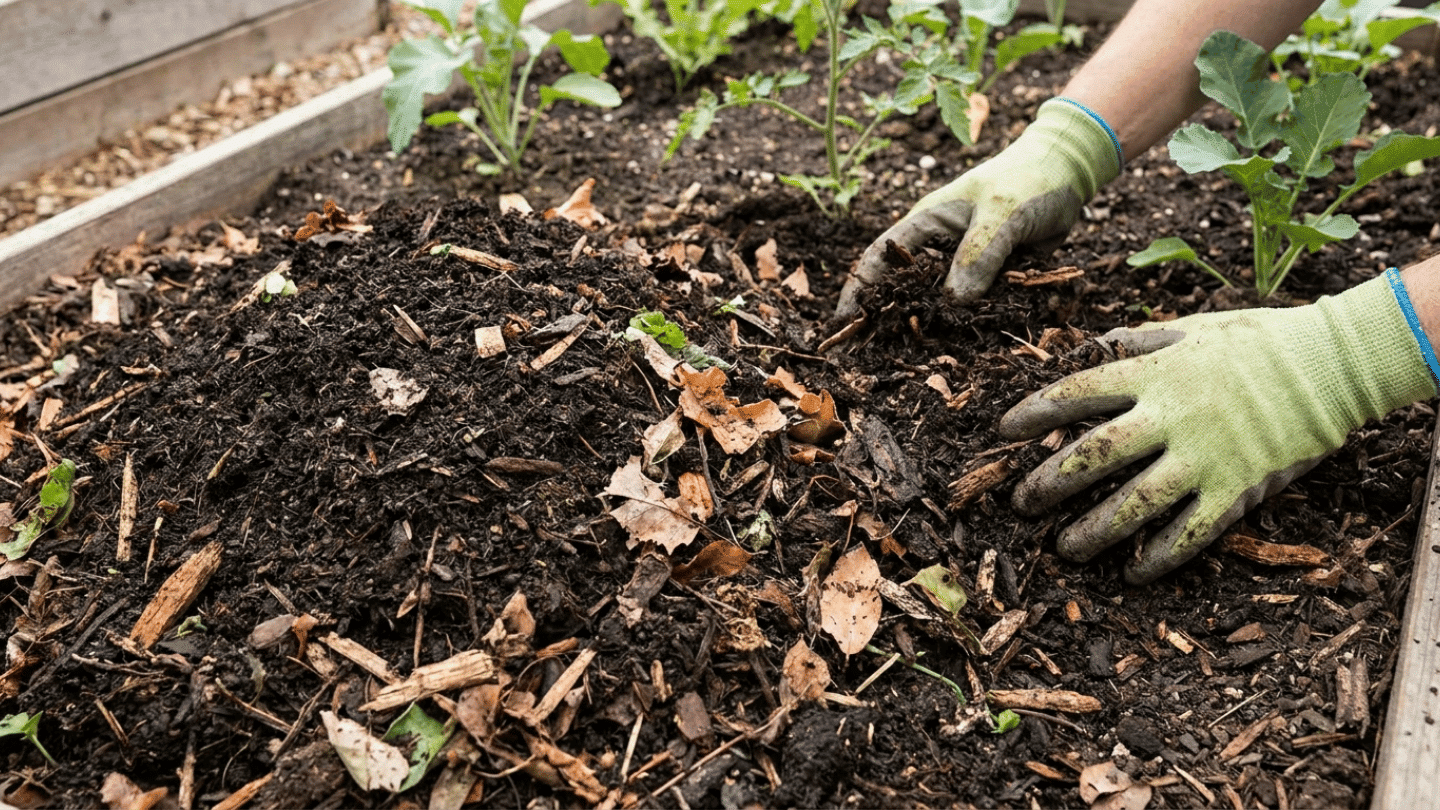
Compost mulch is made from broken-down organic waste such as leaves, food scraps, grass clippings, and plant material.
Over time, heat and moisture help these materials decompose into dark, nutrient-rich compost. This mulch type is often used in vegetable gardens and planting beds because it improves soil quality naturally.
4. Rubber Mulch
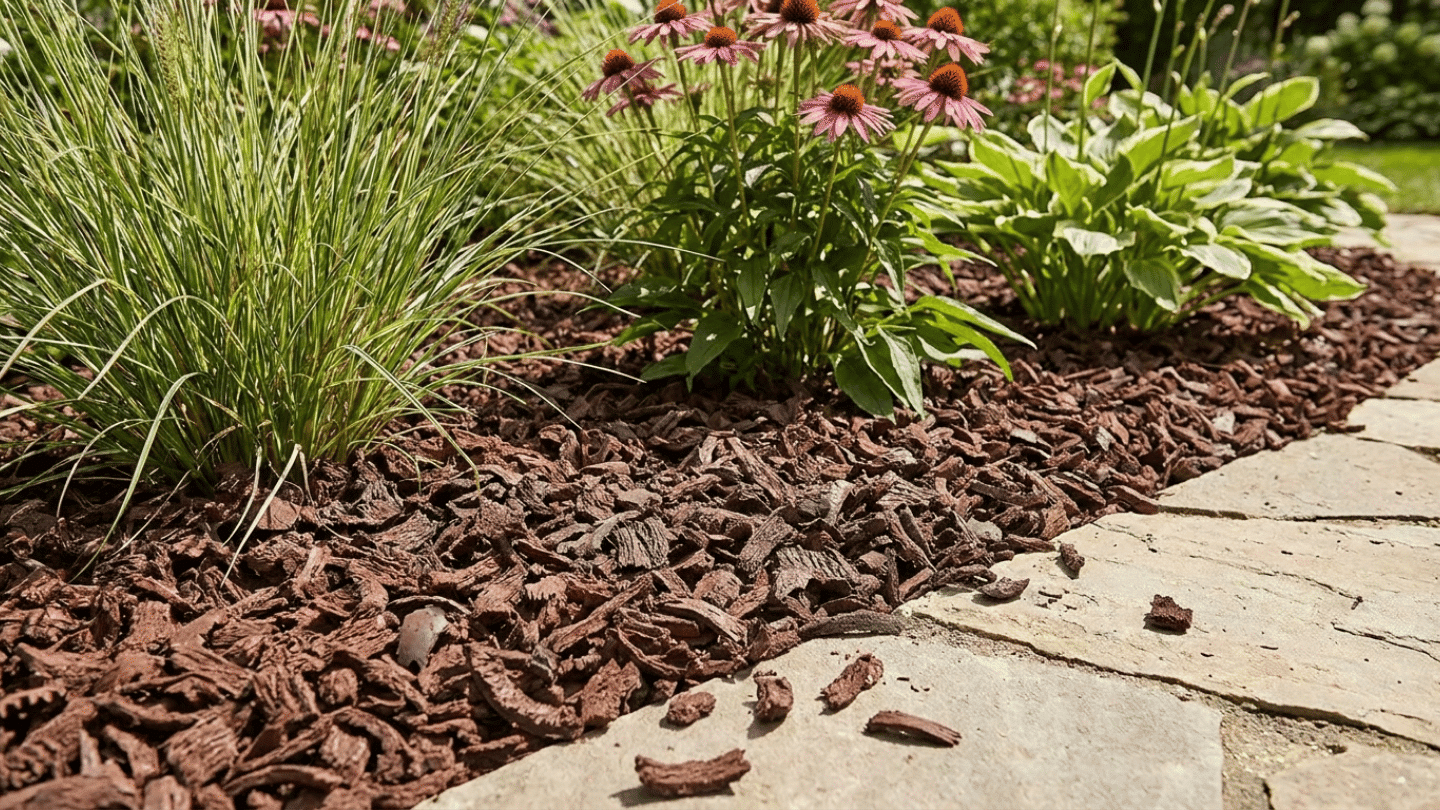
Rubber mulch is usually made from recycled tires and other rubber products. The rubber is cleaned, shredded, and processed into small mulch pieces for landscaping and playground use.
Unlike organic mulch, rubber mulch does not break down or add nutrients to the soil, but it can last much longer than natural mulch types.
Why Mulch is Used in Gardens
Mulch is more than just decoration; it plays a key role in garden health by conserving moisture, controlling weeds, protecting roots, and enriching the soil naturally.
- Helps Soil Hold Moisture: Mulch slows water evaporation from the soil, which helps plants stay hydrated longer and reduces frequent watering.
- Reduces Weed Growth: A mulch layer blocks sunlight from reaching weed seeds, making it harder for weeds to grow in garden beds.
- Protects Plant Roots: Mulch helps keep soil temperatures more stable during hot summers and colder weather, which protects plant roots.
- Improves Garden Appearance: Mulch gives flower beds and landscaping a cleaner and more organized look while adding color and texture.
- Adds Organic Matter to Soil: Organic mulch slowly breaks down over time and returns nutrients back into the soil to support plant growth.
Mulch vs. Compost: What’s the Difference?
Many people confuse mulch and compost because both are used in gardening and can be made from natural materials.
However, they serve different purposes in the garden. Mulch is mainly used to cover the soil surface, while compost is mixed into the soil to improve soil quality and plant growth.
| Mulch | Compost |
|---|---|
| Covers the soil surface | Mixed into the soil |
| Helps control weeds and moisture | Adds nutrients to soil |
| Often made from bark or wood chips | Made from decomposed organic waste |
| Used around plants and flower beds | Used to improve soil quality |
Mulch is mostly used for moisture retention, weed control, and protecting plant roots. Compost is used to improve the soil itself by adding nutrients and organic matter.
Some gardeners use both together by mixing compost into the soil first and then adding mulch on top.
Mulch vs. Topsoil: What’s the Difference?
Mulch and topsoil are both important in gardening, but they are used for very different purposes.
Many homeowners think they can be used the same way, but each material plays a separate role in plant growth and landscaping.
What Topsoil Does
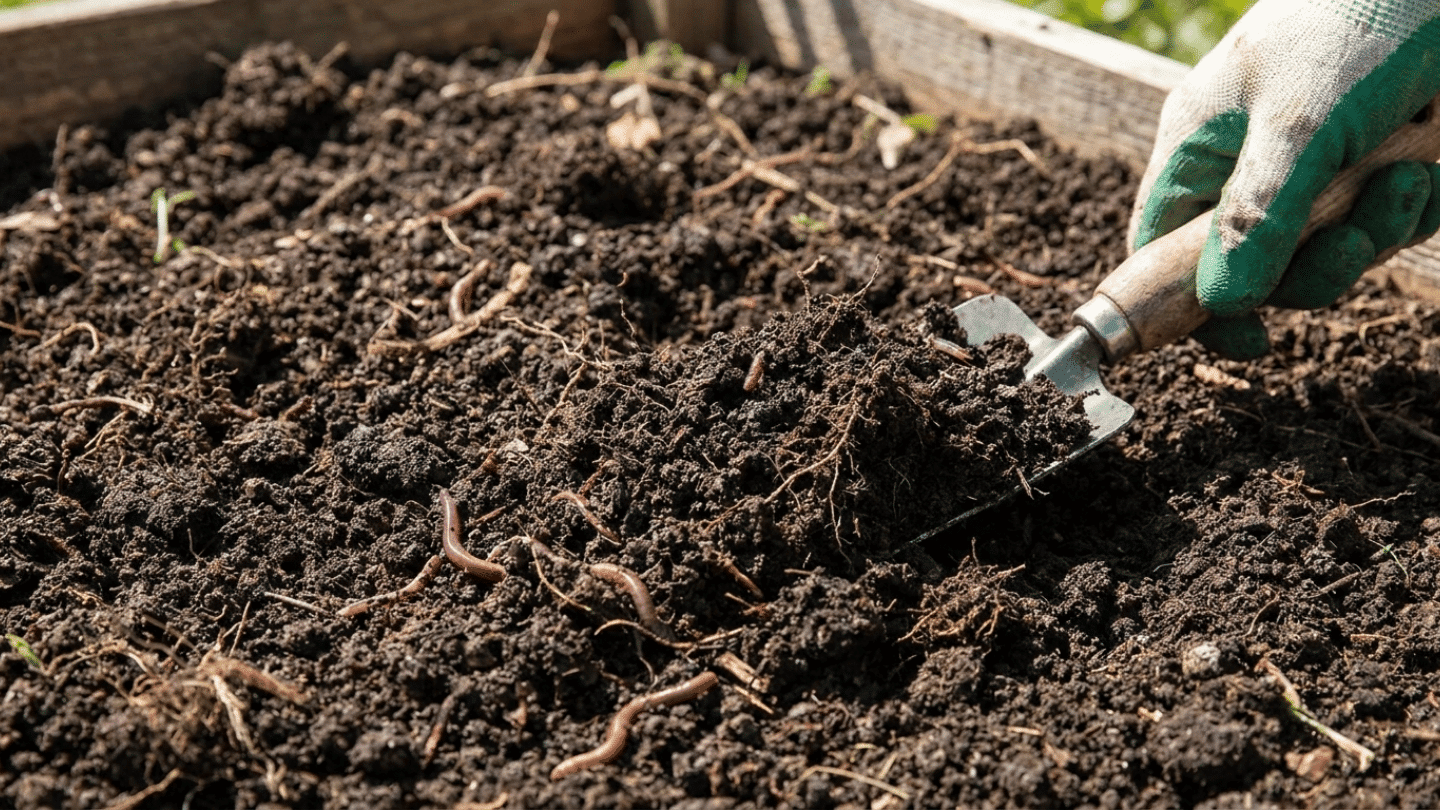
Topsoil is the upper layer of soil that contains minerals, organic matter, and nutrients needed for plant growth.
It is commonly used for planting grass, filling low spots in yards, starting new garden beds, and improving poor soil areas.
Because topsoil becomes part of the ground itself, plants grow directly in it.
How Mulch Is Different
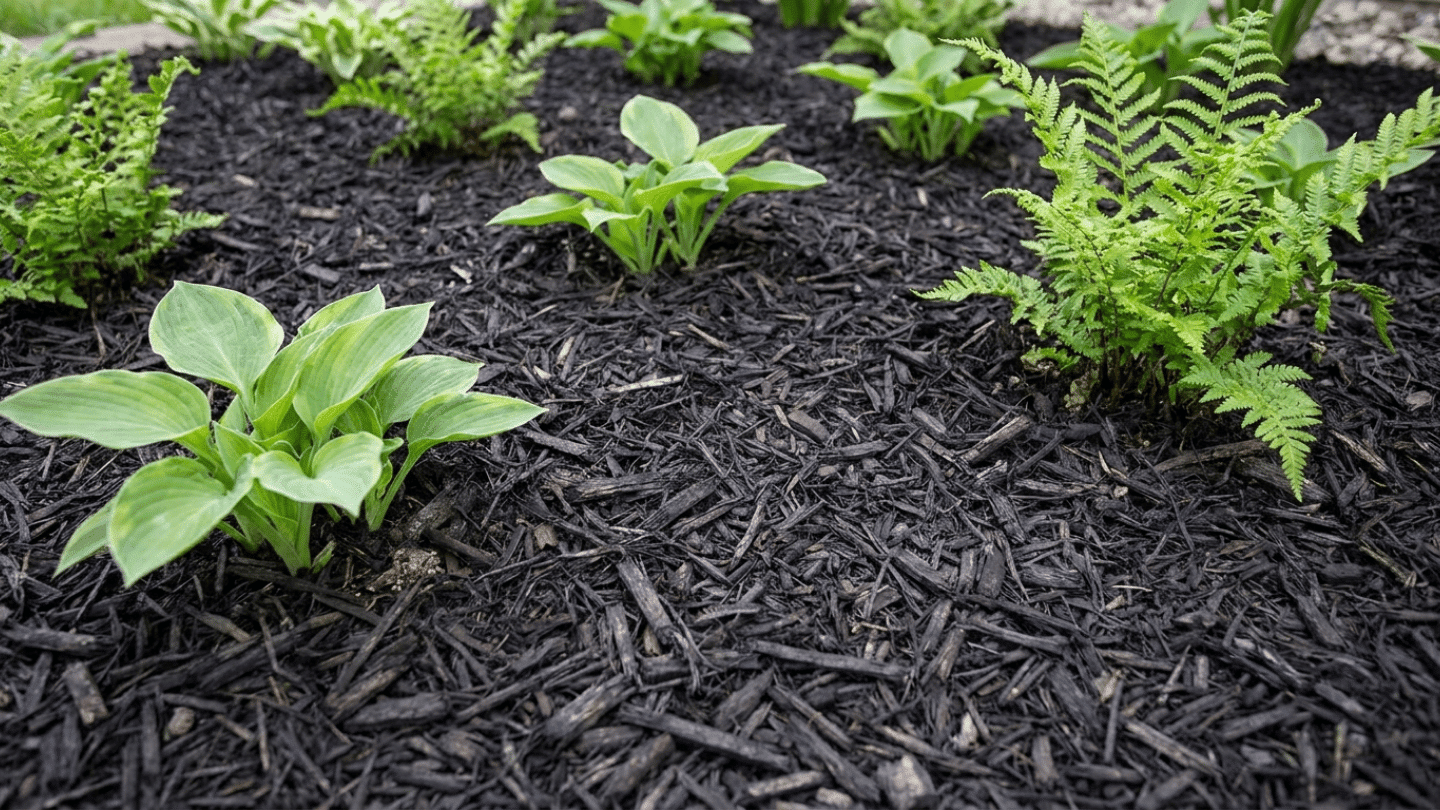
Mulch sits on top of the soil instead of replacing it.
Its main job is to protect the soil underneath by helping it hold moisture, reduce weed growth, and protect plant roots from temperature changes.
While organic mulch can slowly break down and improve soil over time, it is not meant to replace topsoil for planting purposes.
Choosing the Right Mulch for Your Garden
Choosing the right mulch can make a big difference in how your garden looks and how healthy your plants grow.
The type of mulch you select should match your garden’s needs, the plants you’re growing, and the amount of maintenance you are willing to do.
Best Mulch for Flower Beds
Bark mulch, wood chips, and shredded leaves are excellent choices for flower beds. They retain soil moisture, reduce weeds, and create a tidy, finished appearance around flowers.
A tip is to apply a 2–3 inch layer, leaving some space around plant stems to prevent rot. Refresh the mulch each season to maintain its effectiveness and appearance.
Best Mulch for Vegetable Gardens
Vegetable gardens benefit most from straw, grass clippings, and compost. These mulches decompose over time, adding nutrients to the soil and improving its structure.
Spread a thin layer of compost or straw around the plants, and keep it about 2–3 inches deep. Avoid using grass clippings treated with herbicides.
Also, mix compost lightly into the soil occasionally to boost fertility.
Best Mulch for Decorative Landscaping
For decorative areas, consider rubber mulch, colored wood chips, or gravel. These options last longer and need less maintenance than organic mulch.
Rubber and gravel are great for pathways or areas where you don’t want constant upkeep, while colored wood chips add visual appeal.
A useful tip is to combine decorative mulch with organic mulch underneath to help retain moisture for nearby plants.
By choosing the right type of mulch and following a few simple tips, you can protect your plants, reduce weeds, conserve water, and keep your garden looking beautiful year-round.
Even a small amount of planning can make your outdoor spaces healthier and easier to maintain.
Final Thoughts
Mulch can be made from many different materials, including tree bark, wood chips, leaves, straw, compost, rubber, and gravel.
Each type has its own purpose, but most mulches help gardens by holding moisture, reducing weeds, and protecting plant roots. Organic mulch can also improve soil over time as it breaks down naturally.
It is also important to understand the difference between mulch, compost, and topsoil before starting a gardening project.
While compost improves soil and topsoil supports planting, mulch mainly protects the soil surface and helps plants grow in better conditions.
Before choosing mulch for your yard or garden, think about your plant needs, maintenance goals, and the look you want for your outdoor space.
The right mulch can make gardening easier and help your landscape stay healthier throughout the year.
Frequently Asked Questions
Is Mulch made from Recycled Trees?
Yes, many mulch types are made from recycled tree bark, branches, wood chips, and other tree debris collected during landscaping work.
Does Mulch Break Down Over Time?
Organic mulch slowly breaks down over time and adds nutrients and organic matter back into the soil.
Can Compost be Used as Mulch?
Yes, compost can be spread on top of soil like mulch, especially in vegetable gardens and planting beds.
Which Mulch Lasts the Longest?
Inorganic mulch like rubber, gravel, and stones usually lasts longer because it does not decompose like organic mulch.

Holding a Master’s in Library and Information Science from the University of Illinois, Josh Clarke has dedicated more than 15 years to managing and disseminating information across various platforms. His professional journey includes significant experience as a research librarian, where he developed an expertise in sourcing and providing accurate and comprehensive answers to diverse questions. In 2018, Josh brought his rich experience to our platform, quickly establishing himself as a reliable source for general FAQs. He has been overseeing our information curation since then, combining his research skills with a flair for engaging content delivery. When not involved in information management, Josh enjoys exploring digital photography and participating in local quiz competitions, hobbies that complement his inquisitive nature and love for learning.